+852 5394 6901
 Take China Group Tours in 2026 to enjoy 30% discount compared to a private tour. Same Experience & Lowest Price!
Lhasa Airport Location & Transportation to Downtown
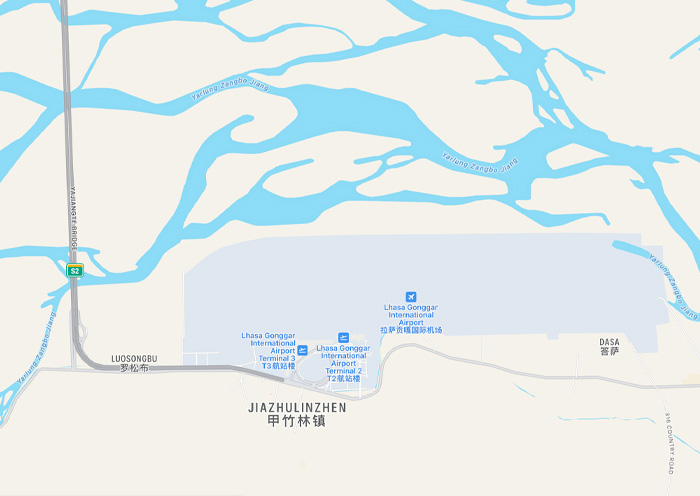
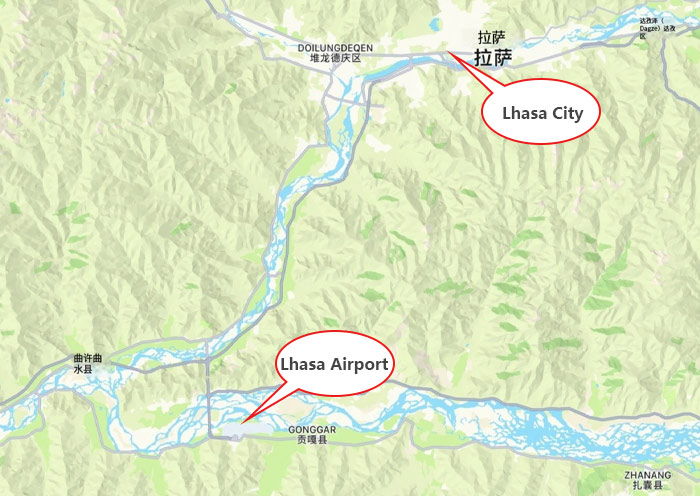
Lhasa Gonggar International Airport is located about 60 km (37 miles) south of downtown Lhasa, and the drive to the city center usually takes 1–1.5 hours, depending on traffic and weather conditions.
For international travelers, transportation is usually the easiest part of the journey. Once you book a guided Tibet tour, your local guide will meet you directly at the airport arrival hall and escort you to your hotel in Lhasa. Before your flight, your travel agency will provide the guide's name and contact details, so you can get in touch immediately after landing if needed. The guide will be waiting near the airport exit, making the arrival process smooth and worry-free.
That said, it's still helpful to understand the public transportation options from Lhasa Airport to downtown, just in case of flight delays or unexpected changes.
Taxi – Most Convenient Option
Taking a taxi is the fastest and most convenient way to get from Lhasa Airport to the city. Taxis are available outside the terminal, and the fare to downtown Lhasa typically ranges from RMB 200–300. Make sure the driver uses the meter or agrees on the price before departure.
Airport Shuttle Bus – Budget-Friendly Choice
The airport shuttle bus is a more economical option, operating between Lhasa Airport and central Lhasa. Buses usually stop near major hotels and transportation hubs in the city. While slower than taxis, it's a reliable choice for travelers arriving during daytime hours.
Tip: Due to Tibet's high altitude, it's best to avoid unnecessary physical exertion after arrival. Whether by taxi or shuttle bus, traveling directly to your hotel helps you acclimatize more comfortably.
Hotels in Lhasa: Where to Stay in Lhasa (Tibet)

Lhasa Airport Altitude 3,650 m (11,811 ft) & Tips to Handle Altitude Sickness
Lhasa Gonggar International Airport sits at an altitude of approximately 3,570 meters (11,710 feet) above sea level. While slightly lower than Lhasa city itself, the airport is still considered high altitude, and some travelers may begin to feel the effects of altitude as soon as they arrive.
Common symptoms of altitude sickness include headache, dizziness, shortness of breath, fatigue, nausea, and difficulty sleeping. These reactions are normal, especially for travelers coming from low-altitude regions, and usually improve within one to two days.
Practical Tips to Reduce Altitude Sickness After Arrival
1. Take It Slow After Landing
Avoid rushing or carrying heavy luggage at the airport. Your guide will assist you and transfer you directly to your hotel so you can rest as soon as possible.
2. Stay Hydrated, Avoid Alcohol
Drink plenty of water or warm beverages. Avoid alcohol and smoking during your first 24–48 hours in Lhasa, as they can worsen altitude symptoms.
3. Eat Light Meals
Choose light, easy-to-digest foods on your arrival day. Heavy or greasy meals can increase discomfort at high altitude.
4. Use Supplemental Oxygen if Needed
Oxygen is available at Lhasa Airport and most hotels in the city. Some travelers find short oxygen inhalation helpful during the first night.
5. Rest Well on Your First Day
Plan a relaxed arrival day with minimal sightseeing. Proper rest is the most effective way for your body to acclimatize.
6. Follow Your Guide's Advice
Your local guide is experienced in helping visitors adapt to Tibet's altitude and will adjust the itinerary if necessary to ensure your comfort and safety.
Good to know: Many travelers worry about altitude sickness before visiting Tibet, but with proper acclimatization and a well-planned itinerary, most people adjust smoothly and enjoy their journey without serious issues.
Lhasa Airport Flights: International & Domestic
Lhasa Airport International Flights
Lhasa Gonggar Airport is the only international airport among Tibet's various airports. Currently, it operates only three international flight routes:
- A non-stop flight between Lhasa and Kathmandu, Nepal
- A direct flight from Lhasa to Singapore via Chongqing (launched in December 2024),
- A direct flight from Hong Kong to Lhasa via Chengdu Tianfu International Airport (launched in February 2025).
With the rapid growth of China's tourism and Tibet's travel industry, it is expected that more international direct flights to Lhasa will be introduced in the future.
Domestic Flights to Lhasa Gonggar Airport
About 95% of domestic flights to Tibet arrive at Lhasa Gonggar Airport. Notably, 70% of these flights depart from Chengdu, making Chengdu the primary gateway city to Lhasa. Other major cities offering flights to Lhasa are listed in the table below for reference.
| Departure City | Duration | Frequency | Departure City | Duration | Frequency |
|---|---|---|---|---|---|
| Chengdu | 2h30min | 20+ daily | Chongqing | 2h50min | 10+ daily |
| Xi'an | 3h10 min | 10+ daily | Guangzhou | 4-6 h | Daily |
| Beijing | 4.5 h | Daily | Shanghai | 6-8 h | Daily |
| Kunming | 2.5 h | Daily | Xining | 2.5 h | Daily |
During Tibet's peak travel season from April to October, there are more flights to and from Lhasa, including non-stop flights from distant cities. However, during the low season from November to March, flights from distant cities to Lhasa may stop over in cities closer to Lhasa.
For example, flights from eastern cities like Shanghai and Hangzhou to Lhasa often have stopovers in cities such as Xining or Xi'an, which are closer to Lhasa. Similarly, flights from southern cities like Guangzhou and Shenzhen to Lhasa might transit through cities like Chongqing, Chengdu, or Kunming.
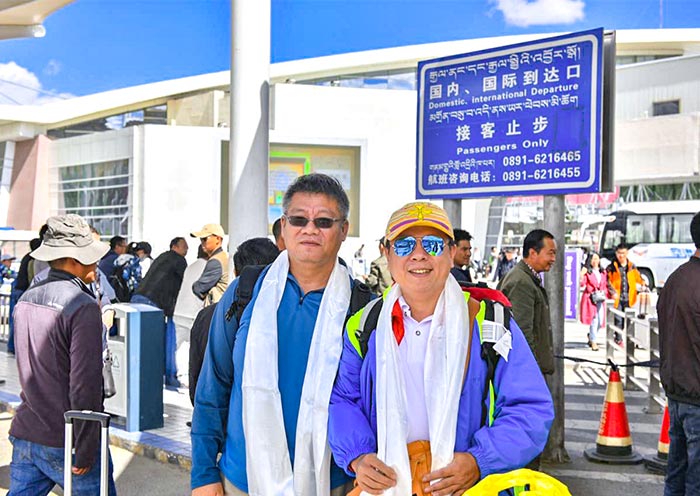
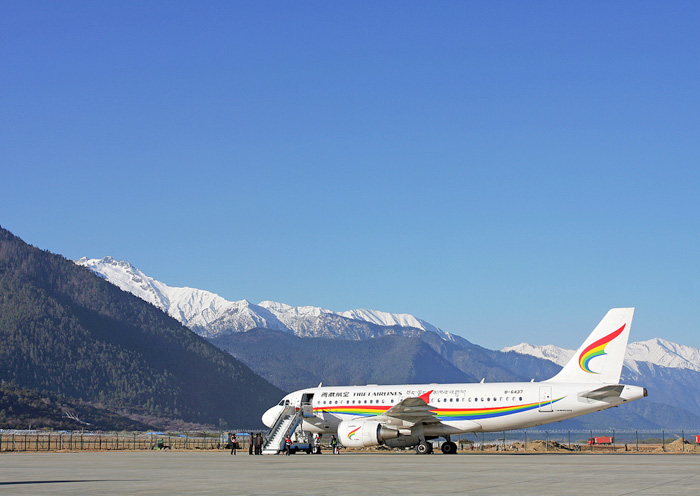
Additionally, during the peak season, many smaller cities in neighboring provinces like Sichuan, Yunnan, Qinghai, and Xinjiang also offer direct flights to Lhasa.
Popular tourist destinations such as Daocheng and Kangding in Sichuan, Yushu in Qinghai, Kashgar and Turpan in Xinjiang, and Lijiang and Shangri-La in Yunnan are among the locations with seasonal direct flights to Lhasa. This offers more travel opportunities for people visiting Tibet by flight.
Important Travel Permit Requirement
All travelers flying to Lhasa must hold a valid Tibet Travel Permit before boarding. Airlines will check the permit at the airport before issuing boarding passes, whether you are flying from within China or from abroad. The permit can only be arranged through a licensed Tibet travel agency as part of a guided tour.
Terminals and Facilities of Lhasa Airport
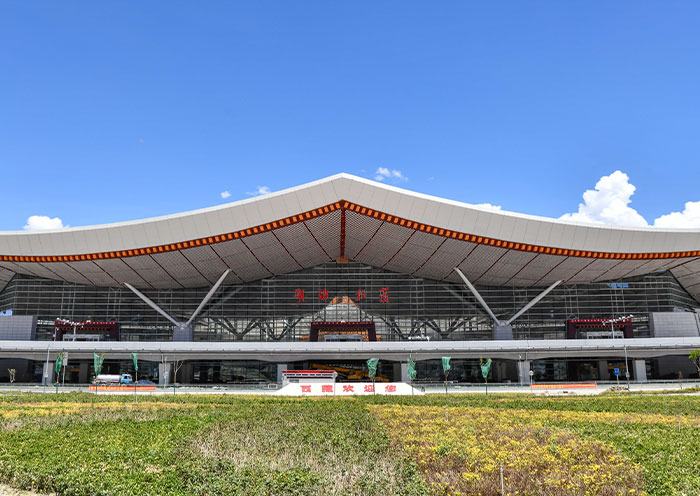
Lhasa Gonggar Airport has three terminals: T1, T2, and T3.
- T1 is the oldest terminal and currently does not handle any flights.
- T2 serves international flights but is relatively small, with limited options for dining and shopping inside.
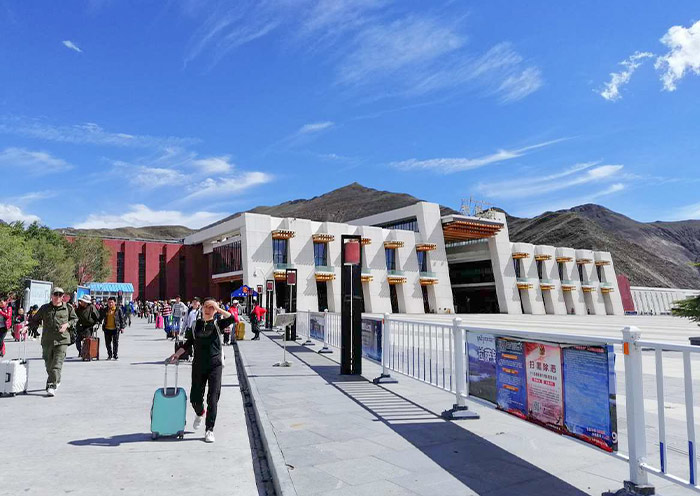
- T3 is the largest and newest terminal, opened in 2021. It handles domestic flights and offers a more complete range of services and amenities.
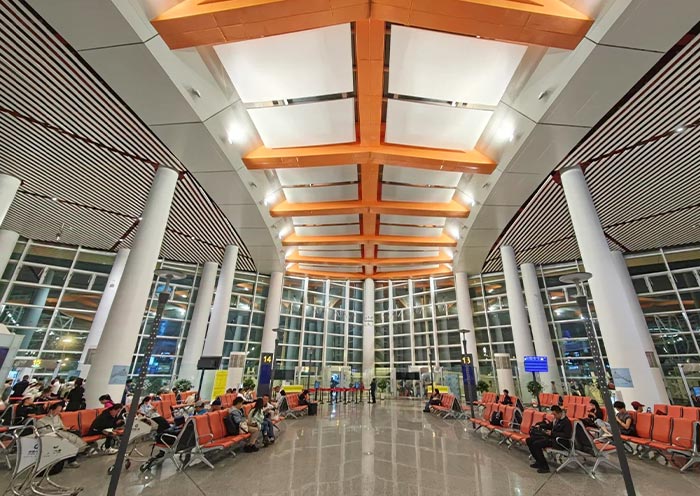
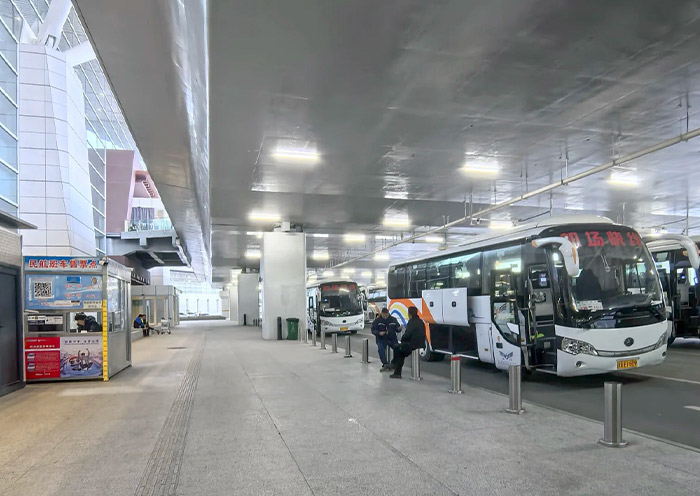
Facilities at T3: The modern T3 terminal offers a variety of convenient services, including:
- Restaurants and cafes offering both local and Chinese cuisine
- Duty-free shops and souvenir stores
- Free Wi-Fi throughout the terminal
- Currency exchange services and ATMs
- Medical services, including oxygen supply for passengers affected by altitude sickness
T3 is designed to provide a more comfortable experience for travelers with all the essentials you need for a smooth journey.
FAQs About Lhasa Gonggar International Airport
1. Is Lhasa Gonggar Airport the only airport in Lhasa?
Yes. Lhasa Gonggar International Airport (LXA) is the only airport serving Lhasa city and the main aviation gateway to Tibet. It handles both domestic flights from major Chinese cities and limited international routes.
2. Can foreigners fly to Lhasa independently?
No. Independent travel to Tibet is not permitted for foreign travelers. Whether you fly or take a train, you must join a guided tour arranged by a licensed local travel agency.
3. Do I need a Tibet Travel Permit to fly to Lhasa?
Yes. All foreign travelers must hold a valid Tibet Travel Permit before boarding any flight or train to Lhasa. Airlines will check the permit at the airport before issuing boarding passes. The permit can only be obtained through an authorized Tibet travel agency.
4. How do I get from Lhasa Airport to my hotel?
For most international travelers, airport pickup is included in the guided tour. Your local guide will meet you at the airport arrival hall and transfer you directly to your hotel.
If needed, taxis and airport shuttle buses are also available.
5. Is altitude sickness common at Lhasa Airport?
Mild altitude reactions such as headache or shortness of breath are common, especially for travelers arriving from low-altitude areas. Most symptoms improve within one or two days with rest, hydration, and proper acclimatization.
6. Are oxygen supplies available at Lhasa Airport?
Yes. Supplemental oxygen is available at Lhasa Airport and in most hotels in the city. Your guide can assist you if oxygen support is needed after arrival.
7. What is the best time of day to arrive in Lhasa?
Arriving in the morning or early afternoon is recommended. This allows time to rest, adjust to the altitude, and recover from travel fatigue before nighttime.
8. Can I use mobile payment or ATMs at Lhasa Airport?
Basic services such as ATMs, restrooms, and small shops are available at the airport. Mobile payments like WeChat Pay and Alipay are commonly used in China, but having some cash is still recommended.
9. Will my guide speak English?
Yes. For international tours, English-speaking local guides are arranged and will assist you throughout your arrival and stay in Tibet.
Explore Lhasa and Tibet with Flights to Lhasa Airport
Planning a trip to Tibet? Choosing an itinerary that starts with a flight to Lhasa Gonggar Airport allows you to maximize your time exploring this mesmerizing region. Whether you're seeking spiritual enlightenment, natural beauty, or cultural immersion, here are three curated itineraries to help you experience the best of Lhasa and Tibet.
Option 1: Classic Lhasa Discovery (5 Days)
Perfect for: First-time visitors seeking an introduction to Tibetan culture and history.
Day 1: Arrival in Lhasa
- Arrive at Lhasa Gonggar Airport and transfer to your hotel.
- Spend the day acclimatizing to the altitude and exploring nearby streets.
Day 2: Spiritual Heart of Lhasa
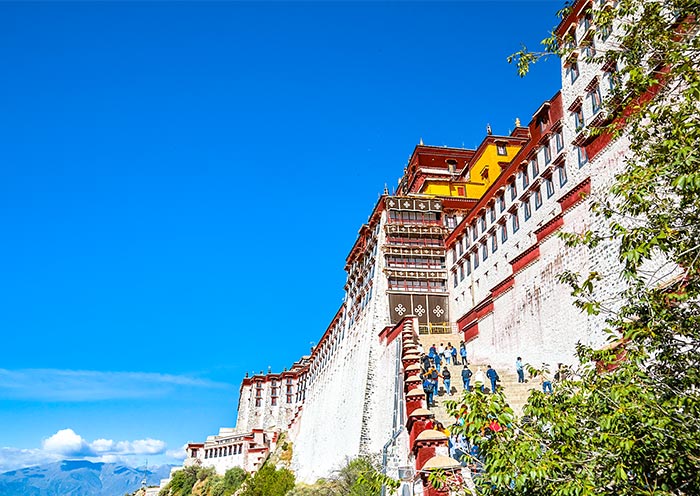
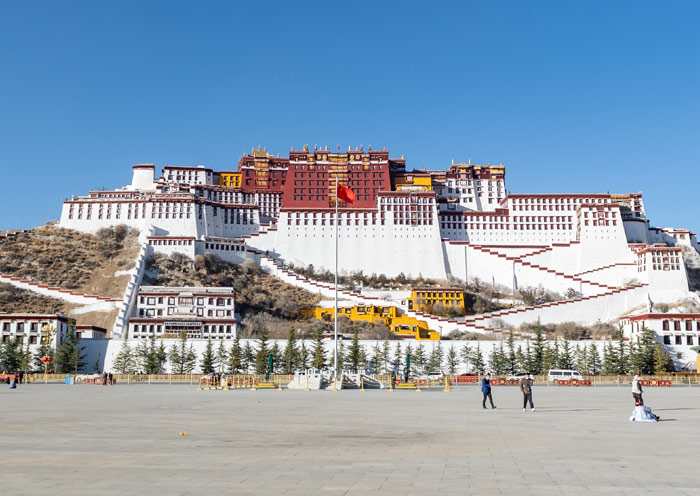
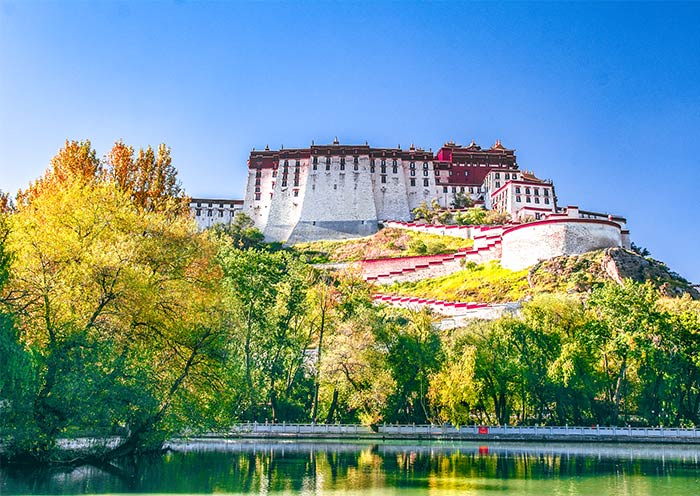
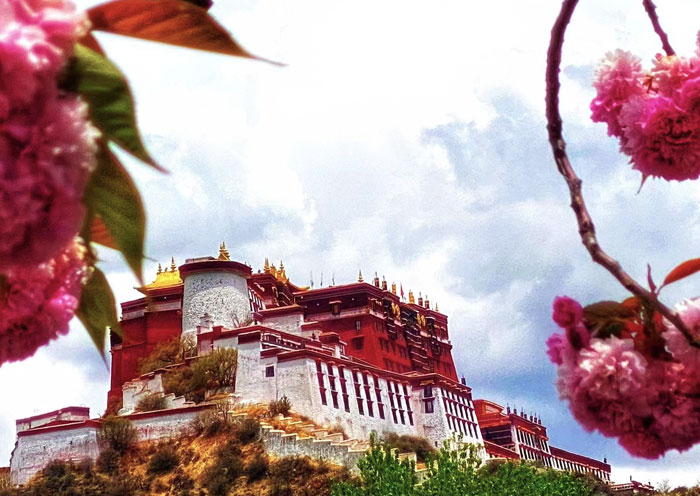
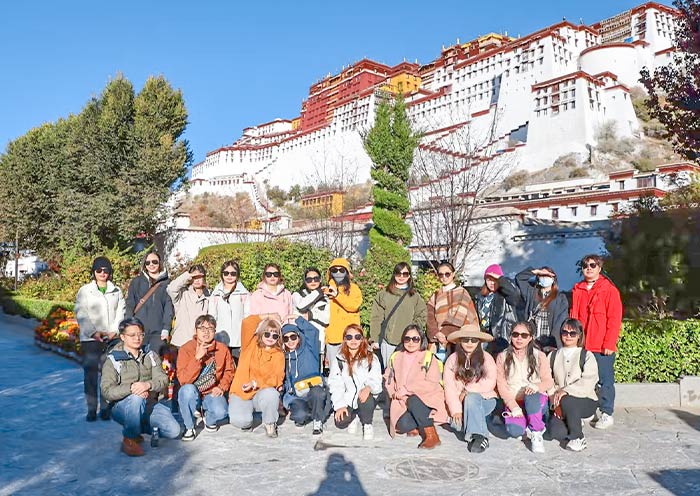
- Visit the iconic Potala Palace, the former residence of the Dalai Lama.
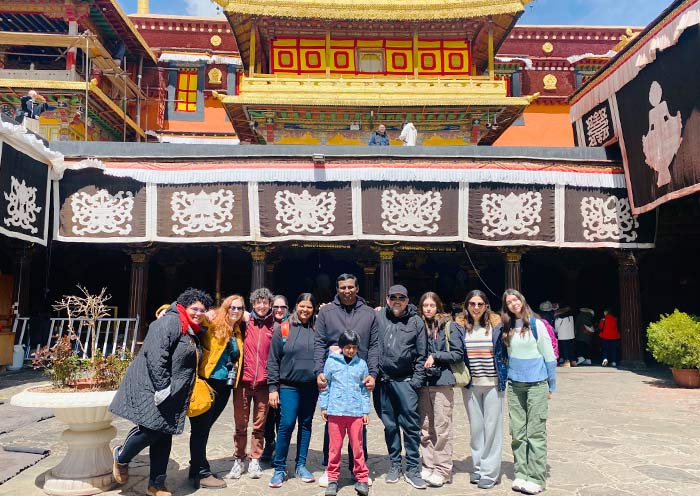
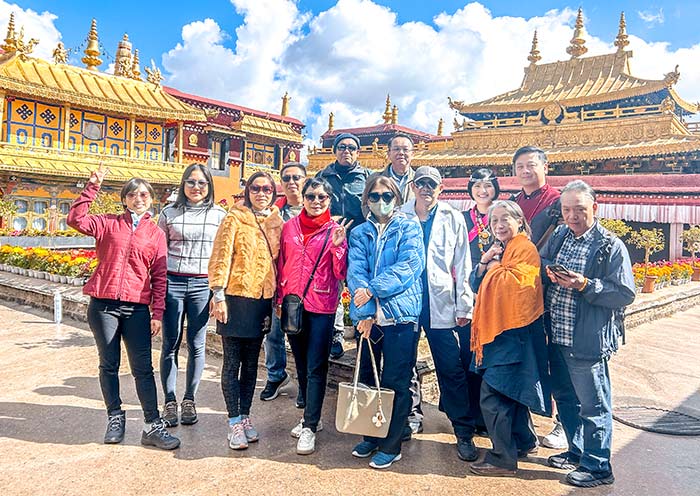
- Explore the sacred Jokhang Temple, the spiritual center of Tibetan Buddhism.
- Stroll around Barkhor Street and shop for traditional Tibetan crafts.
Potala Palace Altitude (3,700m): 15 Tips to Avoid Altitude Sickness
Day 3: Monastic Marvels
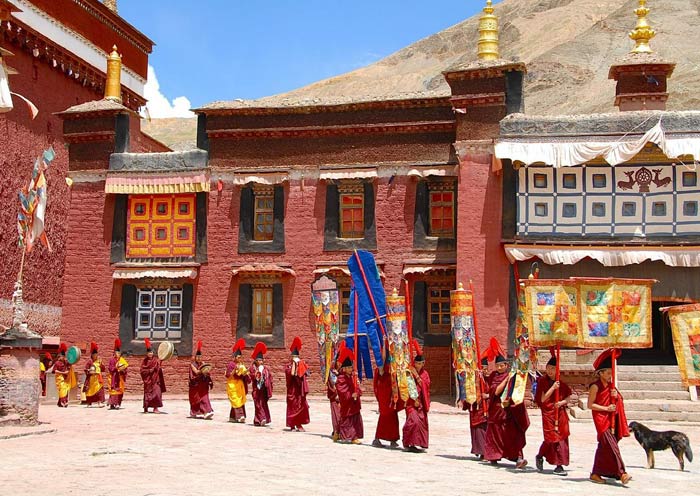
- Visit Sera Monastery to witness the famous monk debates.
- Experience traditional Tibetan culture, such as Tibetan writing, thangka painting, Tibetan incense making, etc.
Day 4: Yamdrok Lake Adventure
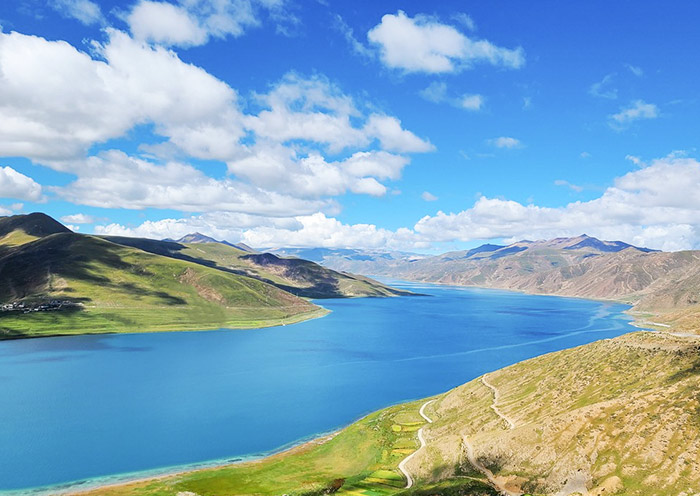
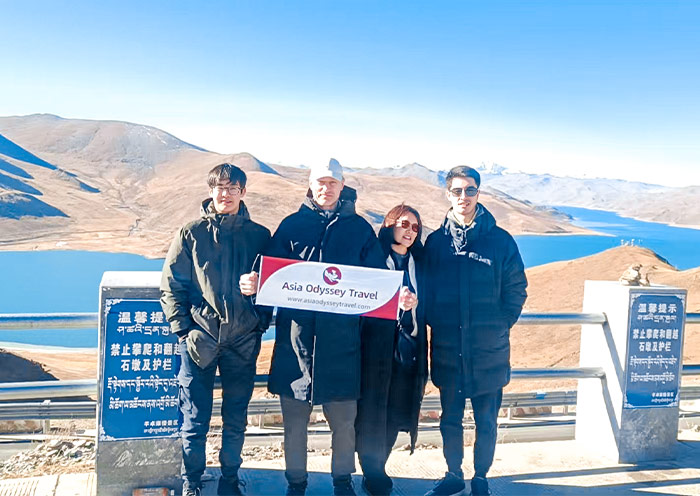
- Take a day trip to Yamdrok Lake, one of Tibet's three holy lakes, and enjoy its turquoise beauty against the backdrop of snow-capped mountains.
Day 5: Departure
- Transfer to the airport for your flight home or onward journey.
Option 2: Everest Base Camp Expedition (8 Days)
Perfect for: Adventure enthusiasts ready for a journey into the Himalayas.
Day 1–3: Highlights of Lhasa
Explore Lhasa's main attractions and acclimatize to the high altitude.
Day 4: Gyantse and Shigatse
Drive to Gyantse, visit Pelkor Monastery, and marvel at the Gyantse Kumbum. Continue to Shigatse to see Tashilhunpo Monastery, the seat of the Panchen Lama.
Day 5: Journey to Everest Base Camp (EBC)
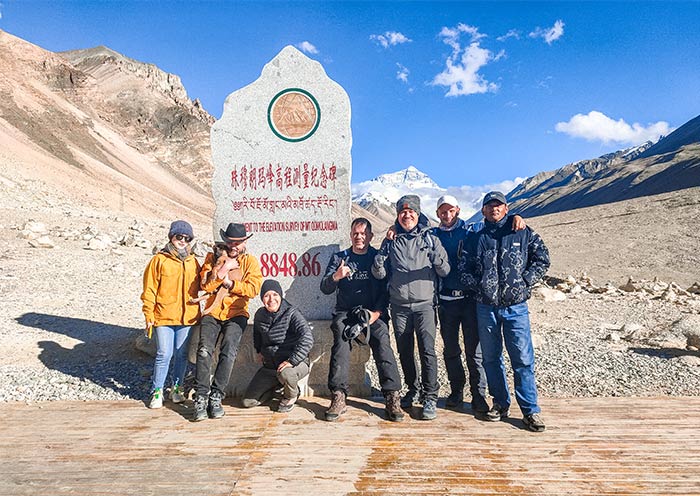
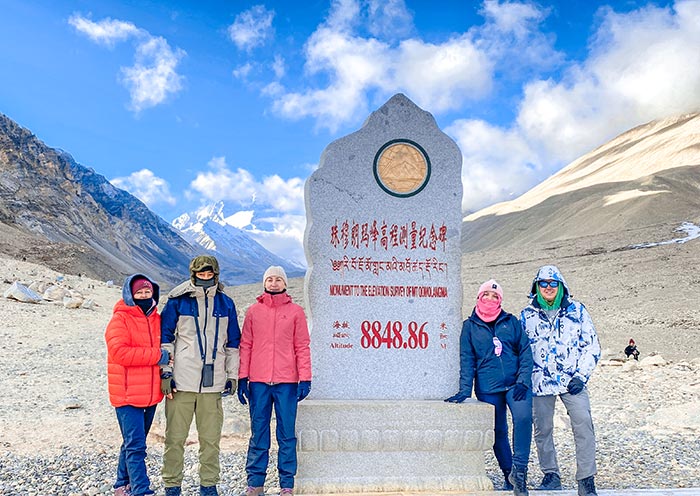
Travel through the Himalayas to Rongbuk Monastery, the highest monastery in the world. Enjoy the awe-inspiring view of Mount Everest.
Day 6: Sunrise at EBC and Return to Shigatse
Witness the sunrise over Everest and return to Shigatse for an overnight stay.
Day 7: Return to Lhasa
Drive back to Lhasa, enjoying scenic stops along the way.
Day 8: Departure
Fly from Lhasa Gonggar Airport to your next destination.
Explore Tibet with Asia Odyssey Travel
With over 10 years of local expertise in Lhasa and Tibet (Xizang), our dedicated team at Asia Odyssey Travel brings you carefully curated Tibet tours for an authentic and unforgettable experience.
Drawing upon our extensive experience, we have meticulously crafted a range of Tibet tour packages, including Lhasa tours, Mount Everest Tours, Mount Kailash Tours, Tibet Trekking Tours, Tibet Train Tours, and Tibet Overland Tours. Whether you prefer the comfort and flexibility of a private tour or the budget-friendly option of a group tour, we have you covered without compromising on quality.
Additionally, we cater to various travel preferences, whether you wish to commence your Tibet tour from one of the popular gateway cities in China, embark on Nepal Tibet tours, or even explore the mesmerizing Himalayan region. Whatever you desire, Asia Odyssey Travel has the perfect tour to meet your needs, ensuring that your expedition to Tibet (Xizang) becomes an unforgettable adventure.


 Data in submission...