This morning, your guide will meet you in the hotel lobby and escort you to Shanghai high speed train station for your bullet train to Suzhou (about 0.5 hour, 90km). Welcome to Suzhou, reputed as the "City of Gardens" and "Venice of the East," offering an elegant and picturesque atmosphere. Upon arrival in Suzhou, you will be escorted to explore this charming, poetic city.
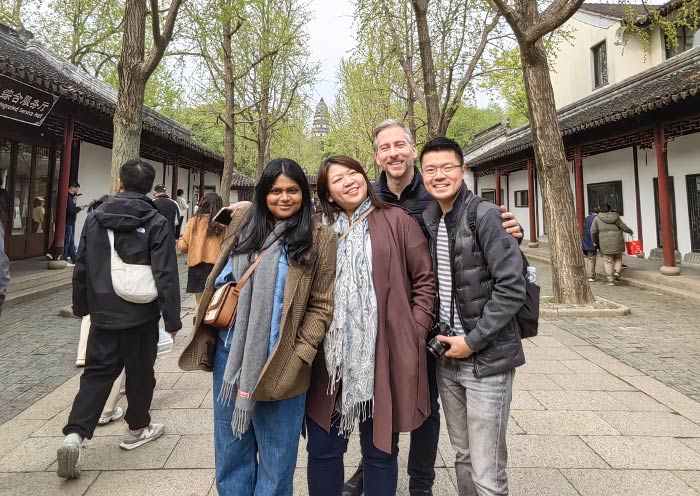
Your first stop is a brief visit to the Suzhou Garden Museum to gain a clear understanding of the Classical Gardens of Suzhou, which consist of nine gardens in the historic city of Suzhou listed as a UNESCO World Heritage Site. Then, continue your discovery at the serene Humble Administrator’s Garden, the largest garden in Suzhou, which is considered one of the greatest examples of quintessential Chinese landscape design.
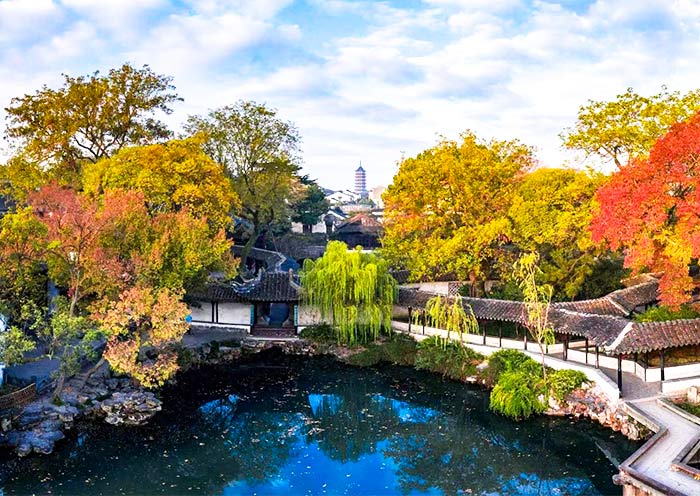
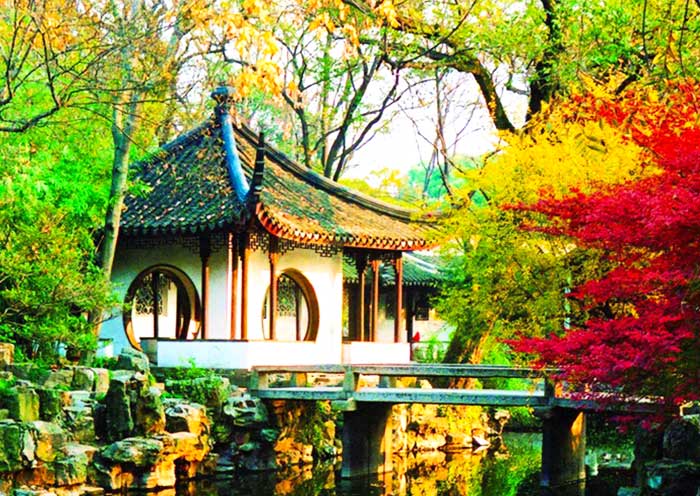
Built in 1509, Humble Administrator's Garden is the finest example of a Ming Dynasty garden. Retired magistrate Wang Xianchen created this masterpiece over 16 years. He named it to reflect his desire for a humble life after public service. The garden has three sections: the expansive Eastern Garden, the distinguished Central Garden, and the exquisite Western buildings. With its ponds, rockeries, trees, and pavilions, the garden unveils scenic views like an unrolling scroll painting. As you meander along the circular route, be impressed by the intimate courtyards, elegant architectural details, and majestic artisan stonework while immersing yourself in the gorgeous poems depicted in each architecture. These poems reflect the notable attitudes of the owners. The Orchid Snow Hall, the main hall in the eastern part of the garden, gets its name from Li Bai's poem verse "Alone between heaven and earth, the clear breeze scatters the orchid snow" (独立天地间,清风洒兰雪), implying a pure and lofty character. Walking along the path, you will come to the House of Sweet-Scented Osmanthus, the main building in the garden, named after Zhou Dunyi's essay "In Love with the Lotus" (香远益清,亭亭净植), implying noble and elegant virtues. Overlooking the fan-shaped "With Whom Shall I Sit in the Pavilion", you will evoke the atmosphere of Su Dongpo's poem "With whom shall I sit? The bright moon, the fresh breeze, and I" (与谁同坐?明月清风我). Continuing your journey, you will reach Jianshan Hall, named after the poem by Tao Yuanming "Gathering chrysanthemums by the eastern hedge, I contentedly gaze upon the southern mountains" (采菊东篱下,悠然见南山). Every step in this poetic atmosphere is accompanied by architecture that tells a story through its connection to a poem.
Important tips for appreciating and photographing Suzhou Gardens:
Begin by observing the overall layout and composition of the garden from the map. This will give you an impression of the main themes and designs.
Take a tour of the garden with an open mind to appreciate its essence. Pay attention to the use of spatial techniques like borrowed scenery, facing scenery, leaked scenery etc.
Notice the architecture - its layout, forms, and how it complements other elements like plants, rocks, water. Understand the cultural significance behind the designs.
Spend time comprehending the mood and emotions conveyed through the names of the buildings and their accompanying couplets.
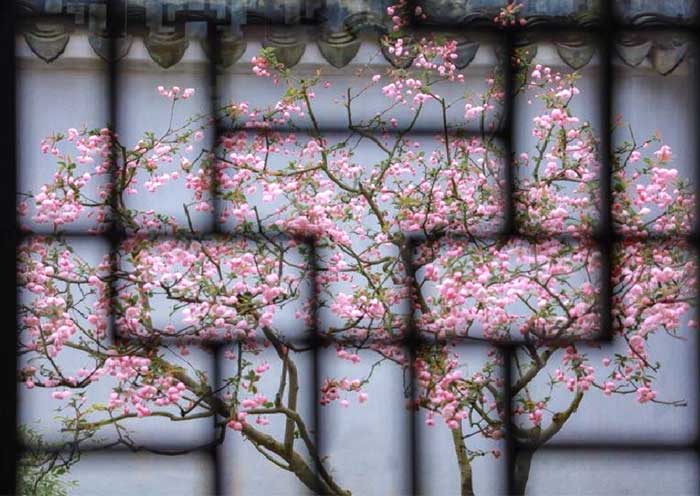
Look out for scenic views that capture the seasonal beauty of the garden.
Frame and photograph interesting perspectives using the garden's structures and scenery.
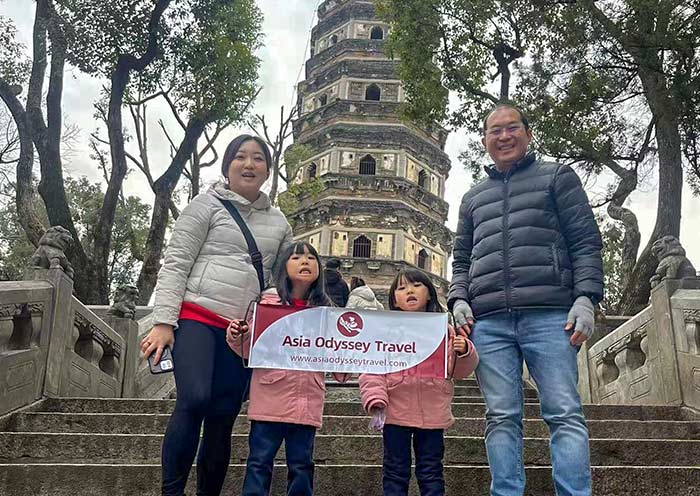
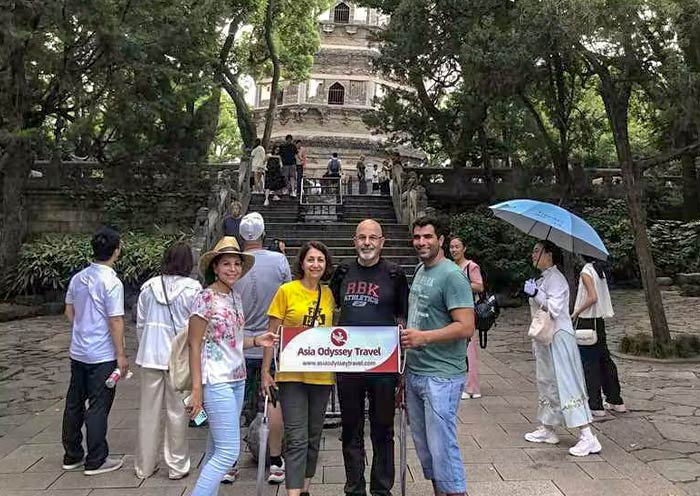
After lunch, you will visit the iconic Suzhou landmark - Tiger Hill (Hu Qiu), known as the "Number One Mountain in Wu Region". This site holds cultural significance related to prominent Tang Dynasty poet Bai Juyi. He oversaw the excavation of the Shantang River, forming Shantang Street and creating the poetic transportation route of "Seven Li Shantang to Tiger Hill". “From the road leading to Kaishan Temple, water and land traffic frequently intermingled. Silver bridles guided spirited horses, while flower boats carried beautiful women” (自开山寺路,水陆往来频。银勒牵骄马,花船载丽人). At Tiger Hill, marvel at the renowned Tiger Hill Pagoda, the oldest surviving brick pagoda in China and sole remaining structure from the Five Dynasties period. Its architectural style embodies Tang and Song aesthetics. Tiger Hill Pagoda is often called the "Leaning Tower of China." Also explore the Sword Pond at Tiger Hill, said to be the entrance to the tomb of King Helü of Wu with three thousand treasure swords buried below. As described in a poem, "Bizarre rocks with a thousand monks seated, a mystical pond where a sword rests deep. The Hai Dang Pavilion on both sides, the mountain at the heart of the temple" (怪石千僧坐,灵池一剑沉。海当亭两面,山在寺中心).
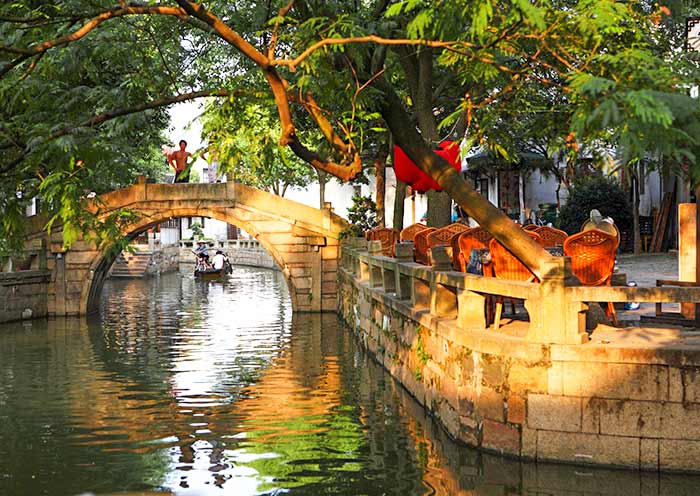
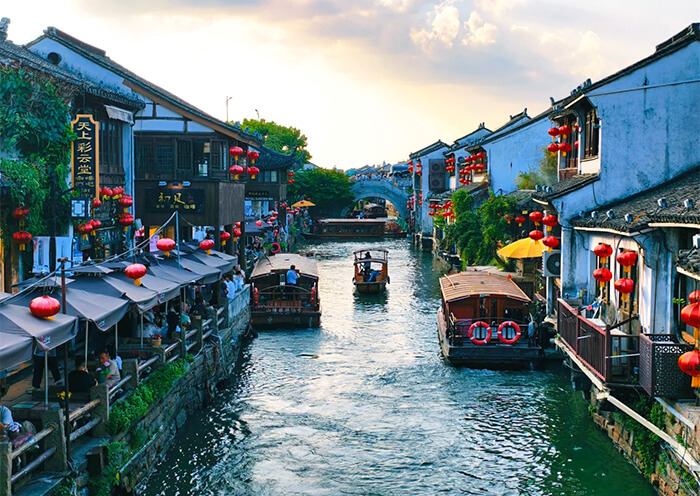
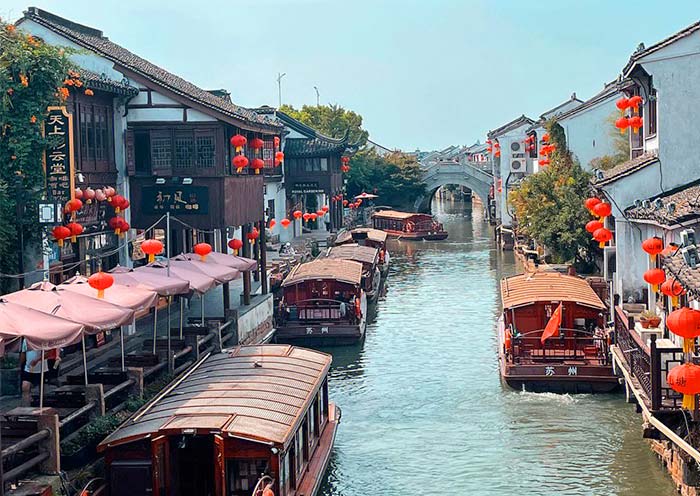
Afterward, take a leisurely walk along Pingjiang Road, a living map of the Song Dynasty. Its cobblestone lanes and riverside pathways perfectly showcase the charm of old Suzhou. Walk through the historic streets, know Suzhou Pingtan, or try authentic Suzhou snacks.
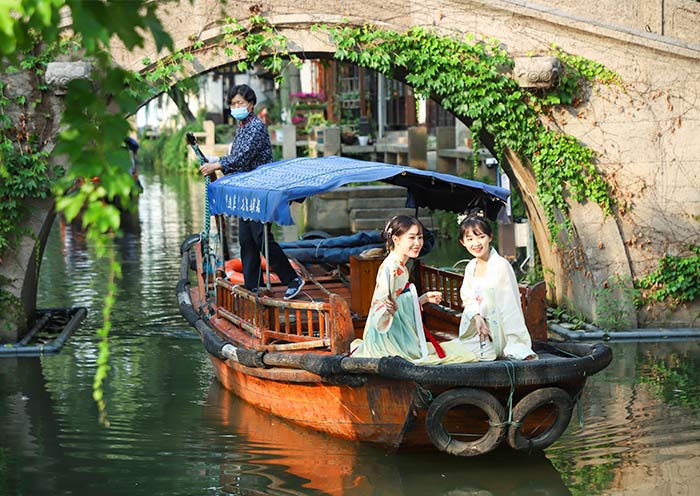
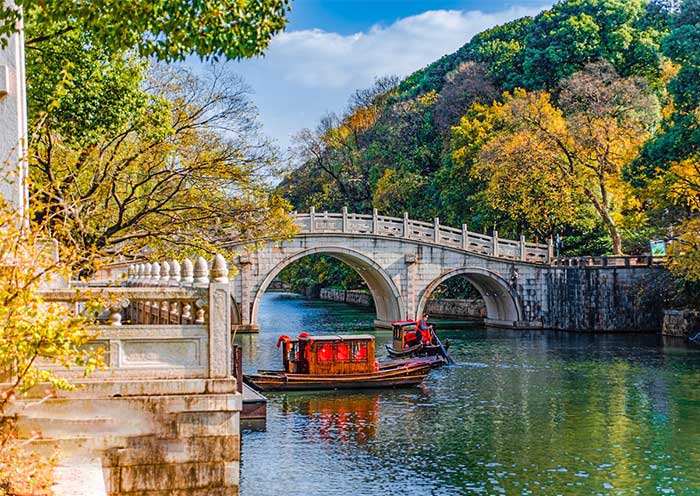
If you like, you can also take 30-40 minute traditional boat ride (optional experience) along the Pingjiang Road Canal. This gentle journey lets you experience the romance of “When you come to Suzhou, every household lives along the river,” and feel the unhurried rhythm of life that has shaped Suzhou for centuries.
After the tour, you will be taken to the railway station in Suzhou for your high-speed train back to Shanghai (about 30 minutes). Your guide will then escort you to your hotel or to the airport/train station for your onward journey.
Thank you for choosing Asia Odyssey Travel (AOT) for your China tour. We look forward to serving you again on your next adventure in China or across Asia!

 +852 5394 6901
 Take China Group Tours in 2026/2027 to enjoy 30% discount compared to private tour. Same Experience & Lowest Price!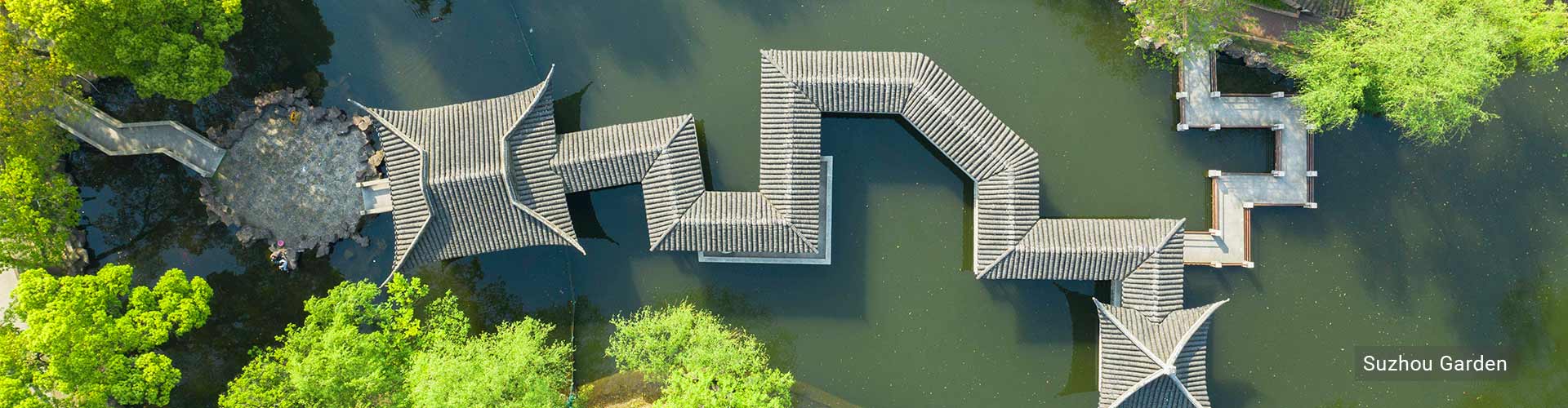


 View Destinations

 Dining:
 Accommodation: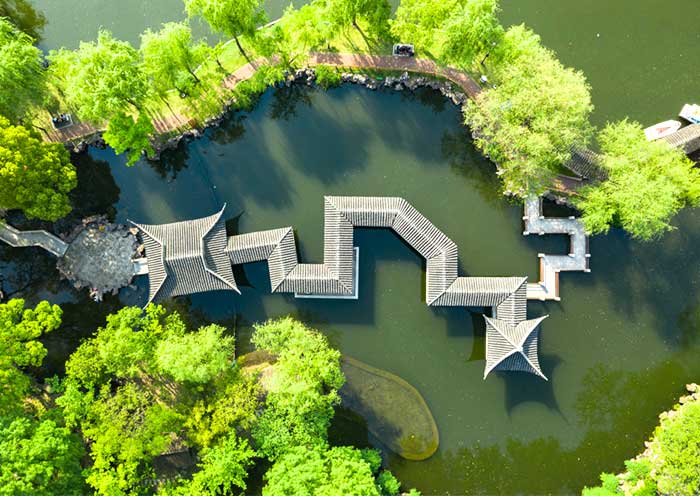









 Gallery



 Shanghai
 Suzhou
 Shanghai





 Data in submission...