Explore Essential Highlights for Five Stans Tour
Want good logic to explore the Five Stans? This 16-day Central Asia tour covers the essential highlights and iconic landmarks of Kazakhstan, Kyrgyzstan, Uzbekistan, Tajikistan, and Turkmenistan - an ideal choice for first-time travelers seeking efficient-paced, comprehensive experience, at cheaper price.
Kazakhstan & Kyrgyzstan: Your trip begins in Almaty, Kazakhstan’s cultural hub, where modern city life contrasts beautifully with the dramatic landscapes of Charyn Canyon. From there, fly to Bishkek, Kyrgyzstan, where the pace slows down. Relax along the shores of Issyk-Kul Lake, step back in time at the Burana Tower, and immerse yourself in the nomadic heritage that defines this country.
Uzbekistan & Tajikistan: Flying onward to Tashkent, Uzbekistan, the journey reaches its cultural peak. Explore Samarkand and Bukhara - Silk Road jewels with turquoise domes, bustling bazaars, and Timurid masterpieces. Cross into Tajikistan to discover Penjikent and the stunning Seven Lakes, combining ancient Sogdian ruins with light mountain hikes.
Turkmenistan: End your adventure in Turkmenistan, where history and mystery intertwine - from the ruins of Ancient Merv, the surreal Darvaza Gas Crater to Ashgabat’s marble monuments.
16 days, five stans. Experience the very core of Central Asia. ancient cultures, natural diversity. We crafte for the truly intrepid explorer!
Almaty, Kazakhstan (2 Days)
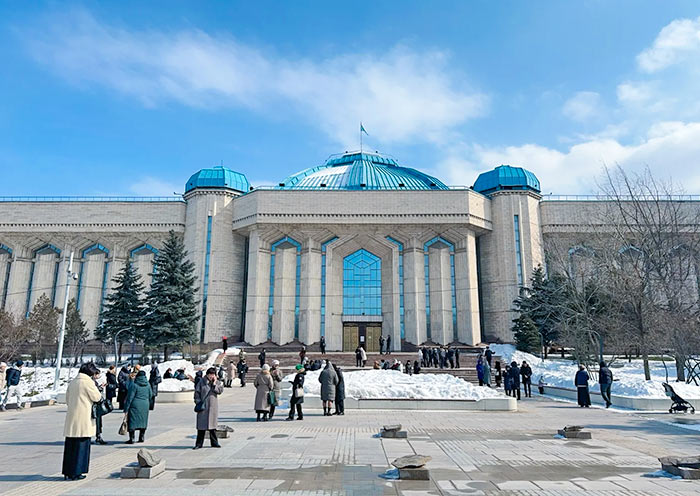
Central State Museum of Kazakhstan, Panfilov Park and Zenkov Cathedral, Green Bazaar, Almaty Metro, and Kok-Tobe Hill.
Charyn Canyon, Kazakhstan (1 Day)
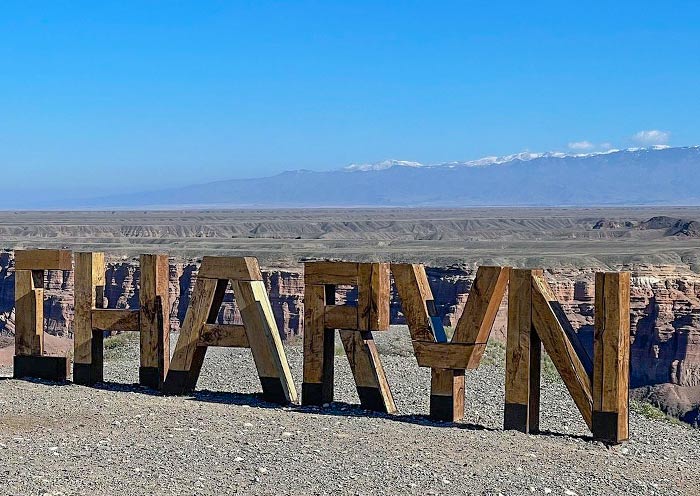
Day trip to Charyn Canyon
Almaty, Kazakhstan
Bishkek, Kyrgyzstan (1 Day)
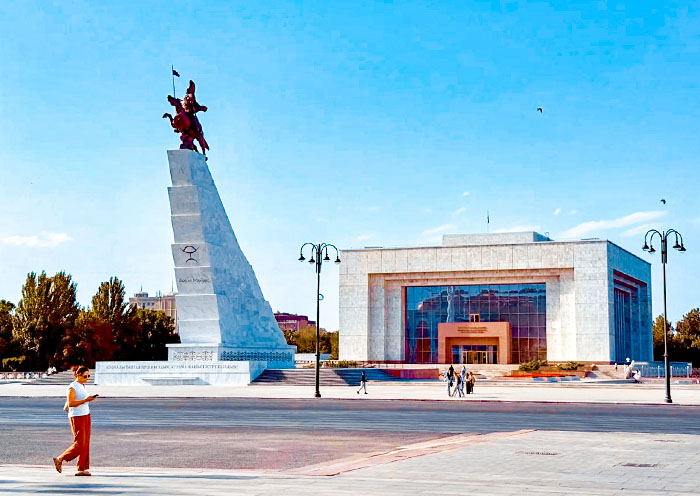
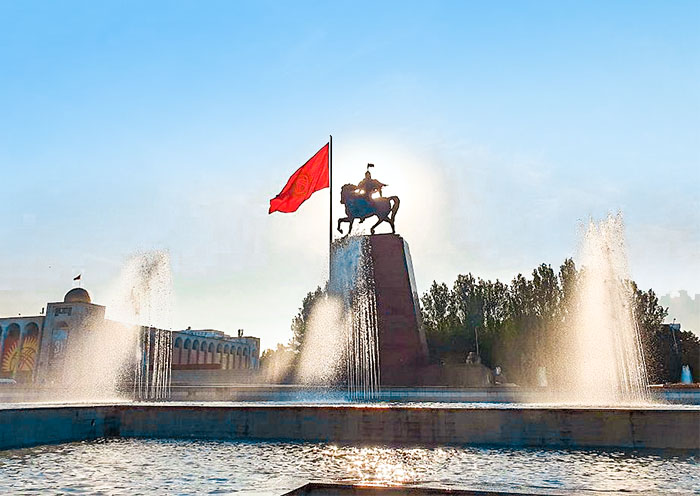
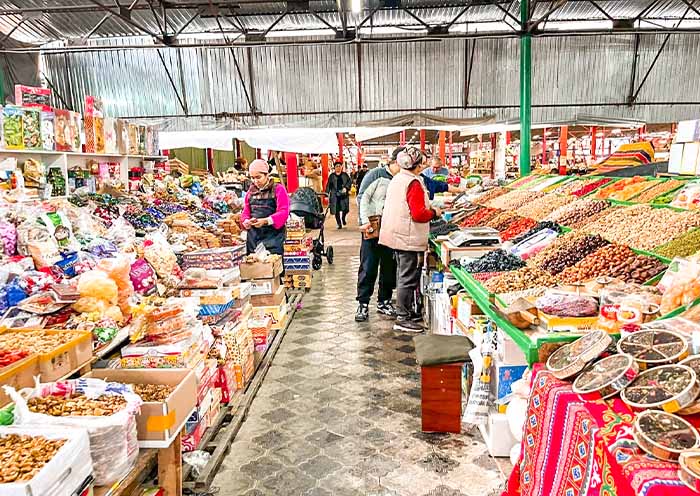
Ala-Too Square (Statue of Manas), Oak Park, and Osh Bazaar
Burana Tower, Kyrgyzstan (0.5 Day)
Visit Burana Tower on the way to Cholpon-Ata
Cholpon-Ata, Kyrgyzstan (1 Day)
Relax around Issyk-Kul Lake, visit Petroglyphs Museum and Grigoriev Gorge
Bishkek, Kyrgyzstan (0.5 Day)
Tashkent,Uzbekistan (1 Day)
Flight from Bishkek to Tashkent. Khast-Imam Complex (Hazrati Imam Mosque, Barak Khan Madrasah, Muyi Mubarak Library), Tashkent Metro (Soviet-era art metro), and Amir Timur Square
Samarkand, Uzbekistan (2 Days)
Train from Tashkent to Samarkand; Gur Emir Mausoleum (Timur’s Tomb), Registan Square, Bibi Khanim Mosque, Siyab Bazaar and Shahi Zinda Necropolis.
Penjikent (1.5 Days)
Cross the border from Uzbekistan to Tajikistan. Seven Lakes,Rudaki Museum,Ancient Penjikent Ruins
Samarkand (0.5 Day)
Cross the border from Tajikistan to Uzbekistan. Take a train from Samarkand to Bukhara.
Bukhara, Uzbekistan (1 Day)
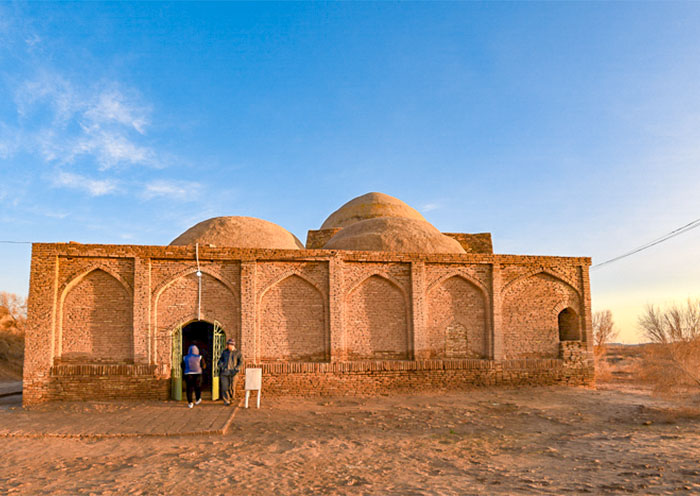
Ismail Samani Mausoleum, Chashma-Ayub Mausoleum, Ark of Bukhara (Ark Fortress), Bolo Hauz Mosque, and Po-i-Kalyan Complex.
Farap Border (0.5 Day)
Ancient Merv (0.5 Day)
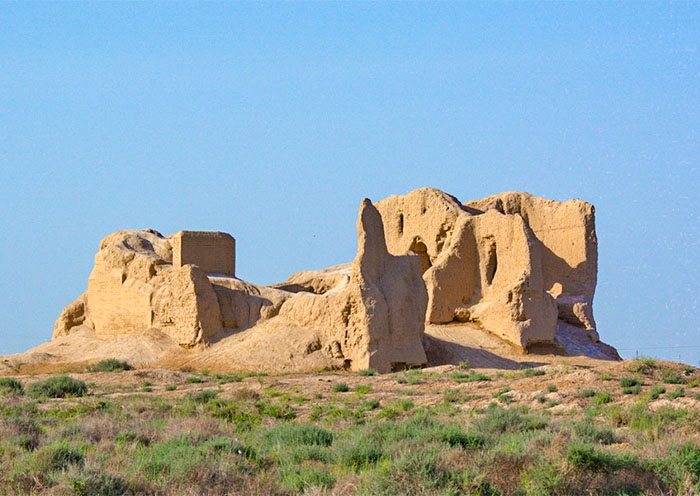
Full visit for Ancient Merv: Mausoleum of Sultan Sanjar, Greater Gyz Gala & Lesser Gyz Gala, Shahriyar Ark
Mary
Head to Mary for flight to Ashgabat
Ashgabat (0.5 Day)
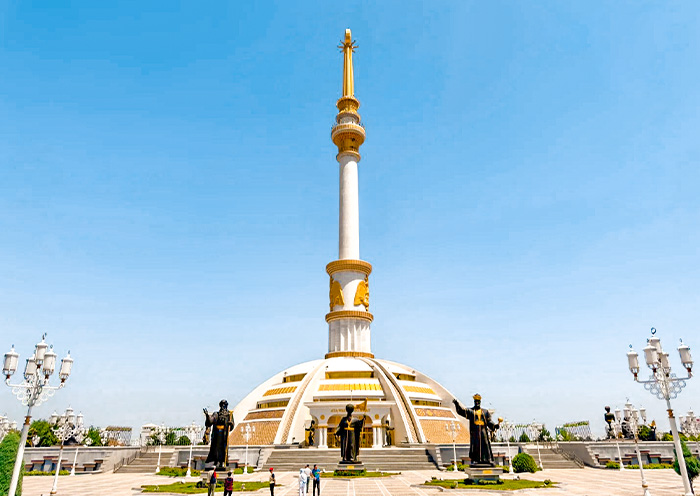
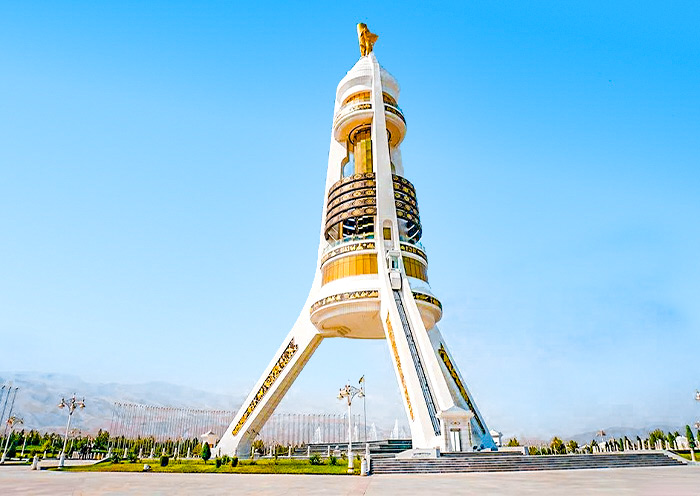
Neutrality Monument, National History Museum, Independence Park
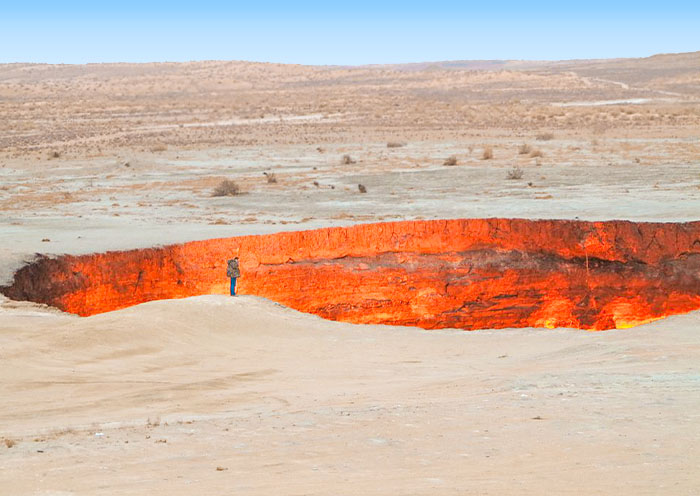
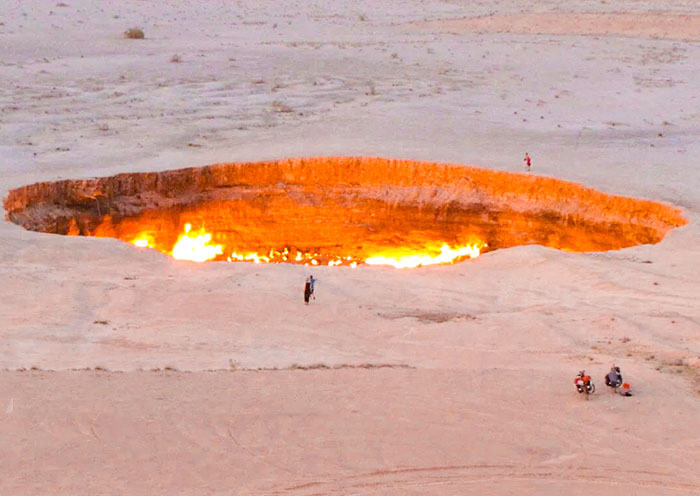
Darvaza Gas Crater, Turkmenistan (1 Day)
Darvaza Gas Crater for an overnight stay (camping and dinner included).
Ashgabat, Turkmenistan (Departure, 1.5 Day)
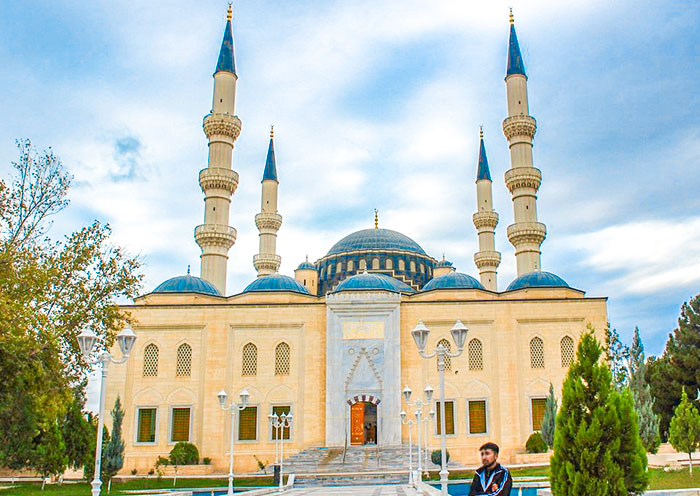
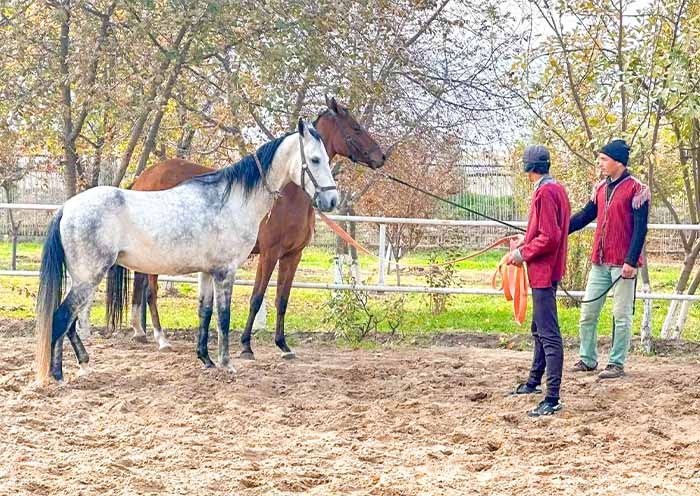
Ertugrul Gazi Mosque, local bazaar, and Akhal-Teke horses; Departure from Ashgabat.
Welcome to Almaty, Kazakhstan’s Old Capital & Largest City! Upon your arrival at Almaty International Airport, your guide will greet you with a sign bearing your name at the arrivals gate. From there, it's about a 20 km drive to the downtown area. Enjoy your free time in Almaty.
Nestled at the foot of the majestic Trans-Ili Alatau mountain range, Almaty enchants travelers with its breathtaking natural setting, where snow-capped peaks are always in view. Known as the “Father of Apples” & “City of Apples”, it’s believed to be the genetic birthplace of modern apples. Spot whimsical apple art dotted all over Almaty - sweet, playful, and totally Instagram-worthy!
Once a pivotal city on the Silk Road, Almaty is celebrated for its relaxed, friendly vibe, making it a haven for hikers, foodies, and culture lovers. As Kazakhstan’s former capital (1929–1997), it retains a distinct Soviet-era charm, with leafy streets, grand avenues, and impressive cultural landmarks.
Almaty feels like a blend of European and Asian influences - clean, safe, and vibrant, with a multi-ethnic population of Kazakhs, Russians, Uyghurs, and Koreans. Be sure to try local delicacies like beshbarmak (a hearty meat and noodle dish) and shubat (fermented camel milk) for an authentic taste of nomadic heritage.
Free Time Ideas:
1.Almaty Metro Experience: It is a 18-meter-deep Soviet-era marvel. Ride affordable, scenic lines: Abay Station’s cultural murals, Zhibek Zholy’s art. See uniquely themed stations adorned with beautiful mosaics, murals & ornate chandeliers. It’s an artistic underground museum & a functional transit hub.
2.Abilkhan Kasteev State Art Museum: As the largest art museum in Kazakhstan, it showcases over 23,000 works from Kazakh folk art and renowned artists to Soviet-era masterpieces & European paintings. Must-sees include works by the museum's namesake, Abilkhan Kasteev, and a rich display of traditional Kazakh crafts.
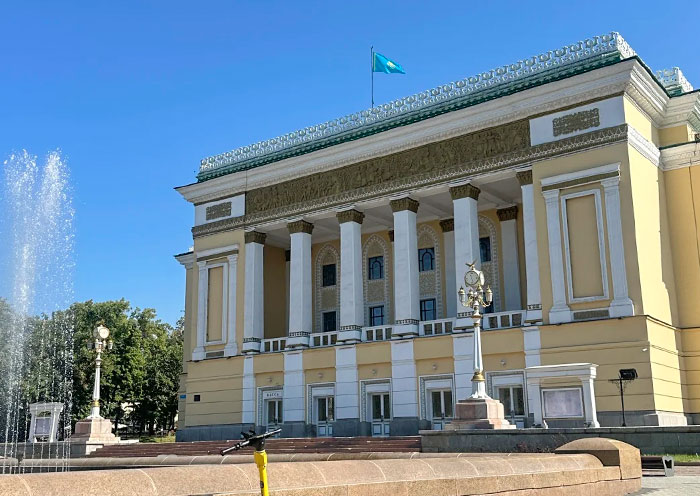
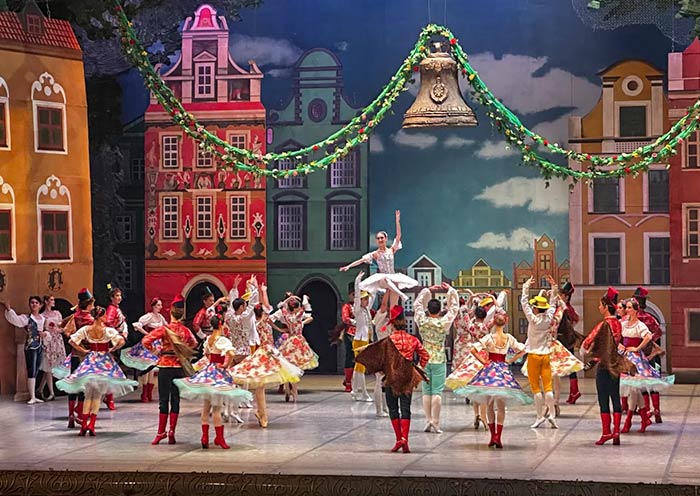
3.Abay Opera House: Watch an evening performance (affordable) at one of Central Asia's oldest opera houses. It showcases world-class ballet & opera productions. Its elegant, Soviet-era architecture & grand interior provide a truly memorable cultural experience.
4.Night Life at Arbat Street: It is a vibrant pedestrian zone. Enjoy street performers, browse local art and crafts, and relax at one of its many cozy cafes. It's the perfect place to soak up the local culture.
Arrival Ideas:
1. For Flights: Almaty International Airport (ALA) is Kazakhstan’s busiest hub, offering direct flights from major cities like Istanbul, Dubai, Frankfurt, Seoul, Beijing, and Moscow. Check airlines like Lufthansa, Turkish Airlines, or Air Astana for the latest schedules and connections.
2.For Visas: Kazakhstan offers visa-free entry for citizens of over 80 countries, including the U.S., EU nations, the UK, Canada, Australia, and most of Asia. Others apply for an e-visa online - fast, simple, and ready for your adventure! Always confirm requirements with official government sources before your trip.


A full day exploring Almaty’s highlights! Today’s Almaty tour blends history, culture & nature: Central State Museum (history buffs’ paradise), Central Mosque (golden domes), Green Bazaar (food & local life), Panfilov Park (honor heroes), Zenkov Cathedral (wooden architecture), Folk Instruments Museum (Kazakh culture & musical tradition), Kok-Tobe Hill (panoramic views).
First, visit Central State Museum of Kazakhstan (Closed on Tuesdays), the landmark of Almaty. Designed by well-known architect Andrey Pavlochich Zenkov and constructed in 1904-1907, it is one of Central Asia's largest and oldest museums, which endured a strong earthquake in 1911. The museum has 3 floors with more than 200,000 exhibits spanning from the Stone Age to modern times, and it offers a deep dive into Kazakh history. Must-sees include the iconic Golden Man replica (4th-century BCE Saka armor; a national symbol of Kazakhstan), Mongol-era artifacts, and traditional nomadic costumes.
Then, pay a visit to the Central Mosque (Closed on Friday). The mosque has a capacity of up to 7,000 people, is one of the largest mosques in Kazakhstan. Minarets are located in the corners of the building, the domes of which are covered with real gold.
Nearby, the Green Bazaar (Zeleny Bazar), a 19th-century market, buzzes with local life and offers a wide array of snacks and souvenirs. Must-sees: vibrant stalls of spices, fruits (apples of different colors), and handmade crafts. Must-tries: juicy samsa (meat pies), tangy kurt (dried cheese), horse sausage (kazy), and delicious dairy treats.
In the afternoon, explore 28 Panfilov Guardsmen Park (Panfilov Park), a green oasis in Almaty. The park is named after Soviet General Ivan Panfilov, 28 soldiers are remembered for delaying the German advance into the Soviet capital of Moscow in 1941. "Great Russia, but nowhere to retreat. Moscow is behind us." These were the final words of political commissar Klochkov, a phrase that became legendary in Soviet history books. Stroll peaceful paths and honor the 28 WWII heroes at the solemn monument with an eternal flame. It shows us how hard war is and why we should care about peace.
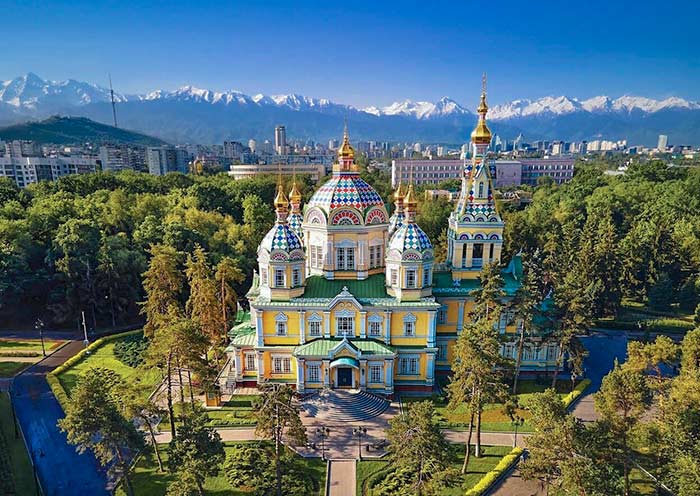
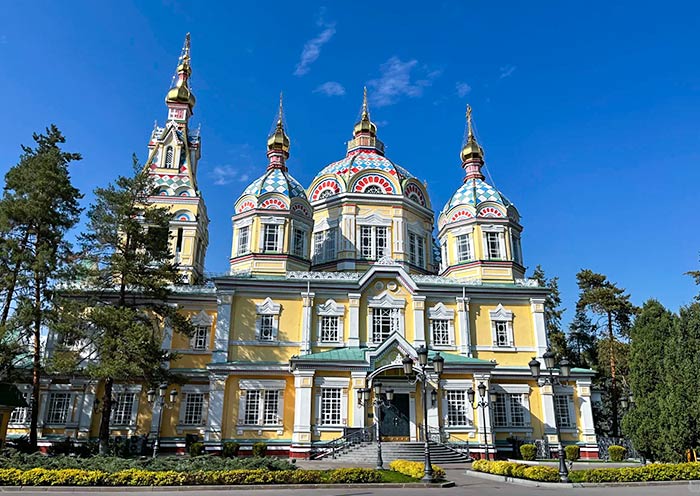
Not far away, you’ll find the colorful Ascension Cathedral, also known as Zenkov Cathedral, in honor of its designer, the Russian architect Andrei Pavlovich Zenkov. This landmark inside Panfilov Park is one of the best photography spots in Almaty.
Completed in 1907, this Tsarist-era wooden building (56 meters tall) is the second-tallest wooden church in the world. As a prime example of a Russian Orthodox church built without a single nail, it remarkably survived the devastating 1911 earthquake (magnitude 7.7) with minimal damage.
During the Soviet period, the cathedral was used to house a museum and a radio tower. Today, it accommodates 1,800 people and hosts regular services. Must-sees include the vibrant interior murals, the intricate iconostasis, and the historic bell tower. Its peaceful ambiance makes it a perfect place for contemplation.
Nearby, you can visit the Kazakh Museum of Folk Musical Instruments (Closed on Mondays), which was once the House of Officers. The wooden Russian-style building, erected in 1908, was designed by the same architect as the cathedral, Andrei Pavlovich Zenkov.
Kazakhstan is a multi-ethnic country with a long and rich musical history. You can explore over 1,000 instruments here, including Kazakh national musical instruments like wooden harps, horns, bagpipes, the lute-like two-stringed dombra, and the viola-like kobyz. Some were once played by famous composers. You may get a chance to enjoy live performances and interactive exhibits that celebrate the soul of Kazakh music. It's a must for music lovers.
At last, time to reach Kok-Tobe Hill, a symbol of Almaty. With an elevation of 1,100 meters, the hill offers breathtaking views of Almaty city & the snow-capped Shymbulak Mountain (Tianshan Mountains). Ride the scenic cable car, visit the Beatles monument, and snap photos of the iconic TV tower (372 meters tall). Enjoy the amusement park (self-pay; Ferris wheel & mini-zoo), souvenir shops, and local dining. It’s perfect for photography (sunset), relaxation, and family fun amidst nature!
Overnight in Almaty.


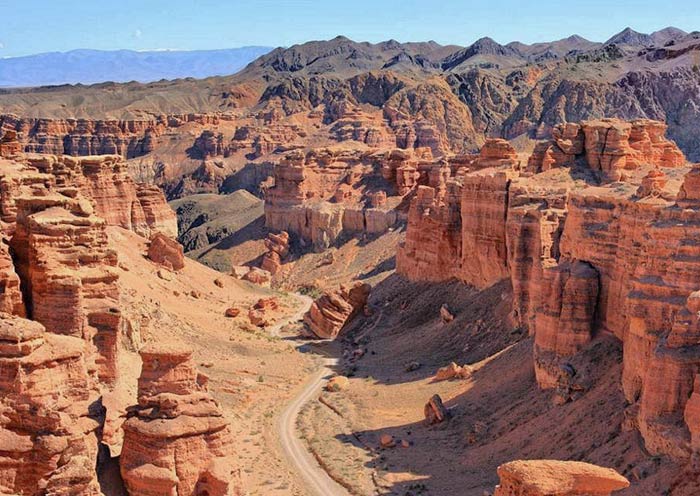
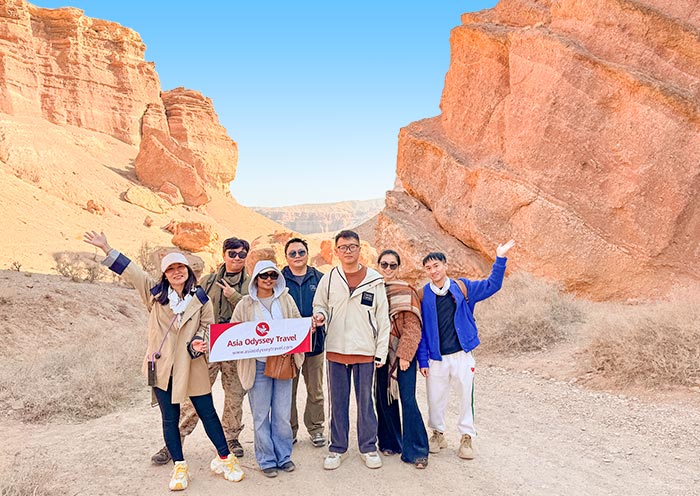
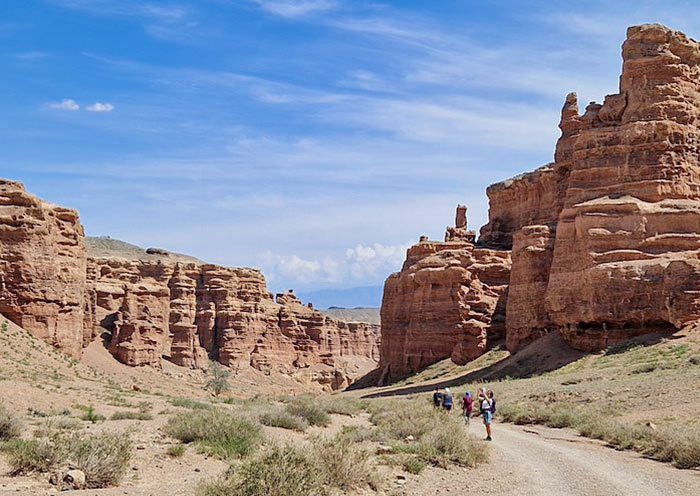
This morning, depart Almaty for an exciting journey to Charyn Canyon National Park (approx. 200 km, 3.5 hours). Known as the “Grand Canyon of Central Asia,” Charyn Canyon is a natural wonder shaped over 12 million years by wind and the Charyn River. Its colorful sedimentary layers reveal a fascinating geologic history - from prehistoric lake beds to ancient river systems.
The park’s highlight is the Valley of Castles (Dolina Zamkov), where wind-sculpted rock towers resemble ancient fortresses and fairy-tale spires. Take a leisurely 2–3 km walk along the canyon floor, surrounded by dramatic cliffs glowing in shades of red, orange, and gold. At the end of the trail, the canyon opens up to the Charyn River, a peaceful spot perfect for a break - enjoy your packed lunch or simply sit back and soak in the views.
Charyn Canyon National Park stretches 154 km along the river, with diverse landscapes ranging from semi-desert to lush riverbanks and pockets of forest, all framed by the distant, snow-capped Tian Shan Mountains. Keep an eye out for local wildlife, such as foxes, hares, eagles, and lizards.
After exploring this breathtaking natural site, return to Almaty in the late afternoon.


On this day, you will head to the airport in Almaty for your flight to Bishkek.
Welcome to Kyrgyzstan! Often called the "Switzerland of Central Asia," Kyrgyzstan is famous for its breathtaking natural beauty and nomadic culture. Bishkek, the capital, is filled with Soviet-era charm and lush greenery.
Upon landing at Manas International Airport (FRU) in Bishkek, your local driver will be waiting to transfer you to your downtown hotel. (Tip: the airport is about 32 km northwest of Bishkek, 40min to 1-hour drive.) After checking in, you'll have time to rest and refresh.
This afternoon, enjoy a half-day Bishkek city tour. Highlights include:
Begin at the city's main square - Ala-Too Square. See the imposing statue of Manas, the legendary national hero, as well as the Government House and the national flagpole. At certain times, you may also witness military changing-of-the-guard ceremony.
From the square, walk to beautiful Oak Park, a quiet retreat in the city center with centuries-old oak trees and a collection of sculptures.
Located near the park, visit State Historical Museum. this museum offers an excellent introduction to Kyrgyzstan's rich history and culture. Inside, you'll find over 80,000 artifacts and gain insight into the lives of ancient nomadic peoples. Exhibits include a full-scale Kyrgyz yurt and various handicrafts made from felt, leather, wood, and wool. You can also admire intricate traditional clothing, embroidery, and horse gear, and learn about the country's history during the Russian Empire and Soviet periods.
Osh Bazaar is yourlast stop. Experience local life and browse everything from fresh produce, spices, and dried fruits to traditional clothing, handicrafts, and carpets.
Transfer back to your hotel in Bishkek.


After breakfast, your journey will take you east from Bishkek towards Issyk-Kul, the world's second-largest high-altitude lake.
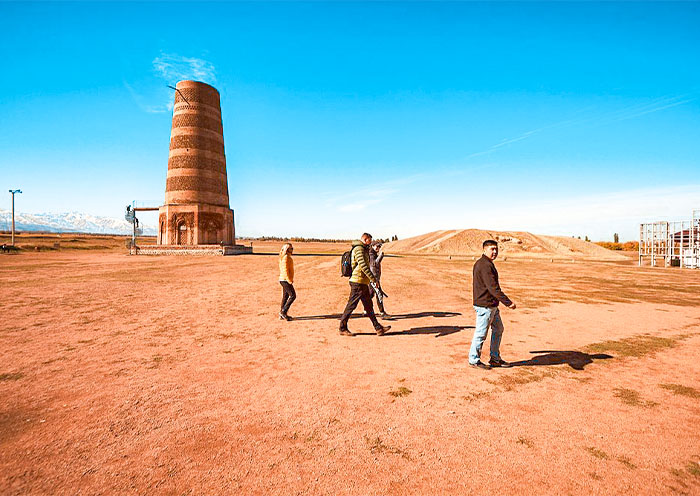
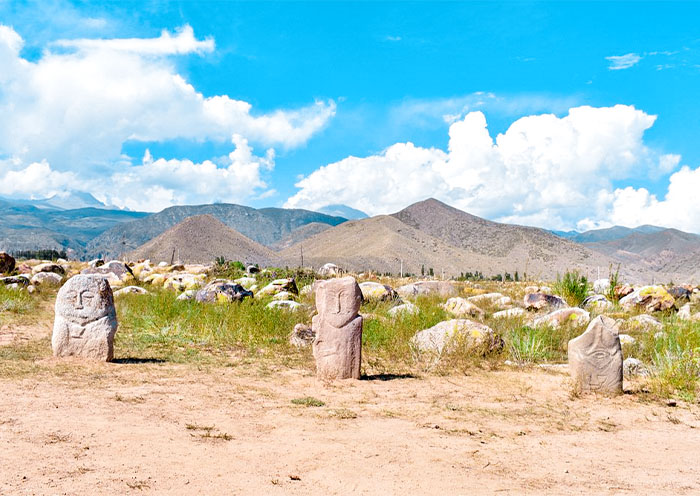
En route, you'll visit the Burana Tower. This historic site, originally built in the 11th century, was once part of Balasagun, the ancient capital of the Kara-Khanid Khanate. You can climb to the top of the tower to get a spectacular view of the surrounding ruins and the distant snow-capped mountains. On the ground, you can walk among the Balbals, stone figures that are medieval Turkic nomadic gravestones, offering a fascinating glimpse into the region's ancient past.
Afterward, continue your drive to Cholpon-Ata (3-hour drive), on the northern shore of Issyk-Kul. You'll check in to your hotel, and the rest of the day will be yours to relax and enjoy the beautiful lake.
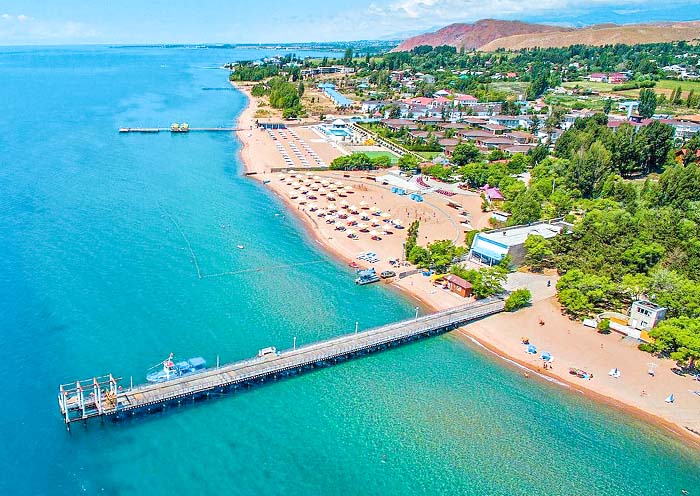
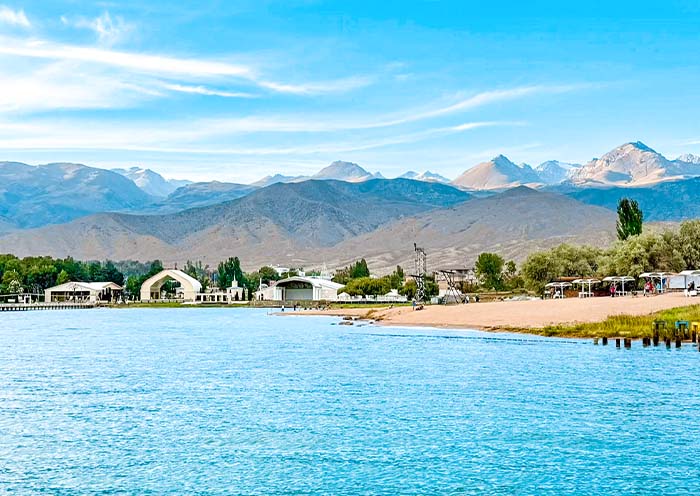
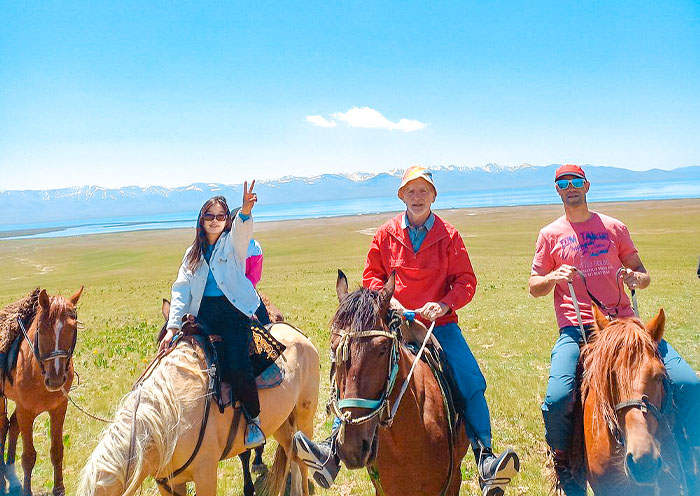
Issyk-Kul is the "Pearl of Central Asia"! The lake's name means "warm lake" in Kyrgyz, as its saltwater composition keeps it from freezing even at an altitude of 1,607 meters. Its crystal-clear waters give you the feeling of being on the seashore.
Ideas for Free Time at Issyk-Kul Lake:
(1) Relax or Swim: Head to the golden sandy beaches to sunbathe or swim in the warm, clear water. (2) Take a Boat Trip: Go to the pier and take a boat out onto the lake to admire the magnificent views of the surrounding snow-capped mountains.


Enjoy breakfast at your hotel. After that, you'll visit the Petroglyphs Museum. This open-air museum (42 hectares) is set on vast land with the majestic Tianshan Mountain range as backdrop. Here, you'll find ancient petroglyphs carved on massive black basalt stones, which are dated from the 2nd millennium BC until the 4th century AD. These carvings depict animals like wolves and snow leopards, as well as hunting and sacrificial scenes.
Later, you'll head towards the Grigoriev to enjoy natural beauty. They are the famous gorge on the northern shore of Issyk-Kul.
Grigoriev Gorge is larger in scale and known for its dense spruce forests. Deep in the gorge, you'll find a vast alpine pasture where you can take photos from various viewpoints along the winding road. If you enjoy hiking, you can take a short trek by the lake or in the pasture.
After the tour, you will be transferred back to Bishkek (about 302, 5 hours’ drive). Have a good rest in Bishkek.


In this morning, you will be escorted to the airport in Bishkek for your flight to Tashkent (about 1hr 30min).
Welcome to Tashkent, Uzbekistan’s vibrant capital and largest city! This modern metropolis is the perfect gateway to the country’s Silk Road wonders, seamlessly blending Soviet-era grandeur with contemporary spirit.
Upon landing at Tashkent International Airport, your guide will meet you at the arrival gate, holding a sign with your name. From there, transfer to your downtown hotel, and check in your hotel. (Tip: the airport is located just about 7 km southeast of the city center, a quick and easy transfer.)
Arrival in Tashkent
Fly into Tashkent International Airport (TAS), the main gateway to Uzbekistan, served by major airlines such as Uzbekistan Airways, Turkish Airlines, and Lufthansa, with direct flights from Moscow, Dubai, Istanbul, Seoul, and Beijing. For a seamless trip, double-check flight options with Asia Odyssey Travel before booking.
Visa & Entry Requirements
Travel is hassle-free: over 60 nationalities enjoy visa-free entry, while others can easily apply online for an e-visa. Be sure your passport is valid for at least six months, and confirm the latest entry rules through Uzbekistan’s official e-visa portal before departure.
Half-day City Tour in Tashkent:
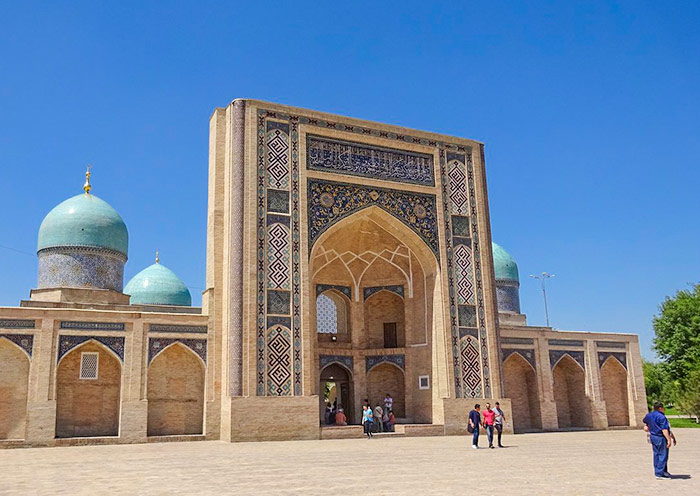
This afternoon, explore Tashkent, a city where centuries-old traditions meet modern charm. Begin your day in the Old City at the Khast-Imam Complex, the spiritual heart of Tashkent. This serene ensemble of blue-domed mosques, mausoleums, and madrasahs invites you to step back in time. Here you’ll find the elegant Hazrati Imam Mosque, whose twin 53-meter minarets and gold-leafed domes dominate the square, as well as the Tillya Sheikh Mosque, Barak Khan Madrasah, and the Mausoleum of Abu Bakr Kaffal Shashi, a 10th-century scholar, poet, and locksmith-saint after whom the complex is named. Be sure to visit the Mui Muborak Library, home to the revered 7th-century Osman Qur’an - one of the world’s oldest copies.
After soaking up the complex’s peaceful atmosphere, stroll through Barak Khan Madrasah, now home to artisan workshops and boutiques. Watch local masters create ikat fabrics, woodcarvings, pottery, and jewelry, giving you a chance to bring home a unique handmade souvenir.
Next, head to the iconic Chorsu Bazaar, a sensory feast under its massive turquoise dome. Browse stalls piled high with fresh produce, fragrant spices, dried fruits, and traditional breads straight from the tandoor. Take time to sample street snacks, chat with friendly vendors, and soak up the lively atmosphere of daily Tashkent life.
In the afternoon, descend underground for a ride on the Tashkent Metro - an experience in itself. As the first subway system in Central Asia, it is a living museum of Soviet architecture and Uzbek decorative art. Each station is uniquely designed, from Kosmonavtlar with its cosmonaut-themed mosaics to Paxtakor with cotton motifs.
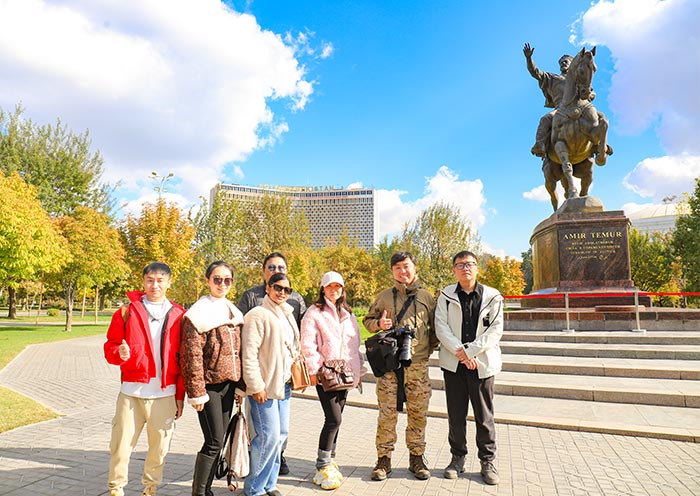
Emerge at Amir Timur Square, the heart of modern Tashkent. Surrounded by landmarks such as Hotel Uzbekistan, the Palace of International Forums, and the University of Law, the square is anchored by a bronze equestrian statue of Amir Timur, the great Central Asian conqueror and founder of the Timurid Empire. Take time to relax by the fountains, stroll through the green spaces, and - if time allows - visit the Amir Timur Museum (closed Mondays), whose striking dome is depicted on the 1,000-som banknote. Inside, discover fascinating exhibits on Timur’s life and legacy.
After the tour, be escorted to the hotel in Tashkent.


This morning, board a high-speed train from Tashkent to Samarkand, a journey of about 2 hours. Upon arrival, your local guide will greet you at the station and take you on a fascinating half-day exploration of Samarkand - the jewel of the Silk Road.
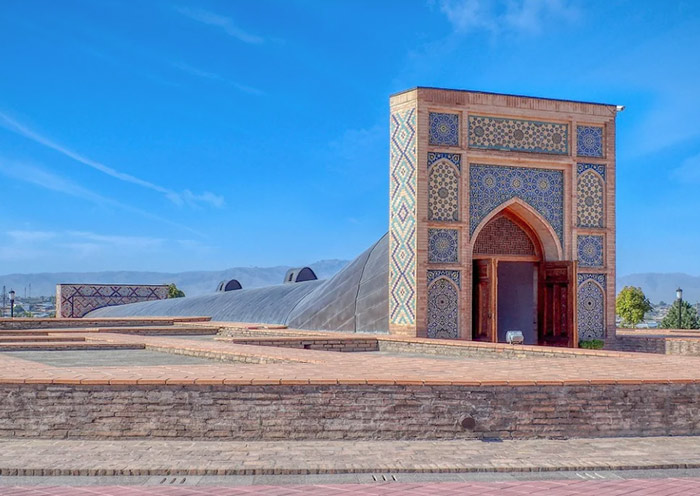
Begin with the Ulugh Beg Observatory, an unmissable site for history and astronomy lovers. Built in the 1420s by Ulugh Beg, the astronomer-king and grandson of Timur, this observatory was one of the most advanced of its time. Although destroyed in 1449 and rediscovered in 1908, its remains still showcase medieval Samarkand’s scientific brilliance. Marvel at the 11-meter sextant used to calculate the stars with remarkable precision, and browse the on-site museum for insights into Ulugh Beg’s groundbreaking contributions. The hilltop location also offers sweeping views of Samarkand.
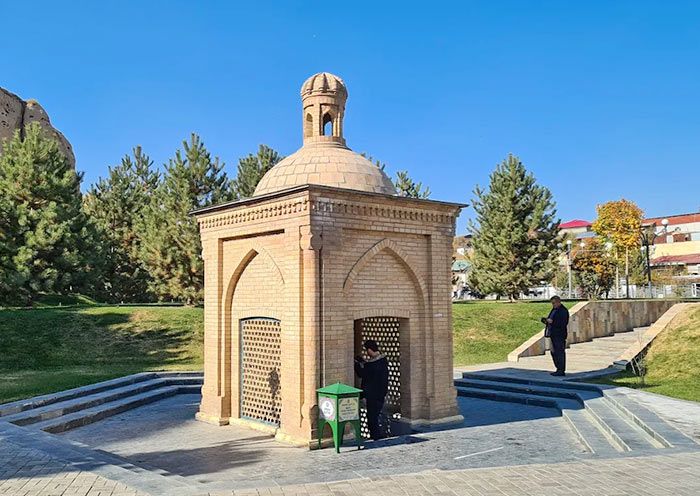
Continue to the Khodja Doniyor Mausoleum (Tomb of Saint Daniel), a pilgrimage site venerated by Muslims, Christians, and Jews. Legend says the tomb grows a little each year and now measures an extraordinary 18 meters. The site’s serene setting along the Siab River, complete with a sacred spring, invites quiet reflection on Samarkand’s role as a crossroads of cultures.
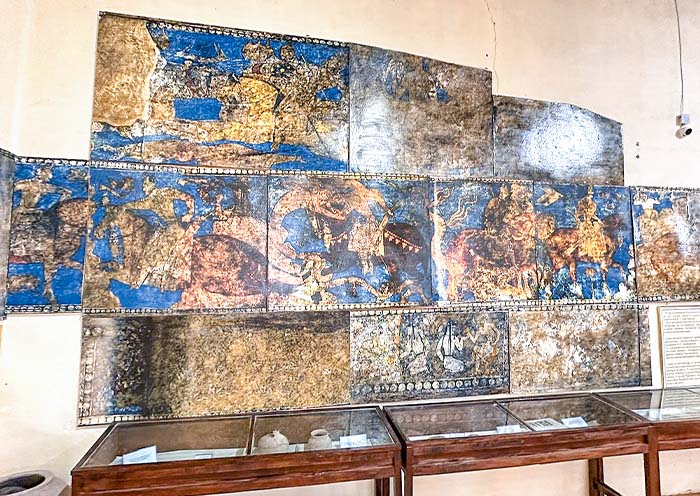
End your tour at the Afrosiab Museum, which sits atop the ruins of ancient Samarkand. Its highlight is the famed 7th-century Sogdian frescoes, including the "Hall of Ambassadors," where King Varkhuman receives envoys from China, Persia, and beyond - a vivid snapshot of Silk Road diplomacy. Pottery, coins, ossuaries, and a detailed city model bring the pre-Mongol metropolis to life.
Afterward, you’ll be transferred to your hotel in Samarkand for check-in and an evening at leisure.


Today, immerse yourself in Samarkand, a UNESCO World Heritage Site and the former capital of the Timurid Empire (14th–15th centuries). Known as Uzbekistan’s cultural heart and second-largest city, Samarkand dazzles visitors with its monumental architecture, Silk Road legends, and vibrant bazaars. From the majestic Gur-e Amir Mausoleum to the iconic Registan Square, the grand Bibi Khanim Mosque, the breathtaking Shahi Zinda Necropolis, and the lively Siyab Bazaar, you will discover a city that celebrates the glory and power of the Timurid dynasty.
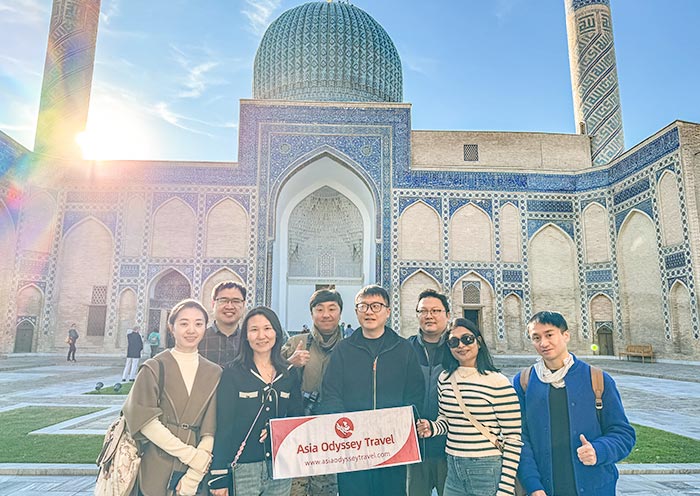
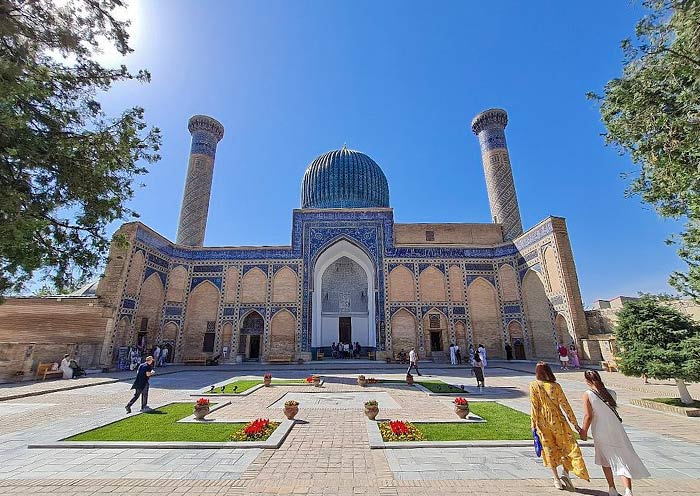
Begin at Gur-e Amir Mausoleum, the final resting place of Amir Timur (Tamerlane), completed in 1404. This striking monument, crowned with a ribbed azure dome, served as a prototype for later Mughal architecture, including India’s Taj Mahal. Step inside to marvel at its gilded interior, intricate jade tombstones, and delicate calligraphy. Look for Timur’s legendary grave marker, said to carry a warning: “Whosoever disturbs my tomb will unleash an invader more terrible than I.” When Soviet archaeologists opened the tomb in June 1941, Nazi Germany invaded the USSR days later - a story that adds an air of mystery to your visit.
Next, head to Registan Square, the heart of Samarkand and one of the Silk Road’s most magnificent sights. Once a sandy gathering place for royal decrees, military parades, and festivals, it is now flanked by three resplendent madrasahs: Ulugh Beg Madrasa (1420), with its starry celestial mosaics; Sher-Dor Madrasa (1619), famed for its unique lion mosaics; and Tilya-Kori Madrasa (1660), with a dazzling gold-leaf dome that graces the cover of many guidebooks. By day, Registan is a masterpiece of symmetry and tilework; by night, it transforms under magical illuminations - a perfect spot for photography.
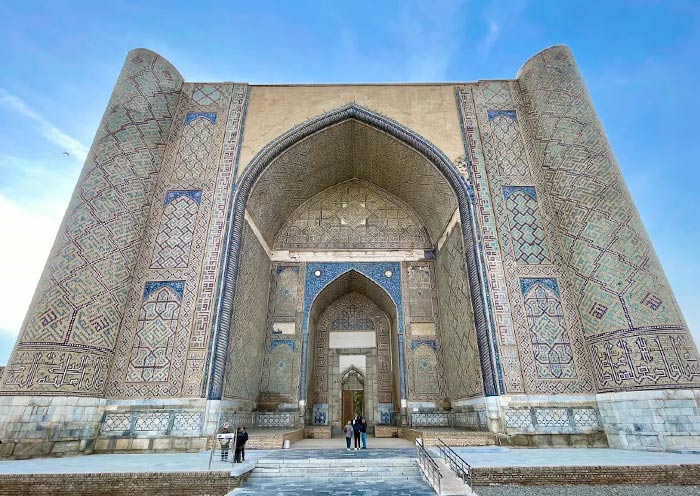
Continue to the monumental Bibi Khanim Mosque, one of the largest in the Islamic world. Built in 1404 to honor Timur’s wife, the mosque is steeped in legend - including the tale of the architect who dared to kiss Bibi Khanim and met Timur’s wrath. Step inside to admire gilded decorations inspired by local embroidery traditions.
Right nearby lies Siyab Bazaar, where you can sample Samarkand’s famous round bread, dried fruits, and spices while mingling with locals - a lively reminder that Samarkand was once a key Silk Road trading hub.
End your day with a stroll through Shahi Zinda Necropolis, an extraordinary “avenue of mausoleums” climbing a hillside. This necropolis, dating from the 11th to 15th centuries, contains some of the finest examples of Timurid-era tilework and the tombs of Timur’s female relatives and high-ranking nobles. The site is also believed to house the grave of Qutham ibn Abbas, cousin of Prophet Muhammad, making it a revered pilgrimage site. With its brilliant turquoise domes and intricate mosaics, Shahi Zinda is not just a spiritual landmark but also one of Samarkand’s most photogenic spots.


This morning, you will transfer from your hotel in Samarkand to the Uzbekistan–Tajikistan border at Jartepa (50 km, about 1 hour). After completing customs and passport control on both sides, simply walk to the exit of the border control area.
Here, your Tajik guide and driver will be waiting for you with a sign displaying your name. After a warm welcome, you will set off on a short drive (20 km, about 30 minutes) to reach Penjikent, your first destination in Tajikistan.
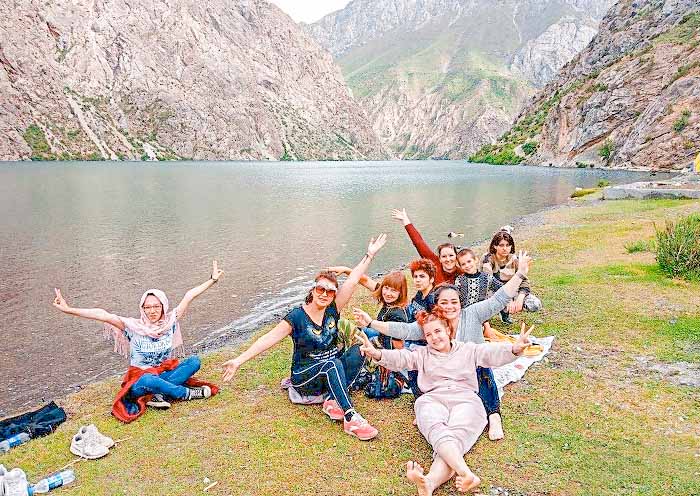
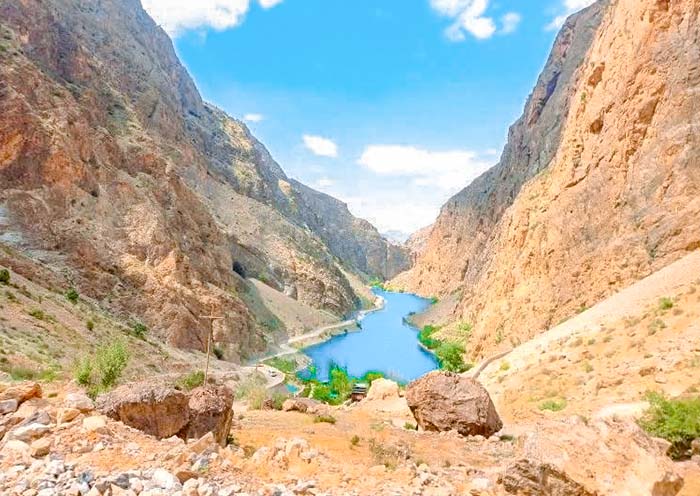
After that, set out to explore Tajikistan’s legendary Seven Lakes, known locally as Haftkul or the Marguzor Lakes. These seven glacier-fed lakes are strung together by a single river, like a sparkling necklace laid across the valley floor.
Your journey begins with a bumpy but scenic drive into the mountains. Though the Seven Lakes are not far from Penjikent, the rugged road makes this a full-day trip. As you travel deeper into the valley, you’ll pass the first five lakes - Nejigon, Soya, Gushor, Nofin, and Khurdak - each with its own distinct color, ranging from pale green to vivid turquoise and deep blue. It’s like nature’s own painter’s palette.
Light Hike from the Sixth to the Seventh of the Seven Lakes:
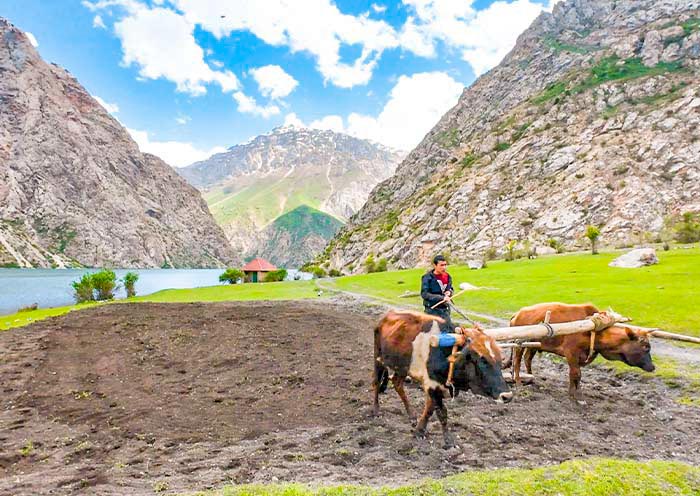
You’ll reach Marguzor, the sixth and largest lake, a dazzling expanse of sapphire water framed by dramatic peaks. From here, take an easy two-hour round-trip hike to Hazorchashma, the seventh and highest lake, whose name means “A Thousand Springs.” The water here is crystal clear, and the surrounding atmosphere feels serene and untouched.
Enjoy a picnic by the lakeshore, soak in the alpine views, and perhaps take a short stroll through the nearby villages to experience the simple, authentic rhythm of Tajik mountain life.
In the afternoon, return by road to Penjikent for your overnight stay.
Travel Note: As you head deeper into the Fann Mountains, expect simpler tourist infrastructure. Tonight, you will stay in the best available local hotel, but with more basic amenities compared to the big cities. Consider this part of the adventure and a chance to experience authentic Tajik hospitality.


Known as the “Pompeii of Central Asia,” Penjikent was once a major center of the ancient Sogdian civilization. Between the 5th and 8th centuries, this city thrived as a cultural and commercial hub on the Silk Road. The Sogdians were known as the “soul of the Silk Road,” dominating trade across Eurasia - from Chinese silk to Western glassware and Indian spices.
After breakfast, start with the Rudaki Museum, home to thousands of artifacts unearthed from local excavations - pottery, coins, sculptures, and tools - which vividly depict the Sogdian way of life. Here you’ll discover their art, clothing, mythology, and even scenes of feasts and rituals.
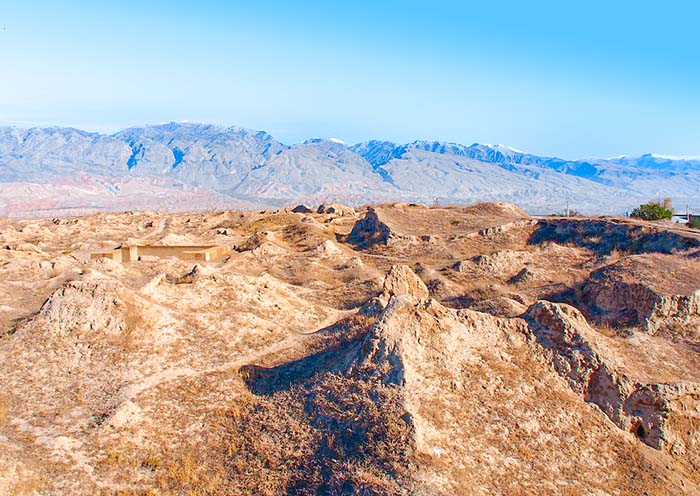
Next, visit the Ancient Penjikent Ruins, the remarkably preserved remains of a complete 5th–8th century Sogdian city. As you walk among the mud-brick foundations of palaces, residential quarters, temples, and fortifications, you can clearly visualize the city’s original layout and imagine the bustling life of the Silk Road era.
After the tour, be escorted to the border area and cross into Uzbekistan. Head back to Samarkand for your train to Bukhara (about 3 hours).


Bukhara is a compact, walkable city where nearly all monuments lie within 5 km of each other - perfect for a leisurely day of exploration.
This morning, board the train to Bukhara, a UNESCO World Heritage city often called the “Second Mecca.” With a history spanning over 2,500 years, Bukhara was one of the great hubs of the Silk Road, a thriving center of Islamic scholarship, and the legendary setting for many tales from One Thousand and One Nights.
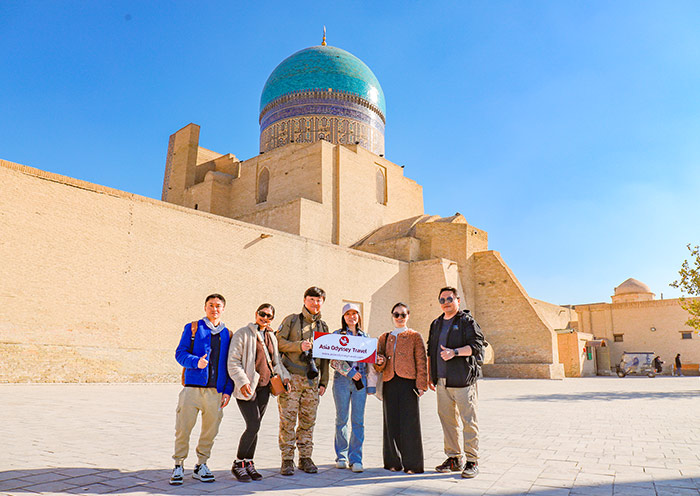
Bukhara is a compact, walkable city where nearly all monuments lie within 5 km of each other - perfect for a leisurely day of exploration. After arrival, transfer to Chor Minor Madrasah, the famous “Four Minarets” whose unique towers, each with different decoration, are believed by some to represent the world’s four religions.
Continue to Lyabi Hauz Ensemble, the lively heart of 17th-century Bukhara. This square was built around a tranquil pool shaded by ancient mulberry trees and surrounded by three remarkable monuments: the Nadir Divan-Beghi Madrasah and Khanaka, and the Kukeldash Madrasah. Once a busy Silk Road trading hub, Lyabi Hauz remains vibrant today, with teahouses, artisans, and locals gathering around the charming statue of Khodja Nasreddin (Afandi), the beloved trickster-philosopher of Central Asian folklore.
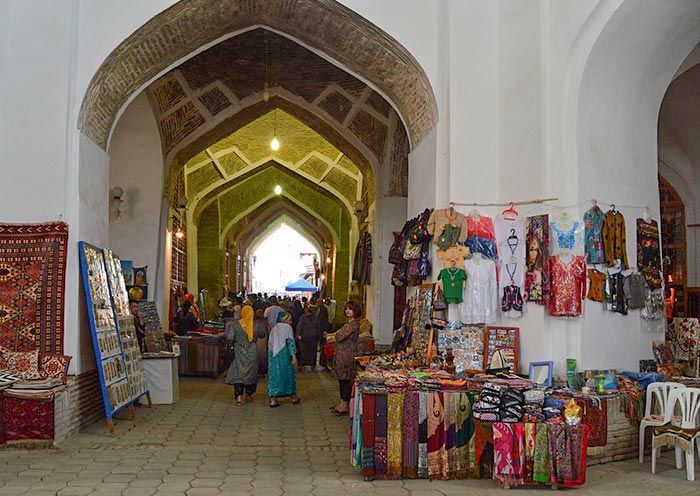
Stroll through the historic Trading Domes, a series of 16th-century bazaars that once specialized in jewelry, currency exchange, hats, and carpets. Today, they are filled with stalls selling traditional crafts, textiles, and souvenirs, offering a lively glimpse into Bukhara’s mercantile past.
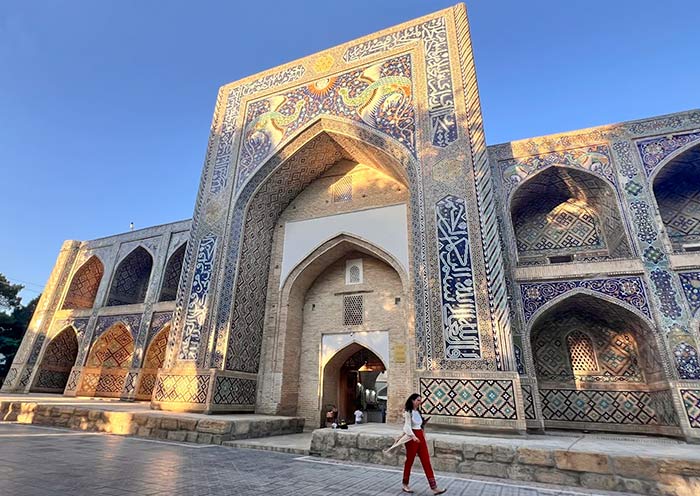
Your walking tour ends at the majestic Po-i-Kalyan Complex, the spiritual and architectural centerpiece of the city. The iconic Kalyan Minaret (built in 1127 and spared by Genghis Khan) towers 47 meters over the square, joined by the vast Kalyan Mosque - capable of holding 10,000 worshippers—and the stunning Mir-i-Arab Madrasah with its turquoise domes and intricate tilework.
Stay overnight in Bukhara.


After breakfast, bid farewell to Bukhara and make your way to the Farap Border for your journey into Turkmenistan. After completing customs and passport control on both sides, walk to the exit where your Turkmenistan guide and driver will be waiting.
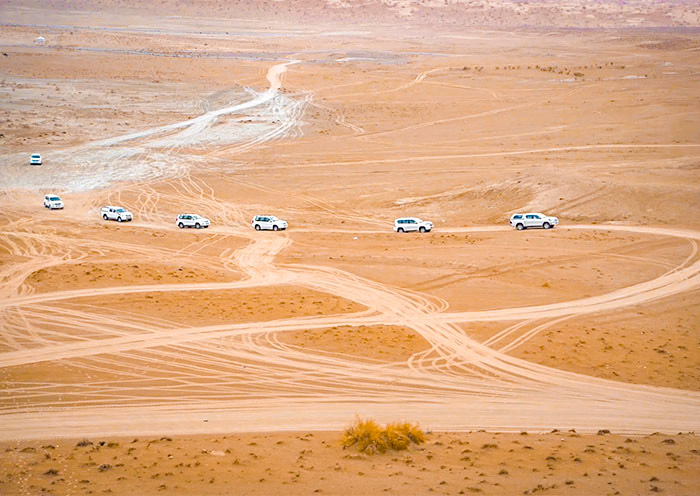
From here, enjoy a scenic drive (about 239 km, 5-6 hours) through desert landscapes toward Ancient Merv - one of the most important Silk Road cities in history.
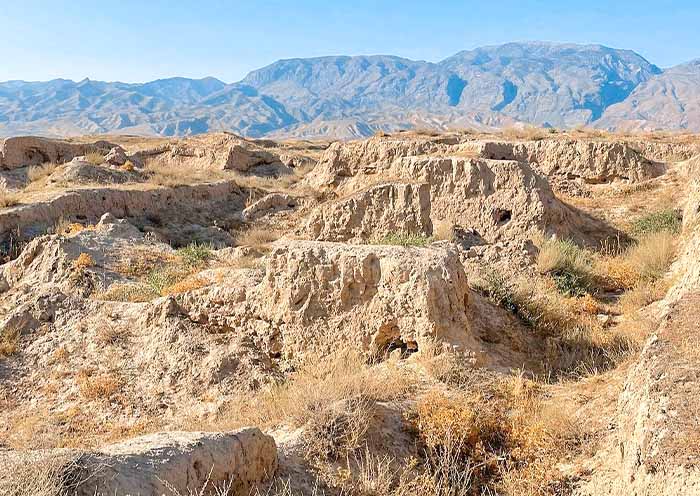
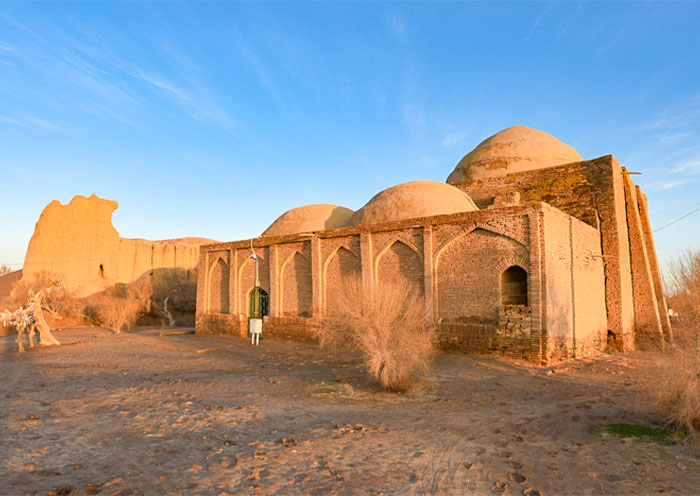
This afternoon, step into the past as you explore Ancient Merv, a UNESCO World Heritage Site and one of the best-preserved oasis cities along the Silk Road. With more than 4,000 years of history, Merv reached its peak in the medieval era, when its population exceeded one million - earning it the titles “Queen of the World” and “Jewel of the Silk Road.”
Explore its vast 1,200-hectare archaeological park, where successive cities tell the story of Merv’s evolution: Erk Kala and Gyaur Kala (ancient), Sultan Kala (medieval), and Abdulla-Khan Kala and Bayram-Ali-Khan Kala (post-medieval). Visit the impressive 6th–9th century Big and Little Kyz-Kalas - striking examples of “corrugated” fortresses - and admire the stunning 12th-century mausoleums of Sultan Sanjar and Muhammad ibn-Zeyd, masterpieces of Seljuk architecture with beautiful brickwork and decoration.

After your exploration, transfer to nearby Mary for your flight to Ashgabat (40 mins). Our driver will meet you at the airport and transfer you to your hotel in Ashgabat.


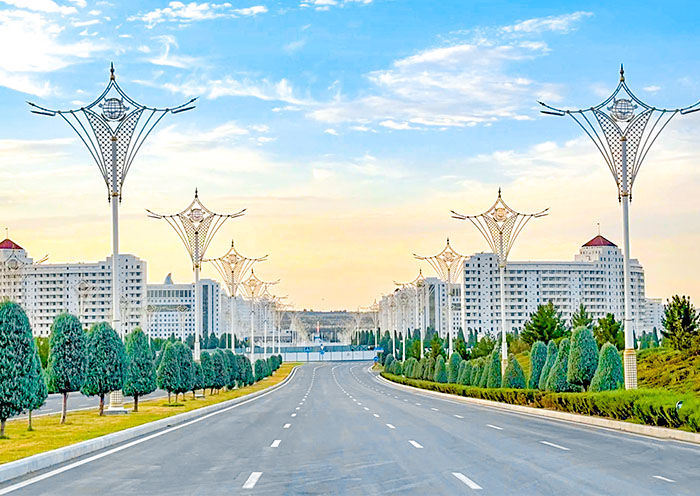
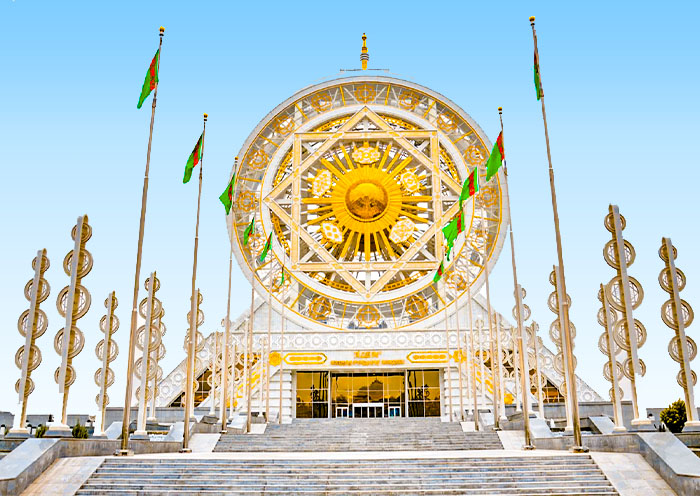
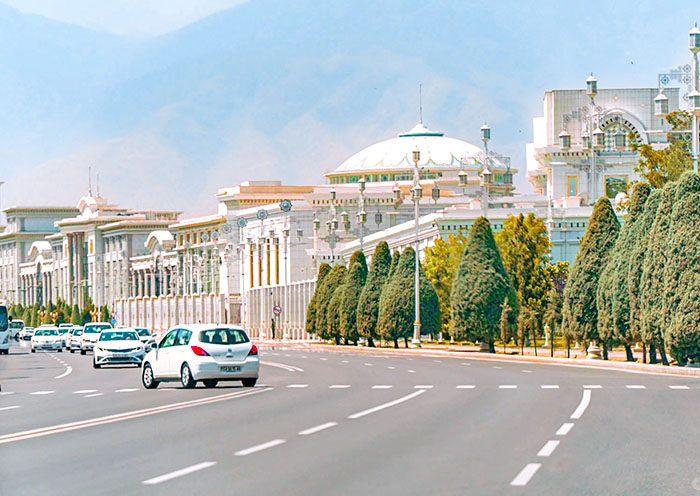
Ashgabat, the capital, is a pure white world, truly unique. It has been recognized by the Guinness World Records as the city with the highest density of white marble buildings. More than 500 structures are decorated with shining marble. Your driver will take you on a ride through these white giants, making you feel as if you’ve entered film-like world, similar to The Truman Show. Today, begin your adventure in Ashgabat.
In this morning, you will explore the stunning city highlights and striking architectures of Ashgabat. Start your day at the Neutrality Monument. Built in 1998, this 75-meter-high, tripod-shaped arch symbolizes Turkmenistan's permanent neutrality, power, and commitment to peace and goodwill.
Next, you'll move to the National Museum of Turkmenistan. This magnificent museum is one of the largest in Central Asia. Its striking exterior is a huge white marble building with unique blue dome, golden statues, and grand colonnades. Magnificent and beautiful! With a collection of over 500,000 items, there's plenty to explore. You can view archaeological finds from important Silk Road sites like Nisa, Merv, and Gonur Depe. See ancient artifacts such as coins, weapons, fine pottery, and gold jewelry. Be sure to see the museum's prized treasure: the ancient rhytons. You'll also see traditional clothing and other exhibits that capture the national spirit.
Later, you'll see the Independence Monument within Independence Park. This beautiful park is home to many statues of Turkmen poets, thinkers, and national heroes. You can also marvel at the 118-meter monument, which was built to commemorate Turkmenistan's independence from the Soviet Union in 1991.
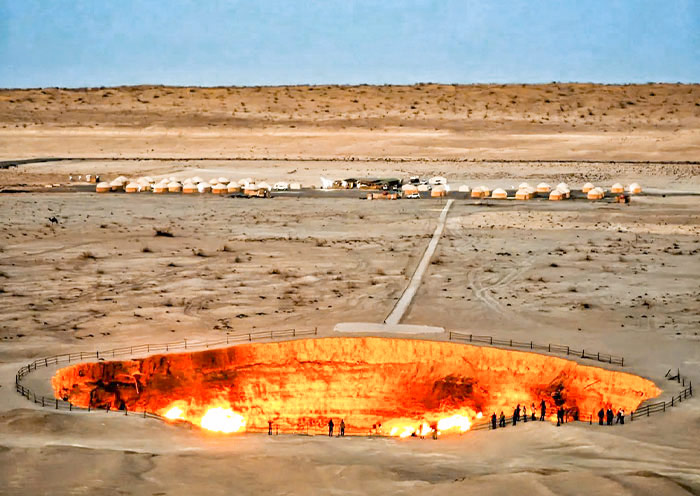
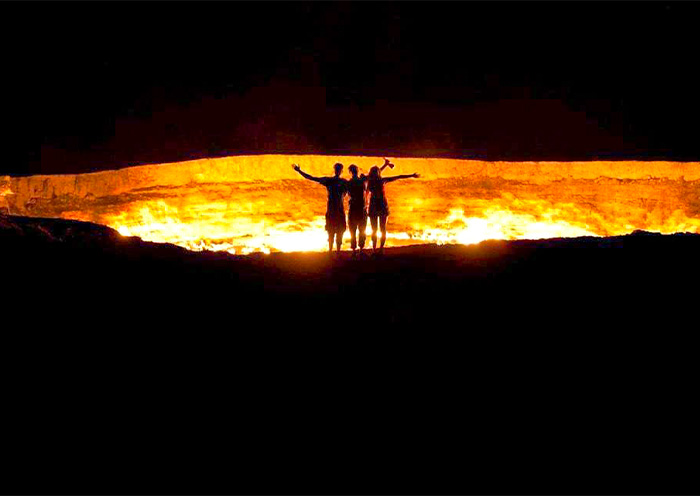
After the city tour, it's time to be transferred to the Darvaza Burning Gas Crater, a journey of 272km (4-5 hours). We'll travel through the Karakum Desert, with its moving sands and sparse vegetation. After turning off the main road, we'll begin an exciting eight-kilometer desert drive, which will bring us within a few hundred meters of the flaming crater. You've now arrived at the "Door to Hell"!
The crater was formed in 1971 when Soviet geologists were drilling for natural gas. The ground beneath their rig collapsed, leaving a large hole with a diameter of 60 meters and a depth of 20 meters. To prevent the release of poisonous gas, they decided to light it on fire, hoping it would burn itself out in a few days. The gas, however, is still burning today.
At daylight, the crater may seem like an ordinary hole in the ground, with a slight haze of smoke. We'll take a walk around the site while our barbecue dinner is being prepared. As dusk falls, the simple hole transforms into a spectacular "fire temple," creating an otherworldly atmosphere that will ignite your imagination. We'll finish the day with a taste of delicious nomadic food, with the flickering lights of the "eternal" fire.
Stay overnight in a traditional yurt camp. (Note: The camp provides basic, shared outdoor washing and toilet facilities.)


This morning, enjoy picnic-style breakfast at Darvaza in the desert. Afterward, drive back through the vast Karakum Desert and get back to Ashgabat (about 4-5 hours).
In this afternoon, you will have more time to explore this white marble city. Head to the Ertugrul Gazi Mosque. Built in the 1990s as a gift from the Turkish government, this magnificent mosque was constructed entirely in the style of the Ottoman Empire, and its exterior is very similar to Istanbul's famous Blue Mosque. Upon arrival, you'll be struck by its four towering minarets and a magnificent central dome, all built from solemn white marble. Once inside, you'll be amazed by the opulent decoration, including delicate gilded carvings, intricate mosaic tiles, and huge crystal chandeliers, creating sacred and serene atmosphere.
Later, you'll have a chance to explore the Horse Stables to see the national pride of the Turkmen people, the Akhal-Teke horses, revered as some of the most beautiful horses in the world. Known as "heavenly horses," their most prominent feature is their metallic sheen.
You can also visit Gulistan Bazaar to experience vivid local life as you explore stalls filled with fresh fruits, vegetables, spices, and daily necessities or even Turkmen carpet. Feel free to try some local food here if you like.
Stay overnight in Ashgabat.


After breakfast, you will have some free time to explore Ashgabat. Afterward, you will be transferred to the airport for your flight to your next destination or to return home. Your 16-day Central Asia essential tour concludes here. (Tip: Please inform us of your flight details so we can arrange your airport transfer accordingly.)
Tailored Experience: We can tailor Central Asia tour based on your preferred duration and interests.
Thank you for choosing Asia Odyssey Travel for your Central Asia tour. We look forward to welcoming you back for your next adventure!


What's Included:
What's Excluded:
| Country | Highlights | Must-Do Experiences |
|---|---|---|
| Kazakhstan | Endless steppe, futuristic cities, striking natural wonders | Explore Almaty’s lively streets, marvel at Charyn Canyon, ride cable cars to mountain viewpoints, and learn about nomadic horse culture |
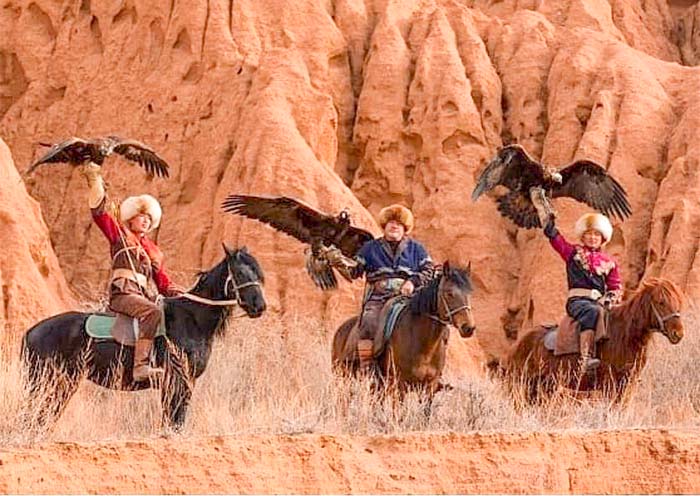
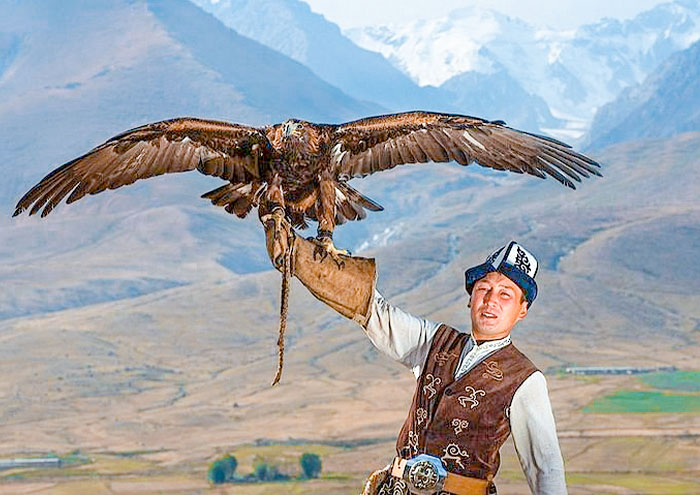
| Kyrgyzstan | Mountain peaks, alpine lakes, nomadic spirit | Stay in a yurt at Issyk-Kul Lake, visit Burana Tower, hike alpine gorges, and watch eagle hunting demonstrations |
| Uzbekistan | Silk Road jewels, turquoise domes, vibrant bazaars | Wander Registan Square in Samarkand, explore Bukhara’s old town, admire mosaics in Shakhrisabz, shop for silk, spices, and carpets |
| Tajikistan | Rugged mountains, hidden valleys, Sogdian history | Discover Penjikent’s ruins, trek to the Seven Lakes, and meet locals in remote mountain villages |
| Turkmenistan | Marble cities, desert mysteries, Silk Road ruins | Camp by the fiery Darvaza Gas Crater, explore Ancient Merv, and see Ashgabat’s white-marble monuments |
(1) Perfect for sightseeing in Uzbekistan’s Silk Road cities (Samarkand, Bukhara, Khiva) before the summer heat. (2) Kyrgyzstan’s and Kazakhstan’s mountains are lush and green, great for gentle hikes. (3) Desert areas in Turkmenistan are comfortable for visiting Darvaza Gas Crater and Merv.
(1) Ideal time for a grand tour of all 5 Stans. (2) Crisp, sunny days make exploring cities and mountain regions easy. (3) Harvest season - fresh fruits, bazaars full of melons, grapes, pomegranates. (4) Issyk-Kul Lake and alpine gorges in Kyrgyzstan are at their most photogenic.
For most western / developed-country travelers, Kazakhstan, Kyrgyzstan, Uzbekistan, and Tajikistan are fairly easy to enter (visa-free or e-visa) if you plan properly.
Turkmenistan remains the most challenging: must plan ahead, may need a LOI, possibly limit to tour operator itineraries.
Always check entry point regulations (airport vs land border), as some visas / e-visas / visa-on-arrival are only valid through certain border crossings.
Double-check the duration you're allowed (30, 45, 60, 90 days) - depends heavily on your passport country.
| Theme | Highlights | Where |
|---|---|---|
| Silk Road Cultures | Wander historic Silk Road cities with turquoise domes and caravanserais | Uzbekistan: Samarkand, Bukhara, Khiva |
| Explore an ancient Sogdian city and its 7thcentury frescoes | Tajikistan: Penjikent | |
| Contrast Ashgabat’s modern whitemarble skyline with the ruins of ancient Merv | Turkmenistan: Ashgabat, Merv | |
| Meet artisans weaving carpets, baking traditional bread, crafting felt yurts - living nomadic traditions | Across Central Asia (community workshops, markets, yurt makers) | |
| Nature Landscapes | Marvel at the Darvaza Gas Crater glowing in the Karakum Desert | Turkmenistan: Darvaza, Karakum Desert |
| Relax by IssykKul, the “Pearl of Kyrgyzstan,” ringed by snowcapped peaks | Kyrgyzstan: IssykKul Lake | |
| Hike to Tajikistan’s Seven Lakes or explore the “little brother” to the Grand Canyon | Tajikistan: Seven Lakes; Kazakhstan: Charyn Canyon | |
| Experience nomadic life in a yurt camp, ride horses in alpine valleys, stargaze on the steppe | Kyrgyzstan, Kazakhstan (yurt camps, alpine pastures) |
Our tour is designed to provide a comprehensive experience without feeling overly rushed. We balance city tours with travel days to ensure you get enough rest. While some days involve long drives between destinations, we plan strategic stops for sightseeing and breaks. You'll have time to explore the major sites in each city and enjoy the journey between them. The pace varies by region: cities like Samarkand are fast-paced, while the mountain regions of Tajikistan and Kyrgyzstan offer a slower, more relaxed tempo.
Here’s what to expect at the most commonly used checkpoints:
| Border Crossing | Connects | Opening Hours | Crossing Time | Crossing Type | Notes for Travelers |
|---|---|---|---|---|---|
| Oybek | Tashkent (Uzbekistan) ⇆ Khujand (Tajikistan) | Daily, usually 08:00–18:00 | ~30–60 min (may be longer on weekends/holidays) | Pedestrian & vehicle | One of the busiest crossings; be ready for lines. Good road conditions on both sides. |
| Jartepa | Samarkand (Uzbekistan) ⇆ Penjikent (Tajikistan) | Daily, 08:00–18:00 | ~20–40 min | Pedestrian & vehicle | Most convenient for travelers; short transfer, border staff generally friendly. |
| Shavat | Khiva/Urgench (Uzbekistan) ⇆ Dashoguz (Turkmenistan) | Daily, 09:00–18:00 | ~45–90 min | Pedestrian only (vehicles drop/pick up travelers at both sides) | Requires Turkmen visa in advance or pre-arranged LOI. Can be busy in mornings. |
| Farap | Bukhara (Uzbekistan) ⇆ Turkmenabat (Turkmenistan/Mary route) | Daily, 08:00–18:00 | ~1–2 hrs | Pedestrian & vehicle | Key crossing for travelers heading to Merv; customs can take longer, be patient. |
| Korday | Bishkek (Kyrgyzstan) ⇆ Almaty (Kazakhstan) | Open 24 hrs | ~30–60 min (rush hours longer) | Pedestrian & vehicle | Major highway crossing, usually efficient; popular with locals and travelers. |
Traveler Tips:


We carefully select accommodations across the five “Stans” to ensure both comfort and authenticity.
In Cities:
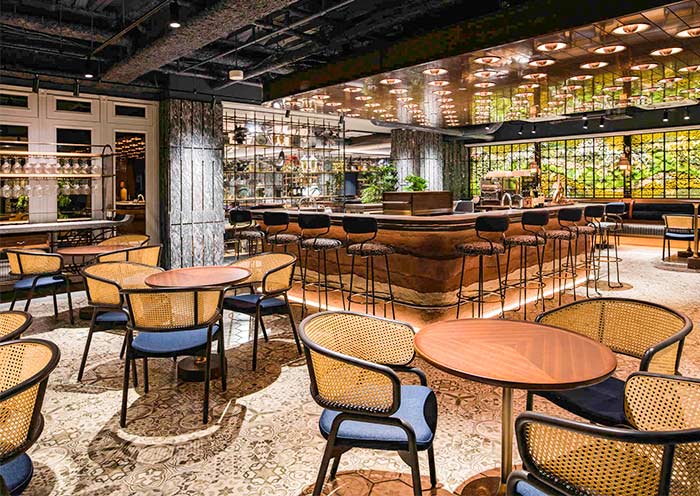
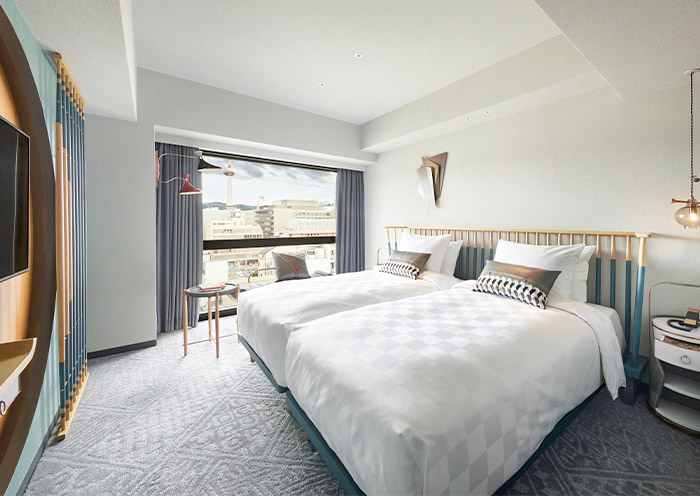
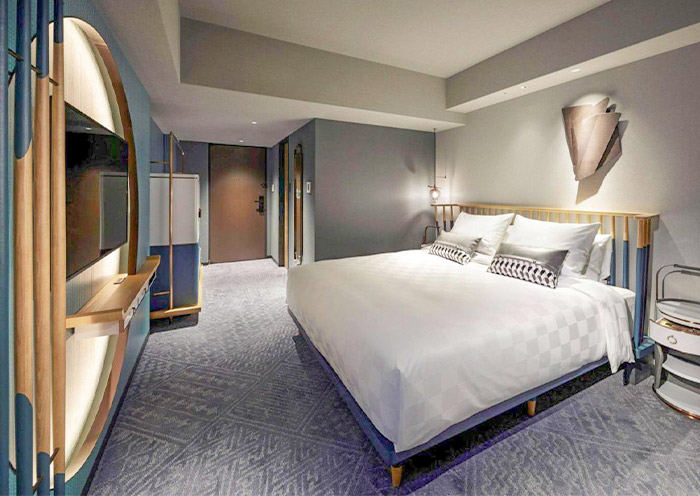
You will stay in well-located hotels (3-5 stars, with 4 stars recommended) - a mix of international chains and charming boutique hotels. All are clean, comfortable, non-smoking, and offer easy access to lively bazaars, shopping streets, and major attractions. Free Wi-Fi is available in most properties.
In Villages & Countryside:
Around the Seven Lakes, Pamir, and Issyk-Kul areas, accommodation is mainly in cozy family guesthouses, mountain lodges, or traditional yurt camps. Facilities are simple but authentic, letting you experience the local way of life. Yurt camps in Kyrgyzstan and Kazakhstan are usually shared or semi-private, with communal or partially private bathrooms. Nights can be chilly, but electric blankets or stoves are typically provided.
Camping Experience:
At places like the Darvaza Gas Crater, you will stay in fixed or mobile tents with basic shared facilities. Nights can be windy with significant temperature drops, so warm clothing is recommended.


David
United States
Date of Experience: Oct 15, 2025
Tour Customized by: Amy
You May be Interested in This Tour: 26 Days Central Asia Tour: In-Depth Journey through the Five Stans

Sofia Rodriguez
Spain
Date of Experience: Sep 25, 2025
Tour Customized by: Anthony
You May be Interested in This Tour: 5 Days Classic Turkmenistan Tour: UNESCO Ancient Wonders & Door to Hell

Marco-Bianchi
Italy
Date of Experience: Sep 03, 2025
Tour Customized by: Alina
You May be Interested in This Tour: 8 Days Uzbekistan Silk Road Tour - Tashkent, Khiva, Bukhara & Samarkand
Price: Request
(Based on a private tour for two people. Price varies depending on program, travel date, number of people.)
Free Enquiry! You don’t need to pay for the reservation.