+852 5394 6901
 Take China Group Tours in 2026/2027 to enjoy 30% discount compared to private tour. Same Experience & Lowest Price!
1. Where to Go and What to See in Asia?
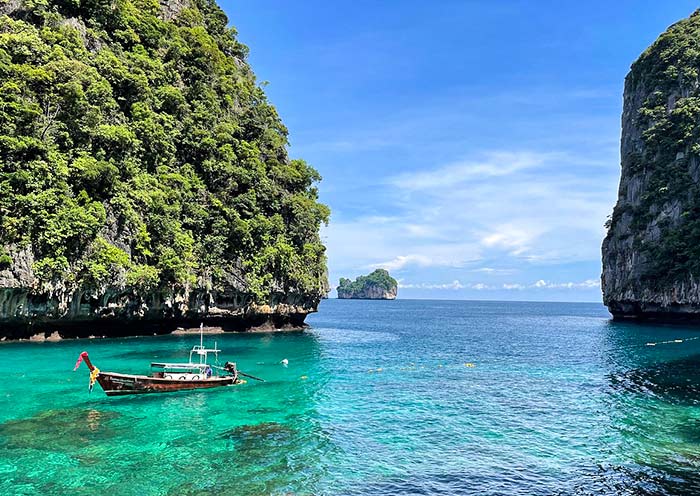
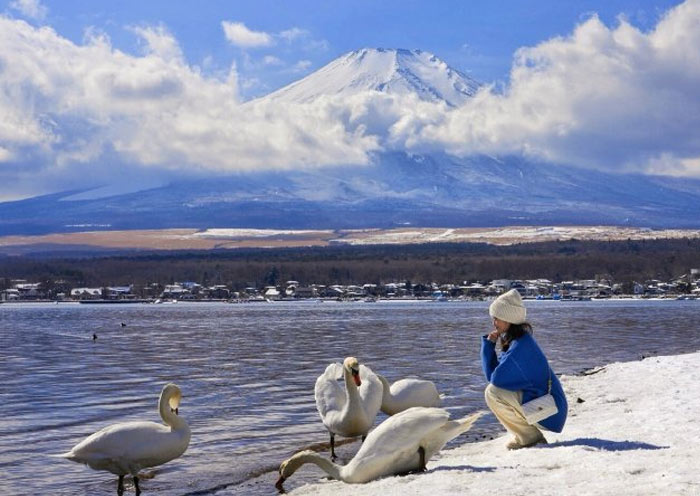
The first step in answering "how to plan a trip to Asia" is choosing your dream destinations!
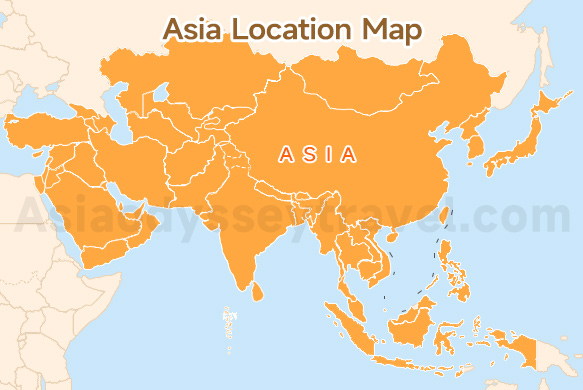
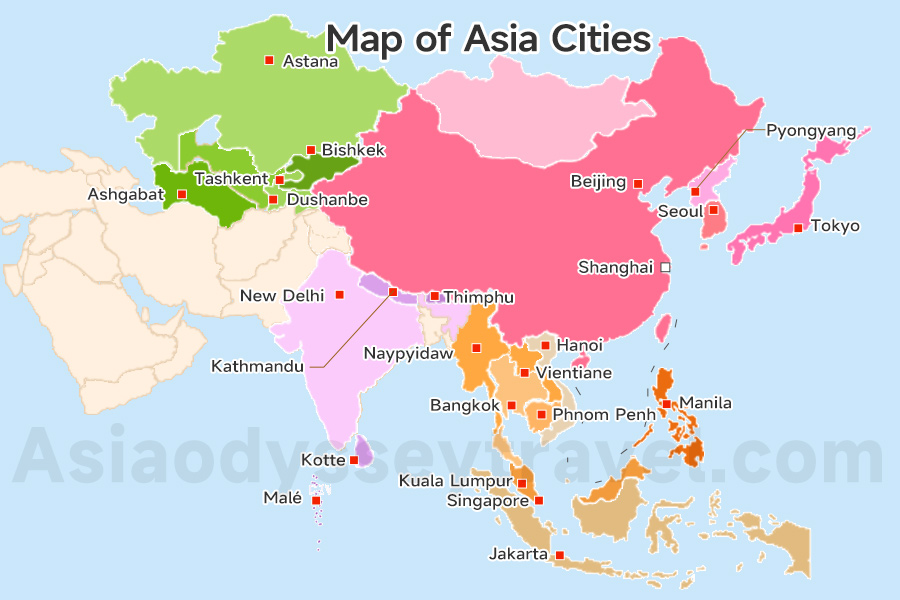
Asia is incredibly diverse—it's much more than these 4 regions (East, Southeast, South and Central). However, these 4 areas cover the most popular destinations for tourists, making them the perfect place to start your planning.
I've broken down these regions below by the countries they include and the iconic sights you can't miss.
| Region | Countries | Iconic Attractions You'll See |
|---|---|---|
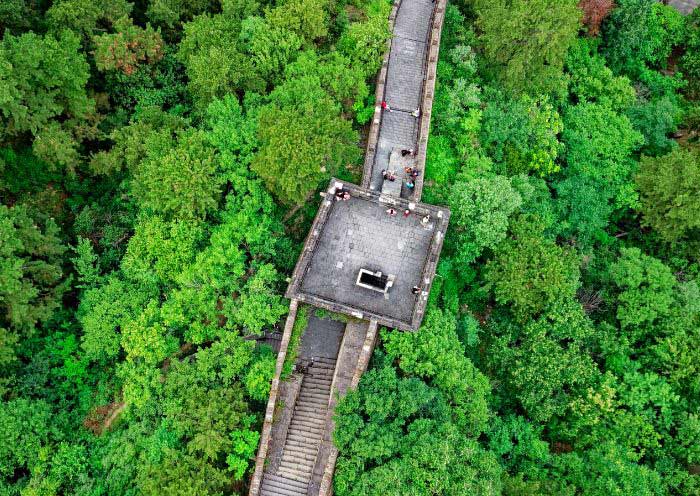
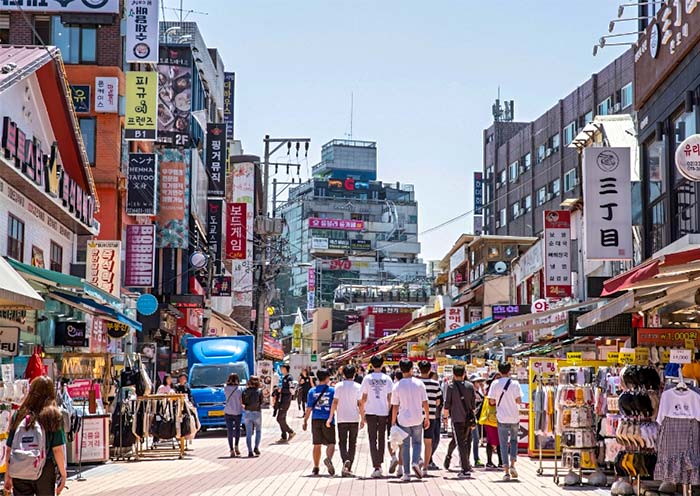
| East Asia | China, Japan, South Korea, Mongolia | The Great Wall (China), Mount Fuji (Japan), Kyoto Temples, Seoul's Palaces, Gobi Desert. |
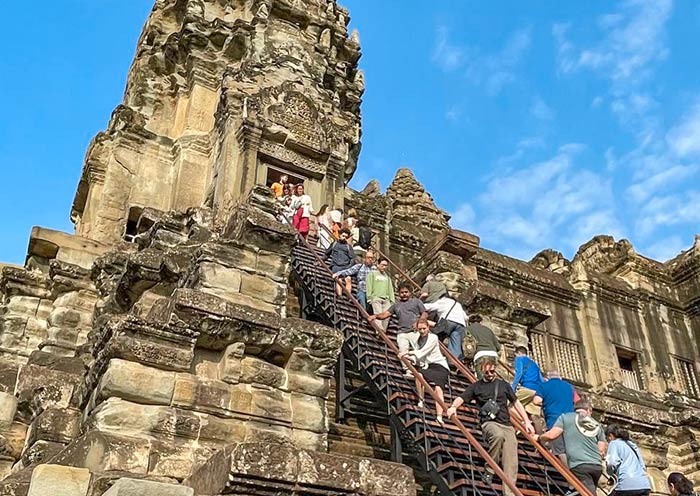
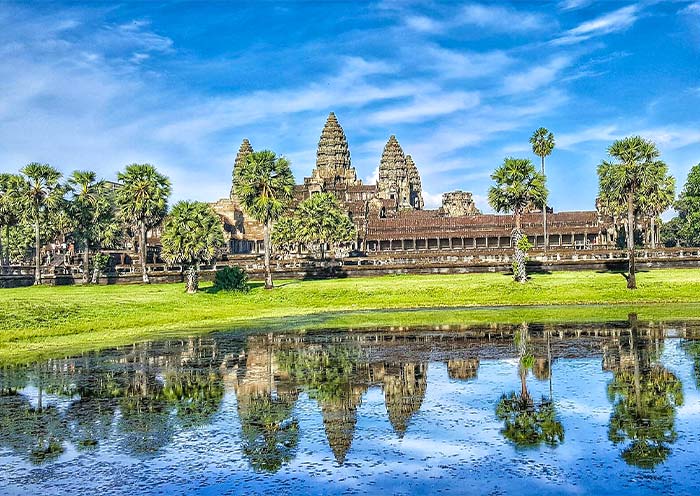
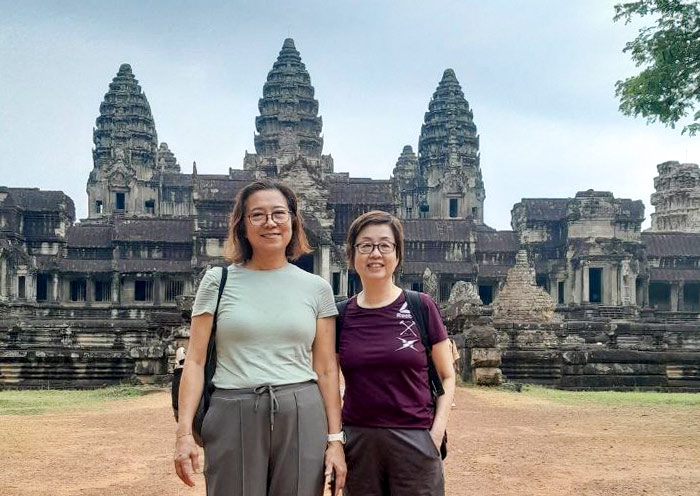
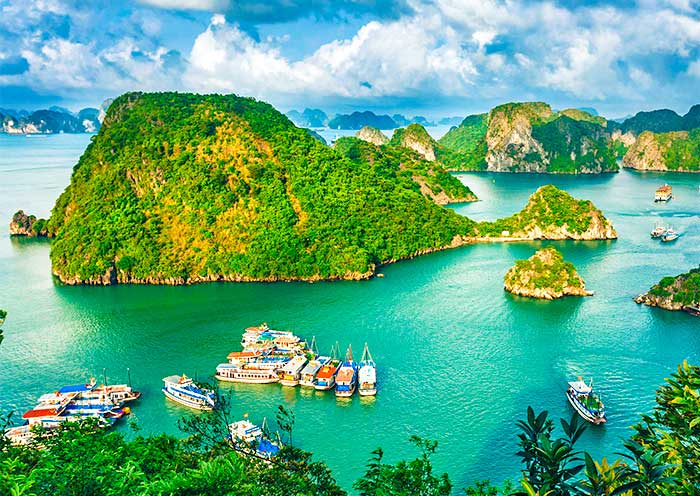
| Southeast Asia (SEA) | Thailand, Vietnam, Cambodia, Laos, Philippines, Singapore, Malaysia, Indonesia | Angkor Wat (Cambodia), Halong Bay (Vietnam), Gardens by the Bay (Singapore), Beaches/Temples (Thailand), Bali. |
| South Asia | India, Nepal, Bhutan, Sri Lanka, Maldives | Mount Everest/Annapurna (Nepal), Tiger's Nest Monastery (Bhutan), Taj Mahal (India), Sigiriya (Sri Lanka), Atolls/Beaches (Maldives). |
| Central Asia | Kazakhstan, Uzbekistan, Turkmenistan, Kyrgyzstan, Tajikistan | Registan Square (Uzbekistan), Ancient Silk Road cities (Bukhara, Khiva), Tian Shan Mountains. |
10 Cheapest Countries to Visit in Asia: Top Cheap Asian Destinations
Best Asia Honeymoon Destinations: Top 10 Winners by Month
8 Best Family-Friendly Destinations in Asia: Where to Go in Asia With Kids?
2. The Best Travel Flow of a Trip to Asia
The secret to a successful, relaxed Asia trip is smart routing. The flow of your travel should always depend on where you start and finish! It's all about minimizing expensive flights and maximizing time spent exploring.
Specific Regions
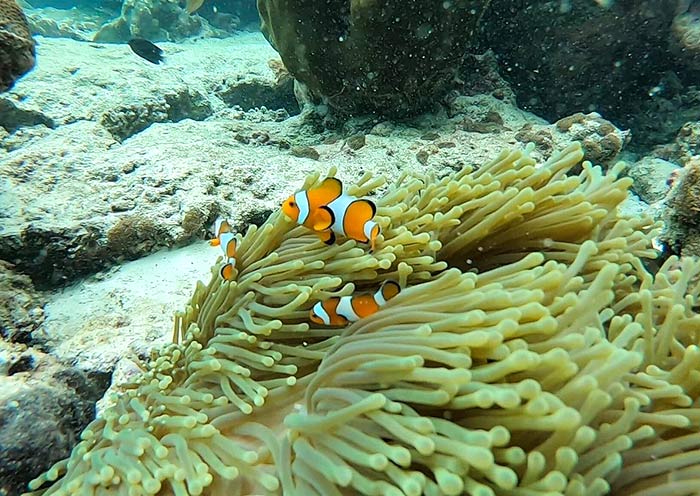
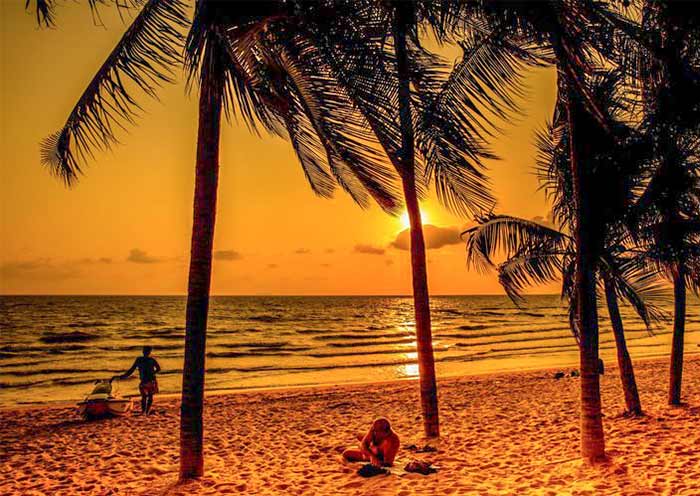
- Focus on Southeast Asia (SEA)
The best flow for South East Asia is often a linear route.
You can easily travel the length of Vietnam (North to South) then hop across to Cambodia (Siem Reap) before finishing in Thailand. Alternatively, head South from Thailand, connecting to Malaysia and ending in Singapore.
Best Asia Beaches: 20 Most Beautiful Beaches in Asia
- Focus on East Asia
Since these countries in East Asia are separated by water, short flights are the key.
Fly between South Korea (Seoul) and Japan (Osaka/Tokyo). If you include China, make one flight from Japan into a major Chinese hub like Shanghai or Beijing.
UNESCO World Heritage in Asia: 16 Iconic Sites & New 2026 Additions
- Focus on South Asia
Because of the huge mountains (the Himalayas) and water separating in South Asia, the flow here is generally managed by internal flights and train journeys.
For example, a journey through India is best connected by India's vast train network, while jumping from India to Nepal usually requires a flight.
Top 20 Cities to Visit in Asia for Beginner with 4 Itineraries
- Focus on Central Asia (The Stans)
This trip is usually done overland, following the ancient Silk Road route. You'll travel from one 'Stan' to the next (e.g., Uzbekistan → Kyrgyzstan). This flow is much slower and requires more time.
10 Underrated Countries to Visit in Asia | Unexplored Places 2026
Combining Regions (The Long Haul)
Mixing regions (like SEA and East Asia) requires strategic use of flights.
To travel between SEA and East Asia, use major transit hubs like Bangkok, Shanghai, or Singapore to jump between regions. For example, after finishing Vietnam (e.g. Hanoi), you can fly to a major city in China (e.g. Shanghai), spend a week there, and then fly to Japan.
3. Transport Connections in Asian Countries
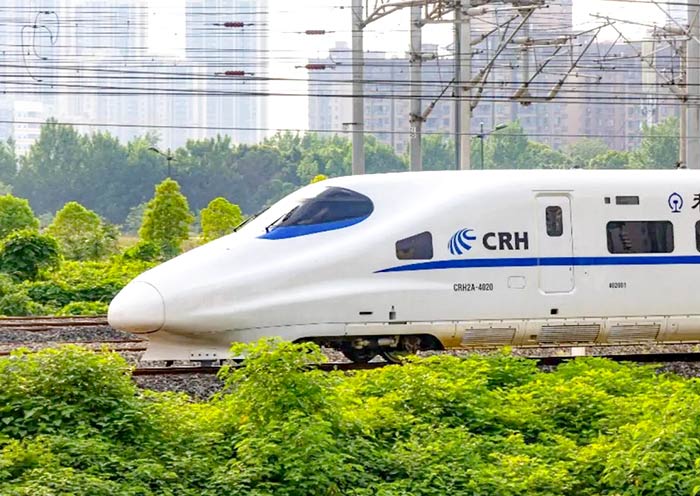
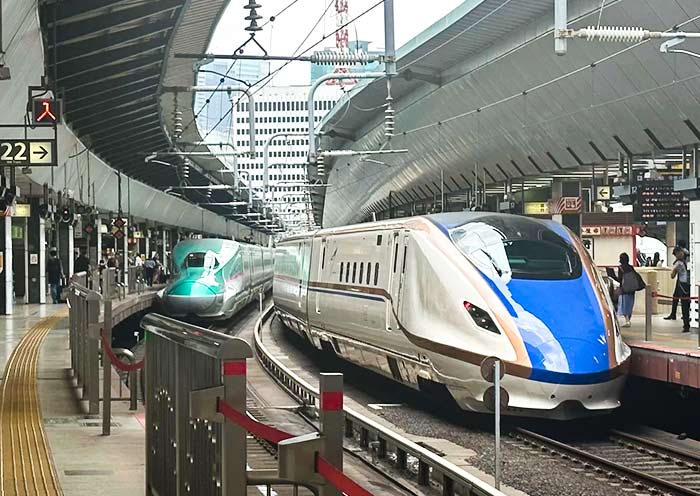
Once you know where you're going, you need to know how you're going to move! Travel within Asia offers everything from quick flights and high-speed luxury to bumpy, scenic drive.
Your Transportation Toolkit
Flights (The Time Saver): For crossing borders and large distances (like flying from Bangkok to Seoul), low-cost carriers like AirAsia, VietJet, or Scoot are your best friend. They save days of travel time for a relatively low cost, especially if booked early.
High-Speed Rail (The Efficiency King): When traveling in East Asia (Japan, China, South Korea), the HSR systems (like the Shinkansen in Japan or China High Speed Train) are often faster door-to-door than flying, and are super comfortable.
Overland Travel (The Budget Choice): In Southeast Asia, traveling between countries (e.g., Laos to Cambodia) or major cities often involves affordable tourist buses or trains. Taking overnight sleeper buses/trains is a great hack to save money on a night of accommodation!
Local Taxis & Apps: For getting around within cities, forget haggling. Use local ride-sharing apps like Grab (dominant in Southeast Asia) for fair, fixed pricing.
Connections Between Major Hubs
This table shows you the travel time when moving between the most popular hubs:
| Connection | Primary Mode | Travel Time |
|---|---|---|
| Bangkok → Singapore | Flight | ~2.5 hours |
| Seoul → Tokyo | Flight | ~2 hours |
| Beijing → Shanghai | Flight | ~2 hours |
| Shanghai → Hanoi | Flight | ~4 hours |
| Beijing → Xian | HSR (High-Speed Train) | ~4-5 hours |
| Hanoi → Ho Chi Minh | Flight | ~2 hours |
| Kuala Lumpur → Penang | Flight or HSR/Bus | ~1 hour (Flight) |
| Bangkok → Chiang Mai | Flight or Sleeper Train | ~13 hours (Train) |
4. How Long to Spend in Asia? 1 Week to 1 Month
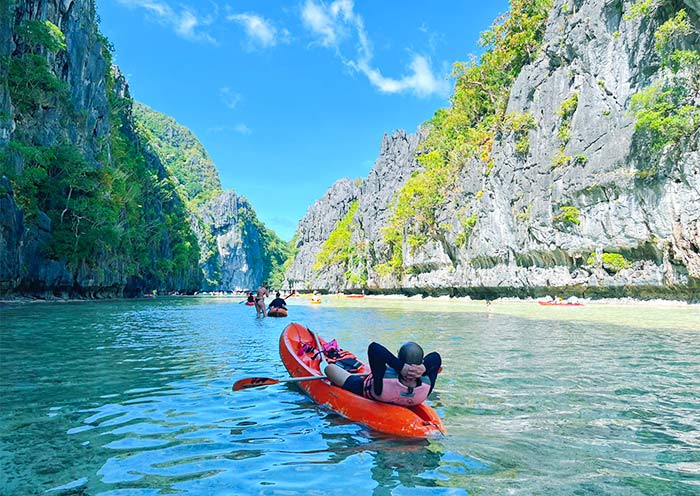
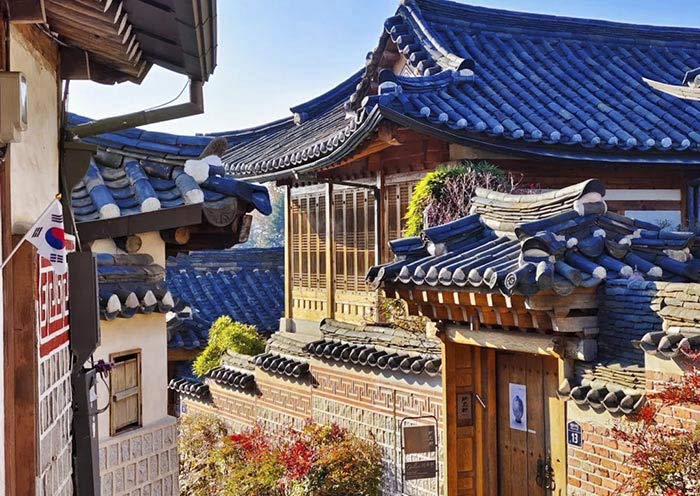
The duration dictates your pacing. I always tell travelers: if you have less than two weeks, focus on depth (maybe one or two countries maximum). If you have three weeks or more, you can explore more countries!
1 Week (Fast Pace): Focus on one country or two geographically close, small countries (like Nepal and Bhutan). You'll spend 2-3 days per location.
2 Weeks (Balanced Pace): This is the sweet spot for the classic SEA hop: Thailand, Malaysia and Singapore. You get 3-4 days per major city, which is great for seeing the highlights.
2 Weeks in Asia Itinerary (2026): 4 Best Plans in Asia for 14 Days
3 Weeks (Relaxed Pace): Now you can breathe! You can allow for 5-7 days per country in Southeast Asia (Thailand, Cambodia & Vietnam included) or even mix with Japan/China with a tighter pace. You'll have time for side trips and relaxing recovery days.
3 Weeks in Asia Itinerary: From SEA to Japan, China & 5 Stans
4 Weeks (Deep Dive): This is the ultimate duration for regional immersion. Explore 4–5 countries (e.g. Thailand, Cambodia, Vietnam and China), dedicating 5–7 days to each without feeling rushed. You can fully experience major hubs, side trips, and even slower, local transport.
The Golden Rule: It's hard to tell how many days are required to plan a trip to Asia; staying more than 2 weeks is better to avoid burning you out.
5. How to Draft an Asia Itinerary? 8 Sample Travel Plans
Time to put the plan into action! Now that you've chosen your destinations and decided on your duration, let's look at how these ideas translate into real-world routes.
Below are 8 proven Asia itineraries categorized by duration (1-4 weeks), showing you exactly how to link destinations efficiently.
1-Week Itineraries in Asia (Focus on One or Two Countries)
| Plan | Focus | Route Flow |
|---|---|---|
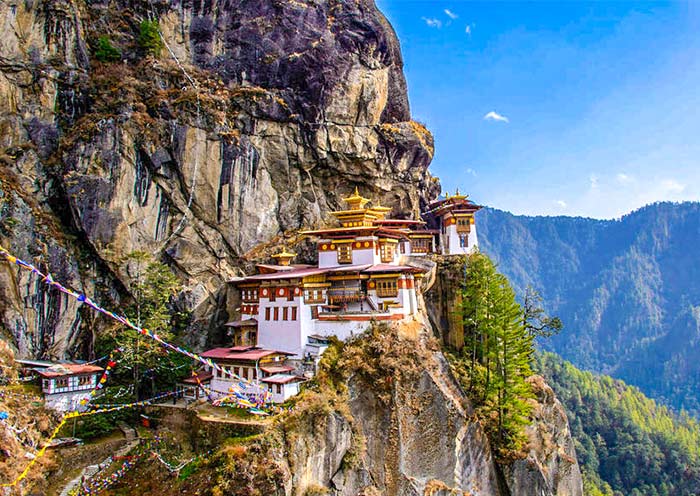
| Plan A: 7 Days Classic Nepal Bhutan Tour | Spiritual and cultural immersion in Himalayan region. | Kathmandu (Nepal) → Paro (Bhutan) → Thimphu → Punakha → Paro (Fly out). |
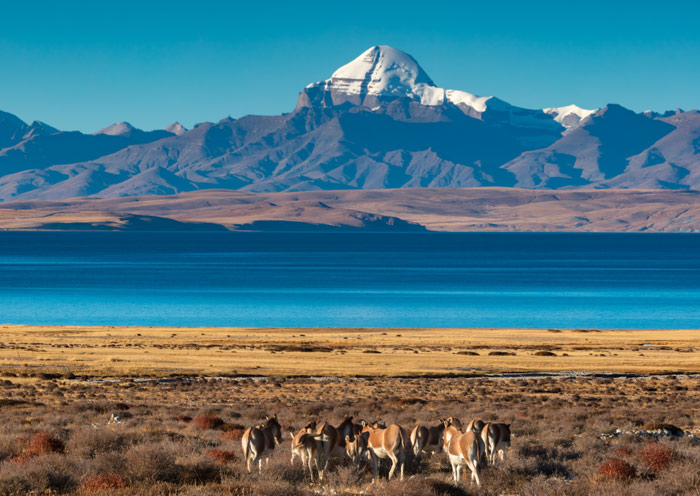
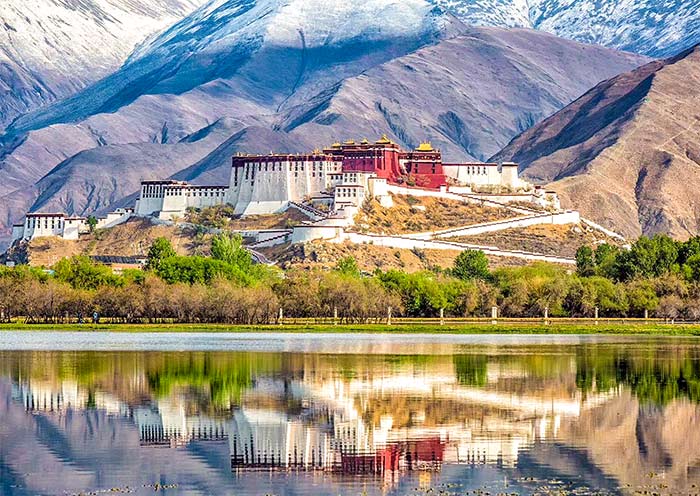
| Plan B: 7 Days Lhasa & Kathmandu Spiritual Journey | High-altitude history and unique spiritual sites. | Lhasa (Tibet, China) → Kathmandu (Nepal) (by Flight). |
Plan A: Immerse yourself in the sacred peaks and profound culture of the Himalayas. This spiritual week is filled with the awe of the Tigers Nest Monastery Hike and the meditative energy flowing through Kathmandu's ancient sites. Discover a truly unique world.

Plan B: Ascend to the Roof of the World and explore two capitals linked by ancient faith. Feel the history at Lhasa's mighty Potala Palace before soaking up the lively spiritual atmosphere of Kathmandu's bustling markets and temples. A high-altitude journey awaits.
2-Week Itineraries (The Classic Multi-Country Hop)
| Plan | Focus | Route Flow |
|---|---|---|
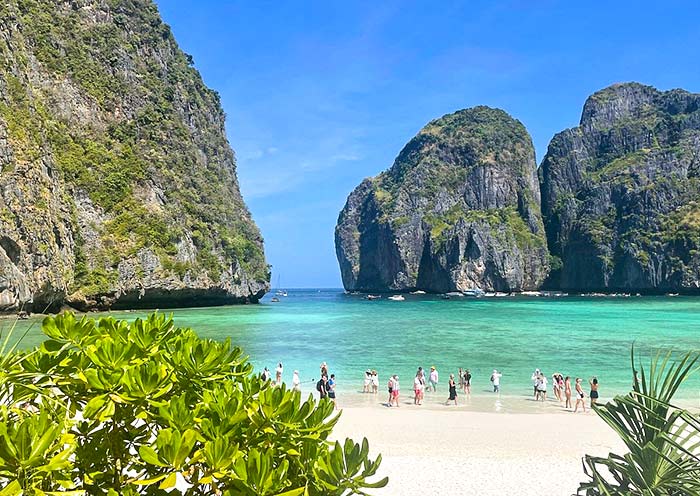
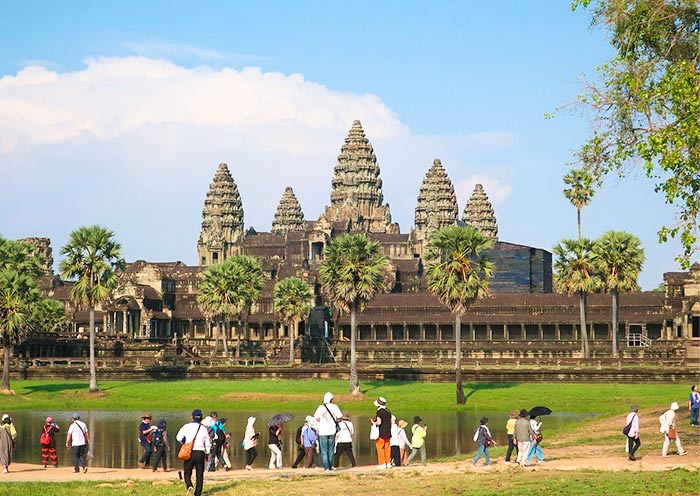
| Plan A: 14 Days Vietnam Cambodia Thailand Tour | Southeast Asia's highlights: ancient sites, water life, and bustling cities. | Hanoi (Vietnam) → Halong Bay (Vietnam) → Ho Chi Minh City (Vietnam) → Siem Reap (Cambodia) → Bangkok (Thailand) → Phuket (Thailand) |
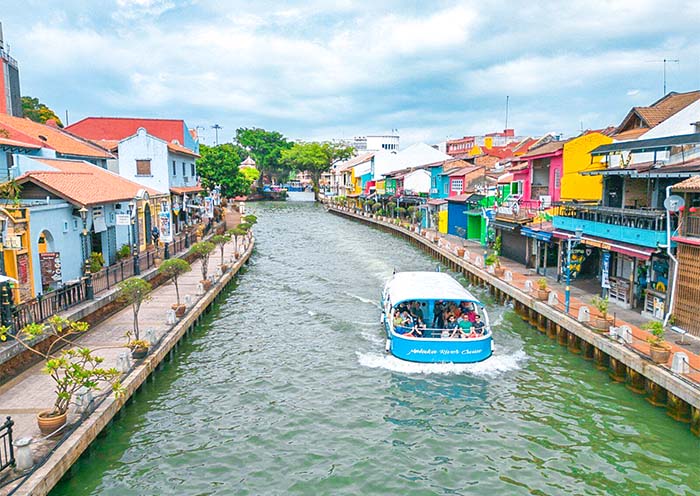
| Plan B: 14 Days Thailand Malaysia Singapore Tour | Moving smoothly south, covering beaches, big cities, and wildlife. | Bangkok (Thailand) → Phuket (Thailand) → Penang (Malaysia) → Kuala Lumpur (Malaysia) → Malacca (Malaysia) → Singapore (Singapore) |
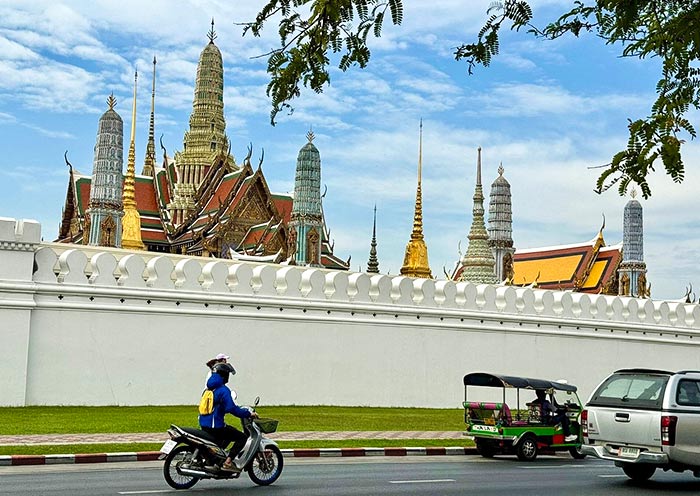
Plan A: Experience Southeast Asia's exhilarating contrasts over two weeks. Wake up to the serene mist over Halong Bay, witness the magnificent Angkor Wat sunrise, and explore the bustling royal grandeur of Bangkok's Grand Palace. It's the ultimate culture and adventure sampler.
Plan B: Journey from the serenity of Thai temples like Wat Arun straight into the futuristic skylines of Singapore. This 14-day route is a culinary and architectural masterpiece, giving you beach relaxation alongside the urban spectacle of the Petronas Towers and Gardens by the Bay.
3-Week Itineraries (Leisure & Deep Dive)
| Plan | Focus | Route Flow |
|---|---|---|
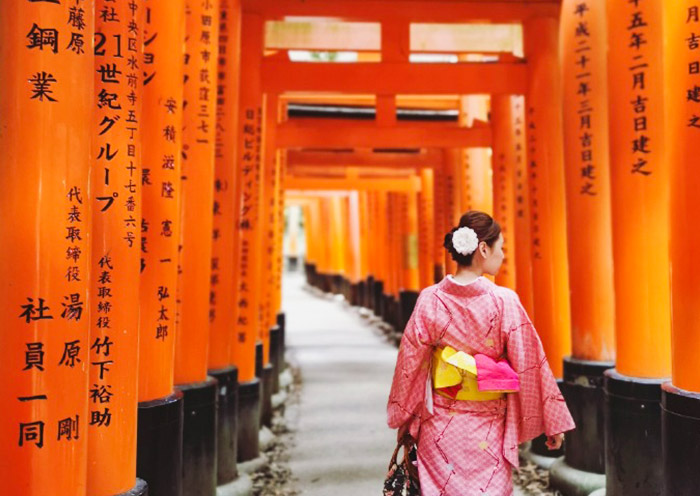
| Plan A: 21 Days Japan Thailand Cambodia Vietnam Tour | The ultimate contrast: high-tech East Asia meets ancient Southeast Asia. | Tokyo (Japan) → Kyoto (Japan) → Osaka (Japan) → Bangkok (Thailand) → Pattaya (Thailand) → Siem Reap (Cambodia) → Ho Chi Minh City (Vietnam) → Hanoi (Vietnam) |
| Plan B: 21 Days Vietnam Cambodia Thailand Tour (Family) | A relaxed pace with plenty of time for cultural stops and the beach. | Hanoi (Vietnam) → Da Nang/Hoi An (Vietnam) → Ho Chi Minh City (Vietnam) → Siem Reap (Cambodia) → Bangkok (Thailand) → Chiang Mai (Thailand) → Phuket (Thailand) |
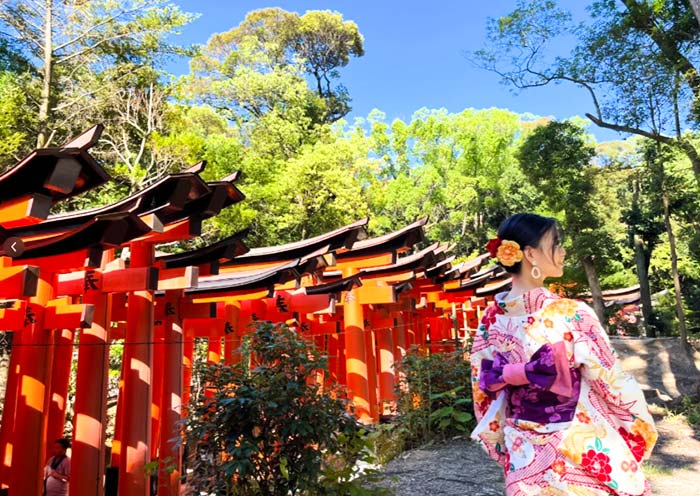
Plan A: Witness Asia's dramatic split: the hyper-efficient pulse of Tokyo's Shibuya Crossing contrasts with the quiet temples of Kyoto's Fushimi Inari shrine. Then, dive into the ancient spirituality of the Angkor Complex for an exhilarating three weeks of exploration.
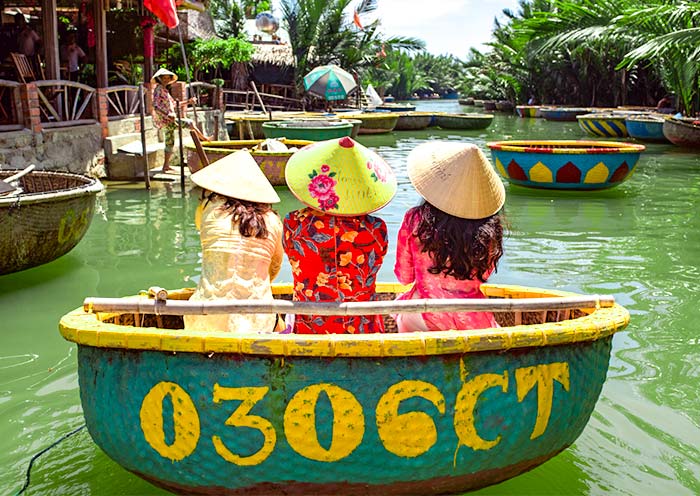
Plan B: This generous 21-day tour is crafted for shared memories and comfort. Enjoy extended time for sun, sand, and truly memorable activities like exploring the Hoi An Ancient Town, learning to cook Cambodian dishes, and visiting a heartwarming Elephant Sanctuary in Chiang Mai.
4-Week Itineraries (The Deeper Dive)
| Plan | Focus | Route Flow |
|---|---|---|
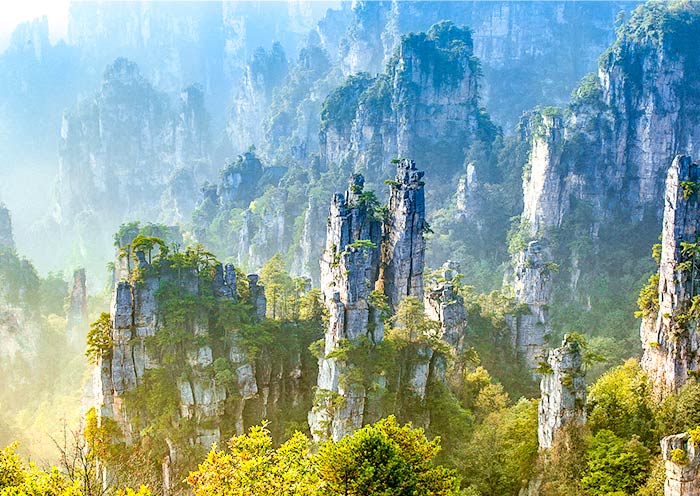
| Plan A: 1 Month Indochina China Odyssey Tour | An extensive cultural and geographic exploration across four countries. | Bangkok/Chiang Mai (Thailand) → Siem Reap (Cambodia) → Vietnam (HCMC/Hoi An/Hanoi) → Shanghai (China) → Zhangjiajie (China) → Xian (China) → Beijing (China) |
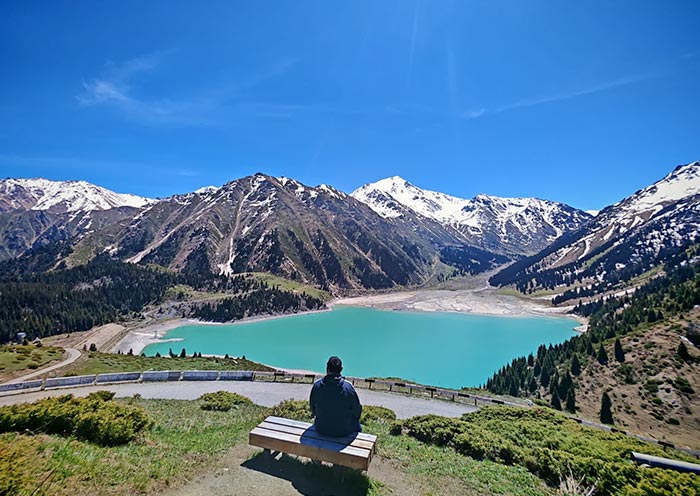
| Plan B: 26 Days Central Asia Tour (The Five Stans) | In-depth Silk Road history and stunning nomadic landscapes. | Almaty (Kazakhstan) → Bishkek (Kyrgyzstan) → Tashkent/Samarkand/Bukhara (Uzbekistan) → Dushanbe (Tajikistan) → Ashgabat (Turkmenistan) |
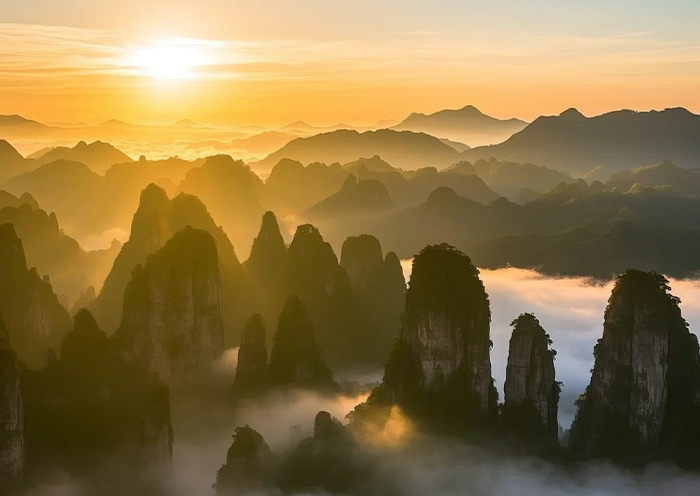
Plan A: Embark on a full month of legendary exploration. This odyssey seamlessly links the tropical charms of Angkor Wat to the iconic wonders of China. You'll hike the dramatic Avatar Mountains and trace history along the millennia-old Great Wall on a deep cultural dive.
Plan B (Central Asia Stans): Trace the footsteps of history along the Silk Road through five captivating 'Stans.' This immersive journey unveils magnificent turquoise domes and stunning nomadic landscapes. Behold the Registan in Samarkand and stand before the mysterious Darvaza Gas Crater in the desert.
6. Best Time to Visit Asian Countries
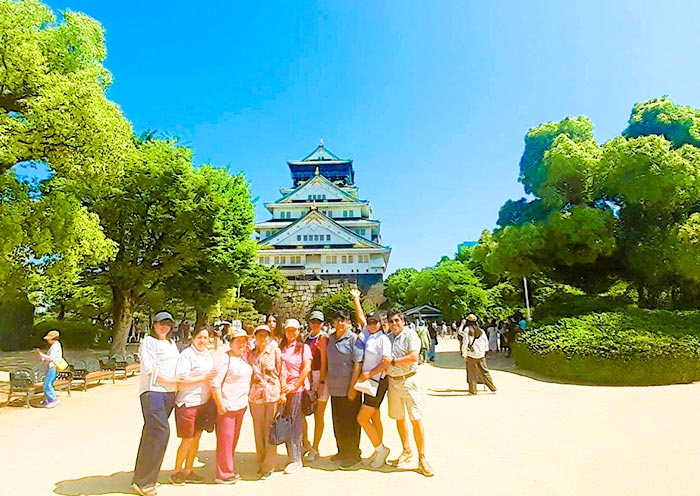
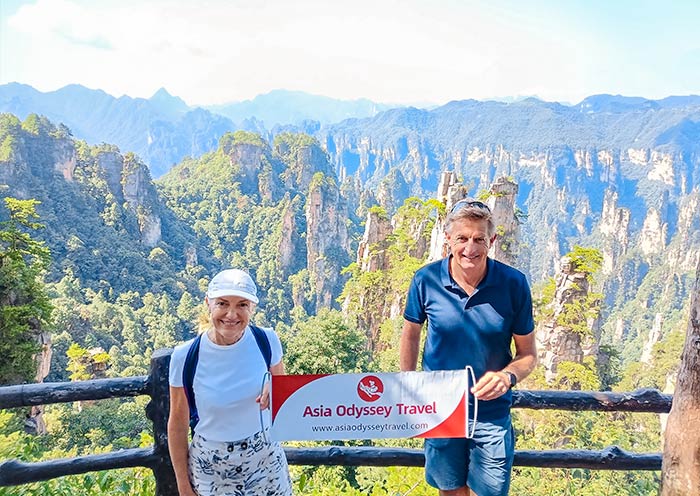
I get asked this all the time! Since Asia is so huge, there's no single "best" time. You have to look at the regions to avoid monsoons or extreme heat.
| Region | The Golden Window | Notes |
|---|---|---|
| East Asia (Japan, S. Korea, China) | Spring (March to May) and Autumn (September to November) | The weather is mild, skies are clear, and you get to see cherry blossoms or stunning fall foliage. |
| Southeast Asia | November to February | This is the cool, dry season, giving you the best beach weather—but expect more crowds! |
| Himalayas (Nepal, Bhutan) | October to November and March to April | The clearest skies for trekking and seeing those incredible mountain peaks. |
| Central Asia (The Stans) | May to June and September to October | Warm and dry, perfect for exploring the ancient Silk Road cities without the summer scorch. |
Best Time to Travel in Asia: East, SE & Central Asia Guide
7. Budget Breakdown for a Trip to Asia
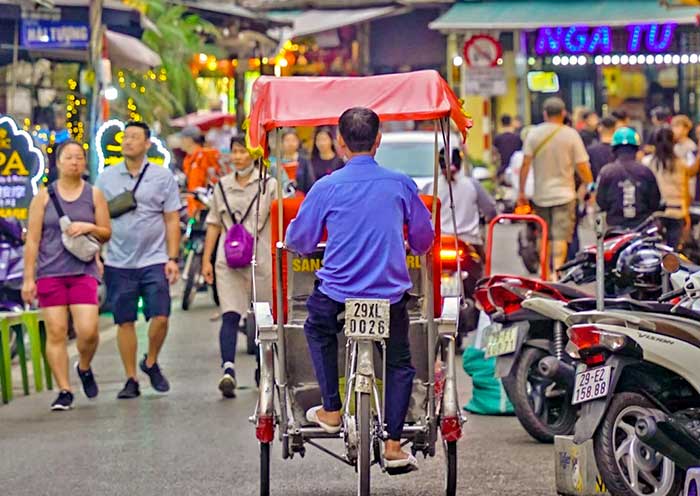
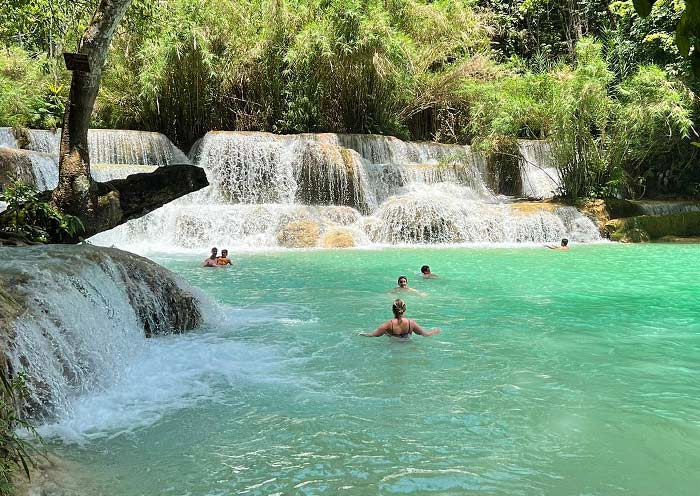
Let's talk money! Your budget depends hugely on where you are.
A day in Singapore, Japan, Maldives or Bhutan (the daily fee!) costs a lot more than a day in Vietnam, Laos, Cambodia, India, or Nepal. But the biggest cost will always be the flights to get you there and back.
| Tier | Countries (Examples) | Accommodation (Per Night) | Daily Budget (Excluding Flights) |
|---|---|---|---|
| Tier 1 (Budget-Friendly | Vietnam, Laos, Cambodia, India, Nepal | $10 - $30 (Hostel or Basic Guesthouse) | $30 - $50 USD |
| Tier 2 (Mid-Range) | Malaysia, Thailand (Islands), China, South Korea | $40 - $80 (Mid-Range Hotel) | $60 - $100 USD |
| Tier 3 (High-End) | Japan, Singapore, Maldives, Bhutan | $90 - $200+ (Comfort/Boutique Hotel) | $150 - $300+ USD |
Money-Saving Tip: To keep your overall budget low, try to limit the number of times you need to fly!
Asia Trip Cost: How Much Does a Trip to Asia Cost?
8. Visa Requirements in Asia
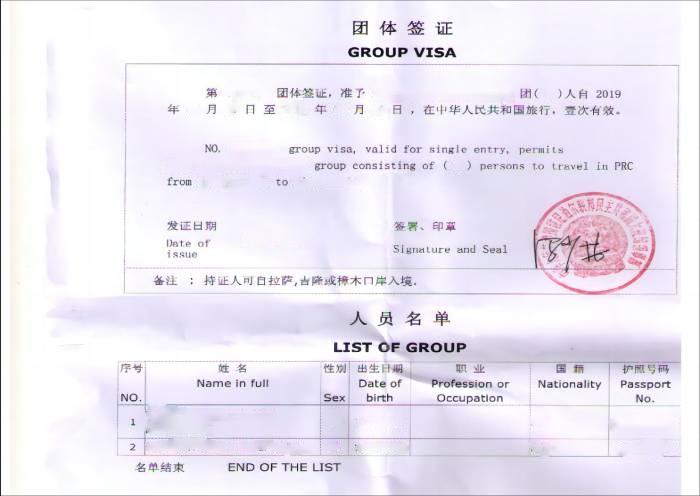
This is the most important step before you book anything: check your visa situation! It depends entirely on the passport you hold.
✔ Visa-Free/VOA: Many Southeast Asian spots (Thailand, Singapore, Malaysia) and East Asia destinations (Japan & South Korea) are visa-free for travelers from the US, Canada, EU, etc. Cambodia and Laos often offer easy Visa-on-Arrival (VOA).
✔ E-Visa Required: Countries like Vietnam, India, and Sri Lanka usually require you to apply online for an electronic visa before you arrive.
✔ China Visa-Free: Great news! China now has a visa-free policy for short stays (up to 15 days) for citizens of many countries, including France, Germany, Malaysia, Switzerland, and more. This is a game-changer for short stopovers or quick trips!
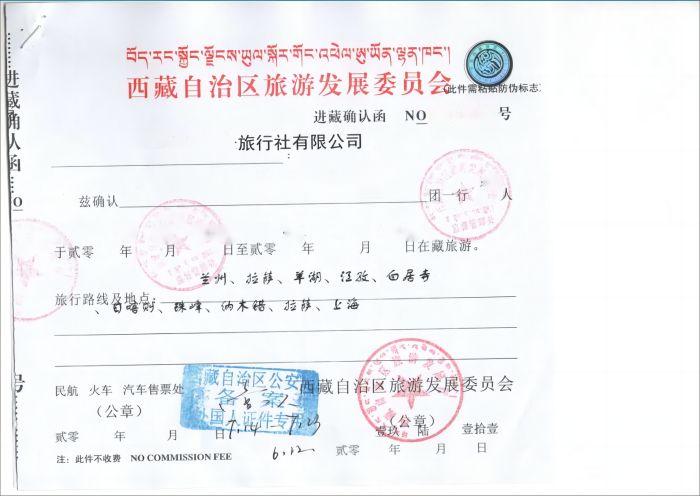
Tibet is an exception! If your China trip includes Tibet, remember that besides your standard Chinese visa (if required), you must also obtain a Tibet Travel Permit (TTP).
This permit is handled exclusively through authorized tour operators and is required before you can even board a flight or train to Lhasa.
✔ Tour-Mandated Visa: Bhutan requires you to book an all-inclusive tour package, and the tour operator handles the visa for you.
✔ Central Asia (The Stans) Visa Policy: The Silk Road nations have drastically liberalized access in recent years!
Visa-Free Access: You'll find that Kazakhstan, Kyrgyzstan, and Uzbekistan are largely visa-free for many major nationalities, often granting stays between 30–60 days.
e-Visa System: Tajikistan requires a visa, but utilizes a simple e-Visa system. Note that an additional permit (GBAO permit) is required if visiting the mountainous Pamir Highway region.
Strictest Policy: Turkmenistan remains highly restrictive. Most travelers must obtain a visa via an embassy and generally require an official Letter of Invitation (LOI) from a registered tour operator.
9. Must-Try Asian Food (with Vegan Options)
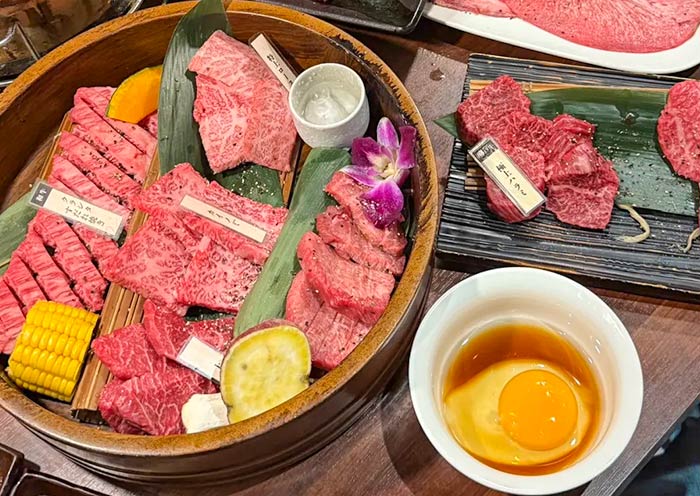
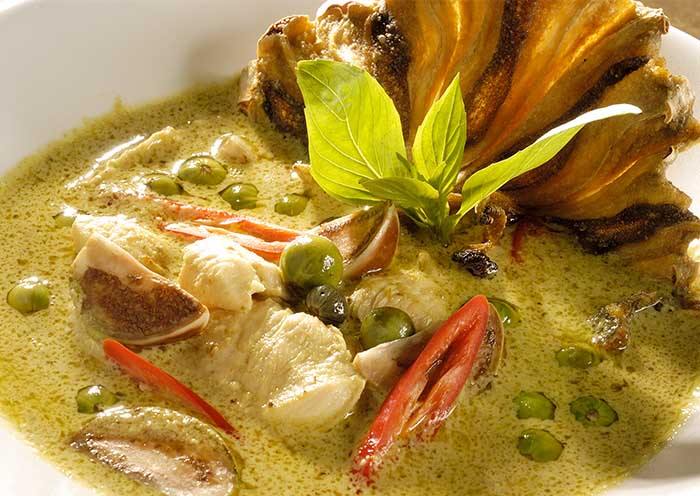
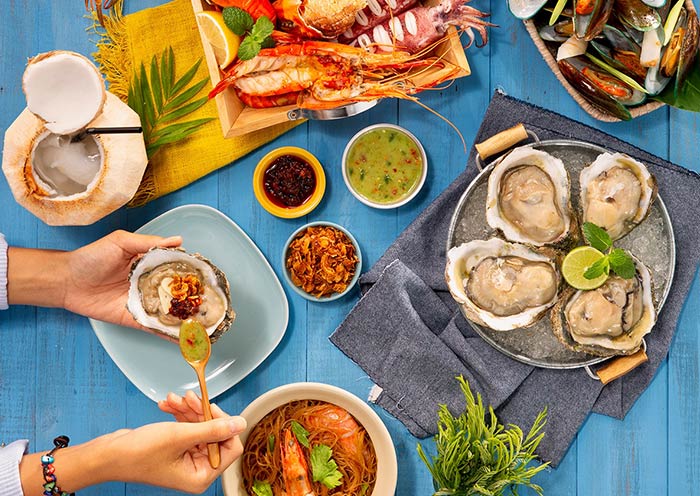
Food is the soul of Asia, so be brave and try everything! Here are some favorites from your local guide, with great options for plant-based travelers.
| Country | Must-Try Dish | Vegan/Vegetarian Options (Just Ask!) |
|---|---|---|
| Thailand | Pad Thai (Noodles) / Tom Yum (Spicy Soup) | Vegan: Massaman Curry (ask for tofu/veg), Pad See Ew (no egg/fish sauce), fresh spring rolls. |
| Vietnam | Phở (Noodle Soup) / Bánh Mì (Sandwich) | Vegan: Phở Chay (Vegetarian Pho), Gỏi Cuốn (Fresh rolls with tofu), Bánh Mì Chay. |
| Japan | Ramen / Sushi / Tempura | Vegan: Shōjin Ryōri (Buddhist temple cuisine), vegetable tempura, verify shoyu ramen broth. |
| China | Dumplings (Jiaozi) / Beijing Roasted Duck / Dongpo Pork | Vegan: Buddhist Vegetarian Cuisine is widespread, vegetable stir-fries, and plain noodle dishes. |
| Malaysia | Nasi Lemak, Roti Canai | Vegan: Excellent Indian-Malaysian options like Roti Canai (with vegetable curry), vegetarian Laksa. |
| India | Thali (Platter) / Dosa (Pancake) | Vegan: India is naturally vegan-friendly! Focus on Dal, Aloo Gobi, and Chana Masala. |
Beijing to Luoyang High Speed Train Schedules, Time, Tickets & Price
10. Health and Safety Concerns in Asia
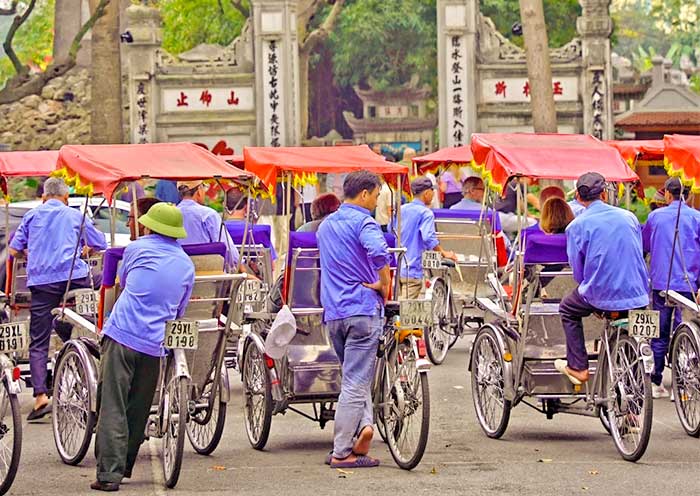
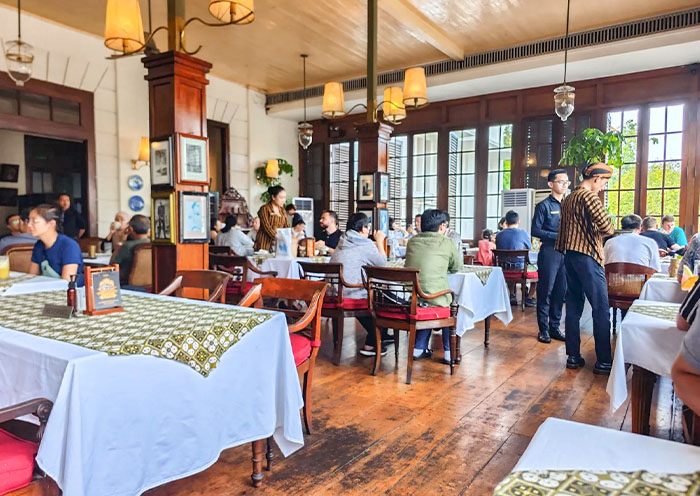
Travel should be fun, but we need to stay smart! Most of Asia is very safe, but being prepared makes a huge difference.
Water Safety is Key: This is non-negotiable! Do not drink tap water in most of Asia. Always stick to sealed bottled water or use a portable water filter bottle.
Mosquito Protection: Especially in Southeast Asia, use insect repellent with DEET, particularly during dawn and dusk, to guard against Dengue fever.
Traffic Chaos: Asian traffic can be intense. Look everywhere before crossing the street!
Scams: Be aware of common tourist scams (like fake taxi meters or "gem" scams). Use official transport or reliable apps like Grab.
Top 10 Safest Countries in Asia to Visit: Fare, Routes & Spots
11. Communication in Asia
You don't need to be fluent, but knowing how to communicate smoothly will make your life so much easier.
Local SIM Cards: Grab a local SIM card the moment you land at the airport. You need reliable data for navigation, emergency calls, and booking transport.
Translation Apps: Download the local language packs (Thai, Vietnamese, etc.) on Google Translate so you can translate text and signs even without WiFi.
Basic Phrases: Learn "Hello," "Thank you," and "How much?" in the local language. A little effort goes a very long way!
12. Cultural Etiquette in Asia
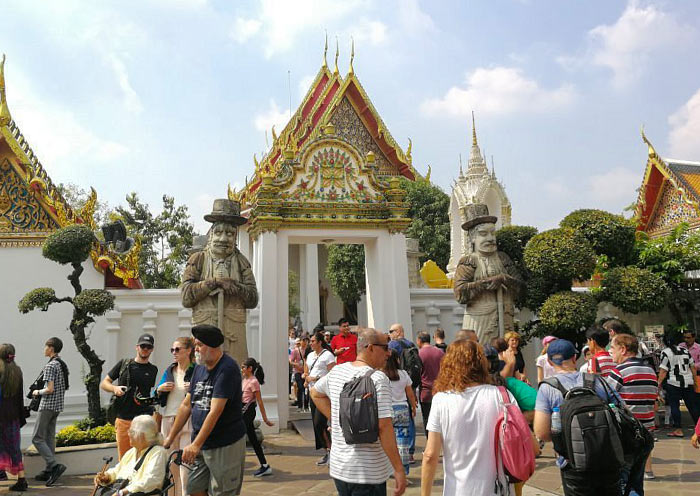
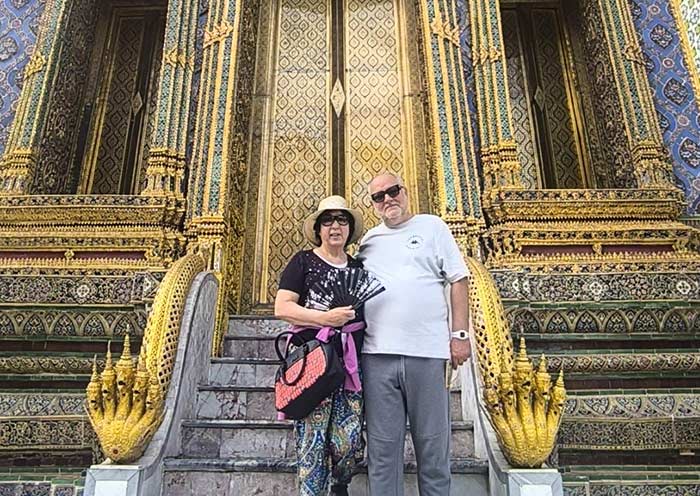
Showing respect for local culture is the best way to be a great traveler. These are the main points to remember:
Dress Respectfully: Always cover your shoulders and knees when entering temples, mosques, or other sacred sites. You'll also need to remove your shoes before entering religious buildings or someone's home.
Head and Feet Rules: The head is considered sacred (don't touch an adult's head), and the feet are unclean. Never point your feet at a person, a statue of Buddha, or sacred objects.
Transactions: Always use your right hand when giving or receiving money or objects.
Be Subtle: Be mindful of public displays of affection (PDA); it's best to keep things reserved in public, even in cities.
The Local Tavel Expert Here, Your Best Trip to Asia Awaits
This guide is just the beginning. While planning a trip to Asia involves 12 complex steps, you don't have to navigate it alone.
Asia Odyssey Travel specializes in authentic tours in Asia. Our tours cover every popular destination:
- East Asia: China, Japan, and South Korea
- Southeast Asia: Singapore, Thailand, Vietnam, and Philippines
- South Asia: India, Nepal, and Bhutan
- Central Asia: Uzbekistan, Kazakhstan, and Kyrgyzstan
We provide unparalleled local support thanks to our network of local offices in key hubs, including Tokyo, Manila, Singapore, Kuala Lumpur (KL), Taipei, Hong Kong (HK), Shanghai, Guilin, Chengdu, and Lhasa.
When you travel with us, you gain a trusted, local expert on the ground every step of the way. Contact us now. Your ultimate Asia odyssey awaits!


 Data in submission...