+852 5394 6901
 Take China Group Tours in 2026/2027 to enjoy 30% discount compared to private tour. Same Experience & Lowest Price!
What Makes Asian Cuisine Truly "Authentic"?
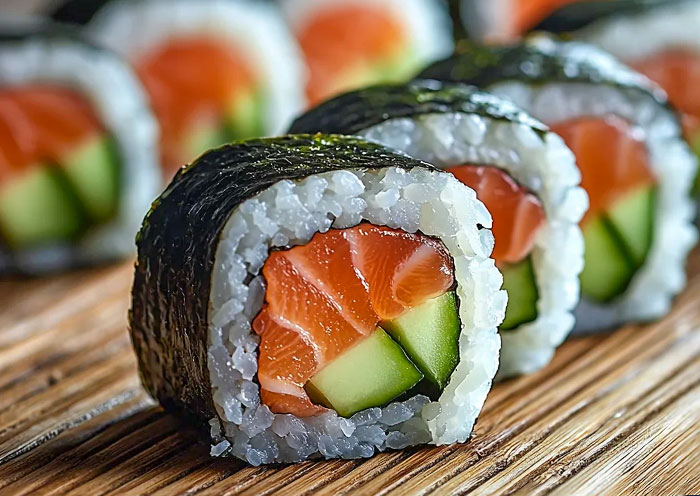
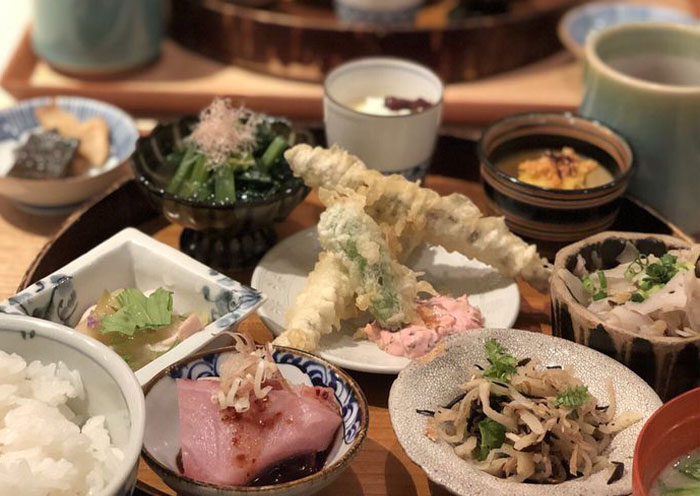
Authentic Asia's food respects the balance of flavors. It does not try to be fancy just to look good on Instagram. Instead, it focuses on the taste and the feeling of comfort.
Authentic food isn't always pretty. Sometimes, it is messy. Sometimes, the restaurant is loud and has plastic chairs. When you eat a truly authentic dish, it should taste like a grandmother cooked it in her home kitchen, not like a factory produced it.
East Asian Classics: Beyond Sushi and Rice
East Asia is famous for rice and chopsticks, but the food culture here is incredibly deep. Each country uses soy sauce and noodles, but they all taste completely different.
China: A Vast Empire of Flavors
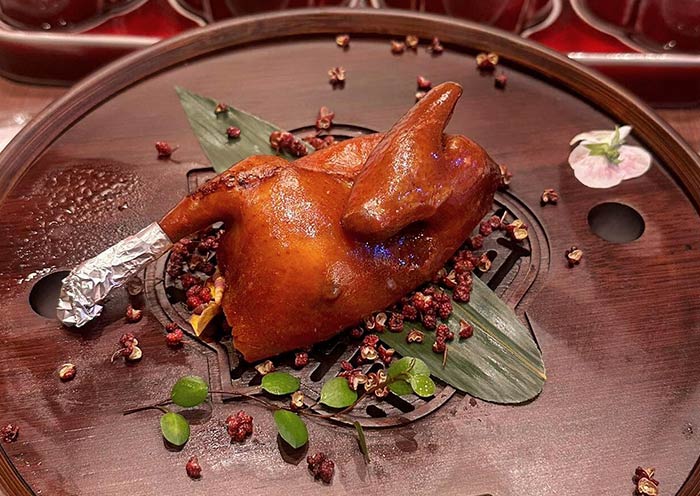
China is huge. You can take a train for two hours, and the food will completely change. In the north, it's salty and wheat-based. In the south, it's sweet and focused on rice. In the west, it's all about spice.
Don't expect the "Chinese food" you get in takeaway boxes back home. The real stuff is messier, louder, and much better. Here are the three things I think you absolutely have to eat.
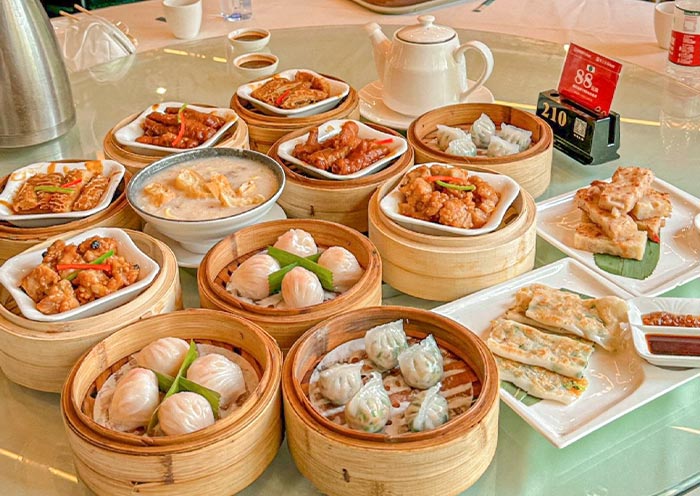
Dim Sum is a traditional meal usually eaten for brunch.
- Small bamboo baskets filled with bite-sized food, served with hot tea. The most famous item is Har Gow, which is a steamed dumpling with a translucent skin filled with shrimp.
- People in the Canton region (now Guangdong and Hong Kong) eat this to socialize and chat with family.
- You don't usually order from a menu. In the old-school places, ladies push metal carts filled with bamboo steamer baskets. You just point at what you want.
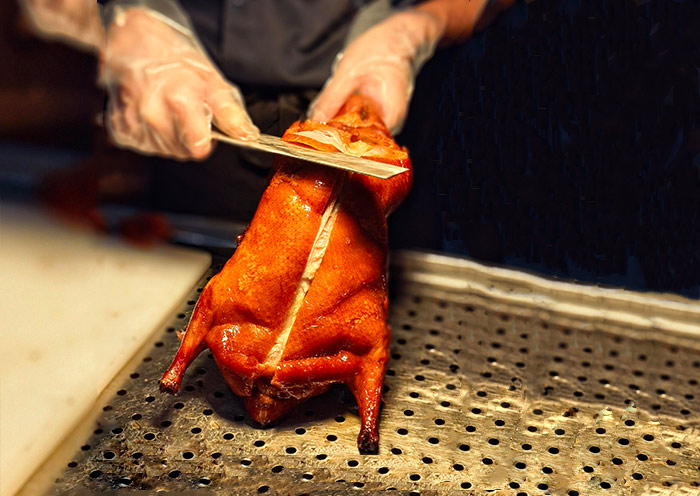
Peking Duck, this is famous dish from Beijing that used to be served to the Emperor.
Cooks roast a whole duck until the skin is shiny, dark red, and incredibly crispy. The chef slices the meat in front of you. You take a thin pancake, spread sweet bean sauce on it, add the duck and some green onions, and roll it up. The contrast between the crispy skin and the soft pancake is perfect.
The sound of the knife cutting through the skin was distinct—a dry scrunch. That's how you know it's good. It is heavy and oily, so you probably can't eat this every day, but for one meal, it is incredible.
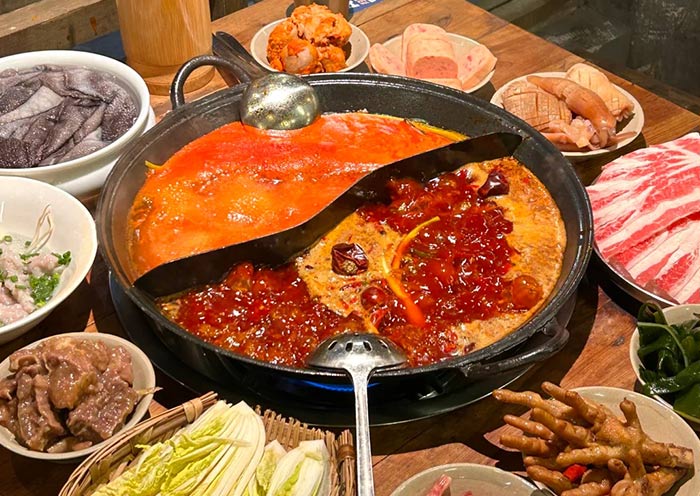
Sichuan Hot Pot: If you like spicy food, you must try this.
A large pot of metal is placed in the center of your table with boiling broth. The broth is red and full of chili peppers and Sichuan peppercorns. These peppercorns create a "numbing" sensation on your tongue, which is called mala.
The local "medium" spice is dangerously hot for tourists. I recommend asking for "Wei La" (mild spice) if you want to enjoy the meal without crying.
Best Food in Guangzhou: Cantonese Dishes & Restaurant
10 Best Beijing Food: Must-Try Dishes, Snacks & Cuisines in Beijing
Yunnan Food: 20 Must-Try Yunnan Dishes & Traditional Cuisine (2026 Guide)
Most Popular Chinese Food: Top 20 Chinese Dishes

Japanese Cuisine: The Art of Simplicity
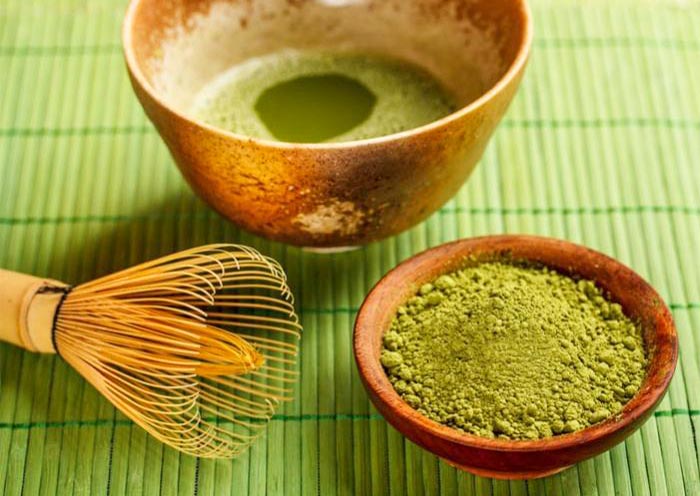
Many people think Japanese food is just sushi. But after traveling here, I realized it is actually about obsession. Whether it is a bowl of noodles or a fancy dinner, the chef cares about every single detail.
The flavors here are usually subtle. They don't punch you in the face with spice like Thai food. Instead, they focus on the natural taste of the ingredient.
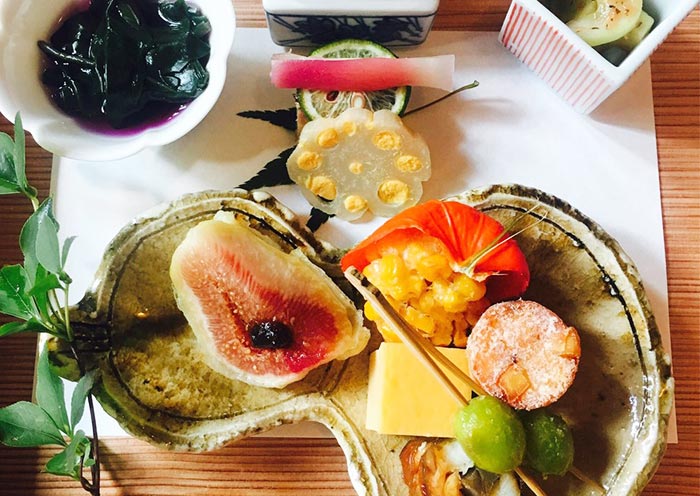
Kaiseki: If you go to Kyoto (the old capital of Japan known for its temples and tradition), you have to try Kaiseki.
- Think of it as the Japanese version of a Western tasting menu, but much more formal. It is a traditional multi-course dinner where the dishes are tiny, and everything is based on the season. If it is autumn, you will see maple leaves on your plate.
- It is expensive. A good Kaiseki meal can cost over $100 or even $200 per person. And honestly, some textures were strange. But the whole experience makes you feel like an emperor for two hours.
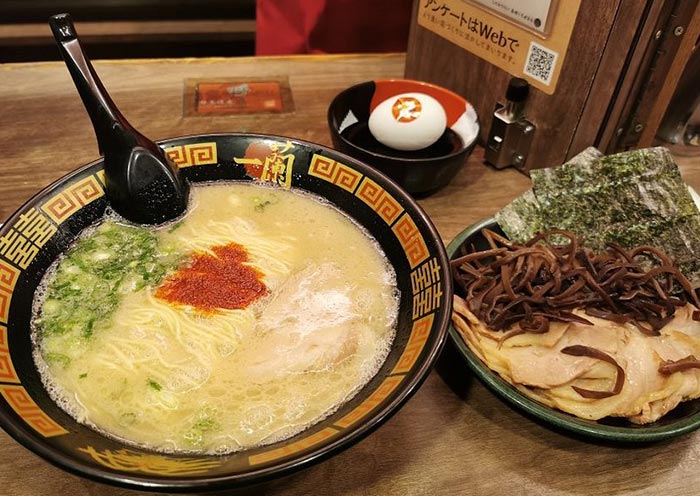
Hakata Ramen: This style uses Tonkotsu broth, which is made by boiling pork bones for hours and hours until they dissolve.
- The best place to eat this is at a Yatai. These are small, open-air food stalls that pop up on the sidewalks at night. You sit on a plastic stool, shoulder-to-shoulder with strangers.
- The soup is thick, creamy, and white. It coats your mouth. It tastes like a liquid pork roast, very salty and savory. The noodles are thin and hard.
- Everyone makes loud "slurping" sounds. In Japan, this isn't rude. It actually helps cool down the noodles.
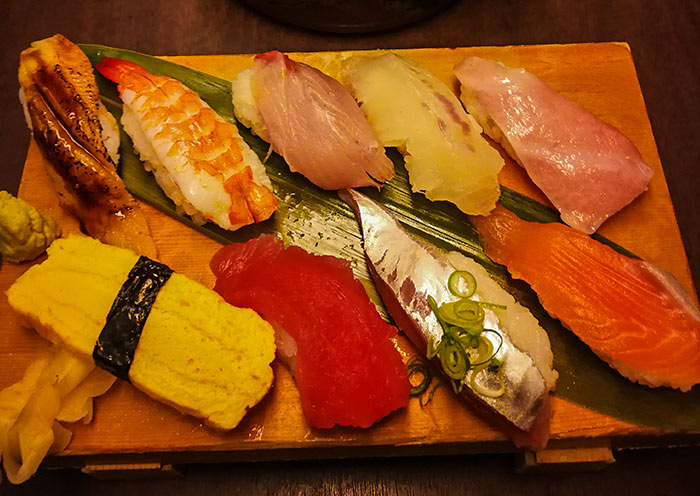
Omakase Sushi: Omakase is a Japanese phrase that means "I leave it up to you." When you go to a high-end sushi restaurant, you don't order from a menu. You sit at a counter, and the chef gives you whatever fish is best that day.
The highlight was the Chutoro (medium fatty tuna). It looked like a pink slab of meat with white lines of fat running through it. It tasted like butter from the ocean. It didn't require any chewing; it just dissolved.
The rice is warm, about the same temperature as skin. This brings out the sweetness of the fish. You eat the sushi immediately after the chef makes it. It is the best way to taste fresh raw fish.
Must Try Food in Japan: 20 Unique Japan Food & Cuisine in Tokyo, Osaka, Kyoto.. 2026
South Korea: K-BBQ, Soju, and the "Rice Thief"
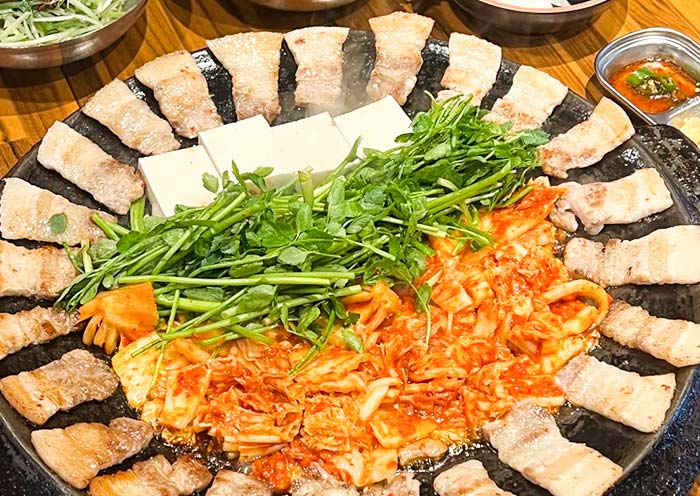
One thing you need to know immediately is Banchan. These are small side dishes—like bean sprouts, spinach, and fish cakes—that come for free with your meal. And the best part? They are refillable. If you empty a bowl, the waiter just brings you another one.
Korean BBQ (Samgyeopsal) with Soju: This is the most popular dinner for friends in Korea. Samgyeopsal is thick slices of pork belly (similar to bacon but not cured/salty yet). You grill the meat yourself at the table.
Once it is cooked, you dip it in salt or sesame oil, put it inside a lettuce leaf with some garlic and spicy paste, and eat it in one bite. It is traditionally washed down with Soju, a clear alcohol made from rice or sweet potatoes.
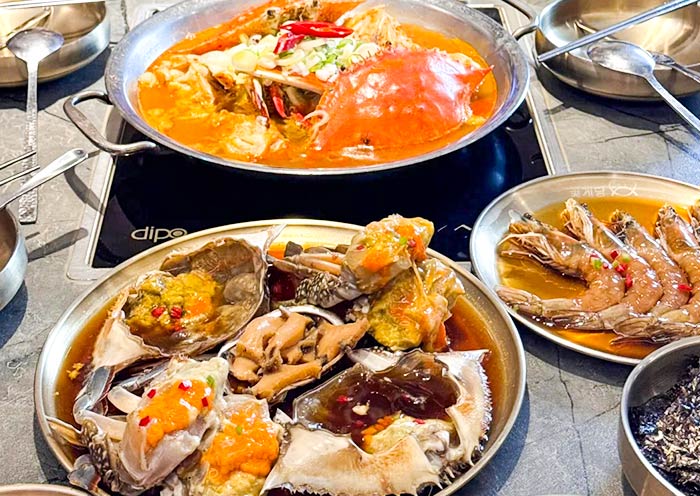
Soy Sauce Crab (Ganjang Gejang): This dish is famous, but I have to be honest: it is not for everyone.
Ganjang Gejang is raw crab that has been fermented in soy sauce for several days. It is not cooked with heat at all. The locals call it the "Rice Thief" because it is so salty and savory that you need to eat a huge bowl of white rice with it.
It is essentially seafood jelly. It is cold, slimy, and slides right out of the shell. But if you are brave enough to try the slimy texture, the flavor is unforgettable.
Southeast Asia: The Balance of 5 Flavors
In Southeast Asia, food is everywhere. You can find a meal on the back of a motorbike, on a boat, or on a plastic stool on the sidewalk. The weather is hot and humid, so the food uses strong flavors to wake you up: Sour, Sweet, Salty, Bitter, and Spicy.
Thailand: The World's Kitchen
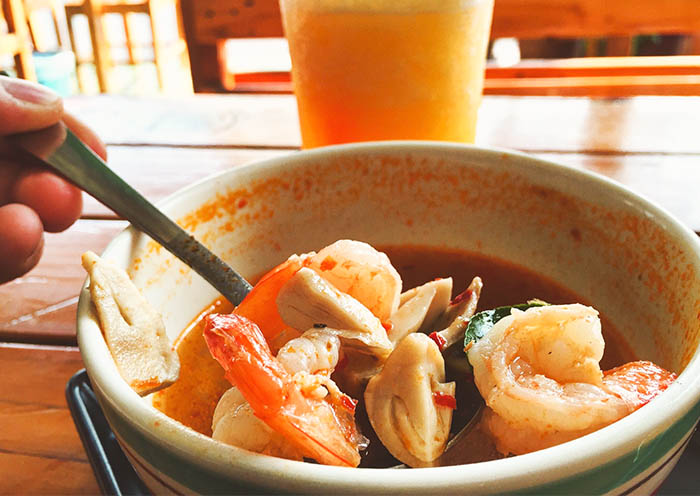
Thailand is famous for street food. You don't need a restaurant. You just follow the smell of grilling meat and the loud hissing sound of food frying in a wok (a large, round-bottomed metal pan).
Tom Yum Goong (Spicy Shrimp Soup): This is the most famous soup in Thailand. But be careful, it is not a gentle soup. It is aggressive. It is a clear or creamy soup made with shrimp ("Goong") and many herbs.
You will see pieces of wood and grass floating in the bowl. This is Lemongrass (a citrusy stalk) and Galangal (a hard root like ginger). Don't eat them. They are too hard to chew. They are just there for flavor.
Pad Thai (Stir-fried Noodles): It is a mix of soft and crunchy. The flat rice noodles are chewy and slightly sticky with sugar and tamarind sauce. The bean sprouts are raw and crisp. The roasted peanuts on top add a hard crunch.
When the cook makes this, you hear the metal spatula clanging loudly against the wok. It is cooked fast over a very high fire.
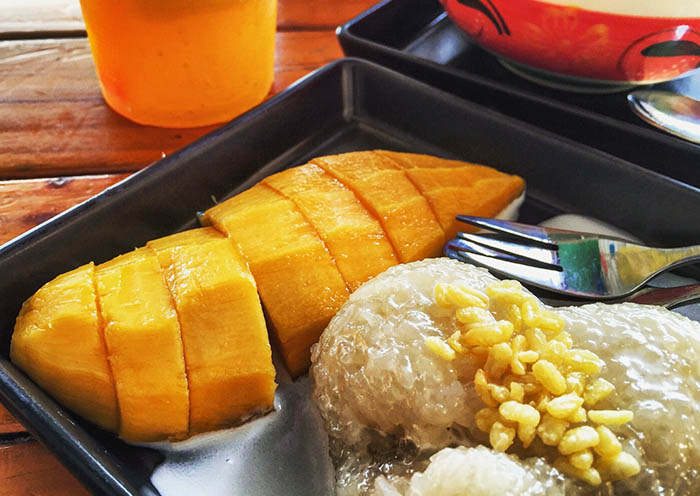
Mango Sticky Rice: This is the classic dessert. It consists of sweet sticky rice cooked with coconut milk and sugar, served with slices of ripe, yellow mango. The warm, salty-sweet rice pairs perfectly with the cool, juicy fruit.
10 Best Street Food in Bangkok | Best Places for Street Food
Vietnam: Fresh & Balanced
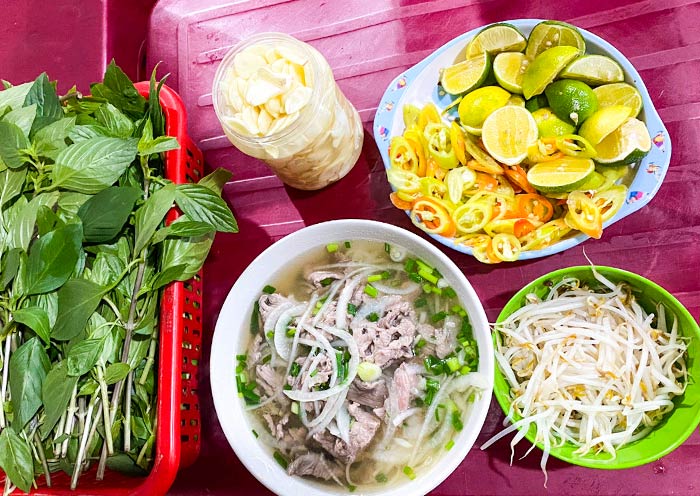
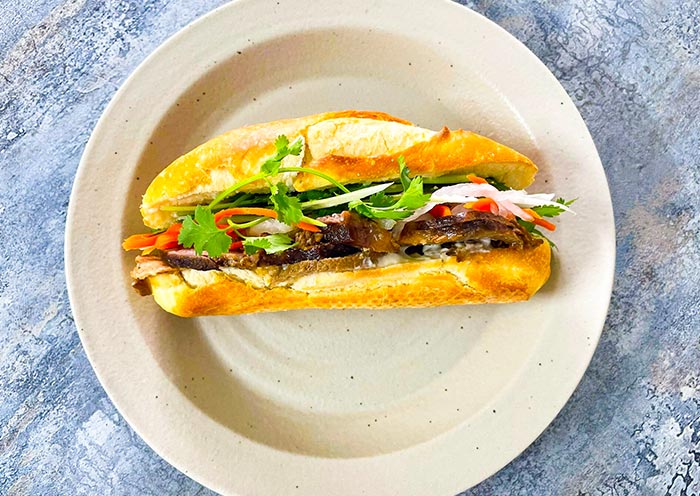
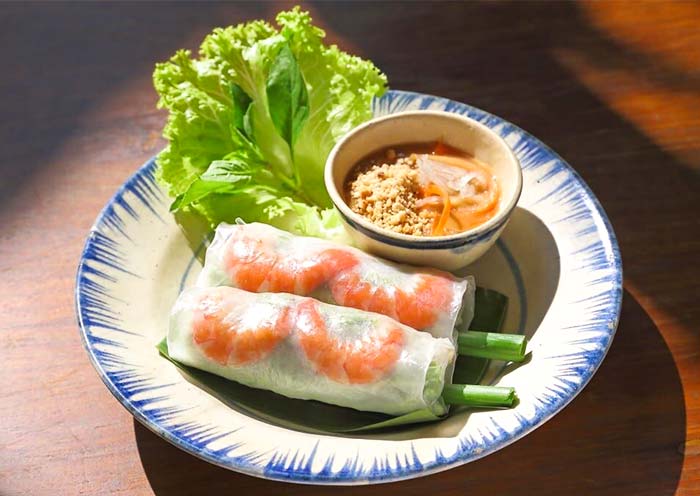
Vietnamese food uses a lot of fresh green herbs and vegetables. It feels lighter and healthier than many other Asian cuisines.
Pho is the national dish of Vietnam. It is a rice noodle soup, usually eaten for breakfast. The most important part is the broth. Chefs simmer beef bones with charred onions, ginger, and spices like star anise for many hours.
It is served with thin slices of beef and fresh herbs like basil and mint that you add yourself.
The Banh Mi sandwich is the delicious result of French history in Vietnam. It is a short baguette filled with meat, pate (liver paste), and pickled vegetables. However, the bread is different from a European baguette. The crust is much thinner and crispier.
Best Vietnam Traditional Food: 15 Must-Try Vietnam Dishes
Malaysia & Singapore: The Cultural Melting Pot

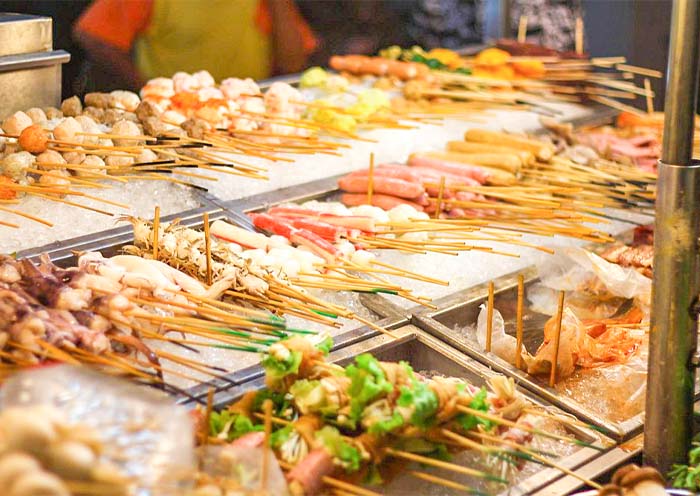
In these two countries, Chinese, Indian, and Malay cultures mix together. The best place to experience this is at a Hawker Center. This is a large, open-air complex with a roof but no walls, filled with dozens of small food stalls.
It is noisy, hot, and smells of a hundred different dishes, but the food is cheap, safe, and heavily regulated by the government.
Laksa is a spicy noodle soup made with coconut milk, famous in the Peranakan culture (a mix of Chinese and Malay). It looks like a bowl of orange lava. The taste is rich, creamy, and spicy, similar to a curry that has been turned into a soup.
Hainanese Chicken Rice looks incredibly boring. It is just pale, white chicken sitting on white rice with a few slices of cucumber. But do not be fooled by the appearance. It is one of the most beloved dishes in Singapore.
The chicken is poached (boiled gently in water), so the skin is not crispy. Instead, the skin is slippery, gelatinous, and soft. It feels like soft jelly. The rice is the real star here. It is cooked in the chicken fat and stock, making it oily and savory.
Each grain of rice separates easily and smells strongly of ginger and garlic. It is pure comfort food.
Indonesia: The Spice Islands
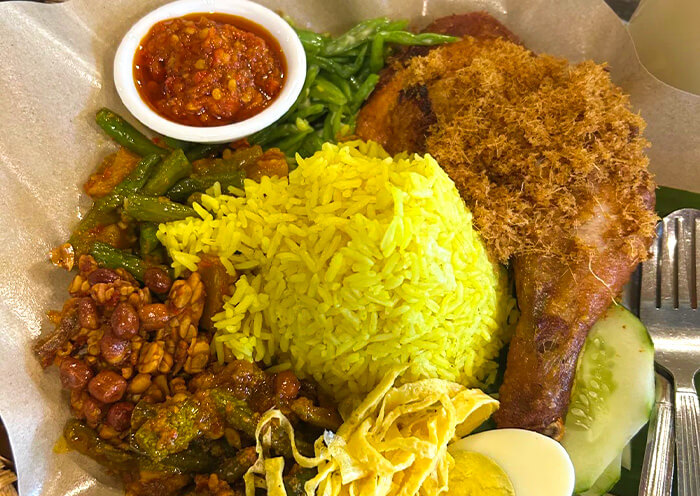
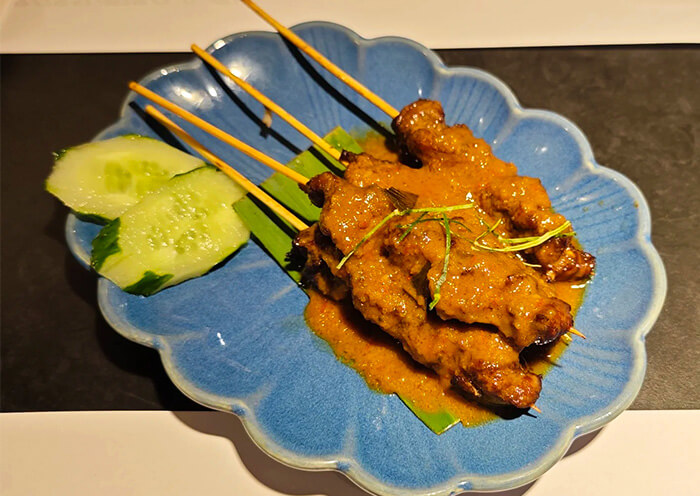
Many travelers think Beef Rendang is a curry, but that is not technically correct. Rendang comes from the Minangkabau people of Sumatra. It is often called a curry, but it is actually a dry stew.
Beef is cooked slowly in coconut milk and a paste of spices (ginger, turmeric, lemongrass, chili) for hours. The liquid evaporates, and the meat fries in the remaining coconut oil until it is dark brown and tender. It has a very intense, deep flavor.
South Asia: The Land of Curry & Bread
In South Asia, the air smells different. As soon as you step off the plane, you can smell roasting spices like cumin and cardamom. In many parts of this region, cutlery is optional. You often use flatbreads or your own fingers to mix the food and lift it to your mouth.
India: An Explosion of Aroma
India's food varies greatly from North to South, but it is always colorful and aromatic.
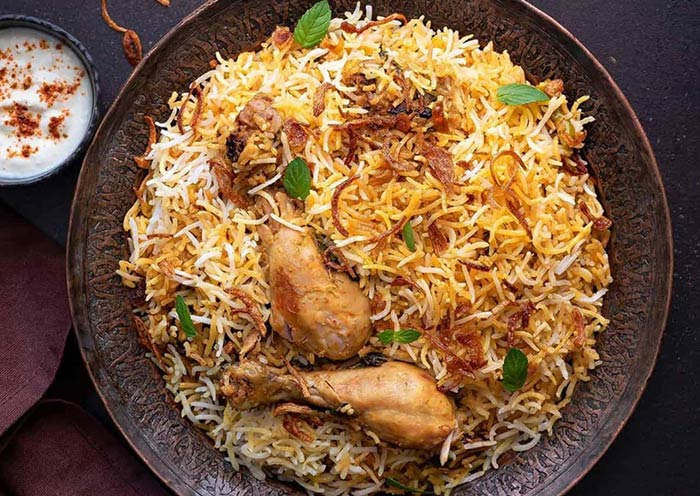
If you think rice is just a plain side dish, Hyderabadi Biryani will change your mind. It is not just fried rice. It is a complex dish made by layering raw marinated meat and half-cooked rice in a large pot.
The chef seals the pot with a ring of dough to trap the steam inside and cooks it slowly over a fire. It is so tender that it falls off the bone with zero resistance. It tastes like a savory, spicy meat cake where the rice has absorbed every drop of meat juice.
Butter Chicken & Naan is This is likely the most famous Indian dish in the world, originating from the north. Butter Chicken is chunks of grilled chicken served in a bright orange sauce made from tomatoes, cream, and butter.
It is not very spicy. In fact, it tastes slightly sweet and very rich, similar to a creamy tomato soup but much thicker. The necessary partner for this dish is Naan. This is a flatbread cooked inside a Tandoor (a super-hot cylindrical clay oven).
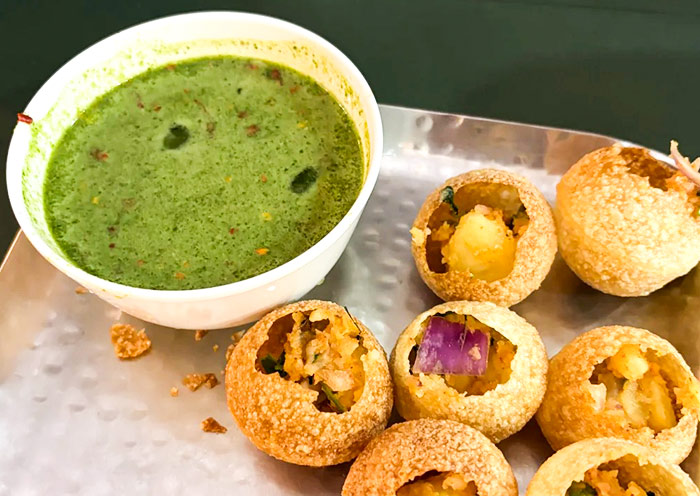
Pani Puri (Street Food) is a fun and popular street snack. It consists of a hollow, crispy fried ball. The vendor makes a small hole in the top and fills it with mashed potatoes and chickpeas.
Then, they dip the whole thing into a bowl of spicy, minty green water (Pani). You must eat the whole ball in one bite before it gets soggy. It is a burst of cold, spicy liquid in your mouth.
Sri Lanka: Island Flavors (Hoppers (Appam))
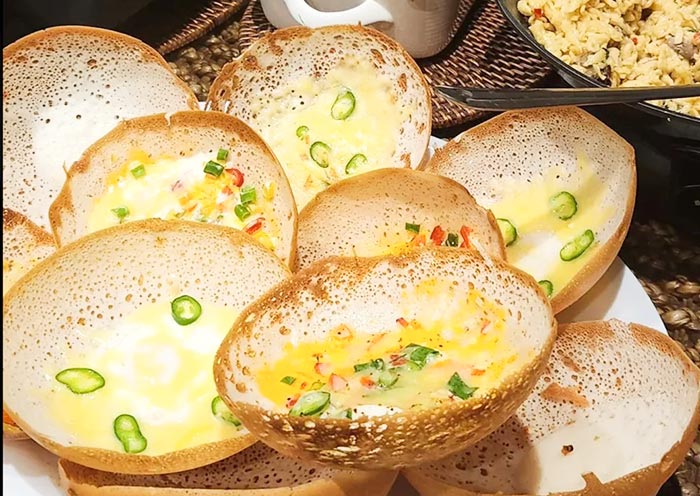
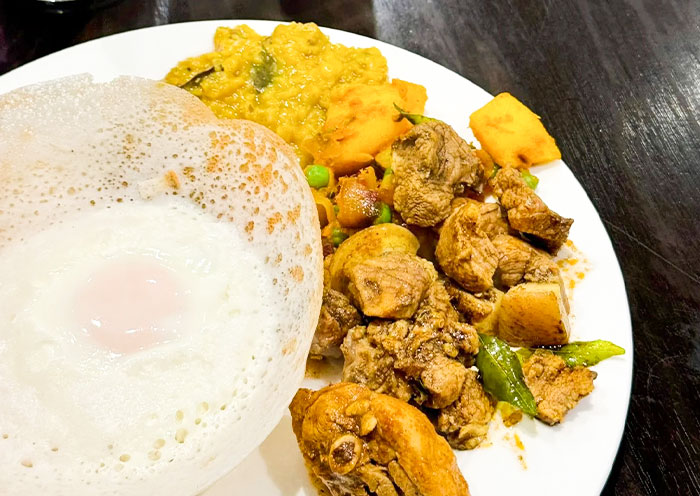
Sri Lanka's food is similar to Indian food, but it uses much more coconut and seafood because it is an island. The flavors are often darker and spicier.
Hoppers, or Appam, are bowl-shaped pancakes. They are made from a fermented batter of rice flour and coconut milk. They are crispy on the edges and soft and spongy in the center.
Locals often eat them for breakfast, sometimes with a cooked egg baked right into the bottom of the bowl.
Central Asia: The Meat Lover's Paradise
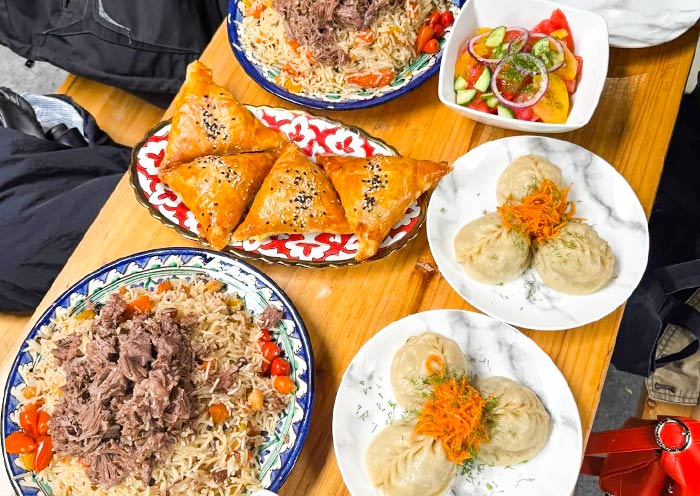
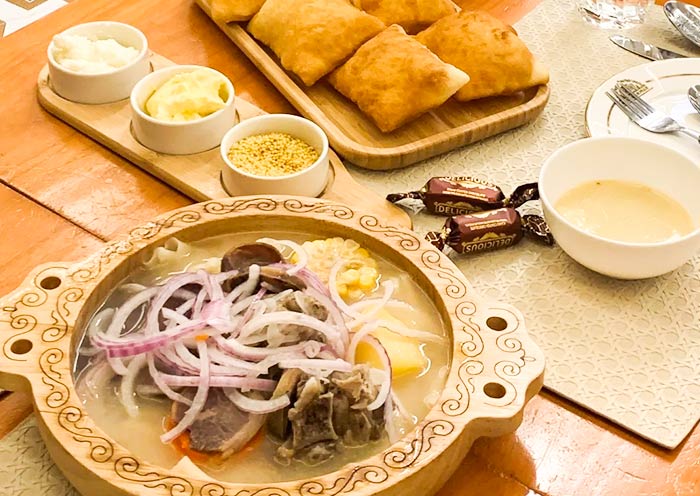
If you are a vegetarian, traveling through Central Asia will be a challenge. This region is landlocked and dominated by steppes (vast, flat grasslands) and mountains.
Because of this harsh geography, the food is designed for survival. It is heavy, rich, and caloric. Vegetables are usually just a decoration on the side of the plate. The main event is always meat, usually lamb, beef, or horse, served with bread and heavy dairy.
Uzbekistan: The Heart of the Silk Road (Plov)
Plov is the national obsession of Uzbekistan. It is a rice pilaf dish cooked in a massive cast-iron pot called a kazan. The rice is cooked with yellow carrots, onions, and chunks of lamb or beef. It is very oily and filling. In Uzbekistan, Plov is cooked for weddings and big gatherings.
Kazakhstan: Nomadic Soul (Beshbarmak)
The national dish here is Beshbarmak, which translates to "Five Fingers." It is called this because you originally ate it with your hands.
It is a large platter of boiled meat (usually horse meat or lamb) served over wide, flat noodle sheets. It is served with a bowl of savory broth on the side. It is simple, pure comfort food.
West Asia (Middle East): Grills, Mezze & Honey
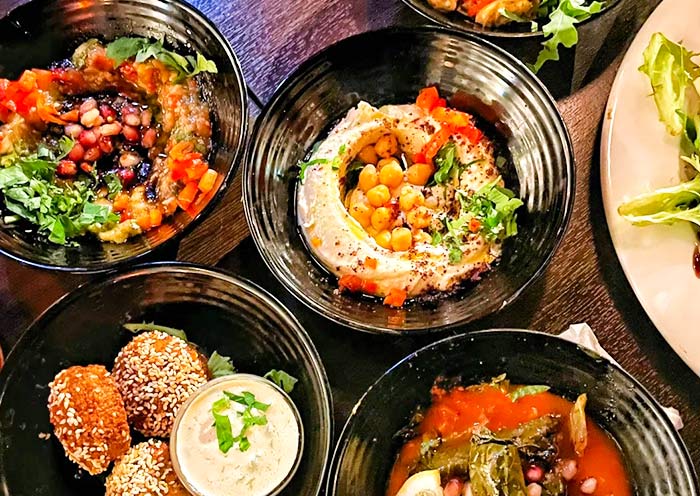
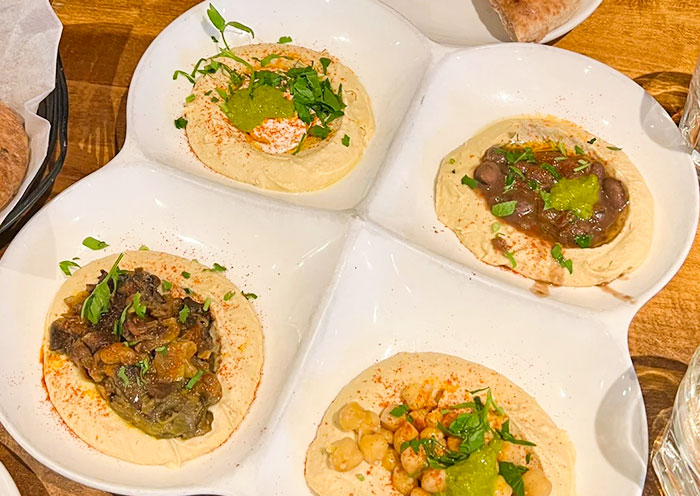
In West Asia (often called the Middle East), eating is a slow process. Meals can last for hours. The food here relies heavily on wheat, olive oil, and meat cooked over open fires. It is a region where hospitality is aggressive; if your plate is empty, someone will refill it before you can say "stop."
Mezze Platter
A Mezze is not a single dish, but a style of dining. It is a selection of small appetizers served before the main meal.
A table might have 20 small plates including olives, salads like Tabbouleh (parsley and cracked wheat), grilled eggplant dip (Baba Ghanoush), and cheese. You use bread to scoop up small bites of everything.
Hummus & Falafel
These are famous vegetarian staples. Hummus is a smooth dip made from blended chickpeas, tahini (sesame paste), lemon, and garlic. Falafel is a deep-fried ball made from ground chickpeas and herbs. They are usually eaten inside fresh pita bread with vegetables and pickles.
5 Tips to Spot "Fake" vs. Real Traditional Asian Food
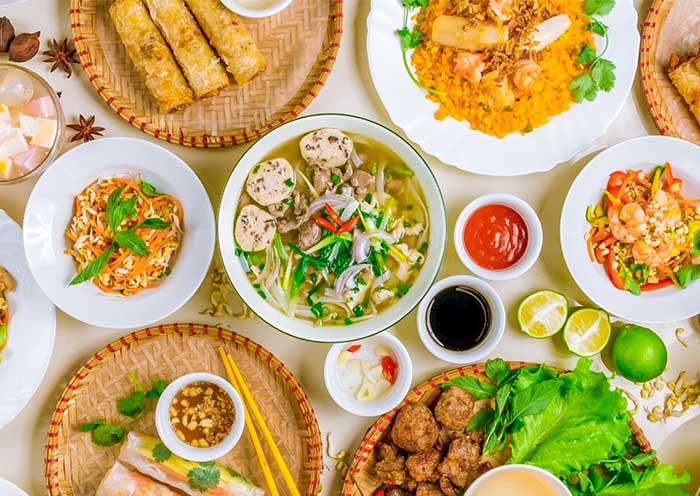
If you are traveling or just looking for a good restaurant in your city, here is how to find the real deal.
Look at the Menu Size: If a restaurant serves sushi, curry, Pad Thai, and burgers all on the same menu, run away. Authentic places usually specialize in one type of cuisine or even just one dish. A small menu is a very good sign.
Check the Customers: Who is eating there? If you are in a Vietnamese restaurant and all the customers are Vietnamese families speaking their native language, you have found a good spot. If the restaurant is full of only tourists, the food might be watered down.
Spiciness Levels: Authentic Asian food does not always compromise on heat. If a menu has a "no spice" option for a dish that is traditionally very hot (like Sichuan hot pot or Thai green curry), they might be changing the recipe too much for foreigners.
Seasonal Ingredients: In places like Japan or China, chefs cook what is growing right now. If a restaurant is serving winter vegetables in the middle of summer, they might be using frozen food. Real traditional food follows the seasons.
No "Fusion" Confusion: Be careful with places that mix too many things. Authentic food respects the traditional way of eating. For example, you typically do not put cheese on seafood in traditional Chinese cooking. If the combinations seem weird and trendy, it is likely modern fusion, not traditional.
Unlock the Best of Asia with Asia Odyssey Travel
Planning a trip across Asia's diverse countries, languages, and visas can be complex. That is where we come in. With over 10 years of experience, Asia Odyssey Travel is your bridge to the authentic Asia.
We handle the hard work—logistics, guides, and permits—so you can focus on the memories. Whether you want a deep dive into one region or a grand multi-country adventure, we make it happen.
✅ Top Asia Tour Packages:
- Southeast Asia: Southeast Asia Tours (Thailand, Vietnam, Bali, Cambodia, Laos, Philippines, Malaysia, Singapore)
- East Asia: East Asia Tours (China, Japan, South Korea, Mongolia)
- South Asia & Himalayas: South Asia Tours · Himalaya Tours (Tibet, Nepal, Bhutan, India, Sri Lanka, Maldives)
- Central Asia: Central Asia Tours · Five Stans Tours (Silk Road Adventures)
✅ Essential Asia Travel Guides:
- Regional Guides: Asia Travel Guide · East Asia Guide · Southeast Asia Guide
- Planning Tools: Best Destinations · Itinerary Ideas · Asia Maps
Contact us today to customize your dream trip to Asia!


 Data in submission...