+852 5394 6901
 Take China Group Tours in 2026/2027 to enjoy 30% discount compared to private tour. Same Experience & Lowest Price!
Asia UNESCO-site Travel: Where Should You Focus?
Before we look at the specific sites, let's look at the big picture. Asia is massive. You cannot "do Asia" in one trip.
If you want to see as many UNESCO sites as possible without spending your whole life on airplanes, it makes sense to focus your trip on the countries with the highest density of sites.
If you are a beginner, start with Japan (easiest logistics) or China (most iconic sites). If you want adventure, go for India.
| Rank | Country | UNESCO Sites (Approx.) | The Vibe |
|---|---|---|---|
| #1 | China | 59+ | The absolute king of variety. From the Great Wall to rice terraces, pandas, and deserts. You could spend a year here and not finish. |
| #2 | India | 45+ | A mix of ancient forts, stunning architecture (like the Taj), and wildlife sanctuaries. Intense, colorful, and spiritual. |
| #3 | Iran | 28 | The heart of ancient Persian history. Incredible mosques, bazaars, and desert cities. |
| #4 | Japan | 26+ | Clean, organized, and deeply cultural. Focuses on wooden temples, Shinto shrines, and nature. |
| #5 | South Korea | 16 | Compact and easy to travel. Known for royal palaces, mountain temples, and fortresses. |
Now, let's look at the best of the best—the sites that define the continent.
Best Time to Visit China & Worst Time to Visit China
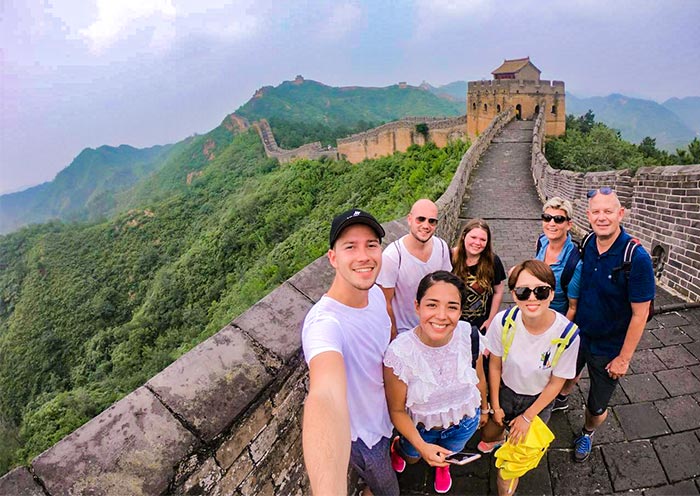
No.1 The Great Wall of China – Beijing, China
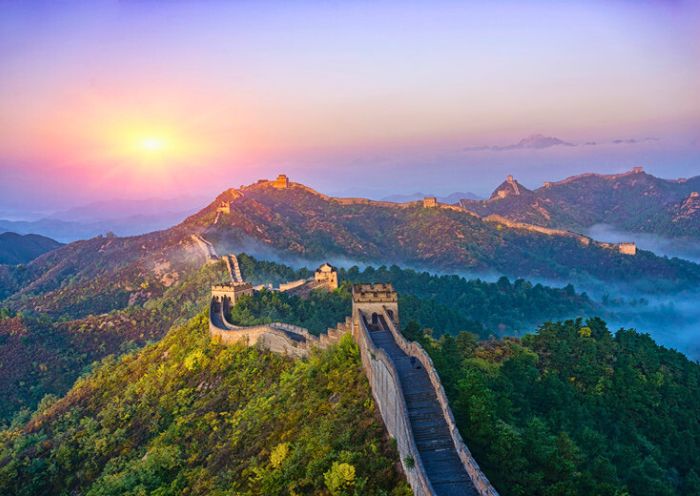
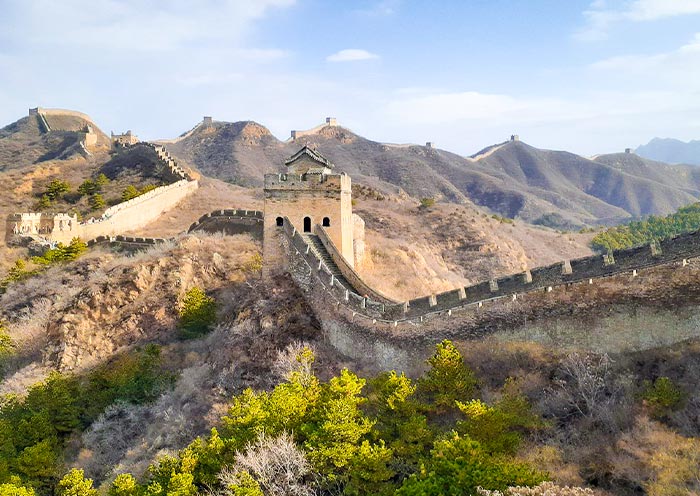
Let's start with the most famous one. The Great Wall of China is one of the New Seven Wonders of the World, and it totally deserves that title.
If you have never been there, you might think it is just one long, straight wall. But actually, it is much more than that. It is a massive network of stone walls, watchtowers, and fortresses.
It stretches for over 21,000 kilometers (13,000 miles) from the ocean to the desert. To give you an idea of how big that is, it's roughly half the length of the Equator!
Building this wasn't a quick job, either. It took more than 2,300 years. Different emperors kept adding to it, century after century, to protect their land from armies coming from the north. It is the biggest construction project humans have ever finished.
Most travelers visit the wall from Beijing. It is an easy day trip. But here is my advice: don't just go to look at it. You need to hike it. Standing on those ancient stones and seeing the wall snake over the mountains is a feeling you will never forget.
Just try to avoid the "Badaling" section, which is always packed with tourists. Go to "Mutianyu" instead. It is just as beautiful, but you will actually have room to walk and enjoy the view.
Mutianyu Great Wall: Facts, Hiking, Best Time, Map & Travel Tips
Jiankou Great Wall - The Wild Beauty of China's Great Wall
Jinshanling Great Wall - A Paradise for Photographers and Hikers
Simatai Great Wall - Experience the Wall Under Night Sky
How to Get to the Great Wall of China from Beijing (2026 Guide)
Unraveling the Mystery: 25 Facts You should Know About the Great Wall of China

No.2 Mausoleum of the First Qin Emperor (The Terracotta Warriors) – Xi'an, China
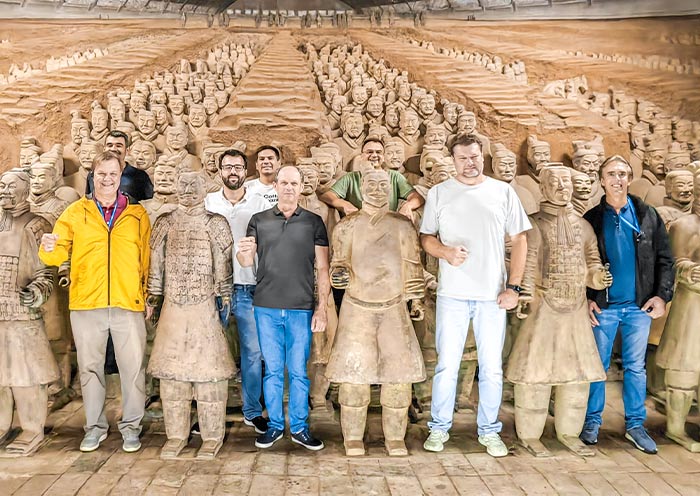
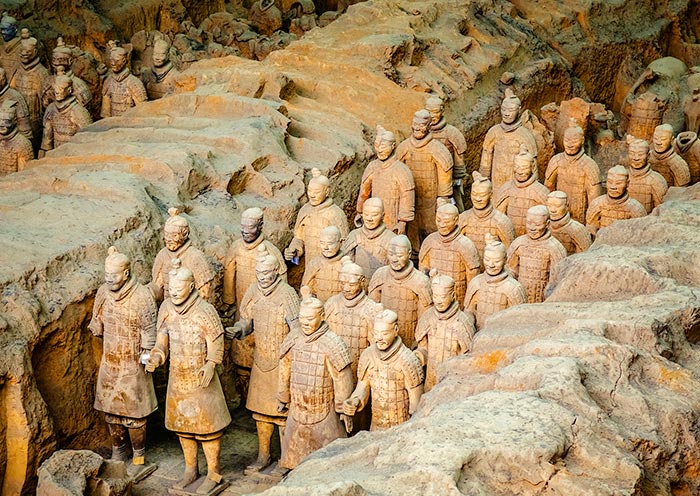
After the Great Wall, your next stop in China should be the city of Xi'an. This is home to one of the greatest accidental discoveries in human history.
In 1974, and a group of local farmers are digging a well, looking for water. But instead of water, they hit something hard. They pull out a clay head. They keep digging, and they realize they are standing on top of a massive underground army that has been hiding there for 2,200 years.
This is the famous Terracotta Army. It was built for Qin Shi Huang, the first emperor of a unified China. We are talking about thousands of soldiers, horses, and chariots, all arranged in battle formation.
If you look closely, you will see that every single face is unique. Some have mustaches, some look young, some look old, and they all have different expressions. Artists hand-crafted each one to look like a real person.
Today, huge hangars cover the excavation pits so you can walk around the edges and look down at the army. "Pit 1" is the biggest and most impressive one.
6 Days Iconic Guilin Tour with Longji Terrace & Yangshuo from Hong Kong
No.3 Historic Monuments of Ancient Kyoto (Japan)
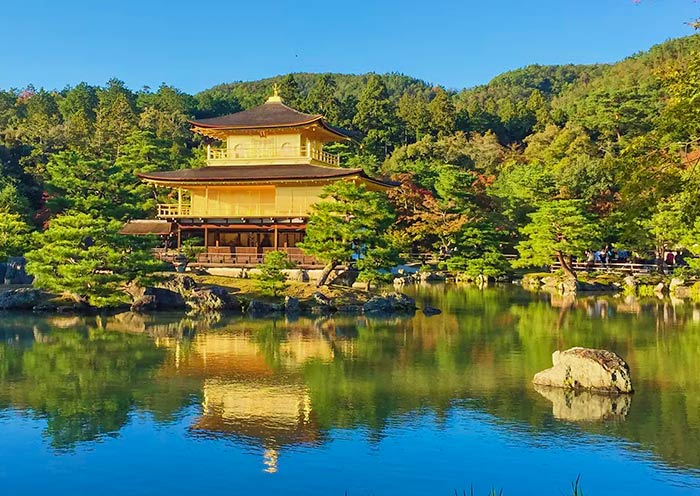
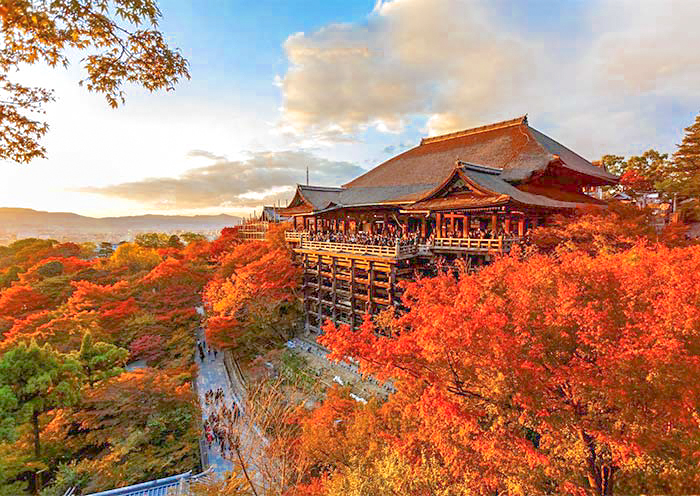
For over 1,000 years, this city was the capital of Japan. When you visit today, you are seeing the "real" old Japan. It is the Japan you have likely imagined in your head: wooden tea houses, silent rock gardens, and Geishas walking down cobblestone streets.
It is actually a collection of 17 different sites scattered around the city and its neighbors. This includes dazzling temples, Shinto shrines, and a castle.
The most famous one—and the one you have probably seen on postcards—is the Golden Pavilion (Kinkaku-ji). It is a Zen temple where the top two floors are completely covered in real gold leaf. Seeing it reflect in the calm pond surrounding it is absolutely stunning.
Because there are 17 sites, do not try to see them all in one or two days. You will just get tired. Pick two or three top ones (like the Golden Pavilion and Kiyomizu-dera) and take your time.
Also, go extremely early in the morning—around 7 AM. Kyoto is very popular, and the magic is hard to feel when you are stuck in a crowd of tourists.
Best Time to Visit Kyoto 2026: Spring Sakura or Fall Colors?
Kyoto Cherry Blossoms: 2026 Dates, 11 Best Spots & Festivals
Top 10 Things to Do in Kyoto | Kyoto Destinations & Must-See (for First Timers)
Kyoto Temples & Shrines: 10 Famous Temples & Shrines in Kyoto (2026)
Kyoto Autumn Foliage: Visiting Time, Spots & Itinerary (2026 Guide)
Kyoto Itinerary: How to Spend 1 Day, 2 Days, 3 Days, 4 Days in Kyoto
No.4 Angkor (Cambodia)
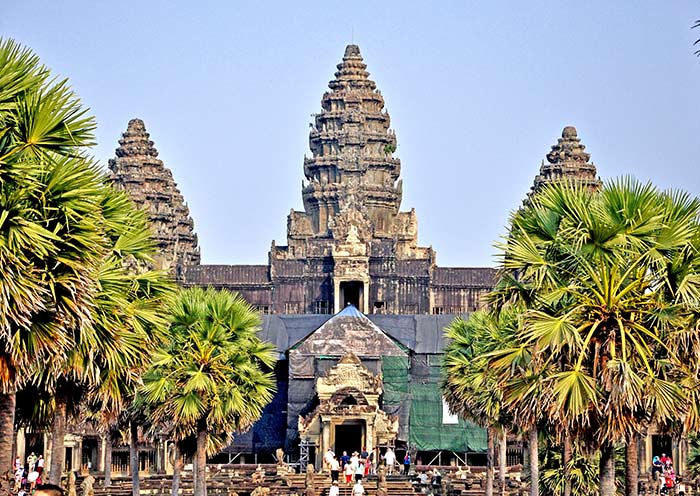
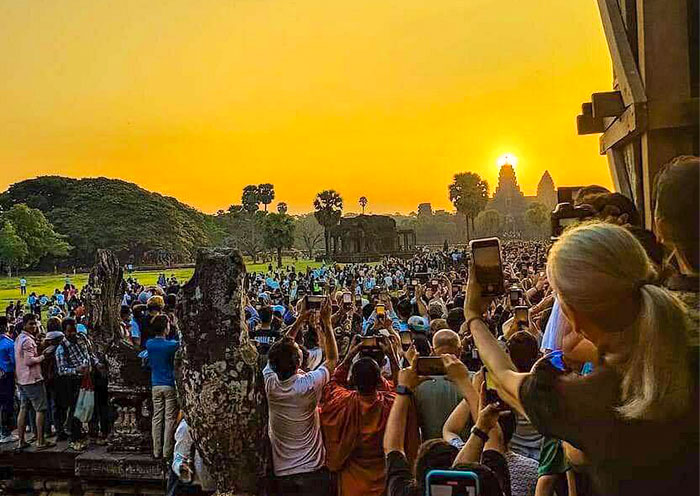
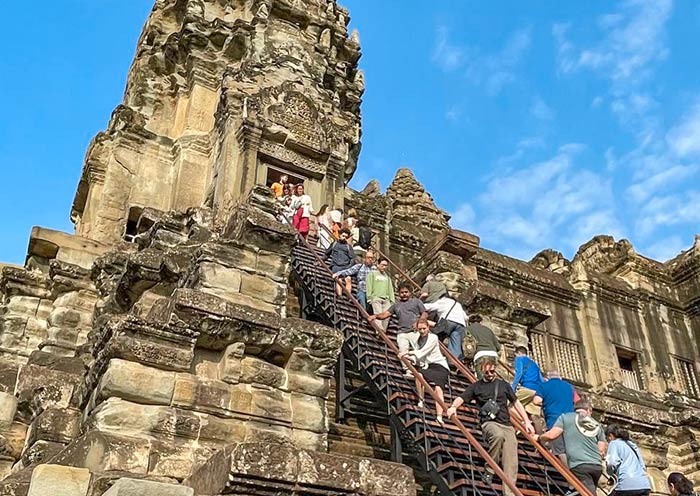
If you only visit one ancient site in your entire life, make it this one. Angkor is a massive archaeological park that stretches over 400 square kilometers. To put it simply: it is the largest religious monument in the world.
For centuries, this was the capital of the mighty Khmer Empire. But eventually, the jungle took over. Huge trees wrapped their roots around the stone walls, and the city was largely forgotten by the outside world until the 19th century.
But the park is full of other incredible surprises. You have Bayon Temple, where hundreds of giant stone faces smile down at you from every angle. It feels mysterious and a little bit alien. Then there is Ta Prohm. You might recognize this one from the movie Tomb Raider.
A lot of travelers make the mistake of buying a one-day ticket. Don't do it. Buy the 3-day pass. This allows you to explore slowly.
You can see the sunrise at the main temple, go back to your hotel for a swim and a nap when it gets too hot, and then go back out in the afternoon.
How to Visit Angkor Wat: Angkor Wat Visiting Guide 2026
How to Get to Angkor Wat (Siem Reap, Cambodia)
Best Time to Visit Angkor Wat: Weather & Tips 2026
Angkor Wat Maps: Tourist Map of Angkor Wat Temples
No.5 The Taj Mahal (India)
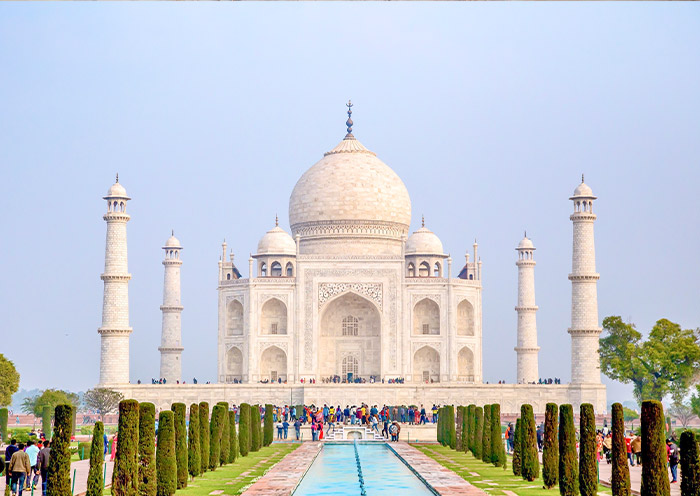
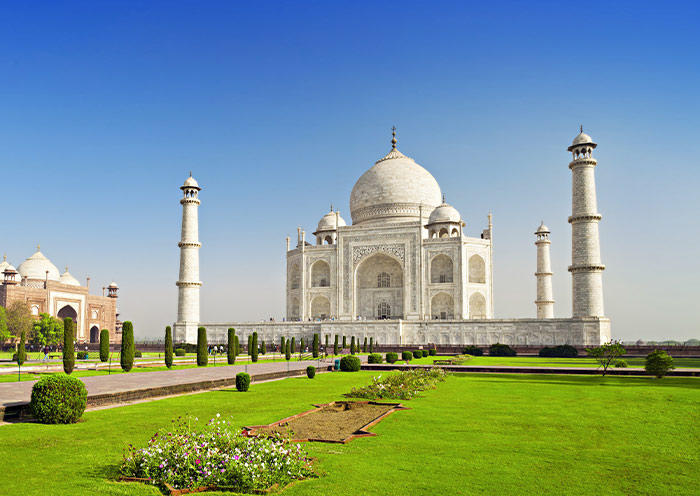
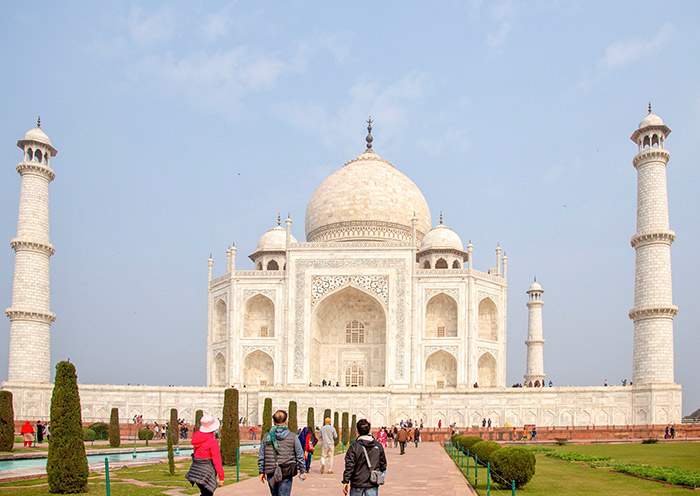
Taj Mahal, Agra is arguably the most beautiful building in the world. Let's clear up a common misunderstanding right away: The Taj Mahal is not a palace. It is not a temple. It is a tomb. But it is the most romantic tomb ever built.
The story behind it is legendary. In the 1600s, the Mughal emperor Shah Jahan lost his favorite wife, Mumtaz Mahal, while she was giving birth. He was absolutely heartbroken. To honor her memory, he ordered the construction of a mausoleum made entirely of white marble.
What makes the Taj Mahal so special is its perfection. Everything is symmetrical. If you folded the building in half, the two sides would match exactly.
The building also seems to change color. Depending on the sun, it can look pink at sunrise, blinding white at noon, or golden at sunset. It is breathtaking.
Everyone wants that classic photo from the front, which means the main complex is always packed with people.
For a more peaceful experience, take a tuk-tuk across the river to a place called Mehtab Bagh (The Moonlight Garden). This is a park on the back side of the Taj Mahal.
Best Time to Visit Agra Taj Mahal
Top 10 Places to Visit in Agra: Agra Attractions
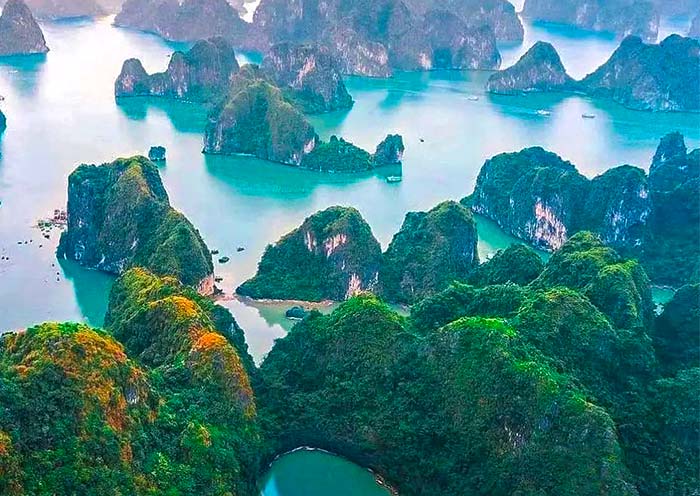
No.6 Ha Long Bay (Vietnam)
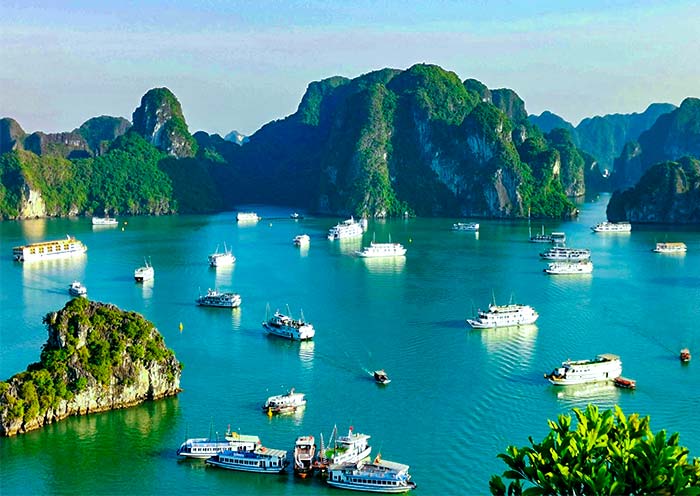
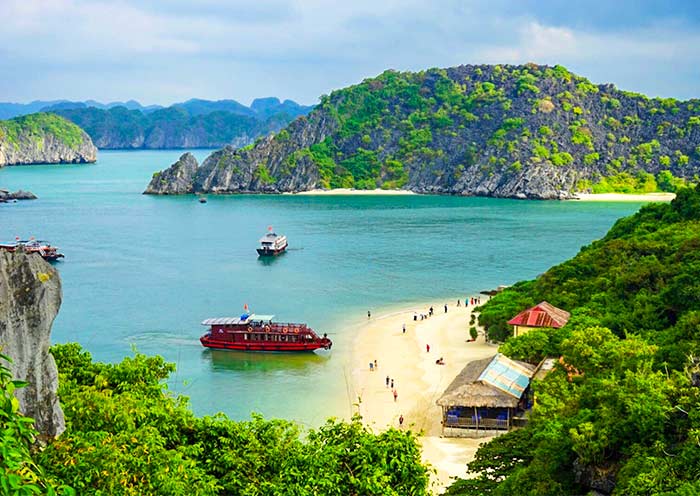
Ha Long Bay, one of the most spectacular natural sights in Asia. Ha Long Bay looks like something out of a fantasy movie.
1,600 towering limestone islands rising straight out of emerald-green water. Some are hollow, with massive caves inside, and others are topped with thick rainforests.
The only way to really experience this place is by boat. You can jump off the boat to swim, kayak into hidden lagoons, or hike up to viewpoints for a panoramic look at the bay.
Book an overnight cruise (2 days, 1 night). This allows you to sail further out to deeper, quieter waters. Also, look for cruises that visit "Lan Ha Bay." It is technically the same landscape as Ha Long Bay, but it is much less crowded and the water is often cleaner.
How to Get from Hanoi to Halong Bay? (2026 Ultimate Guide)
Ha Long Bay Map: Ha Long Bay Cruise Map & Tourist Map
No.7 Borobudur (Indonesia)
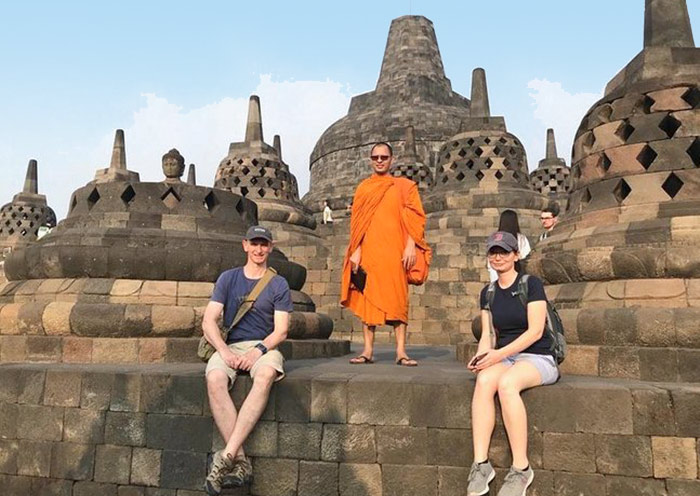
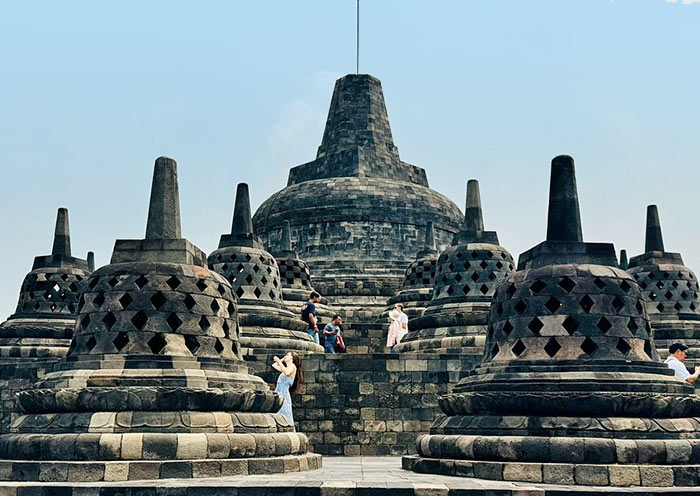
Borobudur, Indonesia is the largest Buddhist temple in the world. But unlike the sprawling ruins of Angkor Wat, Borobudur is one single, massive colossus. It is built from two million blocks of stone, stacked in tiers that rise up towards the sky.
The history here is dramatic. Built in the 9th century, it was the center of religion in Java. But then, a nearby volcano erupted. The temple was buried under layers of volcanic ash and thick jungle, hidden from the world for centuries until it was rediscovered in the 1800s.
The design is meant to be a physical journey to enlightenment. You start at the bottom and walk up, circling the temple level by level. As you climb higher, the intricate carvings on the walls change, telling stories of everyday life and Buddhist teachings.
You have probably seen photos of people sitting next to the Buddha statues at sunrise. Warning: The rules have changed. To protect the ancient stones, access to the temple top in the early morning dark is now strictly restricted. For that magical sunrise view, go to Punthuk Setumbu Hill nearby.
Yogyakarta Indonesia Map 2026 | Yogyakarta Map for Tourist
No.8 Ancient City of Sigiriya (Sri Lanka)
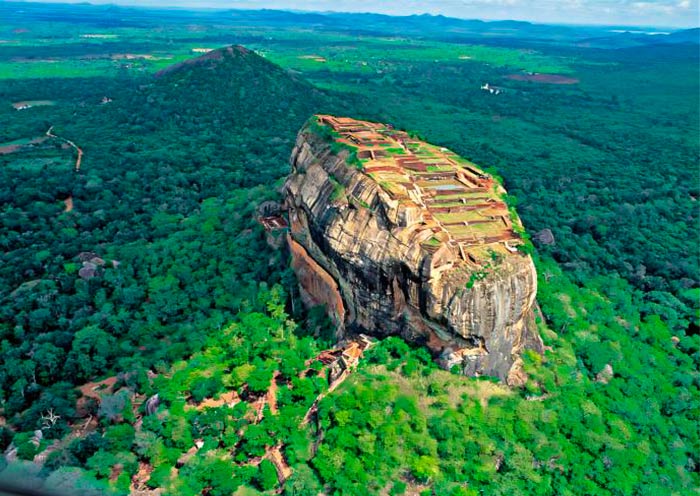
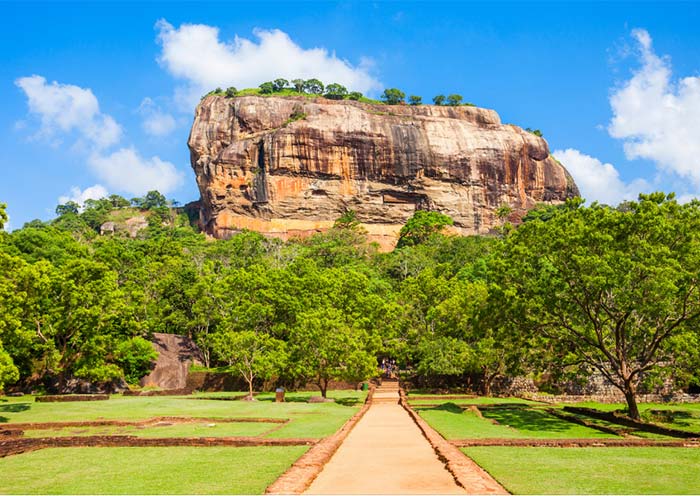
Sigiriya, also known as "Lion Rock." It looks like nature made it, but the top was actually an ancient palace with 200 meters (660 feet) high.
In the 5th century, a king named Kashyapa killed his father and stole the throne. He was terrified that his brother would come back for revenge, so he decided to live on top of this unclimbable rock. He turned the summit into a fortress with pools, gardens, and a palace.
You walk through water gardens at the base, pass ancient wall paintings (frescoes) of celestial maidens, and walk along the "Mirror Wall," which was once polished so smooth the king could see his reflection.
But the coolest part is halfway up. You reach a plateau where two giant stone lion paws guard the staircase. Originally, there was a whole lion head, and you had to walk into its open mouth to reach the top. Today, only the paws remain, but they are huge.
If you want the best photo of Sigiriya, you shouldn't actually be on Sigiriya. Instead, climb Pidurangala Rock, which sits right opposite it.
The hike to Pidurangala is cheaper (around $3) and more natural. From the top of Pidurangala at sunrise, you can see Sigiriya rising out of the mist. It is the most iconic view in Sri Lanka.
How to Plan a Trip to Sri Lanka 2026/2027 (10 Easy Steps)
15 Best Things to Do in Sri Lanka: Sri Lanka Bucket List (2026)
Sri Lanka Itinerary: 1-2 Weeks Itineraries in Sri Lanka
No.9 Samarkand – Crossroad of Cultures (Uzbekistan)
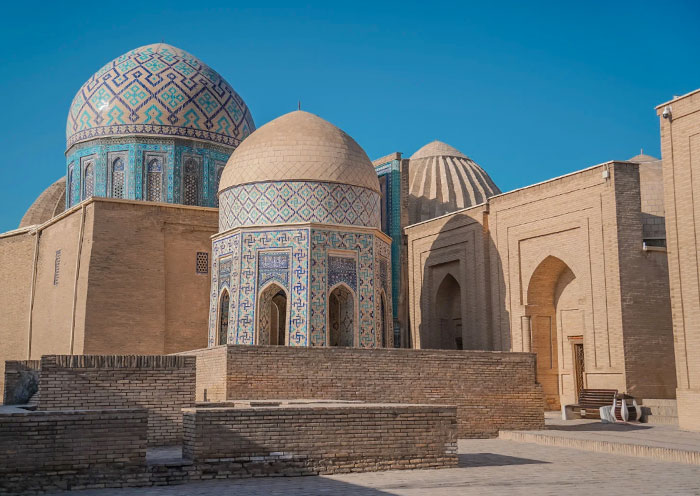
For centuries, Samarkand was a mythical place for travelers—a city that sounded like a legend. When Alexander the Great saw it, he reportedly said, "Everything I have heard about the beauty of Samarkand is true, except that it is even more beautiful than I imagined."
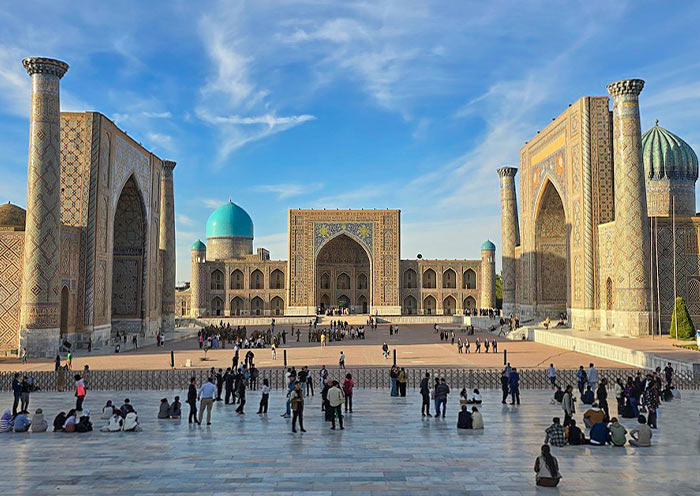
The first thing you will notice here is the color blue. I don't just mean one shade of blue. I mean turquoise, azure, indigo, and cobalt. The architecture here is covered in millions of glazed tiles that form intricate geometric patterns. It is dazzling.
The centerpiece of the city is The Registan. This is a massive public square framed by three giant madrasahs (Islamic schools). It was built by the great conqueror Timur (Tamerlane) and his successors, who wanted to show the world that Samarkand was the center of the universe.
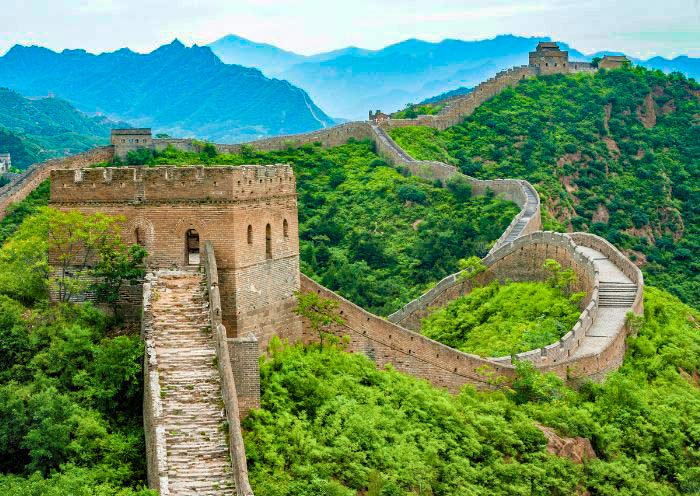
While the Registan gets all the fame, my absolute favorite spot is actually Shah-i-Zinda. t is a narrow avenue of mausoleums (tombs) built on a hillside. It is much tighter and more intimate than the huge Registan square.
Go here in the late afternoon. The sun hits the blue tiles perfectly, making them glow, and the shadows create amazing lines for photography. It is arguably the most photogenic street in Central Asia.
No.10 Petra (Jordan)
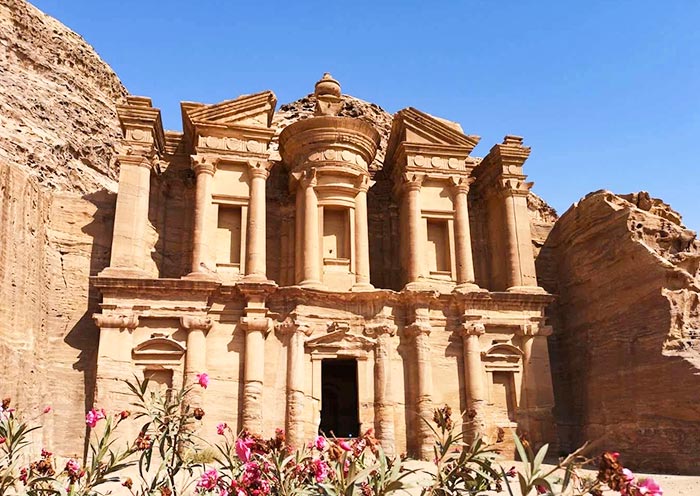
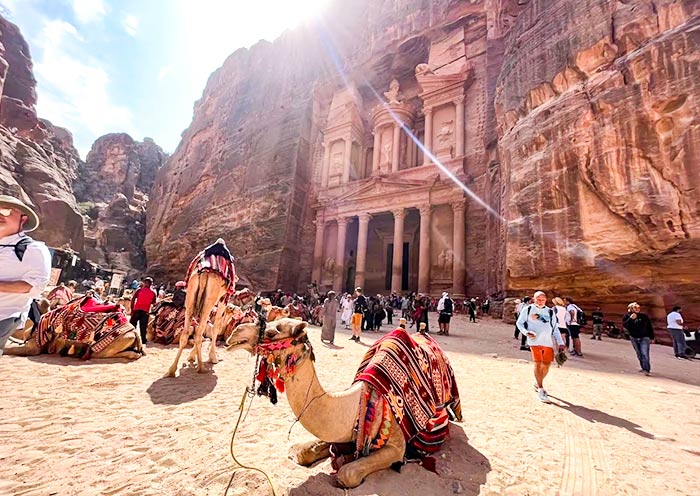
You might know Petra from the movie Indiana Jones and the Last Crusade. It looks almost fake on screen, but it is very real.
What makes this place unique is how it was made. 2,000 years ago, a mysterious Arab civilization called the Nabataeans didn't bring stones here to build a city.
Instead, they found massive sandstone cliffs and carved their city directly into the rock face. They started at the top of a cliff and chiseled their way down.
The best part of Petra is the arrival. To get into the city, you have to walk for over a kilometer through a narrow, winding canyon called the "Siq." The walls are dozens of meters high, blocking out most of the sky and sound. It feels like you are walking into the center of the earth.
Then, right at the end of the dark canyon, a crack of light appears. Through that crack, you catch your first glimpse of the famous Treasury (Al-Khazneh), glowing pink in the sunlight. It is undeniably one of the greatest "reveals" in travel.
But here is the surprise: The Treasury is just the beginning. Petra is a massive sprawling city of tombs, temples, and theaters scattered across the desert valleys. You could easily spend three days here and not see everything.
Most people rush through the Siq because they are excited to see the Treasury. Don't rush. The walk through the canyon is the most magical part of the experience.
Also, to get that perfect photo of the Treasury with nobody in it, you need to be at the entrance gate right when it opens at 6:00 AM.
The New Wave: 9 Newly Added UNESCO Sites in Asia (Go Before The Crowds Do)
The UNESCO list isn't a dusty old book; it is alive and changing. Every year, new sites are added, and usually, it takes a few years for the mass tourism buses to figure out the logistics.
If you want to be the traveler who says "I went there before it was famous," this is your list. These sites were inscribed in 2024 and 2025, meaning most tourists don't even know they exist yet.
Badain Jaran Desert, China (2024)
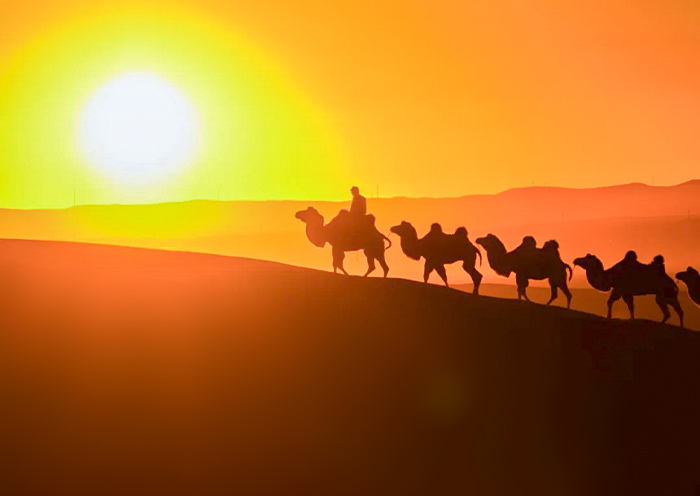
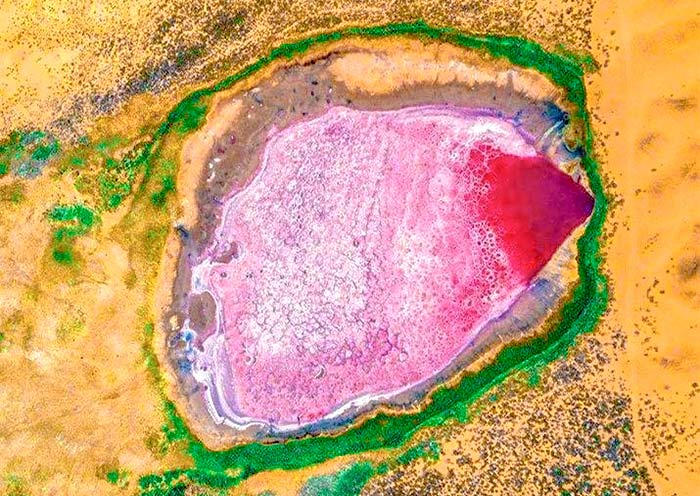
The most beautiful desert on Earth (Visuals are insane). This was the biggest omission from travel maps until now. Located in Inner Mongolia, China.
It is a surreal landscape of mega-dunes (some as tall as the Eiffel Tower) dotted with over 140 multi-colored lakes. Yes, pink and blue lakes in the middle of a desert. It is also famous for "singing sands"—dunes that make a booming sound when the wind hits them.
Beijing Central Axis, China (2024)
You might think you know Beijing, but this new designation connects the dots. It is a 7.8km straight line that has defined the city for 700 years. It runs from the Drum Tower in the north, through the Forbidden City, all the way to the Temple of Heaven in the south.
Don't just take a taxi. Walk or cycle parts of this axis to see how the entire empire was designed around this single line of power. It gives you a completely new perspective on the capital.
Maratha Military Landscapes, India (2025)
Game of Thrones fortresses in the clouds. It is a network of 12 dramatic hill forts along the Western Ghats mountains. Built by the legendary Maratha warrior kings, these forts cling to the edges of sheer vertical cliffs.
During the monsoon season (July-September), the mountains turn neon green and are covered in waterfalls, with the forts floating above the mist. It is a trekker's paradise.
Yen Tu - Vinh Nghiem - Con Son, Kiep Bac Complex, Vietnam (2025)
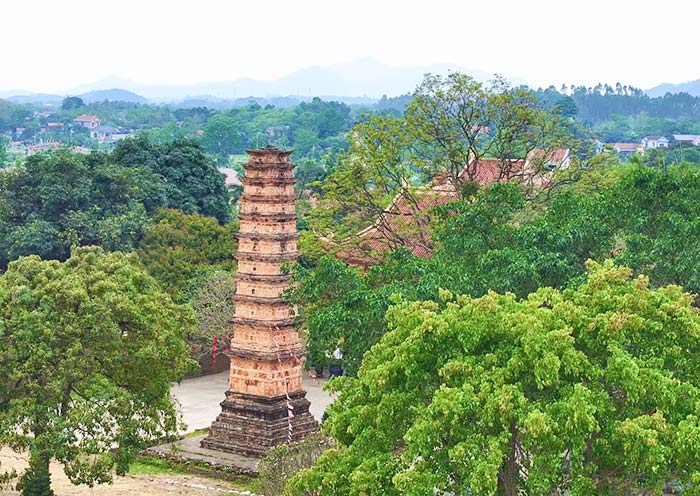
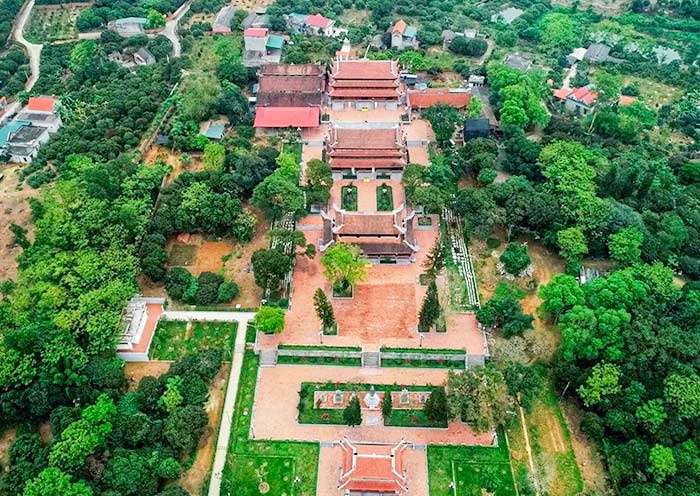
While everyone is crowding into Ha Long Bay, this newly listed mountain range offers the spiritual side of Vietnam. It is the birthplace of the Truc Lam Zen sect.
Imagine ancient pagodas hidden in bamboo forests, stone steps winding up misty peaks, and zero crowds compared to other Vietnamese hotspots. It is peaceful, authentic, and incredibly scenic.
Umm Al-Jimāl, Jordan (2024)
Jordan just got a new UNESCO site known as the "Black Oasis." It is an ancient city built entirely out of black volcanic basalt rock.
It looks striking against the yellow desert sand. Unlike Petra, which is grand and royal, this was a working-class town on the frontier of the Roman Empire. It feels raw and untouched, like an open-air museum where you can touch the history.
Phu Phrabat, Thailand (2024)
Located in Northeast Thailand (Isan), this park is famous for its bizarre rock formations. Massive boulders balance precariously on top of each other, creating natural shelters.
Centuries ago, monks turned these rocks into shrines, carving Buddha images directly into the stone. It is a surreal landscape that looks almost alien.
Niah National Park (The Great Cave), Malaysia (2024)
Located in Borneo, this massive cave system is awe-inspiring. It is famous for the "Great Cave," which is so huge you could fly a jumbo jet through it. But it's not just about size; archaeologists found human remains here dating back 40,000 years.
The Moidams, India (2024)
The Pyramids of India. Hidden in the lush tea state of Assam, these are the royal burial mounds of the Ahom Dynasty. For a long time, the world ignored them, but they are architecturally brilliant.
Sado Island Gold Mines, Japan (2024)
Sado Island has always been a bit of a secret spot for travelers in Japan. Now that its historic gold mines have officially gained UNESCO status, more people are noticing.
You can explore the old mining tunnels and industrial ruins that powered Japan's economy for centuries. Plus, the island itself offers rugged coastlines and delicious seafood, far away from the crowds of Kyoto.
Practical Guide for the Heritage Traveler
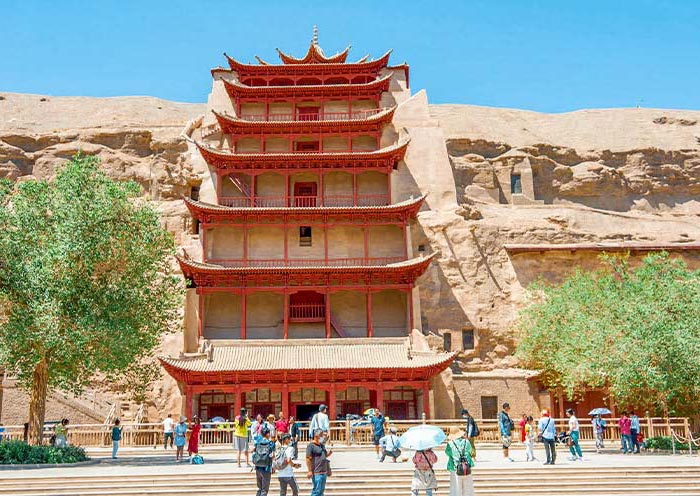
You have your bucket list, but when should you go? And how do you behave when you get there? Here is the cheat sheet.
Best Time to Visit (Cheat Sheet)
| Region | Best Time to Visit | Why? |
|---|---|---|
| East Asia | Oct - Nov | Cool air, red autumn leaves (Great Wall/Kyoto). |
| Southeast Asia | Nov - Feb | The dry season. Lower humidity makes climbing temples bearable. |
| South Asia | Oct - Mar | Pleasant days. Avoid May-June (extreme heat). |
| Central Asia | Apr - May / Sep - Oct | The "Golden Season". Avoid the blistering summer and freezing winter. |
| West Asia | Mar - May / Oct - Nov | Ideal for desert hiking without heatstroke. |
Cultural Etiquette (Do's and Don'ts)
In Asia, respect is a big deal. You don't need to be an expert, but following these simple rules will make locals love you.
For Temples & Mosques (South, SE, West Asia): No knees, no shoulders. If you are wearing tank tops or short shorts, you will stay outside. Always carry a scarf in your bag—it's a lifesaver.
For Social Interactions: In Southeast Asia, the head is the most spiritual part of the body. Never touch a local (even a child) on the head.
Shoes Off: If you see a pile of shoes at the door, take yours off. This applies to temples, mosques, and often people's homes.
The 2026 Asia Packing List (And What NOT To Bring)
Unlock the Best of Asia with Asia Odyssey Travel
Planning a trip across Asia's diverse countries, languages, and visas can be complex. That is where we come in. With over 10 years of experience, Asia Odyssey Travel is your bridge to the authentic Asia.
We handle the hard work—logistics, guides, and permits—so you can focus on the memories. Whether you want a deep dive into one region or a grand multi-country adventure, we make it happen.
✅ Top Asia Tour Packages:
- Southeast Asia: Southeast Asia Tours (Thailand, Vietnam, Bali, Cambodia, Laos, Philippines, Malaysia, Singapore)
- East Asia: East Asia Tours (China, Japan, South Korea, Mongolia)
- South Asia & Himalayas: South Asia Tours · Himalaya Tours (Tibet, Nepal, Bhutan, India, Sri Lanka, Maldives)
- Central Asia: Central Asia Tours · Five Stans Tours (Silk Road Adventures)
✅ Essential Asia Travel Guides:
- Regional Guides: Asia Travel Guide · East Asia Guide · Southeast Asia Guide
- Planning Tools: Best Destinations · Itinerary Ideas · Asia Maps
Contact us today to customize your dream trip to Asia!


 Data in submission...