+852 5394 6901
 Take China Group Tours in 2026/2027 to enjoy 30% discount compared to private tour. Same Experience & Lowest Price!
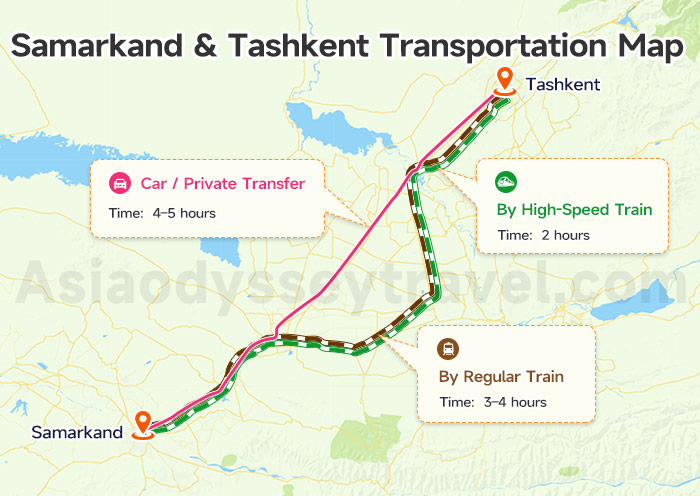
Itinerary 1: Samarkand to Dushanbe - The Silk Road Link (Cultural Adventure)
- Route: Samarkand (Uzbekistan) → Penjikent → Fann Mountains (Iskanderkul Lake) → Dushanbe
- Best for: First-time visitors to Central Asia, history lovers, and travelers looking for a shorter yet highly rewarding cross-border road trip.
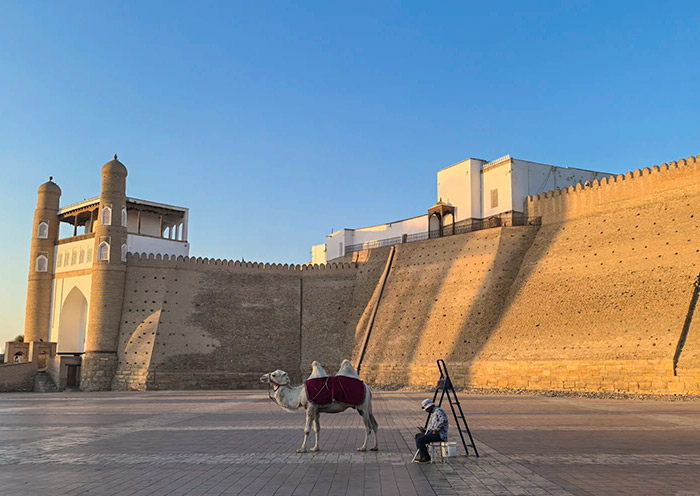
This classic Silk Road journey bridges two worlds. You begin in the blue-tiled splendor of Samarkand and cross into Tajikistan's rugged mountain heart, following routes once used by Sogdian traders and caravans linking East and West.
Day 1: Samarkand → Penjikent (Border Crossing & First Glimpse of Tajikistan)
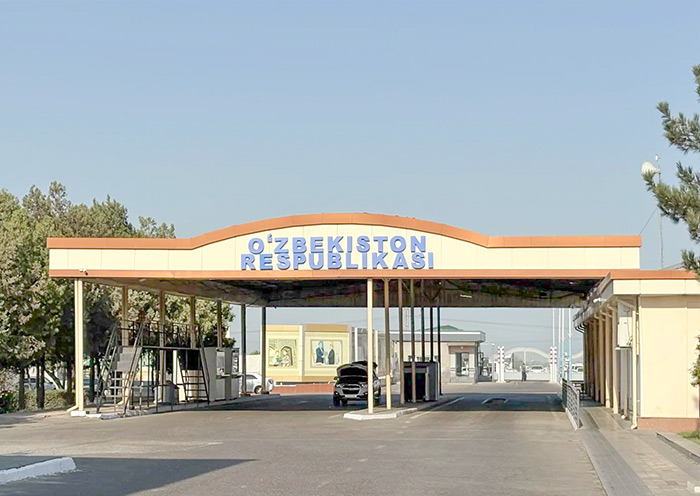
Depart Samarkand and head toward the Uzbekistan–Tajikistan border. The main task today is the border crossing, which is generally straightforward but can take time depending on traffic and formalities.
After entering Tajikistan, continue to Penjikent, the historic gateway to the Fann Mountains.
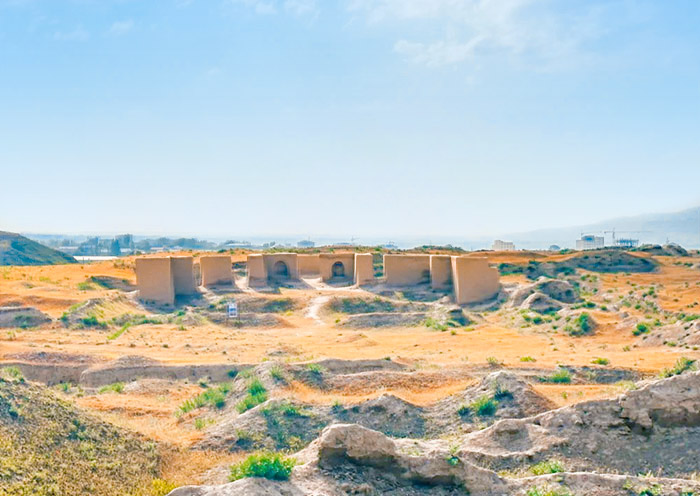
If timing permits, stop at the UNESCO-listed Sarazm archaeological site, one of Central Asia's earliest known urban settlements, before settling in for the night.
This first day marks the transition from imperial Silk Road cities to Tajikistan's more rugged, rural heart.
Samarkand to Dushanbe: Step-by-Step Boder-crossing Guide
Day 2: Penjikent → Seven Lakes (Haft Kul, Fann Mountains)
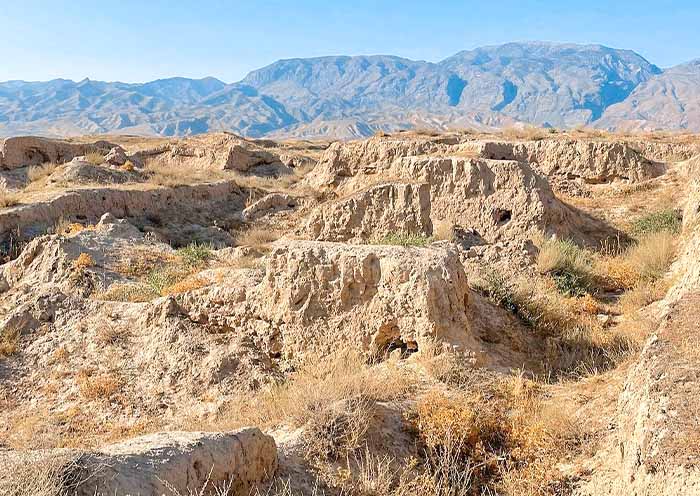
Begin the day exploring Ancient Penjikent, often called the "Pompeii of Central Asia." The ruins of this 5th–8th century Sogdian city—its fortifications, palace remains, and faded murals—offer a rare glimpse into pre-Islamic Silk Road civilization.
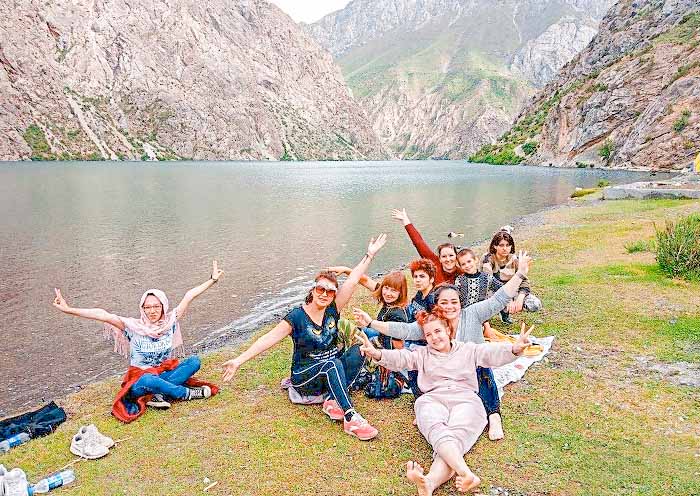
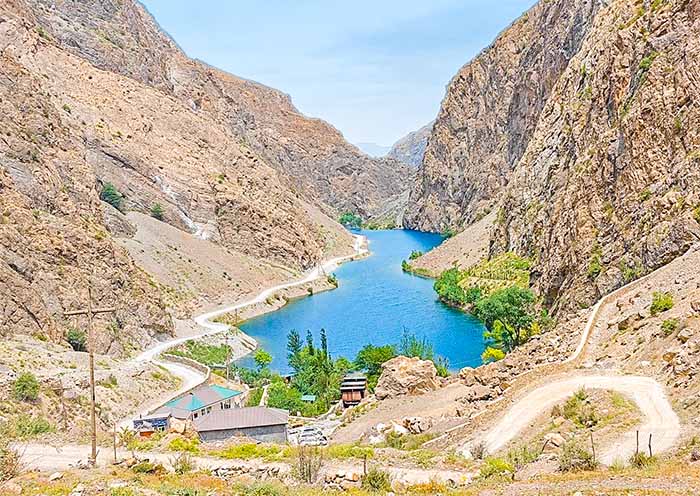
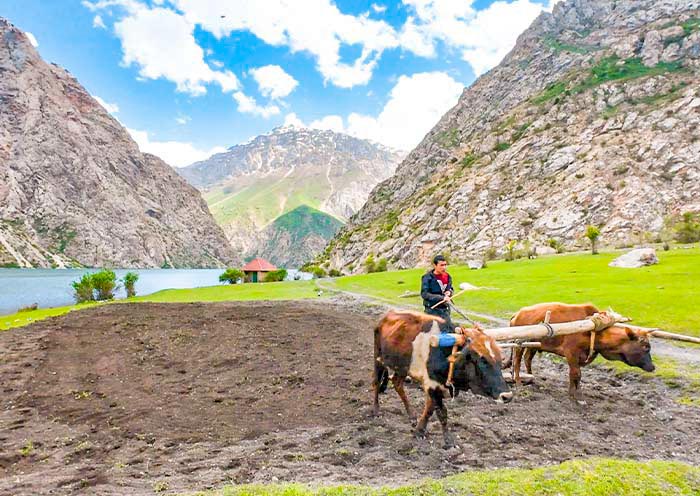
Later, drive into the Fann Mountains to visit the spectacular Seven Lakes (Haft Kul). These alpine lakes sit at ascending elevations, each displaying a different shade of blue or green.
Short walks, lakeside stops, and village encounters make this a relaxed yet visually rich mountain day before returning to Penjikent.
Day 3: Penjikent → Dushanbe via Iskanderkul Lake
Today delivers the most dramatic scenery of the journey.
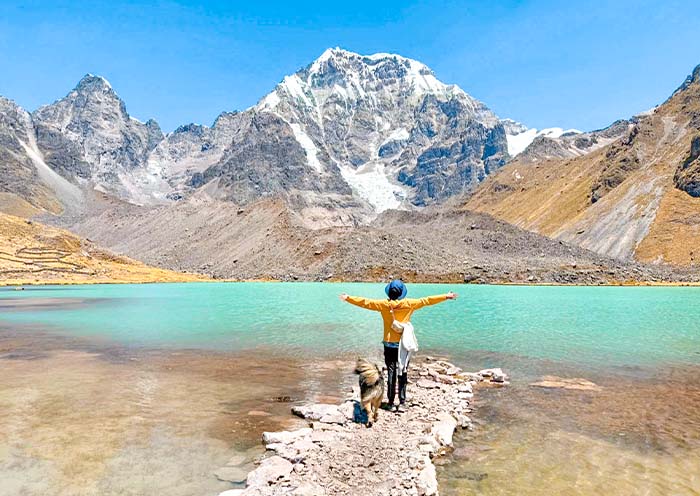
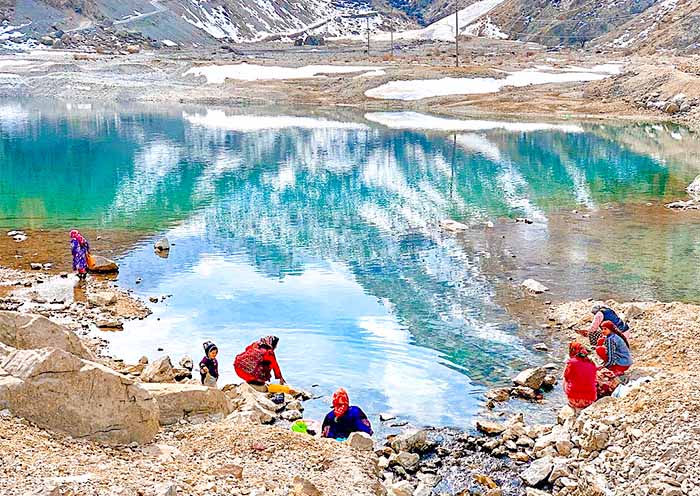
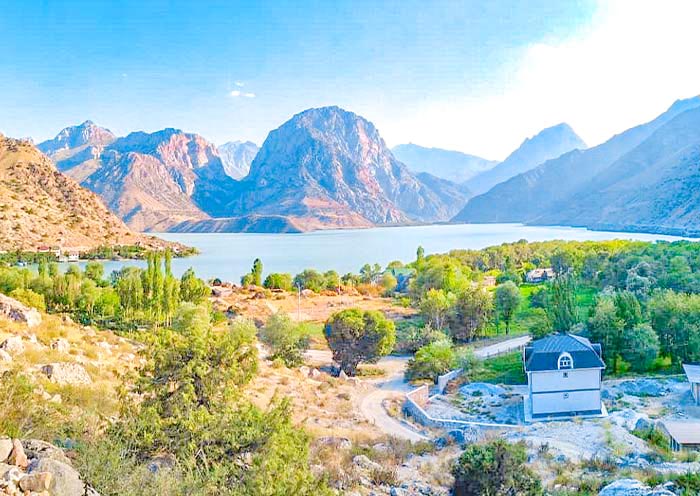
Travel south through mountain valleys toward Iskanderkul Lake, a legendary turquoise lake named after Alexander the Great and framed by jagged peaks. Time here allows for lakeside walks and photography in one of Tajikistan's most iconic natural settings.
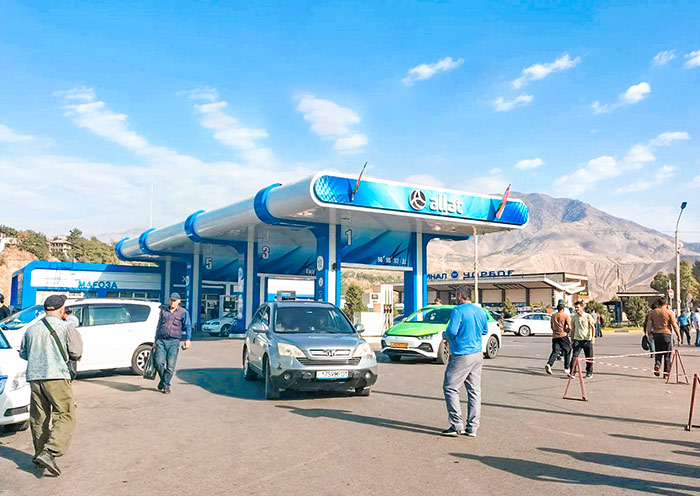
Dushanbe to Panjakent (2026): Shared Taxi, Bus & Samarkand Border Guide
Continue onward across the Anzob Pass, the vital mountain corridor separating northern and southern Tajikistan. This high-altitude drive is both thrilling and scenic, gradually descending toward the capital.
Arrive in Dushanbe in the evening.

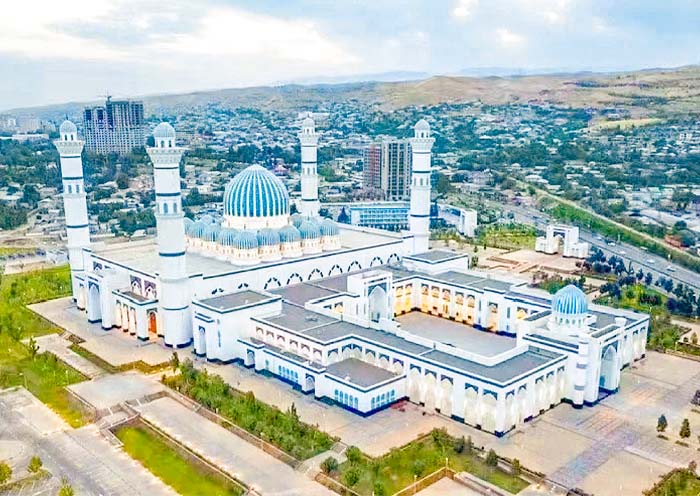
Day 4: Dushanbe City Exploration
Spend the day discovering the cultural and political heart of Tajikistan.
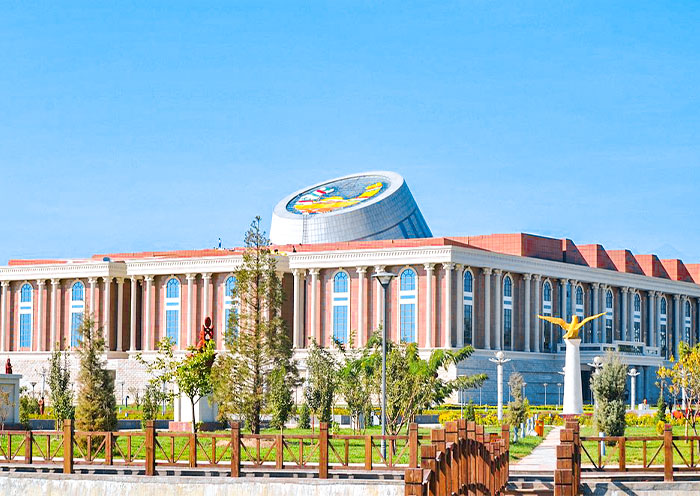
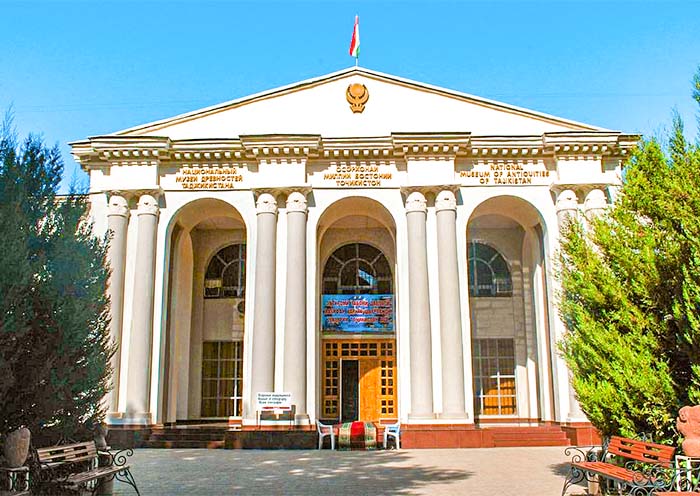
Start at the National Museum of Tajikistan, the country's most important museum, home to archaeological finds, Silk Road artifacts, and the famous reclining Buddha from Ajina-Tepe.
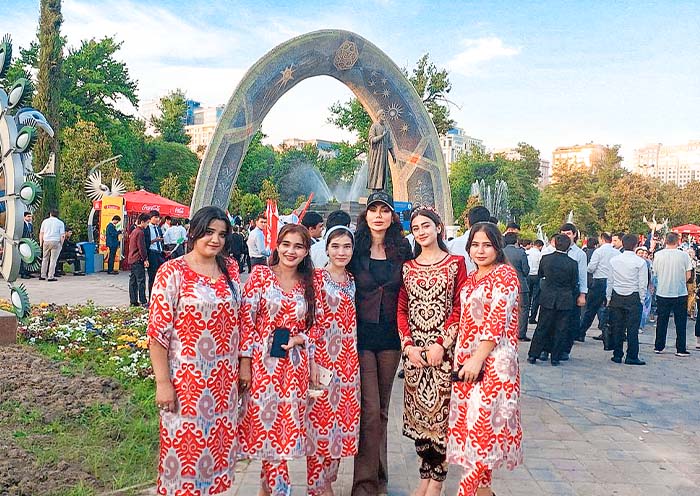
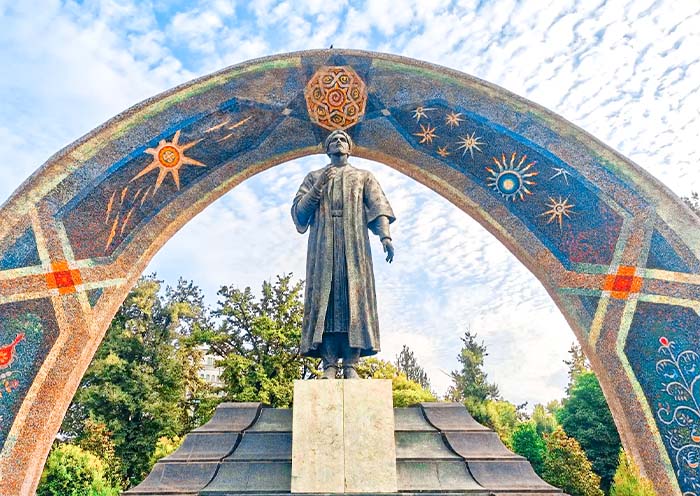
Continue to Rudaki Park, a leafy central park ideal for walking and people-watching, then visit the nearby Ismail Samani Monument, a national symbol dedicated to the founder of the first Tajik state.
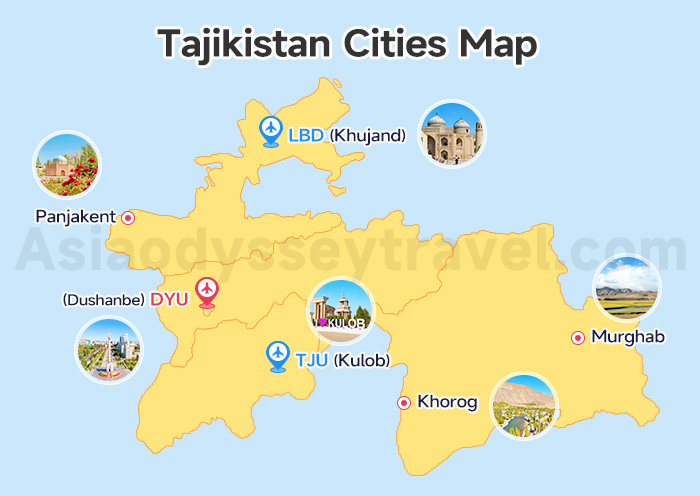
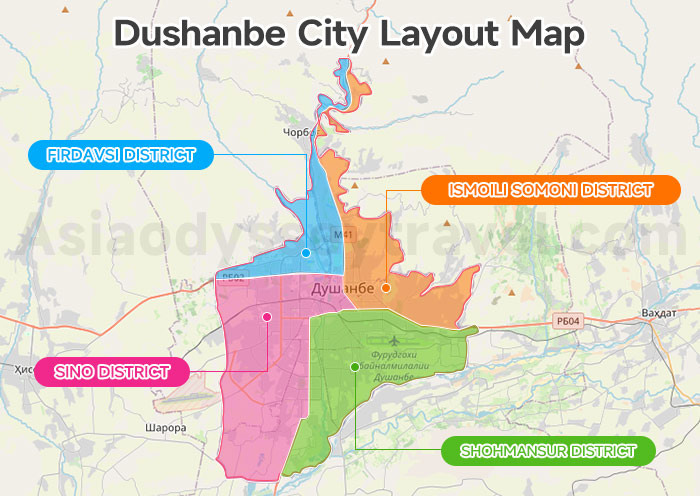
Dushanbe Map, Tajikistan: Latest Dushanbe City Map for Tourist (2026)
From here, stroll along Rudaki Avenue, Dushanbe's main boulevard, lined with cafés, government buildings, and bookstores.
In the afternoon, explore the Dushanbe Flagpole area — once the tallest in the world — and the surrounding squares, or step inside the Gurminj Museum of Musical Instruments for a glimpse into traditional Pamiri and Tajik music culture.
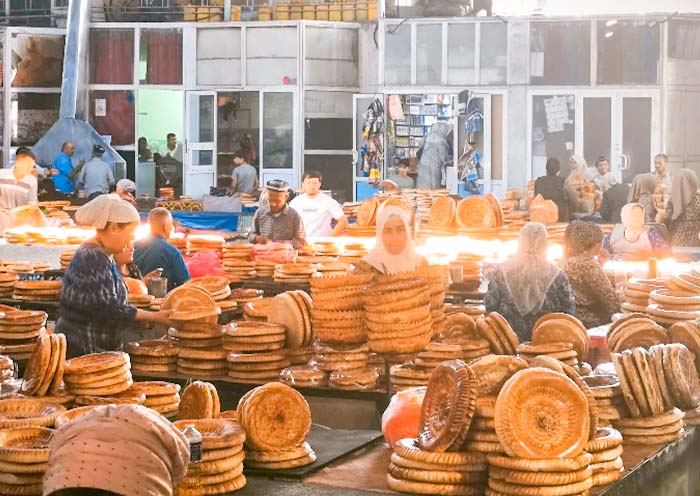
End the day at Mehrgon Bazaar, the city's largest and most colorful market, perfect for observing daily life, sampling local produce, and picking up small souvenirs before enjoying a relaxed dinner at a local restaurant.
Day 5: Dushanbe Departure or Extension
Transfer to the airport for departure, or continue east for a deeper adventure into the Pamir Mountains and the Pamir Highway, one of the world's great road trips.
Itinerary 2: The Northern Ring (Cross-Country Exploration)
- Route: Dushanbe → Iskanderkul Lake → Khujand → (Border Crossing to Tashkent, Uzbekistan)
- Best For: Travelers wanting to see a different side of Tajikistan, those combining it with a trip to Uzbekistan's Fergana Valley.
This cross-country road trip links Tajikistan's modern capital with its ancient northern heart. Traveling over dramatic mountain passes, it reveals how geography has shaped the country's regional identities — and sets you up perfectly for an overland journey into Uzbekistan.
Day 1: Arrival in Dushanbe – Gateway to Modern Tajikistan
Arrive in Dushanbe, a surprisingly green and relaxed capital set against distant mountain backdrops.
The day is kept intentionally light after arrival. Take a short walk along Rudaki Avenue, settle into a local café, and enjoy the calm pace that contrasts sharply with the mountain terrain ahead.
This is your introduction to modern Tajikistan before heading north.
Day 2: Dushanbe City Exploration – History, Identity & Daily Life
Spend the day exploring Dushanbe's key cultural landmarks. Begin at the National Museum of Tajikistan, where Silk Road artifacts, Buddhist relics, and Islamic-era exhibits provide context for the landscapes you will soon cross.
Continue through Rudaki Park to the Ismail Samani Monument, a powerful national symbol, then explore the area around the Dushanbe Flagpole.
In the afternoon, visit the Gurminj Museum of Musical Instruments for insight into Pamiri and Tajik traditions, and end the day at Mehrgon Bazaar, observing daily life among fruit stalls, spice sellers, and bread ovens.
What to Do in Tajikistan 2026: 10 Tourist Spots & Experiences Worth the Trip
Day 3: Dushanbe → Iskanderkul Lake → Istaravshan → Khujand (Crossing the Mountains North)
This is the most scenic and demanding day of the route. Depart Dushanbe early and climb north through dramatic mountain passes, traveling the same corridor that links northern and southern Tajikistan—but in the opposite direction of the Silk Road route.
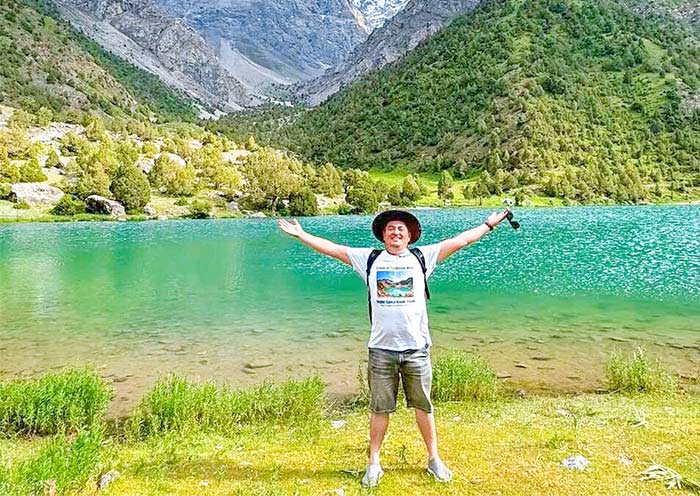
Stop at Iskanderkul Lake, a legendary alpine lake named after Alexander the Great, where turquoise waters meet jagged peaks.
Continue onward to Istaravshan, one of Central Asia's oldest continuously inhabited towns, known for its ancient mosques, craft workshops, and traditional urban layout.
By evening, descend into the fertile Fergana fringe and arrive in Khujand, Tajikistan's northern cultural capital.
Day 4: Khujand City Tour – Ancient Roots & Living Traditions
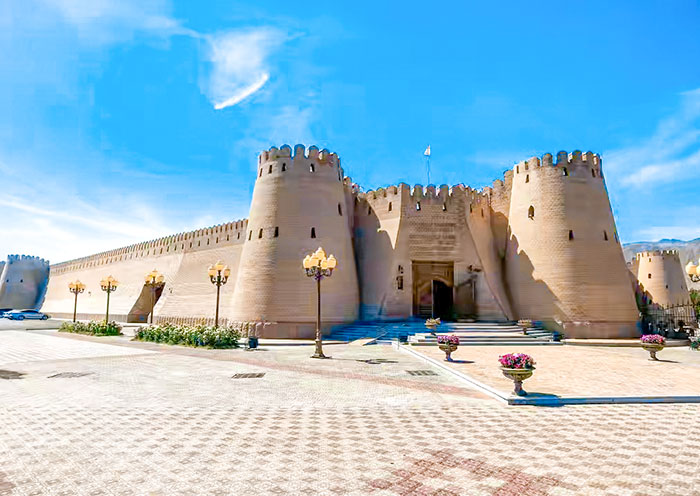
Explore Khujand, a city founded by Alexander the Great and shaped by centuries of trade. Visit the Khujand Fortress and Historical Museum, then stroll along the Syr Darya River promenade.
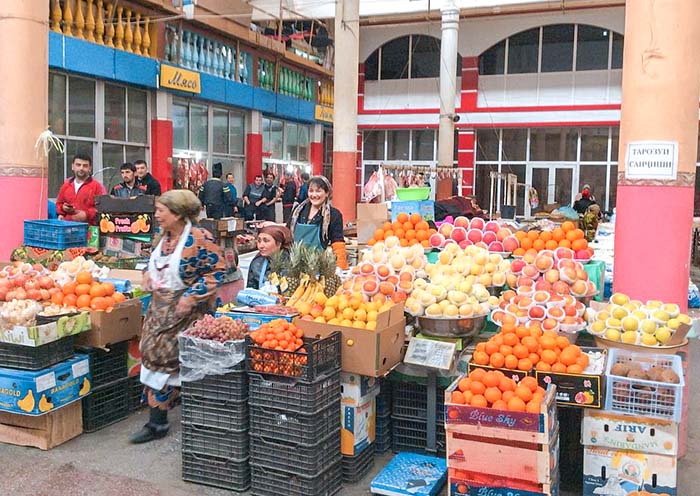
The highlight of the day is Panjshanbe Bazaar, one of the most vibrant markets in Central Asia. From dried fruits and spices to handmade bread and textiles, the market offers an unfiltered look at everyday life in northern Tajikistan.
Khujand's slower rhythm and strong local identity contrast clearly with Dushanbe, reinforcing the journey's "two cities" narrative.
How to Get from Dushanbe to Khujand? (2026 Guide)
Day 5: Khujand → Tashkent (Crossing into Uzbekistan)
After breakfast, drive toward the Tajikistan–Uzbekistan border.
The border crossing is typically straightforward, though timing varies, and today's schedule allows flexibility. Once in Uzbekistan, continue by road to Tashkent, where wide avenues and Soviet-era architecture signal another shift in cultural atmosphere.
Arrival in Tashkent completes the Northern Ring and opens the door to deeper exploration of Uzbekistan.
Day 6: Tashkent Departure or Fergana Valley Extension
Transfer to the airport for departure, or continue east into the Fergana Valley, famed for silk production, ceramics, and traditional crafts—an ideal continuation of the Silk Road story begun in Tajikistan.
Itinerary 3: Dushanbe to Osh – The Pamir Highway Epic
- Route: Dushanbe → Kalaikhum → Khorog → Murghab → Karakul Lake → Osh
- Best for: Adventure travelers, high-altitude road-trip lovers, photographers, and those seeking one of the world's greatest overland journeys.
This is not just a road trip — it is a geographical and emotional crossing of Central Asia.
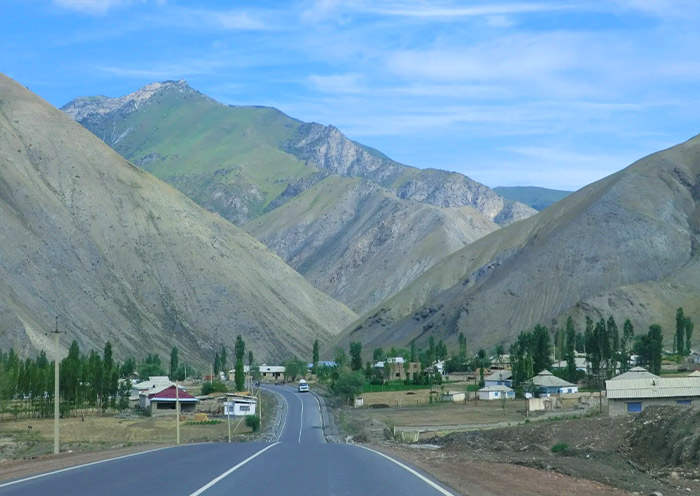
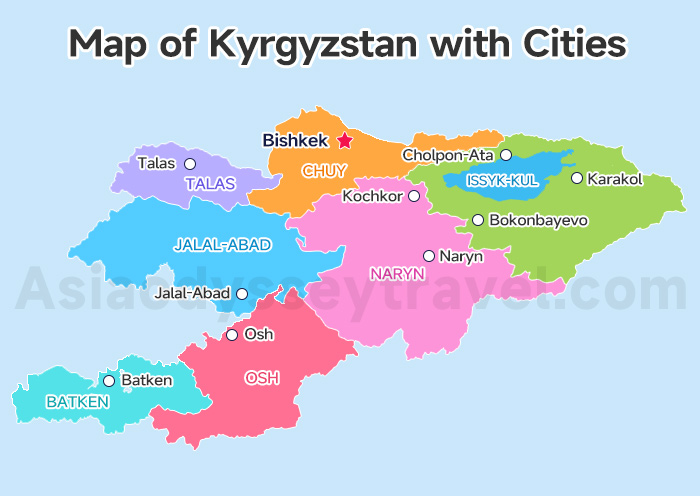
Following the legendary Pamir Highway (M41), this journey traverses deep river gorges, high-altitude plateaus, and some of the most isolated landscapes on Earth, linking Tajikistan with Kyrgyzstan across the "Roof of the World."
Day 1: Dushanbe → Kalai-Khum (Qal'ai Khumb)
Distance: 360 km (~7–8 hours)
The Route: Most travelers take the southern route via Kulob, which is paved and smoother than the northern mountain pass.
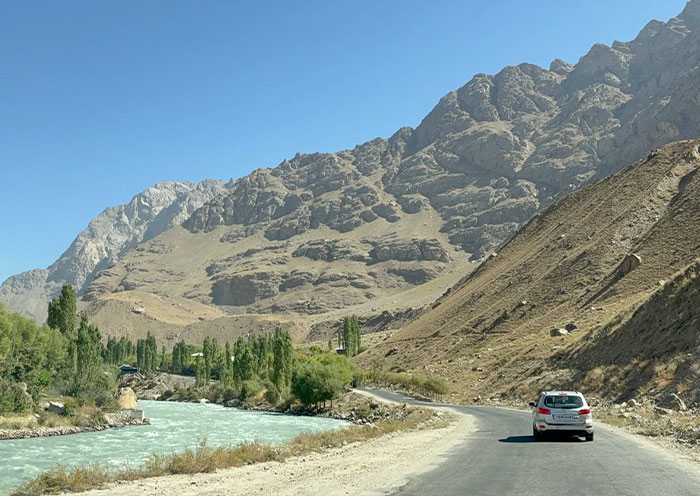
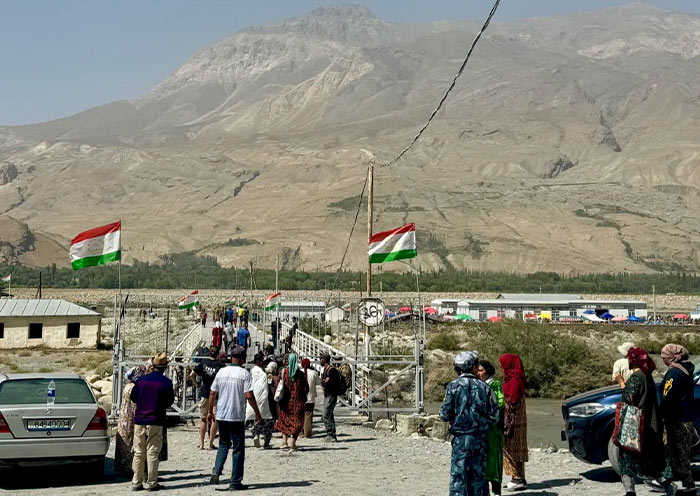
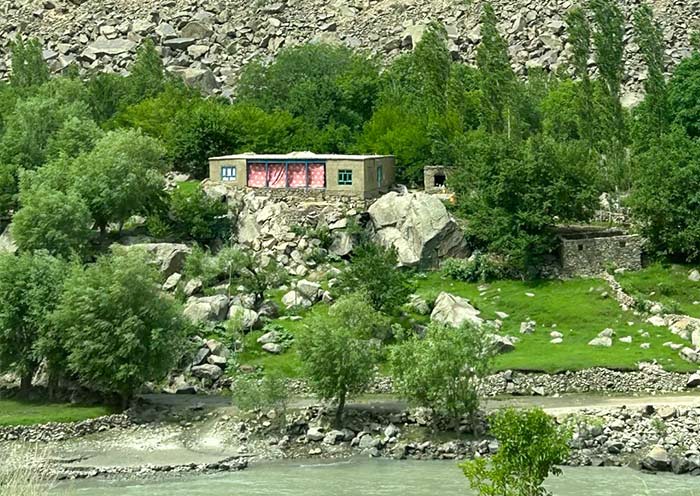
Highlight: This is your first encounter with the Panj River, the natural border with Afghanistan. For the next several days, you'll often see Afghan villages just a few meters away across the water—a striking introduction to the Pamir's geopolitical and scenic drama.
Sleep: Guesthouse in Kalai-Khum.
Day 2: Kalai-Khum → Khorog
Distance: 240 km (~6–7 hours)
The Route: The road gets rougher with unpaved sections. You drive through a deep canyon flanked by massive granite cliffs.
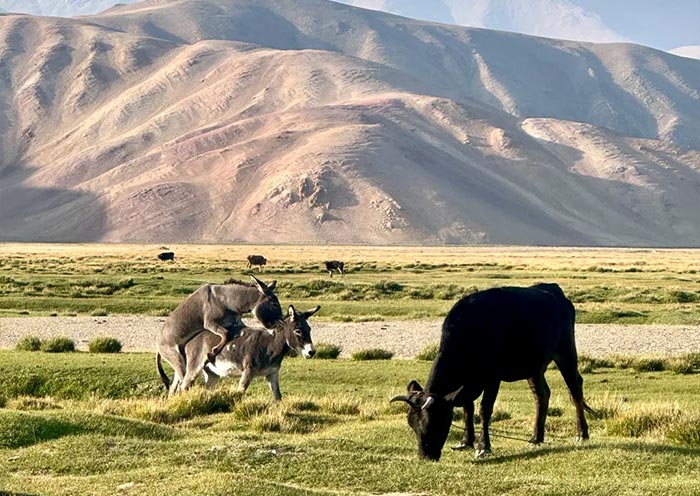
Highlight: Afghan villages across the river provide endless fascination—farmers tending terraced fields, donkeys traversing narrow cliff paths, and local life unfolding in one of the most remote regions of the world.
Sleep: Khorog, the capital of Gorno-Badakhshan, with the best cafés and the only supermarkets for the next several hundred kilometers.
Day 3: Khorog (Acclimatization & Logistics)
Activity: Take it slow. Khorog sits at 2,100 meters, and the high-altitude plateau ahead reaches 4,000+ meters.
Highlight: Explore the Khorog Botanical Garden (one of the world's highest) or Central Park to meet locals. If it's Saturday, check if the Afghan Cross-Border Market is open (currently intermittent due to political factors).
Sleep: Khorog.
Day 4: Khorog → Ishkashim (Entrance to the Wakhan Valley)
Distance: 110 km (~3–4 hours)
The Route: Leaving the main M41, you enter the Wakhan Valley, where the landscape opens and snow-capped peaks of the Hindu Kush begin to dominate the skyline.
Highlight: Optional detour to Garm Chashma hot springs, a natural thermal spot tucked high above the valley.
Sleep: Ishkashim.
Day 5: Ishkashim → Langar
Distance: 140 km (~5–6 hours)
The Route: This is the most culturally and historically rich day of the journey.
Highlights:
Khaakha Fortress – A 4th-century BC ruin perched dramatically on a cliff.
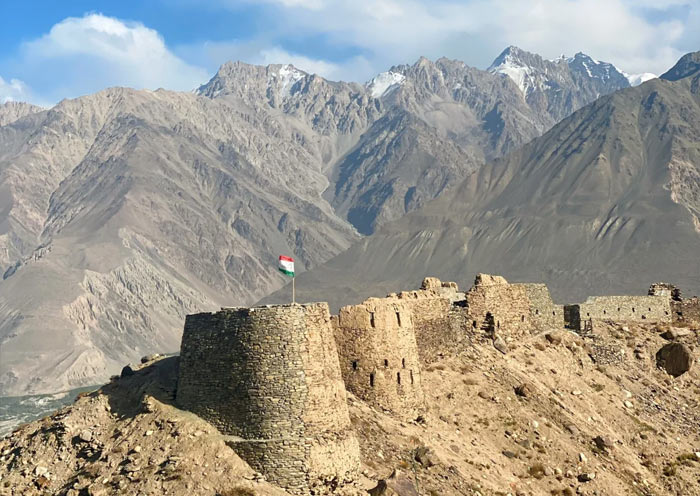
Yamchun Fortress – The most impressive fort in the Wakhan Valley, offering sweeping views of the Panj River.
Bibi Fatima Hot Springs – Hot pools high above the valley floor.
Sufi Muborak-kadam Museum – A unique ancient solar calendar and house.
Sleep: Langar, a very traditional village that gives a real sense of Pamiri rural life.
Day 6: Langar → Murghab (The High Plateau)
Distance: 240 km (~7–8 hours)
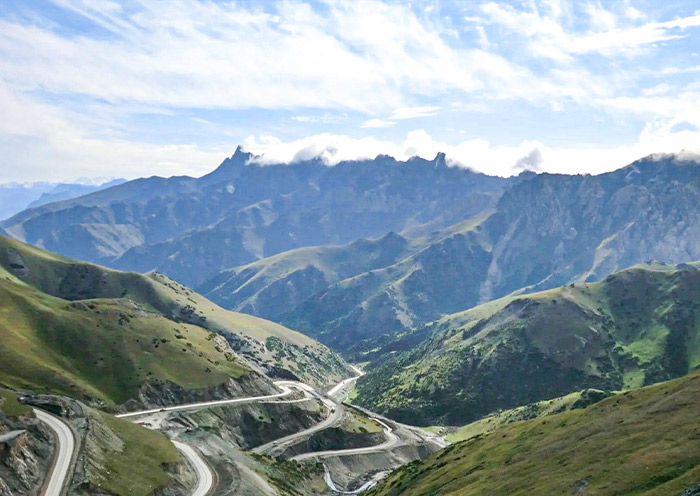
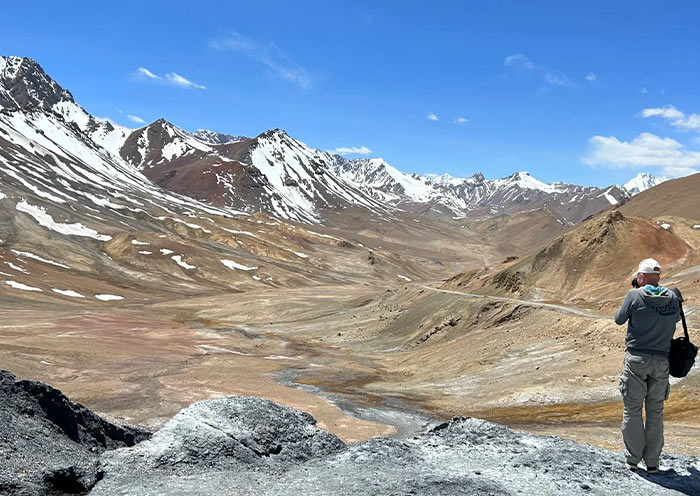
The Route: A challenging driving day as you climb the Khargush Pass (4,344m). Forests and rivers disappear, leaving a lunar, high-altitude landscape.
Highlight: The remote Bulunkul and Yashilkul lakes. Their stark beauty, silence, and immense scale are unforgettable.
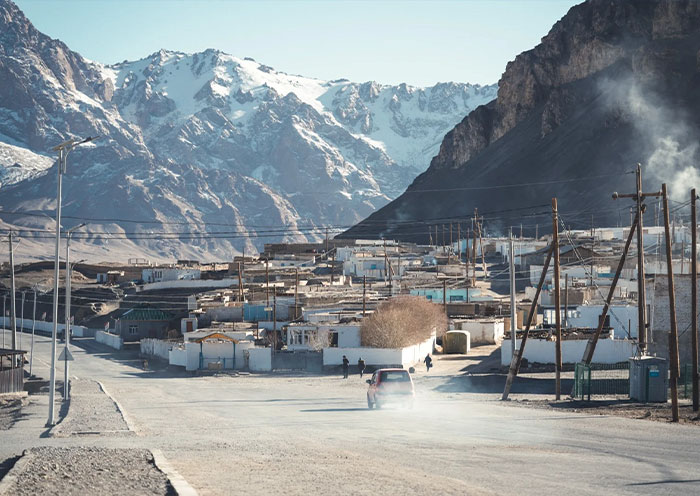
Sleep: Murghab, a gritty town made of shipping containers at high altitude.
Day 7: Murghab → Karakul
Distance: 135 km (~3–4 hours)
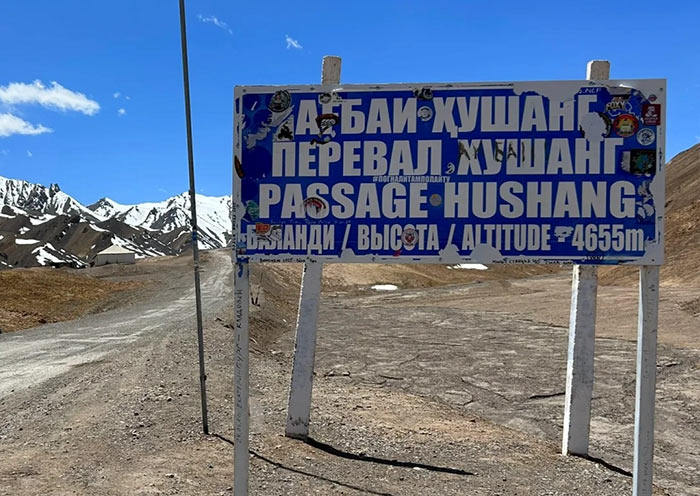
The Route: Cross the Ak-Baital Pass (4,655m), the highest point on the Pamir Highway.
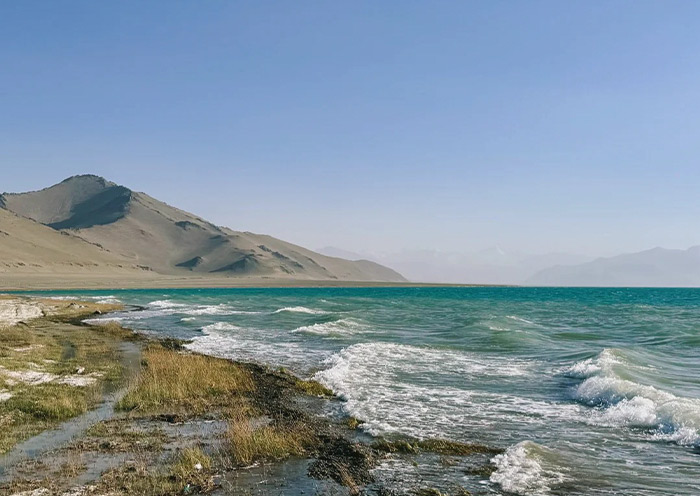
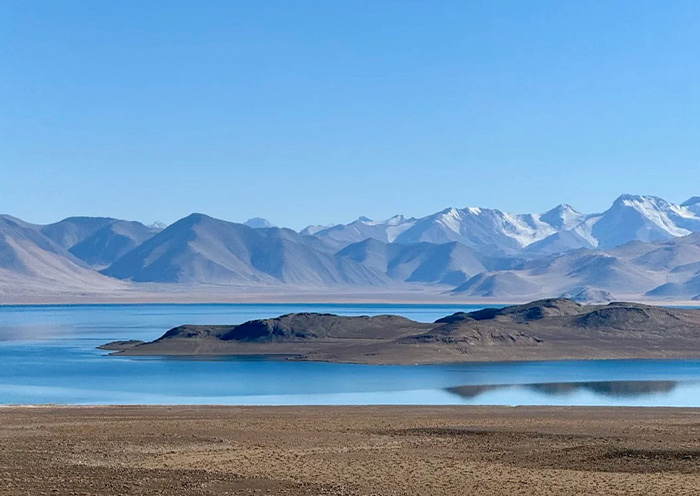
Highlight: Karakul Lake, formed by a meteor impact millions of years ago. Deep blue waters surrounded by 6,000m+ peaks make it one of the most breathtaking stops on the planet.
Sleep: Karakul village in very basic homestays—no running water, but an incredible starry sky.
Day 8: Karakul → Osh (Crossing into Kyrgyzstan)
Distance: 280 km (~6–8 hours including border)
The Route: Climb the Kyzyl-Art Pass (4,280m) and enter the "No Man's Land" between Tajikistan and Kyrgyzstan.
Highlight: The landscape changes instantly: from the brown, arid mountains of Tajikistan to lush, rolling green hills of Kyrgyzstan. In the distance, Peak Lenin (7,134m) dominates the skyline.
Sleep: Osh, Kyrgyzstan, where the lively bazaars and Sulaiman-Too Mountain contrast dramatically with the stark Pamir landscapes.
The Essential Toolkit for Tajikistan Road Trips
Visas & The All-Important GBAO Permit
Getting into Tajikistan is straightforward thanks to the e-Visa system. Apply online, wait for approval, and you're set to enter the country.
For the Pamir Highway (Itinerary 3), you also need the Gorno-Badakhshan Autonomous Oblast (GBAO) permit.
It's mandatory, but simple to obtain—usually submitted along with your e-Visa application. Without it, entry into this iconic region is not allowed, so make sure it's in order before departure.
Is It Safe? The Reality of Adventure Travel
Tajikistan is a stable and welcoming country, and the locals are famously friendly.
The real challenges lie not in the people, but in nature itself: rugged roads, high-altitude passes, and unpredictable mountain weather.
This is exactly why traveling with an experienced local driver is more than a convenience—it's a cornerstone of a safe and successful journey.
With the right guidance, every twist and turn becomes part of the adventure, not a worry.
Is Central Asia Safe to Travel? My Honest Research
Choosing Your Ride: 4x4 is Non-Negotiable
Self-Drive:
While tempting for seasoned overlanders, we strongly advise against self-driving unless you have extreme experience.
Roads are poorly marked, terrain can be treacherous, and language barriers make navigation tricky. Even a minor mistake can become a major problem in remote areas.
Shared Taxis:
Budget travelers sometimes take these between towns. They are fast and cheap but come with downsides: no flexibility for photo stops, long hours in cramped vehicles, and limited access to the more remote stretches of the Pamirs.
Private 4x4 with Driver (The Asia Odyssey Travel Way):
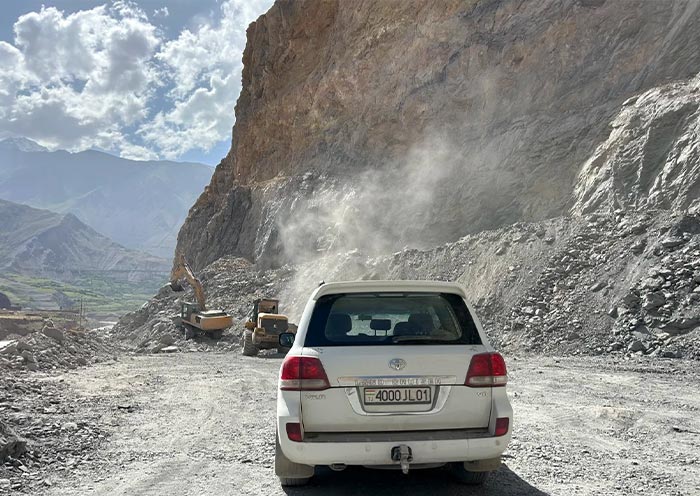
This is the ultimate solution for exploring Tajikistan safely and freely. A reliable 4x4 and a local driver who is also your guide, mechanic, and cultural interpreter lets you:
- Stop wherever you want for photos or hikes
- Navigate treacherous mountain passes safely
- Connect with local communities and discover hidden gems
This setup transforms the journey from stressful to seamless and unforgettable.
Best Time to Travel
Itinerary 1 & 2 (Lower Altitudes): Spring (April–May) and Autumn (September–October) are ideal. The weather is mild, roads are accessible, and the landscapes are at their most vibrant.
Itinerary 3 (Pamir Highway): The window is narrow. Late June to mid-September is the only reliable season when the high mountain passes are clear of snow. Outside this window, some passes can be impassable.
Accommodation
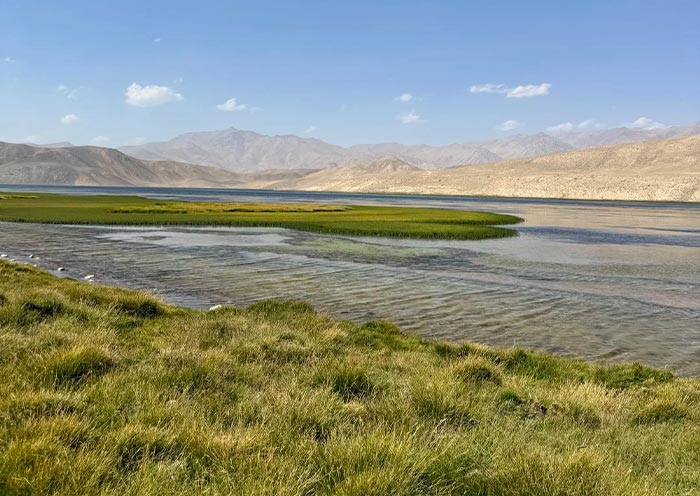
Sleeping in the Pamirs is an adventure in itself. Expect basic but clean homestays in villages like Langar or Karakul, where hearty local meals and genuine cultural exchange are the highlight.
In larger towns such as Khorog and Murghab, you'll find simple guesthouses and small hotels with better facilities, giving you a comfortable base for acclimatization, rest, and resupply.
Whether in remote villages or small towns, each stop offers a glimpse into authentic Pamiri life, far removed from the typical tourist experience.
Internet & Charging on a Tajik Road Trip
Internet Connectivity:
In major towns like Dushanbe, Khujand, and Khorog, mobile networks and Wi-Fi in hotels and cafés are available.
On the Pamir Highway and remote villages, coverage is very limited or nonexistent, so plan for offline maps and downloads.
Charging Devices:
In towns and guesthouses, charging is usually available, though outlets may be basic or irregular.
On the high-altitude plateau and homestays, electricity can be unreliable—some stops may rely on solar or generators. Carry a power bank or car charger to stay powered during long drives.
Tip: Treat remote stretches as digital detox zones—the views are worth it!
People Also Ask: Tajikistan Itinerary & Road Trips
- What is the best route for a Tajikistan road trip?
The classic routes are:
- Samarkand → Dushanbe (Silk Road cultural link)
- Dushanbe → Khujand (Northern Ring, cross-country)
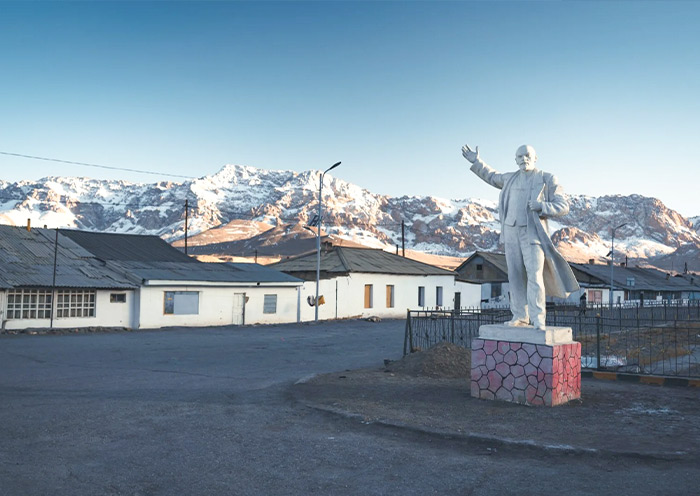
- Dushanbe → Pamir Highway → Osh (adventure through high-altitude landscapes).
- How many days do I need to travel Tajikistan?
5–7 days covers main cultural highlights. 8–10+ days are ideal for the full Pamir Highway experience.
- Can I drive the Pamir Highway on my own?
It's not recommended. Roads are rough, signage is limited, and high-altitude conditions are challenging. A local 4x4 driver is the safest option.
- What are the must-see stops along the Pamir Highway?
Key highlights include: Khorog, Wakhan Valley, Langar, Murghab, Bulunkul & Yashilkul lakes, Karakul Lake, Ak-Baital Pass, and Peak Lenin viewpoints.
- Is Tajikistan safe for solo travelers?
Yes. The country is generally stable and welcoming. The main challenges are mountain roads, altitude, and weather, not local people.
- What are the best cultural experiences in Tajikistan?
Highlights include Penjikent ruins, Panjshanbe Bazaar in Khujand, Pamiri village life, Wakhan Valley fortresses, and traditional homestays.
- Are homestays safe and comfortable in the Pamirs?
Yes. They are basic but clean, often with hearty local meals and a chance to experience authentic Pamiri hospitality.
- How much does a Tajikistan road trip cost?Expect $50–$150 per day depending on vehicle, accommodations, and guide. Pamir Highway trips are higher due to remote logistics.
Travel to Tajikistan With Asia Odyssey Travel
Tajikistan is 90% mountains—a pristine, high-altitude paradise perfect for a cool summer escape. Asia Odyssey Travel handles the rugged logistics and border crossings, making your trip to the "Roof of the World" safe and seamless. You just show up and enjoy.
✅ Tajikistan Tour Packages – In-depth journeys covering Dushanbe, Khujand, and the turquoise gem of Iskanderkul Lake.
✅ Central Asia Combo – Expertly connected multi-country routes that blend Persian history with Pamir landscapes.
✅ Dushanbe Tours: Dive into the Persian heart of Central Asia, covering Rudaki Park, museums, and the ancient Hissar Fortress.


 Data in submission...