+852 5394 6901
 Take China Group Tours in 2026/2027 to enjoy 30% discount compared to private tour. Same Experience & Lowest Price!
Why Central Asia Feels "Unsafe" at First (But Isn't)
I slowly realized that most fears about Central Asia don't come from real experiences—they come from how little we know about it. Even the country names can make people nervous.
Let's be honest. For many, the names 'Uzbekistan,' 'Kazakhstan,' and 'Tajikistan' conjure images of a remote, unknown world. The '-stan' suffix often gets unfairly associated with news headlines from other regions.
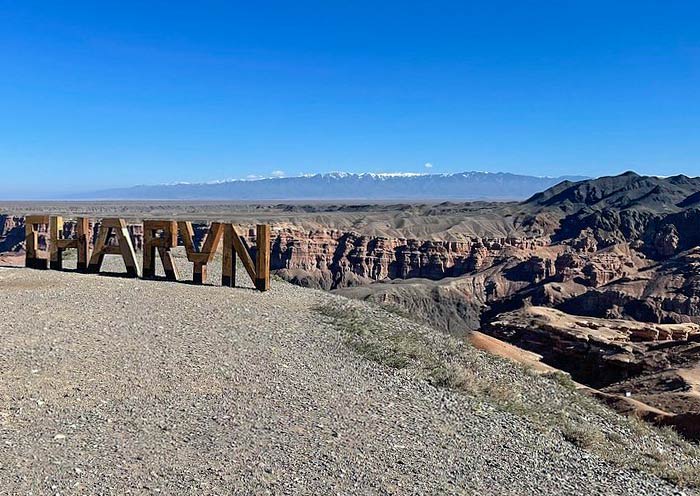
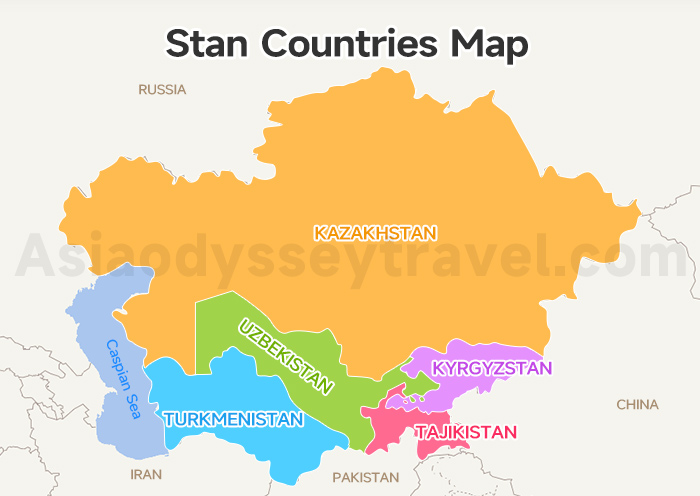
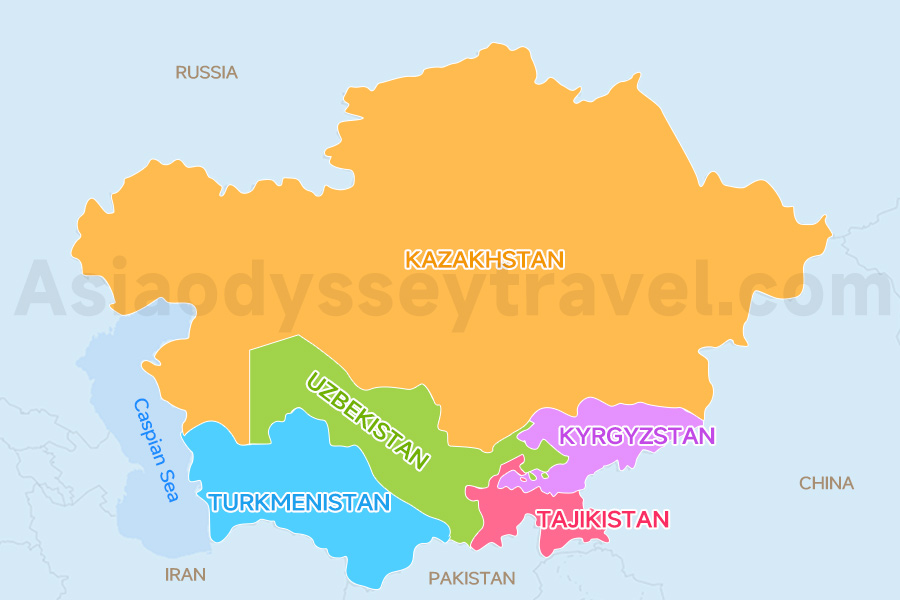
Then there's the geography problem. Many people mentally place Central Asia next to the Middle East, or even mix it up with Afghanistan or Pakistan. I did too, at first. In reality, these countries are very different—in culture, daily life, and travel experience—but that nuance rarely shows up in casual conversations.
I eventually learned a simple truth: when it comes to Central Asia, not knowing much doesn't mean it's dangerous—it just means it's unfamiliar. And unfamiliar places often turn out to be the most rewarding ones to visit.
What I Found Online When I Searched "Is Central Asia Safe to Travel"
Before trusting personal stories, I wanted to understand the basics. So I looked for clear answers to very practical questions: Is there war? Is it safe on the streets? Can I move around easily? What about food, altitude, and transport? Here's what I found.
Is There a Risk of War or Political Chaos?
The short answer: NO.
The five Central Asian countries—Kazakhstan, Uzbekistan, Kyrgyzstan, Tajikistan, and Turkmenistan—have not experienced large-scale wars or internal conflicts for over 30 years.
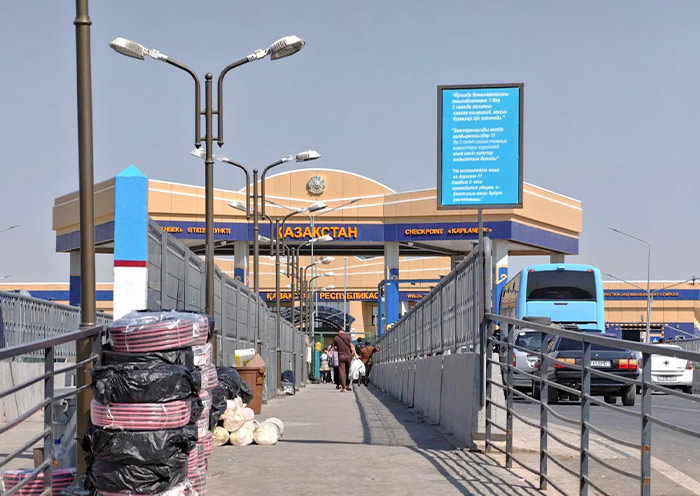
Some of them do share borders with Afghanistan or Iran, which often triggers concern. But tourist routes never go near sensitive border areas.
Even in Tajikistan, where parts of the Pamir Highway run close to the Afghan border, travel is well managed and focused entirely on nature and culture—not conflict zones.
Travelers are nowhere near active security risks.
Public Safety & Crime: Calm and Orderly
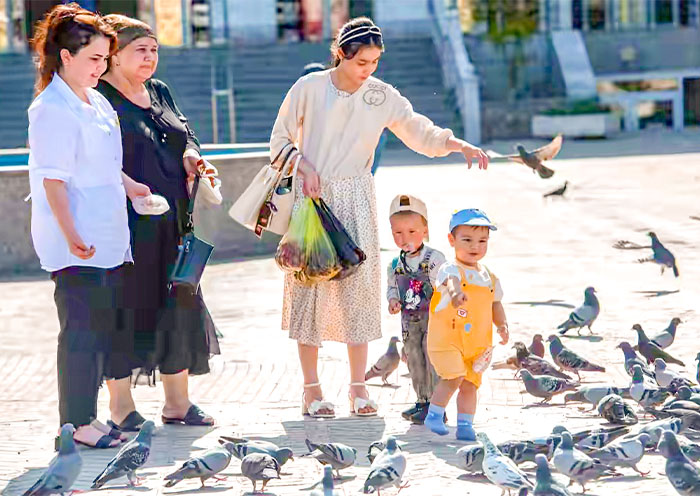
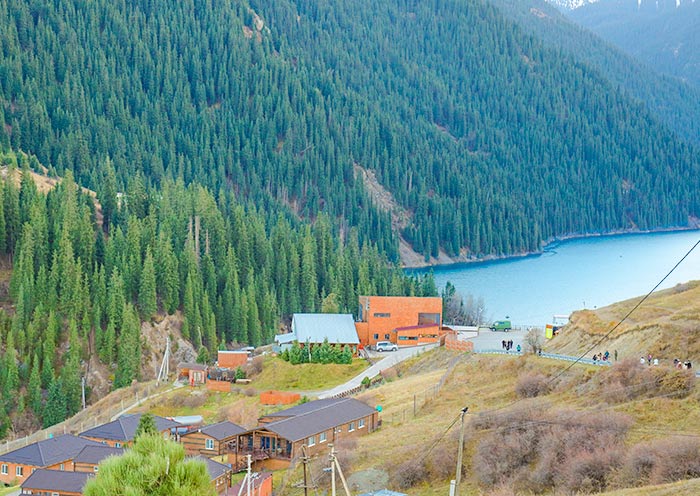
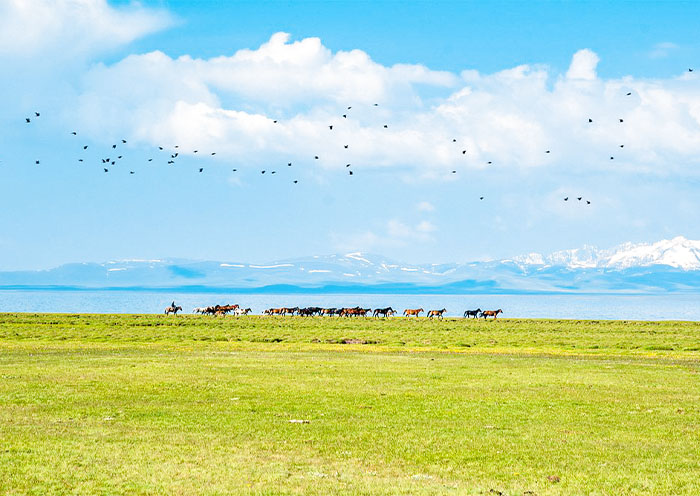
Overall, Central Asia feels peaceful and well ordered. Violent crime against tourists is very rare. Governments take tourism seriously, and locals are known for being warm and helpful toward visitors.
In major cities, infrastructure is solid, and it's generally fine to walk around in the evening. That said, common sense still applies.
In busy places like bazaars, train stations, or crowded streets, petty theft or overcharging can happen, just like in many popular destinations worldwide. Staying alert is usually enough.
Transportation Safety: Depends on the Country
Transportation varies by country.
- Uzbekistan has the best system, with high-speed trains and smooth highways.
- Kazakhstan also has good roads and modern transport in major cities.
- Kyrgyzstan and Tajikistan are more mountainous, with winding roads and long drives. The main risks here come from terrain and weather, not crime.
- Turkmenistan and Tajikistan are orderly but more restricted, often requiring guided travel.
Food Safety: Simple but Reliable
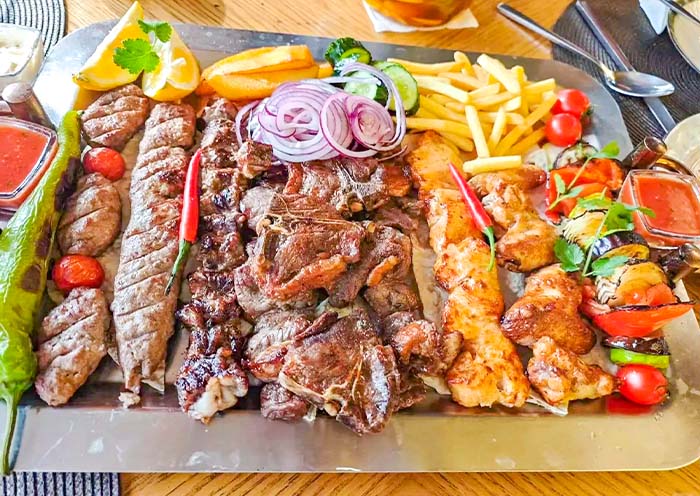
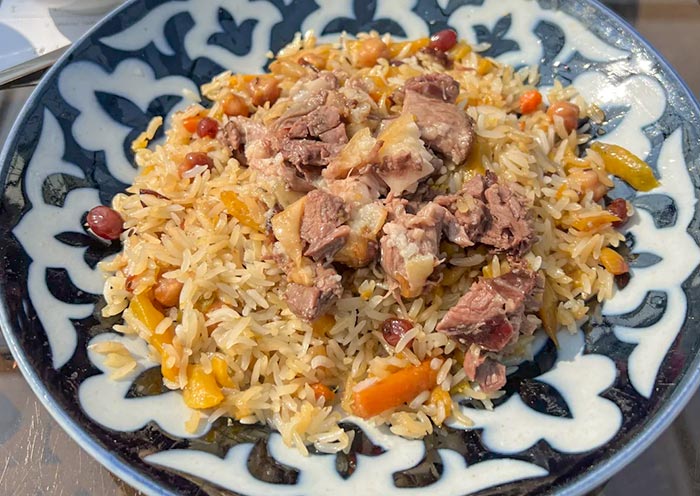
The food is a highlight! Eat at busy restaurants where locals are eating—it's a sign of freshness and quality. Local food is hearty and distinctive—think grilled meats, bread, rice dishes, and dairy.
The only real downside is variety. International cuisine is limited, and after a while, you may start missing food from home.
High-Altitude Travel: Something to Respect
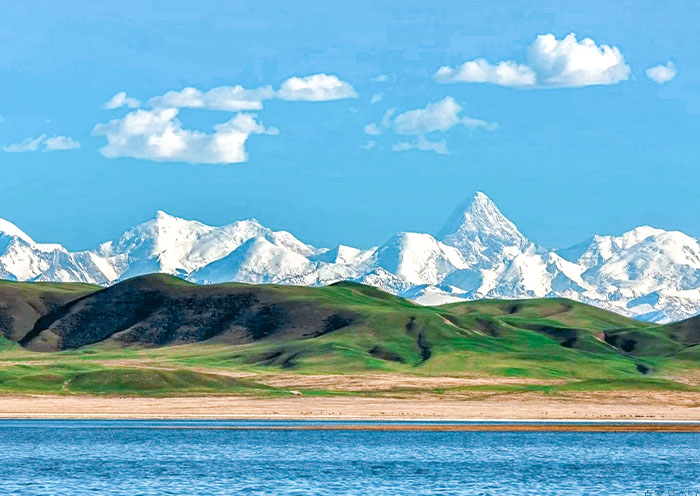
Parts of Tajikistan's Pamir Plateau and Kyrgyzstan's Tianshan Mountains rise above 3,500 meters.
Altitude sickness is a real consideration here. Going slowly, resting properly, and planning carefully are important—especially for first-time high-altitude travelers.
Country-by-Country Safety Snapshot (From Real Travelers' Advice)
To be more specific, I also compared the five countries based on political stability, public safety, tourism infrastructure, transport, and emergency response. Here's a clear snapshot:
1. Uzbekistan - The Safest and Easiest for Tourists
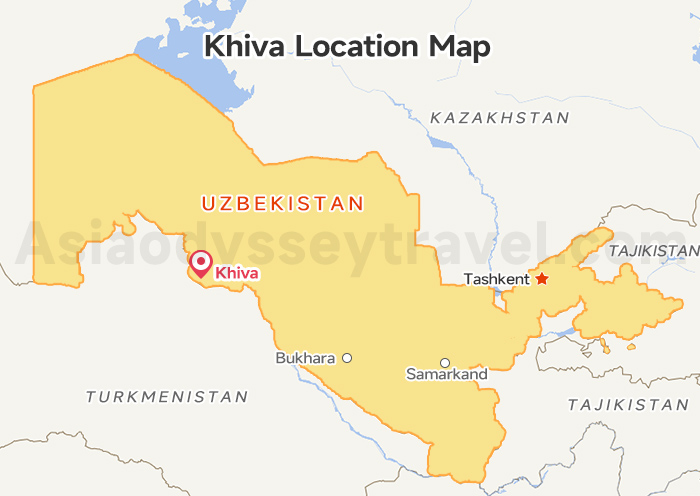
Uzbekistan is the gold standard for tourism safety in Central Asia. The country is stable, crime rates are low, and tourist cities like Samarkand, Bukhara, and Khiva are well managed.
There are tourist police, good rail connections, and clear travel systems. The main things to watch out for are pickpocketing in busy bazaars and taxi bargaining (ride-hailing apps help).

2. Kazakhstan - Modern and International
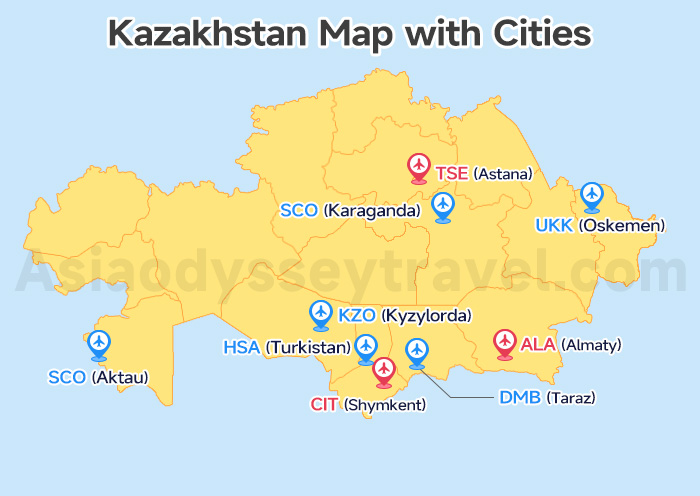
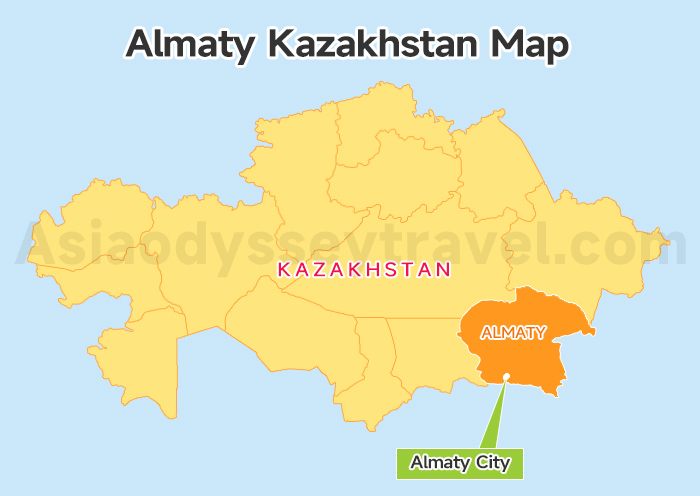
Kazakhstan feels the most modern and open. Cities like Almaty and Astana are international, clean, and safe, with low crime rates.
Outdoor travel is well organized. Normal city precautions are enough, especially at night in entertainment areas.
3. Kyrgyzstan - Friendly but Nature-Focused
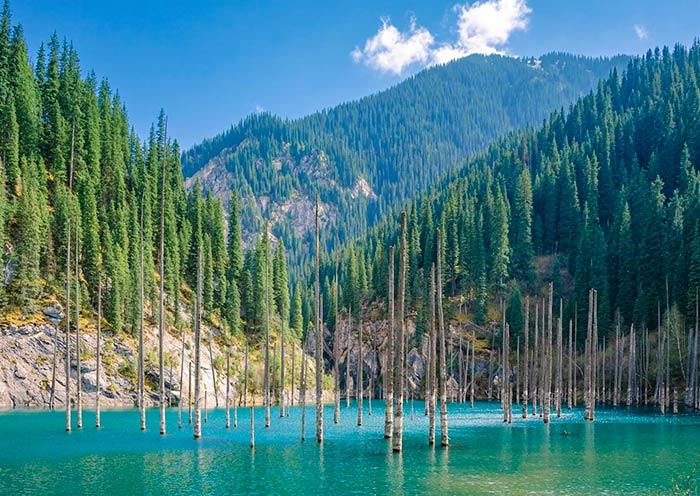
Kyrgyzstan is very safe socially, and locals are welcoming. The main risks come from mountain roads, weather changes, and remote areas, not crime.
For trekking or long drives, local guides and experienced drivers matter.
4. Tajikistan - Stunning but Demanding
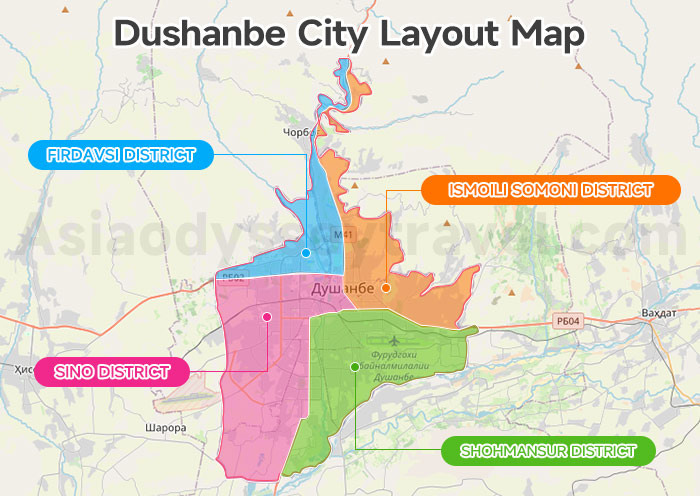
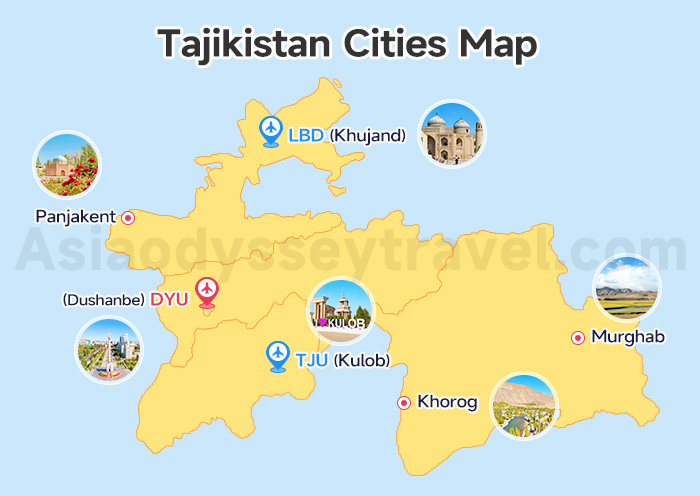
Tajikistan offers dramatic landscapes, especially the Pamirs. Security has improved a lot, and tourist police are visible in cities like Dushanbe.
However, challenges come from altitude, road conditions, and permit requirements. Traveling with a reliable agency is essential.
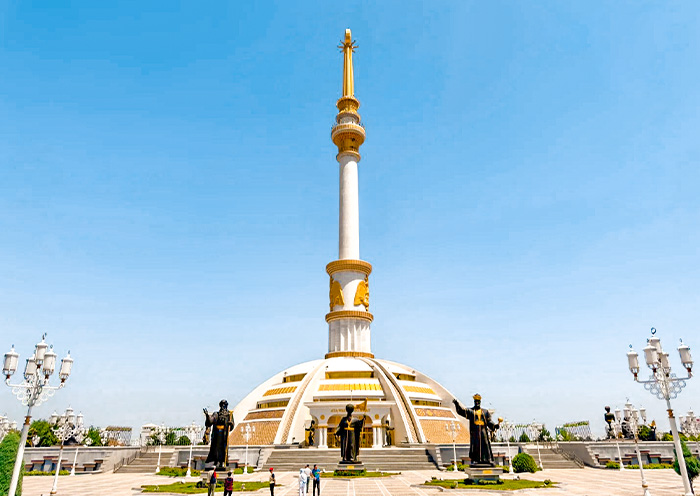
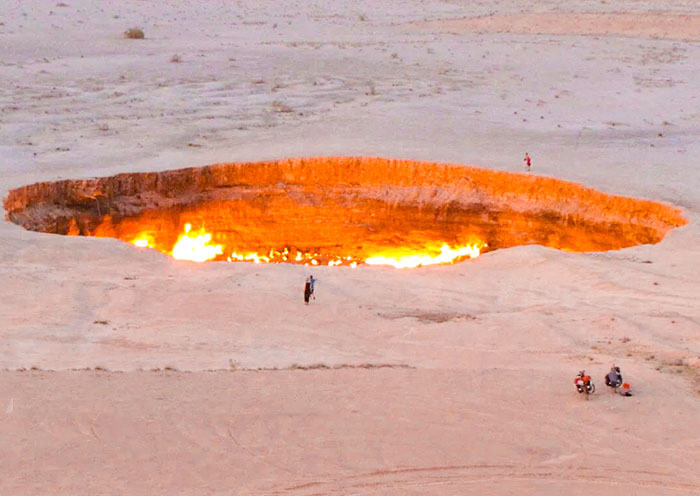
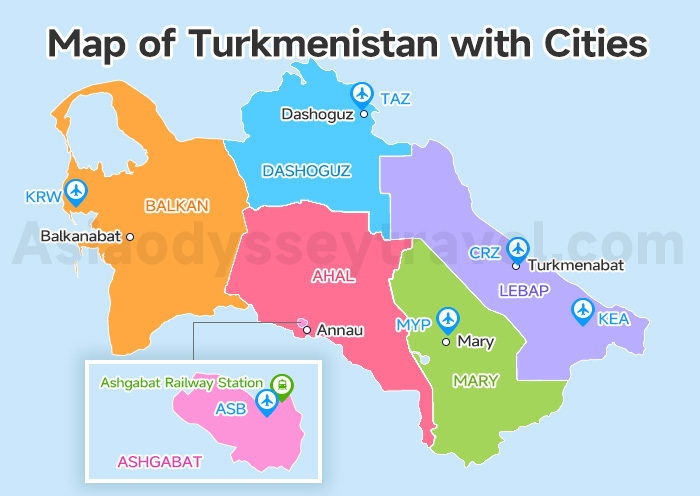
5. Turkmenistan - Extremely Safe, Very Controlled
Turkmenistan is highly stable and has very low crime, but travel is tightly regulated. Visitors must travel with guides, freedom is limited, and visas are hard to get.
It's safe—but not flexible—best suited for curious, experienced travelers.
The Real Challenges (Not Safety, Just Practical Stuff)
After all the research, one thing became clear to me: the main challenges in Central Asia aren't about danger at all. They're about unfamiliarity.
Language is the first hurdle. Outside major hotels and tourist sites, English isn't widely spoken. People are friendly and genuinely want to help, but communication often turns into a mix of gestures, translation apps, and smiles. It works—but it takes patience.
Transportation can also be confusing at first. Public transport systems aren't always well explained, schedules may change, and ticketing isn't always intuitive for foreign travelers. Add in the fact that distances between cities are long, and travel days can feel more tiring than expected.
In more remote areas, signage is limited, especially in English. You may know where you want to go, but not always how to get there efficiently.
That's when it really clicked for me: Central Asia isn't dangerous—it's just unfamiliar. And once you understand that, the region feels far less intimidating and much more approachable.
How a Reputable Travel Agency - Asia Odyssey Travel - Adds Extra Safety
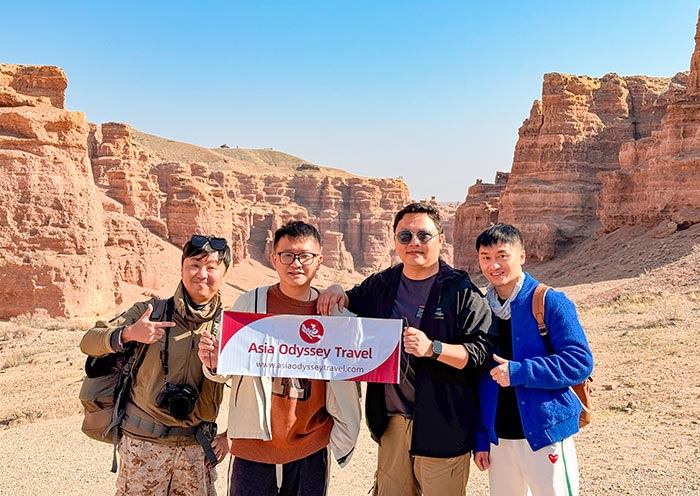
After comparing options, I decided to join a group tour with Asia Odyssey Travel for my Central Asia adventure—and it was the right choice. It let me explore the region deeply while feeling completely safe and stress-free.
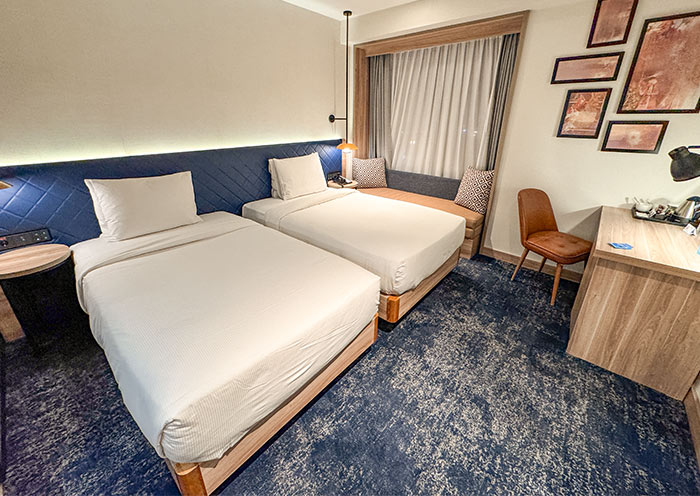
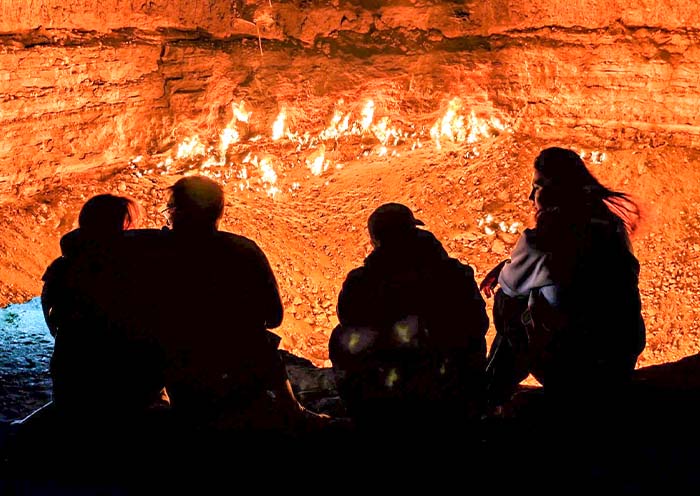
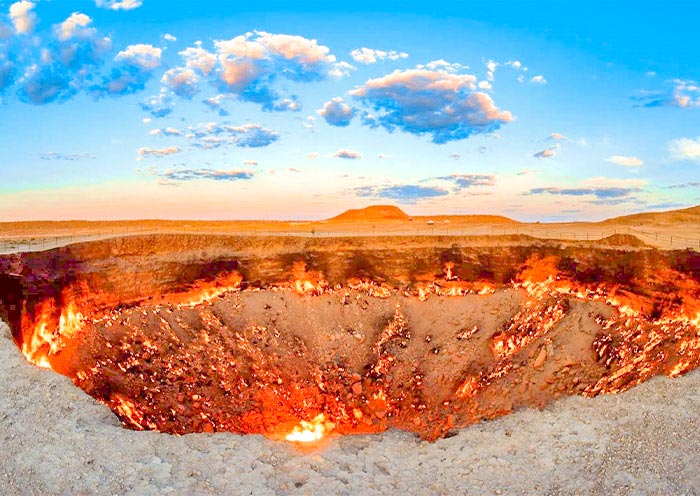
I visited Almaty (Kazakhstan), Bishkek (Kyrgyzstan), Tashkent, Bukhara, Samarkand (Uzbekistan), the Seven Lakes of Panjikent (Tajikistan), and Ashgabat, Darvaza Gas Crater (Turkmenistan)—covering the highlights of all five Central Asian countries.
What made the difference was professional guidance and thoughtful planning:
- Experienced guides spoke English and Russian, helping with communication, etiquette, and local insights.
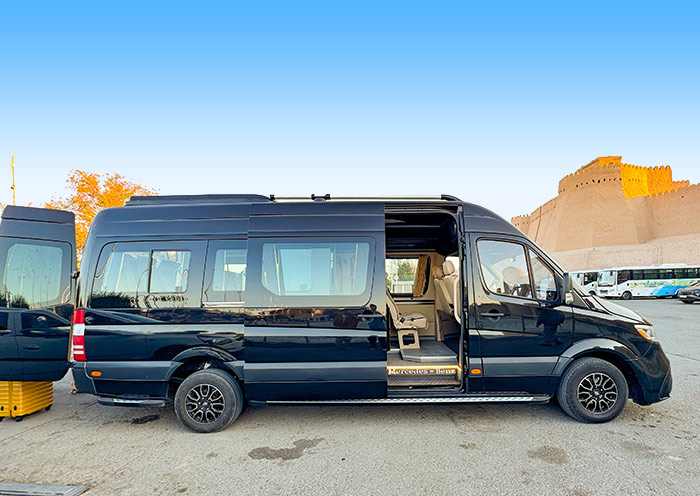
- Skilled drivers in 9-seat Mercedes vans had 8+ years of accident-free experience and knew local roads inside out.
- Minimal public transport meant fewer surprises, though we safely experienced Tashkent Metro and high-speed trains in Uzbekistan.
- Practical support included clothing advice, restaurant recommendations, and help ordering food—making daily life easy and stress-free.
- Group travel itself offered extra security and peace of mind, with the guide always available to assist.
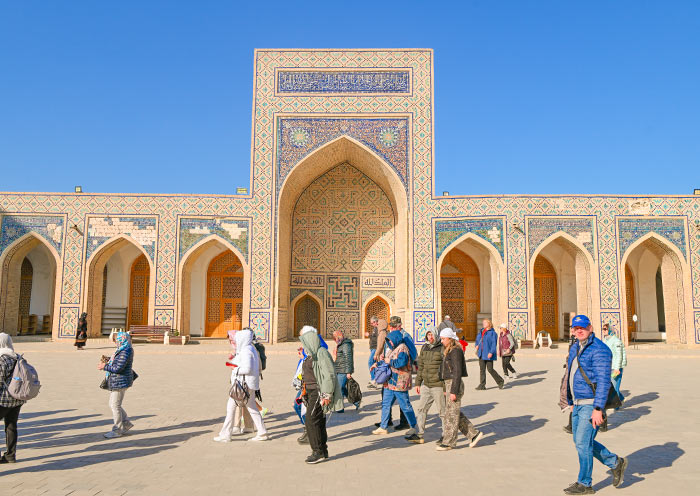
Traveling with Asia Odyssey Travel didn't limit freedom—it enhanced it, letting me fully enjoy Almaty's mountains, Samarkand's blue domes, Bukhara's bazaars, and Panjikent's serene lakes without worry.
Central Asia Itinerary: 10 Days, 2 Weeks, 3 Weeks, 1 Month
Uzbekistan Kyrgyzstan Itinerary: 2 Routes for First Timers
My 16-Day Itinerary of Central Asia Panoramic tour
Day 1 – Almaty Arrival: Airport pick-up, hotel check-in, and free time to explore.
Day 2 – Almaty City Tour: Museum, Central Mosque, Green Bazaar, Panfilov Park, and Kok-Tobe Hill.
Day 3 – Almaty Day Trip: Visit Charyn Canyon and return to Almaty.
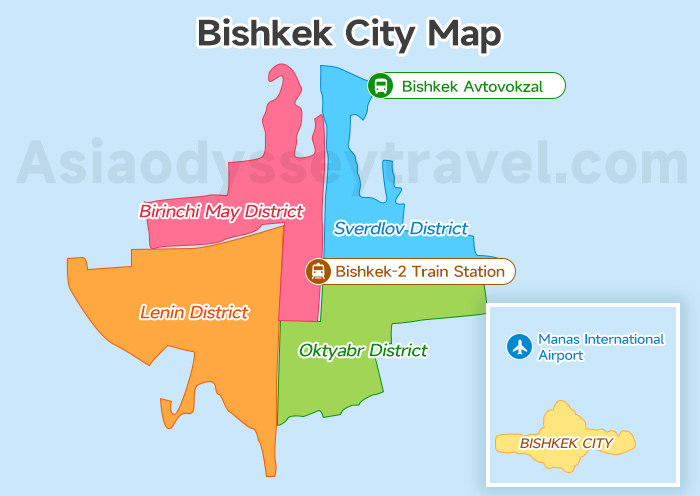
Day 4 – Almaty to Bishkek: Morning flight and half-day city tour of Bishkek.
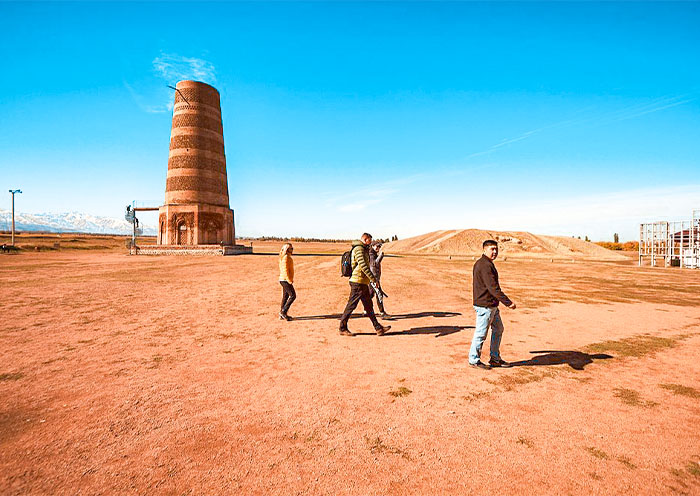
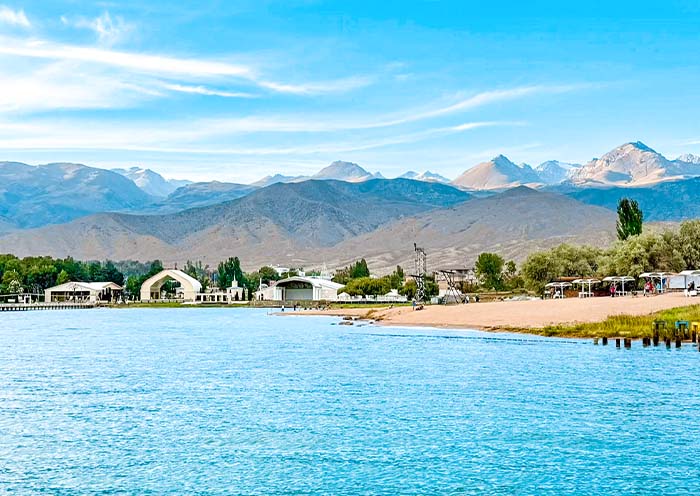
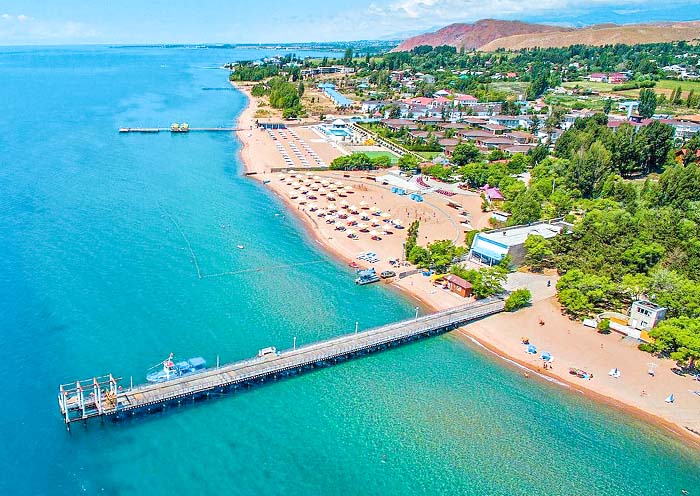
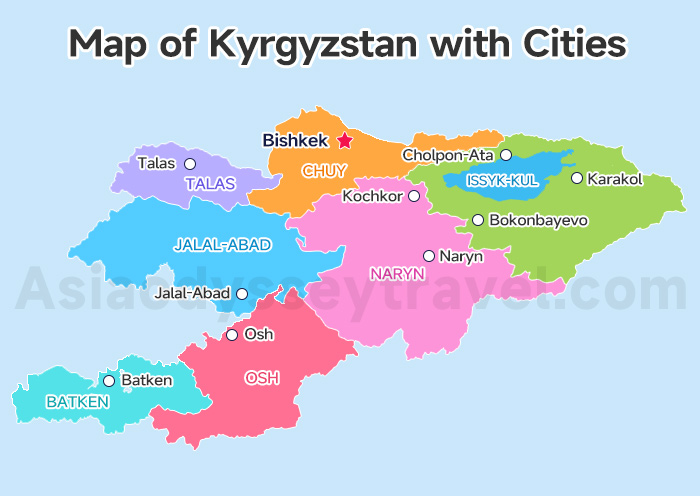
Day 5 – Bishkek to Issyk-Kul Lake: Burana Tower and lakeside stay in Cholpon-Ata.
Day 6 – Issyk-Kul Region: Petroglyphs Museum, Grigoriev Gorge, then return to Bishkek.
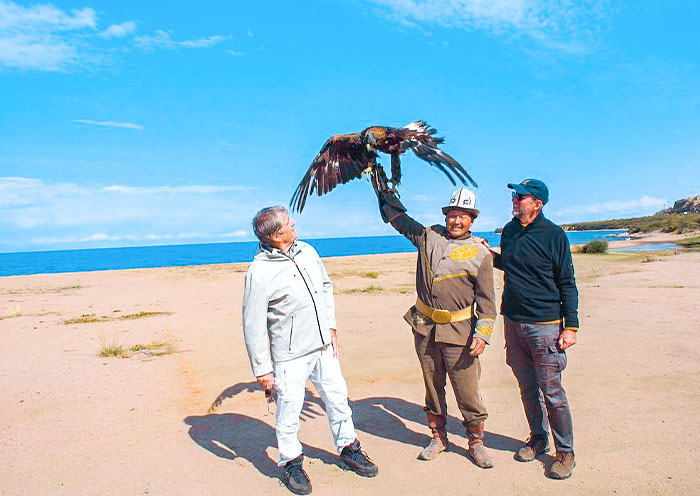
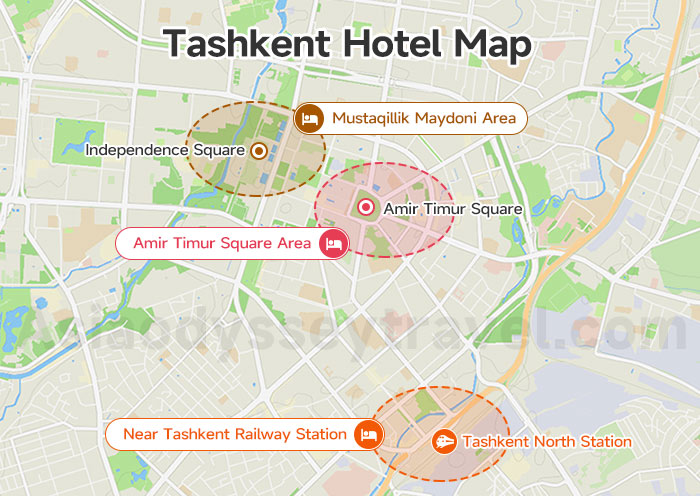
Day 7 – Bishkek to Tashkent: Flight and half-day Tashkent city tour, including the metro.
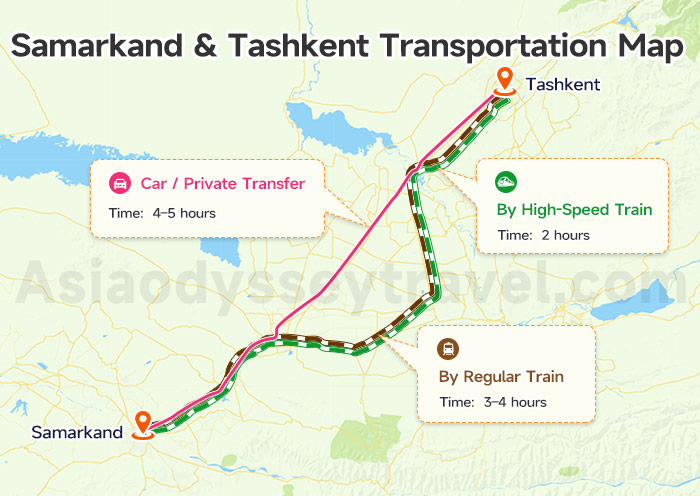
Day 8 – Tashkent to Samarkand: High-speed train and visit to museums and observatory.
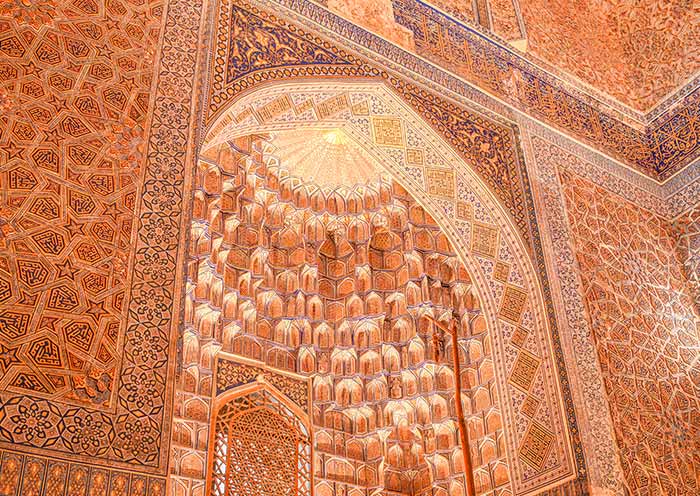
Day 9 – Samarkand Highlights: Registan, Timur's tomb, bazaars, and Shahi Zinda.
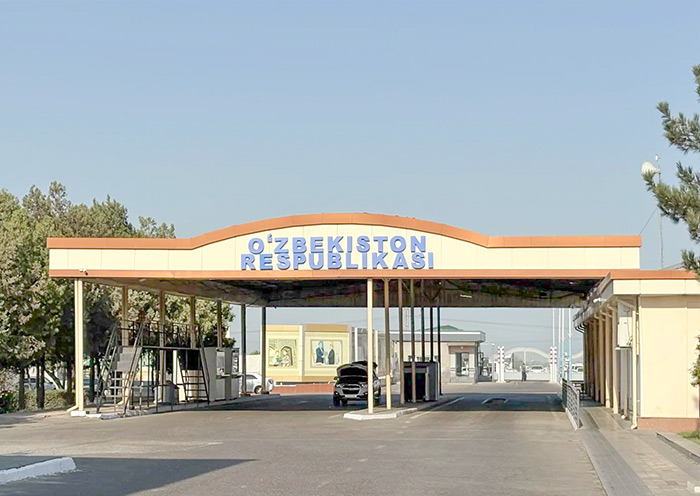
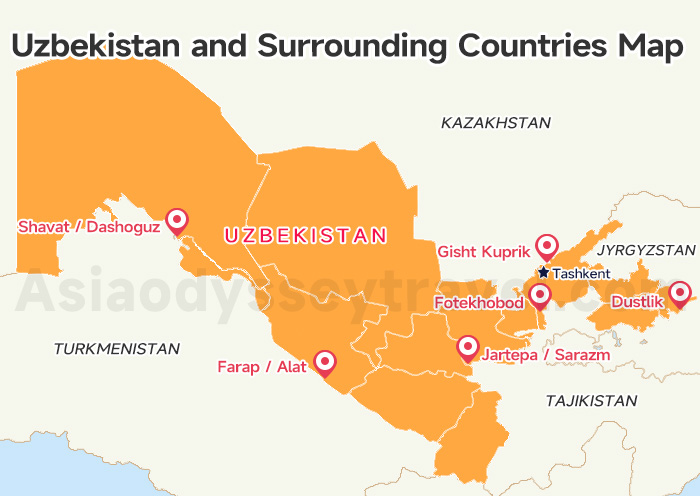
Day 10 – Samarkand to Tajikistan: Cross Jartepa border and explore the Seven Lakes, with a short hike.
Day 11 – Penjikent to Bukhara: Visit ancient Penjikent sites, then cross back to Uzbekistan.
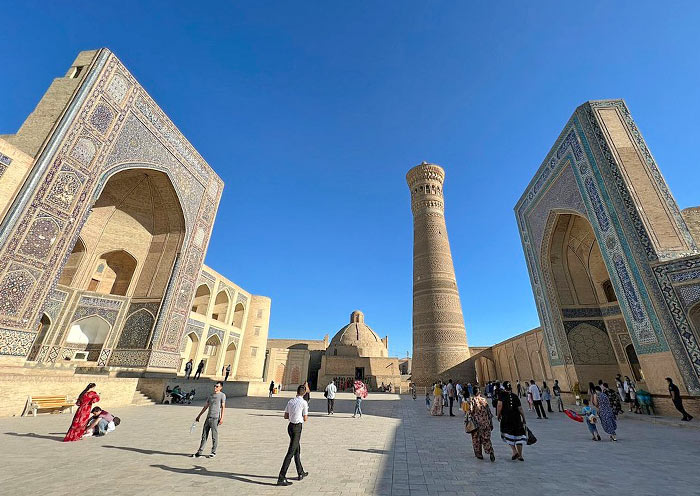
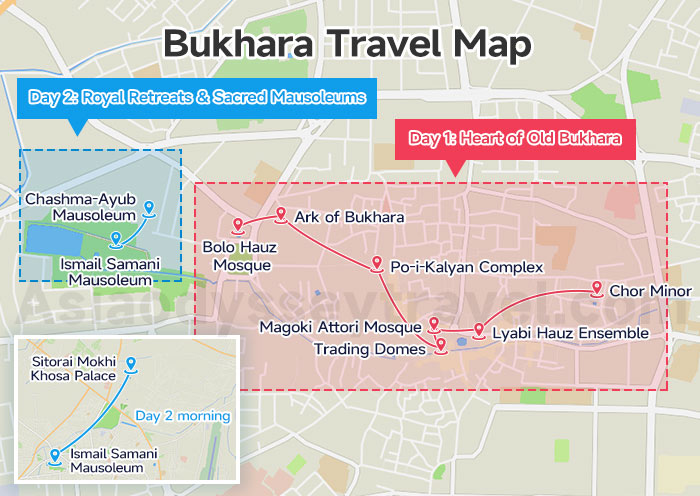
Day 12 – Bukhara City Tour: Madrasahs, minarets, old trading domes, and Lyabi Hauz.
Day 13 – Bukhara to Ashgabat: Cross into Turkmenistan via Merv and Mary.
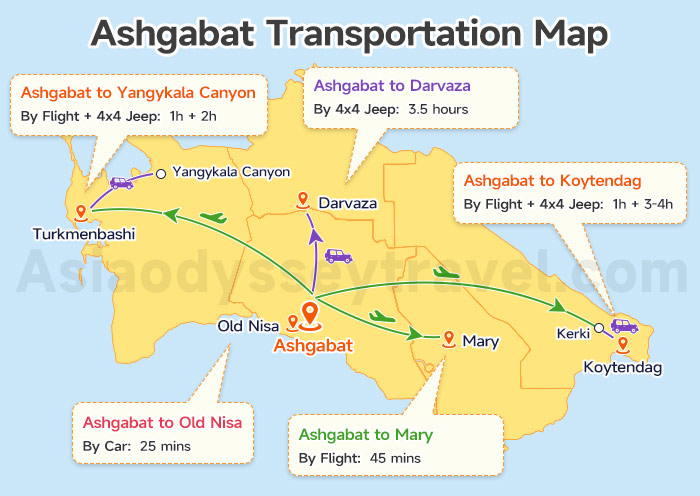
Day 14 – Ashgabat & Darvaza: City tour and visit the Darvaza Gas Crater.
Day 15 – Ashgabat Exploration: Mosques, horse stables, local bazaar, and city landmarks.
Day 16 – Departure: Hotel check-out and airport transfer.
My Real Feedback After Traveling to Central Asia
I've been back from Central Asia for two months, and besides my friends admiring the stunning photos I took, they still have questions about whether it's safe. I've collected some of these, and below are my real feelings and feedback:
Is Central Asia safe for solo travelers and women?
From what I personally experienced — yes.
City centers felt calm and relaxed. I walked around historic areas during the day without any sense of pressure. Locals were curious sometimes, but respectful.
It never felt chaotic or tense. Just quiet and culturally different.
Basic travel awareness still applies — modest dressing and avoiding empty areas late at night — but nothing beyond normal global travel precautions.
Is it safe to walk around at night?
In Samarkand, Bukhara, Almaty, and Tashkent, evenings were peaceful.
Not "busy nightlife" cities — more like calm, slow evenings. Streets empty out early, which can feel unfamiliar at first, but not unsafe.
If I felt unsure, I used taxis. They were affordable and easy.
Are scams and pickpocketing common?
I didn't experience scams.
In bazaars, you should watch your belongings — like anywhere crowded in the world. Taxi pricing should be agreed in advance.
But compared to many major tourist cities globally, I actually felt less pressured here.
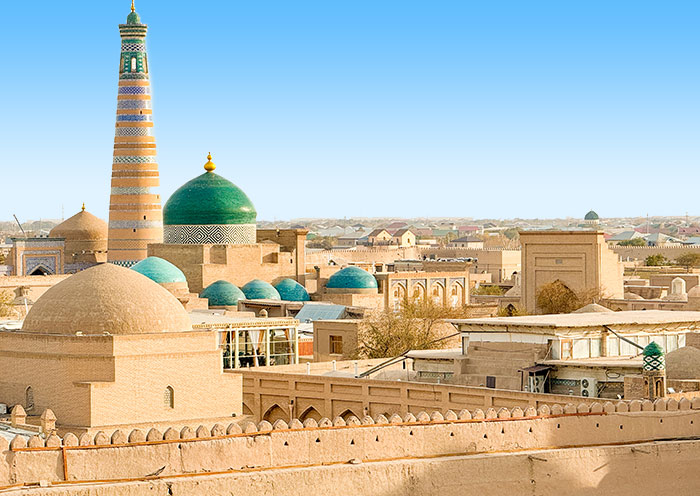
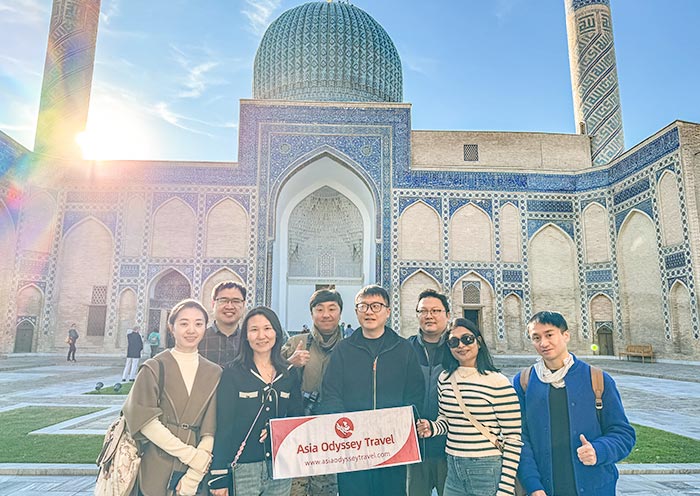
Is it safe to visit areas near Afghanistan?
This was one of my biggest concerns before going.
In reality, tourist routes are nowhere near conflict areas. Everything I visited — Uzbekistan, Kazakhstan, Kyrgyzstan, Tajikistan — felt stable and organized.
You do not "accidentally" end up in dangerous zones.
Is traveling with a tour safer than going independently?
For many travelers, yes. A guided tour reduces language barriers, handles transport and permits, and provides immediate help if something goes wrong.
It's not about danger—it's about peace of mind and smoother travel, especially in less familiar regions.
Is religion a safety concern in Central Asia? What should I know when visiting mosques?
Not at all.
Central Asia is culturally Muslim, but daily life feels very secular. Mosques welcome visitors. The key is respect — covered shoulders and knees, remove shoes, keep quiet during prayer times.
It felt more about etiquette than safety.
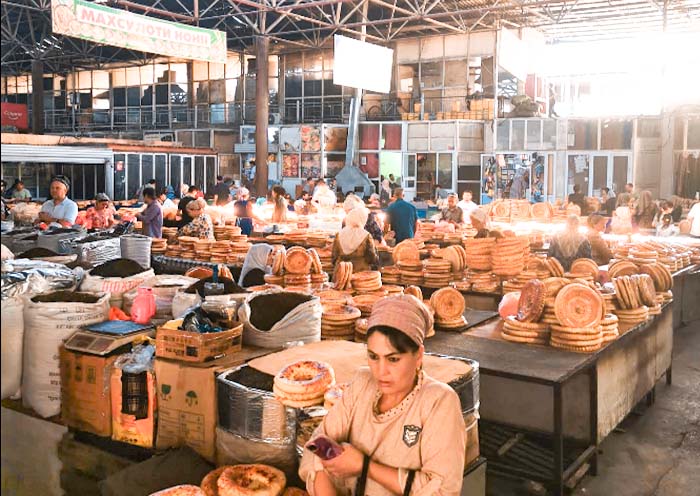
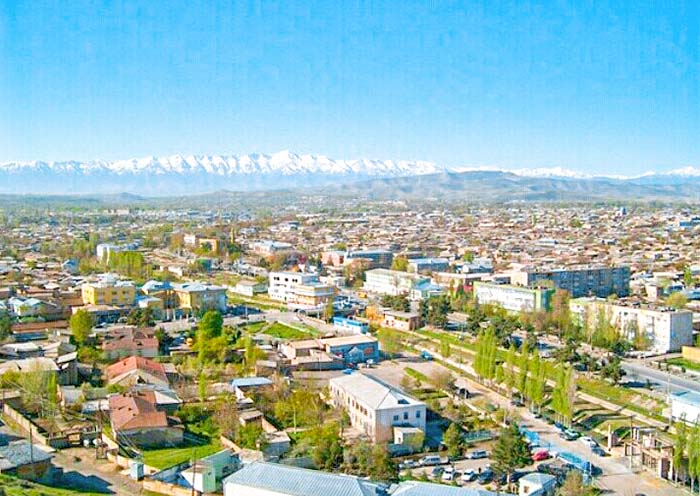
Which specific areas in Central Asia may cause altitude sickness?
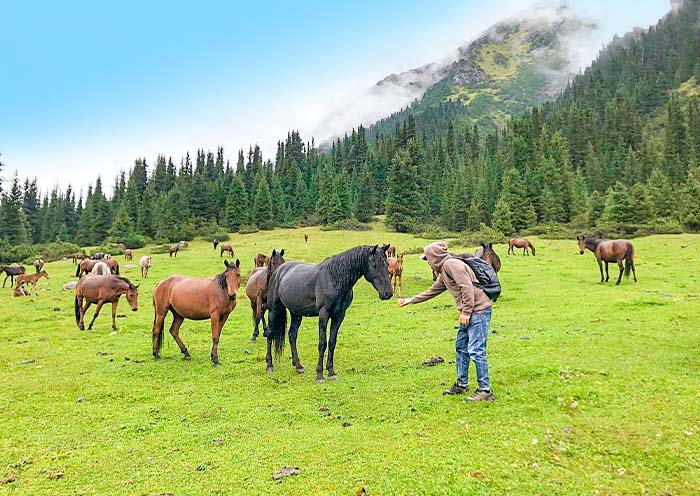
Only specific regions are high-altitude — like the Pamir Highway or certain mountain lakes in Kyrgyzstan and Tajikistan.
Major cities like Samarkand and Bukhara are not high-altitude destinations.
Knowing this in advance removes unnecessary anxiety.
Central Asia has huge deserts—are these "no-man's lands"? Is private car travel safe?
The deserts (Kyzylkum, Karakum) sound intimidating, but tourist routes are well-planned.
Roads, fuel stops, and drivers are experienced. It never felt like crossing "no-man's land."
Proper planning makes a huge difference.
Are trains safe in Central Asia? Would you recommend using them?
Yes.
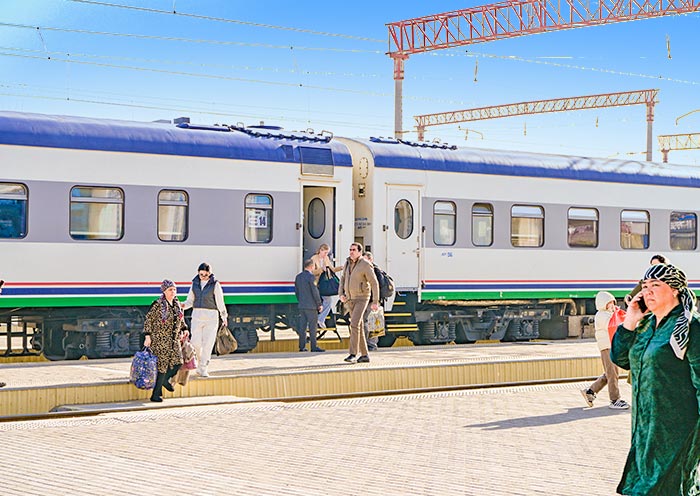
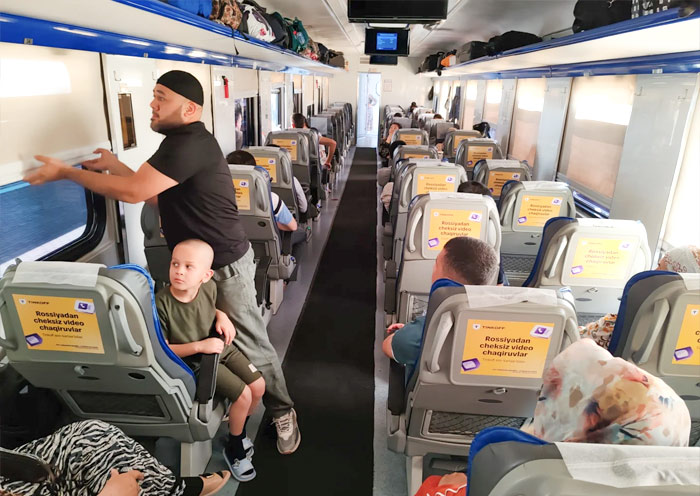
I took the train from Tashkent to Samarkand — it was modern, organized, and secure.
Although not all Stations have security checks. Seating is assigned. It felt very structured and safe.
Explore Central Asia's Nature and Historical Sites with Asia Odyssey Travel
This closing section is here to help you take the next step from planning to traveling.
As a locally connected travel agency, Asia Odyssey Travel works directly with experienced local guides, professional drivers, and our own trusted vehicle teams, ensuring your journey across Central Asia is safe, smooth, and well-organized—from airport pickup to your final farewell.
Our Single-Country Tour Collections
For travelers who want to slow down and truly understand one destination, our single-country tours focus on history, culture, landscapes, and local life:
- Uzbekistan Tours– Silk Road cities, UNESCO heritage, and Islamic architecture
- Kazakhstan Tours– modern cities, steppe landscapes, and mountain scenery
- Kyrgyzstan Tours– alpine lakes, nomadic culture, and outdoor experiences
- Tajikistan Tours– the Pamir Highway and high-mountain adventure
- Turkmenistan Tours– ancient ruins, desert landscapes, and unique traditions
These itineraries are guided by local experts, paced for comfort, and ideal for first-time and repeat visitors alike.

Our Central Asia multi-country Tour Collections
Classic Central Asia Tours: Central Asia Group Tours, Central Asia Tours, Five Stans Tours
Central Asia Tours by Departure Market: Central Asia Tour from Singapore, Central Asia Tour from Malaysia, Central Asia Tour from UK, Central Asia Tour from India, Central Asia Tour from USA, Central Asia Tour from Australia
Follow Asia Odyssey Travel to explore Central Asia's legendary Silk Road cities, dramatic landscapes, and living traditions—from Samarkand, Bukhara, and Khiva, to Almaty, Bishkek, Dushanbe, Ashgabat, and beyond. With strong local partnerships and on-the-ground support, we make Central Asia accessible, safe, and deeply rewarding.


 Data in submission...