+852 5394 6901
 Take China Group Tours in 2026/2027 to enjoy 30% discount compared to private tour. Same Experience & Lowest Price!
Your Calendar of the Accessible Asian Festivals by Month
From the massive ice carvings of Harbin in January to the month-long Christmas festivities in the Philippines in December, there's an iconic event happening every month of the year.
Use this calendar to track lunar dates (which cause timing variations) and secure your spot at one of the greatest festivals in Asia.
| Month | Festival | Country / Region | Date |
|---|---|---|---|
| Jan | Harbin Ice and Snow Festival | Harbin (China) | Runs through January and February. |
| Thaipusam | Malaysia, Singapore, India | Varies, often late January or early February. | |
| Ati-Atihan Festival | Philippines | Third week of January. | |
| Feb | Chinese New Year | China, Thailand, Vietnam, Malaysia, Singapore and Philippines | Varies, usually late January or February. |
| Taiwan Lantern Festival | Taiwan (China) | Marks the end of Lunar New Year; Varies (Feb/Mar). | |
| Mar | Holi - Festival of Colors | India, Nepal | Varies, often early to mid-March. |
| Apr | Songkran (Water Festival) | Thailand, Laos, Cambodia | Mid-April (usually April 13th to 15th). |
| Cherry Blossom Festivals (Hanami) | Japan, South Korea | Varies by region, typically early to mid-April. | |
| May | Vesak (Buddha Day) | Across Buddhist Asia (Sri Lanka, Thailand, Indonesia, Singapore, Vietnam) | Varies, often in May or early June. |
| Jun | Dragon Boat Festival (Duanwu) | China (inc. Hong Kong, Taiwan) | Varies, often late May or June. |
| Bali Arts Festival | Bali (Indonesia) | Runs for a month, typically starting mid-June. | |
| Jul | Gion Matsuri | Kyoto (Japan) | Throughout July, with main procession on July 17th. |
| Naadam | Mongolia | July 11th to 13th. | |
| Boryeong Mud Festival | South Korea | Late July to Mid-August. | |
| Aug | Hungry Ghost Festival | China, Malaysia, Singapore | Varies, often August or early September. |
| Sep | Mid-Autumn Festival | China, Vietnam, Singapore | Varies, often September or early October. |
| Onam | Kerala (India) | Varies, often August or September. | |
| Oct | Dashain & Durga Puja | Nepal, India, Bangladesh | Varies, often late September or October. |
| Thimphu Tshechu | Bhutan | Varies, often late September or early October. | |
| Nov | Diwali (Deepavali) | India, Singapore, Malaysia | Varies, often late October or November. |
| Thai Lantern Festival | Thailand | Varies, usually falls in November. | |
| Dec | Christmas (Pasko) Celebrations | Philippines | Starts December 16th (Simbang Gabi) and runs through the end of the month. |
Here are the details on the famous festivals in Asia that travelers rave about year after year. This Asian celebrations and festivals list covers everything you need to know to join in.
1. Harbin Ice and Snow Festival: China's Winter Wonderland (Jan to Feb)
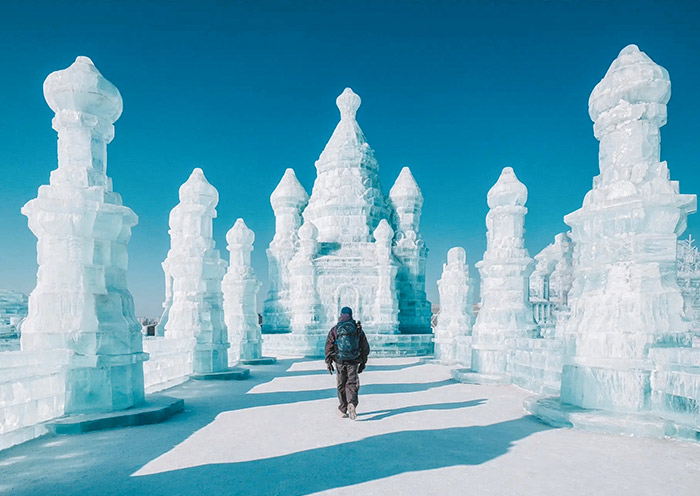

Location: Harbin, China
Timing: January to February
Accessibility: Easy for tourists to join (ticketed entry required).
If you're heading to China in the depths of winter, you absolutely cannot miss the Harbin Ice and Snow Festival.
It's a relatively modern marvel, starting small in the 1960s before exploding into one of the world's four largest ice and snow festivals—up there with the famous ones in Japan and Canada!
Opening officially around January 5th and running until February end, this spectacle is highly accessible.
The key is knowing where to go: you'll want tickets for Ice and Snow World (冰雪大世界, for the gigantic illuminated palaces), Sun Island (太阳岛雪博会, for massive snow sculptures), and the Zhaolin Park Ice Lantern Fair (冰灯游园会).
Ready to join in? We can make it easy! Let us handle securing those tickets when you book your China winter trip with Asia Odyssey Travel.
What you'll experience is breathtaking: towering ice and snow sculptures that look like real, giant buildings. At night, the ice lantern shows light everything up in dazzling colors. You can even join the fun by zooming down a huge ice slide or trying snowmobiling.
Just remember to reward yourself afterward with some hearty local Northeastern Chinese cuisine to warm up!

2. Thaipusam: The Hindu Festival of Devotion (Late Jan to Early Feb)
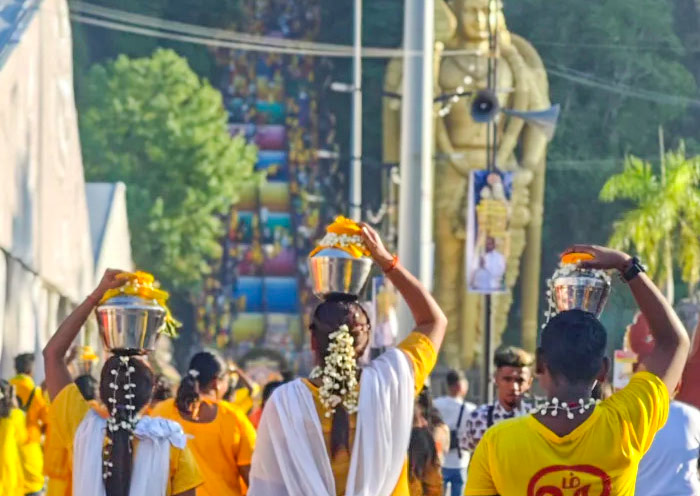
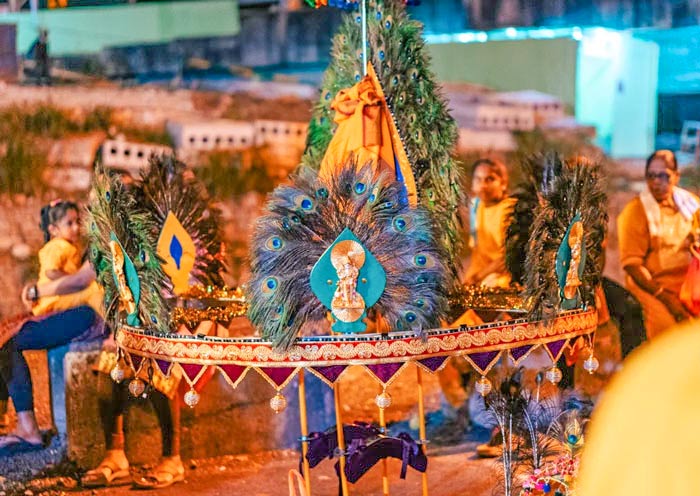
Location: Malaysia, Singapore, India
Timing: Late January or early February
Accessibility: Open for respectful observation (conservative dress essential).
Speaking of spectacle, if your trip coincides with the full moon in late January or early February, you could witness the intense devotion of Thaipusam.
The worship of Murugan dates back to the Tamil Sangam era (around the 3rd century CE), but the festival as celebrated by the diaspora in Malaysia and Singapore has a more recent history of about 160 years.
As a tourist, you are welcome to observe the processions of penitents carrying ornate kavadi structures, particularly at the Batu Caves in Kuala Lumpur. Please remember to respect the religious rituals, keep quiet and be polite!
The atmosphere is intense, loud and incredibly moving—just ensure you dress conservatively to respect this sacred Asia celebration.
3. Ati-Atihan Festival: The Philippines' Wildest Street Party (Mid-Jan)
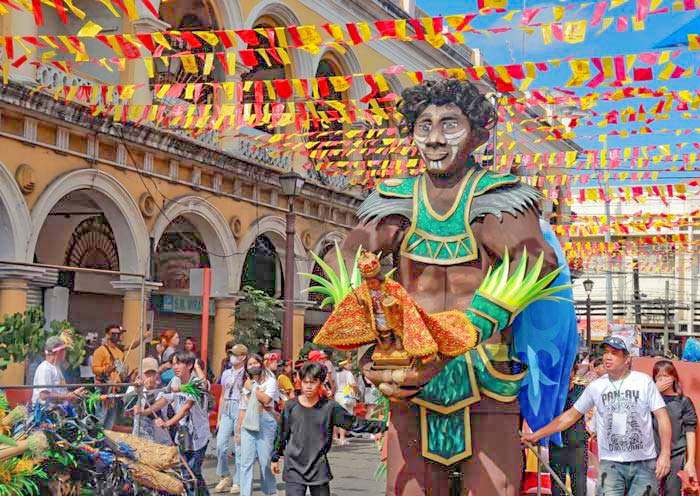
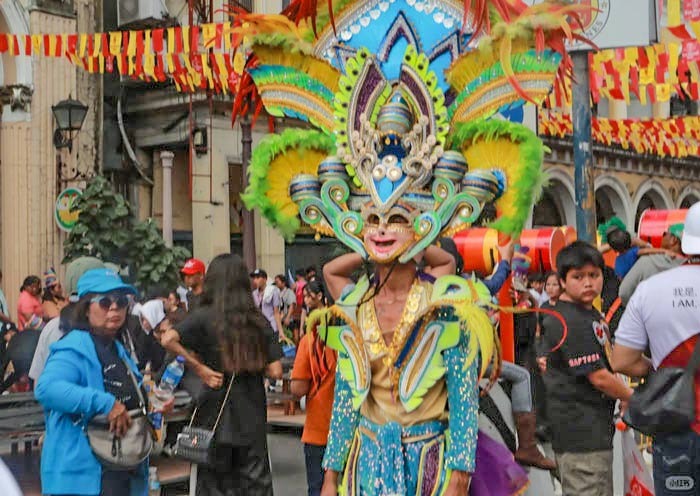
Location: The Philippines
Timing: Mid-January (usually the third week).
Accessibility: Easy to get into (participation in the street party is encouraged).
For a total contrast, plan to be in the Philippines in mid-January for the most joyous week-long street party on the list: the Ati-Atihan Festival in Kalibo.
The festival's origins are ancient, with historical accounts dating back to 1212 AD, when Malay chieftains settled peacefully among the indigenous Ati people.
Today, it's a high-energy celebration that is easy to get into—just step into the street, and you're instantly part of the action!
The streets are pure carnival: non-stop music, dancing and costumed revelers. You'll see participants painted black and wearing elaborate warrior costumes.
Want to dive deeper into the atmosphere? You can purchase a local mask or paint to blend right in with the crowds.
4. Chinese New Year: The Biggest Celebration in Asia (Late-Jan to Feb)
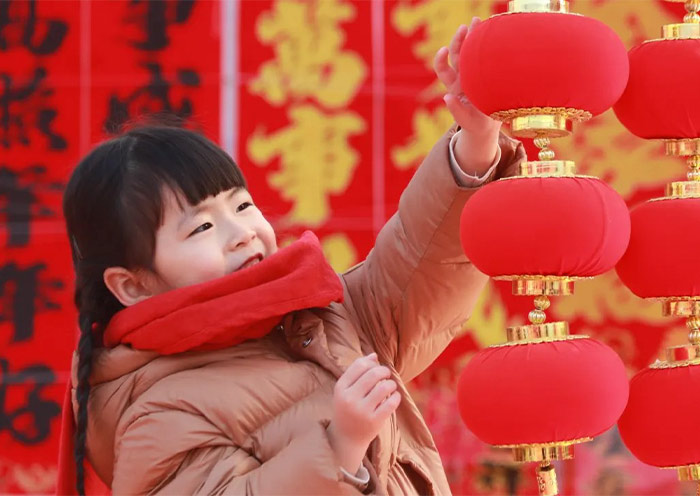
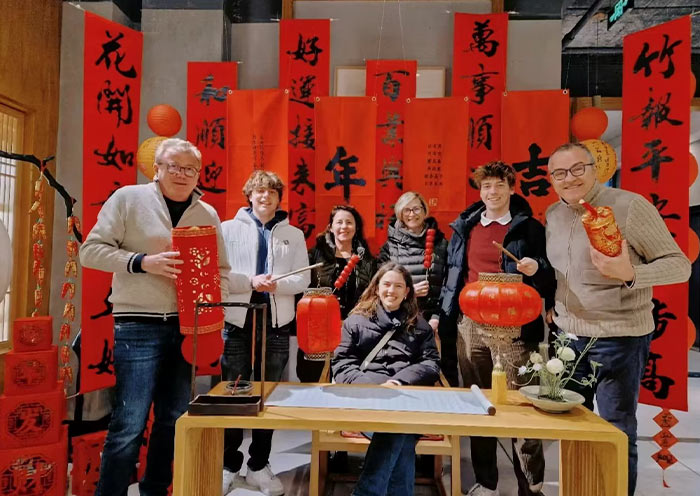
Location: All of China, Singapore, Vietnam, etc.
Timing: Late January or February (Lunar calendar start).
Accessibility: Generally welcoming (public events are wide open for viewing).
Moving into late January or February, you hit the peak of the Chinese New Year (or Spring Festival), the single most significant festival in Asia.
This festival is ancient, with origins traced back over 3,500 years! While the core holiday is a private, family reunion, the public events are grand and generally welcoming.
In Mainland China: Seek out temple fairs at parks like Beijing's Ditan (地坛公园), or travel to Sichuan for the spectacular Zigong Lantern Fair (自贡灯会). In Zhangjiajie, join in the Tujia ethnic group's "Guo Gannian (过赶年)" customs, featuring folk dances and the Long Dragon Banquet (长龙宴).
In Asian Chinatown (like Thailand, Vietnam, Malaysia, Singapore and Philippines): Look for stunning night parades, spectacular fireworks displays, and energetic lion and dragon dances that take over the streets.
What you'll experience is a palpable, noisy atmosphere of renewal, good fortune, and iconic red and gold décor!
Chinese Festivals: 11 Traditional Celebrations in China
5. Taiwan Lantern Festival: A Sea of Light to End the Lunar Year (Late-Feb to Early-Mar)

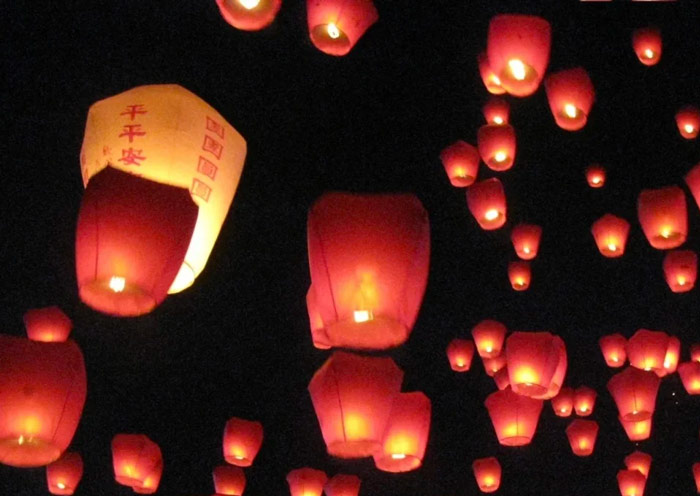
Location: Taiwan
Timing: Late February or early March
Accessibility: Simple to experience.
If you miss the Chinese New Year, the Taiwan Lantern Festival provides a stunning finale in late February or early March.
The tradition of lighting lanterns to mark the end of the Chinese New Year is ancient, but the modern and large-scale Taiwan Lantern Festival—with its annually rotating host city (Taipei, Taichung or Kaohsiung) and massive artistic displays—is a much newer production designed to promote tourism and culture.
It's highly accessible! Head to Pingxi (平溪) to join thousands releasing wish-filled sky lanterns for the most iconic moment.
6. Holi: India's Exuberant Festival of Colors (Early to Mid-Mar)
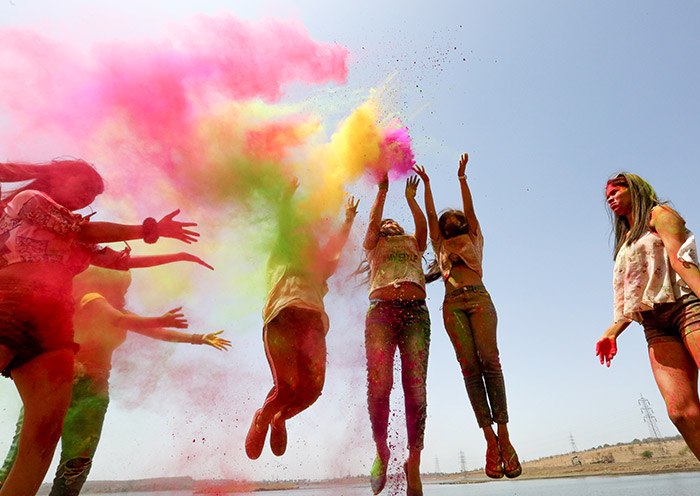
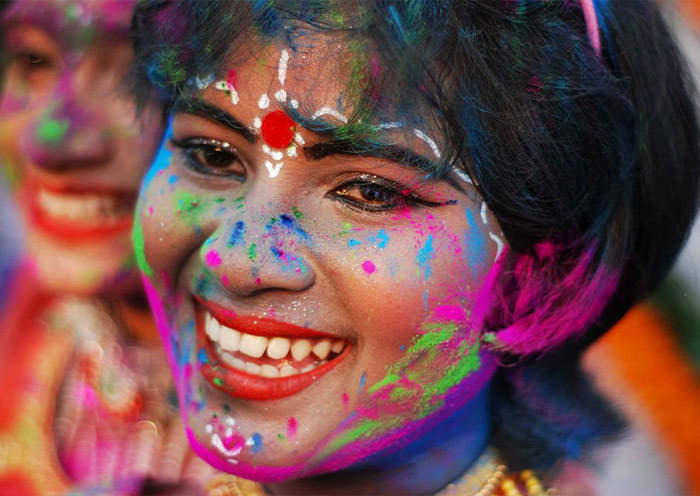
Location: India, Nepal, and Hindu communities worldwide.
Timing: Early to mid-March
Accessibility: Totally welcoming, and encouraged (wear old clothes!).
As spring arrives, the fun gets messy! Holi, held on the full moon in early to mid-March in India and Nepal, is an ancient festival with origins in religious texts dating back several centuries before Christ (BCE).
It is one of the most fun and highly accessible Asian festivals. The streets erupt as people throw bright colored powders (gulaal) and splash water.
If you want to join (and you should!), buy gulaal and dance to the music, ensuring you join an organized, safe event or party with trusted friends.
7. Songkran: The Thai (and Lao) New Year Water Festival (Mid-Apr)
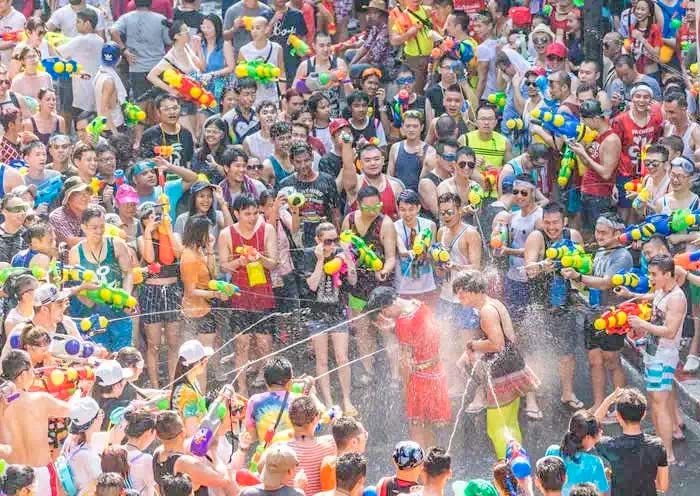
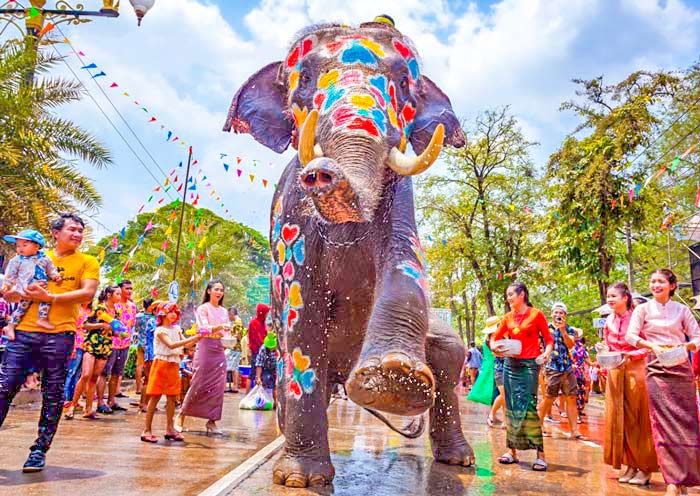
Location: Thailand, Laos, Cambodia
Timing: Mid-April (usually April 13th to 15th).
Accessibility: Mandatory participation (you will get wet!).
The perfect follow-up to Holi is Songkran, the ultimate April cooldown!
Held around mid-April (April 13th to 15th), this festival has roots in ancient Buddhist and Hindu traditions, symbolizing the washing away of sins.
While the ritual of water pouring is centuries old, the massive, multi-day, full-scale water fight you see today is a more modern interpretation of the tradition.
As a traveler, participation is mandatory—grab a water gun or bucket and join the exhilarating chaos!
Warm tip: Remember to bring waterproof bags to protect your belongings!
8. Cherry Blossom Festivals (Hanami): Japan's Springtime Perfection (Late Mar to Early Apr)
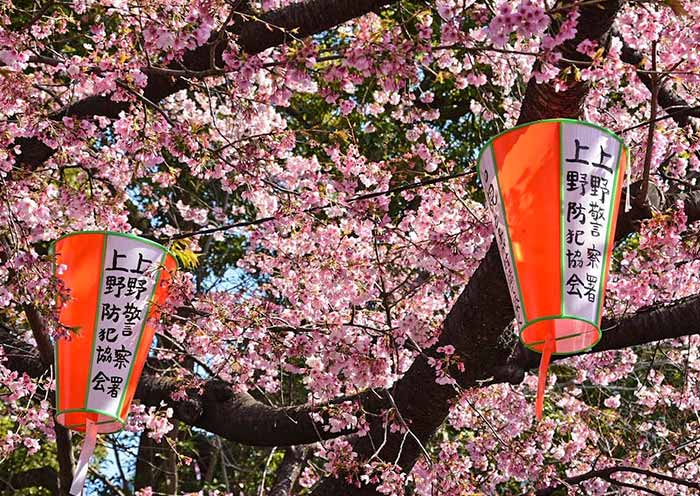
Location: Japan, South Korea
Timing: Peak is usually late March to early April (moves North).
Accessibility: Very easy to experience (open public parks).
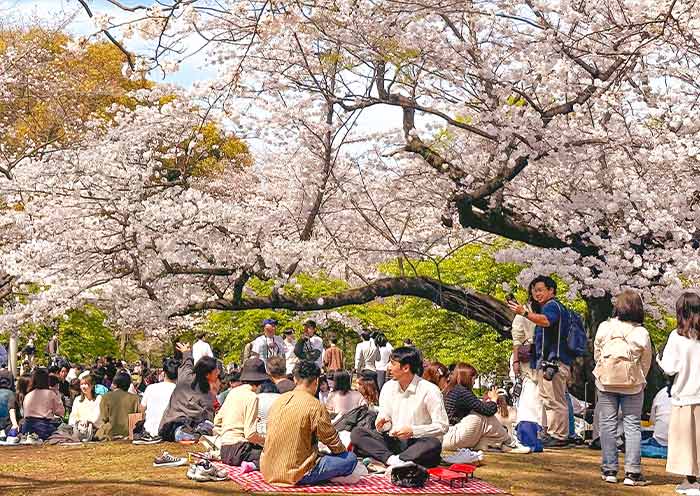
For something quieter but equally spectacular, the arrival of the cherry blossoms, or Hanami, is Japan's biggest springtime celebration!
The tradition dates back to the Nara Period (710–794 CE), making it a centuries-old ritual. Today, it is very easy to experience through picnics and riverside strolls.
Timing your trip is key, as the "blossom front" moves north each spring. Peak viewing generally falls in late March to early April in central regions like Tokyo, Kyoto, Osaka and Seoul.
If you're heading further south (like Jeju Island, Izu Peninsula or Kyushu), the season starts earlier from late February; further north (like Hokkaido), it can last until early May.
Where to see them?
In Japan, join locals for a traditional Hanami picnic at Ueno Park (Tokyo) or stroll along Kyoto's Philosopher's Path.
In South Korea, visit Seoul's Yeouido Park or the famous Jinhae Festival. The atmosphere is gently reflective, appreciating the beautiful, fleeting season.
9. Vesak (Buddha Day): Lights, Lanterns and Spiritual Renewal (May to Early Jun)
Location: Sri Lanka, Thailand and Buddhist Asia.
Timing: May or early June
Accessibility: Open to observation (visiting temples is encouraged).
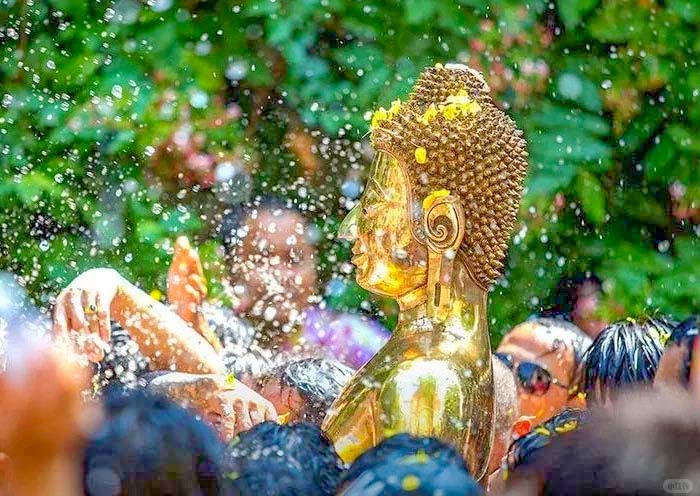
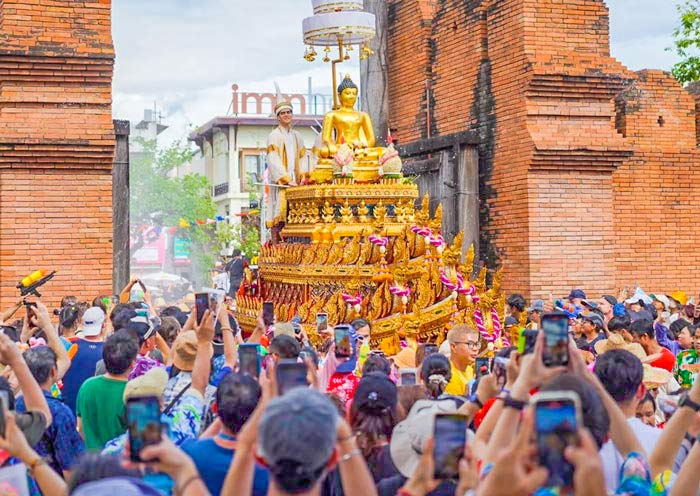
Moving into May or early June, the full moon brings Vesak across Buddhist Asia.
This festival commemorates the life of the Buddha, with celebrations dating back over 2,500 years. This is an accessible and deeply reverent event.
The celebration is prominent in countries like Sri Lanka (especially Colombo) and Thailand (Bangkok). We recommend visiting a local temple in the evening to observe the prayers.
You can easily participate by visiting temples to join in prayer ceremonies, lighting a lantern or candle, or taking part in organized charity activities.
You'll witness the sight of thousands of small lanterns and illuminated floats being lit, creating a beautiful, contemplative atmosphere that is both peaceful and visually stunning.
10. Dragon Boat Festival (Duanwu): Exciting Races and Sticky Rice Dumplings (Late May to Jun)
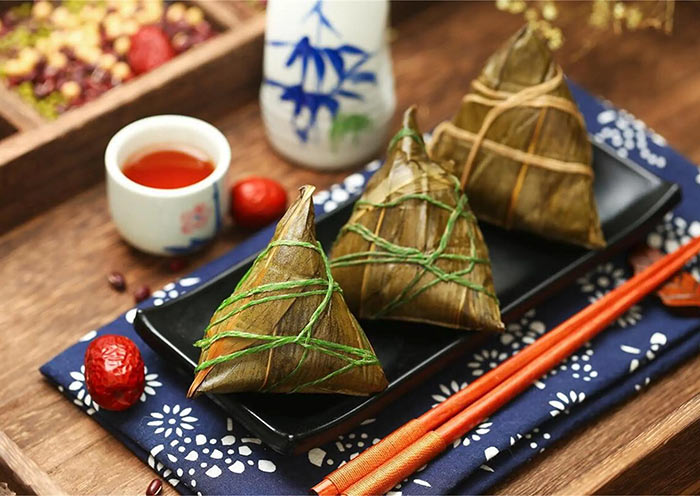
Location: Mainland China, Hong Kong, Taiwan
Timing: Late May or June
Accessibility: Simple to join in on (races are public viewing events).
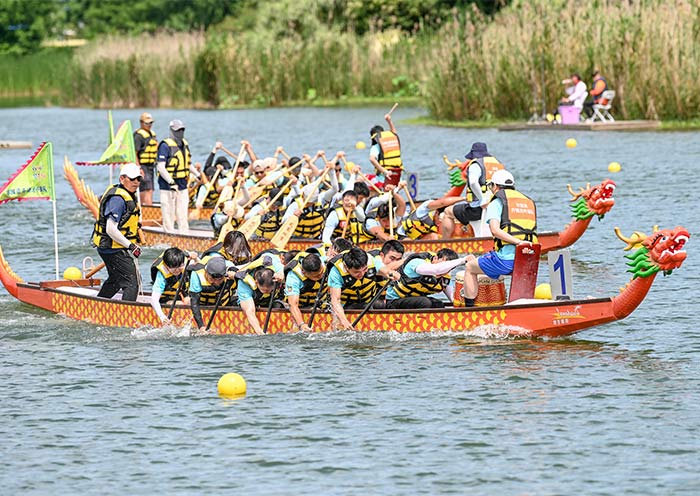
As summer ramps up in late May or June, look out for the thrilling Dragon Boat Festival in mainland China, Hong Kong and Taiwan.
This tradition is ancient, with origins dating back over 2,000 years!
The spectacular dragon boat races are a highly accessible public event, filled with pounding drums and fierce competition. Just find a spot along a local waterway and watch teams of paddlers race their long, thin boats to the beat of pounding drums.
But the fun doesn't stop there—you can also visit cultural exhibitions often set up nearby to learn about the festival's history and folklore. Make sure to try zongzi, the sticky rice dumplings eaten during the festival.
11. Bali Arts Festival: A Month-Long Celebration of Indonesian Culture (Mid-Jun to mid-Jul)
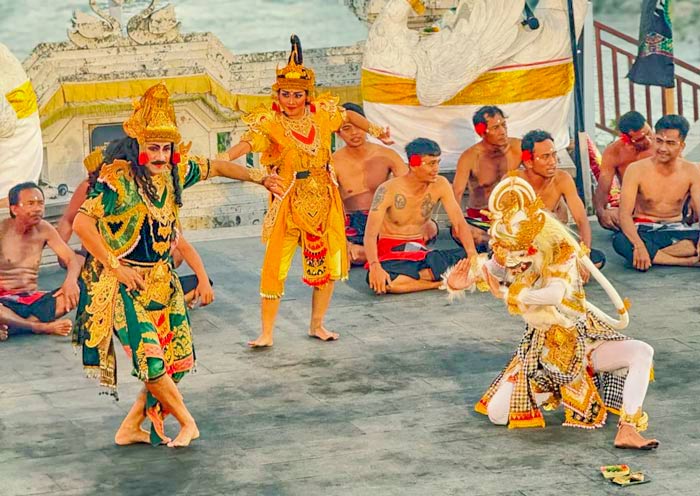
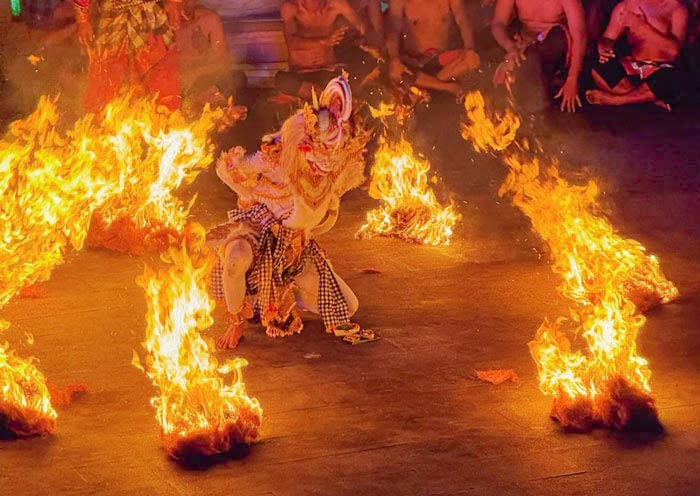
Location: Bali, Indonesia
Timing: Mid-June to mid-July
Accessibility: Public
If your trip takes you to Bali during mid-June to mid-July, the Bali Arts Festival is a fantastic cultural showcase.
Unlike the ancient rituals on this list, this festival is a modern creation, inaugurated in 1979 to promote Balinese art.
This easy-to-experience festival is a month-long public display of traditional and contemporary Indonesian arts in Denpasar Art Centre.
Here, you will be immersed in the best of Indonesian culture, from magnificent traditional dances (like the elegant Legong dance) and powerful Gamelan music performances, to diverse art exhibitions and grand cultural parades.
To ensure you lock in the best seats for the top shows, contact Asia Odyssey Travel to reserve your seats in advance!
12. Gion Matsuri: Kyoto's Grand Parade of Massive Floats (July)
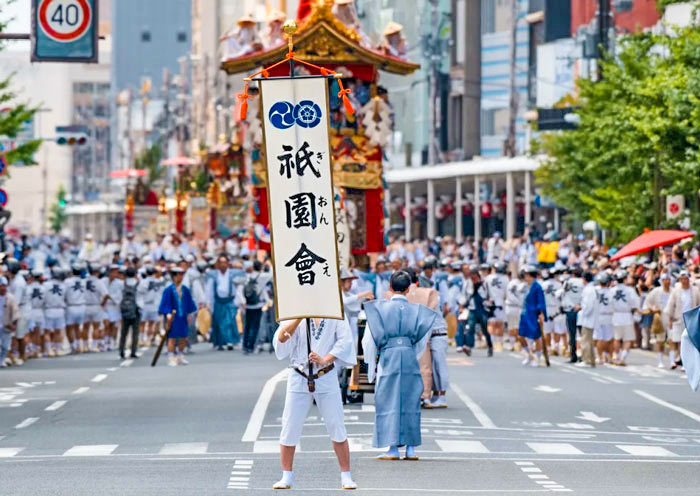
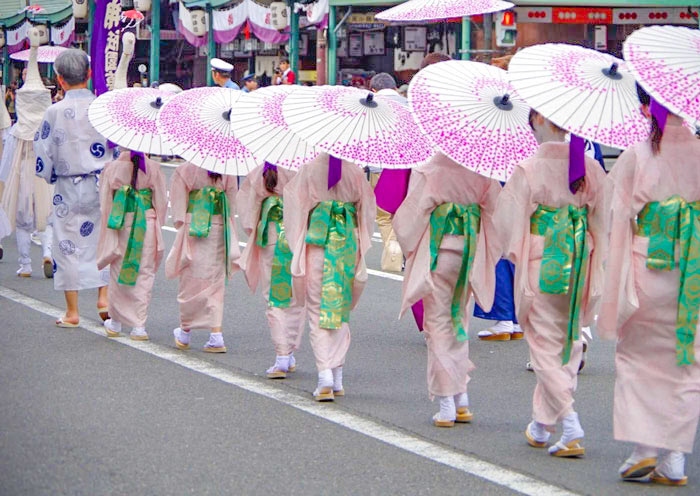
Location: Kyoto, Japan
Timing: Throughout July (main processions July 17th & 24th).
Accessibility: Wide open for viewing.
In July, Kyoto hosts its most famous Asian festival: Gion Matsuri.
This magnificent event is ancient, tracing its origins to 869 AD when it began as a purification ritual.
Today, it's a spectacle that is wide open for viewing. The main processions of the massive yamaboko floats are held on July 17th and July 24th.
The best time is actually the evenings leading up to these days, when side streets transform into lively night markets.
Grab some classic yatai treats: try savory Takoyaki (octopus dumplings), sizzling Yakisoba, and cooling Kakigori (shaved ice). For total immersion, try on a yukata (summer kimono) and enjoy the magical atmosphere!
13. Naadam: Mongolia's Ancient Festival of the Three Games (Mid-July)
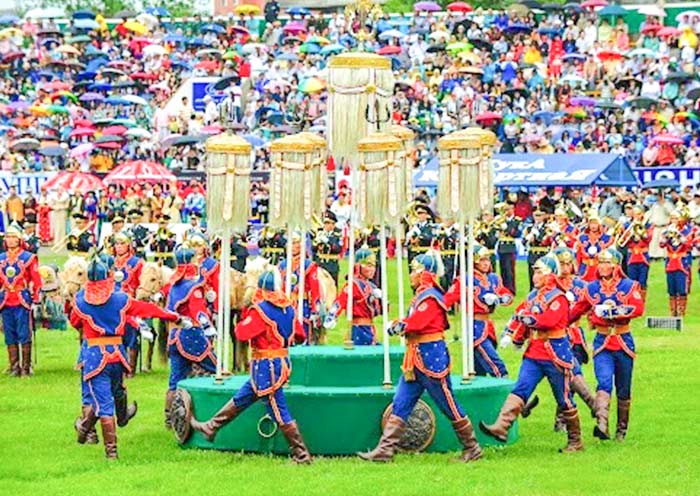
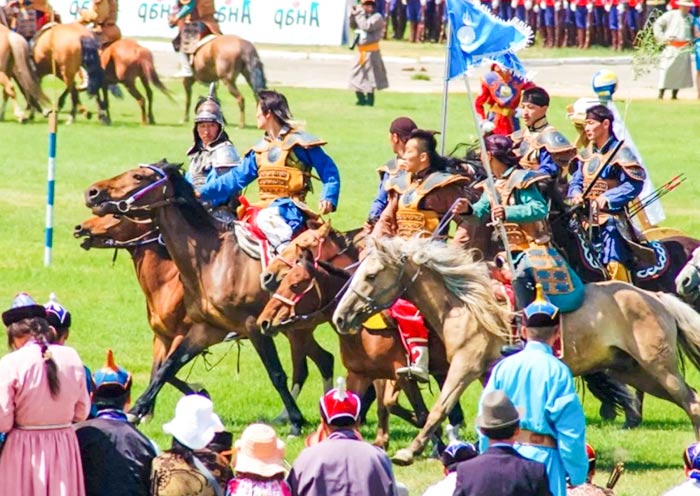
Location: Ulaanbaatar, Mongolia
Timing: Mid-July (July 11th–13th)
Accessibility: Very simple to experience (stadium tickets required).
From Japan, let's head to the wide-open steppes of Mongolia in mid-July (July 11th–13th) for Naadam.
This tradition, dating back to the time of Genghis Khan (13th century), is celebrated nationwide, but the biggest and best show is always in Ulaanbaatar.
This national festival is very simple to experience, provided you purchase tickets to enter the main stadium—that's where you'll get the best views of the opening ceremony and the legendary "Three Games of Men" (wrestling, horse racing, and archery).
But Naadam is more than just sports!
Make sure to take time to appreciate the beautiful national costumes and music performances. And, crucial for fueling up, you absolutely have to try traditional festival food like hearty roasted mutton!
14. Boryeong Mud Festival: South Korea's Messiest Beach Party (Late Jul to Mid-Aug)
Location: South Korea
Timing: Late July to mid-August
Accessibility: Totally geared for tourists (ticketed fun zones).
Want some summer fun? Visit Daecheon Beach in South Korea during late July to mid-August for the Boryeong Mud Festival.
This is easily the newest festival on the list, inaugurated in 1998, and it's perfect for releasing stress!
This event is totally geared for tourists and is pure, modern fun, featuring mud slides, massage, wrestling, as well as beach party with K-pop concerts and fireworks.
Pro Tip: Since you'll be soaked in mineral-rich mud, make sure to wear old clothes and bring a full change of clothes for after you wash off. It's a guaranteed messy blast!
15. Hungry Ghost Festival: Observe Offerings to the Spirits (Aug to Early Sep)
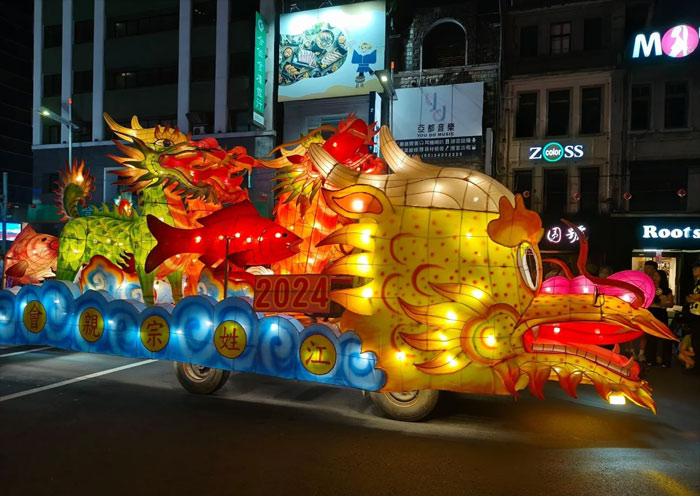
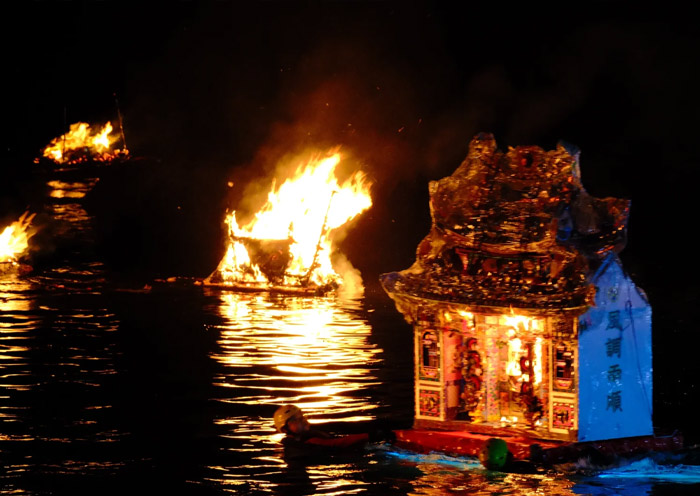
Location: Chinese communities across China, Malaysia and Singapore.
Timing: August or early September
Accessibility: Open for respectful viewing (keep distance).
Moving into August or early September (the 15th day of the seventh lunar month), the Hungry Ghost Festival offers a unique cultural look into local beliefs.
The festival's roots are ancient, dating back to the 5th and 6th centuries. This observance is prominent in Chinese communities across China, Malaysia and Singapore.
It's based on Buddhist and Taoist traditions, focused on honoring ancestors and appeasing wandering spirits.
As a traveler, you are open for respectful viewing of the rituals: watch the burning of paper offerings (like 'hell money' and paper replicas) on the streets, observe the elaborate food offerings, and sometimes catch traditional Chinese opera performances.
Remember: Never step on an offering placed on the ground or be loud or disruptive near the makeshift altars!
16. Mid-Autumn Festival: Celebrate the Full Moon with Mooncakes (Sep to Early Oct)
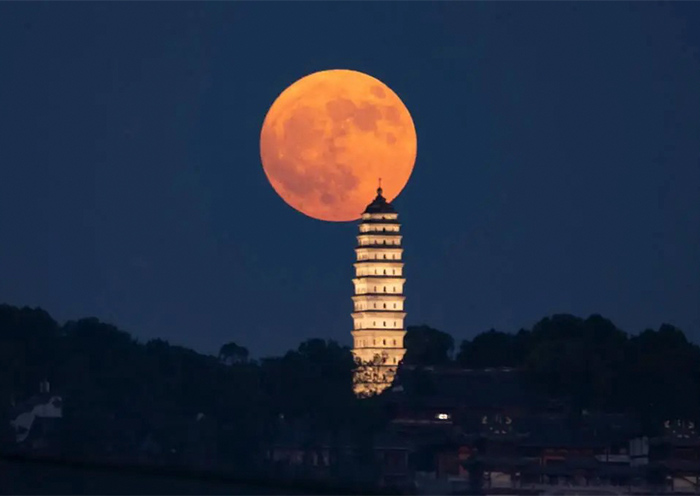
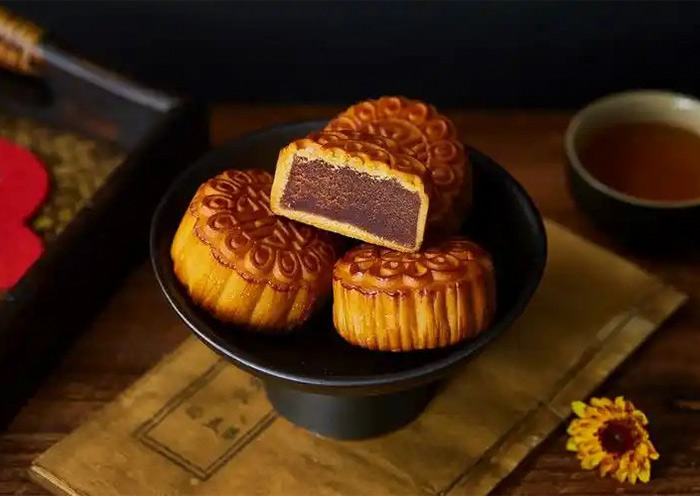
Location: China, Vietnam, and other Chinese communities
Timing: September or early October
Accessibility: Widely accessible (public parks are welcoming).
Following the intense heat of summer, the Mid-Autumn Festival brings a reflective mood in September or early October (on the 15th day of the eighth lunar month).
This ancient tradition, dating back over 3,000 years, is celebrated across China, Vietnam, and other Chinese communities.
This is a widely accessible event where families and public activities are welcoming to tourists.
The main activities are indulging in different flavors of mooncake, carrying colorful lanterns in parades, and simply admiring the perfect full moon.
Just look for public activities set up in local parks or ancient towns in China such as Beijing's Summer Palace (颐和园), Xiangshan Park (香山公园) or Jingshan Park (景山公园)!
17. Onam: Kerala, India's Colorful Harvest Festival (Late Aug to Sep)
Location: Kerala, India
Timing: Late August or September
Accessibility: Open to observation
If your trip takes you to Kerala in late August or September, you might catch Onam, a harvest festival rooted in tradition since the 3rd century CE.
This festival is famously joyous and open to observation across the state, particularly in places like Trivandrum or Kochi, lasting a full ten days.
You must try to watch the Snake Boat Races (Vallamkali) and, crucially, share the massive Onam Feast (Sadhya), a traditional multi-course vegetarian meal served on a banana leaf. You can also admire the beautiful floral arrangements (Pookalam).
For total immersion, you might even try wearing traditional clothing! Expect vibrant flower carpets, traditional dances like Kathakali, and lively processions celebrating the victory of good.
18. Dashain & Durga Puja: The Victory of Good Over Evil (Late Sep to Oct)
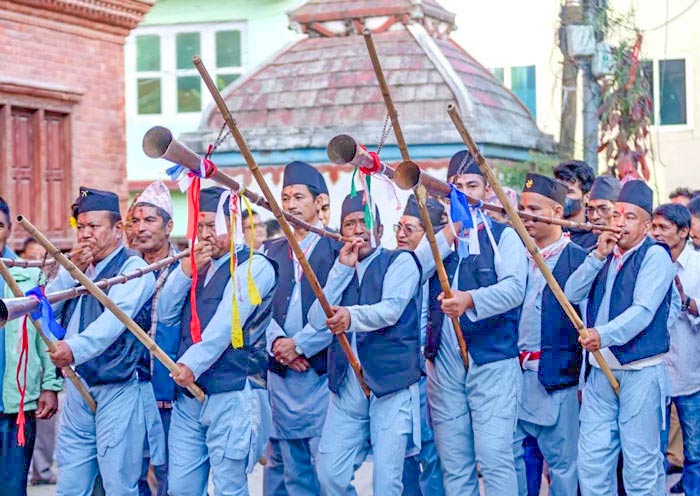
Location: Nepal, India
Timing: Late September or October
Accessibility: Open to witness
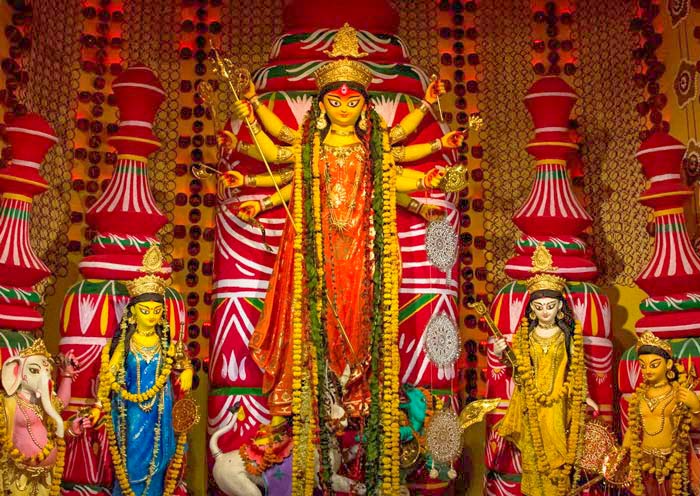
Moving into September or October, this significant festival is celebrated as Dashain in Nepal and Durga Puja in India (most famously in Kolkata).
While the mythology is ancient, the current format solidified around the 18th century. It celebrates the victory of Goddess Durga over the buffalo demon, symbolizing the triumph of justice.
The public events are simple to witness, but this is a deeply religious time. While most areas are joyful with cultural performances and music, be aware that certain rituals may involve animal sacrifice (which tourists may avoid).
Watch the idol decorations, attend the cultural performances, and, if you are welcomed by a local family, try traditional foods and receive a Tika (a red dot placed on the forehead).
Traditional Asian Food: 25 Dishes You Must Try By Region
19. Thimphu Tshechu: Bhutan's Sacred Mask Dance Festival (Late Sep to Oct)
Location: Thimphu, Bhutan
Timing: Late September or October
Accessibility: Open for attendance
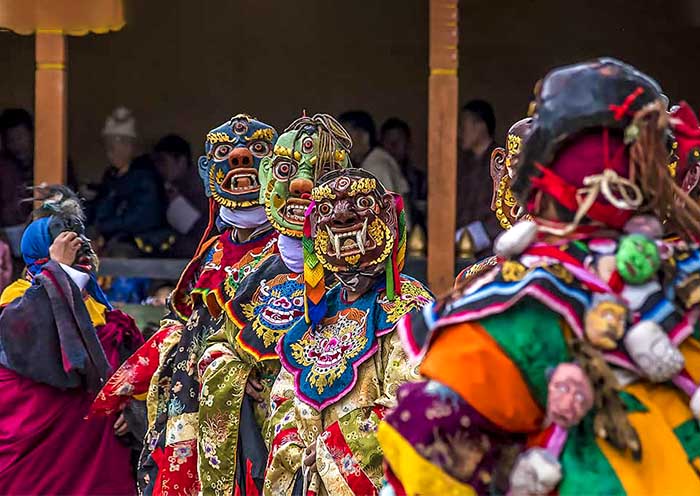
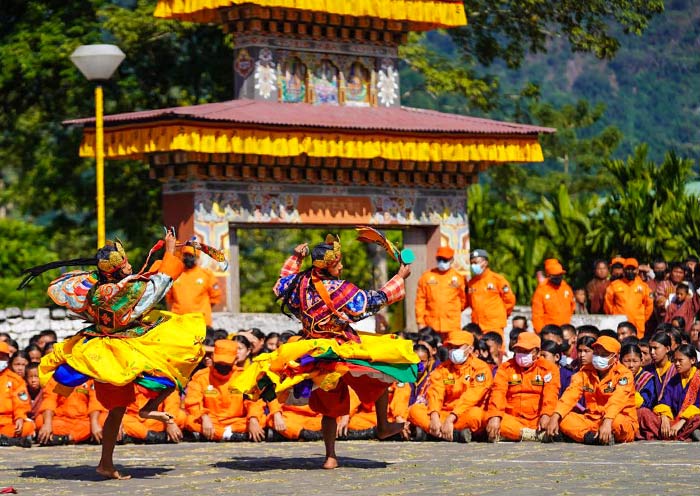
If you're visiting Bhutan in late September or October, the Thimphu Tshechu is the kingdom's most important event.
These sacred dance festivals (Tshechus) were popularized throughout the 17th century. The main events are held at the impressive Trashichho Dzong in Thimphu.
The festival is open for attendance, though you must adhere to Bhutan's general tourism regulations (including the minimum daily package).
The main draw is the sacred Mask Dance (Cham) rituals, which aim to drive away evil and bring good fortune.
We highly recommend arranging this trip through a travel agency to handle the itinerary and ensure respectful viewing of this unique Himalayan culture. Contact Asia Odyssey Travel, an expert with over 10 years of travel experience in Asia!
20. Diwali (Deepavali): The Indian Subcontinent's Dazzling Festival of Lights (Oct / Nov)
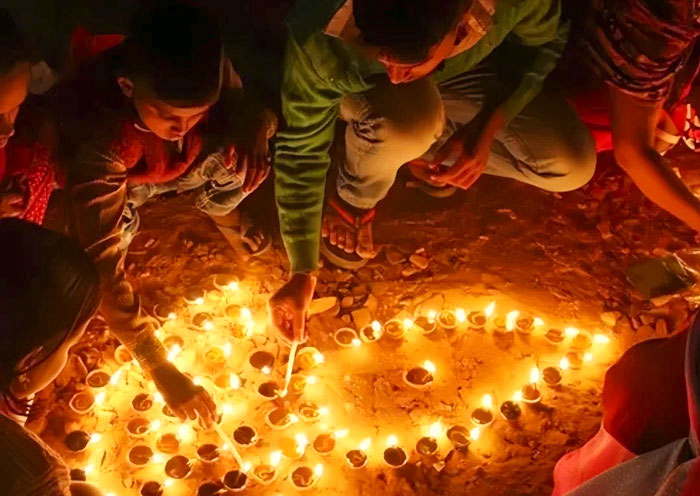
Location: India, Nepal, Sri Lanka, and Hindu communities globally.
Timing: October or November
Accessibility: Easy for visitors to see
The most famous of all Asian festivals—Diwali—falls in October or November.
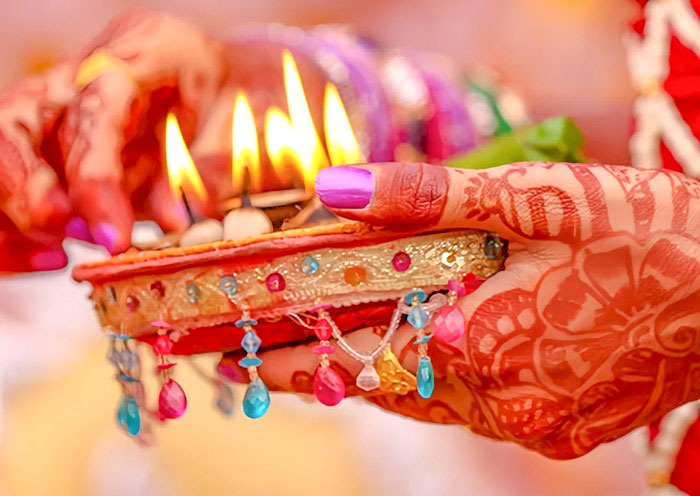
The Festival of Lights is ancient, celebrated for over 2,500 years across India, Nepal, and Sri Lanka. It symbolizes the victory of light over darkness and is a joyful, easy-to-see public celebration.
The entire community participates! You can light beautiful oil lamps (diya), watch the dazzling fireworks, and, most importantly, share sweets and gifts with friends.
Try to visit a temple such as the Golden Temple (Harmandir Sahib) in India, Pashupatinath Temple in Nepal or Nallur Kandaswamy Temple in Sri Lanka.
Expect streets and homes illuminated by thousands of lights, delicious traditional sweets like ladoo, and an overwhelming atmosphere of hope and community.
21. Thai Lantern Festival: Loi Krathong & Yi Peng (Nov)
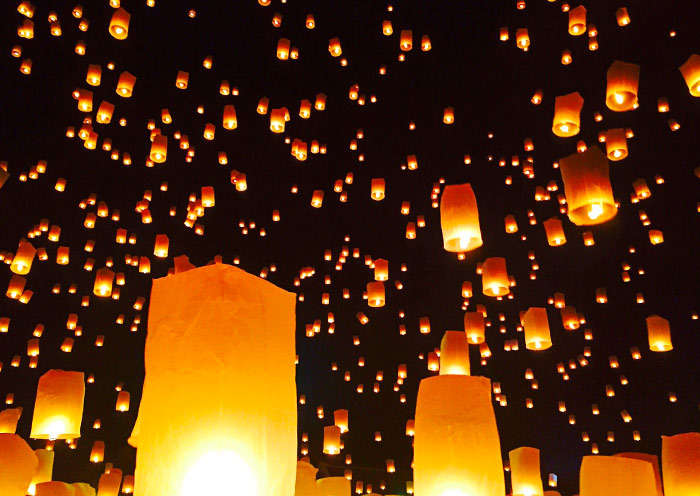
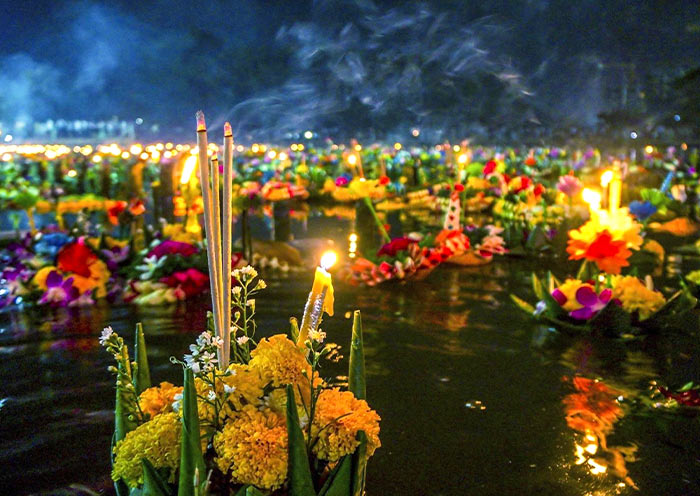
Location: Thailand
Timing: November
Accessibility: Simple to join in on
Thailand delivers 2 unforgettable light festivals in Asia in November, usually around the full moon.
Loi Krathong (floating lanterns) is centuries old, while Yi Peng (sky lanterns) is a more recent northern Thai adaptation. This is an event that is simple to join in on.
While Loi Krathong is celebrated nationwide, Chiang Mai is the undisputed host for the Yi Peng mass sky lantern release.
How to join in: You can buy a float (krathong) and release it onto the river, or release a sky lantern (yi peng) into the heavens.
Note that the best Yi Peng events often sell out months in advance! We strongly recommend you book your guaranteed experience with Asia Odyssey Travel to secure your spot for this deeply romantic and spiritually uplifting moment.
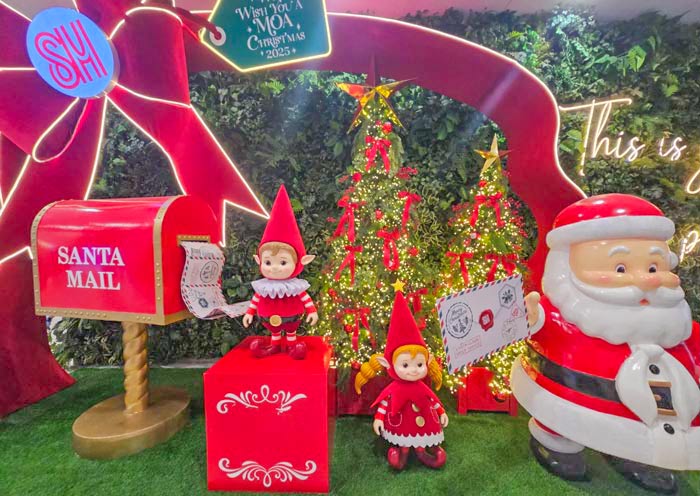
22. Christmas (Pasko) Celebrations: The Philippines' Longest Holiday Season (Dec)
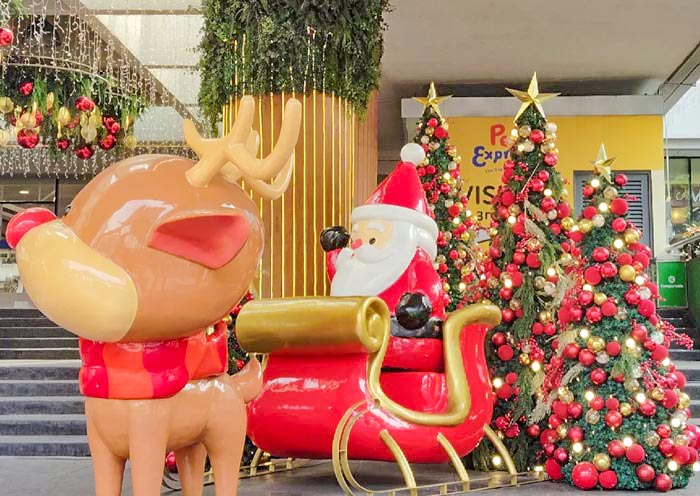
Location: All of the Philippines
Timing: December
Accessibility: Open to visitors (extremely welcoming).
Finally, if you're in the Philippines starting as early as December 16th, you'll be immersed in the world's LONGEST Christmas celebration, or Pasko!
The tradition dates back to the 16th century. Celebrations are wonderfully open to visitors across places like Manila and Cebu, with the peak running from December 16th to 25th.
The atmosphere is electric! You must attend one of the nine-day dawn masses (Simbang Gabi), view the incredible holiday light displays, and, if you get invited, enjoy a massive family feast featuring traditional food like lechon (roast pig).
How to Add Asian Festivals Fun to Your Itinerary?
Now that you know when to go, the next step is building the itinerary. Planning a trip to Asia around a major festival require booking transportation and accommodation well in advance!
Here are 4 examples of expertly designed tours that incorporate Asia's top cultural events, simplifying the logistics of attending these spectacular gatherings.
Japan Cherry Blossom Tour in Spring
Timing: Late March to early April
Duration: 10 Days
Route: Tokyo - Hakone (Mt. Fuji) – Kyoto - Nara – Osaka
Start in the hyper-modern capital of Tokyo, journey through the stunning nature of Hakone (for views of Mount Fuji), and immerse yourself in the ancient traditions of Kyoto and Nara, before concluding in the gastronomic hub of Osaka.
Mongolia Summer Tour with Naadam Festival
Timing: July 11th to 13th (Summer)
Duration: 10 Days
Route: Ulaanbaatar - Naadam Festival - Ulaanbaatar - Tsagaan Survarga - Bayanzag - Khongor Sand Dunes - Yolyn Am Valley - Dalanzadgad - Baga Gazaryn Chuluu Mountain – Ulaanbaatar
Center your trip around the capital Ulaanbaatar to attend the festival, then embark on a magnificent journey into the Mongolian countryside, visiting the Gobi Desert's vast sand dunes, canyons, and ancient fossil sites.
Thailand Lantern Festival Tour in Autumn
Timing: November
Duration: 10 Days
Route: Bangkok - Chiang Mai – Phuket
Explore the bustling streets and majestic temples of Bangkok, travel north to Chiang Mai for the main festival events, and relax on the beautiful beaches of Phuket.
Harbin Ice Festival Tour in Winter
Timing: January to February
Duration: 6 Days
Start with a cultural immersion in the historical sites of Beijing (including the Great Wall and Forbidden City) before taking a fast train to the icy wonderland of Harbin in the far north.
Don't Just Visit, Experience: Plan Your Festival Trip with Asia Odyssey Travel
You've seen the magic of Asian celebrations—now it's time to be part of it!
Stop stressing over complex lunar dates, sold-out tickets, and high-season logistics. Asia Odyssey Travel specializes in crafting these incredible festival journeys.
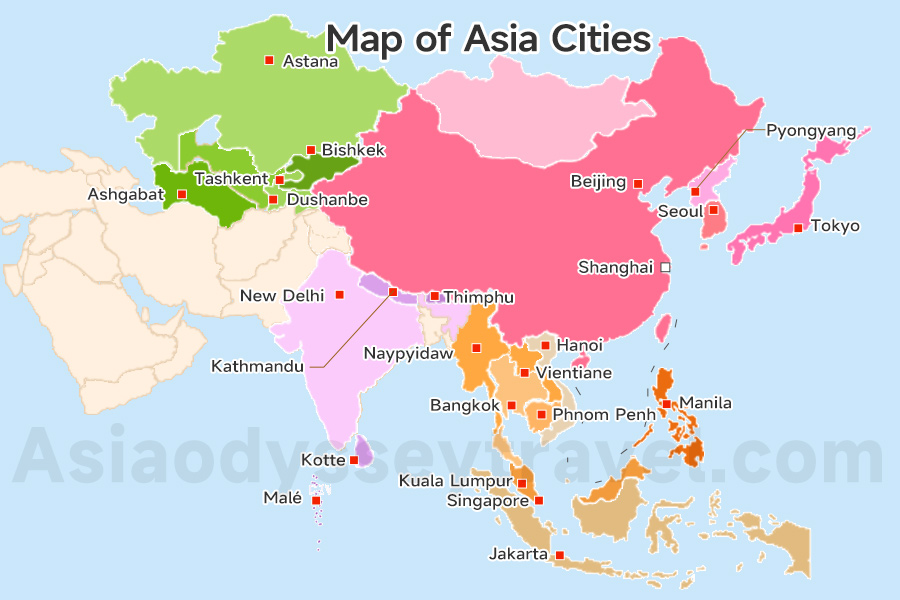
With local offices in 13+ major Asian cities, including Tokyo, Shanghai, Zhangjiajie, HK and Singapore, we offer unparalleled on-the-ground support and expertise across East (like China, Japan, South Korea), Southeast (like Singapore, Thailand, Vietnam, Philippines), South (like India, Nepal, Bhutan), and Central Asia (like Uzbekistan, Kazakhstan, Kyrgyzstan).
From securing your Yi Peng lantern tickets to navigating Naadam's Ulaanbaatar crowds, we handle the complexity.
Trust us to transform your travel into a seamless cultural experience. Ready to celebrate?


 Data in submission...