+852 5394 6901
 Take China Group Tours in 2026/2027 to enjoy 30% discount compared to private tour. Same Experience & Lowest Price!
Let's Categorize the 21 Most Beautiful Natural Places in Asia First
To help you quickly navigate this guide and plan your adventure, here is a breakdown of the 21 destinations organized by their dominant geological category:
| Category | Most Beautiful Natural Places in Asia to Go |
|---|---|
| Tropical Coastal and Reef | Ko Phi Phi Leh, Langkawi, El Nido, Similan Islands, Komodo Island |
| Karst | Halong Bay, Guilin and the Li River, Zhangjiajie National Forest Park, Chocolate Hills, Fanjing Mountain |
| Volcano | Mount Fuji, Mount Bromo |
| Terraced Fields | Tegallalang Rice Terraces, Longji Rice Terraces |
| Himalayan | Annapurna Sanctuary, Jiuzhaigou Valley, Ngari (Western Tibet), North Xinjiang |
| Deserts and Steppes | Charyn Canyon, Hulunbuir Grasslands, Gobi Desert |
☛ For the most beautiful natural places in Asia, we start where the air is warm, the water is crystal clear, and the pace slows down to a gentle ocean rhythm. These are the classic island getaways, offering world-class diving and cinematic coastal beauty.
1. Ko Phi Phi Leh (Thailand): Cinematic Limestone Lagoons
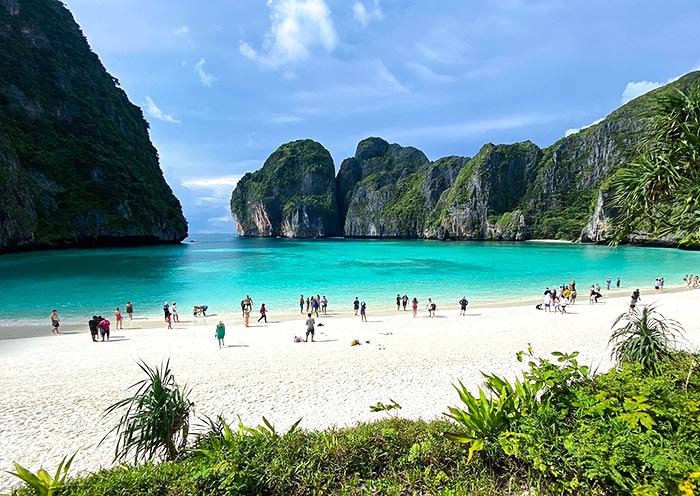
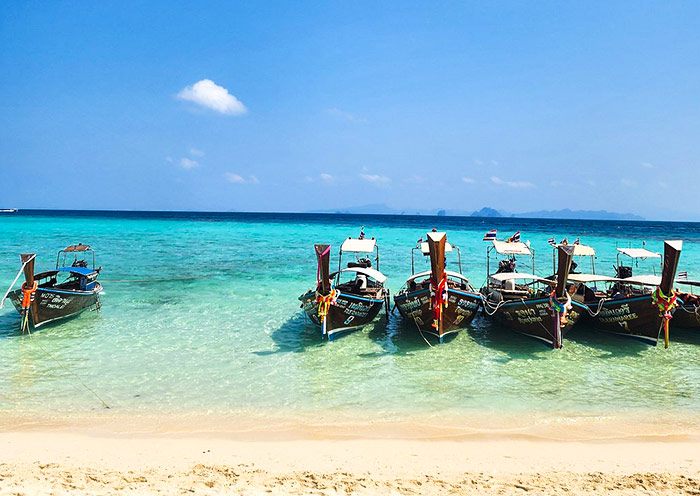
This iconic Thai island in Thailand, particularly Maya Bay, offers the kind of cinematic beauty that makes it one of the top natural wonders of Asia.
The sheer scale and verticality of the emerald-sheathed limestone cliffs rising directly from the turquoise sea create a visual experience of silent drama.
✔ Prime Viewing Conditions: The best season is the dry season (December through April).
✔ High Reward, Low Effort: It's easily accessed via a speedboat day trip from Phuket or Krabi.
Beyond the famous bay, the true sensory immersion awaits in the surrounding waters.
For world-class snorkeling, look for boat trips that include stops at Loh Samah Bay for shallow coral gardens, the waters near Viking Cave, or venture further south to the rocky islets of Bida Nok and Bida Nai, famous for encounters with turtles and leopard sharks.

2. Langkawi (Malaysia): Ancient Geoforest Peaks
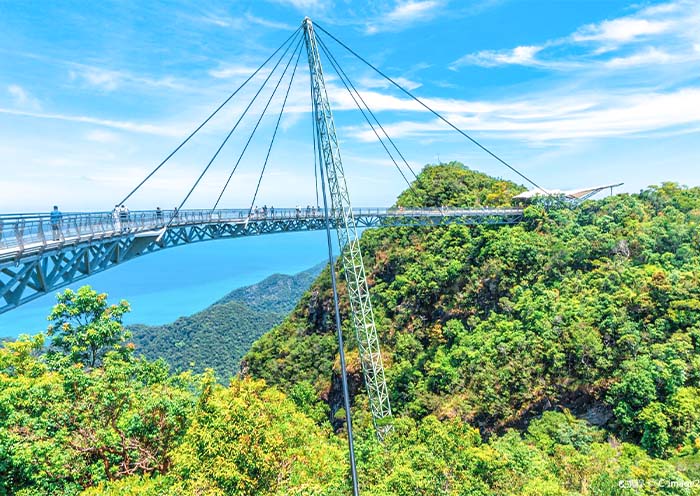
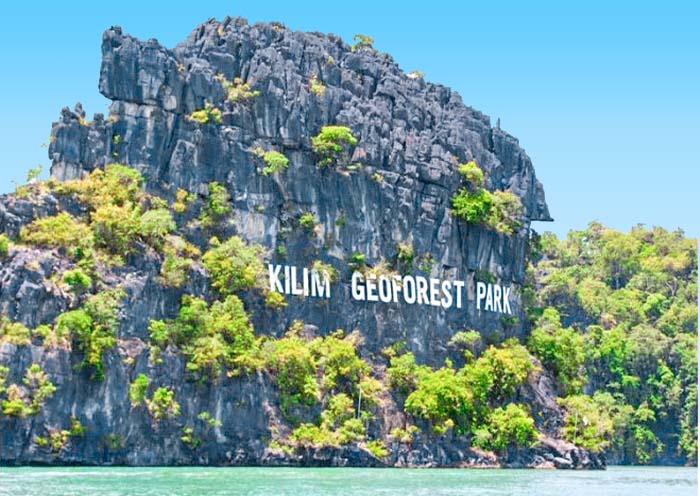
Langkawi is more than just beaches; it's a UNESCO Global Geopark—a blend of ancient rainforests and stunning geological formations, offering a feeling of stepping back into deep time.
The visual uniqueness here lies in the way 500-million-year-old granite peaks puncture the lush jungle canopy, creating views you must see to believe!
✔ Optimal Timing: Visit during the dry season (December to March). Try the Sky Bridge at sunrise for misty, ethereal views over the ancient karst peaks.
✔ High Accessibility: Langkawi has an international airport (LGK) and ferries, making it one of the easiest destinations on this list of the most beautiful natural places in Asia.
Your main mission is the Langkawi Cable Car ride up to the Sky Bridge. This journey literally puts you above the towering jungle canopy, giving you commanding views of the Machinchang Cambrian Geoforest Park.
For a completely different vibe, book a guided boat tour of the Kilim Geoforest Park and navigate the mangrove forests—you'll see eagles and monkeys up close!
3. El Nido (Philippines): Hidden Secret Lagoons
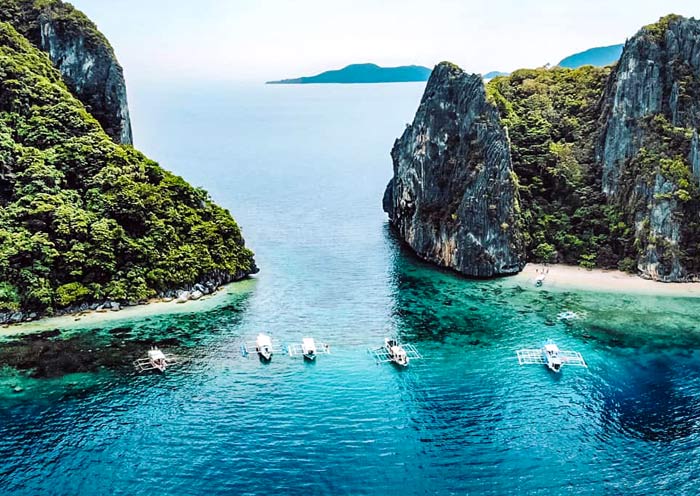
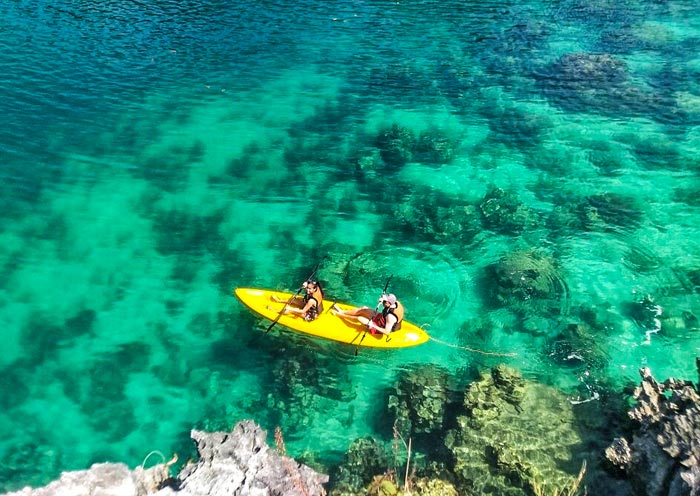
The lagoons and cliffs of El Nido in Palawan are the stuff of travel dreams, offering a sense of intimate discovery.
The sheer, charcoal-grey limestone walls guard secret, silent lagoons accessible only through narrow, tidal keyholes, creating moments of pure sensory immersion.
✔ Seasonal Guide: The best season is the dry season (November to May).
✔ Getting There: Requires a flight followed by boat travel, but the effort is entirely worth the high reward.
You absolutely must book one of the standardized "A, B, C, or D" boat tours for access. El Nido Tour A, B, C or D, How to Choose >>
And look, kayaking through the Big Lagoon is mandatory—don't skip it! The profound silence as you paddle between the towering walls is the ultimate reward. That moment you transition from the open ocean into that still, hidden water is what you came for.
4. Similan Islands (Thailand): Giant Granite Boulders & Reefs
If your focus is on underwater beauty, the Similans in Thailand are world-class natural attractions in Asia.
The islands are famous for their gigantic, smooth granite boulders stacked impossibly high. However, the true sensory immersion is found below, thanks to the phenomenal underwater clarity.
✔ Light & Clarity: The park is usually closed from May to October. The best season is November to April. The light is actually best between 11 AM and 2 PM, illuminating the water to the famous turquoise color.
✔ Journey Difficulty: Moderate Effort. You must travel by boat from Phuket or Khao Lak.
The real spectacle is the underwater world, where the visibility can exceed 40 meters, revealing vast fields of coral and encounters with majestic whale sharks and manta rays. Take your days to dive or snorkel here.
Above the water, climb the massive "Sailing Rock" on Koh Similan (Island 8) for a commanding view of the archipelago's unique geology and the surrounding blue expanse.
Best Islands in Asia: 22 Most Beautiful Islands in Asia to Visit
5. Komodo Island (Indonesia): Pink Beach & Dragons
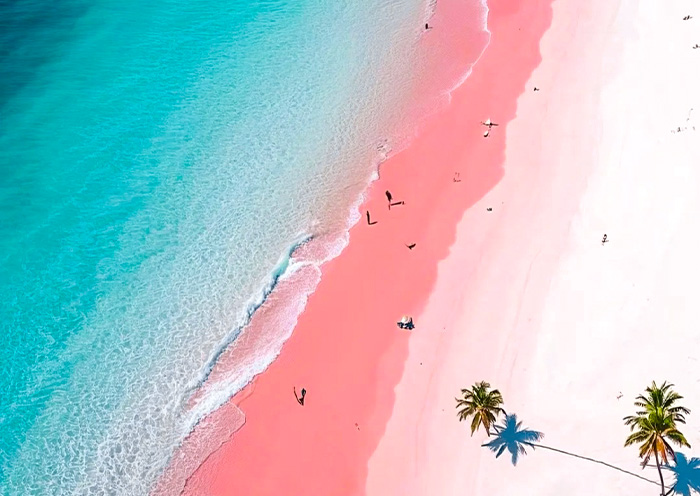
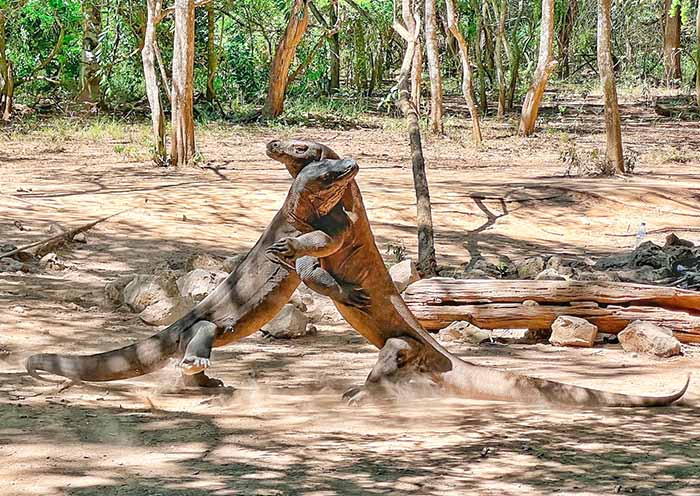
Komodo National Park in Indonesia offers a thrilling, high-effort adventure, famous for its prehistoric giants.
While the landscape is dominated by sparse volcanic island scenery and dry, arid savanna, the archipelago offers a stunning visual contrast: its coastline includes the unique Pink Beach (Pantai Merah)!
✔ When to Visit: The dry season (April to December) is ideal for trekking.
✔ The Expedition: High Effort. Requires a flight to Labuan Bajo and then a dedicated boat tour with a local ranger. Book with Asia Odyssey Travel!
The reward for this high-effort journey is dual: the intense trekking across the arid land, where the air vibrates with heat and the smell of sulfur is potent, and the quiet beauty of the Pink Beach, a rare shoreline tinted by crushed red coral.
Standing there, on the edge of the prehistoric savanna and the gentle pink sea, feels like standing on a different planet.
Safety is paramount: always stay with your ranger near the Komodo dragons!
Asia National Parks: 15 Best National Parks in Asia by Accessibility
Best Asia Beaches: 20 Most Beautiful Beaches in Asia
☛ As we leave the shores, we transition to the striking geology of Karst landscapes. These massive, ancient limestone formations create stunning caves, rivers, and towering spires. They truly define a major part of the most beautiful natural places in Asia.
6. Halong Bay (Vietnam): Emerald Sea Towers
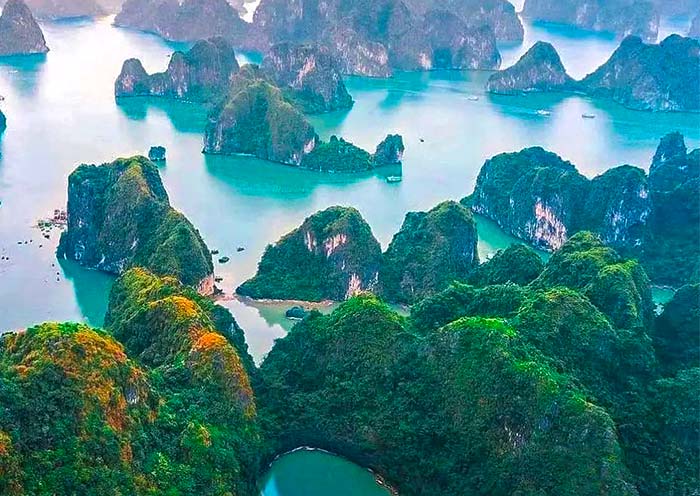
Halong Bay is the defining Karst landscape of Southeast Asia, where thousands of dramatic limestone peaks rise like jade teeth from the emerald sea.
✔ The Best Season: The best time is autumn (September–November) for clear skies. However, Halong is often beautiful shrouded in mist, which creates a romantic, ethereal mood early in the morning.
✔ The Effort Rating: Low Effort. Easily accessed by a shuttle bus or private transfer (about 2.5 hours) from Hanoi.
Forget the day trips—they're too rushed. I recommend booking a 2-night cruise.
Kayaking into the hidden caves and lagoons provides incredible silent scale, separating you from the main tourist paths for an intimate look at this stunning geological natural wonder of Asia.
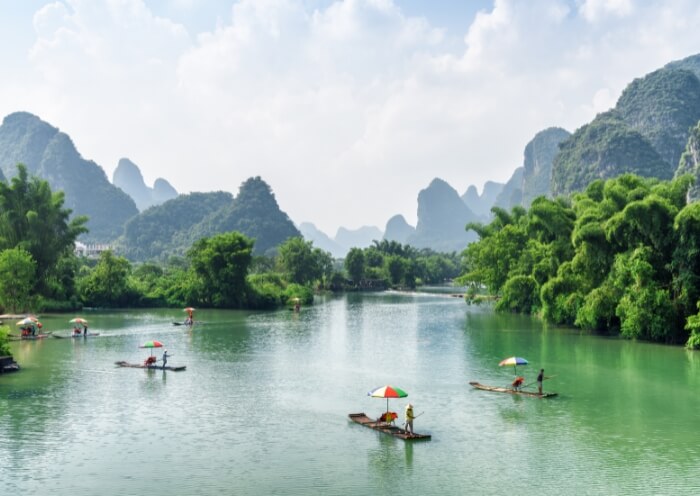
7. Guilin and the Li River (China): Painted Peaks & Pastoral Beauty
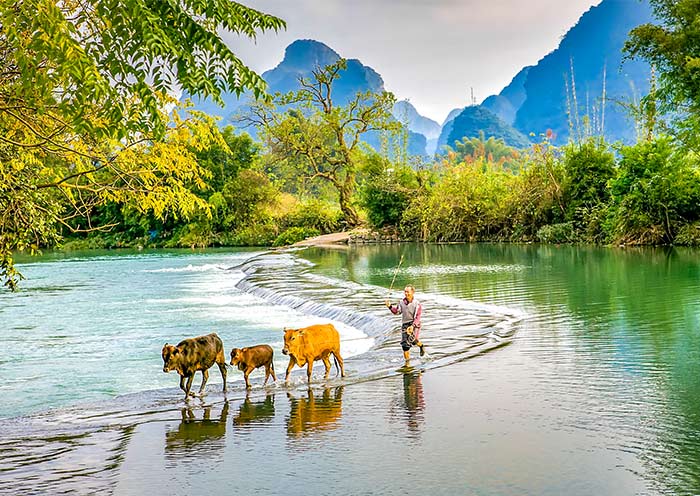
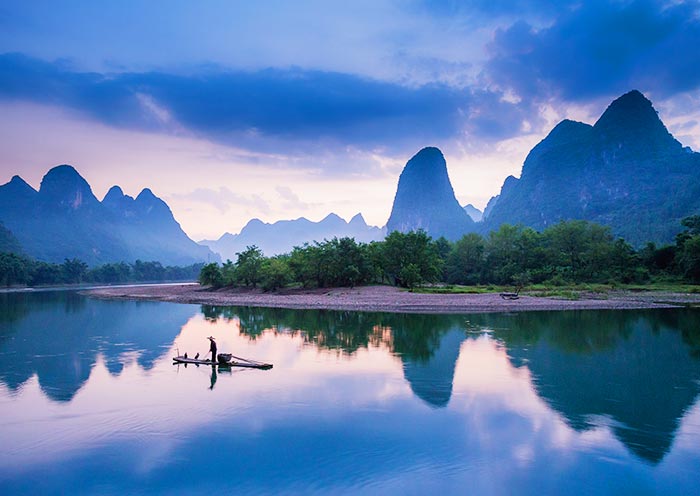
Often called the most beautiful scenery under heaven (桂林山水甲天下), the karst hills of Guilin define classic Chinese landscape art.
Drifting down the Li River is an essential natural attraction in Asia, offering the unique sense of floating directly into a traditional ink wash painting.
✔ Optimal Timing: The best season is April–October. The Golden Hour is early morning when the peaks are softened by the mist rising from the river—the exact scene found in famous paintings.
✔ Getting There: Easy. Take a train or flight to Guilin and then enjoy a relaxing river cruise from Guilin to Yangshuo. (Transport: Beijing to Guilin ▪ Shanghai to Guilin ▪ Guangzhou to Guilin ▪ Zhangjiajie to Guilin ▪ Chengdu to Guilin ▪ Xian to Guilin)
The day-long cruise from Guilin to Yangshuo is a relaxing way to absorb the landscape's majesty.
But for closer immersion, rent a bike or scooter in Yangshuo and explore the rice fields nestled between the sheer karst peaks. This lets you connect physically with the pastoral beauty of the region!
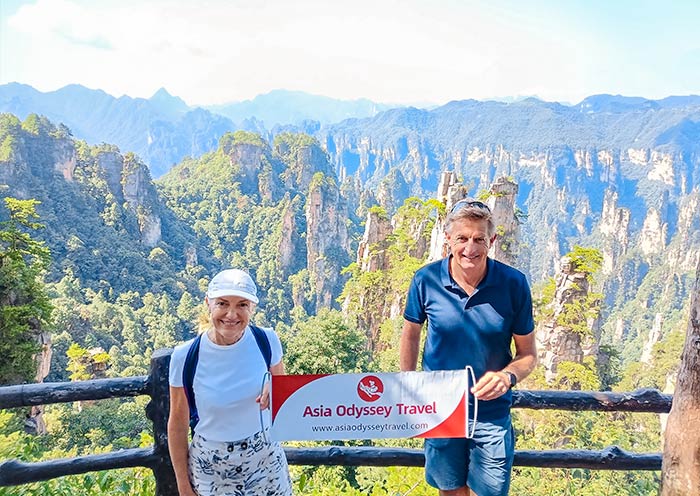
8. Zhangjiajie National Forest Park (China): Avatar's Floating Peaks
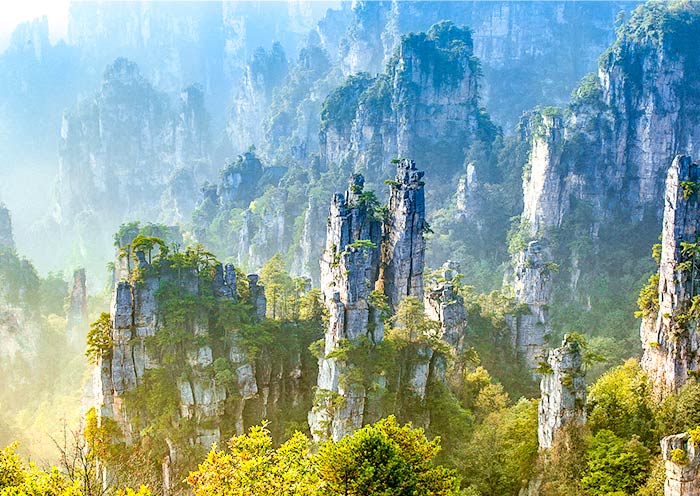
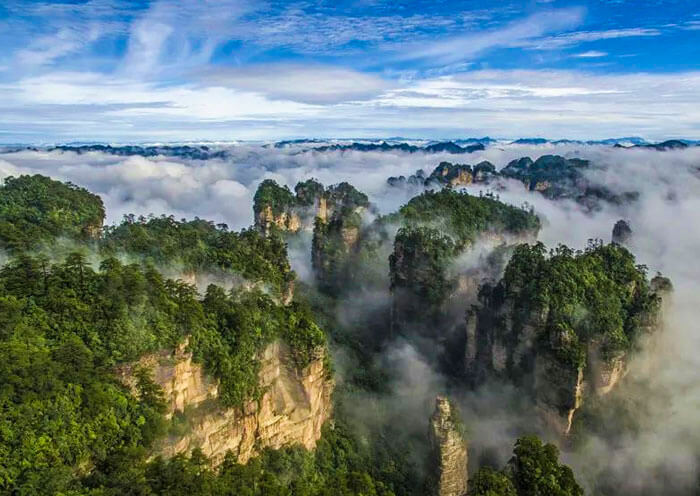
Prepare to be awestruck in Zhangjiajie! These gigantic quartz-sandstone pillars, the inspiration for Avatar's Hallelujah Mountains, create a landscape that defies the laws of visual gravity.
It is unmatched—it feels like walking through a vertical, petrified forest!
✔ Seasonal Guide: Spring (March to May) and Autumn (September to November) provide the best visibility and stable weather.
✔ High Reward, Moderate Effort: Requires a flight to Zhangjiajie Hehua Airport or train to Zhangjiajie West Station. (Transport: Shanghai to Zhangjiajie ▪ Beijing to Zhangjiajie ▪ Chongqing to Zhangjiajie ▪ Xian to Zhangjiajie)
If you only have 1 Day, use the Bailong Elevator right away! Focus on the upper ridge: Yuanjiajie (Hallelujah Mountains) and Tianzi Mountain for the iconic panoramic viewpoints.
If you have 2–3 Days, you can really dive deep. Add the peaceful valley walk along Jinbianxi Stream (Golden Whip Stream) and challenge yourself with the hike up Huangshizhai Village for stunning traditional views.
9. Chocolate Hills (Philippines): Thousands of Conical Mounds
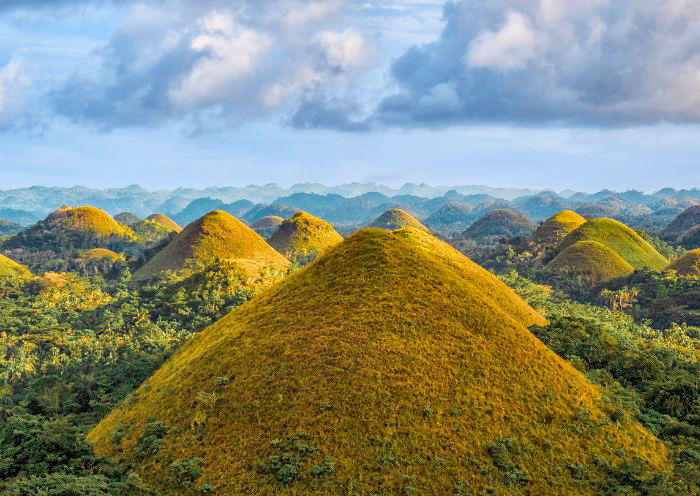
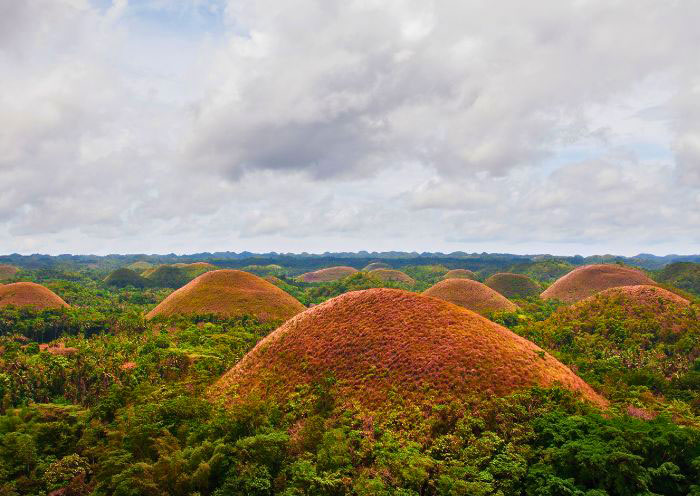
The thousands of uniform, grassy mounds on Bohol Island are a truly unique geological phenomenon.
The magic comes from the almost artificial, manicured quality of the landscape—thousands of perfectly symmetrical, seemingly endless cones stretching to the horizon.
✔ Best Timing: The best season is the dry season (February to May), when the grass turns its signature "chocolate brown" color.
✔ Getting There: Fly to Bohol (TAG), and the hills are easily reached by motorcycle or organized tour. (Transport: Manila to Bohol, Cebu to Bohol, El Nido to Bohol)
While everyone heads to the main observation deck, I recommend you hire a scooter and drive around the area.
For a fantastic, less-crowded alternative that is still elevated, check out Sagbayan Peak—it's about an hour's drive, but the vista over the hills is breathtaking and much more tranquil.
10. Fanjing Mountain (China): Sky Temples on Split Peaks
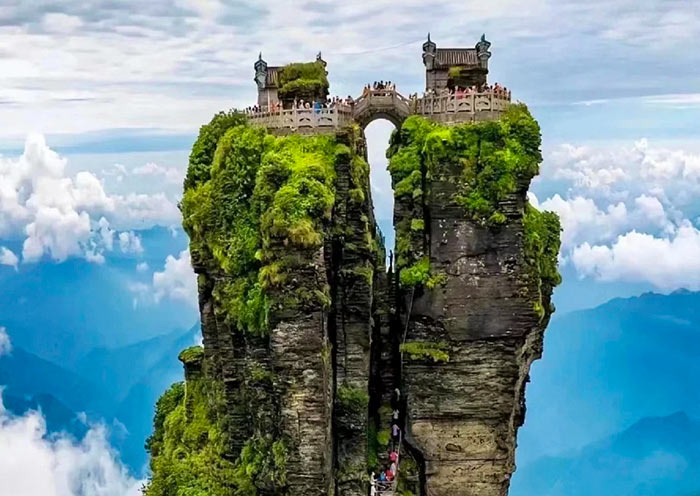
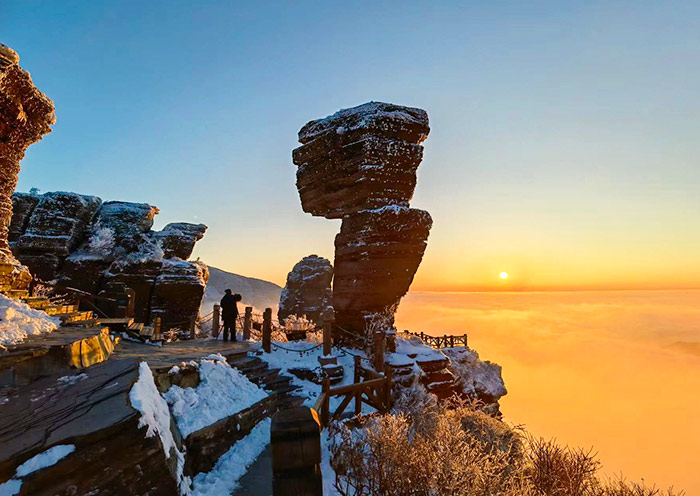
This sacred, secluded mountain in Guizhou, peaking at 2,336 meters (7,664 feet), thrusts high to the heaven, offering one of Asia's most dramatically isolated views.
The striking visual is the vertically split peak, where two tiny, ancient temples are impossibly perched and connected only by a slender, vertigo-inducing bridge!
✔ When to Visit: The best times are spring (March–May) and autumn (September–November) for clarity.
✔ The Expedition: Fanjing is remote, requiring a drive from Tongren or Guiyang. How to Get to Fanjingshan >>
After the mandatory cable car ride, you're in for a strenuous, stair-based climb (plan for several hours) to reach the spectacular twin temples.
The physical effort is what makes the reward so profound: the sheer drop-offs, the thin, clean mountain air, and the unforgettable sight of those "floating" temples when the mist clears.
☛ From the quiet, aged majesty of limestone, our journey takes a fiery turn. We now ascend to the dramatic, raw landscapes forged by Earth's volatile core: Asia's most powerful volcanoes.
11. Mount Fuji (Japan): The Spiritual, Snow-Capped Icon
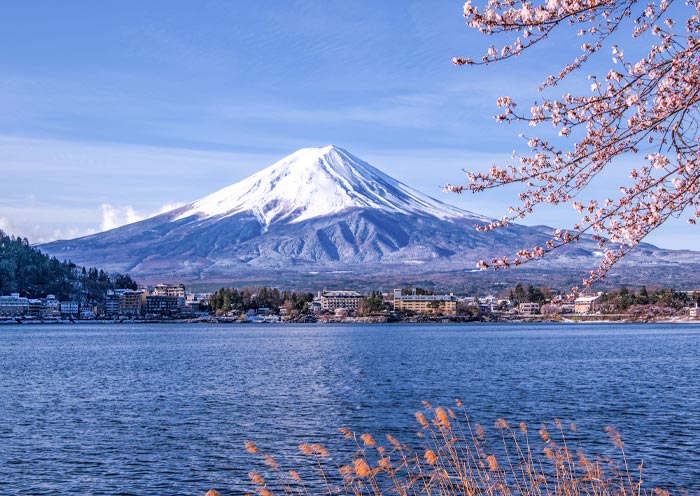
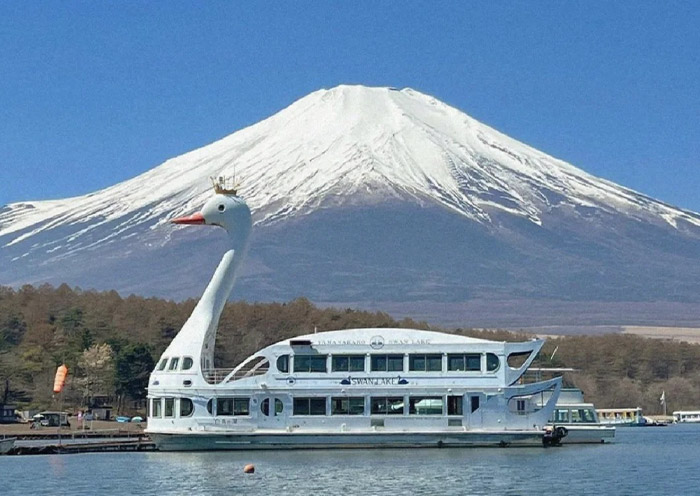
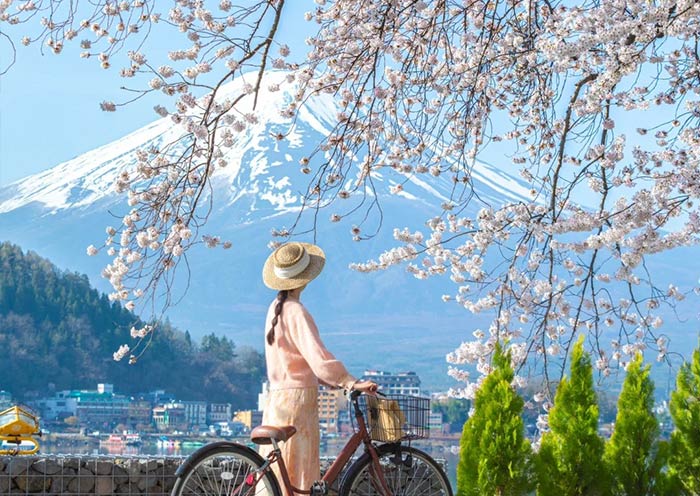
Fuji-san isn't just a mountain; it's the heart and soul of Japan! It's famous because of its absolutely perfect, cone-like shape that just stands there, silently dominating the landscape. It's a huge, beautiful symbol.
✔ Best Time to View It: Go in winter (December to February). The air is super clear then, and the peak is capped with snow—that's the classic picture everyone loves.
✔ Getting There is Pretty Easy: The mountain and surrounding areas are extremely accessible via train from Tokyo. (Transportation: Tokyo to Mount Fuji)
My best advice? Focus on viewing it from a distance! Head to the shores of the Fuji Five Lakes. This perspective perfectly shows off the volcano's massive size and that beautiful symmetry.
It's the iconic Japanese scene that feels completely peaceful, and you don't have to deal with the challenging hike up. Check the maps of Mount Fuji >>
12. Mount Bromo (Indonesia): Smoking Volcanoes in the Sea of Sand
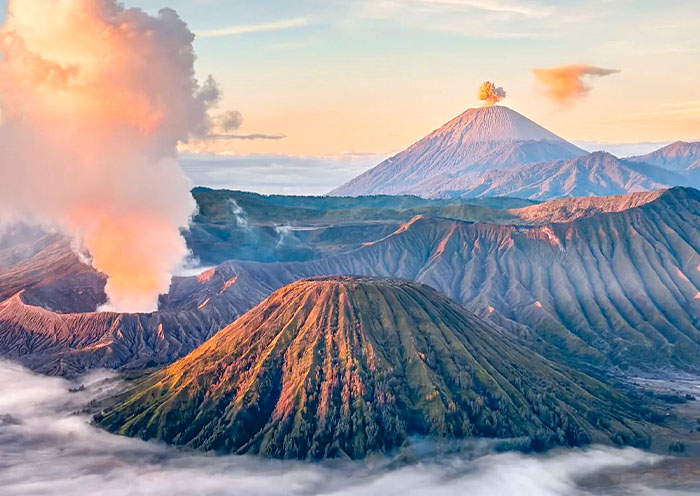
A true lunar landscape, Bromo in Indonesia is a volcano inside a giant caldera.
The sight of multiple volcanic cones rising from the vast Sea of Sand is utterly surreal. The stark contrast of the ash-grey desert floor with the smoking, active craters makes Bromo's visual signature impressive!
✔ Optimal Timing: Dry season (April to October).
✔ Getting There: It requires a flight to Surabaya and then a drive to the town of Cemoro Lawang, plus a 4x4 jeep to cross the Sea of Sand.
You'd better to start before dawn, jammed into a 4x4 jeep, bouncing toward the sunrise viewpoint. When the light hits that Sea of Sand and the volcanoes start smoking—it's epic.
Afterward, your jeep drops you at the base, and you walk across that lunar landscape (or take a horse if you're tired!) toward the crater rim.
That final trek up the cinder cone? The air is thick with sulfur, the ground rumbles... it's the most intense sensory moment you'll have.
☛ Stepping away from the volcanic ashes and raw power, we turn our attention to beauty created through human perseverance. These terraced fields are living monuments, transforming steep mountainsides into works of sustainable, vibrant green art.
13. Tegallalang Rice Terraces (Indonesia): Lush Emerald Steps
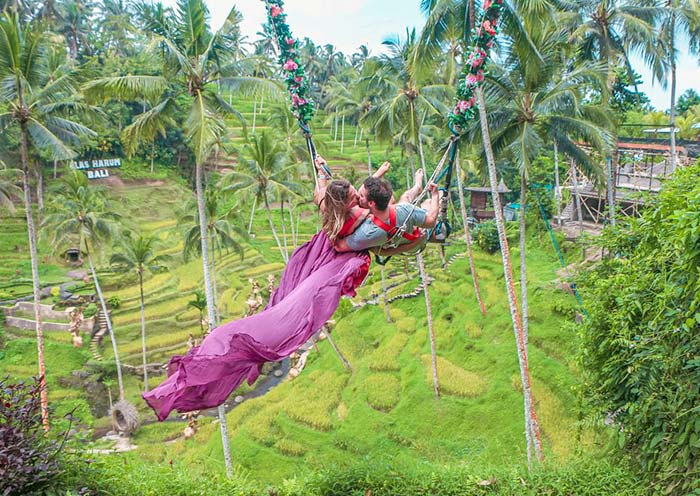
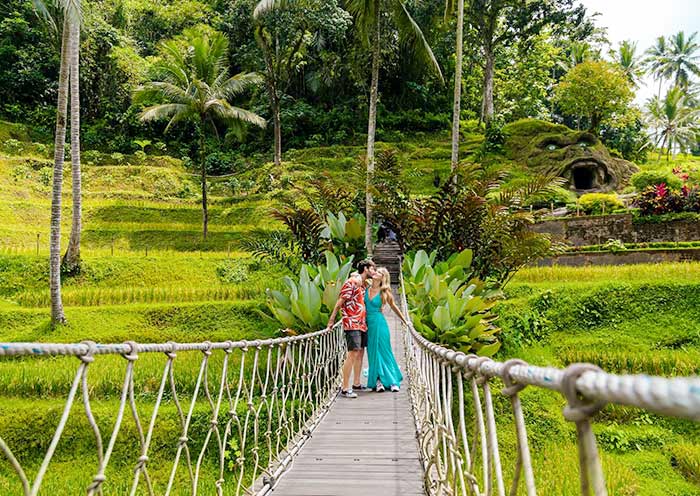
The lush, vibrant green terraces of Bali are a testament to the island's subak (traditional irrigation) system, offering a perfect blend of natural beauty and cultural heritage.
The smooth, almost sculptural curving of the retaining walls, creating an effect of liquid, impossibly green steps, is the visual natural wonder of Asia.
✔ Seasonal Guide: The best season is just before harvest (often February/March or August/September), when the fields are at their most vibrant, lush green.
✔ Travel Logisticals: This is Very Easy. Located just north of Ubud, easily accessible by scooter or taxi.
Don't just look from the road! The best way to tour is to go beyond the roadside viewpoints and walk the designated paths down into the terraces.
Yes, it's hot and the steps are uneven, but getting right down there connects you directly with the sound of running water, the damp earth smell, and the dedicated community of farmers who maintain this living masterpiece.
14. Longji Rice Terraces (China): The Dragon's Backbone
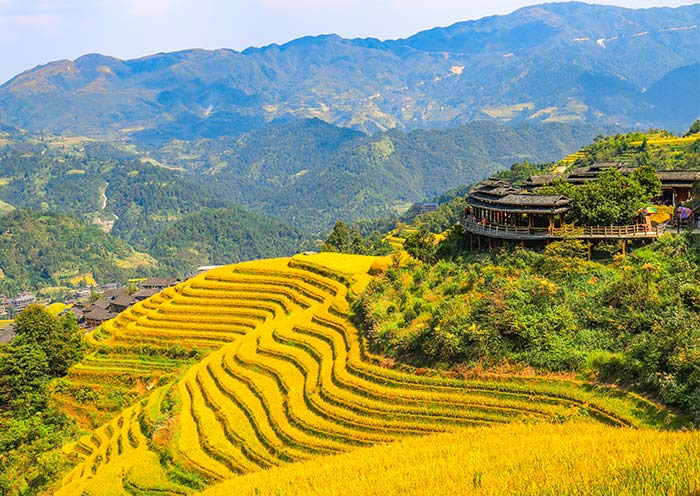
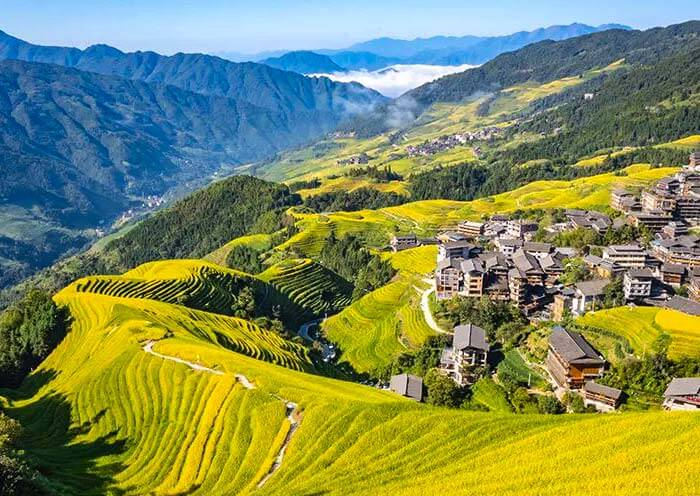
Also known as the Dragon's Backbone, these terraces are vast, ancient, and breathtakingly carved into the steep mountainsides of Guangxi, providing immense scale.
The defining visual peaks when the terraces are filled with water, creating thousands of reflective "silver ribbons" winding up the slopes.
✔ Peak Visuals: Visit in late May/early June when the terraces are filled with water and reflect the sky, or in late September/early October when the rice turns golden for harvest.
✔ Journey Difficulty: Requires a bus or private car from Guilin, followed by a hike between the villages and viewpoints.
You absolutely must hike to the key viewpoints; vehicle access is limited. I strongly recommend staying overnight in a local guesthouse.
That gives you easy access to the stunning sunrise views and lets you trek the ancient paths between the fields, really connecting you with the vast, ancient scale of this human-crafted landscape.
☛ Then let's embrace the vast, horizontal extremes. Here, the beauty lies in the silence, the sheer scale, and the endless horizon of the deserts and steppes.
15. Charyn Canyon (Kazakhstan): The Valley of Castles
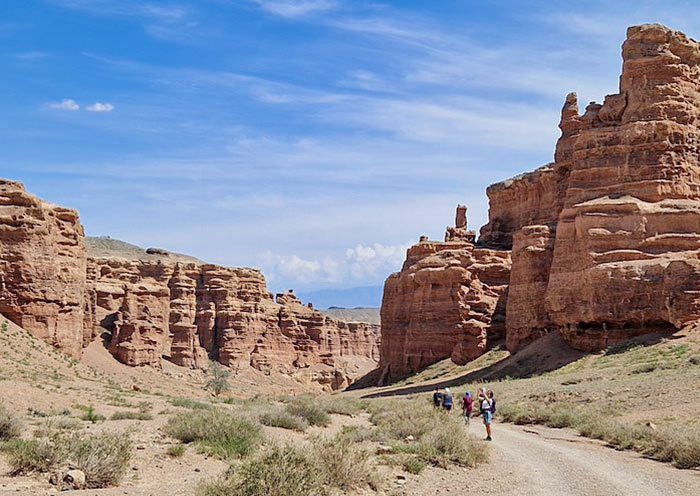
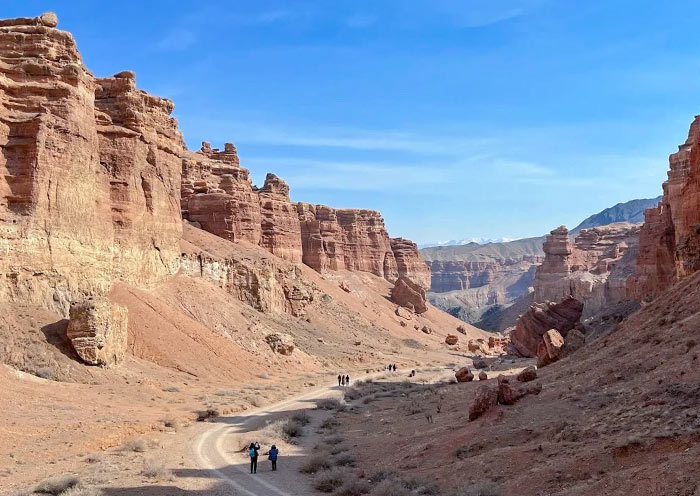
Often called the Grand Canyon's little brother, Charyn is a deep, red-rock canyon rising dramatically from the flat steppe. Plus, the sandstones shift dramatically with the light!
✔ Prime Viewing Conditions: Visit in spring (April–May) or autumn (September–October) to avoid extreme summer heat.
✔ Low Effort, High Reward: It's easily done as a day trip or an overnight stay from Almaty, Kazakhstan.
You'll start by driving to the rim viewpoint for the grand vista, but the real experience is the short, strenuous hike down to the canyon floor to walk through the "Valley of Castles."
This is where you get powerful sensory immersion—the heat radiating off the rock walls and the sudden, total silence of being sheltered from the wind.
Don't forget to bring plenty of water!
16. Hulunbuir Grasslands (China): Endless Rolling Steppe
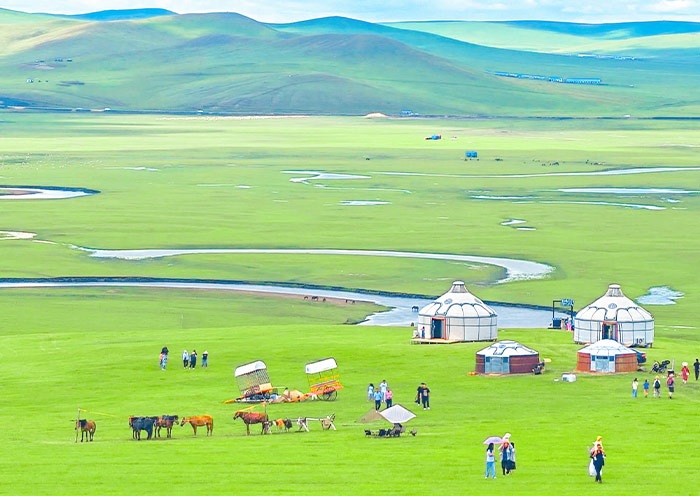
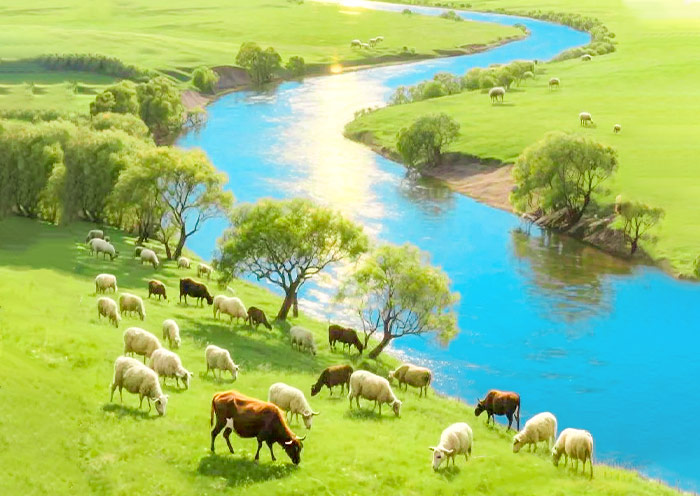
This is the iconic steppe—an endless, rolling green carpet where nomadic culture still thrives. Expect soft, undulating horizon of the vast grassland, broken only by the highly winding, meandering Moergele River.
✔ Optimal Timing: The best season for Inner Mongolia's grasslands is July and August when the grass is at its most vibrant green.
✔ The Expedition: It requires a flight to Hailar (HLD) and then a guided tour or rental car to explore the vast plains.
To truly see this region, you need a multi-day road trip through the heart of the grasslands. I recommend finding a local guide who can arrange for you to stay in a traditional yurt (ger).
That gives you easy access to the stunning sunrise views and lets you trek the ancient paths between the fields, really connecting you with that deep feeling of limitless space.
17. Gobi Desert (Mongolia): Singing Sand Dunes
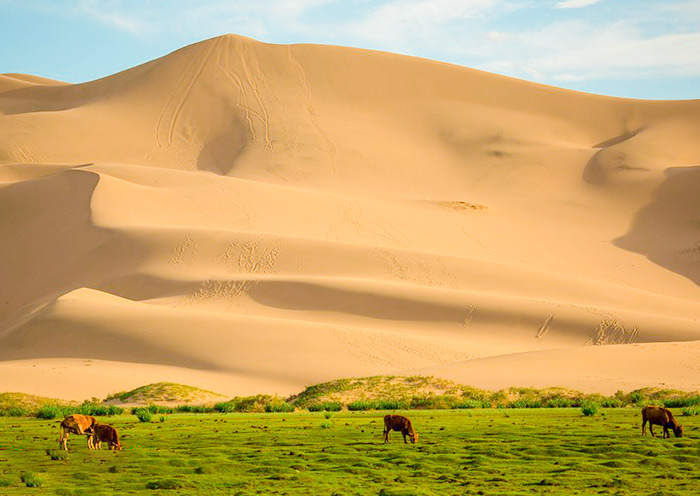
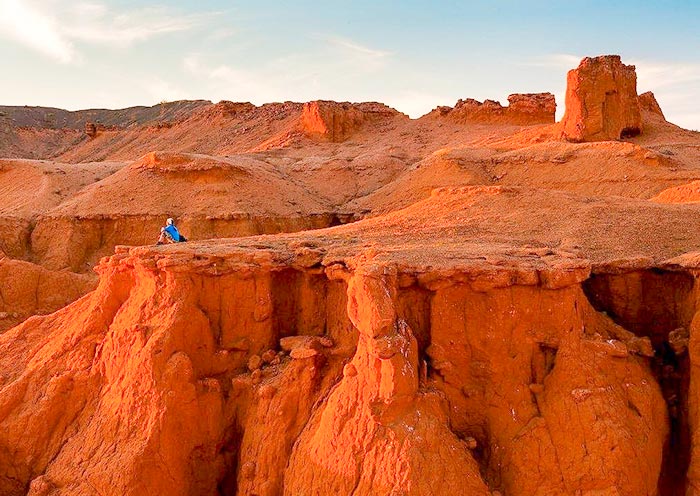
The Gobi is the ultimate landscape of solitude and scale.
This massive, cold desert offers everything from towering sand dunes to rocky canyons, a true wilderness among the most beautiful natural places in Asia. The desert's most dramatic visual offering is the colossal scale of the Khongor Sand Dunes.
✔ When to Visit: Summer (June–September) is the most comfortable travel window.
✔ The Effort Rating: Requires internal flights and multi-day jeep expeditions with a skilled driver/guide; it's rugged and demanding.
Your entire Gobi experience will be a multi-day, guided jeep expedition moving between remote Ger camps. The absolute must-do is climbing the massive dunes for sunrise or sunset.
This is the only place you can experience the rare phenomenon of the "Singing Sands," where the wind causes a deep, booming resonance—it's an incredible, noisy sensory surprise in the middle of the desert.
18. North Xinjiang (China): Alpine Meadows & Steppe
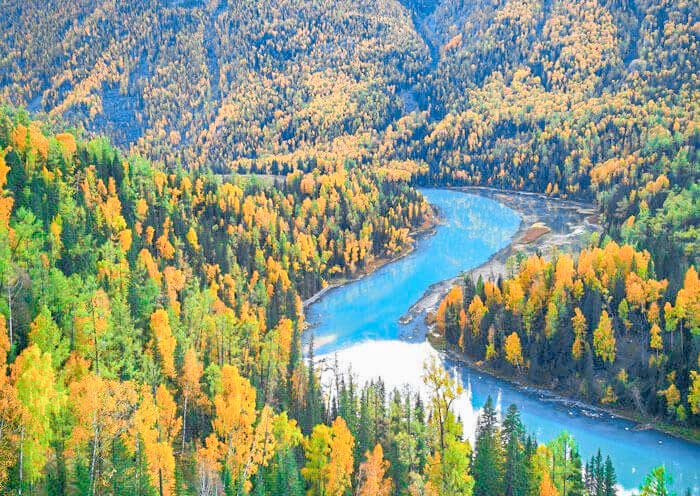
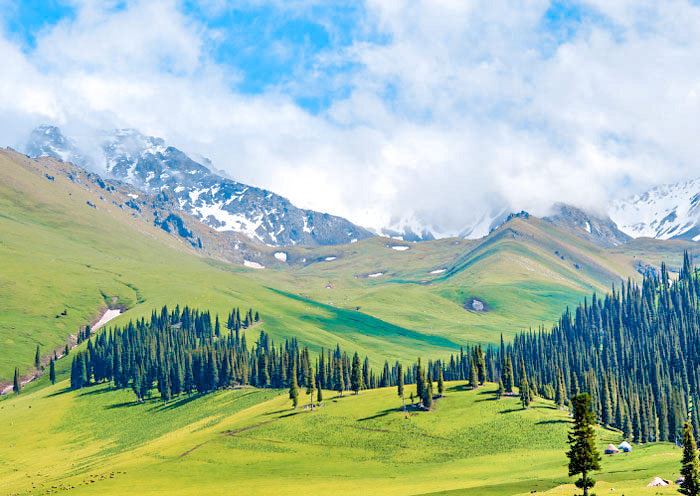
North Xinjiang offers a breathtaking contrast where the vast, arid deserts meet the lush alpine meadows of the Tianshan and Altai Mountains—a true showcase of the combined natural wonders of Asia.
✔ Seasonal Guide: Summer (June to August) is when the grasslands (like Nalati) are greenest and the Altai lakes (like Kanas) are accessible.
✔ Travel Logisticals: This is a vast region best explored via a long road trip or domestic flights between hubs like Ürümqi and Altay.
The best way to tour North Xinjiang is via a guided multi-day road trip to connect the various natural parks (like Kanas Lake and the Nalati Grasslands).
This enables you to experience the constant, dramatic juxtaposition of open, treeless plains rolling right up to the mountain glaciers.
☛ It's time for the ultimate climb. Leaving the deserts and steppes behind, we ascend into the roof of the world—the ice-carved realm of the Himalayan mountains, where altitude and silence reign supreme.
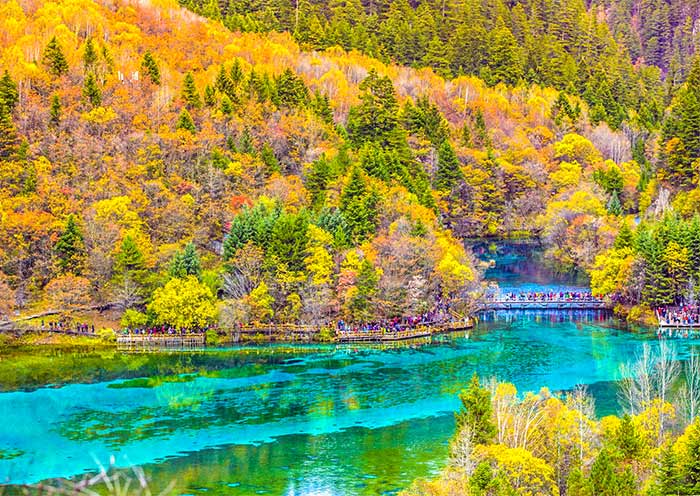
19. Jiuzhaigou Valley (China): Unreal Turquoise Lakes
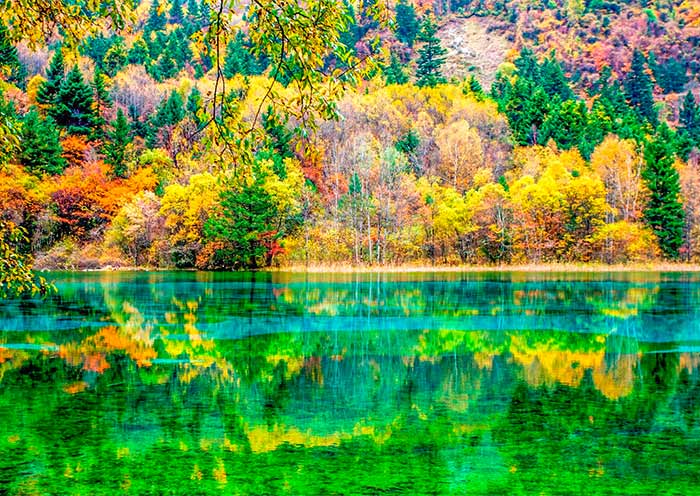
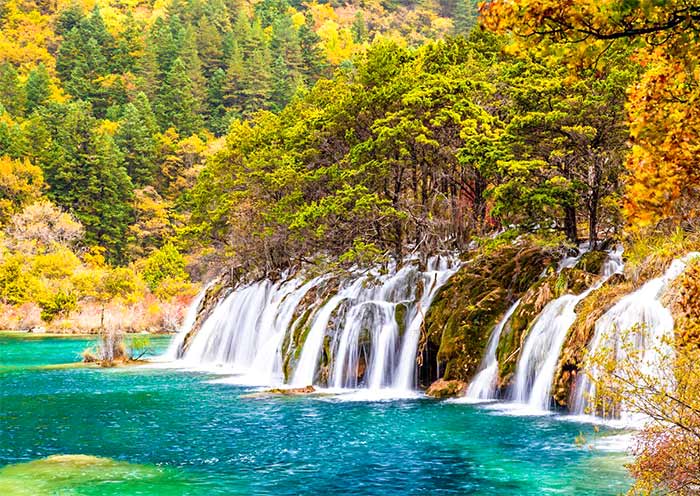
Jiuzhaigou is famous for its almost unreal, crystal-clear turquoise and sapphire lakes and cascading waterfalls.
Its colors defy belief, easily ranking it among the most beautiful natural places in Asia. The shocking, vibrant intensity of the water, caused by high mineral saturation, is what sets this place apart visually.
✔ Best Season: The valley is most famous for its autumn colors (late September to early November) when the forests explode in red and gold, perfectly complementing the blue water.
✔ Getting There: Chengdu is your main gateway. Just take a high-speed train to a nearby Huanglong Jiuzhai Station, followed by a connection via structured tourist buses that take you right into the valley.
Because the park is strictly protected, you'll be riding the internal shuttle buses to specific viewing stops. Use the easy walks along the boardwalks to reach the lakes (like Five Flower Lake) and waterfalls (Nuorilang Waterfall).
This structure ensures everyone can experience the unique visual and sensory immersion of this vibrant, mineral-rich environment easily—no major hiking required!
20. Annapurna Sanctuary (Nepal): Amphitheater of Giants
This is the most accessible world-class Himalayan trek!
The Annapurna Sanctuary is a massive natural amphitheater encircled by towering, 7,000m+ peaks. The overwhelming, 360-degree presence of colossal peaks make every human feel small and fragile!
✔ Light & Clarity: The best seasons are pre-monsoon (March-May) and post-monsoon (September-November).
✔ The Expedition: This is High Effort. It requires 5-10 days of sustained trekking and moderate fitness.
Your primary touring method is sustained, guided trekking from Pokhara, sleeping in local teahouses along the way. The physical effort is part of the sensory immersion!
It leads you to experience the clean, rarefied air and the deafening silence of the high-altitude wilderness.
Safety is first: always trek with an experienced guide or porter, and be smart about acclimatization.
8 Best Family-Friendly Destinations in Asia: Where to Go in Asia With Kids?
21. Ngari (Western Tibet, China): Sacred Mount Kailash
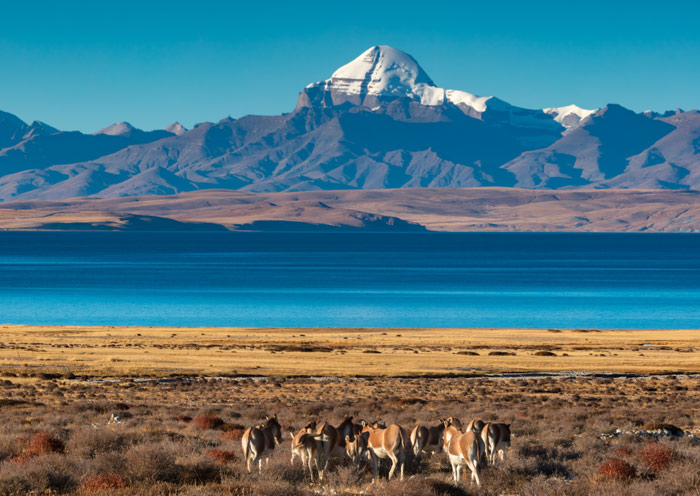
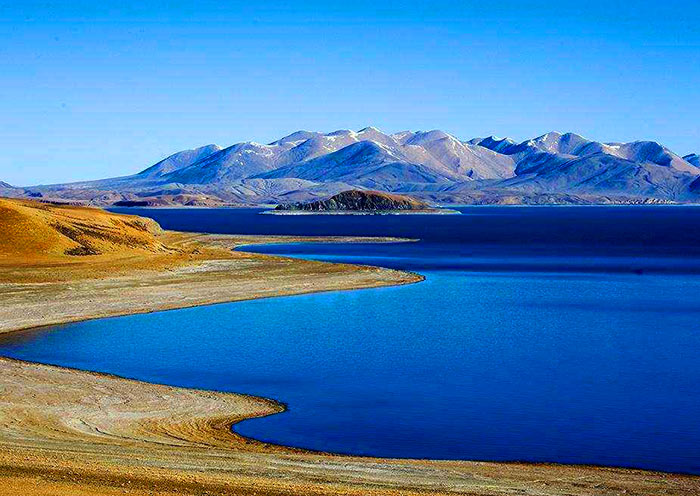
Ngari is for the serious adventurer seeking the raw, untamed essence of the Tibetan Plateau. Home to Mount Kailash and Lake Manasarovar, this is a pilgrimage site of immense spiritual and natural power.
✔ When to Visit: Summer (June–August) is warmest, but spring/autumn offer better clarity.
✔ Getting There: This is the most logistically complex region, requiring mandatory permits, a guide, and extensive high-altitude driving.
Touring here requires extensive, guided, high-altitude driving across the plateau to reach the key sites. Travel with us at Asia Odyssey Travel!
The ultimate challenge—and the profound experience—is the Kora (pilgrimage trek), a 3-day walk around Mount Kailash itself.
That trek provides intense sensory immersion: the cold, dry air, the vast horizon, and the sense of deep, timeless spirituality in the silent wilderness.
Explore the Most Beautiful Natural Places in Asia with Us, Your Local Pal
These 21 wonders are just the beginning of Asia's incredible natural story. To make your journey seamless and authentic, trust our extensive local network.
We, Asia Odyssey Travel, have established offices across the continent, including Japan, the Philippines, Singapore, Malaysia, Taiwan, Hong Kong, and key Chinese hubs like Shanghai, Guilin, Chengdu, Lhasa, and Zhangjiajie, ensuring local expertise is always at hand.
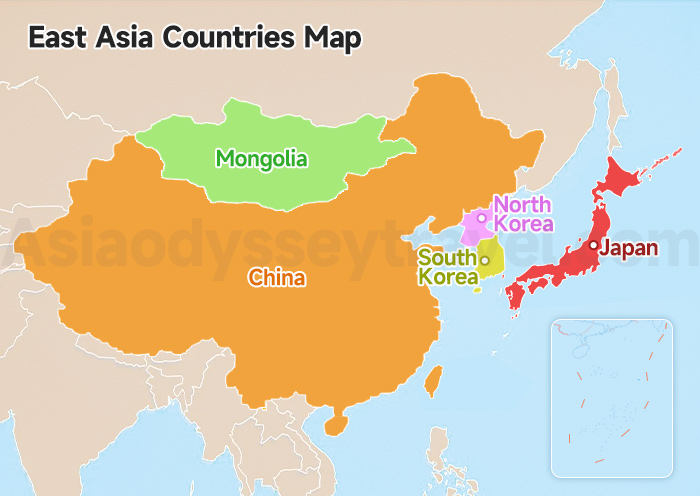
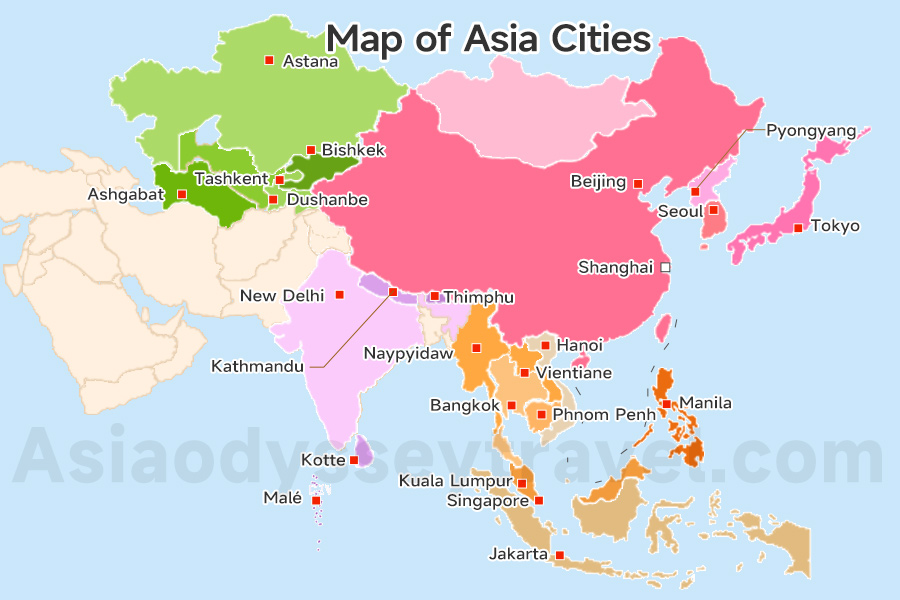
Our tours in Asia cover every corner, from East Asia (China, Japan, South Korea) and Southeast Asia (Singapore, Thailand, Vietnam, Philippines) to South Asia (India, Nepal, Bhutan) and Central Asia (Uzbekistan, Kazakhstan, Kyrgyzstan).
When you're ready to explore these diverse terrains, let us transform your inspiration into a real adventure!


 Data in submission...