+852 5394 6901
 Take China Group Tours in 2026/2027 to enjoy 30% discount compared to private tour. Same Experience & Lowest Price!
Uzbekistan Tajikistan Border Overview & Facts
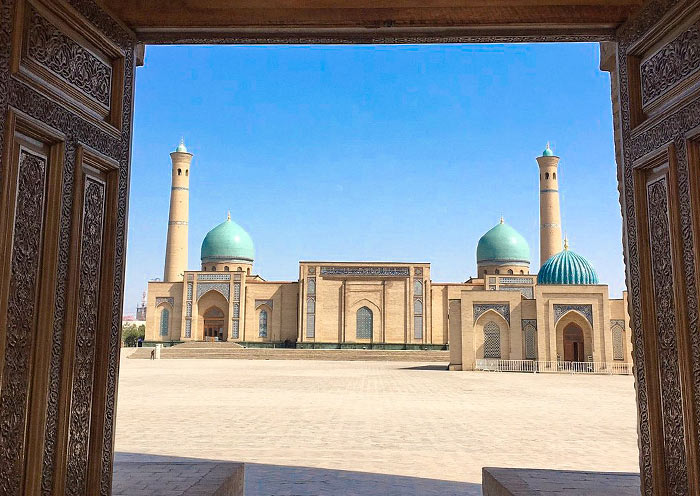
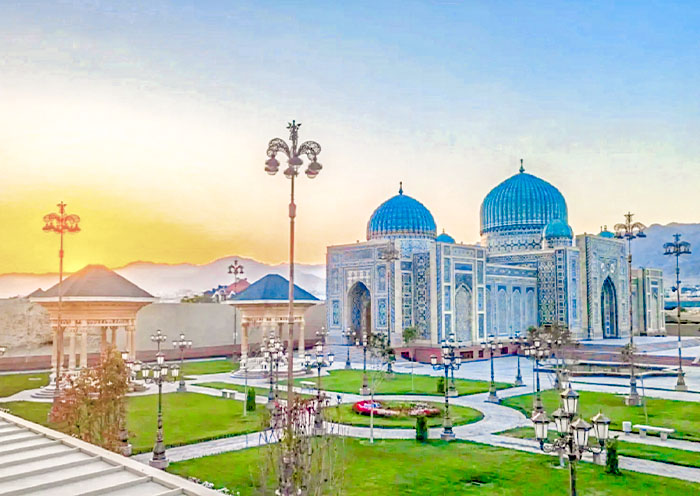
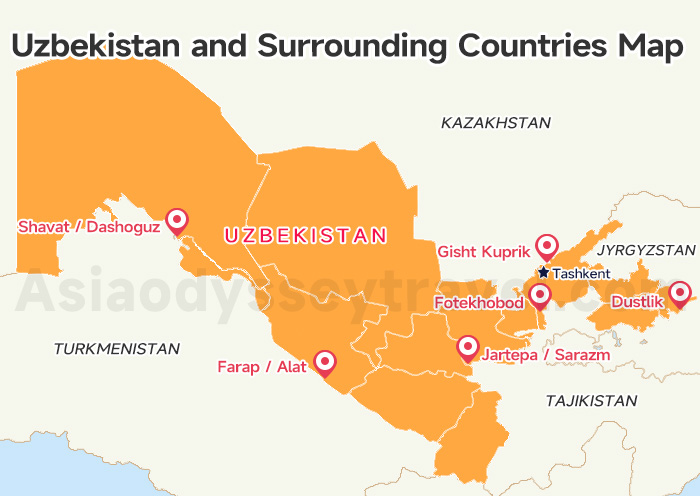
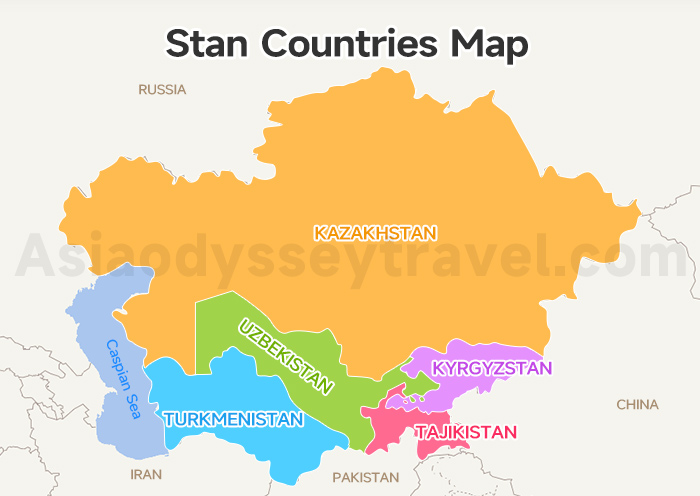
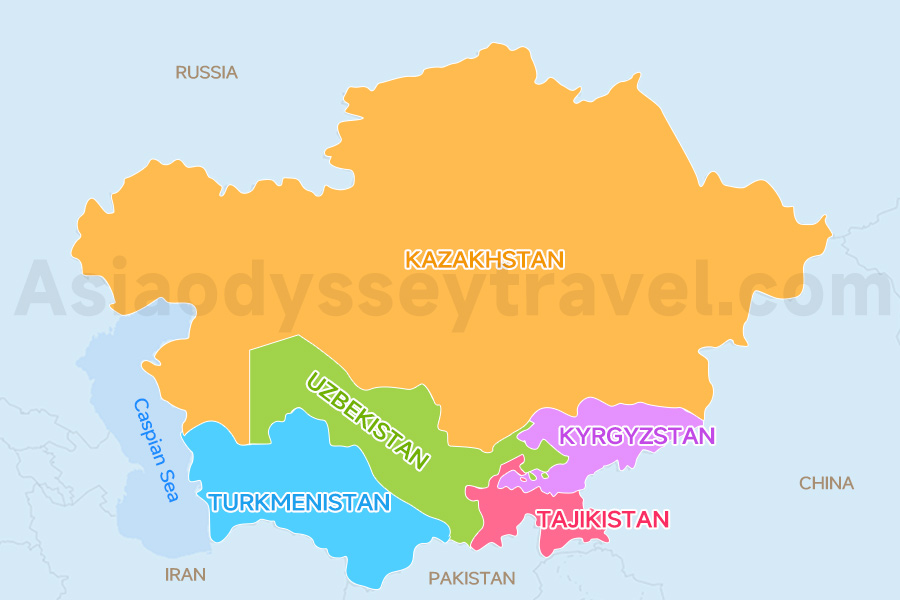
Uzbekistan and Tajikistan share a direct border where eastern Uzbekistan meets western Tajikistan, making overland travel between the two countries simple and logical for Silk Road travelers.
In practice, most tourists use two main land border crossings—one in the south and one in the north—depending on their route.
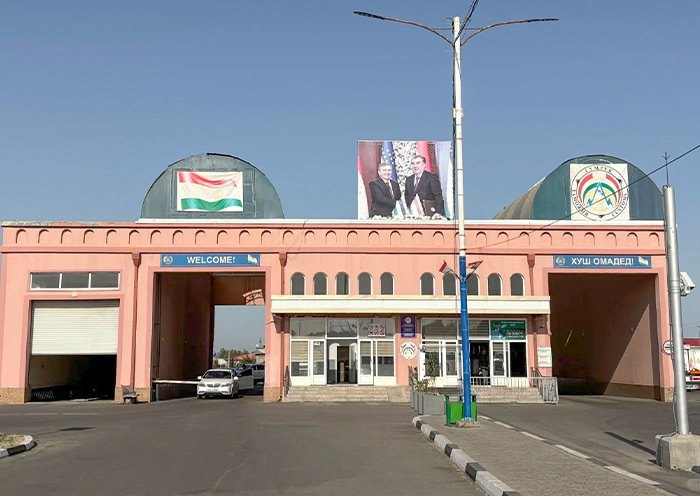
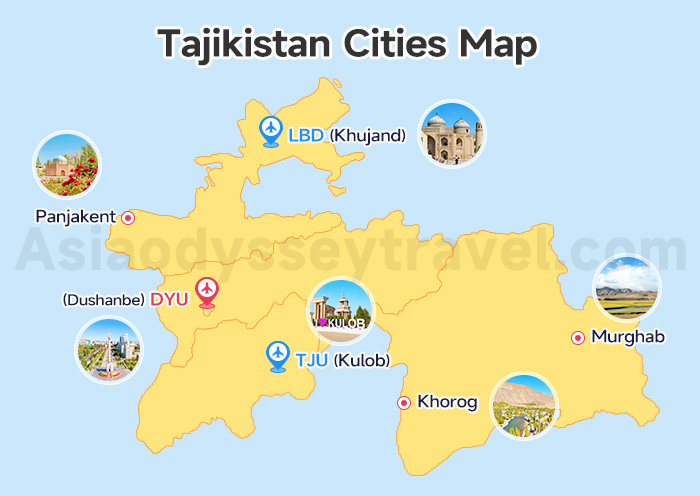
The southern Jartepa Border is the most commonly used crossing, linking Samarkand with Panjakent and onward to Dushanbe.
It is the main gateway to the Fann Mountains and the Seven Lakes, and ideal for travelers combining culture with mountain scenery.
The northern Oybek Border connects Tashkent with Khujand, the historic heart of northern Tajikistan. This crossing is often used by travelers exploring the Fergana Valley or continuing deeper into northern Tajikistan.
Let's dive in with more details.
People Also Ask for Uzbekistan–Tajikistan Border Crossing
Q: How many border crossings are there between Uzbekistan and Tajikistan?
A: For travelers, there are three main land border crossings commonly used between Uzbekistan and Tajikistan: Samarkand–Panjakent, Tashkent–Khujand (Oybek), and Denau–Tursunzoda. Among them, Samarkand–Panjakent is the most popular with tourists.
Q: Which Uzbekistan–Tajikistan border crossing is best for tourists?
A: The Samarkand–Panjakent border crossing is widely considered the best option for tourists. It is the most reliable, easiest to navigate, and best connected to popular travel routes in both countries.
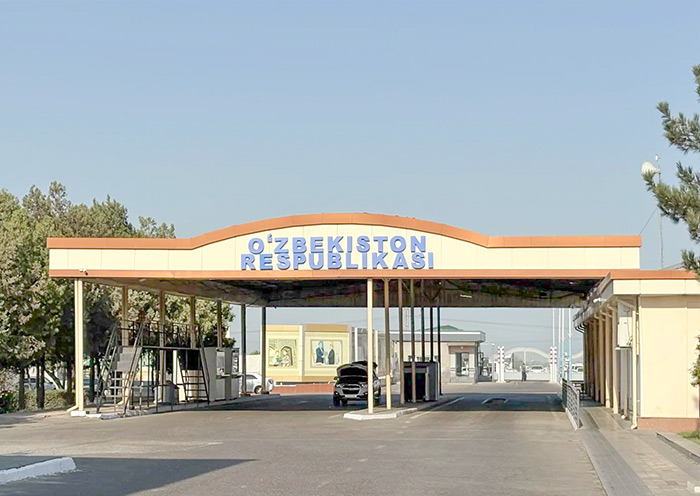
Q: Which border crossing is the fastest between Uzbekistan and Tajikistan?
A: The Tashkent–Khujand (Oybek) border crossing is usually the fastest in terms of pure crossing time, especially outside peak hours. However, waiting times can increase during busy periods.
Q: Which Uzbekistan–Tajikistan border crossing has the best road conditions?
A: The Samarkand–Panjakent crossing generally offers the best road conditions, with well-paved highways and relatively smooth travel on both sides of the border.
Q: Is the Uzbekistan–Tajikistan border safe for tourists?
A: Yes, the main Uzbekistan–Tajikistan border crossings are considered safe and well-organized. Using official crossings, traveling during daytime, and arranging transport in advance further improves the experience.
Q: Is it easy to travel from Samarkand to Tajikistan by land?
A: Yes, traveling overland from Samarkand to Tajikistan is easy via the Jartepa Border, with the drive to the border taking under one hour. From there, Panjakent and onward destinations are easily accessible.
Q: How long does it take to cross the Uzbekistan–Tajikistan border?
A: Border crossing time typically ranges from 30 minutes to 1.5 hours, depending on the crossing point, season, and traffic. Jartepa is usually quicker than Oybek, especially outside peak travel periods.
Jartepa Border (Southern Border) – Linking Samarkand with Panjakent & Dushanbe
The Jartepa Border is the most popular and efficient Uzbekistan–Tajikistan border crossing for travelers moving between Samarkand and Panjakent, or continuing onward to Dushanbe.
For most Silk Road itineraries, this southern Uzbekistan–Tajikistan border route offers the best balance of speed, scenery, and accessibility.
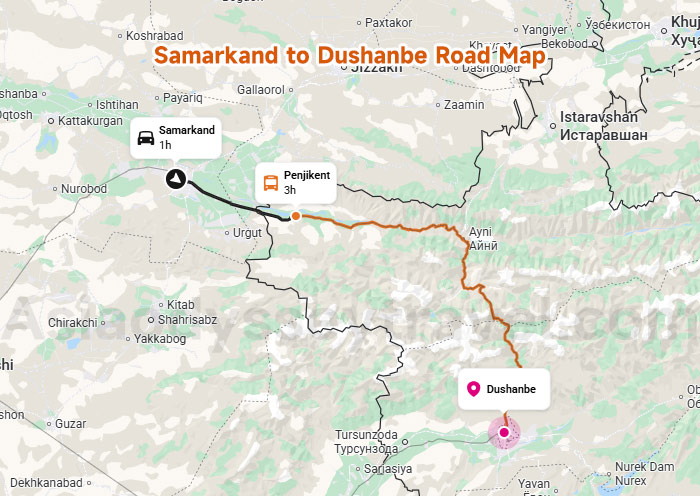
Route: Samarkand (UZ) → Jartepa Border → Sarazm (TJ) → Panjakent
Scenery & Road Conditions: What the Drive Feels Like
From Samarkand's city center, the drive to the Jartepa Uzbekistan–Tajikistan border takes only 40–50 minutes.
Samarkand to Dushanbe: Step-by-Step Boder-crossing Guide
The road is fully paved and generally in good condition, making it a smooth journey even in a standard sedan.
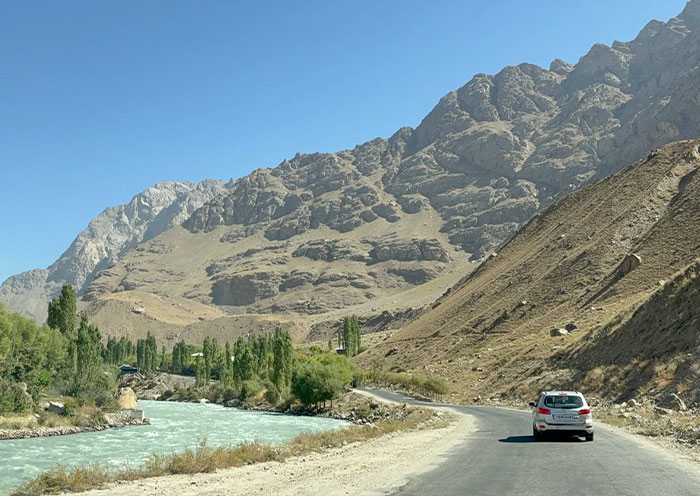
Leaving the historic core of Samarkand behind, the landscape transitions through open farmland before the distant outlines of the Fann Mountains begin to appear.
As you approach the Uzbekistan–Tajikistan border, the scenery subtly changes. Flat plains give way to rolling terrain, and once across the border, the air feels cooler and the mountains closer.
This gradual shift makes the Jartepa crossing feel less like a formal border and more like a natural gateway into western Tajikistan—especially for travelers heading to Panjakent, the Seven Lakes, or Dushanbe.

What Awaits Beyond the Uzbekistan–Tajikistan Border at Panjakent
What makes this crossing special is what waits immediately beyond the border.
-
Sarazm, a UNESCO-listed archaeological site, sits right there—proof that civilization thrived here over 5,500 years ago.
-
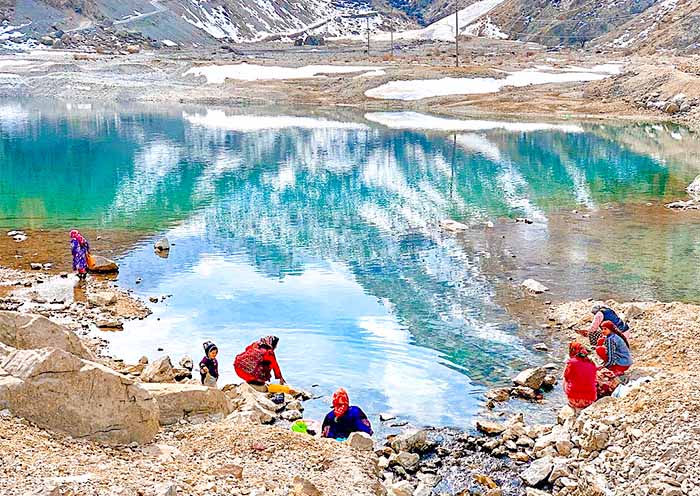
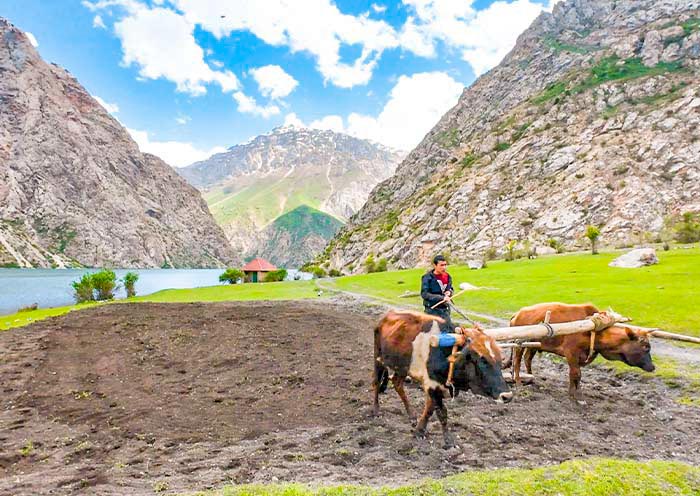
A short drive farther brings you to Panjakent, the natural gateway to the Seven Lakes (Haft Kul) and the Fann Mountains, some of the most photogenic landscapes in all of Central Asia.
A popular add-on here is the 3-Day Panjakent Extension: travel from Samarkand into Tajikistan, explore the Seven Lakes' shifting shades of blue, overnight in mountain villages, then return to Samarkand or continue onward to Dushanbe.
Shared Taxis vs. Private Transfers: What to Expect
Most independent travelers cross the Uzbekistan–Tajikistan border at Jartepa using shared taxis.
While inexpensive, this option often involves waiting for the car to fill, sharing space with strangers and luggage, and then repeating the process on the Tajik side after walking across the border.
During busy seasons, delays are common, and onward transport to Panjakent or Dushanbe may require additional negotiation.
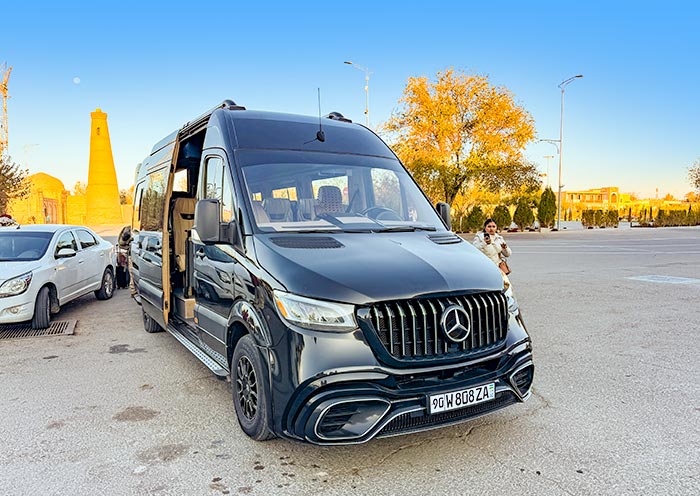
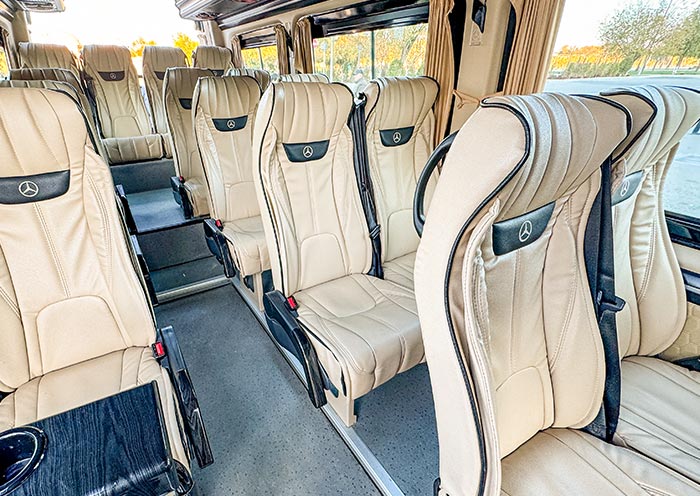
A private cross-border transfer removes these uncertainties entirely.
What to Expect with Asia Odyssey Travel
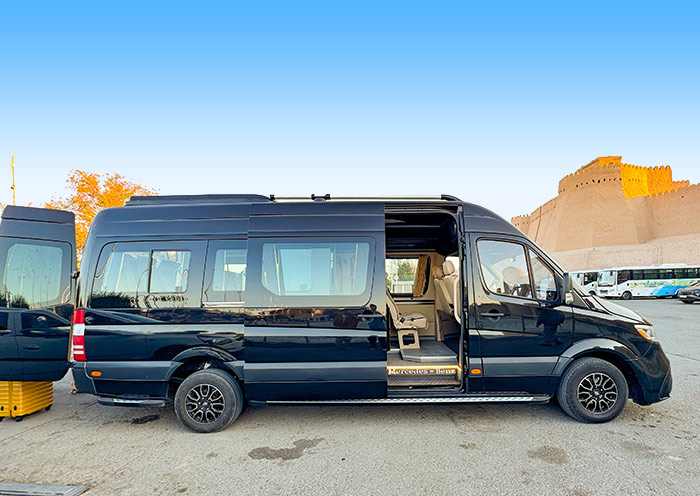
With Asia Odyssey Travel, transport is arranged seamlessly on both sides of the Uzbekistan–Tajikistan border. Drivers coordinate timing around the border formalities, vehicles are reserved exclusively for your group, and you continue directly to your hotel—no waiting and no forced stops along the way.
This one-group setup is not only more comfortable, but also safer and more efficient, especially for families, travelers with luggage, or anyone on a tight schedule.
Pricing is fixed in advance, eliminating bargaining, surprise charges, or the risk of being dropped off midway.
At Jartepa, what could feel like a logistical hurdle instead becomes a smooth and reassuring transition between Uzbekistan and Tajikistan.
Oybek Border (Northern Border) – Link Tashkent to Khujand
If your journey focuses on northern Uzbekistan or the Fergana Valley, the Oybek border is the most logical crossing.
Route: Tashkent (UZ) → Oybek Border → Buston (TJ) → Khujand
Road Conditions & Travel Time from Tashkent
From central Tashkent, reaching the Oybek Uzbekistan–Tajikistan border usually takes 1.5 to 2 hours, depending on traffic and departure time.
The road is fully paved and in generally good condition, passing through suburban districts and agricultural landscapes before reaching the border zone.
While the scenery here is less dramatic than the mountain routes in the south, it offers a grounded look at everyday life along the Uzbekistan–Tajikistan border region.
Border formalities are typically straightforward, and the walk across the border is short and clearly marked. Once inside Tajikistan, the road to Khujand is smooth and direct, with most travelers reaching the city within 30–40 minutes after clearing immigration.
Transport Options: Crossing the Uzbekistan–Tajikistan Border at Oybek
Most independent travelers cross the Uzbekistan–Tajikistan border at Oybek by taxi. The usual method involves taking a taxi from Tashkent to the border, walking across on foot, and then finding another taxi on the Tajik side to Khujand.
While this system works, it often means waiting for cars to fill, negotiating fares twice, and managing luggage during the border crossing.
For travelers seeking a smoother experience, a pre-arranged cross-border transfer significantly simplifies the journey.
With Asia Odyssey Travel, transport is coordinated on both sides of the Uzbekistan–Tajikistan border, eliminating the need to search for taxis or negotiate prices.
Vehicles are reserved for your group only, allowing for direct, door-to-door transfers from Tashkent to your hotel in Khujand.
This approach is particularly valuable for travelers on a tight schedule or those continuing deeper into Tajikistan.
Fixed pricing, no forced ride-sharing, and seamless border coordination turn the Oybek crossing into a reliable and efficient link between Uzbekistan and Tajikistan—rather than just another logistical step.
What t o Expect at Khujand
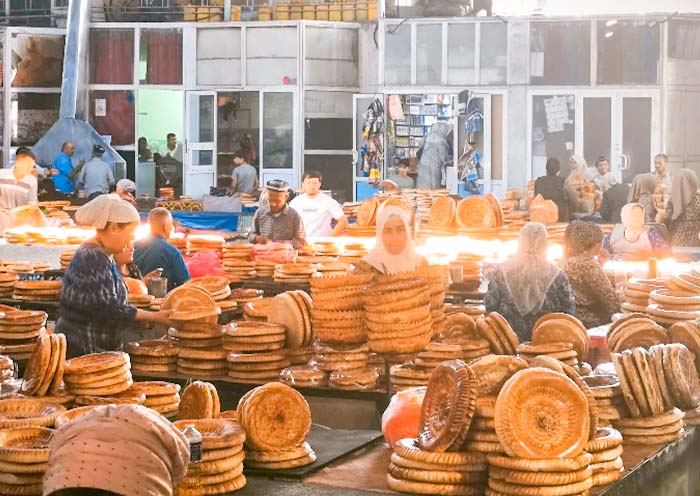
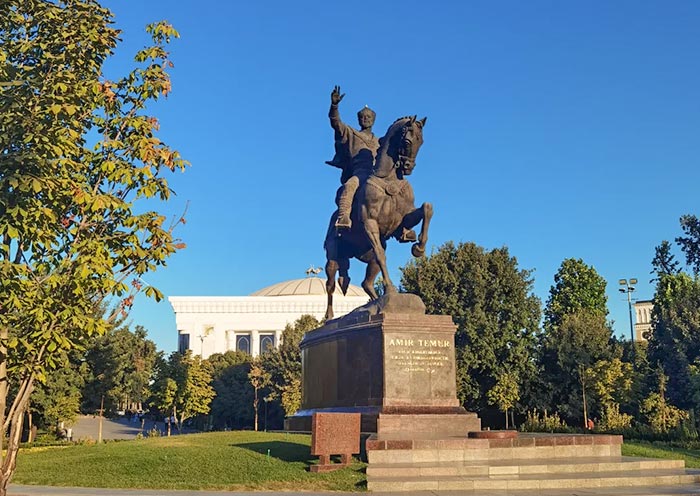
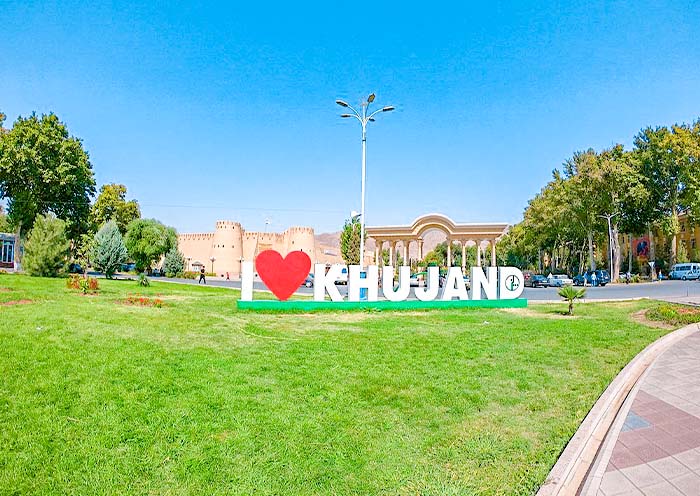
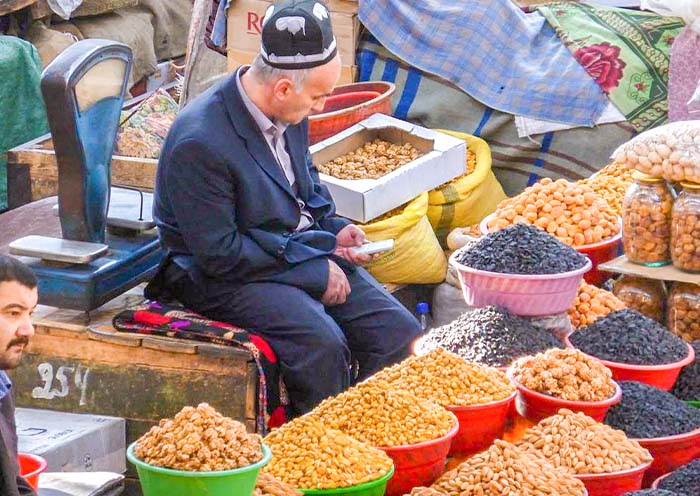
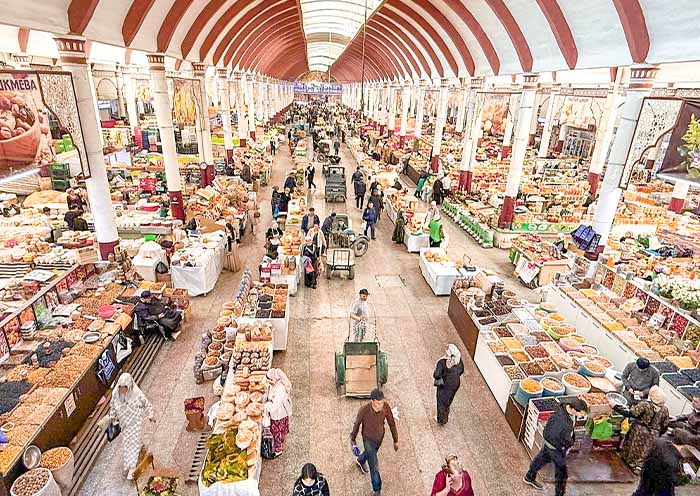
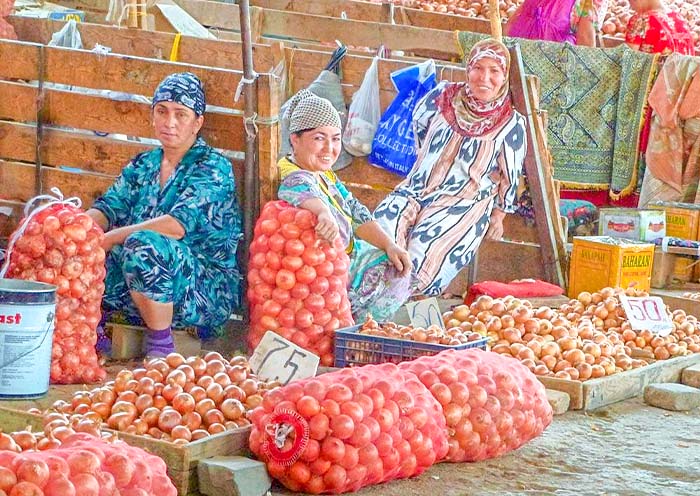
Khujand is one of Central Asia's oldest cities, founded by Alexander the Great as Alexandria Eschate. Its lively Panjshanbe Bazaar is a highlight—colorful, chaotic, and wonderfully local.
From here, many travelers continue south through Istaravshan toward Dushanbe, tracing a lesser-visited but historically rich Silk Road corridor.
This route works perfectly for a Northern Silk Road Loop linking Tashkent, Khujand, and central Tajikistan.
Border Procedures & Regulations at the Uzbekistan–Tajikistan Border
Crossing the Uzbekistan–Tajikistan border is generally straightforward, especially at the main tourist crossings like Jartepa and Oybek. Still, knowing the basic procedures and regulations in advance helps avoid surprises and keeps the transition smooth.
Visa Requirements & Entry Permits
Before approaching any Uzbekistan–Tajikistan border crossing, travelers should double-check visa requirements for both countries.
Uzbekistan is visa-free for many nationalities, while Tajikistan often requires an e-visa, which should be obtained in advance and printed or saved offline.
If your itinerary includes travel to the Pamirs later, remember that Tajikistan requires an additional GBAO permit.
This permit is not issued at the border and must be arranged beforehand, either online or through a travel agency.
Step-by-Step Border Crossing Process
The process at the Uzbekistan–Tajikistan border follows a clear sequence.
First, you exit Uzbekistan through passport control and a brief customs check. Officials may ask basic questions about your route, but procedures are usually quick.
Next comes the short walk through no-man's land, typically 200–500 meters, depending on the border.
This section is clearly marked, flat, and easy to navigate with luggage. At some crossings, shuttle carts may be available, but walking is the norm.
On the Tajik side, you'll pass through passport control, where your visa or e-visa is checked. Occasionally, health screenings are conducted, but these are usually minimal.
Once stamped in, you are officially across the Uzbekistan–Tajikistan border and free to continue your journey.
Customs Rules & Practical Tips
Customs checks at the Uzbekistan–Tajikistan border are generally relaxed, but there are a few important rules to keep in mind. Certain medications—especially those containing codeine or strong painkillers—are strictly regulated in Tajikistan.
If you carry prescription medicine, bring documentation and avoid unnecessary quantities.
Large sums of cash should be declared if required, and drones may attract extra attention. When in doubt, it's best to ask before packing.
Currency exchange and SIM cards are usually limited or unavailable directly at the border. While small money changers may appear, better rates and more reliable service are found in nearby cities such as Panjakent, Khujand, or Dushanbe.
Most travelers prefer to handle SIM cards and cash after completing the Uzbekistan–Tajikistan border crossing.
Curated Uzbekistan–Tajikistan Cross-Border Itineraries
With the main Uzbekistan–Tajikistan border crossings now straightforward and reliable, combining both countries into one journey is easier than ever. Based on traveler feedback and real on-the-ground logistics, the following itineraries are the most popular and practical ways to experience the region.
Option A: The Classic Silk Road Loop (10–14 Days)
Tashkent → Samarkand → Panjakent → Dushanbe → Khujand → Tashkent
This is the most complete Uzbekistan–Tajikistan cross-border itinerary, ideal for first-time visitors who want to see it all without rushing.
The route uses both major Uzbekistan–Tajikistan border crossings—Jartepa in the south and Oybek in the north—creating a smooth loop rather than backtracking.
You'll start with Uzbekistan's iconic Silk Road cities, cross into Tajikistan at Jartepa for mountain scenery and ancient sites, then return via northern Tajikistan and Khujand before re-entering Uzbekistan.
It's a balanced mix of architecture, history, markets, and landscapes, with efficient travel days and well-paced sightseeing.
Here is the 13-Day Uzbekistan–Tajikistan Itinerary Overview
Day 1: Arrive in Tashkent with airport transfer, hotel check-in, and a half-day city tour.
Day 2: Take a morning train to Bukhara and visit the Ismail Samani Mausoleum and Ark of Bukhara.
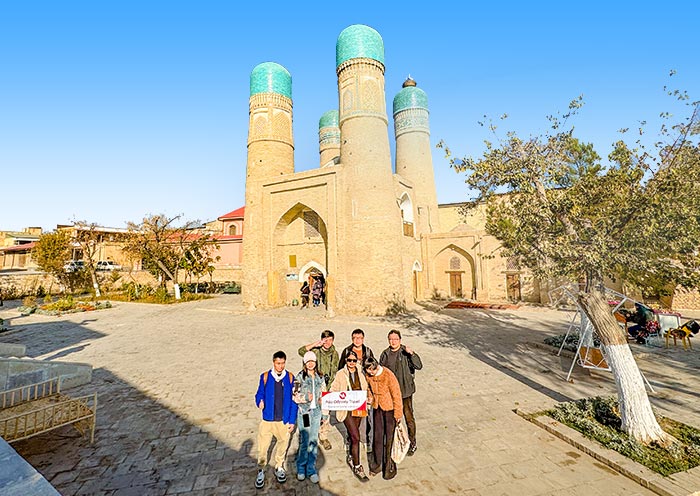
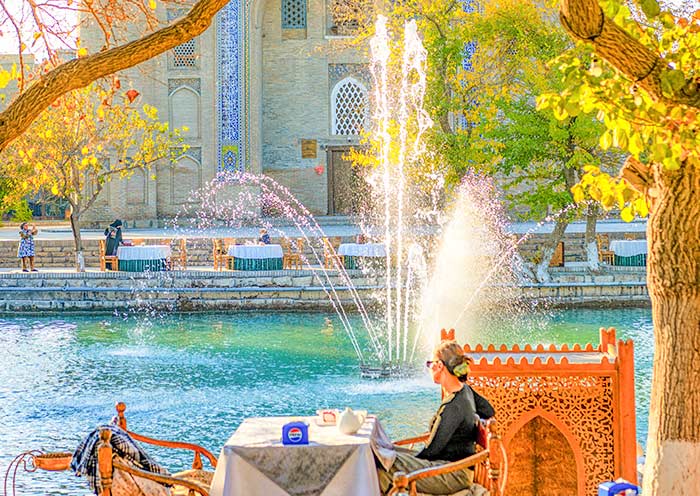
Day 3: Explore Bukhara's old town, including Chor Minor, Lyabi Hauz, the trading domes, and the Po-i-Kalyan Complex.
Day 4: Drive from Bukhara to Samarkand via Shakhrisabz, visiting Ak-Saray Palace and historic memorial complexes.
Day 5: Discover Samarkand's highlights, from Registan Square to Shahi Zinda and the bustling Siyab Bazaar.
Day 6: Cross the Uzbekistan–Tajikistan border at Jartepa from Samarkand to Penjikent, exploring key historical sites.
Day 7: Travel to the Seven Lakes for scenic views and a short hike before returning to Penjikent.
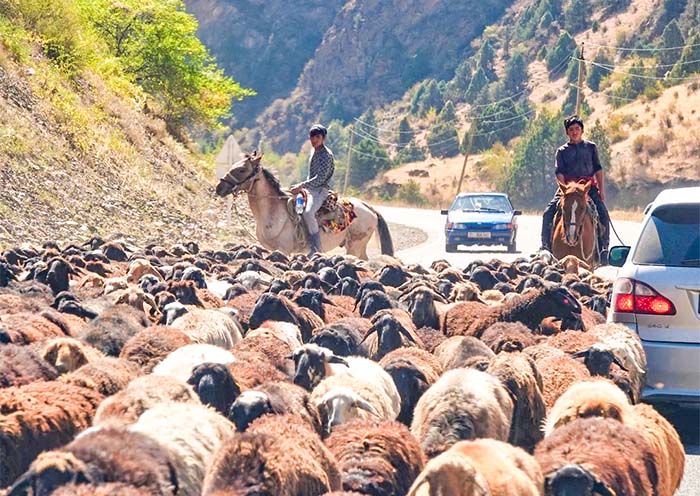
Day 8: Journey through the Fann Mountains to Iskanderkul Lake for a hike, then continue to Dushanbe.
Day 9: Enjoy a guided city tour of Dushanbe, covering its main monuments, parks, and museums.
Day 10: Travel from Dushanbe to Khujand with a stop in Istaravshan to explore its bazaar and heritage sites.
Day 11: Explore Khujand's cultural landmarks and the lively Panjshanbe Bazaar.
Day 12: Drive back to Tashkent from Khujand and visit Chorsu Bazaar and the Applied Arts Museum.
Day 13: Depart Tashkent with hotel check-out and airport transfer.
Option B: Mountains & Monuments (5-7 Days)
Samarkand → Jartepa Border → Panjakent → Seven Lakes / Iskanderkul → Dushanbe
Perfect for travelers short on time but eager to experience both cultures, this route focuses on the southern Uzbekistan–Tajikistan border and the dramatic landscapes beyond it.
After exploring Samarkand, you cross the Uzbekistan–Tajikistan border at Jartepa and head straight into the heart of the Fann Mountains.
The highlight here is nature: turquoise alpine lakes, quiet mountain villages, and scenic drives that contrast sharply with Uzbekistan's grand cities.
Ending in Dushanbe keeps the route efficient, making it ideal for travelers who want a strong cultural opening followed by a deep dive into Tajikistan's natural beauty.
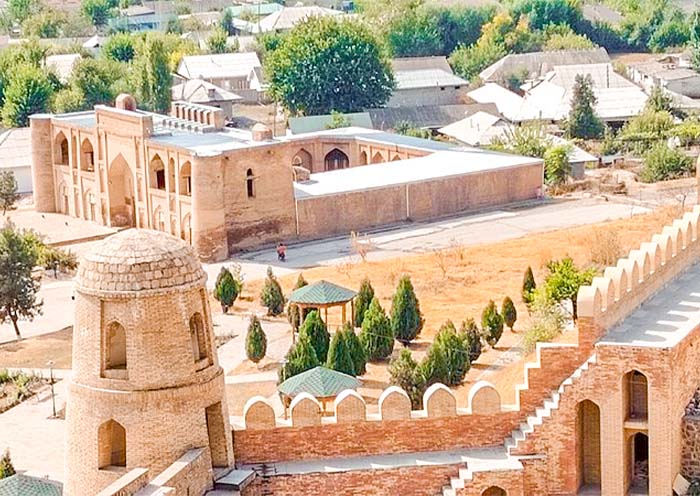
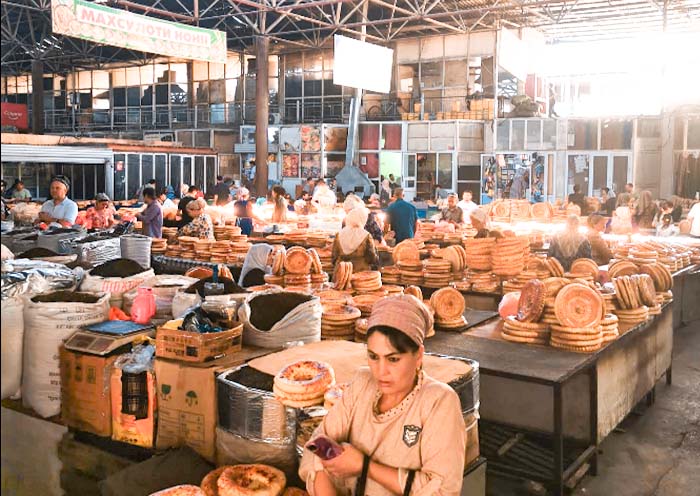
Here is the 5-Day Uzbekistan–Tajikistan Itinerary Overview
Day 1: Cross the Uzbekistan–Tajikistan border from Samarkand to Penjikent via Jartepa, exploring the Rudaki Museum and the ruins of Ancient Penjikent.
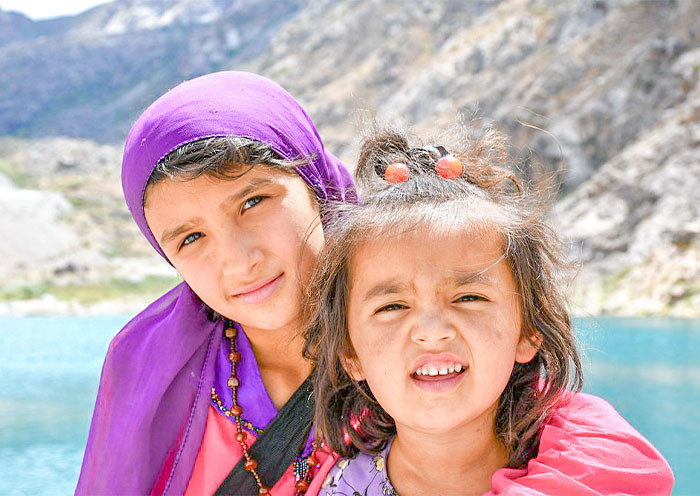
Day 2: Travel from Penjikent to the Seven Lakes and enjoy a short hike between the sixth and seventh lakes before returning to Penjikent.
Day 3: Journey from Penjikent through the Fann Mountains to Iskanderkul Lake for a scenic hike, then continue on to Dushanbe.
Day 4: Discover Dushanbe on a city tour, visiting key landmarks including Independence Monument, Rudaki Park, the National Museum of Antiquities, and the Imam Abu Hanifa Mosque.
Day 5: Depart Dushanbe with hotel check-out and airport transfer.
Explore Central Asia's Nature and Historical Sites with Asia Odyssey Travel
This closing section is here to help you take the next step from planning to traveling.
As a locally connected travel agency, Asia Odyssey Travel works directly with experienced local guides, professional drivers, and our own trusted vehicle teams, ensuring your journey across Central Asia is safe, smooth, and well-organized—from airport pickup to your final farewell.
Our Single-Country Tour Collections
For travelers who want to slow down and truly understand one destination, our single-country tours focus on history, culture, landscapes, and local life:
- Uzbekistan Tours– Silk Road cities, UNESCO heritage, and Islamic architecture
- Kazakhstan Tours– modern cities, steppe landscapes, and mountain scenery
- Kyrgyzstan Tours– alpine lakes, nomadic culture, and outdoor experiences
- Tajikistan Tours– the Pamir Highway and high-mountain adventure
- Turkmenistan Tours– ancient ruins, desert landscapes, and unique traditions
These itineraries are guided by local experts, paced for comfort, and ideal for first-time and repeat visitors alike.

Our Central Asia multi-country Tour Collections
Classic Central Asia Tours: Central Asia Group Tours, Central Asia Tours, Five Stans Tours
Central Asia Tours by Departure Market: Central Asia Tour from Singapore, Central Asia Tour from Malaysia, Central Asia Tour from UK, Central Asia Tour from India, Central Asia Tour from USA, Central Asia Tour from Australia
Follow Asia Odyssey Travel to explore Central Asia's legendary Silk Road cities, dramatic landscapes, and living traditions—from Samarkand, Bukhara, and Khiva, to Almaty, Bishkek, Dushanbe, Ashgabat, and beyond. With strong local partnerships and on-the-ground support, we make Central Asia accessible, safe, and deeply rewarding.


 Data in submission...