+852 5394 6901
 Take China Group Tours in 2026/2027 to enjoy 30% discount compared to private tour. Same Experience & Lowest Price!
How to Pack for Asia Without Over-packing
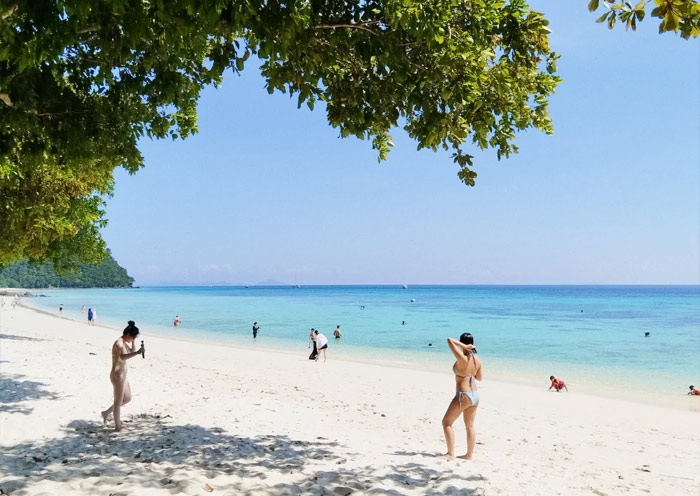
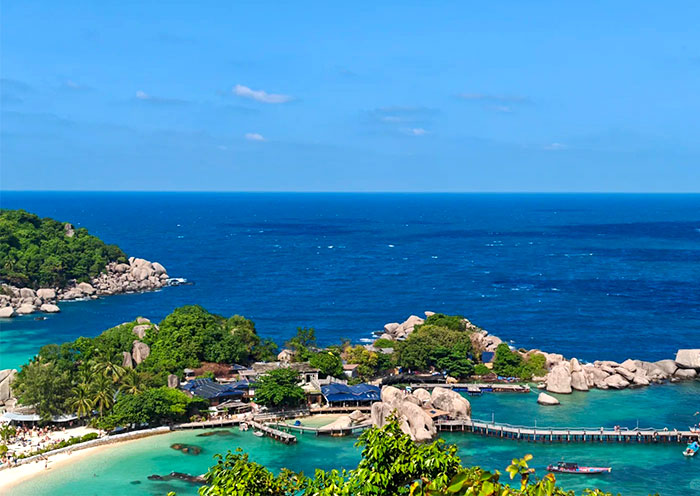
The biggest mistake first-time Asia travelers make is packing for every possible scenario. Most items you think you need can be purchased locally in Asia, often for less money than back home.
Laundry services exist on nearly every street corner in cities like Bangkok, Hanoi, and Singapore. You will buy souvenirs and local clothes during your trip. Every kilogram you pack from home is space you cannot use for items you discover along the way.
Backpack vs. Suitcase: Why Mobility Rules in Asia
The choice between a backpack and a suitcase depends entirely on the streets—or the lack of them.
If your trip is only to modern cities in East Asia like Tokyo, or Shanghai, a standard suitcase with wheels is fine. These cities have smooth sidewalks, elevators in every station, and taxis that take you right to the door.
However, if you plan to explore Southeast Asia, Central Asia, or India, a backpack is the better choice. A 40 to 50-liter backpack lets you move easily from a boat to a tuk-tuk without fighting with your bags.
Southeast Asia Packing List for First-Timers 2026
What to Pack for India: Ultimate India Packing List 2026
You Only Need 7 Days of Clothes
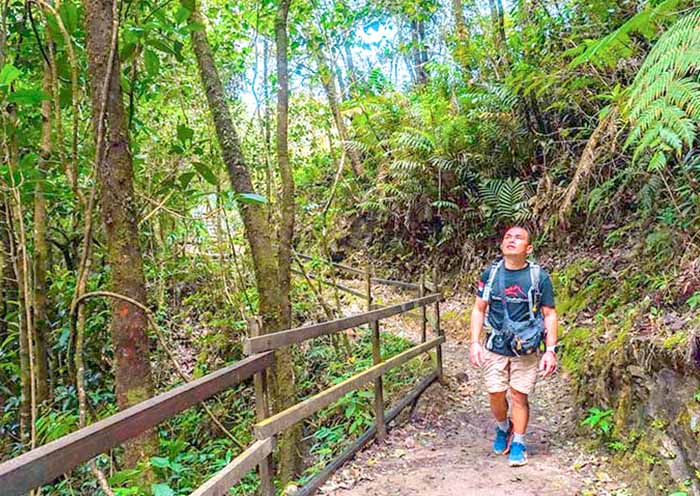
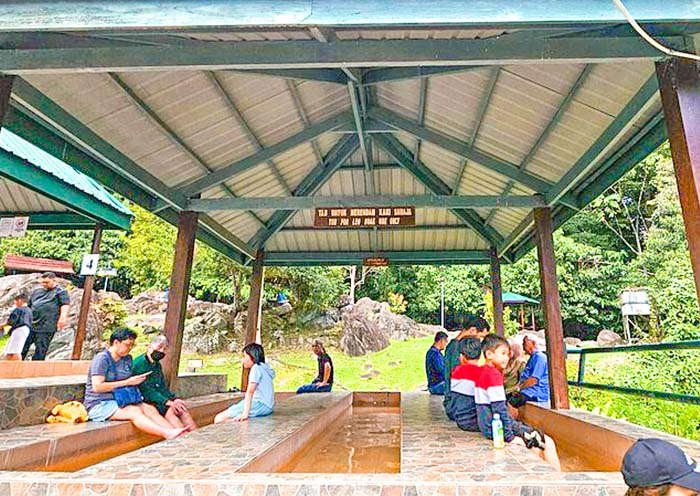
It does not matter if your trip is two weeks or three months long. You should only pack clothes for one week. In Southeast Asia wash-and-fold services are ubiquitous. You drop it off in the morning and get it back fresh in the evening.
In East Asia (Japan, Taiwan, Korea), almost every business hotel and hostel has coin-operated washing machines and dryers.
Buy as You Go: Asia is the manufacturing hub of the world. Need a t-shirt? Uniqlo in Japan or a night market in Bangkok will have what you need for a fraction of the price at home.
Asia Travel Essentials: Things to Bring to Asia

Certain items are absolutely non-negotiable. These keep you legal, safe, and able to access money during your trip.
Passport and Visas
The 6-Month Rule: Most Asia's countries strictly deny entry if your passport expires within 6 months of your arrival date.
Printed Copies: While digital is great, border systems in remote areas (e.g., Laos-Cambodia land borders) often go offline. Always carry:
- 2 printed copies of your E-Visa.
- 2 printed copies of your return flight ticket (proof of onward travel is frequently checked).
Passport Photos: Carry 4-6 passport-sized photos (white background). You will need them for Visa-on-Arrival applications or getting a local SIM card in countries like India or Nepal.
Travel Insurance and Copies
Travel insurance covers medical emergencies that cost far more than the insurance premium. Read your policy details about adventure activities before purchasing because standard insurance often excludes coverage for riding motorbikes, scuba diving, or trekking.
Make multiple copies of your insurance policy and store the emergency contact number in your phone.
Cash and Cards
Bring at least two different credit or debit cards from different banks and different card networks (one Visa, one Mastercard). Keep them in separate bags so if one gets stolen or stops working, your backup prevents being stranded without money access.
Get cards with no foreign transaction fees because many banks charge an extra 2-3% every time you use cards abroad.
Most Asian countries now prefer electronic payments, especially in China where WeChat Pay and Alipay dominate daily transactions. Download these apps before arriving and link your credit card to pay at restaurants, shops, and taxis like locals do.
However, cash remains essential in many situations. Carry US dollars as emergency backup money and use ATMs to get local currency instead of airport exchange counters which charge terrible rates.
Clothing: What to Pack for Asia by Region & Climate
Asia is not one climate. What you pack depends entirely on your specific route and travel season. There are no "colors not to wear" restrictions in most Asian countries.
Southeast Asia & South Asia (Thailand, Vietnam, Bali, Malaysia, Singapore, India, Sri Lanka)
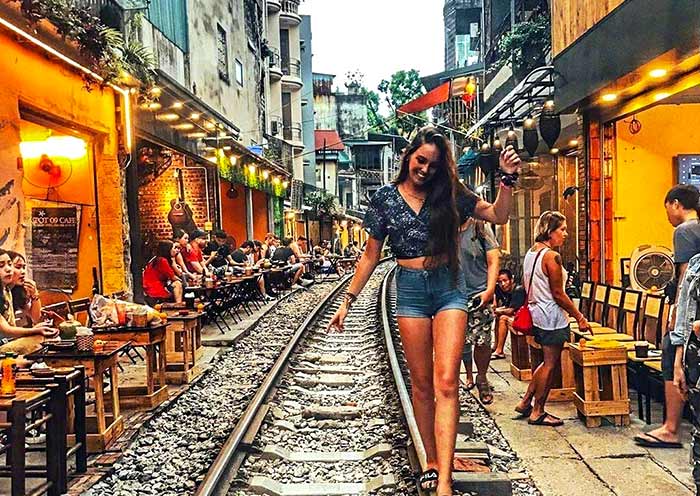
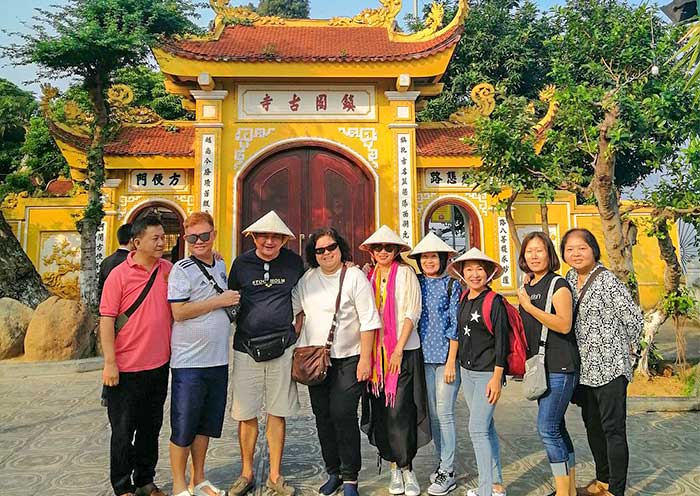
Southeast Asia stays hot and humid throughout the year with temperatures hovering between 30-35°C during the day. Cotton is your enemy here because once it gets wet with sweat, it stays wet and heavy. You need loose-fitting, breathable fabrics like linen or rayon.
Women should pack one long skirt or loose pants specifically for temple visits, as many Buddhist and Hindu temples prohibit shorts or short skirts inside sacred areas.
| Item | Quantity | Purpose |
|---|---|---|
| T-shirts (quick-dry) | 3-4 | Daily wear in hot, humid weather |
| Long pants | 1 | Temple visits, air-conditioned spaces |
| Shorts | 1 | Beach, casual city walking |
| Long-sleeved shirt | 1 | Sun protection, temple modesty, strong AC |
| Long skirt/loose pants (women) | 1 | Temple requirements |
| Walking sandals | 1 pair | Easy removal for temples/homes |
| Closed-toe shoes | 1 pair | Hiking, better foot protection |
| Light rain jacket or umbrella | 1 | Brief tropical downpours |
Southeast Asia Packing List for First-Timers 2026
What to Pack for India: Ultimate India Packing List 2026

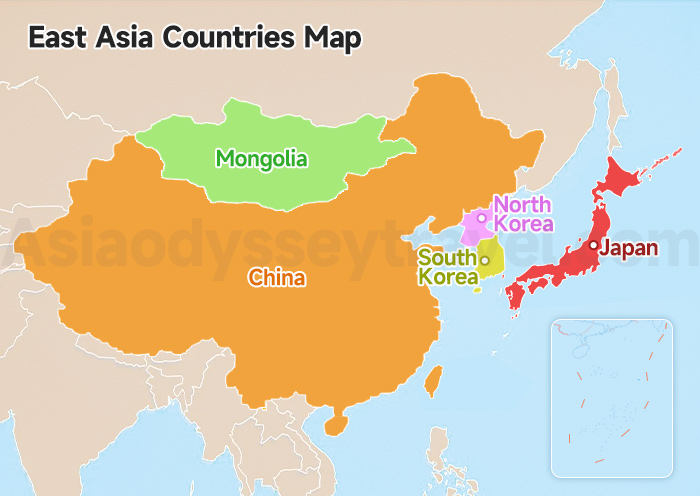
East Asia (Japan, China, South Korea)
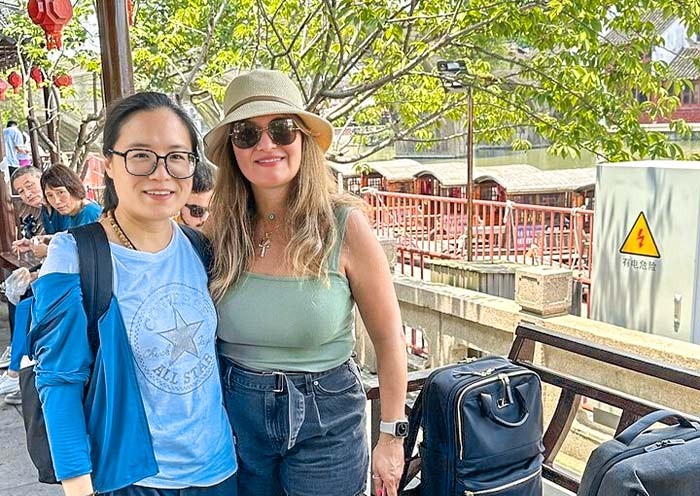
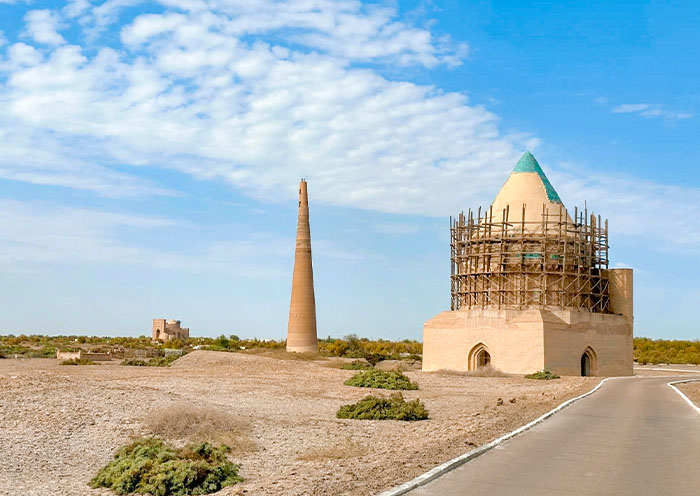
Unlike the tropical south, East Asia has four distinct seasons. If you visit in summer, dress as you would for Southeast Asia—it is hot and humid. However, if you are visiting in spring or autumn, the temperature fluctuates wildly. You need "layers."
| Season | Essential Items | Notes |
|---|---|---|
| Summer (Jun-Aug) | Lightweight clothes (3-4 shirts), shorts, light cardigan | Similar to Southeast Asia but with aggressive AC in buildings |
| Winter (Dec-Feb) | Down jacket, thermal underwear (2), hat, scarf, gloves, warm pants | Northern China/Japan get heavy snow; Harbin reaches -30°C |
| Spring (Mar-May) | Light fleece jacket, long-sleeved shirts (2), waterproof layer | Layers essential for temperature swings throughout day |
| Fall (Sep-Nov) | Sweater (2), light jacket, pants, scarf | Similar to spring; mild but unpredictable |
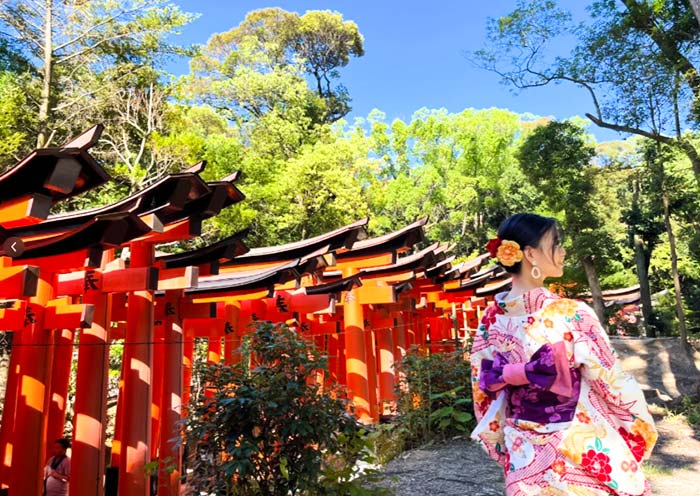
Japan particularly expects neat, clean appearance in cities. Clothes do not need to be fancy, but they should look reasonably nice and well-maintained.
Bring shoes that remove easily because you will take them off frequently in Japan at restaurants, temples, and traditional accommodations.
What to Pack for China: Don't Forget in Last Mintues
Central Asia (The Stans: Kazakhstan, Uzbekistan)
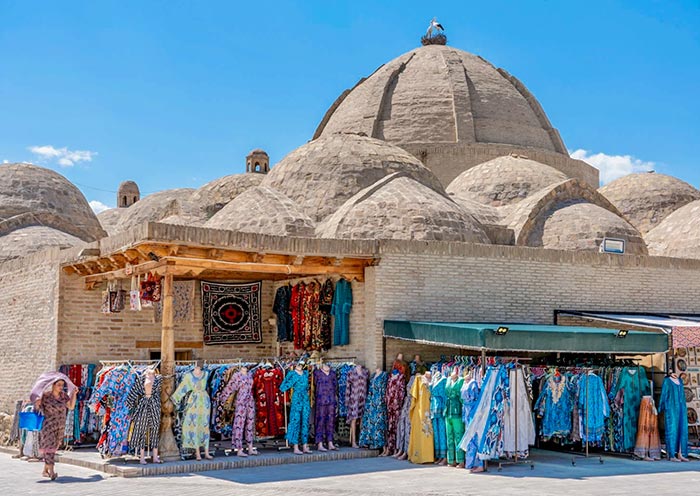
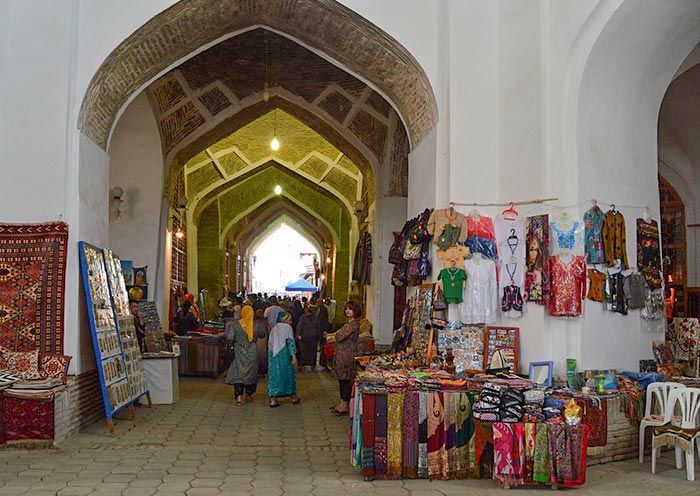
Central Asia experiences extreme temperature swings between summer and winter, and even between day and night in the same season. These landlocked countries far from oceans get blazing hot summers and brutally cold winters.
Central Asian culture is conservative, particularly outside major cities, so both men and women should avoid shorts and sleeveless shirts when visiting local neighborhoods and religious sites.
| Season | Essential Items | Cultural Notes |
|---|---|---|
| Summer | Light clothes for daytime (3-4 shirts), warm layers for evenings, wide-brimmed hat | Daytime reaches 40°C, nights cool significantly |
| Winter | Warm coat, thermal layers, winter hat, gloves, insulated boots | Temperatures drop well below zero |
| Year-round | Long pants (men & women), long-sleeved shirts, scarves for women | Conservative dress for mosques and traditional areas |
| Any season | Comfortable walking shoes, buff/scarf for dust storms | Extensive walking on cobblestones; dry climate creates dust |
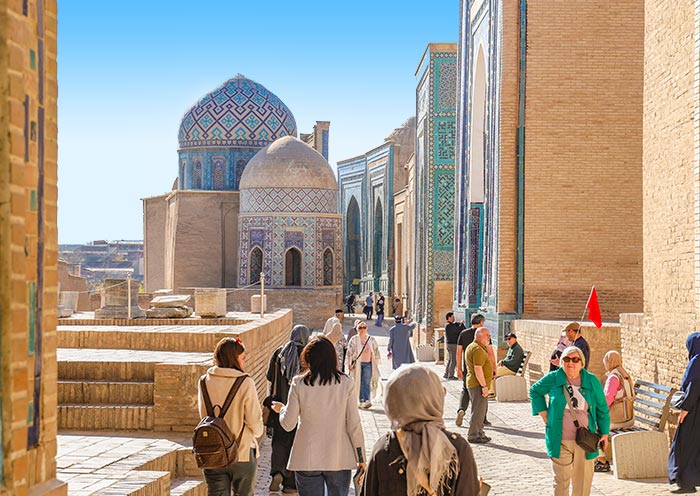
If visiting Uzbekistan's Silk Road cities like Samarkand and Bukhara, expect extensive walking on uneven cobblestone streets. Women should bring scarves to cover hair when entering mosques, and long skirts or loose pants covering knees.
West Asia (Dubai, Middle East)
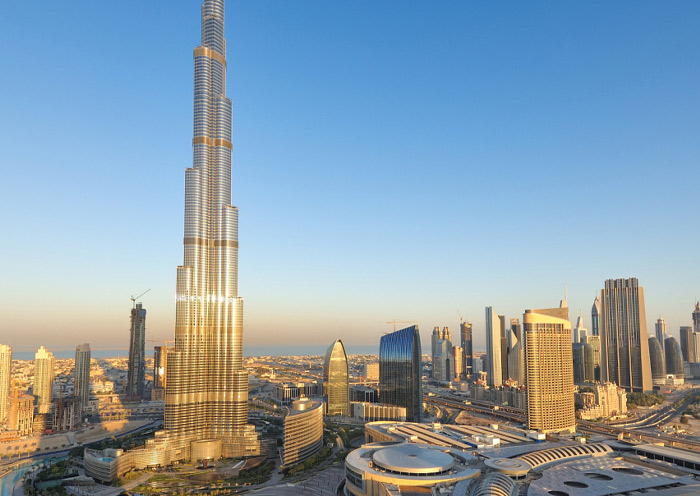
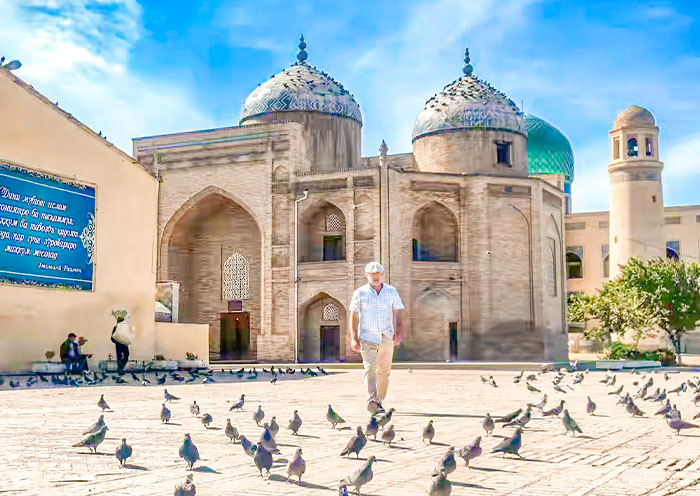
The challenge here is the battle between the outdoor furnace and the indoor freezer. Outside, temperatures can exceed 40°C (104°F), but malls and hotels blast air conditioning at arctic levels.
Note that Dubai and Doha have luxury dress codes; many high-end restaurants and bars will not allow men in wearing open-toed sandals or shorts, so pack one set of "smart casual" evening wear.
| Area | What to Wear | Notes |
|---|---|---|
| Dubai tourist areas | Western summer clothes, light layers | Cover shoulders/knees in traditional neighborhoods |
| Religious sites | Modest clothing (shoulders & knees covered), head scarves for women | Some sites provide shawls but bringing your own is better |
| Desert activities | Light daytime clothes, warm layers for evening | Nights become surprisingly cold |
| Men | Long pants for traditional areas, shorts OK at beaches | Tank tops inappropriate outside beach areas |
| Women | Light cardigan/scarf for quick covering, long skirts/loose pants | Can wear Western clothes in malls and hotels |
Winter in the desert can surprise visitors with cold nights. If planning desert camping or evening activities outside cities, bring warm layers because temperatures drop rapidly once the sun sets.
Toiletries and Medicine You Should Bring From Home
Most bathroom items are easy to find all over Asia, but there are a few specific things you should really bring from home.
Everyday Essentials (Hard to Find)
Many big hotels in Chinese cities have stopped giving free toiletries to help the environment. You should bring your own basics or plan to buy them at a local supermarket.
- Sunscreen: Asian brands often contain "whitening" ingredients (to make skin paler), so bring your own if you don't want that.
- Tampons: Difficult to find outside of major cities in East Asia and Southeast Asia. Pads are ubiquitous, but tampons (especially with applicators) are rare. Stock up.
- Deodorant: Styles sold in Asia are often different/weaker.
Medicine
Your medicine must be in its original bottle with the label. Also, bring a copy of the doctor's note (prescription). Bring more than you need. If you lose your pills or decide to stay longer than planned, you do not want to be stuck without them.
| First Aid Kit | |
|---|---|
| 1 | Band-Aids |
| 2 | Painkillers |
| 3 | Stomach Medicine: Imodium (Loperamide), Electrolytes (ORS), Activated Charcoal |
| 4 | Allergy pills (Antihistamines) |
For High Places: If you go to high areas like Tibet, bring Rhodiola or medicine for altitude sickness.
Bug Spray: Bring spray with DEET. It stops mosquitoes that carry diseases like dengue and malaria.
What Tech Gear Do You Actually Need for Asia
Technology makes travel easier, but too many gadgets weigh you down. Your smartphone handles most jobs adequately—photos, maps, bookings, translation, and communication. For many travelers, a good smartphone is the only tech device needed.
The Universal Adapter
Asia is a mess of plug standards. Do not bring separate adapters for each. Buy a high-quality Universal Travel Adapter. Crucially, choose one that has at least two or three USB-C and USB-A ports built directly into it.
This allows you to charge your phone, watch, and power bank simultaneously using only one wall outlet—which is often all you get in a hotel room.
Power Bank
Your phone battery will drain faster in Asia than at home. You will be using high-energy apps constantly: Grab or Gojek to call taxis, Google Maps to navigate, Google Translate to read menus, and your camera to capture the sights. The heat also degrades battery performance.
A 10,000mAh Power Bank is the sweet spot between capacity and weight. It gives you about 2-3 full charges for a smartphone. Do not leave your hotel without it.
VPN (Virtual Private Network)
Critical for China. You cannot access Google, Gmail, Instagram, WhatsApp, or Facebook without one. Install it BEFORE you leave home; VPN websites are blocked inside China.
What to Pack for Asia Trip with Kids and Seniors: Additional Essentials
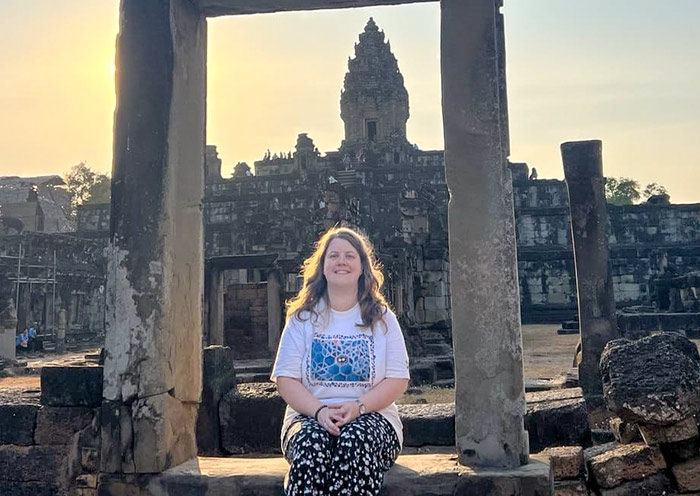
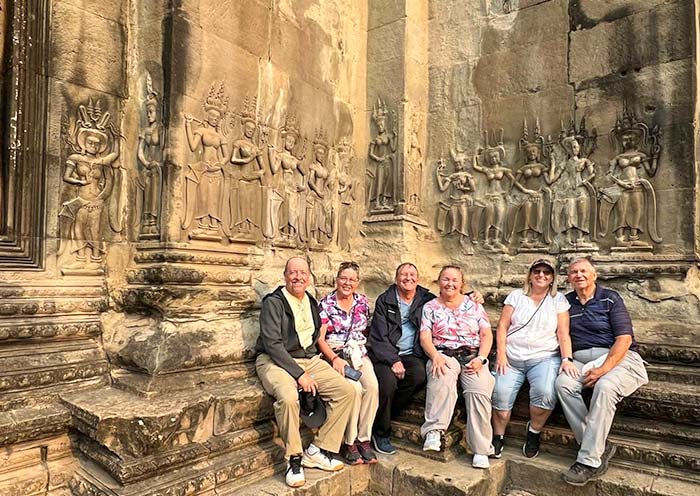
For Kids
For kids, bring familiar snacks from home because children often reject unfamiliar Asia's flavors. Specific Western brands may be hard to find or extremely expensive. Bring enough for the trip.
Pack children's medications in appropriate dosages, enough diapers for initial days, and baby carriers that strap to your body (work better than strollers on uneven Asian sidewalks).
Car seats suitable for children are not commonly available in Asian taxis—consider bringing your own.
For Seniors
Compact Seat/Cane: Many Asian attractions (temples, palaces) involve long walks with few benches. A folding cane-seat is a lifesaver.
Translated Medical Info: Have a card with their medical conditions and allergies translated into the local language (Chinese/Thai/Japanese) for emergencies.
Thermos: Especially in China, hot water is available everywhere (airports, train stations). Cold water is sometimes considered "unhealthy" by older locals, so tap water isn't always chilled.
Backpacking Asia Packing List: The "Pro" Extras
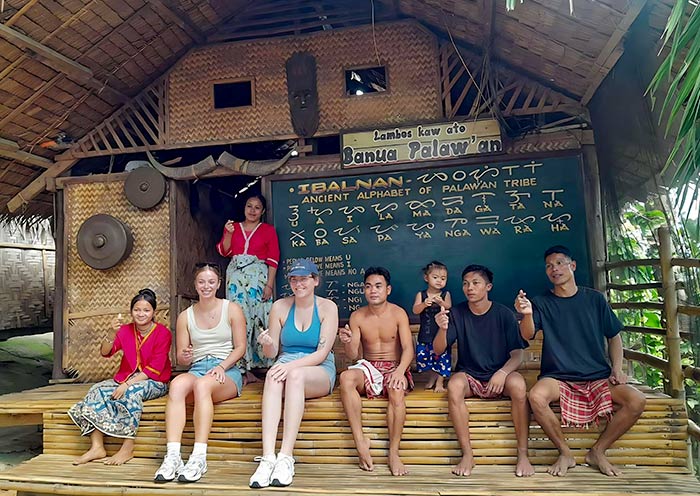

These are the items that separate the rookie traveler from the veteran backpacker.
Dry Bag (10L): A 10-liter Dry Bag is a waterproof sack that rolls down at the top. It is incredibly useful. If you are taking a boat trip, put your camera and passport inside to protect them from splashes. But it has a secret second use: it is a portable washing machine.
Combination Padlock: If you are staying in hostels, you need a lock for your locker. Ensure it is a combination lock, not one with a key.
Carabiners: Bring two or three sturdy carabiners (climbing clips). They allow you to clip your wet adventure sandals to the outside of your backpack so they can dry while you walk. They are tiny tools that add instant external storage to your luggage.
What NOT to Pack: Items You Will Regret Carrying
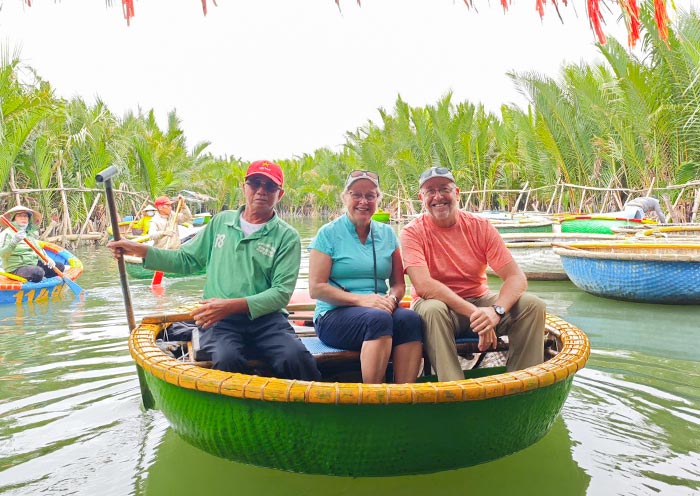
Finally, to hit that 7kg goal, you need to be ruthless about what stays home.
Hair Dryers and Hair Straighteners are usually a mistake. The voltage difference (110V in the US vs 220V in most of Asia) often causes these high-wattage heating devices to short-circuit, spark, or melt, even with a converter. Most hotels and many Airbnbs provide hair dryers that are safe to use.
Expensive Jewelry should stay in your safety deposit box at home. Wearing a gold necklace or a flashy watch makes you a target for snatch-theft, which can happen in touristy areas.
Too Many Books. We all have the fantasy of reading four novels on a beach. The reality is you will be too busy exploring, or too tired. Books are heavy. Bring a Kindle, or bring just one paperback.
Most hostels and cafes in Asia have "book exchange" shelves where you can swap your finished book for a new one.
- Skip camping gear unless specifically planning to camp, and do not pack clothes for every possible weather scenario.
- Power banks over 20,000 mAh will be confiscated at airports. Flammable items like lighters and certain shaving creams are not allowed.
- Weapons including guns and knives are obviously prohibited.
- Animals and plants face strict customs inspection and will likely be confiscated.
- Various religious printed materials face restrictions in some countries. Corrosive or toxic substances are absolutely forbidden.
Unlock the Best of Asia with Asia Odyssey Travel
Planning a trip across Asia's diverse countries, languages, and visas can be complex. That is where we come in. With over 10 years of experience, Asia Odyssey Travel is your bridge to the authentic Asia.
We handle the hard work—logistics, guides, and permits—so you can focus on the memories. Whether you want a deep dive into one region or a grand multi-country adventure, we make it happen.
✅ Top Asia Tour Packages:
- Southeast Asia: Southeast Asia Tours (Thailand, Vietnam, Bali, Cambodia, Laos, Philippines, Malaysia, Singapore)
- East Asia: East Asia Tours (China, Japan, South Korea, Mongolia)
- South Asia & Himalayas: South Asia Tours · Himalaya Tours (Tibet, Nepal, Bhutan, India, Sri Lanka, Maldives)
- Central Asia: Central Asia Tours · Five Stans Tours (Silk Road Adventures)
✅ Essential Asia Travel Guides:
- Regional Guides: Asia Travel Guide · East Asia Guide · Southeast Asia Guide
- Planning Tools: Best Destinations · Itinerary Ideas · Asia Maps
Contact us today to customize your dream trip to Asia!


 Data in submission...