+852 5394 6901
 Take China Group Tours in 2026/2027 to enjoy 30% discount compared to private tour. Same Experience & Lowest Price!
A List of National Parks in Asia: Accessibility at a Glance
To help you quickly visualize your next adventure, I've compiled all 15 featured national parks of Asia into one handy accessibility chart.
Whether you're planning a quick urban escape or a multi-stage remote expedition, this table shows you exactly which parks fit your travel style and time commitment.
| Category | Travel Tips | Best National Parks in Asia to Pick |
|---|---|---|
| A: Urban Escape | Day trip possible. | Beijing Great Wall, Zhangjiajie Forest, Fuji-Hakone-Izu, and Giant Panda National Park |
| B: Easy Transit Getaway | Local transport or short flight required. | Chitwan, Kinabalu, Hustai, Khao Sok, Khao Yai, Charyn Canyon, Taman Negara, and Yala National Park |
| C: Remote Adventure | Multi-stage journey required. | Jiuzhaigou, Komodo, and Qomolangma National Park |
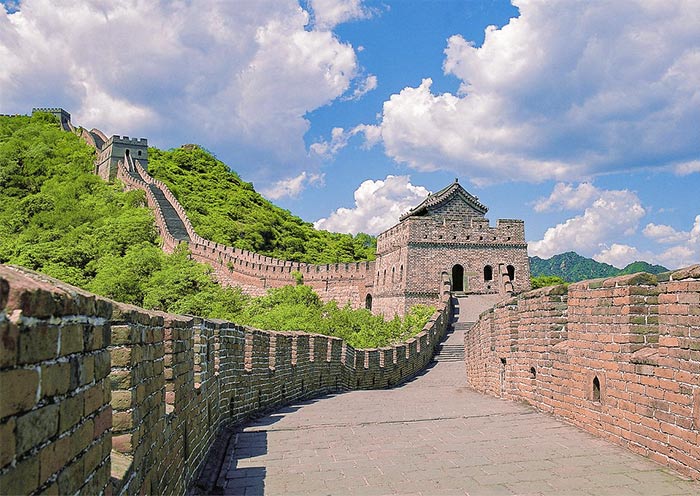
The Category A parks like Beijing Great Wall National Park in China are perfect for when you need a breather without venturing too far from the city lights. They make for relaxing day trips or easy weekenders.
The Category B parks such as Khao Sok National Park (Thailand) require a bit more planning but are well-served by regional infrastructure, making them ideal for a 2–5 day trip.
The Category C parks like Komodo National Park in Indonesia require a flight or a multi-stage journey, rewarding the effort with truly spectacular, remote scenery.
21 Most Beautiful Natural Places in Asia: From Coast to Himalaya
1. Beijing Great Wall National Park (China): The Ultimate Urban Escape
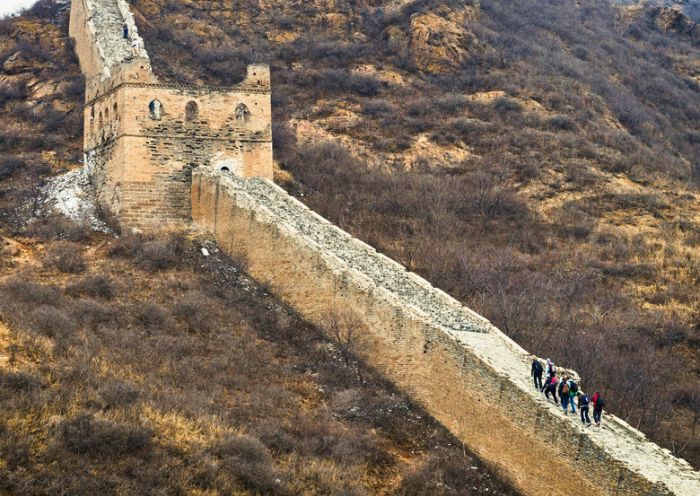

You simply can't come to Beijing without walking the Great Wall—it's the ultimate bucket-list item!
The Beijing Great Wall National Park, spanning about 23.13 square miles (59.91 km²), includes several famous sections like Badaling, Mutianyu, Jinshanling, Simatai, and Jiankou.
My insider tip is Mutianyu (慕田峪长城). It's wonderfully preserved, family-friendly, and offers that iconic, dramatic view of the wall snaking over the mountains. You can climb or use the cable car and then toboggan down!
Accessibility: This park is an easy 1.5–2 hours' drive or bus ride from central Beijing.
When to Visit: My favorite time is Autumn (September to November) when the leaves turn fiery red and gold. Spring is also lovely and mild.
Recommended duration: 1 full day.
Dedicate a full day just for the Mutianyu section. Skip the long walk up and take the cable car to save your energy!
The most fun part? Tobogganing back down—it's a blast and a truly unique way to exit the Wall. Aim to hike past Watchtower 20 for the best views.

2. Zhangjiajie National Forest Park (China): The Avatar Peaks
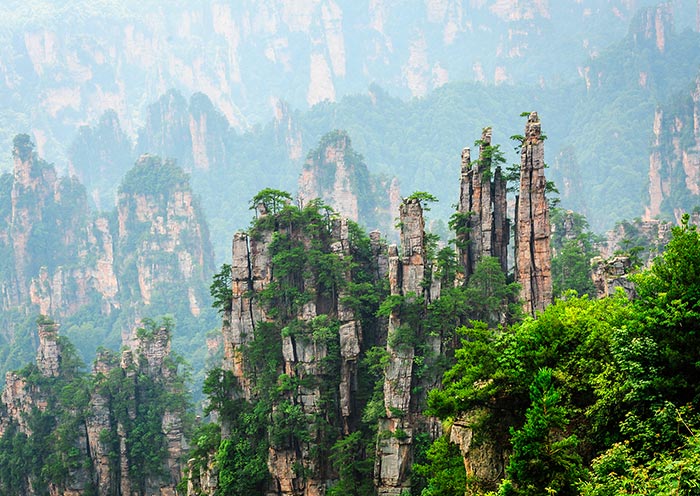
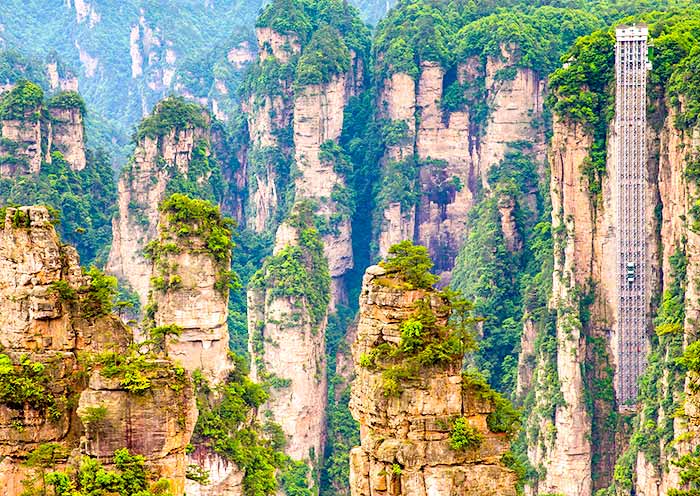
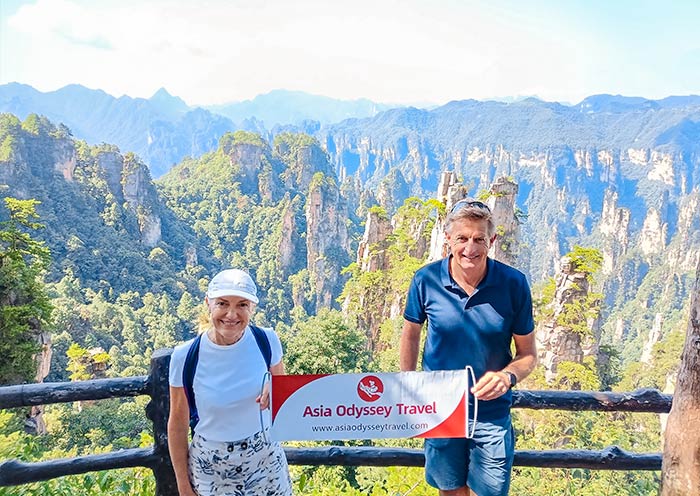
Ready to step into a fantasy world in Zhangjiajie? This is where James Cameron found inspiration for the floating mountains in Avatar!
Covering approximately 154 square miles (398 km²) of the wider Wulingyuan Scenic Area, the towering sandstone pillars here are breathtaking. The geological wonder makes this one of the most visually stunning Asian national parks you'll ever encounter.
How to Reach It: It's a simple half-hour drive to the Wulingyuan park entrance from Zhangjiajie city.
Timing Your Trip: Go during Spring (March to April) or Autumn (September to November) for the clearest skies and best visibility of the peaks.
My Time Suggestion: 1-3 days to explore all the major scenic areas.
This park is massive, so plan smart! Grab our Tourist Map of Zhangjiajie. You must ride the Bailong Elevator (百龙天梯) up to the Avatar peaks, but save time to hike the gorgeous Golden Whip Stream (金鞭溪)—it's flat and stunning.
Don't rush; give yourself 1 or 2 more days to really soak in the magic between Tianzi Mountain (天子山) and Yuanjiajie (袁家界).
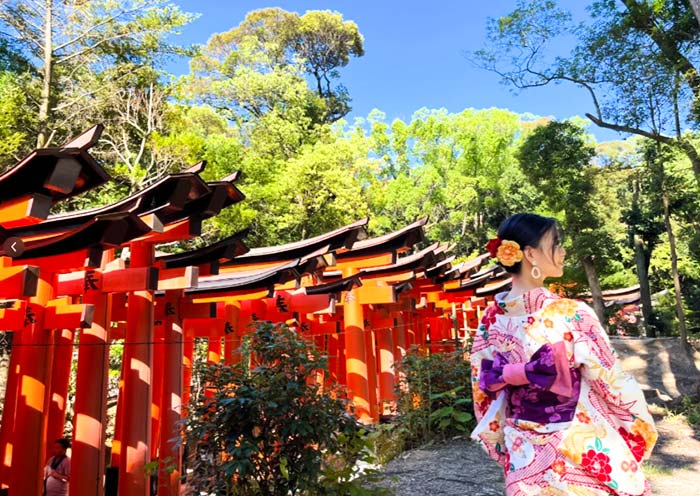
3. Fuji-Hakone-Izu National Park (Japan): Tokyo's Easiest Summit View
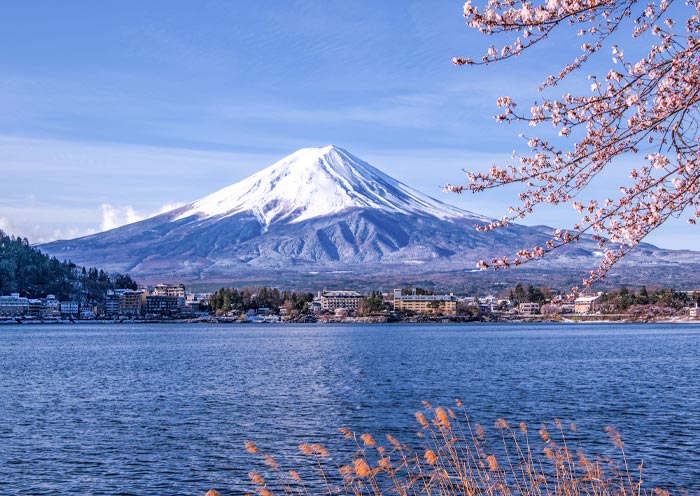
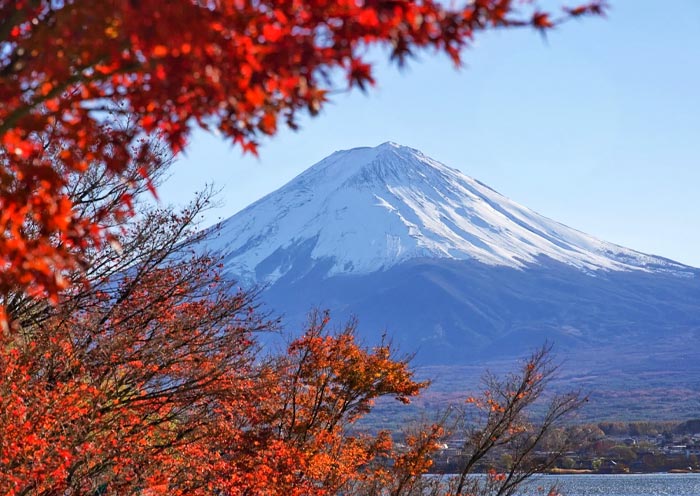
Defined by the iconic, majestic—and sometimes shy—Mount Fuji, this park covers approximately 469 square miles (1,216 km²) of volcanic landscape.
It offers classic Japanese relaxation, from the tranquility of the Fuji Five Lakes to rejuvenating hot springs (onsen) in Hakone and beautiful coastal scenery in the Izu Peninsula.
Getting there is easy: Shinkansen to Odawara, then local transit to Hakone-Yumoto. Total travel time is about 2.5 hours from Tokyo.
Seasonal Scoop: July to early September is the official climbing season for Fuji, but Spring and Autumn offer the clearest, most beautiful views of the mountain. Grab the Mount Fuji maps!
Suggested Stay: To truly enjoy the Fuji-Hakone-Izu National Park, plan for a 3-day loop!
You can dedicate one day to the classic Hakone Loop (Get the route on Map of Hakone!), a second day for the Mt. Fuji Five Lakes area, and the final day exploring the Izu Peninsula. A great route is Tokyo – Mt Fuji – Hakone – Izu Peninsula – Tokyo.
4. Giant Panda National Park (China): Closest Panda Day Trip


Giant Panda National Park is a paradise for China's national treasure – the lovely Giant Pandas!
This immense protected area covers 27,134 square kilometers across Sichuan, Shaanxi, and Gansu (with Sichuan holding the largest share, about 74.4%). It is a vital sanctuary, home to over 1,900 wild pandas and more than 700 captive pandas.
Getting There: Accessible bases near Chengdu are perfect for a day trip! You can reach Dujiangyan Panda Valley in about 1.5 hours, Bifengxia Panda Base in 2 hours, and the Wolong National Nature Reserve in about 2.5 hours.
The Best Time to Go: Schedule your visit during the cooler seasons (spring, fall or winter) for lively pandas and fewer crowds.
Trip Length: 1 full day.
One full day is enough for an amazing trip to a base. For the best viewing experience, pandas are most active in the cool hours—we recommend visiting in the early morning (before 10 AM) or late afternoon (2:30 PM – 5:00 PM).
5. Chitwan National Park (Nepal): Rhino Safaris near Kathmandu
Nepal's first national park is a genuine jungle adventure and one of the premier Asia national parks for wildlife.
Covering approximately 367 square miles (952 km²), it's home to the endangered one-horned rhinoceros, Bengal tigers, and sloth bears. The environment here is a massive contrast to the nearby Himalayas.
Your Route: You can quickly reach it via a 30-minute flight from Kathmandu or Pokhara, followed by a short road transfer to the park boundary.
Best Time to Go: October to March is the dry season, offering the coolest weather and the best visibility for wildlife spotting.
My Time Suggestion: 2–3 days.
Plan for two nights minimum. Don't skip the canoe ride at sunrise—it's the calmest way to spot crocs and unique birds. You'd better hire a local Tharu guide; they know the jungle's secrets and the best spots to safely see rhinos and even tigers!
6. Kinabalu National Park (Malaysia): Borneo's Towering Climb
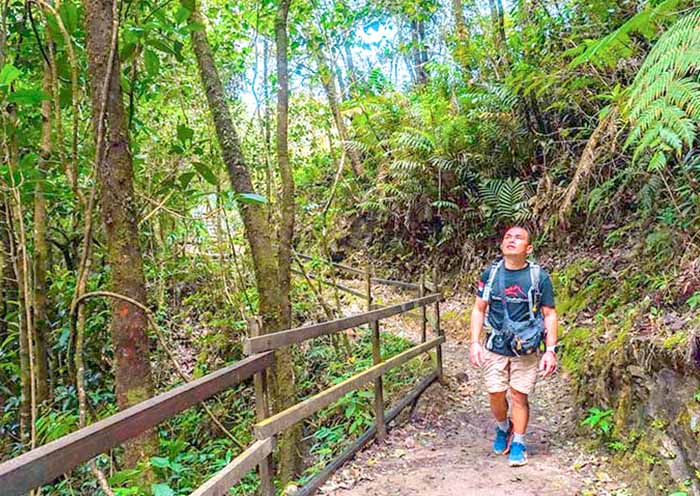

A UNESCO World Heritage site known primarily for Mount Kinabalu, the tallest mountain in Borneo, Malaysia.
Spanning approximately 302 square miles (754 km²), the biodiversity here is staggering, featuring thousands of plant species, including endemic orchids and fascinating pitcher plants. It's a challenging but rewarding destination for trekkers.
Getting There: This requires a 2.5-hour drive from the coastal city of Kota Kinabalu.
When to Catch the Magic: The dry season, generally from March to September, provides the best (safest) climbing conditions for the summit.
Travel Length: 1–2 days.
Climbing Mount Kinabalu is a fantastic 2-day, 1-night challenge, but permits book out months ahead, so plan early!
If you're not climbing, spend a full day exploring the Poring Hot Springs and the thrilling Canopy Walkway for a relaxed jungle experience.
7. Hustai National Park (Mongolia): Wild Horse Steppe Getaway
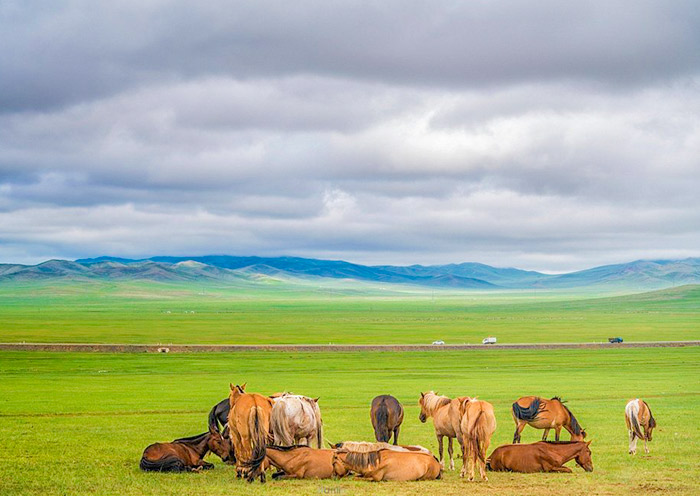
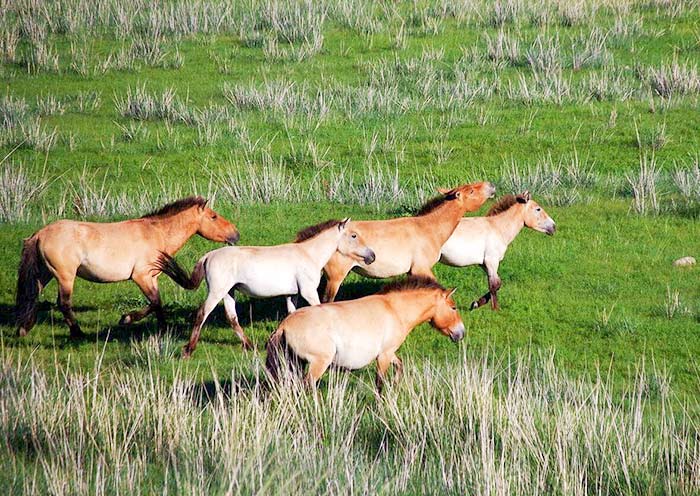
Hustai is famous for successfully reintroducing the Przewalski's horse, or Takhi, back into the wild.
Across its approximately 391 square miles (1,013 km²) of vast steppes, these magnificent, ancient wild horses roam, making it a powerful and humbling wildlife encounter that defines the Asian national parks experience.
The Journey: It's relatively easy to reach, being 2.5–3 hours by mostly paved road from Ulaanbaatar.
The Best Time to Visit: May through September is the best time to visit, providing warm weather and the best chance to see the herds grazing (ideally at dawn or dusk).
Trip Length: 1–2 days.
To see the Przewalski's horses (Takhi), you really need to be there at dawn or dusk when they graze. Squeezing it into a long day trip from Ulaanbaatar is possible, but I recommend staying overnight in a traditional Ger camp for the full steppe experience!
8. Khao Sok National Park (Thailand): Bangkok's Weekend Elephant Escape
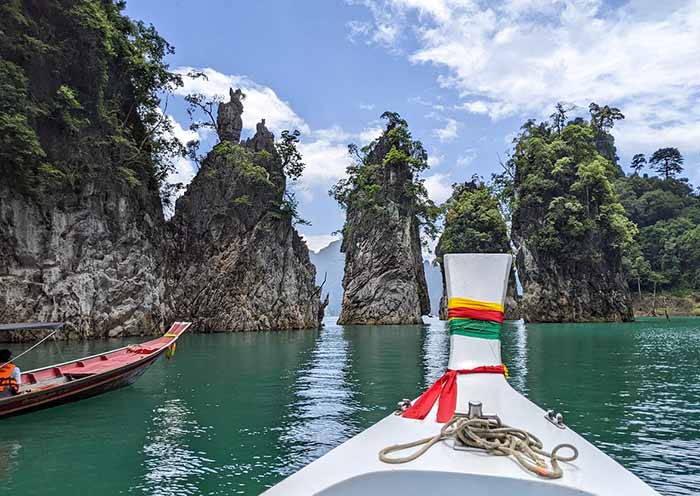
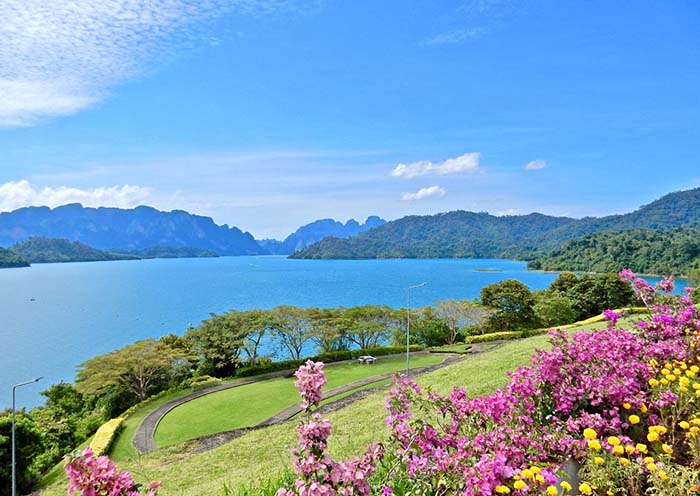
Picture this: ancient rainforest, massive limestone karsts jutting out of Cheow Lan Lake, and floating raft houses.
Covering 290 square miles (739 km²) or so, it's often called the 'Guilin of Thailand' and is one of the most photogenic places on any list of national parks in Asia. The sense of peace here is incredible.
Getting There: You'll need a 3–3.5-hour drive from major tourist hubs like Phuket or Krabi, making it a popular detour.
Best Time to Go: December to April is the dry season with the calmest lake water. June to October is the monsoon, which is great if you want to see the jungle at its lushest.
How Long to Stay: 2–3 days.
This is a must: spend a night or two in a floating bungalow right on Cheow Lan Lake! Rent a kayak to explore the quiet corners and limestone islands, and take a longtail boat tour at sunset. It's the most peaceful jungle experience you'll ever have!
Best Islands in Asia: 22 Most Beautiful Islands in Asia to Visit
9. Khao Yai National Park (Thailand): Floating Bungalows & Limestone Karsts
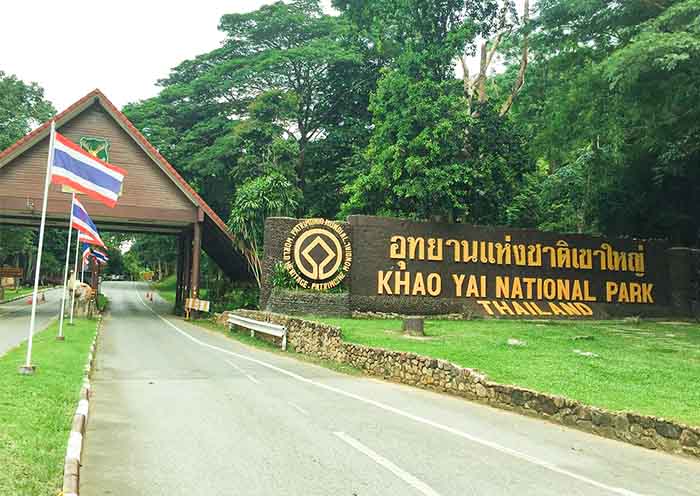
As Thailand's third-largest park, covering about 796 square miles (2,061 km²), Khao Yai is a fantastic escape from the chaos of Bangkok.
It's known for spectacular waterfalls, including Haew Suwat (made famous by P.S. I Love You movie), and large wild elephant populations. It's a great place for beginner hikers.
How to Get There: This is an easy 3-hour drive from Bangkok, making it a favorite for weekenders.
Seasonal Scoop: The cooler, dry season from November to February is the most pleasant for hiking and wildlife spotting.
Suggested Stay: 2 days.
Two days is perfect. Hire a guide for a night safari—it's the best way to spot slow loris, civets, and maybe even a big cat! During the day, hike to Haew Narok Waterfall and Haew Suwat, but remember to bring your swimming gear for a dip!
10. Charyn Canyon National Park (Kazakhstan): Almaty's Grand Canyon Detour
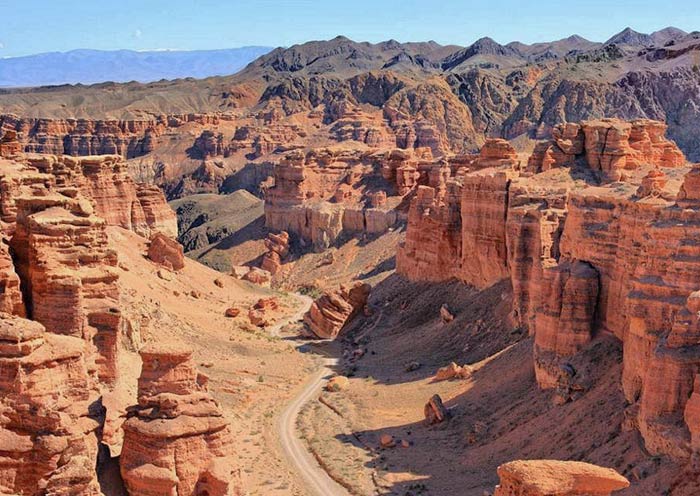
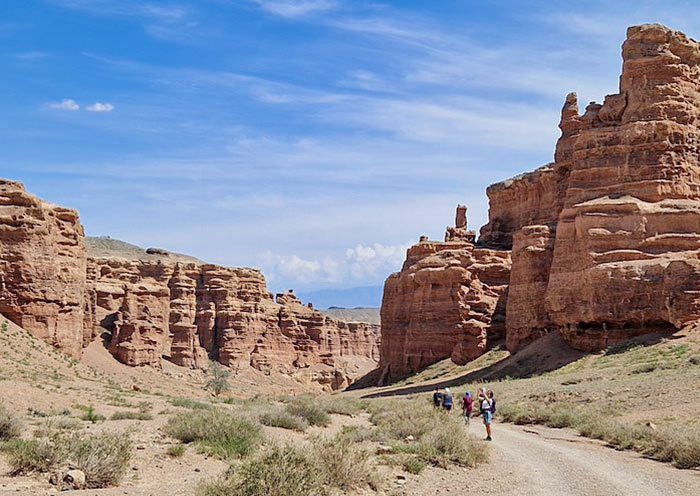
Often compared to the Grand Canyon, this park features the striking "Valley of Castles"—dramatic, deep red sandstone formations carved by the Charyn River.
Spanning approx. 462 square miles (1,173 km²) in Kazakhstan, it's the sheer geological scale and the otherworldly colors that make this canyon truly unique among Asian national parks.
The Journey: Plan for a dedicated 3.5-hour drive from Almaty. It's worth the journey!
The Best Time to Go: Spring (April-May) and Autumn (September-October) are best for hiking, as summer temperatures can be intense.
Trip Length: 1 long day or 2 days/1 night.
Most people rush it in a day, but trust me, stay overnight! Seeing the Valley of Castles turn fiery red during sunset and cool pink at sunrise is worth the effort. Make sure you hike down to the Charyn River for a picnic at the bottom.
11. Taman Negara National Park (Malaysia): Ancient Rainforest Getaway
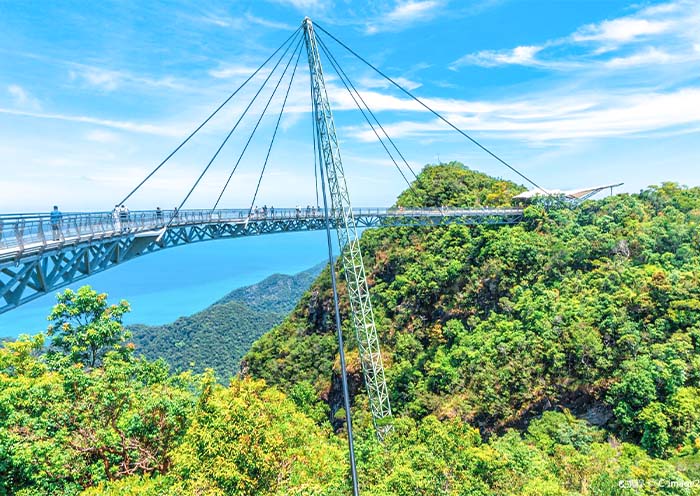
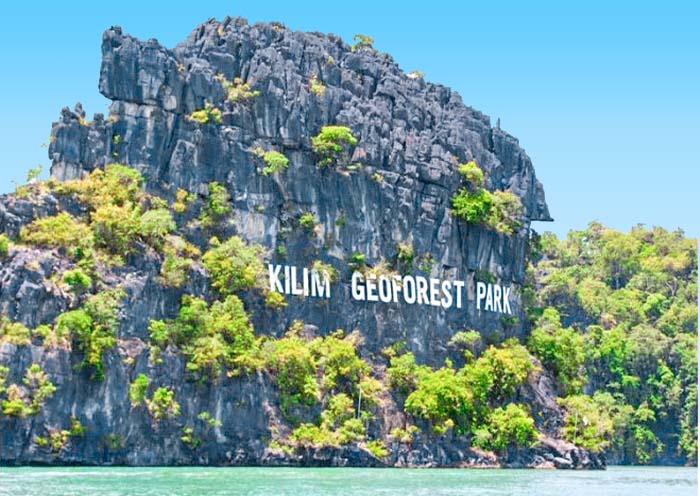
Covering a massive area of 1,677 square miles (4,343 km²), the Taman Negara National Park on Langkawi Island is home to one of the planet's oldest rainforests, estimated to be 130 million years old.
When you walk the Canopy Walkway high above the jungle floor, you'll truly feel the ancient energy of the place. Expect incredible flora and a humidity-filled, immersive jungle experience!
Your Route: A direct 3.5–4 hours' drive from Kuala Lumpur gets you there.
Timing Your Trip: The dry season, March to September, is best for comfortable trekking and the canopy walk (which closes during heavy rain).
My Time Suggestion: 2-3 days.
Allow three days to truly disconnect. The Canopy Walkway is essential, but check if it's open (rain sometimes closes it!). Take a river rapid boat trip, which is super splashy and fun, and try an overnight jungle hide experience for intense wildlife spotting.
12. Yala National Park (Sri Lanka): The Leopard Hotspot
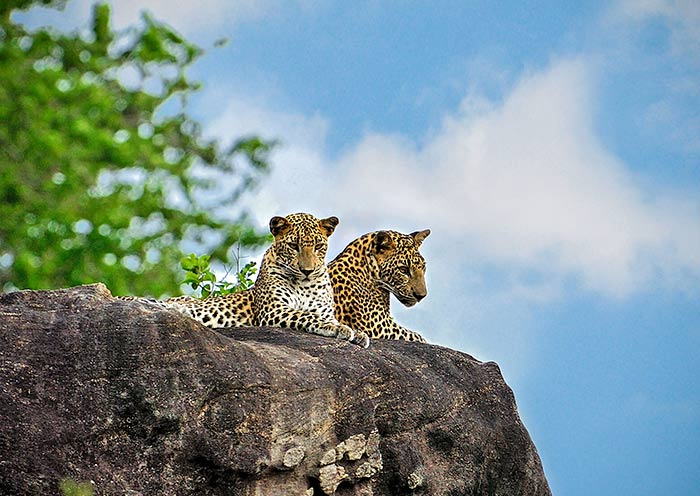
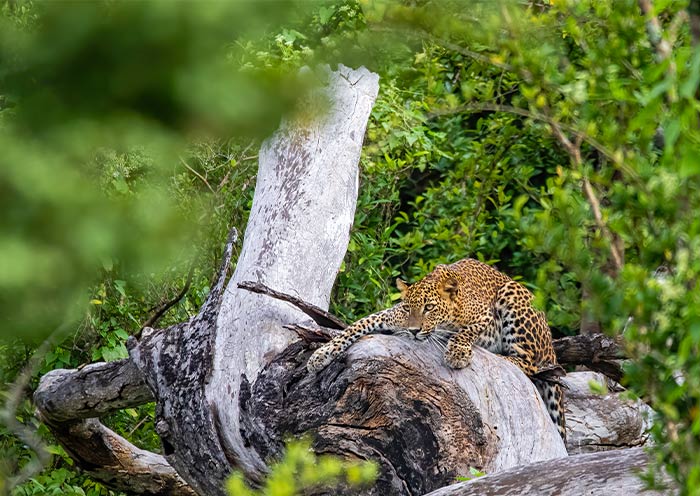
Yala is world-renowned for having one of the highest densities of leopards anywhere!
Across its approximately 378 square miles (979 km²), seeing a majestic Sri Lankan leopard padding through the scrub is the highlight! It also boasts significant populations of elephants, sloth bears, and crocodiles.
How to Reach It: This park requires a 4-hour private drive from Colombo. It's located in the southeast corner of the island.
When to Catch the Magic: January to August (the dry season) offers the best chance for spotting wildlife, as they gather near watering holes.
How Long to Stay: 2 days.
Jeep safaris are mandatory here! To maximize your chances of spotting the elusive leopard, book at least three safaris over two days—early morning is the golden hour!
Remember, the park is closed during the shoulder season (usually September/October), so check dates!
13. Jiuzhaigou National Park (China): Fairytale Lakes – Remote but Worth It
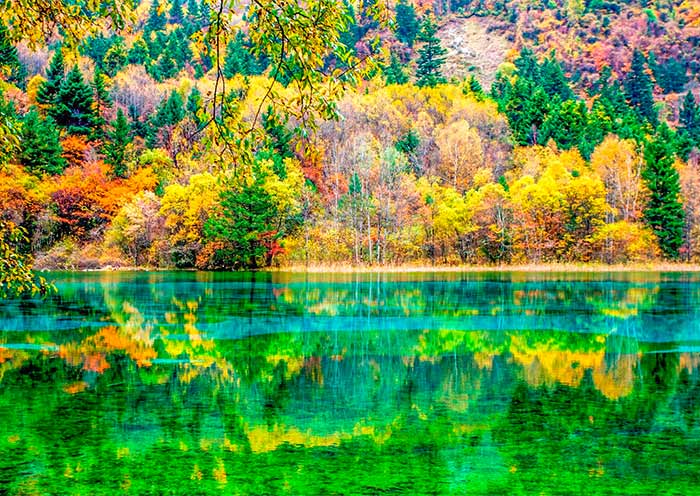
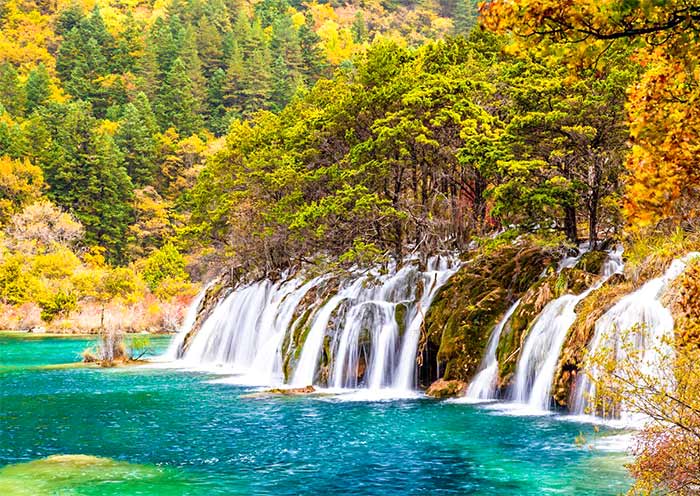
Jiuzhaigou (九寨沟) is a fairytale landscape!
This UNESCO World Heritage site in Asia, spanning 278 square miles (720 km²), is famous for its multicolored, crystal-clear turquoise lakes, tiered waterfalls, and vibrant Tibetan villages. The water quality here is unparalleled, often described as 'five-flower lake' due to its hues.
Getting There: The journey involves a 2–2.5-hour high-speed train ride from Chengdu, followed by a 1.5–2-hour drive to the park entrance. It takes dedication!
Seasonal Scoop: This is my number one tip: go from mid-October to early November for the famous autumn foliage—the entire valley explodes in color!
My Time Suggestion: 1-2 full days inside the park.
Use the internal shuttle buses to hit the main spots (Five Flower Lake, Pearl Shoal Waterfall) early, then spend time hiking the quieter boardwalks connecting the lakes. Pace yourself—there's magic around every corner in this valley!
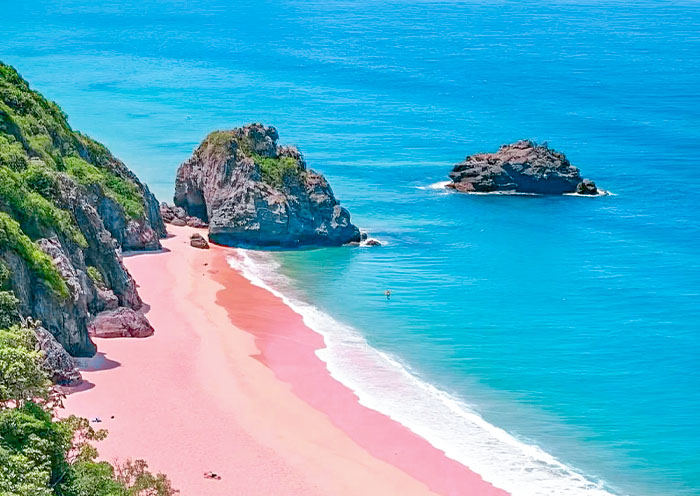
14. Komodo National Park (Indonesia): Dragons & Pink Beaches
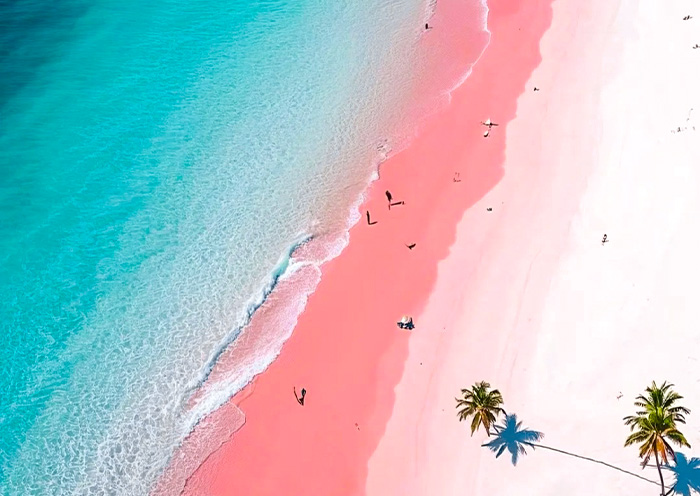
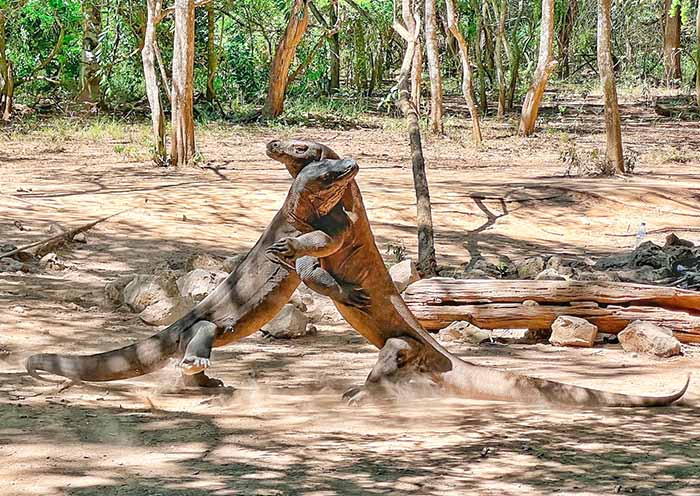
This is one of the most incredible national parks in Asia, encompassing rugged islands and pristine marine environments across approximately 700 square miles (1,817 km²).
Its star attraction is, of course, the Komodo dragon—the world's largest lizard. Beyond the dragons, you'll find Pink Beach and world-class snorkeling.
Getting There: You need to fly 1.5 hours from Bali to Labuan Bajo, followed by an organized boat tour to the islands.
The Best Time to Go: The dry season (April to November) is best for sailing, trekking, and seeing the dragons, though you can spot manta rays year-round.
How Long to Stay: 3 days/2 nights.
Skip the quick day trip. Book a 3-day/2-night island-hopping boat tour from Labuan Bajo. This gives you time to safely trek Rinca or Komodo to see the dragons and snorkel/dive at Pink Beach and Manta Point. It's the only way to see it all!
Best Asia Beaches: 20 Most Beautiful Beaches in Asia
15. Qomolangma National Park (Tibet, China): Mount Everest Base Camp Trek
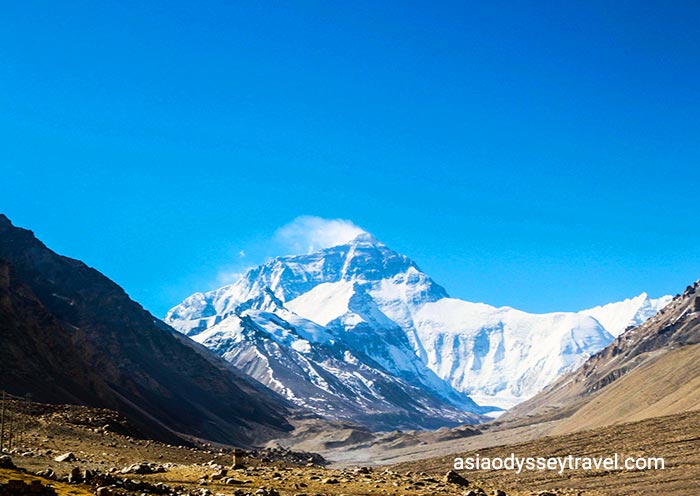

This is home to the mighty Mount Everest (Qomolangma in Tibetan).
As the world's highest protected area, covering about 45,300 square miles (117,314 km²), it preserves the high-altitude Himalayan ecosystem, including massive glaciers, unique Tibetan Buddhist culture, and the iconic view from Everest Base Camp (EBC).
Permits are mandatory to visit Tibet!
How to Reach It: This is an extreme adventure. You'd better fly or take a train to Lhasa, and then follow this route to reach EBC (5,200m): Lhasa - Yamdrok Lake - Shigatse - Mt. Everest Base Camp (EBC).
Timing Your Trip: Late Spring (April-May) and early Autumn (September-October) are best. The weather is relatively stable, offering the clearest views of the summit.
My Time Suggestion: 6–10 days.
This is a major expedition requiring 6–10 days. You MUST have all permits and a local guide secured before you leave Lhasa. Acclimatization is key; take your stops seriously! The reward is the jaw-dropping, clear view of Everest from the famous Base Camp.
Unlock Asia Natural Parks with Asia Odyssey Travel
So, you've seen the diversity of Asian national parks! Now, let's make that dream trip a relaxing reality.
As Asia Odyssey Travel, we're not just tour operators; we're your local friends on the ground!
We have offices in over 13 major gateway cities, including Tokyo, Shanghai, Zhangjiajie, Hong Kong and Singapore, which means real-time, local support wherever you go.
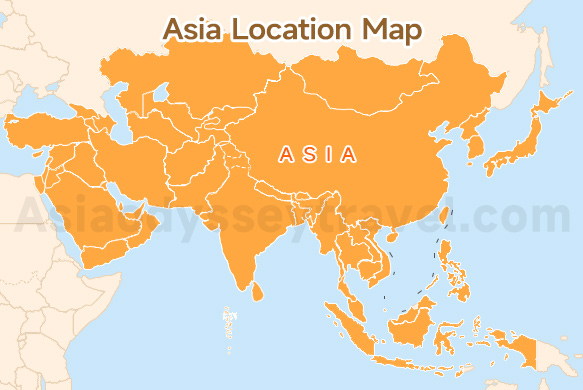
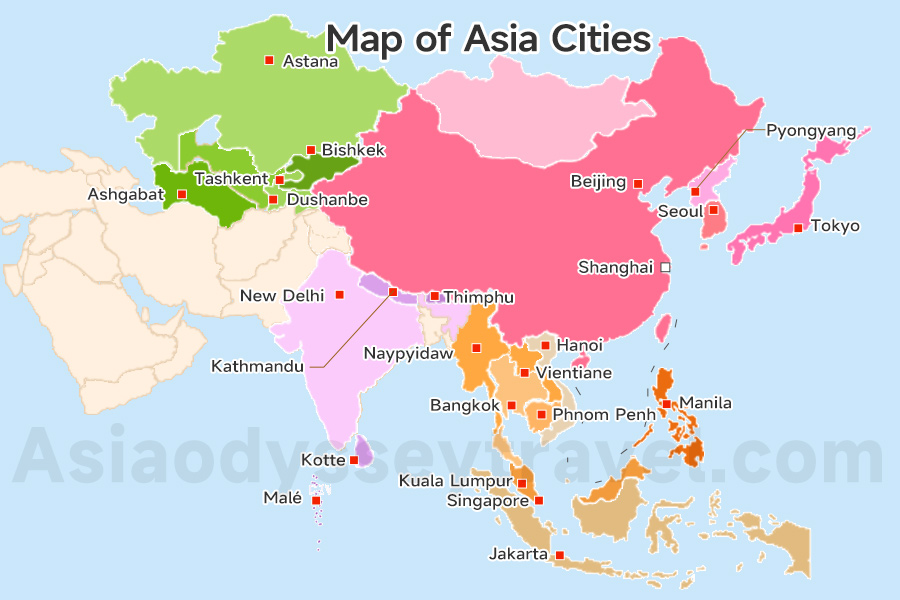
Our expertly crafted Asia tours cover the whole continent: East Asia (China, Japan, South Korea), Southeast Asia (Singapore, Thailand, Vietnam, Philippines), South Asia (India, Nepal, Bhutan), and Central Asia (Uzbekistan, Kazakhstan, Kyrgyzstan).
Forget the planning stress and let us handle the logistics. Trust us to unlock the best national parks in Asia for you—it's time for your adventure!


 Data in submission...