+852 5394 6901
 Take China Group Tours in 2026/2027 to enjoy 30% discount compared to private tour. Same Experience & Lowest Price!
The Best Months to Visit Tajikistan (Weather vs. Activities)
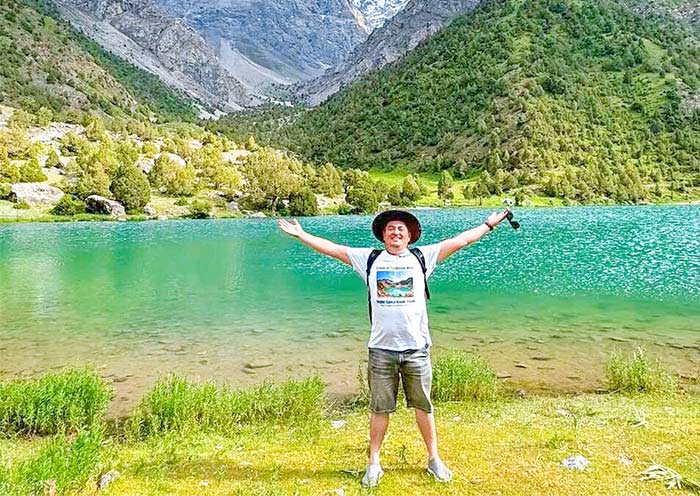
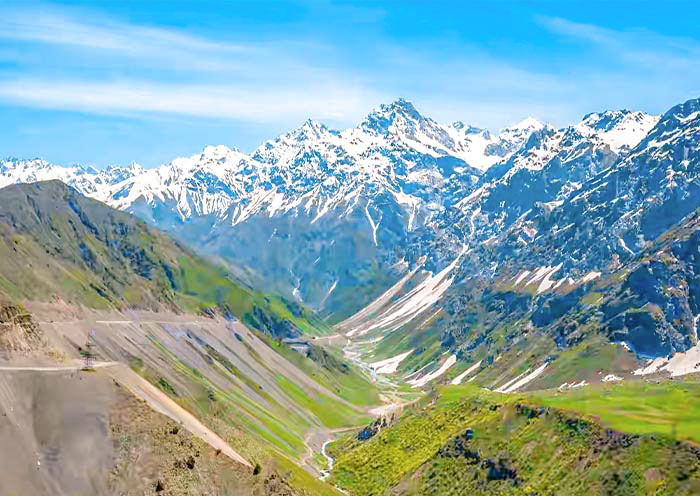
The absolute best time to visit Tajikistan for most travelers is June, July, August, and September. However, "Best" depends on what you are doing. Tajikistan is a country of extreme highs and lows.
- For the Pamir Highway (Road Trip): You must go between mid-June and mid-September. Before June, the high passes (Ak-Baital) might be snowy or muddy. After September, it gets dangerously cold.
- For Hiking (Fann Mountains): The best window is July to September. This is when the high lakes are thawed and blue, and the trails are clear of snow.
- For Culture & Cities: April, May, and October. The mountains might be cold, but the cities like Dushanbe and Khujand are pleasant. Summer in the cities is too hot for many people.
Tajikistan Weather by Region
Tajikistan is 93% mountains, which creates massive temperature differences over short distances.
- The West (Lowlands): Subtropical heat. Similar to Spain or Greece in summer.
- The East (Pamirs): High-altitude desert/polar climate. Similar to Alaska or Tibet.
The country has a Sharp Continental Climate. This means the country experiences extreme differences between summer and winter, and between day and night. It is dry, sunny, and intense.
- Hottest: July in the southern lowlands (e.g., Shaartuz/Dushanbe). Temperatures regularly hit +42°C to +45°C (108°F).
- Coldest: January in the Eastern Pamirs (e.g., Bulunkul/Murghab). Temperatures drop to 45°C to -50°C (-58°F). Bulunkul is often cited as the coldest place in Central Asia.
The Cities (Dushanbe & Khujand): Scorching Summers, Mild Winters
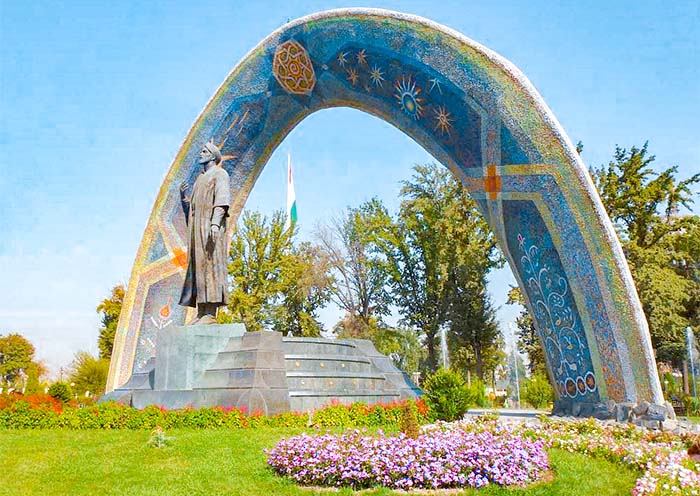
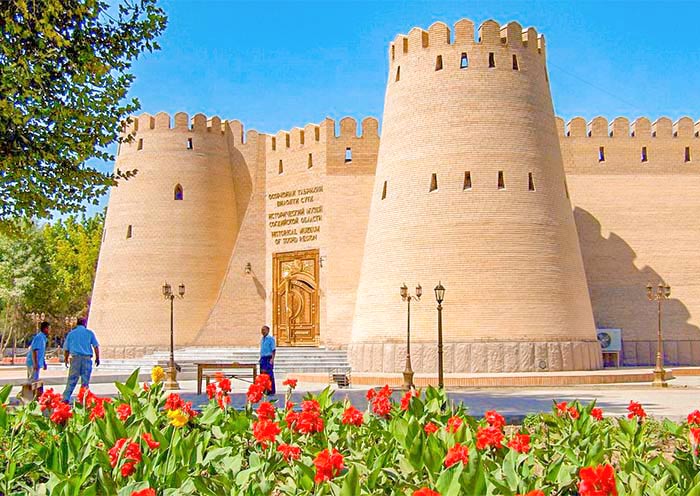
- Elevation: 800m - 1000m
This is where your flight lands. Dushanbe (capital) and Khujand (north) sit in the valleys. The climate here feels Mediterranean—wet springs, scorching dry summers, and short, mild winters.
| Season | Months | Penjikent (Base Town) | Iskanderkul (Lake Level) | What to Expect |
|---|---|---|---|---|
| Spring | Mar - May | 18°C / 6°C | 12°C / 2°C | Thawing. Muddy trails, snow on passes. |
| Summer | Jun - Aug | 30°C / 16°C | 25°C / 10°C | Ideal. Warm days, crisp cool nights. |
| Autumn | Sep - Nov | 20°C / 5°C | 15°C / 0°C | Crisp. Beautiful colors, freezing nights by Nov. |
| Winter | Dec - Feb | 5°C / -5°C | -2°C / -12°C | Cold. Deep snow, most guesthouses closed. |

The Fann Mountains (Hiking Hub): The Alpine Climate
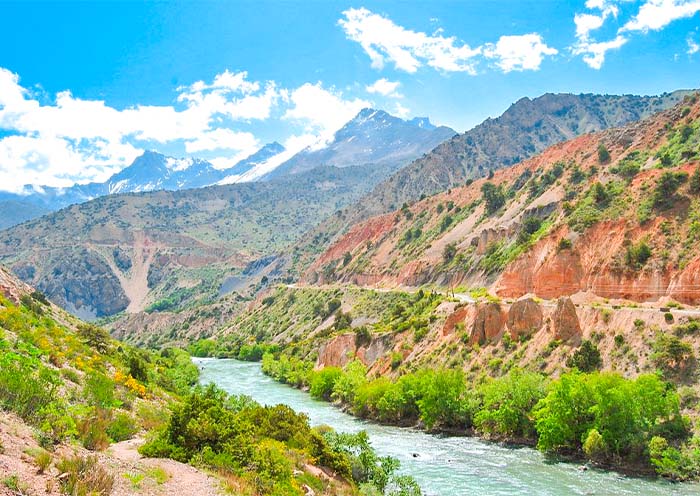
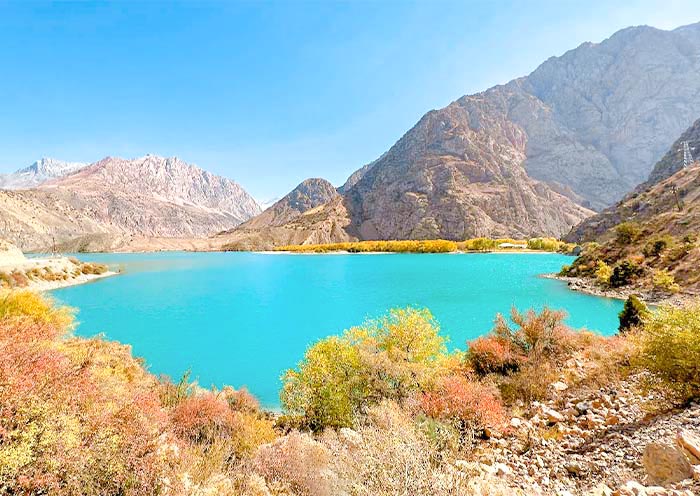
- Elevation: 1,500m - 3,500m
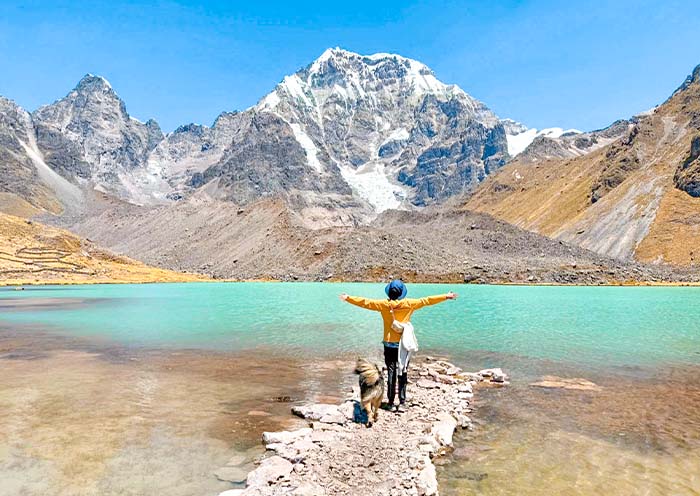
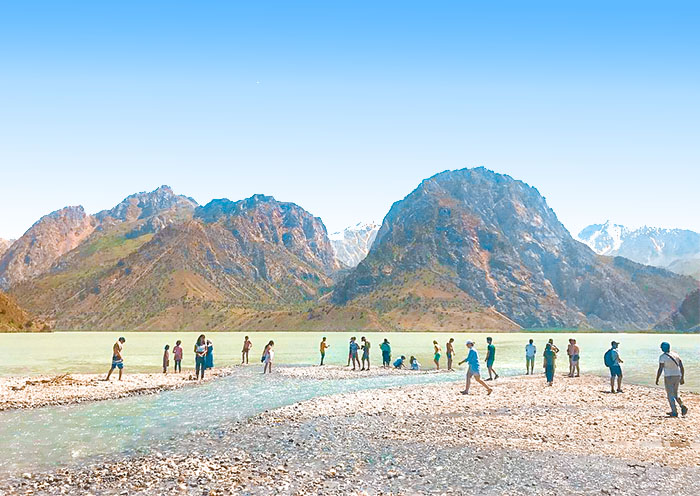
This is the "Switzerland of Central Asia." Most tourists come here for the turquoise lakes (like Iskanderkul and the Seven Lakes). The climate is Alpine.
Even in summer, the air is fresh. You can hike in a t-shirt during the day, but you will need a fleece jacket as soon as the sun goes down. In winter, the roads to the lakes are often blocked by snow.
| Season | Months | Penjikent (Base Town) | Iskanderkul (Lake Level) | What to Expect |
|---|---|---|---|---|
| Spring | Mar - May | 18°C / 6°C | 12°C / 2°C | Thawing. Muddy trails, snow on passes. |
| Summer | Jun - Aug | 30°C / 16°C | 25°C / 10°C | Ideal. Warm days, crisp cool nights. |
| Autumn | Sep - Nov | 20°C / 5°C | 15°C / 0°C | Crisp. Beautiful colors, freezing nights by Nov. |
| Winter | Dec - Feb | 5°C / -5°C | -2°C / -12°C | Cold. Deep snow, most guesthouses closed. |
The Pamir Highway (High Altitude): Extreme Cold & Wind
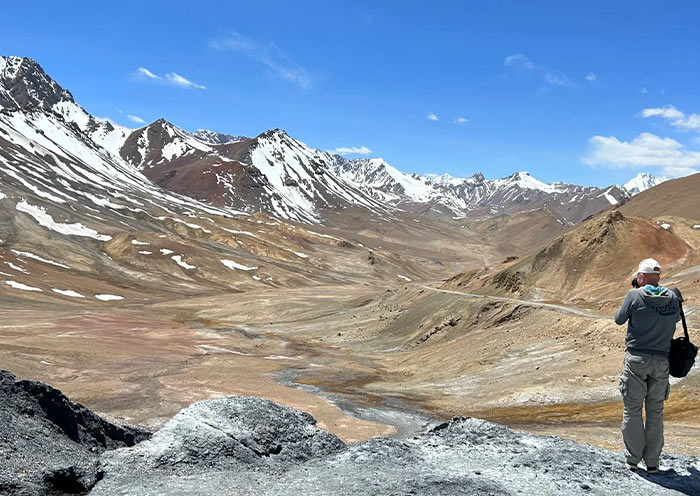
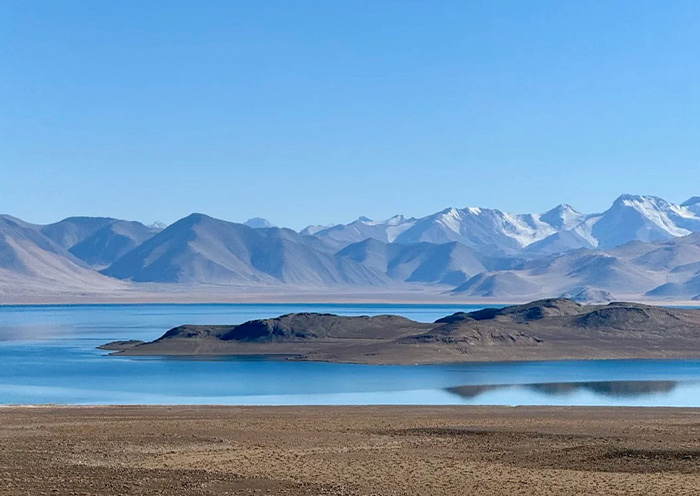
- Elevation: 2,500m (Khorog) to 4,600m (Ak-Baital Pass)
This is the GBAO Region. It is a high-altitude semi-desert. Crucial Distinction: There is a huge difference between Khorog (the gateway town in the valley) and Murghab (the high plateau).
The sun is incredibly strong. You will get sunburned in 20 minutes even if it feels cold. The wind is constant on the plateau. If the thermometer says 10°C, the wind can make it feel like -5°C.
| Season | Months | Khorog (Valley Base) | Murghab (High Plateau) | What to Expect |
|---|---|---|---|---|
| Spring | Mar - May | 16°C / 4°C | 5°C / -8°C | Hostile. Roads muddy or blocked. |
| Summer | Jun - Aug | 28°C / 13°C | 18°C / 3°C | Peak Season. Sunny, but freezing nights in Murghab. |
| Autumn | Sep - Nov | 18°C / 4°C | 8°C / -10°C | Clear. Best visibility, getting very cold fast. |
| Winter | Dec - Feb | 2°C / -8°C | -15°C / -30°C | Survival Mode. Life-threatening cold. |
Best Time to Visit Pamir Highway: Mid-June to Mid-September
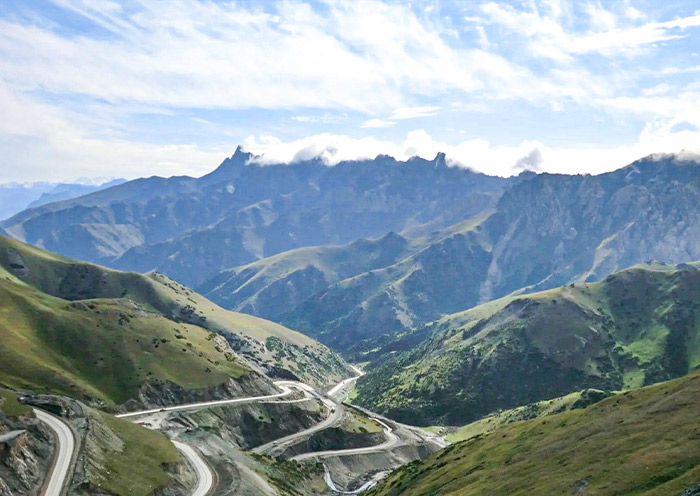
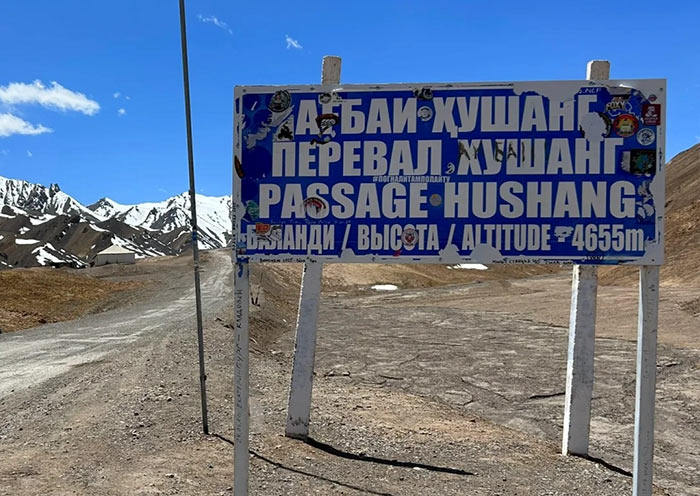
The Pamir Highway (M41) is the main reason 80% of tourists come to Tajikistan. It is one of the world's greatest road trips. But it is also a wild, unpaved, and unpredictable road.
The highest point of the highway is the Ak-Baital Pass, which sits at 4,655 meters (15,270 ft). For comparison, that is nearly as high as Mont Blanc, the highest mountain in Western Europe.
If you are renting a car or riding a motorcycle, do not come before mid-June. If you get stuck in mud or snow in a remote area, help is very far away. July and August offer the safest driving conditions.
- Early June: The snow is melting. You might face delays.
- July & August: These are the busiest months. The road is dry and dusty. All guesthouses and homestays are open. You will meet other travelers (which is good for safety and sharing costs).
- September: This is the ideal time. The water levels in the rivers drop, so the risk of washed-out roads is lower. The sky is usually very blue.
- Late October: The snow returns.
Tajikistan Itinerary: Road Trips & Pamir Highway Itinerary
Best Time for Hiking: Why July to September is King
Tajikistan is a paradise for hikers. The Fann Mountains offer some of the most beautiful scenery in Central Asia.
You might see photos of green valleys and think you can hike in May. This is usually a bad idea for high-altitude trekking.
Why July to September is King
Snow on the Passes: The popular treks often involve crossing mountain passes that are 3,500m or 4,000m high (like the Chimtarga Pass). In May and June, these are often still covered in deep, soft snow.
Lake Colors: The famous "Tiffany Blue" color of the glacial lakes (like Big Allo or Kulikalon) is best in late summer.
Shepherds: In July and August, the local shepherds move their animals up to the high pastures. This is a highlight of the trip. You can meet local families, see their yurts, and maybe taste fresh yogurt.
Can I Hike in April or May?
Yes, but only at lower altitudes. You can hike in the hills near Dushanbe or do simple day walks. But you cannot do the famous multi-day "Lakes Loop" in the Fann Mountains comfortably until late June.
Best Time for Budget Travel (The Shoulder Season)
Tajikistan is generally a cheap destination compared to Europe or the US. However, getting there (flights) and getting around (hiring private jeeps) can be expensive.
If you are on a strict budget, the "Shoulder Season" is your friend. The Shoulder Season: May and October.
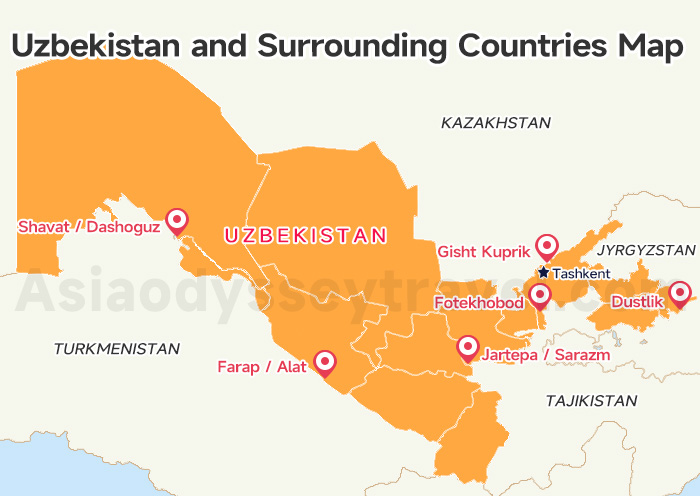
Flights to Dushanbe or Tashkent (and then crossing the land border) are often 20-30% cheaper than in peak summer. Homestays are rarely full. You don't need to book in advance, and you can often get the best room for the standard price.
This is for travelers who are flexible. If you come in May and the weather is bad for the mountains, you stick to the cities and lower valleys. If you come in October, you bring a thicker sleeping bag. If you have a strict 7-day schedule, do not choose the budget season.
Worst Time to Visit Tajikistan (When NOT to Go)
Winter (November to March). Hiking and the Pamir Highway are dangerous right now. Unless you are an extreme adventurer, we strongly recommend you skip them during this season.
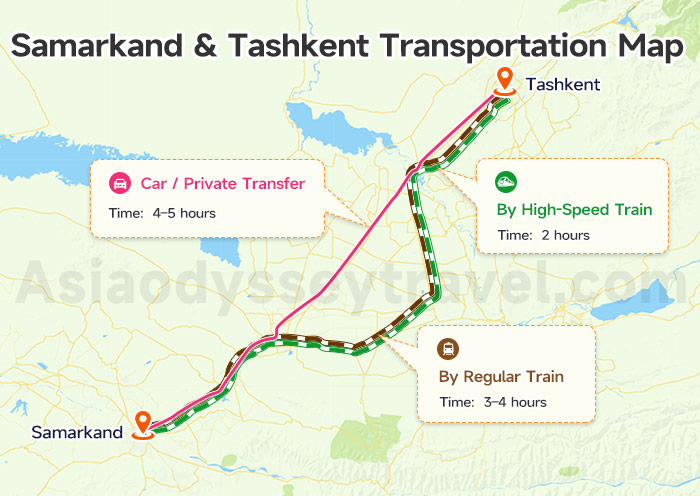
However, city trips are a different story. Visiting the towns is perfectly safe. We actually crossed from Samarkand (Uzbekistan) to Panjakent in November, and the road was open and easy. Traveling on to Khujand is also fine year-round.
But here is the crucial warning: Fly to Dushanbe. Do not try to drive there. The mountain roads connecting the north (Samarkand/Panjakent/Khujand) to Dushanbe are very dangerous in winter. From January to April, we strongly advise against traveling this route by car.
Month-by-Month Guide & Real Traveler Experiences
| Month | City Temp(Dushanbe) | Mountain Temp(Pamir Highway) | Road Status(M41 Highway) | Verdict & Suitability |
|---|---|---|---|---|
| Jan | 8°C / -2°C | -15°C / -30°C | Icy / Dangerous | Avoid. Life-threatening cold. |
| Feb | 10°C / 0°C | -12°C / -25°C | Icy / Snow | Avoid. Still deep winter. |
| Mar | 16°C / 5°C | -5°C / -15°C | Mud / Snow | Culture Only. (Nauryz Festival). |
| Apr | 22°C / 10°C | 5°C / -8°C | Landslide Risk | Risky. Good for cities, bad for roads. |
| May | 28°C / 13°C | 12°C / 0°C | Mud / Thawing | Shoulder. Green valleys, but passes messy. |
| Jun | 34°C / 17°C | 18°C / 3°C | Opening Up | Great. Snow clears from high passes. |
| Jul | 38°C / 20°C | 22°C / 6°C | Perfect | Peak Season. Hiking & Driving. |
| Aug | 37°C / 18°C | 22°C / 5°C | Perfect | Peak Season. Best for trekking. |
| Sep | 29°C / 12°C | 16°C / -2°C | Excellent | Best Overall. Clear skies, no mud. |
| Oct | 23°C / 8°C | 8°C / -8°C | Snow Risk | Budget. Cold nights, beautiful colors. |
| Nov | 15°C / 3°C | 0°C / -15°C | Blockages | Cities Only. Winter begins. |
| Dec | 10°C / -1°C | -10°C / -25°C | Icy | Avoid. Too cold for tourism. |
Real Traveler Experiences (The Unfiltered Truth)
We scoured forums and spoke to recent travelers to bring you the reality on the ground.
"I ignored the advice and went in early May because I wanted to see the green hills. The hills were green, yes, but we spent 3 days stuck in a village called Qalai-Khumb. A massive mudslide washed away the road. We eventually had to turn back. Don't underestimate the 'Mud Season' in spring." — Jonas, Sweden (via Caravanistan Forum)
"The temperature shock is real. We landed in Dushanbe in July and it was 41°C. I thought I didn't need my down jacket. Two days later, we were camping near Bulunkul Lake (3,700m) and I was shivering in my sleeping bag. It was 3°C at night! Pack for BOTH climates." — Sarah & Mike, USA (via TripAdvisor)
We drove the Pamir Highway in mid-September. It was absolute perfection. The rivers were low (easy to cross), the sky was dark blue, and the poplars were turning gold. We didn't see a single drop of rain in 14 days. Best trip of my life." — u/Adventure_Dave (via Reddit)
FAQ: Your Tajikistan Weather Questions Answered
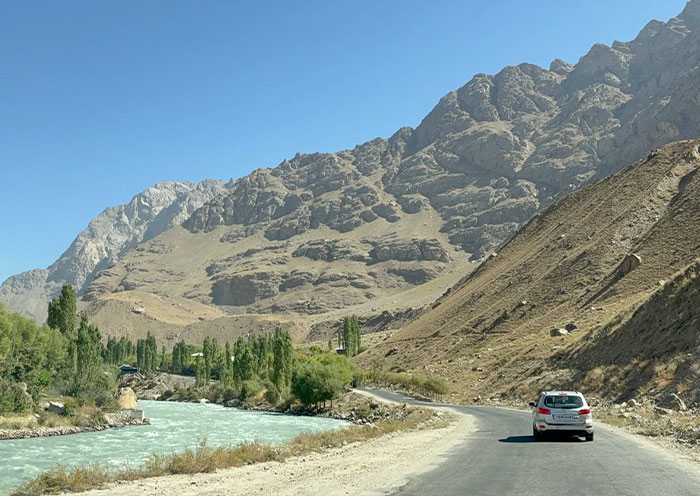
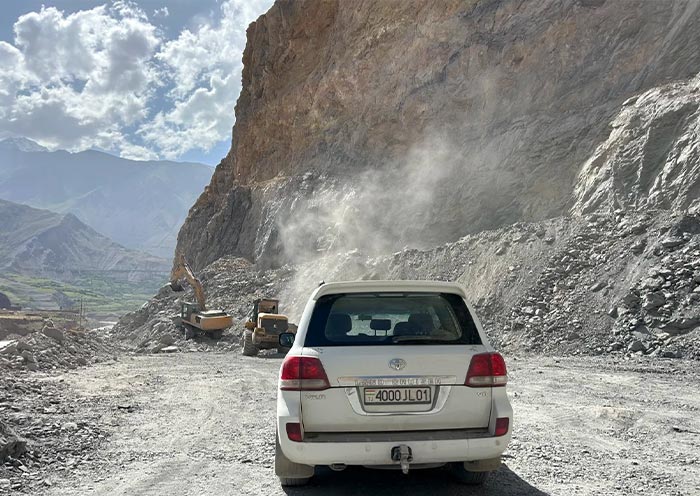
When does the Pamir Highway actually open each year? There's no fixed date because it depends on snowfall and spring temperatures. In typical years, the road becomes passable for 4x4 vehicles around June 10-15. Full opening for all traffic usually happens June 20-25.
What's the rainiest month? March and April see the most precipitation, but even then, Tajikistan is quite dry. Summer months (June-August) are very dry with occasional afternoon thunderstorms in mountain areas. September and October are also dry.
When is the Nauryz Festival? Nauryz (Persian New Year) is around March 21st. It is a fantastic cultural event with food, dancing, and Buzkashi (horse games). The Strategy: If you want to see Nauryz, fly into Dushanbe or Khujand for the festival.
When is the best time for photography? September. In September, the air is cold and crystal clear. The poplars and apricot trees in the valleys turn bright yellow and orange, creating a stunning contrast with the blue rivers.
Travel to Tajikistan With Asia Odyssey Travel
Tajikistan is 90% mountains—a pristine, high-altitude paradise perfect for a cool summer escape. Asia Odyssey Travel handles the rugged logistics and border crossings, making your trip to the "Roof of the World" safe and seamless. You just show up and enjoy.
✅ Tajikistan Tour Packages – In-depth journeys covering Dushanbe, Khujand, and the turquoise gem of Iskanderkul Lake.
✅ Central Asia Combo – Expertly connected multi-country routes that blend Persian history with Pamir landscapes.
✅ Dushanbe Tours: Dive into the Persian heart of Central Asia, covering Rudaki Park, museums, and the ancient Hissar Fortress.
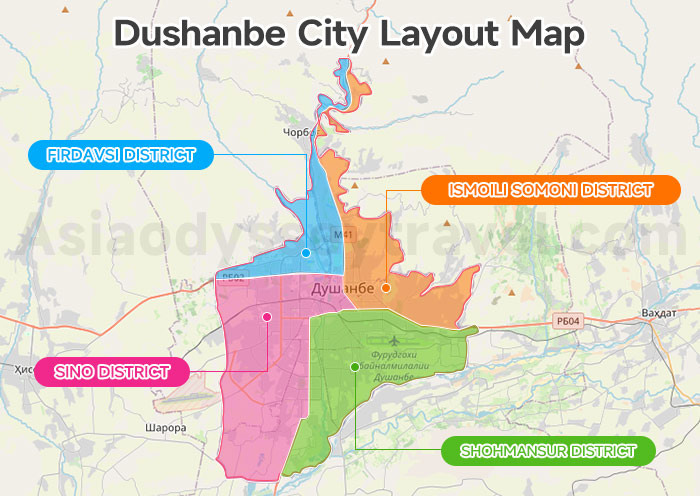
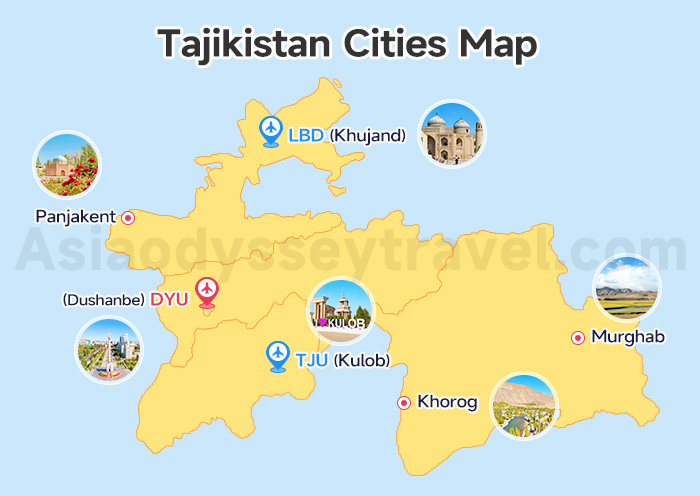


 Data in submission...