+852 5394 6901
 Take China Group Tours in 2026/2027 to enjoy 30% discount compared to private tour. Same Experience & Lowest Price! Check China Group Deals >>
21 Days Western China Tour: Silk Road and Tibet Adventure

Private tour

Lowest Price Guarantee

Recommended Rating: 5 Star

5 ( reviews)


- Highlights
- Itinerary
- Price
- Trip Notes
- Accommodation
- Photos
- Reviews
Trace the Ancient Silk Road and Climb to the Roof of the World
Ready to go beyond the ordinary? This 21-Day Western China Tour is designed for true explorers who crave depth, diversity, and discovery. In one epic journey, you’ll uncover two of China’s most extraordinary regions — the ancient Silk Road and the mystical Roof of the World (Tibet Plateau).
Starting Point – Imperial Beijing:
Begin in China’s historic capital, where the grandeur of the Forbidden City and the Great Wall sets the tone for the adventure ahead.
The Heart of the Silk Road – Xinjiang & Gansu:
Venture deep into Western China. Experience the vibrant ethnic cultures of Xinjiang, explore Turpan’s Karez irrigation system, the Flaming Mountains, and the alpine beauty of Heavenly Lake in the Tianshan Mountains.
Continue into Gansu, where you’ll be inspired by the timeless art of the Mogao Caves, the mighty Jiayuguan Fortress, and the surreal beauty of the Zhangye Danxia Rainbow Mountains.
Climbing to the Roof of the World – Qinghai & Tibet:
The journey reaches its peak as you ascend the Qinghai-Tibet Plateau. Ride the world’s highest railway to Lhasa, visit the sacred Potala Palace, and feel the spiritual rhythm of Tibetan Buddhism. Then travel deep into the Himalayas to stand at Everest Base Camp (EBC) — face to face with the world’s highest peak, where silence, snow, and sky meet for a once-in-a-lifetime experience.
Despite the vast distances of Western China, Asia Odyssey Travel efficiently planned with short flights and trains, avoiding backtracking and saving you more time to explore. We handle all logistics, Tibet permits, and provide oxygen support for high-altitude comfort - so you can explore with peace of mind.
You Can Experience “Must-see & Must-do” with This Tour

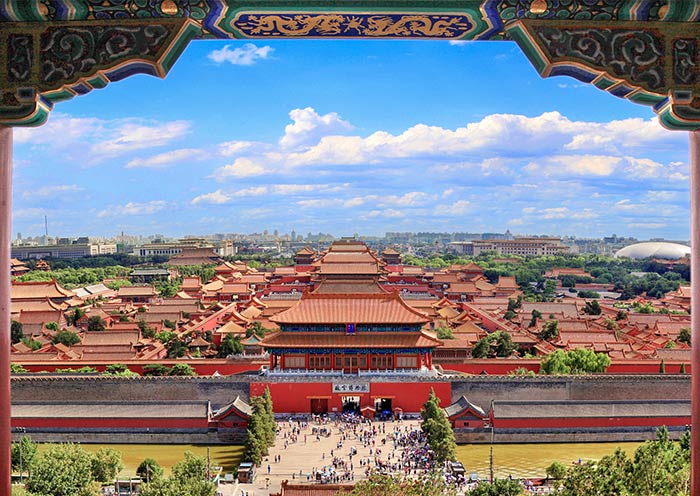
Highlight 1: Begin your China adventure in Beijing, the ancient and modern capital. Visit world-renowned landmarks such as the Forbidden City, Tiananmen Square. Walk along the legendary Great Wall of China and feel the power of centuries of history and empire.
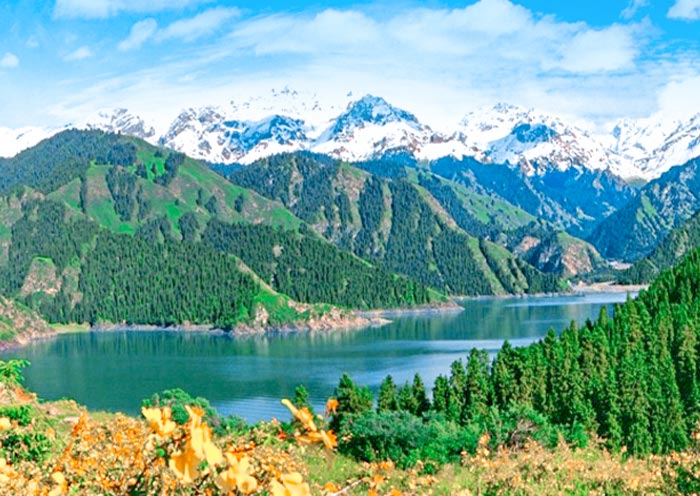
Highlight 2: Arrive in Urumqi, the capital of Xinjiang, where East meets West. Stroll through the vibrant International Grand Bazaar, sample authentic Uyghur cuisine, and explore the Heavenly Lake - a UNESCO World Heritage alpine lake surrounded by snow-capped peaks and evergreen forests.
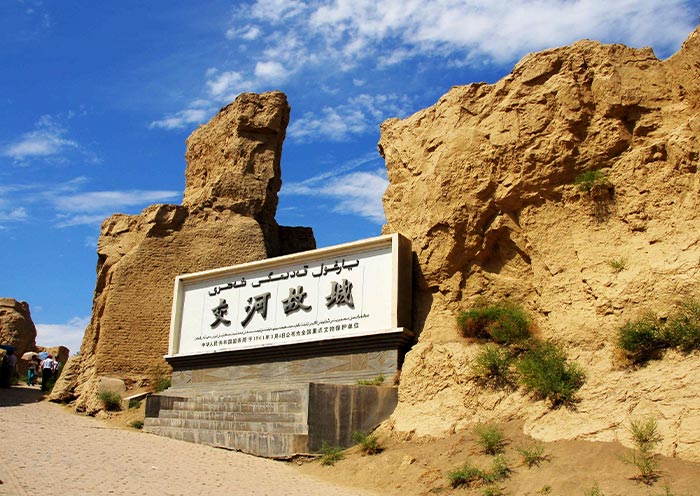
Highlight 3: Discover Turpan, the oasis city on the Silk Road. Marvel at the ingenious Karez underground irrigation system, admire the fiery landscapes of the Flaming Mountains, and walk through the ancient ruins of Jiaohe, one of the world’s oldest earthen cities.
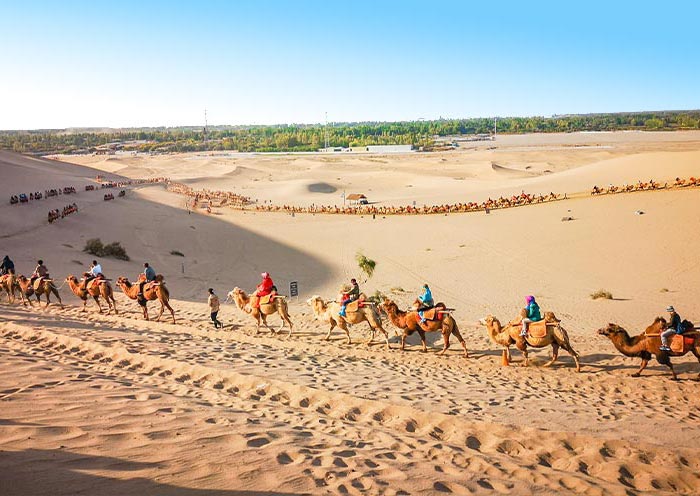
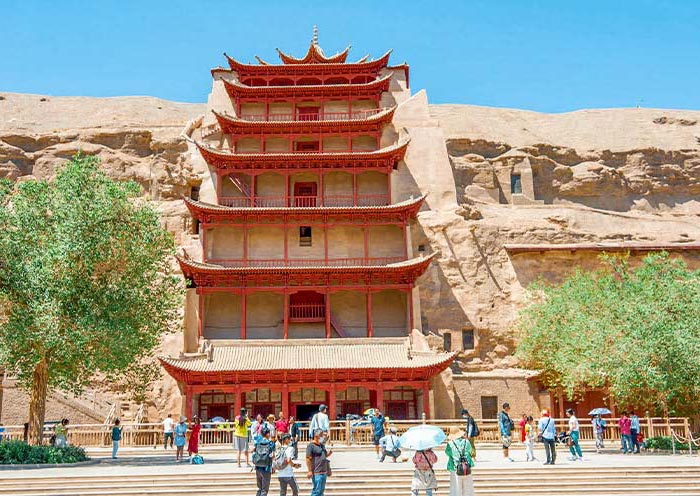
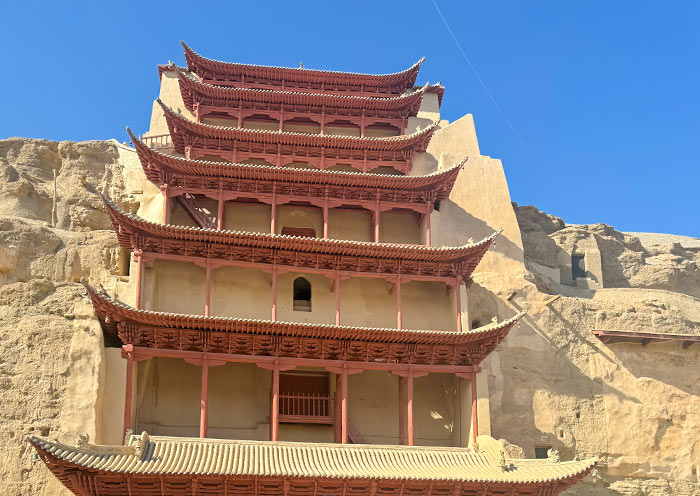
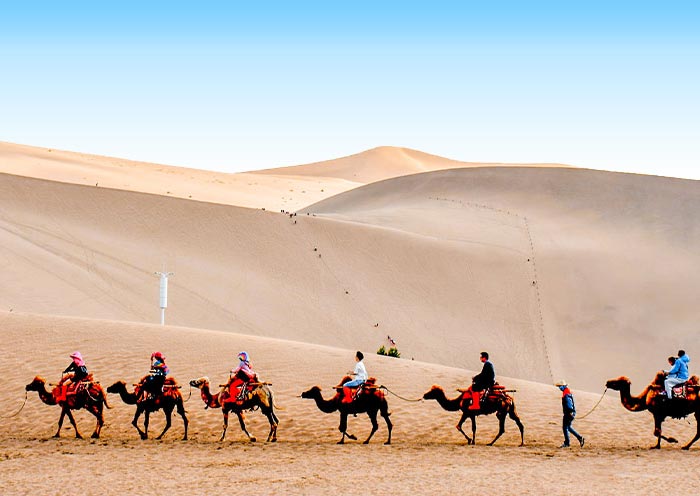
Highlight 4: Step into the “Treasure House of Eastern Art” - the Mogao Caves in Dunhuang, home to exquisite Buddhist murals and sculptures. Ride a camel across the desert dunes of the Singing Sand Mountains and witness the tranquil beauty of the Crescent Moon Spring oasis.
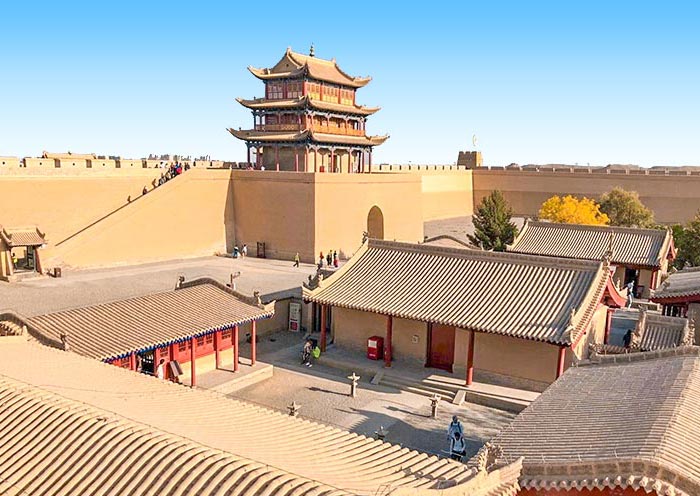
Highlight 5: Visit Jiayuguan Pass, the westernmost end of the Ming Great Wall, known as the “First and Greatest Pass Under Heaven.” Feel the power of China’s ancient frontier defense system and panoramic views of the Gobi desert.
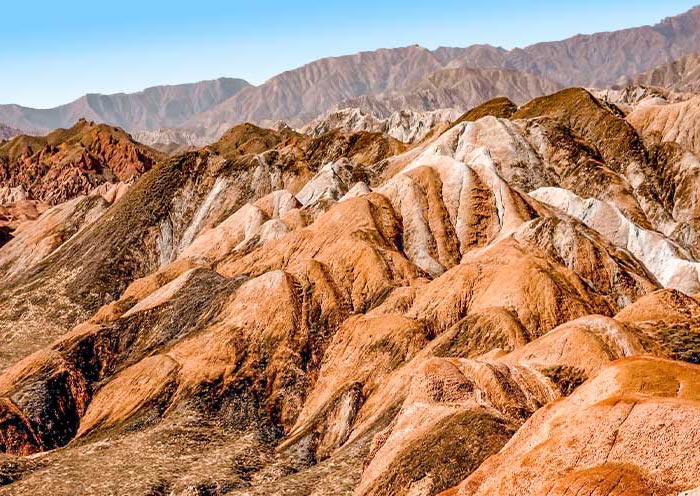
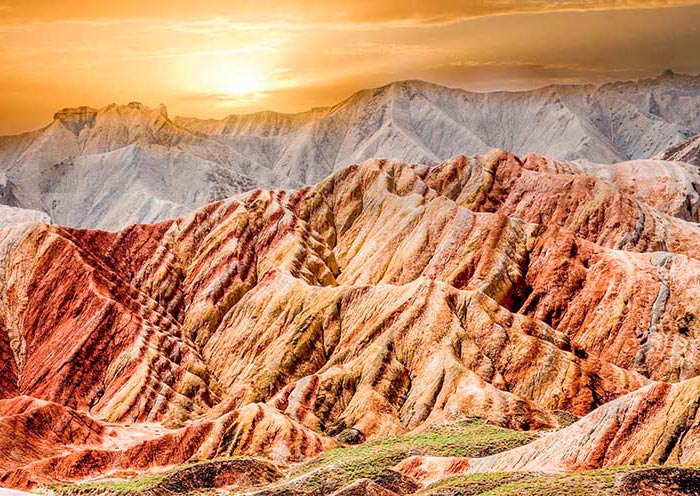
Highlight 6: Explore the breathtaking Zhangye Danxia National Geopark, famous for its rainbow-colored hills and layered rock formations — a natural masterpiece sculpted over millions of years.
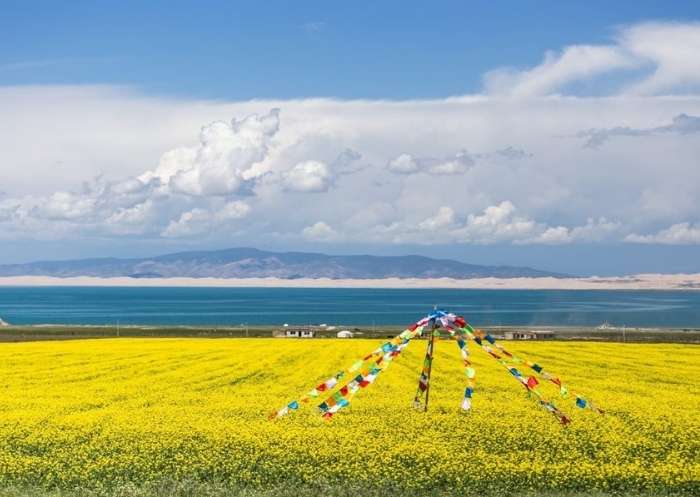
Highlight 7: Travel into Qinghai, China’s vast plateau province. Admire the shimmering waters of Qinghai Lake, China’s largest saltwater lake, and enjoy a dreamlike walk on the mirror-like Chaka Salt Lake reflecting the endless sky.
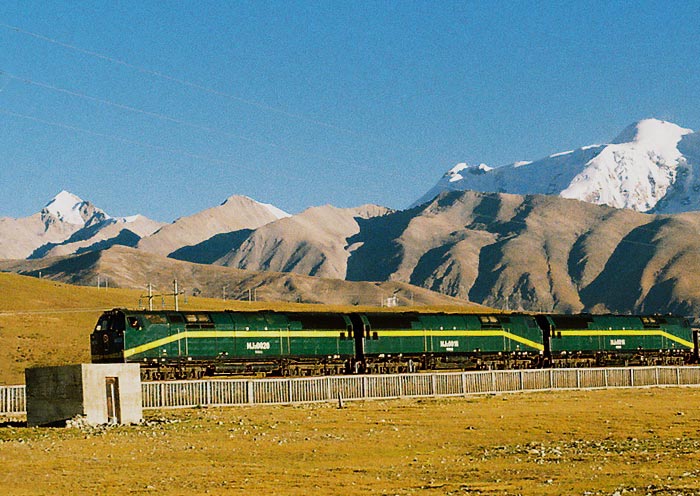
Highlight 8: Board the world’s highest railway from Xining to Lhasa, a once-in-a-lifetime journey across the Qinghai-Tibet Plateau. Enjoy spectacular views of snow-covered peaks, turquoise lakes, and wild Tibetan antelopes along the way.
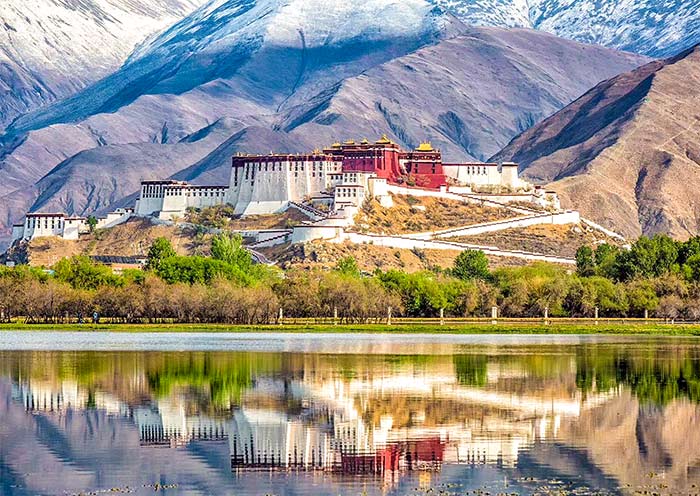
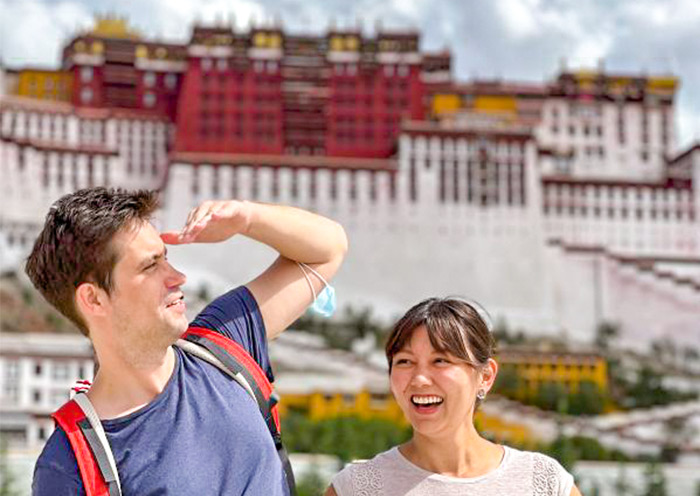
Highlight 9: Reach the Roof of the World - Lhasa. Pay a holy visit to the majestic Potala Palace, the spiritual Jokhang Temple, and the lively Barkhor Street, where local Tibetans circle in devotion.
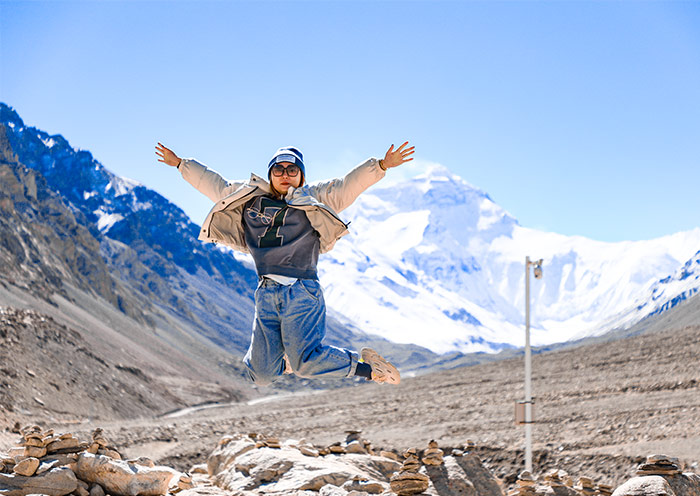
Highlight 10: Get close to the the highest point on the Earth’s Surface - Mount Everest, at 8848 meters, and marvel at its grandness and holiness and you can stay overnight at the EBC Base Camp.
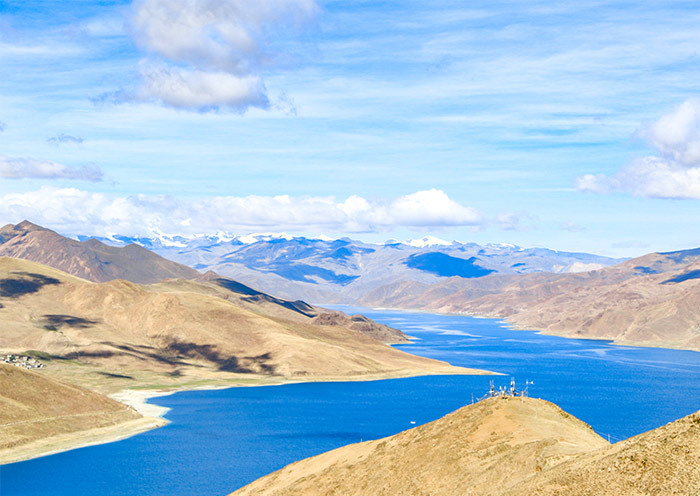
Highlight 11: Catch the breathtaking view of the Yamdrok Lake, one of the Great Three Holy Lakes in Tibet and also enjoy the magnificent white glacier framed by colorful prayer flags and high mountains.
Show More
Itinerary at a Glance
 View Destinations
More Options
Click to Enlarge for Details

Beijing (3 Days)
Tian’anmen Square, Forbidden City, Jingshan Park, Summer Palace, Mutianyu Great Wall, Glimpse of Bird’s Nest & Water Cube
Urumqi (2 Days)
Heavenly Lake of Tianch, Bodga Mountain View, Urumqi Grand Bazaar
Turpan (1.5 Days)
Tuyoq Village, Jiaohe Ancient City Ruins, Karez System, Emin Minaret
Dunhuang (1.5 Days)
Mogao Grottoes, Singing Sand Dunes & Crescent Spring
Jiayuguan (1 Day)
Jiayuguan Pass, Overhanging Great Wall
Zhangye (1 Day)
Zhangye National Geopark (Zhangye Danxia Geological Park), Dafo Temple (Big Buddha Temple)
Xining (0.5 Day)
High speed train to Xining
Qinghai Lake (0.5 Day)
Erlangjian Scenic Area, Rapeseed Fields, Optional Cruise Experience on the Qinghai Lake
Chaka Town (1 Day)
Chaka Salt Lake, Mirror of the Sky Scenic Area
Xining to Tibet Train Ride (2 Days)
Enjoy the beautiful view along the Qinghai-Tibet Railway
Lhasa (3 Days)
Lhasa Traditional Handicraft Art Center, Sera Monastery, Potala Palace, Jokhang Temple, Barkhor Street
Shannan & Gyantse & Shigatse (2 Days)
Yamdrok Lake, Karola Glacier, Tashilhunpo Monastery
Mount Everest Base Camp (2 Days)
Rongbuk Monastery, Everest Base Camp, Gyawu La Pass
Itinerary Day by Day
Collapse All
Day 1 Beijing Arrival | Airport Pick-up and Hotel Check-in
Nihao! Welcome to Beijing, the capital city of China! Upon your arrival at the airport/train station in Beijing, the tour guide and driver will meet and greet you at the exit, and then escort you to the well-selected hotel in downtown Beijing. The rest of the day is free on your own so you can have a good rest for the jet lag or explore by yourself around your hotel.
Arrival Ideas:
Beijing is well connected by air and high speed rail. There are two airports - Beijing Daxing International Airport and Beijing Capital International Airport operating many international and domestic airlines. Travelers can go to Beijing by air from most cities of China, like Hong Kong, Shanghai, Guangzhou, Chengdu, Xian, Guilin, Hangzhou, Kunming, Wuhan, Xiamen, Guiyang, Chongqing, and Lanzhou. In addition, travelers can take the high speed train to Beijing from Xian (4-5 hours), Shanghai (4.5-6 hours), Zhengzhou (2.5-3 hours), Wuhan (4-5 hours), Harbin (5-5.5 hours), etc.
Free Time Ideas:
You are welcome to ask your tour guide for some useful tips to spend your free time based on your time and interest.
 Dining:
None
 Accommodation:
Beijing
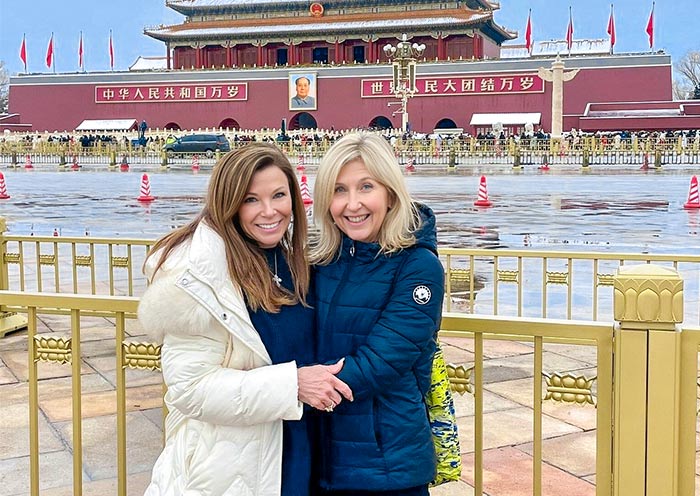
Visit Beijing Tiananmen Square with AOT
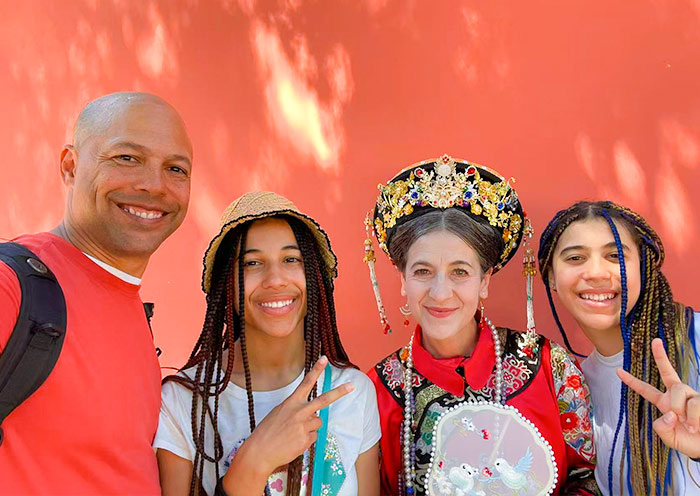
Wear Hanfu to Visit Forbidden City
Day 2 Beijing City Tour | Tian’anmen Square, Forbidden City, Jingshan Park, Summer Palace
Today you will spend the whole day exploring the ancient citadel of Beijing through China's famous landmarks, imperial grandeur, and royal gardens.
After breakfast, your guide will pick you up at your hotel and head to Tiananmen Square, the world's largest public square and symbol of China. It has witnessed many major events in China's history over the past decades, and from here you can take great photos of Tiananmen Gate, seen daily on CCTV News.
Walking across the square, you will visit the mighty and splendid Forbidden City, the world's largest palace complex and former home of 24 Chinese emperors. Listed as a UNESCO World Heritage site, the Forbidden City has about 500 years of history, serving as the political and ritual center of China during the Ming (1368-1644) and Qing (1644-1911) dynasties. With over 8,700 rooms, it is not only China's largest and best-preserved collection of ancient buildings, but also a city within a city, like the Vatican in Rome. Enter through the Meridian Gate and visit along the central axis to ensure you see all the highlights. Admire the brilliant architecture and numerous ancient treasures while listening to your guide share stories of the emperors who once lived here. Later, take a 15-minute walk up to Jingshan Park, where you can enjoy magnificent panoramic views over modern Beijing and the Forbidden City's russet roofs. (Note: It requires some walking, so please wear comfortable footwear. You can decide whether or not to climb to the top based on your physical condition.)
In the afternoon, drive to the Summer Palace, the "Museum of Royal Gardens," once a summer retreat for royal families. The grounds, temples, gardens, pavilions, lakes, bridges, gate-towers, and corridors are marvels of landscape design. Take a leisurely stroll to appreciate the imperial architecture, hilltop views, and beautiful lakes, which offer a pastoral escape into the landscapes of traditional Chinese painting.
(Travel Note: The Forbidden City in Beijing is closed on Mondays. If your tour falls on that day, the itinerary will be adjusted to ensure you visit the Forbidden City.
Dining:Breakfast, Lunch
Accommodation:Beijing
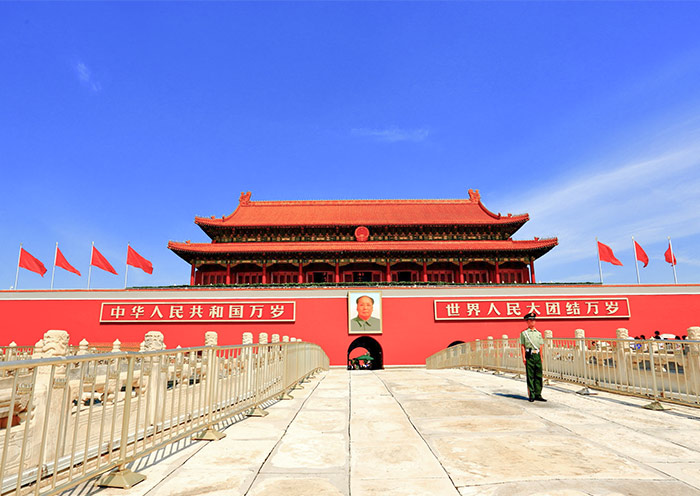
Tiananmen Square, Symbol of China
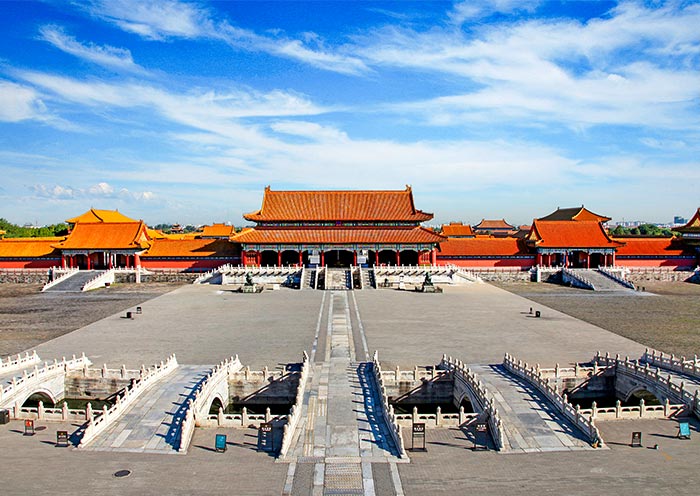
Forbidden City is home to a series of grand halls
Visit Jingshan Park for Forbidden City Panoramic View
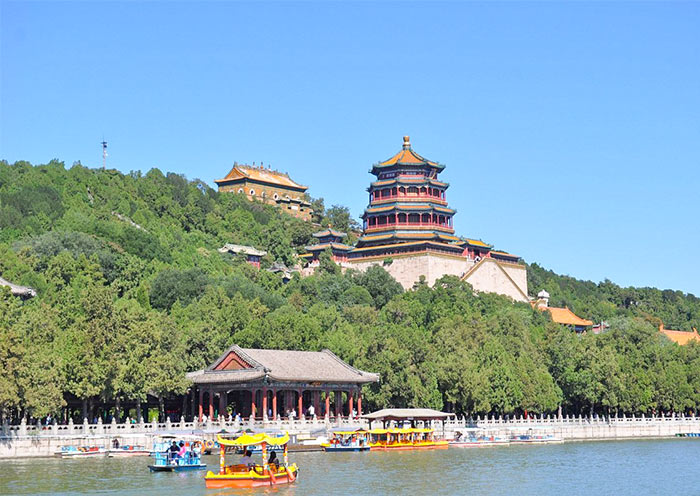
Summer Palace, Beijing
Day 3 Beijing Great Wall Tour | Mutianyu Great Wall, Glimpse of Bird’s Nest & Water Cube
In this morning, you will head northwest of Beijing (about 1.5-2 hours’ drive, 73km) to the Great Wall at Mutianyu. The Great Wall boasts a history over 2,000 years and stretches more than 3,000 miles across several provinces of northern China, making it one of the most impressive ancient masterpieces on the planet. Mutianyu Great Wall is connected with the Jiankou Great Wall in the west and the Gubeikou Great Wall in the east. Mutianyu is the longest and best fully-restored Great Wall with fewer tourists and is also famed for its 23 Ming-era watchtowers and stunning views. Take the cable car up to the 14th watchtower and then enjoy the memorable hiking time on the wall while visiting its western route. With the green pines and cypresses covering the surrounding area, and the winding wall standing majestically on the vast land, you will capture the most stunning natural scenery in this section. Challenge yourselves while climbing up to the 20th watchtower where you could fulfill your Great Wall dream. Cherish the chance and take photos as many as you like!
After the once-in-lifetime experience, head back to downtown Beijing and have the chance to take photos with the exterior of the Bird's Nest (Beijing National Stadium) and Water Cube (Beijing National Aquatics Center). They were both designed for the 2008 Beijing Olympics and used for the 2022 Winter Olympic Games.
After that, transfer back to your hotel and have a good rest tonight.
Dining:Breakfast, Lunch
Accommodation:Beijing
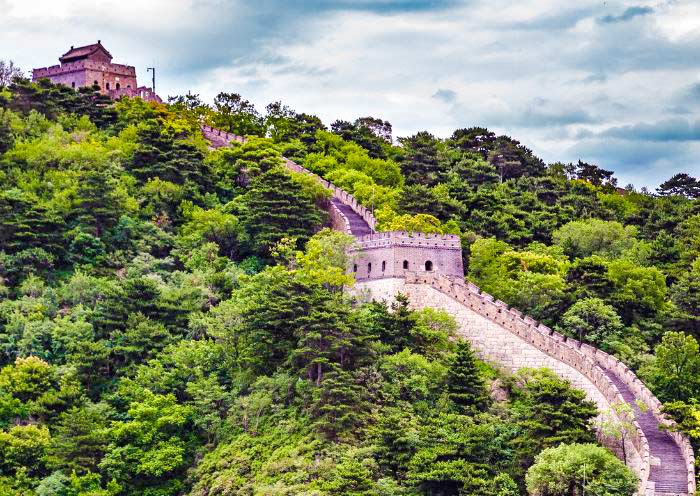
Mutianyu Great Wall, Beijing
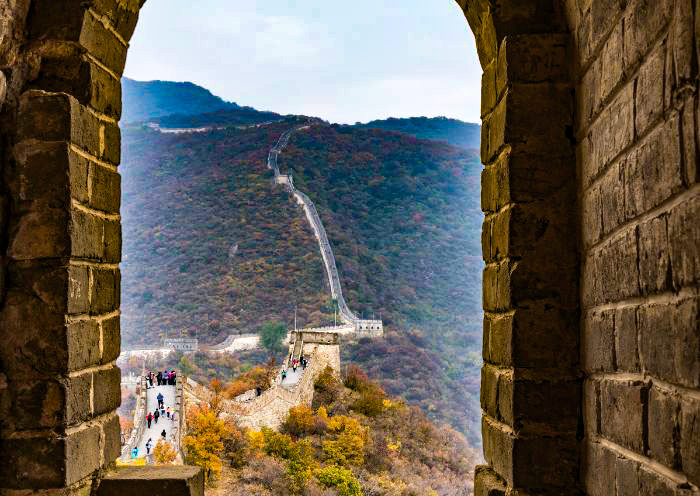
Mutianyu Great Wall, Beijing
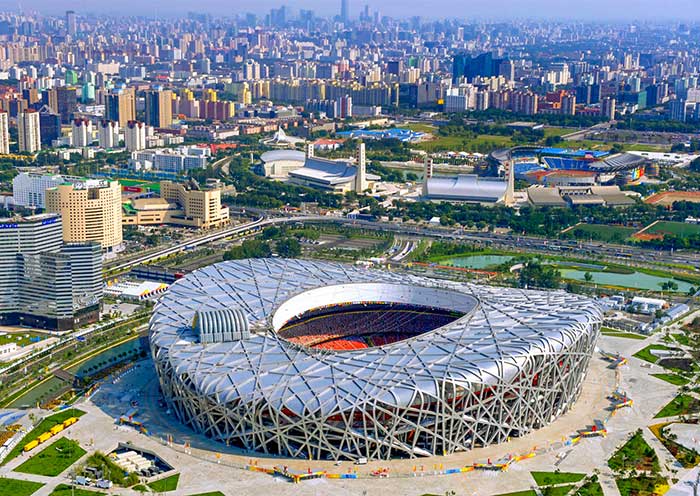
Beijing Bird's Nest Panoramic View
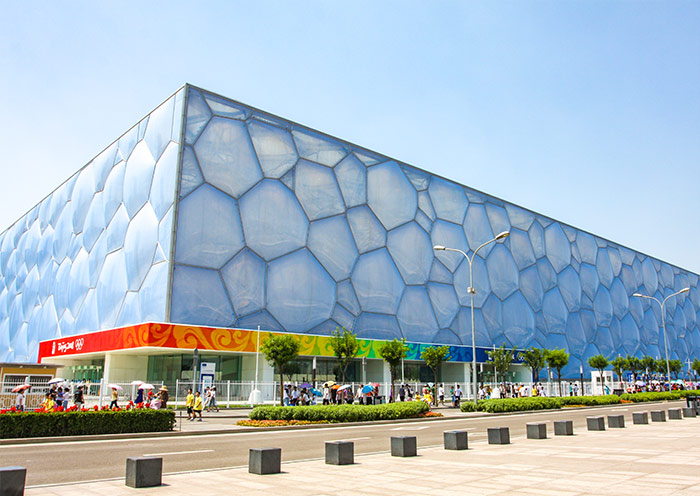
Beijing Water Cube
Day 4 Beijing to Urumqi by Flight | Pick-up Service & Hotel Check-in
Ni Hao! Welcome to Urumqi, the capital of Xinjiang Uygur Autonomous Region! Our local Urumqi tour guide will wait for you and your travel companions in the same group at the arrival hall of the airport and will escort you directly to the downtown area. The guide will assist your group with checking into your hotel. (Note: please tell us your schedule in advance.)
Urumqi (乌鲁木齐), the capital of the Xinjiang Uygur Autonomous Region in China, notable for being the most landlocked major city in the world, far from any sea or ocean. Historically, Urumqi played a significant role as a major stop on the Silk Road, facilitating trade between China and the West. This history has left a lasting impact, making Urumqi a melting pot of ethnic groups, including Uyghurs, Han Chinese, Kazakhs, and others, each contributing to the city's vibrant culture. Naturally, the city is surrounded by the stunning Tianshan Mountains. And, it boasts attractions like the Xinjiang Regional Museum, where visitors can learn about the region's history and see artifacts. The International Grand Bazaar in Urumqi is another highlight, offering a taste of local life with its array of spices, textiles, and crafts.
Dining:Breakfast
Accommodation:Urumqi
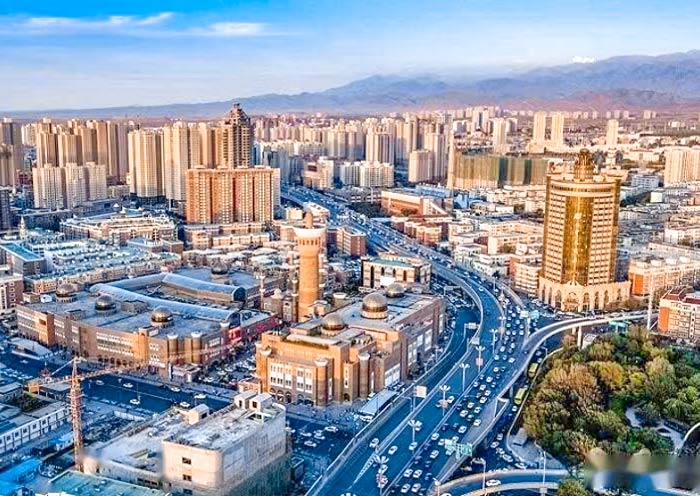
Urumqi City View
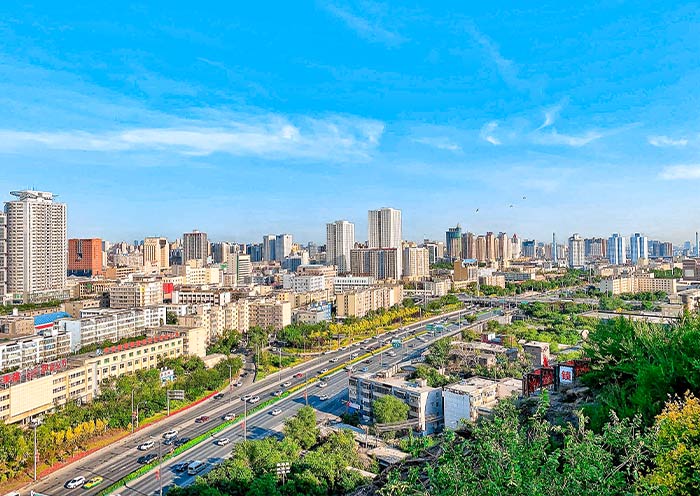
Panoramic View from Red Hill Park, Urumqi
Day 5 Urumqi - Tianchi Lake - Urumqi | Heavenly Lake of Tianshan, Urumqi Grand Bazaar
Today, you'll embark on a full-day exploration, from the breathtaking natural beauty of Tianshan Tianchi Lake to the enlightening exhibits at the Xinjiang Regional Museum.
In the morning, you'll be driven approximately 70 kilometers (about 1-1.5 hours) to Heavenly Lake of Tianshan (天山天池), a UNESCO World Heritage Site. Nestled at an elevation of around 1,980 meters (6,500 feet) above sea level, this serene alpine lake is surrounded by lush forests, snow-capped peaks, and breathtaking landscapes. Renowned for its crystal-clear waters, panoramic Bogda mountain views, and connections to ancient myths and legends, Heavenly Lake is a must-see. One such legend involves the Queen Mother of the West (Xi Wangmu), who is said to have hosted a banquet for the Eight Immortals here.
Upon arrival, you'll first take 40-minute sightseeing bus ride through the dramatic mountains. Then, enjoy 10-minute walk to the picturesque lake. Enjoy a leisurely stroll around Heavenly Lake, taking in the fresh mountain air and diverse flora and fauna.
Optional Activities (additional fee required):
- Boat Ride: Cruise across the peaceful waters of the lake, immersing yourself in its beauty and the reflections of the snow-capped mountains.
- Cableway Ride: Take a cableway up to Mayashan for even more stunning views of Bogda Mountain.
After lunch, return to Urumqi and visit the Urumqi Grand Bazaar, also known as the Xinjiang International Grand Bazaar, is a vibrant marketplace and a perfect way to spend your free time. Explore the many shops and stalls offering various local products, including traditional Uyghur clothing, carpets, handmade crafts, silk scarves, jewelry, spices, and dried fruits. Be sure to try local favorites such as lamb kebabs, polu (pilaf), naan bread, and laghman (hand-pulled noodles). Additionally, the architecture of the Grand Bazaar itself is worth admiring with its grand minarets, domes, and intricate Islamic-inspired designs.
After the tour, return to your hotel in Urumqi.
Dining:Breakfast
Accommodation:Urumqi
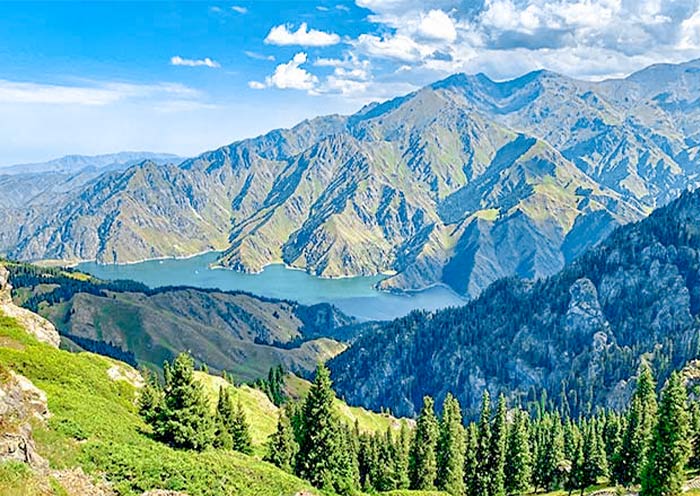
Panoramic view of Heavenly Lake of Tianshan
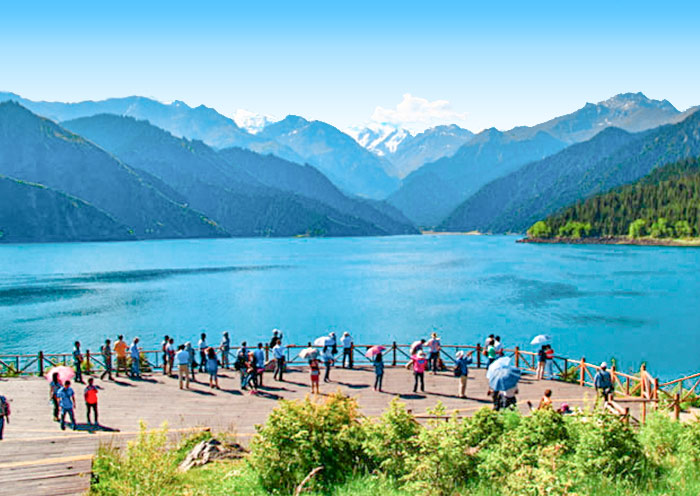
Summer is Peak Season of Tianshan Tianchi
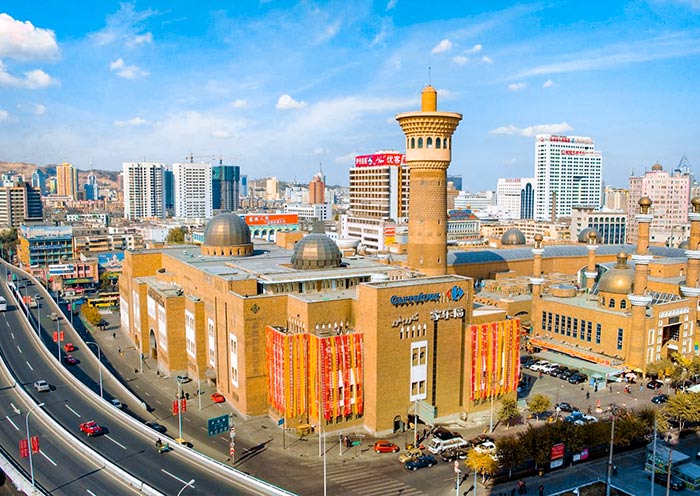
Xinjiang International Grand Bazaar
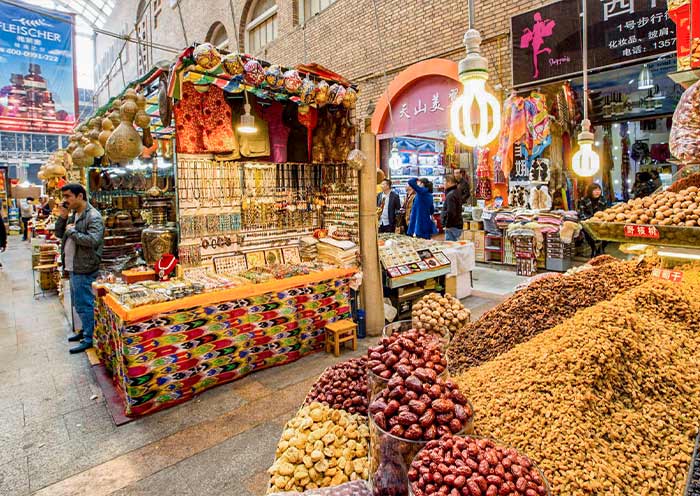
Traditional goods at Xinjiang International Grand Bazaar
Day 6 Urumqi to Turpan | Tuyoq Village, Jiaohe Ancient City Ruins, Karez System, Emin Minaret
After breakfast, embark on a scenic 3-hour drive (180 km) from Urumqi to Turpan. Along the way, you’ll pass the striking Salt Lake and the impressive wind power station, the largest in Asia, at the foot of the Tianshan Mountains.
Turpan (吐鲁番) is located in the eastern part of Xinjiang. Situated in the Turpan Depression at 154 m below sea level, it's the second-lowest depression in the world and the hottest spot in China, earning it the nickname "Fire Land."
Despite its arid climate, the ingenious Karez irrigation system has transformed this desert region into a fertile oasis, renowned for its agriculture, especially grape production. As a crucial stop on the ancient Silk Road, Turpan served as a hub for trade and cultural exchange between East and West. The area is dotted with historical sites - ancient city ruins, remnants of fortifications, and Buddhist cave complexes - testifying to its rich cultural roots.
Upon arrival in Turpan, you will drive to Tuyoq Valley along the Flaming Mountain Grand Canyon. The Flaming Mountains (Huoyan Shan), named for their intense heat and reddish-brown sandstone that appears to glow like fire under the desert sun, are one of Turpan’s most iconic landscapes. Stretching over 100 kilometers from east to west, these eroded hills create a striking, otherworldly view. Along the way, we can stop for photos.
The winding road along the cliffs of the Flaming Mountains will soon lead you to Mazar Village (麻扎村), nestled in the Tuyoq Valley (吐峪沟). It is the oldest surviving Uyghur village, with a history of over 1700 years. The mud-constructed town offers a glimpse of traditional Uighur life and architecture. Here, every household grows mulberry, apricot, or jujube trees around their homes. The doors are adorned with colorful paintings of flowers and fruits, and the window lattices are also decorated with a variety of motifs. The ancestors of Mazar Village, adapting to the local environment and survival needs, ingeniously used locally sourced yellow clay to construct their homes. This has resulted in one of the best-preserved earthen architecture complexes in China today. The earth-toned dwellings adorned with colorful door frames, set against the backdrop of red mountains, are extremely photogenic.
Next, visit to Jiaohe Ancient City (交河故城), one of the best-preserved ruins of ancient cities along the Silk Road and inscribed on the UNESCO World Heritage List as part of the joint application "Silk Roads: the Routes Network of Chang'an-Tianshan Corridor." Jiaohe Ruins offers a profound glimpse into ancient city planning and the historical complexity of the civilizations on the Silk Road.
Nestled between two deep river valleys, Jiaohe, meaning "the confluence of two rivers," is strategically positioned on a large, steep plateau that provides formidable natural defenses. As a key city connecting the Central Plains (中原) and the vast regions of the Western Regions (西域), Jiaohe Ancient City played a vital role in the transportation network of the Silk Road. It witnessed the bustling trade along the Silk Road and the exchange and integration of Eastern and Western cultures.
Unlike many ancient cities, its structures were not built up from the ground but carved down into the existing plateau of loess soil. Walking through the ruins, you can see the remains of government offices, residential houses, Buddhist stupas, and temples. These remnants not only provide important physical evidence for studying the history and culture of the Silk Road but also offer valuable insights into the social, economic, and religious life that shaped this region. Tips: There is no shelter inside the ruin, so be mindful of sun protection.
The History of Jiaohe Ancient City
The Ancient City of Jiaohe witnessed the development of civilization in the Western Region and the Silk Road. Approximately 2,000 years ago, it was established as the capital of the Jushi Kingdom (车师国), one of the 36 kingdoms in the Western Regions (西域三十六国). Following Zhang Qian's pioneering efforts during the Western Han Dynasty to carve a path through the Western Regions, Jiaohe City emerged as a crucial hub on the Silk Road. In 60 BC, the Han Dynasty central government established the Protectorate of the Western Regions (西域都护府) to administer the various states in the region, officially incorporating the Western Regions into the Chinese domain. During the Northern and Southern Dynasties, Jiaohe became a county under the jurisdiction of Gaochang(高昌). The city reached its zenith during the Tang Dynasty with the establishment of the Anxi Protectorate (安西都护府), marking a new era in the governance of the Western Regions. During this period, Jiaohe was a bustling center of international trade and vibrant cultural exchanges among diverse ethnic groups. From the 19th to the 14th century, due to the impact of wars, Jiaohe gradually declined and eventually became a ruin.
Afterwards, head to the Karez System (坎儿井) to learn about the ancient underground irrigation system a few thousand years ago and how this system has benefitted the people along the desert's edge, transforming barren land into a lush oasis. This traditional engineering marvel is considered one of China’s three great ancient engineering projects, alongside the Great Wall and the Grand Canal. It has been recognized in the 2024 World Irrigation Project Heritage list.
The origin of the Karez Irrigation System
Turpan, in Xinjiang, is one of China's most arid regions, with annual rainfall of only 16 millimeters and evaporation exceeding 3,000 millimeters. These extreme conditions have led to severe surface water scarcity. To improve their survival prospects, people ingeniously utilized the natural slope of mountains to channel underground rainwater, glacial melt, and snowmelt from spring and summer to the surface for irrigation. This method greatly reduced water loss through surface evaporation, meeting the water needs of this arid region. It’s often said, "Without the Karez, there would be no Turpan; without the Karez, there would be no civilization in Turpan." The Karez has turned extremely arid basins into green havens, making Turpan a crucial corridor for East-West exchanges along the Silk Road and a place where diverse cultures converge and coexist.
The Karez system is often referred to as the "Underground Great Wall". In Xinjiang, there are over 1,700 karez wells which, if connected, would stretch over 5,000 kilometers, forming a vast underground river network. It is estimated that the Karez system has a history of over 2,000 years. Imagine centuries ago, without modern measuring tools or mechanical assistance, how ancient people located underground water sources, determined the gradient and direction in complete darkness, and connected such lengthy channels. Today, you have the opportunity to step into the Karez and personally unravel the secrets of this most mysterious hydraulic engineering project, experiencing first-hand how ancient innovation works.
Next, continue your exploration at the Emin Minaret (额敏塔), the tallest Islamic minaret in Xinjiang. Also known as Sugong Ta (苏公塔), this remarkable structure was erected in 1778 by the local ruler Suleiman, in tribute to his father, Emin Khoja, whose considerable efforts helped maintain national unity.
It stands 44 meters (144 feet) tall and is made from sun-dried bricks, which give it a distinct, earthy color. The tower's cylindrical body tapers elegantly as it rises, topped by an ornate, pointed dome. Uyghur artisans crafted up to 15 different types of brick patterns, including waves, diamonds, floral clusters, and crosses, which create endlessly looping designs around the tower. Gazing up from beneath the tower, you can fully appreciate the simplicity and grandeur of these designs. The accompanying mosque is an integral part of the complex, which you can visit as well. Emin Minaret serves not only as a religious structure but also as a cultural icon for the Uyghur people, embodying a unique blend of Islamic and Uyghur architectural traditions.
After the tour, be escorted to your hotel in Turpan.
Dining:Breakfast
Accommodation:Turpan
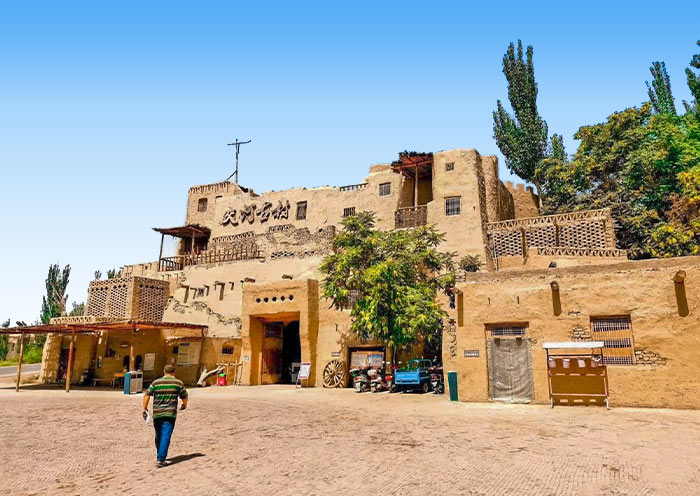
Jiaohe Village in Jiaohe Ruins Scenic Area
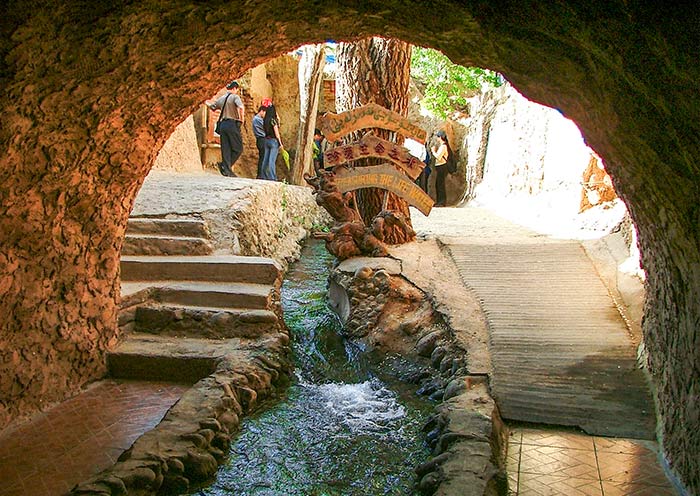
Underground tunnels in Karez System
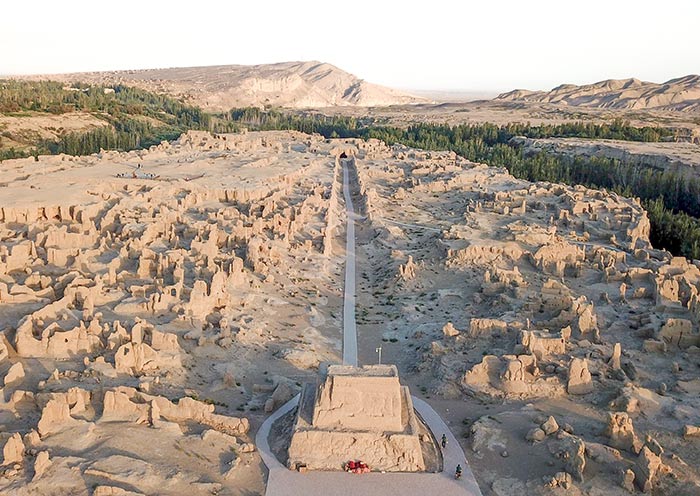
Panorama of Jiaohe Ancient City
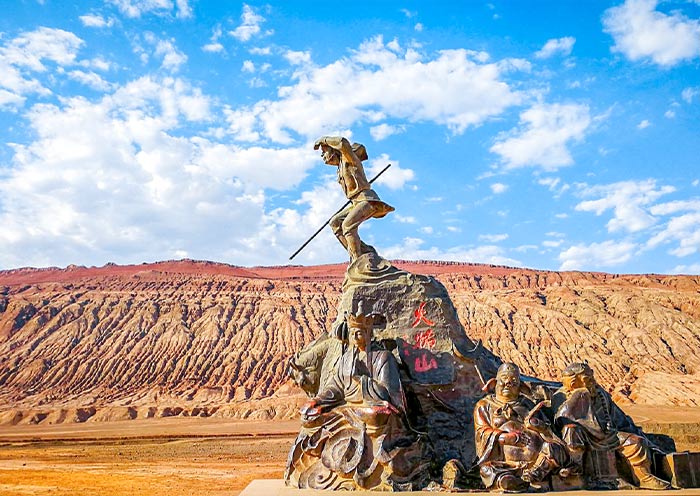
The Flaming Mountain is famous for the novel Journey to the West
Day 7 Turpan to Dunhuang by High-speed Train or Flight | Transfer Service, Free Exploration in Dunhuang
On this day, you’ll travel from Turpan to Dunhuang (Gansu). For the transfer, we will arrange it based on the actual situation: either by high-speed train or flight.
If traveling by high-speed train, you’ll be transferred to Turpan North Station to board the high-speed train to Liuyuan South Station. Upon arrival, your tour guide and driver will greet you at the exit and escort you to your hotel in Dunhuang (Distance: 120 km, about 2-hour drive).
If traveling by flight (when flight is available), you’ll be escorted to Jiaohe Airport for your flight to Dunhuang, which takes about 1 hour and 15 minutes.
Welcome to Dunhuang, a must-visit city located in Gansu Province, China! Dunhuang is a desert oasis filled with ancient wonders.
Stay overnight in Dunhuang.
Dining:Breakfast
Accommodation:Dunhuang
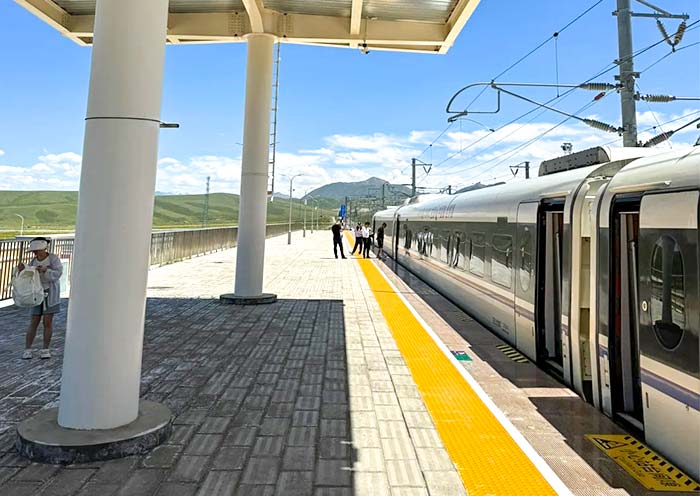
Take Xinjiang Gansu High Speed Train
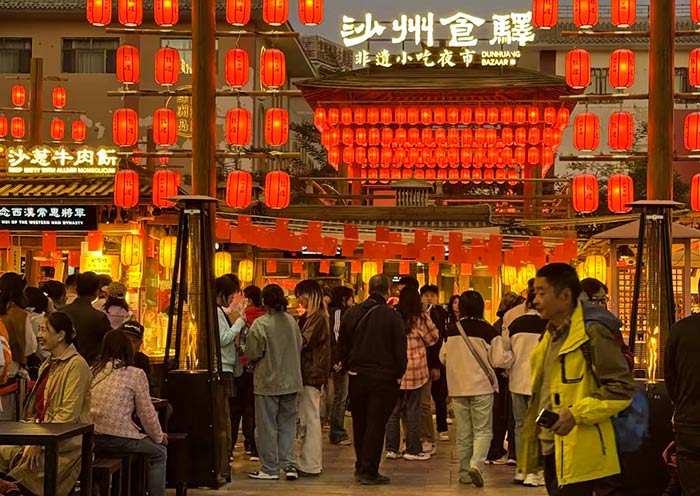
Dunhuang Shazhou Night Market
Day 8 Dunhuang Tour | Mogao Grottoes, Singing Sand Dunes & Crescent Spring
Today, you will enjoy a wonderful Dunhuang Culture Tour by visiting Mogao Grottoes (4-4.5hrs), a UNESCO World Heritage site. You can enjoy the relaxing time in Echoing Sand Mountain & Crescent Lake, don’t miss the delicious food at the Shazhou Night Market.
Dunhuang Mogao Grottoes is the must-visit place for a trip to Gansu. You may read many stories about A. Stein (斯坦因a British archaeologist and explorer) and the vast trove of artifacts (Paintings, Sculptures, Manuscripts) he brought from the Mogao Grottoes in the early 20th century. You may have already seen the artifacts Stein collected in the British Museum in London. Or you may have heard of Paul Pelliot (French archaeologist & Sinologist) who like A. Stein, conducted several expeditions to Dunhuang and collected a large number of artifacts which is primarily housed in the Guimet Museum in Paris, France. Welcome to visit Mogao Grottoes the source of the world famous Dunhuang Manuscripts (Dunhuang Yi shu敦煌遗书; Cave 16-17) and explore valuable insights into the history and culture of the Silk Road.
The Mogao Caves (Mogao Grottoes莫高窟), also known as the Thousand Buddha Grottoes (千佛洞), are acclaimed as the "Treasure House of Eastern Art东方艺术宝库." The remaining 735 caves are dotted along cliffs rising about 15-30 m high and over 1,700 m, forming a magnificent spectacle of this world cultural heritage site. Despite the significant loss of artifacts to oversea museums, the Mogao Caves remain one of the world's largest and most richly endowed repositories of Buddhist art. Spanning sixteen kingdoms, Northern Wei, Western Wei, Northern Zhou, Sui, Tang, Five Dynasties, Song, and Western Xia dynasties, the construction of the Mogao Grottoes lasted for over a thousand years until the Yuan Dynasty, resulting in about 45,000 ㎡ murals and 2,415 clay sculptures. In the year 366 AD, the first cave of the Mogao Caves was carved into the cliff by the Monk Le Zun (乐僔; over 1,650 years ago). In the 7th century, Xuanzang (唐僧) translated numerous Buddhist scriptures at the Mogao Caves. In 1900, Daoist Wang (王圆箓) discovered the Library Cave (藏经洞; Sutra Cave; Cave 16). From 1941 to 1943, Zhang Daqian (张大千), a prodigious Chinese artist of the twentieth century, copied 276 murals here.
At the Mogao Caves, you can explore various types of grottoes (large statue caves, Nirvana caves, central pillar caves, vaulted ceiling caves, hall caves) and learn about the pigments used by ancient artists in painting murals (cinnabar, orpiment, azurite, mica, gamboge, gold leaf, shell powder). You can admire narrative paintings of Buddhist themes (the life of Shakyamuni Buddha, the Nine-Colored Deer Sacrificing Itself to Save Others), diverse clay sculptures (Buddha statues, Bodhisattva figures, guardians, deities), Flying Apsaras (飞天) and Swirling Dances (Sema; 胡旋舞) in the prosperous Tang Dynasty, as well as the attire and customs of patrons from various dynasties. At the Mogao Caves, you can witness the brilliance and charm of the ancient Silk Road and the efforts and achievements of generations of cultural heritage preservation workers and researchers (such as Chang Shuhong常书鸿, a Chinese painter known as the "guardian of Dunhuang"敦煌守护神).
You can start at the Mogao Caves Digital Center (莫高窟数字中心), watch a 40-minute digital film, and then take a shuttle bus to the caves. Guided by the site interpreters, you will visit 8 caves sequentially (Ticket A; no photography allowed inside the caves). You may have the chance to see significant caves like the Library Cave (Caves 16-17; the largest cave), the Nine-Storey Tower (Cave 96; one of Mogao's iconic structures; the largest Buddha statue), the Nirvana Sutra Cave (Cave 148; reclining Buddha), the Early Tang Treasures Cave (Cave 332), and the Northern Wei Masterpieces Cave (Cave 257). The actual eight caves visited may vary based on the site's conditions. If interested, you can visit the Cultural Relics Protection and Display Center (文物保护陈列中心) to see 1:1 replicas of eight special caves, including Caves 275, 249, 285, 419, 220, 217, 25, and 3 (photography allowed). After the tour, you can return to your hotel to rest, and if time permits, you can visit the Dunhuang City Museum (optional) after lunch.
In the afternoon, time to visit Mingsha Mountain & Crescent Lake (鸣沙山月牙泉) and even sit on the peak of Singing Sand Dunes (1,715 m) to wait for a stunning sunset in front of the Crescent Spring. The Singing Sand Dunes & Crescent Lake is praised as “one of the Top 5 Most Beautiful Deserts in China," "China's Best Natural Landscape Tourist Destination," and "China's Most Beautiful Moon-watching Spot." It is a geological park known for the unique spectacle of mountains, springs, and sand coexisting in the desert. You can enjoy various activities (self-pay) such as camel riding, sand sliding, desert motorcycles, off-road vehicles, helicopters, gliders... You will meet people in costumes of traditional Han clothing or Flying Apsaras.
The Mingsha Mountain is named for the sound produced by the moving sands, with recorded volumes of the singing reaching up to 83 decibels. This phenomenon of sand-producing sound is one of the Dunhuang Eight Views, known as "ShalingQingming沙岭晴鸣" in the Dunhuang County Chronicles《敦煌县志》, where Dunhuang's ancient name of Shazhou (沙洲) also originates. The Singing Sand Dunes stretches from the Mogao Caves in the east to the Dang River in the west, spanning about 40 km east to west and 20 km north to south. The mountain is formed from deposits of fine sand in five colors (red, yellow, green, black, white). The sand of Mingsha Mountain is carried by the wind from the Gobi Desert and the Kumtag Desert to settle here, gradually accumulating over time. The Crescent Lake is nestled amidst the Mingsha Mountain, named for its crescent moon-like shape. The spring water spans 242 meters from east to west and can reach up to 50 meters wide from north to south, with an average depth of around 1.5 meters. The spring is home to the Ironback Fish (铁背鱼local fish) and Seven Star Grass (七星草; medicinal herb) which is included in the "Three Treasures of Crescent Spring月牙泉三宝" by locals (the third one is Five-colored Sand五色沙), believed to bring good luck to people. So try your luck to find them. Remarkably, the sand has not encroached upon the spring, and the water remains clear and abundant, traversing through time, creating the world wonder of the "First Spring in the Desert沙漠第一泉."
Notes:
1. To protect the caves, the Mogao Caves implemented a real-name reservation system for timed visits, implementing a daily limit on the number of visitors. The ticketing system includes A/Regular tickets (6,000 tickets/day) and B/Emergency tickets (12,000 tickets/day; for domestic visitors only). A Ticket includes access to 8 caves and 2 digital movies. B ticket includes access to 4 caves and the Cave Artifacts Conservation and Research Exhibition Center.
2. Visitors must follow the visiting arrangement set by the management of the Mogao Caves on the day of the visit. The visiting order of the Mingsha Mountain and the Mogao Caves is subject to change.
3. If you are particularly interested in the caves, you can also purchase tickets for special caves at the site (may require queuing) to explore more exquisite caves. The special caves (self-pay) are divided into Line 1 (Caves 45, 320, 321, 420, 9) and Line 2 (Caves 275, 45, 156, 158, 159).
4. During the Dunhuang Cultural Expo or in case of inclement weather or other factors affecting the visit, if the Mogao Caves cannot be visited as planned, our company will refund the Mogao Caves tickets according to the actual cost, or arrange a visit to the Western Thousand Buddha Caves as an alternative.
5. Optional activities in the Mingsha Mountain Scenic Area: Shoe covers; Sightseeing vehicle; Camel riding; Motorcycle; Off-road vehicle (seats 3 people); Paragliding; Helicopter (seats 3 people).
6. When participating in desert recreational activities, take care of your photographic equipment and prevent sand from entering the camera. When riding a camel, follow the staff's instructions when mounting and dismounting.
Dining:Breakfast
Accommodation:Dunhuang
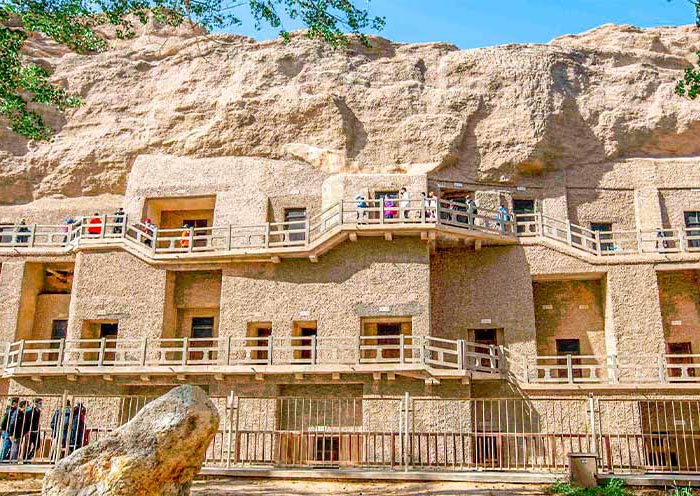
Explore the ancient wonders of the Mogao Grottoes in Dunhuang
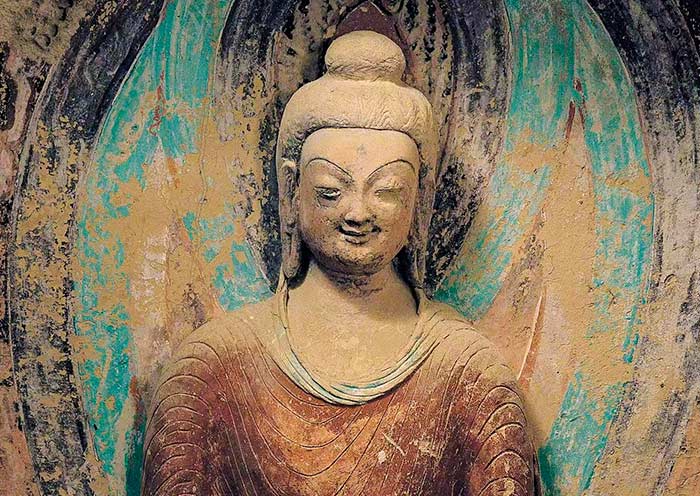
Cave 259, Mogao Grottoes
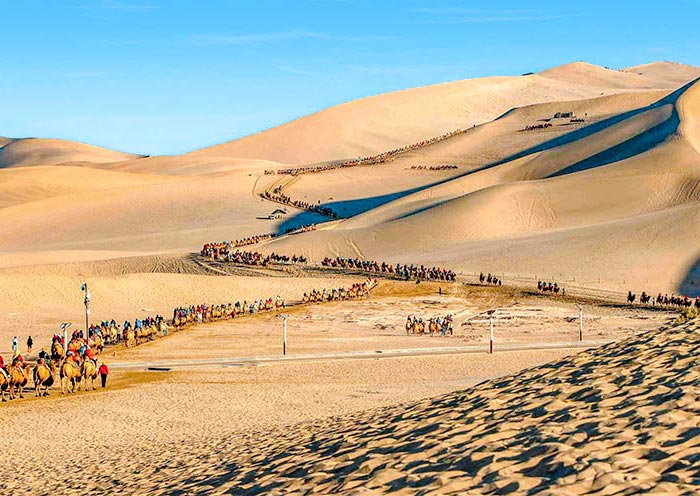
Tracing the Silk Road at Mingsha Mountain in Dunhuang
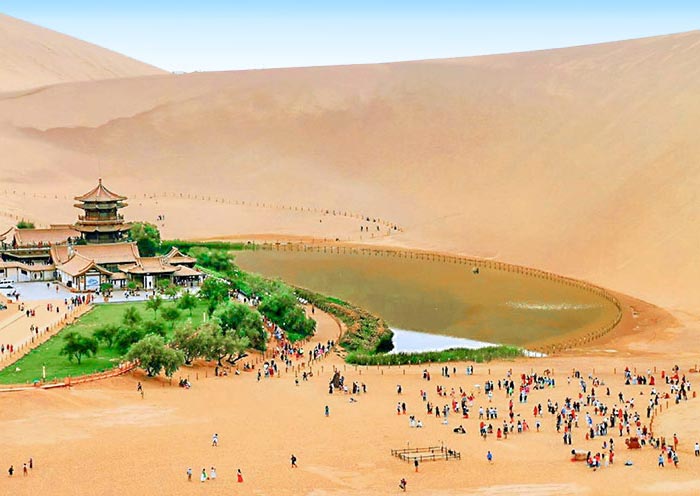
The Crescent Spring: Oasis in the Desert
Day 9 Dunhuang to Jiayuguan | Overhanging Great Wall, Jiayuguan Pass
Today, you will head to Jiayuguan (400km, 5hrs) to explore Jiayuguan City for the Great Wall on the Cliff (Overhanging Great Wall) & the Jiayuguan Pass (Jiayuguan Fortress). Jiayuguan is a good place to grasp the essence of a famous Chinese poem that goes, 'In the boundless desert, lonely smoke rises straight; Over the endless river, the sun sinks round大漠孤烟直,长河落日圆'.
You will climb the Great Wall on the Cliff (Overhanging Great Wall悬壁长城) which was acclaimed as the "end of the Great Wall". It was constructed in 1539 (Ming Dynasty) and only 750 meters remain. As the northern extension of the Jiayuguan Pass, it was built following the natural terrain, using local gravel and loess, the steepest section reaches about 45 degrees (over 200 m), earning its name for its appearance of hanging upside down in the air. After renovations in 1987, it consists of parapets, crenellations, and platforms. Two additional platforms were added at both ends, totaling three platforms. Climbing along the Great Wall trail (over 400 steps; kid-friendly ) to the highest watchtower, you can admire the magnificent scenery both inside and outside the Great Wall. From the desert landscapes beside the expressway to the towering chimneys in the oasis, every sight is breathtaking. Here, you can discover the remnants of ancient warfare and beacon fires while marveling at the wisdom of ancient military defense and the rapid development of modern civilization.
After that, visit Jiayuguan Pass (嘉峪关关城). Built in 1372, Jiayuguan is known as one of the "Three Great Passes of the Great Wall of China中国长城三大奇观之一" (Shanhaiguan Pass in the east, Zhenbeitai Terrace in the middle, and Jiayuguan Pass in the west). Standing atop the Jiayuguan Pass, a part of the UNESCO World Heritage Site "The Great Wall of China", you can feel the magnificence and grandeur of this ancient military defense structure. Jiayuguan is the Westernmost Pass of the Ming Great Wall, in the middle of the Hexi Corridor. "Jiayu" means "beautiful valley." Nestled against mountains and water, with its strategic location and majestic architecture, it is renowned as the "The Impregnable Pass under Heaven天下第一雄关."
From the Jiayuguan Pass walls, you can see the Great Wall traversing the desert and the Gobi, while the beautiful Qilian Mountains (祁连山Snow Mountains) and the Heishan Mountains (黑山) act as natural barriers, stretching across the north and south of Jiayuguan. The magnificent scene described in the elementary school Chinese textbook "The Great Wall《长城》" - "From Shanhaiguan in the east to Jiayuguan in the west, spans over 13,000 li (Chinese miles)从东头的山海关到西头的嘉峪关,有一万三千多里" - finds perfect embodiment here.
You might imagine over 600 years ago when this place was a battleground where the Great Walls were built and met with the Ancient Silk Road, connecting the Central Plains (中原) with the Western Regions (西域), and witnessing numerous commercial exchanges and cultural interactions. During the Western Han Dynasty (202 BC-8 AD), Zhang Qian (张骞) passed through here three times to open up the Western Regions, and General Huo Qubing (霍去病) departed to battle the Huns, or Xiongnu (匈奴). During the Tang Dynasty (618-907), Monk Xuanzang (玄奘) passed through here to retrieve Buddhist scriptures. Marco Polo (马可.波罗) traveled through China in the Yuan Dynasty (1206-1368) and visited Jiayuguan. In 1841 (Qing Dynasty), Lin Zexu (林则徐) was sentenced to exile in Yili, Xinjiang for his involvement in the anti-opium campaign. Passing through Jiayuguan, he composed the poem "Southeast, who compares to this mighty pass东南谁比此关雄."
Today, in Jiayuguan Fortress, you can obtain a passage permit (Optional; Self-pay) and experience the process of entering and exiting Jiayuguan as it was centuries ago. This unique experience transports you through time, back to an era where official "passes" (an early form of passport) were required for passage. The Chinese phrase "qing duo guanzhao " (请多关照literally means please take care of me; similar to nice to meet you) originates from the polite language used by people entering and exiting Jiayuguan, symbolizing mutual care and assistance.
Jiayuguan Pass/Fortress is one of the best-preserved gate cities along the Great Wall, making it a popular destination for architecture enthusiasts. It consists of three overlapping defense lines - the inner city, outer city, and moat - forming a military defense system with watchtowers every five li, beacon towers every ten li, fortresses every thirty li, and a city every hundred li. Jiayuguan is not just a city; it's a legendary tale waiting for you to uncover its secrets. Additionally, Jiayuguan is an oasis at the foot of the Qilian Snow Mountains, with numerous lakes and lush greenery, making it a rare summer retreat. Overnight stay in Jiayuguan.
Dining:Breakfast
Accommodation:Jiayuguan
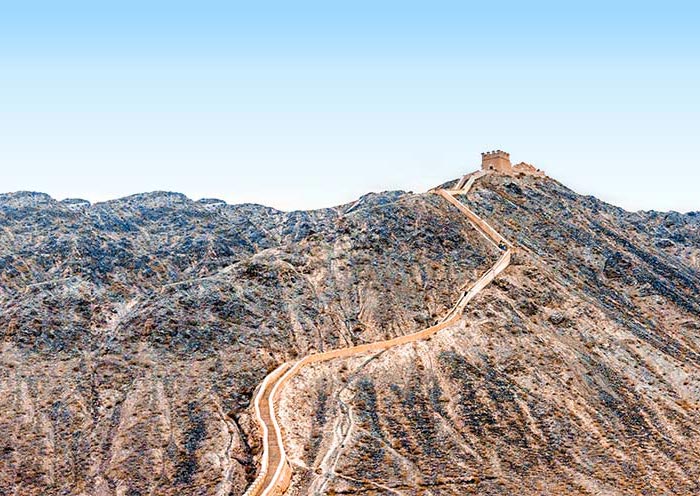
Overhanging Great Wall
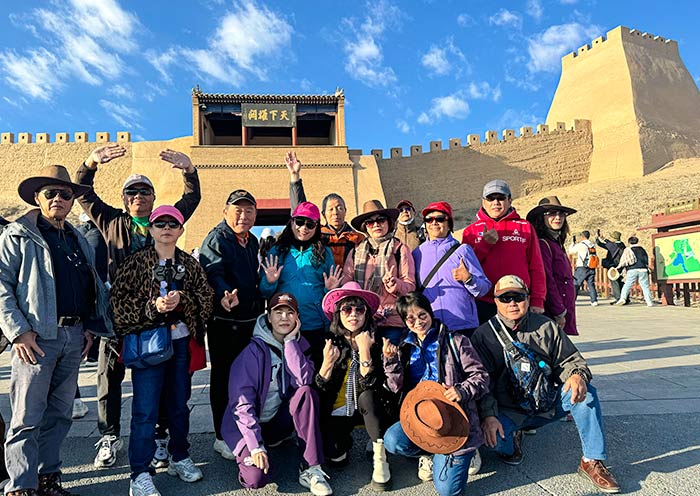
Welcome to Jiayuguan Pass
Day 10 Jiayuguan to Zhangye | Zhangye National Geopark (Zhangye Danxia Geological Park), Dafo Temple (Big Buddha Temple)
Today, you will head to explore Zhangye City (225 km, about 3.5 hours) for Dafo Temple. Along the way, you'll stop to explore Zhangye National Geopark.
Zhangye National Geopark (Zhangye Colorful Danxia Scenic Spot七彩丹霞景区) is renowned for its strikingly colorful rock formations, often referred to as Rainbow Mountains. Zhangye is famous worldwide for its colorful Danxia landforms, a must-visit attraction for people traveling to Zhangye. This is a paradise for geologist & photography enthusiasts, and a great place to experience the marvelous work of nature. The Zhangye Colorful Danxia Scenic Spot (七彩丹霞景区), part of the Zhangye National Geopark, is China's only highly composite area that combines Danxia landforms with colorful hilly landscapes. Zhangye Danxia has been honored as one of the world's top ten geographical wonders, one of the 22 most unforgettable landscapes worldwide, and the most beautiful exterior filming location at the 74th Venice Film Festival. This location served as a filming site for the movie The Great Wall《长城》 directed by Zhang Yimou and Disney's Mulan《花木兰》. The Rainbow Mountains featured on the cover of high school English textbooks are not only geological relics of special scientific significance, rarity, and aesthetic value but also hold archaeological, ecological, historical, and cultural significance.
During the Cretaceous period, approximately 135 to 65 million years ago, the Zhangye region underwent the Himalayan orogeny, multiple erosions by water and wind, and long-term weathering processes, leading to the formation of the current Danxia landforms. The strata are mainly composed of sandstone and mudstone, formed in a dry and hot environment, where divalent iron in minerals oxidized to trivalent iron, giving the strata a red hue. As the environment gradually became wetter, the high-priced iron was reduced, causing a change in strata color to shades of brown, yellow-green, and bluish-gray, creating a palette resembling that of an overturned divine paintbox. The term "Danxia (丹霞)" originates from Cao Pi's poem (曹丕) "Danxia surrounded by the bright moon, with splendid stars emerging amidst the clouds (丹霞夹明月,华星出云间)." "Danxia," literally means the sacred or auspicious celestial sight - the rosy clouds illuminated by light. When geologists first discovered the cinnabar-colored landform, the romantic scientists named it the "Danxia landscape," leading to the coinage of the geographical term "Danxia landform (丹霞地貌)."
The scenic area comprises five Observation Decks (No. 3 and No. 2 have been merged). Shuttle buses connect each Observation Deck (entering and exiting at the north gate, with shuttle stops at four points in the order of Observation Deck #2-1-5-4). Observation Deck #1 and Observation Deck #4 are the most recommended. Yunhai Platform (云海台 No. 1) is where the image was taken on the ticket and the largest viewing platform, offering a panoramic view of the entire Danxia landscape, including the winding S-shaped road. Hongxia Platform (虹霞台 No. 4), highly popular and considered the most beautiful spot with the most vibrant colors, is the best place to watch the sunset. In the eyes of the Chinese people, the Rainbow Mountains here resemble delicious Pork Belly or Strawberry Cake layers.
At the Zhangye Rainbow Mountains, you can admire unique features like the Rainbow Screen, Sleeping Beauty, Giant Scallop, Monks Worshiping Buddha, Monkey Gazing at the Sea, Turtle Asking the Heavens, and the Red Cliff Great Wall (七彩屏、睡美人,大扇贝、众僧拜佛、灵猴观海、神龟问天、赤壁长城). Standing at the mountaintop, one can witness the colorful watercolor-like mountain ranges, feeling as if stepping into a painting.
Notes:
1. Comfortable shoes are essential as climbing uphill sections may occur.
2. The scenic area also offers entertainment options such as camel rides, hot air balloons, gliders, helicopters, and other activities (at an additional cost).
Continue your drive to Zhangye city to visit Dafo Temple (大佛寺; Big Buddha Temple). This is a must-visit place in Zhangye if you're particularly interested in Buddhist culture and ancient architecture. The Big Buddha Temple is the iconic building of Zhangye, known for housing a 34.5-meter-long statue of the reclining Buddha, commonly called the "Reclining Buddha Temple 卧佛寺" by locals. Built in the year 1098, the Giant Buddha Temple was a royal temple built by the Western Xia Dynasty (西夏;1038-1227), making it one of the Four Remaining Royal Temples in China (the other three being the Lama Temple in Beijing, the Famen Temple in Baoji of Shaanxi, and the Chongsheng Temple in Dali of Yunnan). Legend has it that Kublai Khan (忽必烈), the founder of the Yuan Dynasty (1271-1368), was born in the Big Buddha Temple in Zhangye. The Italian traveler Marco Polo was captivated by the magnificent architecture of the Giant Buddha Temple and the prosperity of Zhangye, leading him to stay there for a year. Covering an area of over 60,000 m², the temple could accommodate 5,000 worshipers simultaneously in the 16th century.
Visit Big Buddha Temple in Zhangye to explore the only surviving Western Xia temple in China, the largest indoor reclining Buddha in Asia, and the complete Yongle Canon and Prajna Paramita Sutra (《永乐北藏》). It is a Buddhist art museum that integrates architecture, sculpture, murals, carvings, scriptures, calligraphy, and cultural relics. When you step into the temple, you'll see the Grand Buddha Hall which has maintained its original appearance from over 900 years ago. Besides the reclining Buddha, the walls on the east and west sides of the hall feature murals inspired by "Journey to the West西游记," "Investiture of the Gods封神演义," and the "Classic of Mountains and Seas山海经." Among these, the "Journey to the West" mural is said to predate the novel by approximately 200 years, depicting the story of Tang Dynasty Monk Xuanzang (唐僧) and his disciples embarking on their journey to the West in a comic strip format, showcasing episodes like "Fetching Water from the Motherhood River," "A Battle with Red Boy," "Obstacle at Flaming Mountain," "The Monkey King: Uproar in Heaven," and "Expulsion of the Monkey King/Wukong" (取水子母河、大战红孩儿、路阻火焰山、大圣闹天宫、恨逐美猴王). Interestingly, the character Zhu Bajie (猪八戒) in the mural is portrayed as simple, honest, and hardworking, in stark contrast to the Zhu Bajie character in the novel Journey to the West. Even today, within the Zhangye region, one can find many place names from novel Journey to the West, such as Gaolaozhuang (高老庄Bajie's hometown), Liusha River (流沙河), Liangjintai (晾金台), Bull Demon King's Cave (牛魔王洞), and the Eight Thousand Ruoshui River(八千里弱水).
A pair of Chinese characters written on a couplet outside the Grand Buddha Hall reads, "The Sleeping Buddha slumbers a thousand years without awakening, those who inquire will forever question, the answer remains elusive睡佛长睡睡千年长眠不醒,问者永问问百世永问难明," provoking deep contemplation and worth a look. Remember to ask the guide to show you another pair of couplets written in the Western Xia script with the same content. Additionally, the scripture hall of the reclining Buddha temple houses a Buddhist art exhibition hall and a Buddhist scripture exhibition hall, showcasing Buddhist artifacts extracted from the Buddha's abdomen. Among them, the "Mahaprajnaparamita Sutra《大般若波罗蜜多经》" written in gold and silver ink is a treasured artifact. Rare and exquisite Persian silver coins have been discovered in this temple, serving as compelling evidence of the bustling foreign trade along the Silk Road.
Note:
Currently, the reclining Buddha statue in Zhangye Giant Buddha Temple is undergoing digital restoration, covered by scaffolding. The project is expected to be completed by June 2025.
Stay Overnight in Zhangye City.
Dining:Breakfast
Accommodation:Zhangye
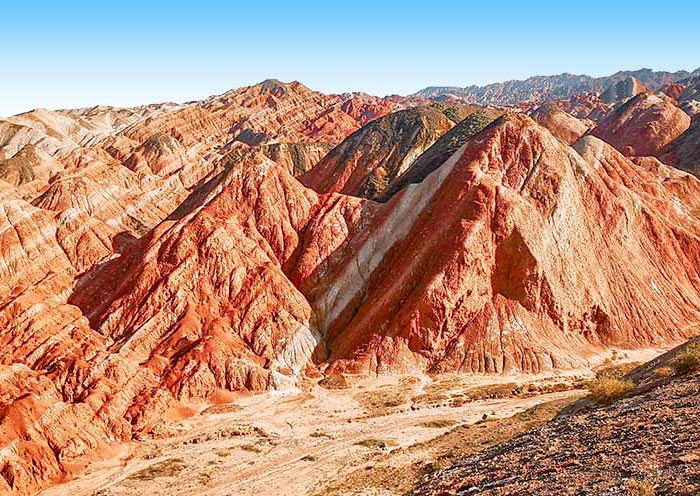
Explore the spectrum of Zhangye National Geopark
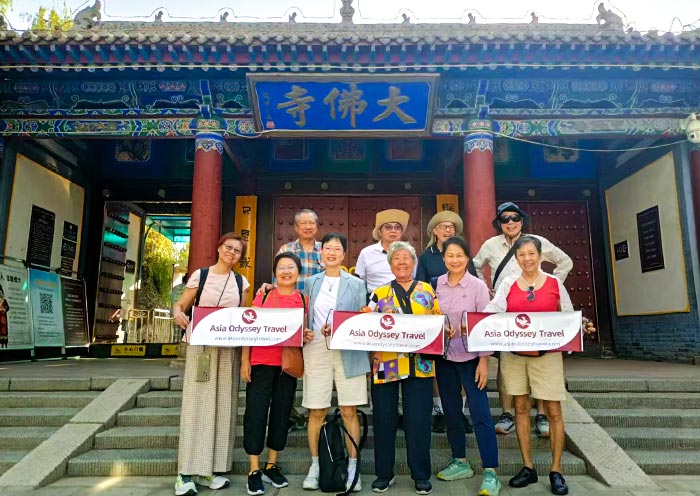
Welcome to Zhangye Dafo Temple
Day 11 Zhangye to Xining by High Speed Train - Chaka Town | Qinghai Lake, Erlangjian Scenic Area
After breakfast at your hotel, proceed to the Zhangye railway station and board the high-speed train bound for Xining. Upon arrival at the train station in Xining, your guide and driver will meet you at the exit and then escort you to Qinghai Lake (about 145 km, 2.5-3 hours).
Qinghai Lake (青海湖), sitting at an elevation of 3,194 meters above sea level, is China’s largest inland saltwater lake, covering over 4,400 square kilometers. The lake is surrounded by majestic mountain ranges, including the snow-capped Kunlun Mountains to the south and the Qilian Mountains to the north. The landscape transitions from vast, flat grasslands at the foot of the mountains to the lakeshore. In summer, golden fields of canola flowers contrast beautifully with the lake’s boundless blue waters. Wildflowers dot the grasslands, and countless cattle and sheep graze like pearls scattered across a majestic yet serene painting. National Geographic China has named Qinghai Lake "China's most beautiful lake", and it's listed as one of the "55 must-see places in a lifetime". With a comfortable summer average temperature of 15°C, it is a popular retreat and photography destination.
As you drive, you'll pass through vibrant rapeseed fields around the lake, a sea of yellow flowers stretching across the horizon - an unforgettable display of earthly beauty. (Best Time to Visit: July to August, when the weather is pleasant, and the rapeseed flowers and grasslands are in full bloom.)
Upon arrival, you will explore the Erlangjian Scenic Area (二郎剑景区), Qinghai Lake's crown jewel. Be captivated by the panoramic views of the vast, turquoise lake. On clear days, enjoy views of distant snow-capped mountains. Discover the rich cultural heritage of the area, including the awe-inspiring sacrificial altar, vibrant prayer flags, the enigmatic statue of the Queen Mother of the West, the auspicious symbols, and a serene Buddha statue.
Optional Activities - self-pay on your own: To fully immerse in the beauty of the expansive lake, consider taking a cruise to experience Qinghai Lake in comfort. Choose from the High-Speed Cruise (25-minute single trip for CNY140) or the Catamaran Cruise (50-minute round trip for CNY180). Also, you can go horseback riding or enjoy biking around the lake.
After exploring Erlangjian Scenic Area, continue your trip westward along the picturesque shores of Qinghai Lake. The drive to Chaka Town (3,100 meters) is about 153km, taking about 2.5 hours. This charming town is renowned for the stunning Chaka Salt Lake it boasts. Spend the night in Chaka Town.
Dining:Breakfast
Accommodation:Xining
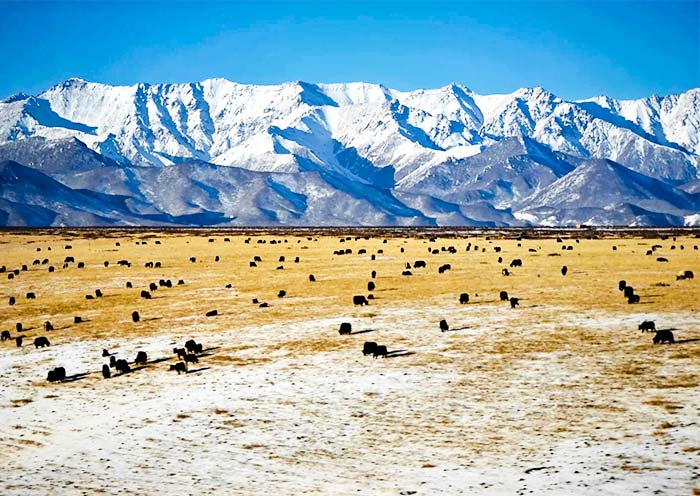
Amazing view of Zhangye Xining High Speed Train
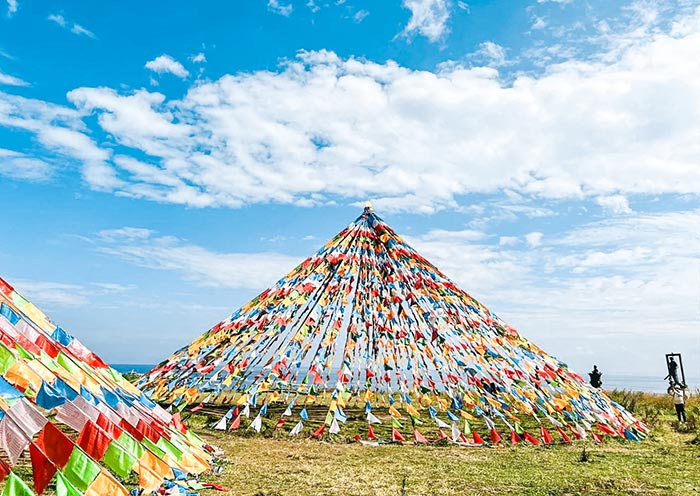
Qinghai Lake Flags
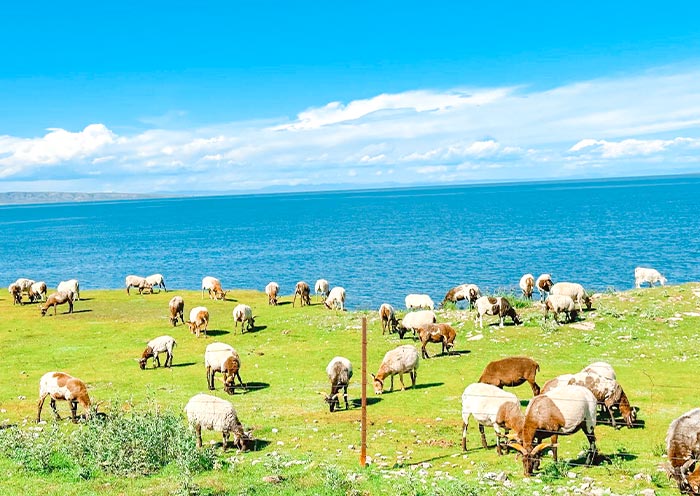
Qinghai Lake Countryside View
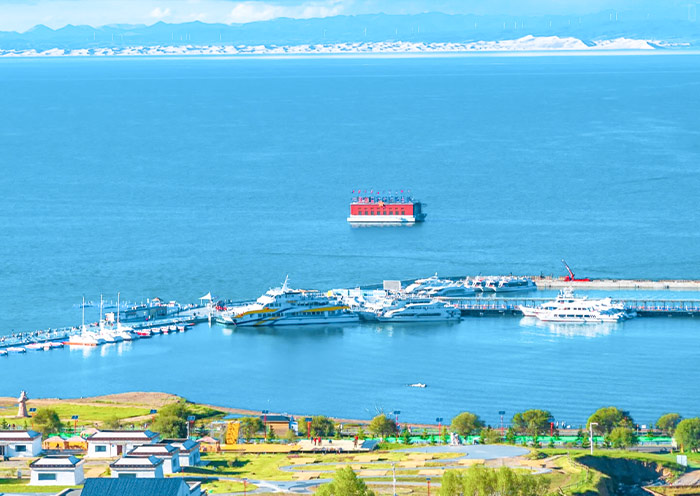
Qinghai Lake Cruising
Day 12 Chaka Town - Chaka Salt Lake - Xining City | Mirror of the Sky Scenic Area
In this morning, you will be transferred from Chaka Town to Chaka Salt Lake (茶卡盐湖, 4km, 10 minutes’drive).
“Chaka" is a Tibetan word meaning "salt lake". As a salt lake, it is one of the birthplaces of China's salt culture. Embedded amidst snow-kissed peaks and verdant meadows, Chaka is a brine lake, a harmonious blend of liquid and solid. Its waters, a shimmering expanse of blue, are interspersed with crystalline salt flats. The lake's beauty is enhanced by the dramatic backdrop of snow-capped mountains and the gentle caress of surrounding grasslands. It is a natural masterpiece, adorned with salt formations of exquisite shapes.
You will visit the "Mirror of the Sky" Scenic Area, a stunning destination known for its breathtaking reflections. Start your journey by ascending the Observation Tower, where you can take in a full panoramic view of Chaka Salt Lake. Next, explore the Salt Sculpture Group, the largest outdoor sculpture display in the world, showcasing the rich history and culture of Chaka. For an even more immersive experience, hop on the sightseeing train that takes you deep into the lake’s heart, away from the crowds. From there, you can leisurely walk back toward the entrance, a stroll that takes about 40 minutes. If you prefer not to walk, you can return by train (additional cost).
As you walk, visit the Qianying Muxue Area, where the lake and the distant snow-capped mountains blend into a breathtaking natural scene. Along the way, stop for photos at the Tianlu Yingchen Station and Tianji Xinyue Station, where you can capture iconic images with signs like “I Love Chaka” and “Love Crystals”.
Useful Travel Tips:
(1)To experience the salt lake up close, you can wear shoe covers (10 CNY extra fee) and walk on the lake surface, capturing reflections that resemble a "mirror of the sky," as if you're walking among the clouds.
(2)Riding the sightseeing train offers stunning views of endless white sea salt sands under the blue sky, with the lake reflecting the sky above.
(3)Every corner of Chaka Salt Lake is perfect for photography. Some of the top spots include Romantic Tianjing, Qianying Muxue, the Water Train, and areas near the salt sculptures. The Romantic Tianjing area is especially picturesque with photo props like crystal bubble chairs, a crystal boat, the famous swing, heart-shaped decorations, a moon-shaped frame, and the red piano sculpture "Chaka’s Melody".
(4)For spectacular shots of the sunrise or sunset over Chaka Salt Lake, head to the salt sculpture area or Chaka Xia Station for beautiful views.
After exploring Chaka Lake, you'll return to Xining, covering about 300 km over 3.5 to 4 hours. Stay overnight in Xining downtown area.
Dining:Breakfast
Accommodation:Xining
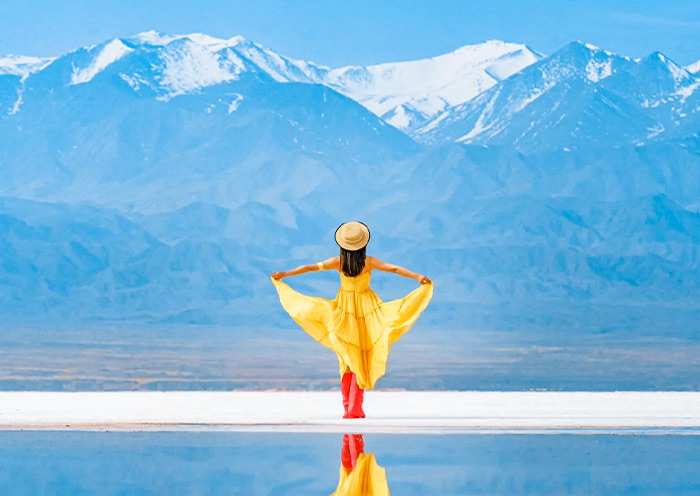
Chaka Salt Lake is a paradise for photographers
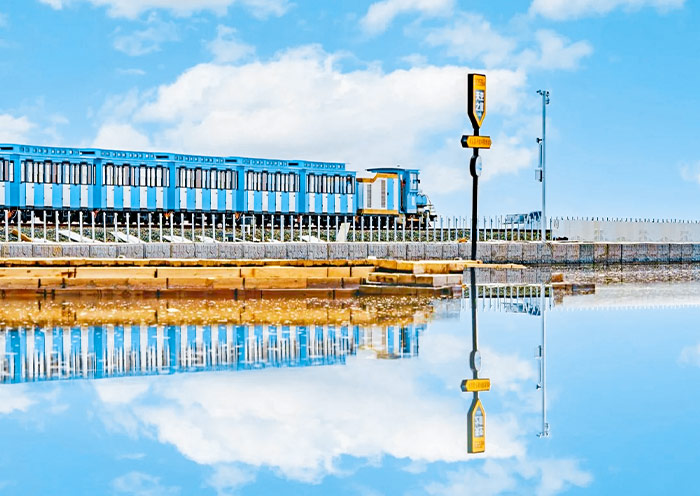
Chaka Salt Lake Sightseeing Train
Day 13 Xining to Lhasa by Train via Qinghai-Tibet Railway
Today, your local guide will pick you up at your hotel and transfer you to Xining Train Station to board the train of the Qinghai-Tibet Railway head to Lhasa, Tibet. (Note: Please be sure to bring your Tibet Permit which will be checked when you board the train.)
The train journey offers breathtaking views of the Tibetan Plateau. Pull up a window seat to view Himalayan mountains, shimmering lakes, plains dotted with yaks and herders’ tents, and barren deserts, as you inch slowly up onto the high plateau. Keep your eyes peeled throughout the journey for antelope, foxes and wild asses, plus the occasional nomad.
Useful Tips for Qinghai-Tibet Railway:
1.Sleeping Berths: The train has four types of sleeping berths, including soft sleeper, hard sleeper, soft seat, and hard seat.
2.Dining Cars: The train offers a variety of Chinese and Tibetan dishes in dining cars. If Chinese food is not to your taste, you can bring some instant food.
3.Toilets: The train has both Western-style and squat-style toilets available in each soft sleeper carriage. However, passengers should be prepared for their towels, toilet paper, and hand sanitizer.
4.Oxygen Supplies: The train is equipped with oxygen supplies to help passengers acclimate to the high altitude of the Tibetan Plateau.
Dining:Breakfast
Accommodation:On The Train
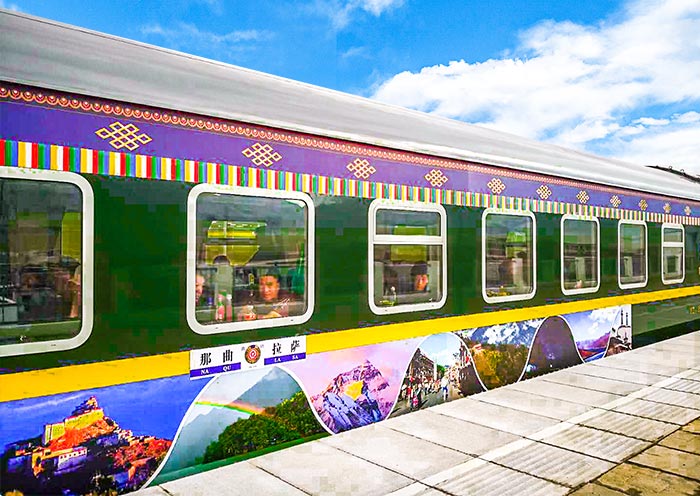
Train to Lhasa
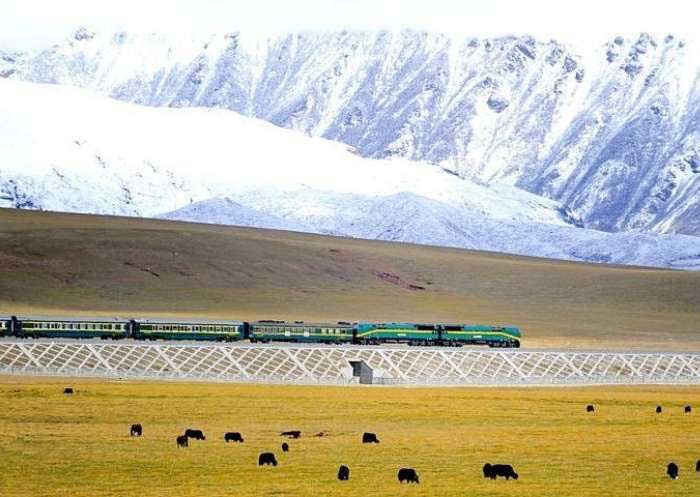
Views along Qinghai-Tibet Railway
Day 14 Lhasa Arrival
Tashi Delek! Welcome to Lhasa, the capital of the Tibet Autonomous Region! Upon your arrival at the train station in Lhasa, the tour guide and driver will meet you at the exit, and then escort you to the hotel in downtown Lhasa. You can have a good rest to get used to the altitude (3,650m) in your hotel and get ready to explore Lhasa with your guide the next day.
Kind Reminds:
It is good to avoid the highland sickness by slow down, keep warm, drink some water frequently, no shower for the first one or two days, take it easy, and sleep well.
You should always follow your doctor’s advice on altitude according to your health condition.
Be sure to let your guide or the hotel staff know whenever you feel unwell or need help. The people there are always willing to help and good at dealing with altitude sickness.
Dining:None
Accommodation:Lhasa
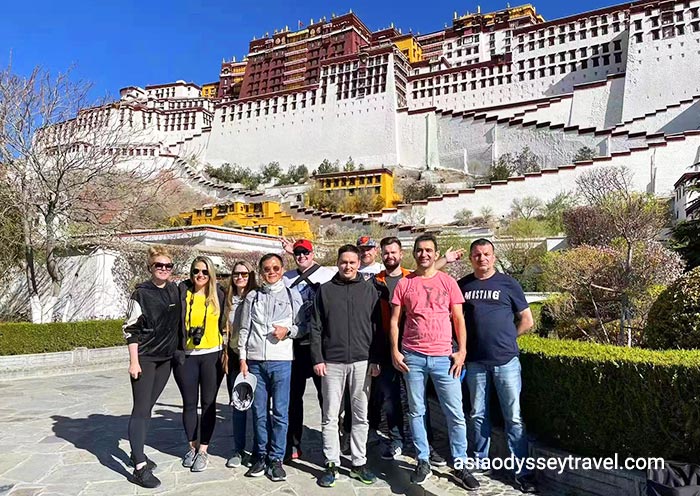
Our Dear Guests Visited Potala Palace in Lhasa in August
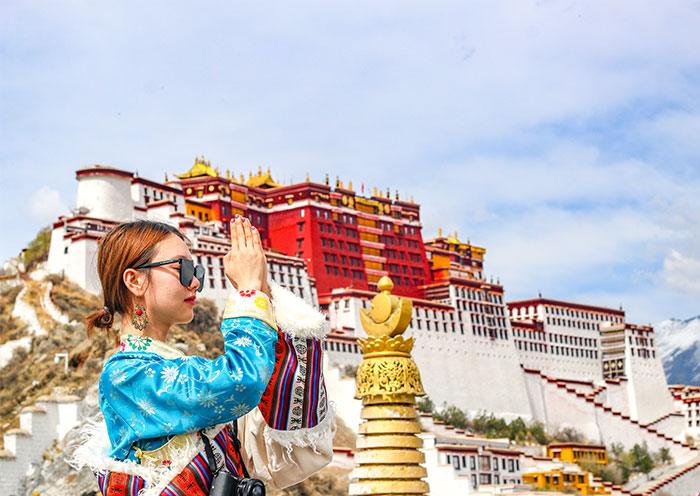
Our Dear Guest Visited Yaowang Hill to Overlook Potala Palace
Day 15 Lhasa Culture Tour | Lhasa Traditional Handicraft Art Center, Sera Monastery
Today, have fun in the Lhasa Traditional Handicraft Art Center for a close touch of Tibetan culture, and you will experience Tibetan Buddhism by witnessing the Monks' Debating in Sera Monastery.
In the morning, enjoy the experience in the Lhasa Traditional Handicraft Art Center, fully immerse yourself by making Tibetan incense, Tibetan calligraphy, and the secrets of block printing. Tibetan incense is typically burned as an offering during religious ceremonies and rituals in Tibetan Buddhism. The ingredients used for Tibetan incense usually include juniper, sandalwood, cedarwood, cinnamon, cloves, and various medicinal herbs. Besides learning how to make Tibetan incense, you can also participate in writing your own name in the Tibetan Language with the help of a local teacher, and engraving and printing it out. Handmade Tibetan incense and printed text can be taken home as a souvenir of the Tibetan cultural experience. This evening, you will enjoy dinner with the group, featuring Tibetan cuisine.
In the afternoon, drive approximately 7km (about 20 minutes) to visit Sera Monastery, which is one of the three great Gelug university monasteries of Tibet. It offers the opportunity to experience Tibetan Buddhism up close. The highlight of Sera Monastery is watching the monks' debate, which takes place around 15:00-17:00 (except on Sundays). The debate is an interesting form of exchange, where one monk acts as the questioner, standing while the answerer or group of answerers sit. The standing monk asks questions and slaps his palms and stomps, each action having a special meaning, such as activating wisdom, and are not meant to be aggressive. You will also have the chance to attend prayer ceremonies, visit meditation halls, and learn about the monastic way of life. It is a must-visit destination to gain insight into the beliefs and practices of Tibetan Buddhism.
Dining:Breakfast
Accommodation:Lhasa
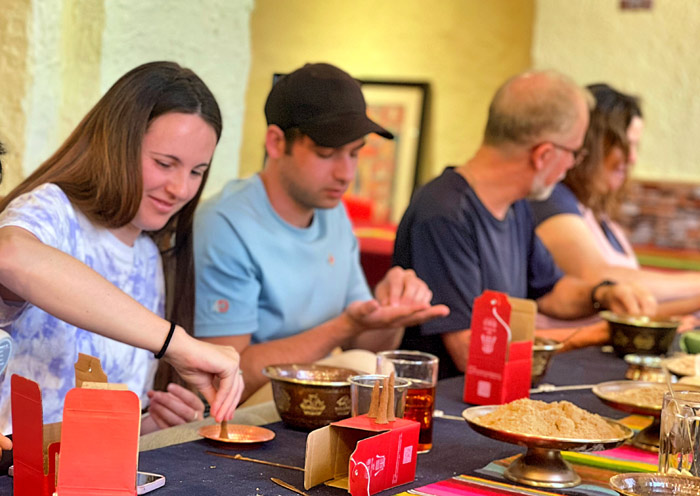
Making Tibetan Incense in Group
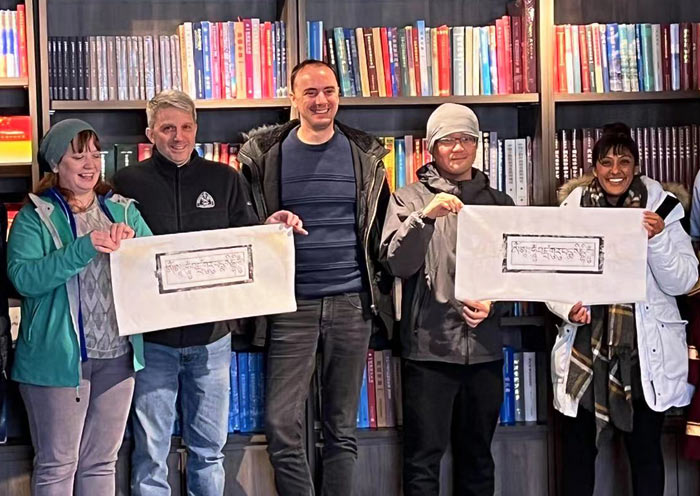
Tibetan Calligraphy & Block Printing, Lhasa
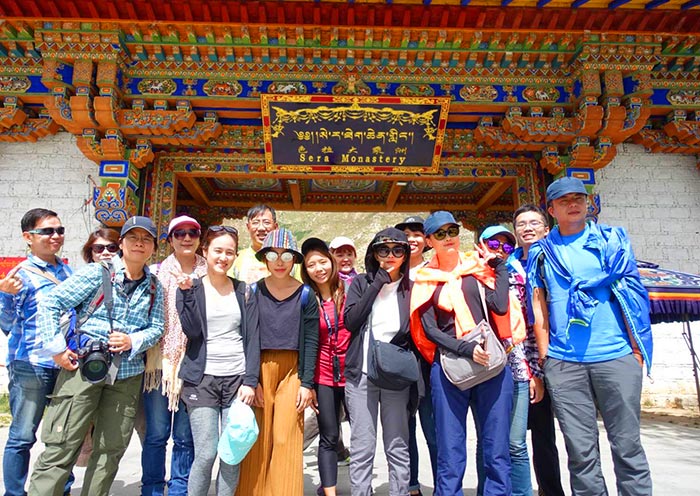
A Large Group of Our Guests Visited Sera Monastery
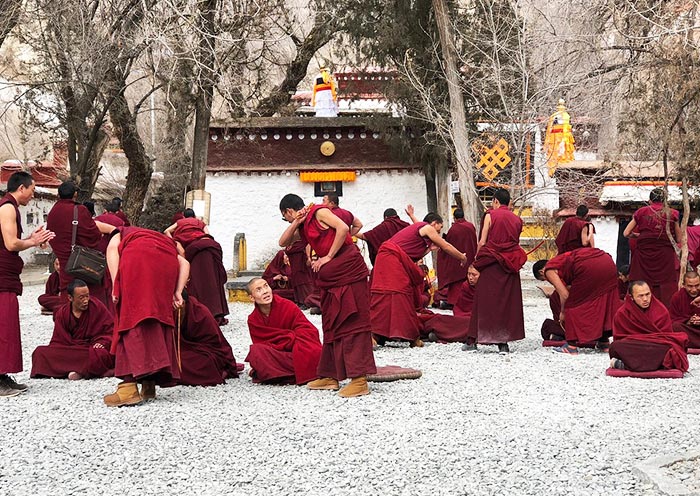
Lhasa Sera Monastery Daily Debate
Day 16 Lhasa City Tour | Potala Palace, Jokhang Temple, Barkhor Street
Today, it is the time to explore Lhasa by visiting the world-famous Potala Palace, a World Heritage site and the picture behind the 50 RMB. And then, you will explore Lhasa by visiting Jokhang Temple, a world cultural heritage site renowned for its brilliant architecture, culture, art, and history. Finally, you can stroll through the famous Barkhor Street with locals and learn more about the daily kora life of Tibetans.
In the morning, you can walk up to the Potala Palace to explore. Not only is it the landmark of Tibet, but it is also the traditional residence and winter palace of the Dalai Lama (1649-1959). After climbing 365 steps from the gate of the Potala Palace to reach the Red Palace, you will arrive at the highest palace in the world at an altitude of 3,700m, where you can enjoy an excellent panoramic view of Lhasa city. As you explore the principal halls, chapels, and shrines of past Dalai Lamas in the Red Palace, you will be amazed and moved by its remarkable paintings, gorgeous jeweled works, skilled carving, colorful ornamentation, and the mystery stories behind the treasures. Inside the Potala Palace, you will meet many Tibetan pilgrims who come from afar to pray at this sacred site, making it a lifetime destination for them. You can also ask your guide to provide more stories about Songtsen Gampo, the 33rd king of Tibet, who first built the Potala Palace in the 7th century for his marriage to Princess Wencheng of the Tang Dynasty. (Please note that the visit order may be adjusted based on the visiting time specified on your Potala Palace ticket. All visitors are required to visit the palace with a tour group and remain inside for one hour. Please be advised that photography is prohibited inside the palace.)
Located in the heart of Lhasa for over 1300 years, the Jokhang Temple is an important pilgrimage site for Buddhists from all over the world. Famed as the spiritual center of Tibet, it is said that the Jokhang Monastery was built for King Songtsen Gampo's two brides: Chinese Princess Wencheng and Nepalese Princess Bhrikuti. "Jokhang" means "House of Buddha", and it houses a life-size statue of the 12-year-old Sakyamuni, which is considered a treasure of the Buddhist world. This is why Buddhist pilgrims consider it the holiest destination. The Jakhong temple is also renowned for its beautiful architecture. You can admire the intricate carvings, colorful murals, ornate decorations, and details of the building, which is a masterpiece of Tibetan architecture. Time seems to stand still as you watch people pray in front of the temple during the day and night. (Please note that the visit order may be adjusted based on the reservation of your Jokhang Temple Ticket Reservation.)
Afterward, take a walk on busy Barkhor Street near the Jokhang Monastery, which was a place for Buddhists to do a kora (pilgrim circuit) in ancient times. Nowadays, it has become a thriving local market where you can drink a pot of yak butter tea, dress in Tibetan clothes for photos, and pick up some local Tibetan, Nepalese, and Indian handicrafts and souvenirs.
Dining:Breakfast
Accommodation:Lhasa
Our Dear Guests Visited Potala Palace in Summer
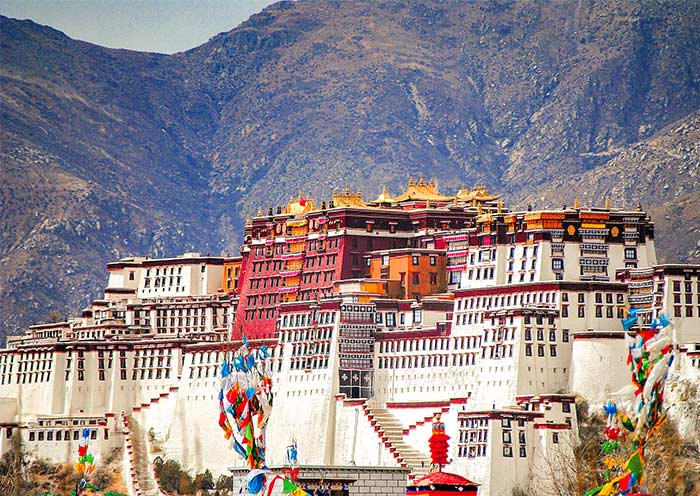
Solemn Potala Palace
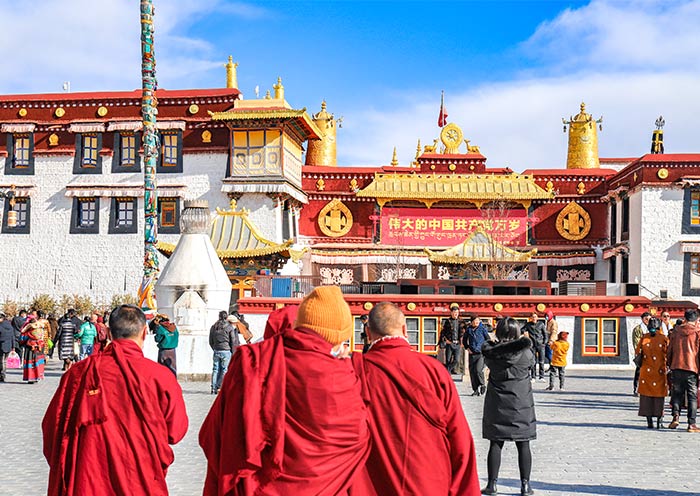
Lhasa Jokhang Temple
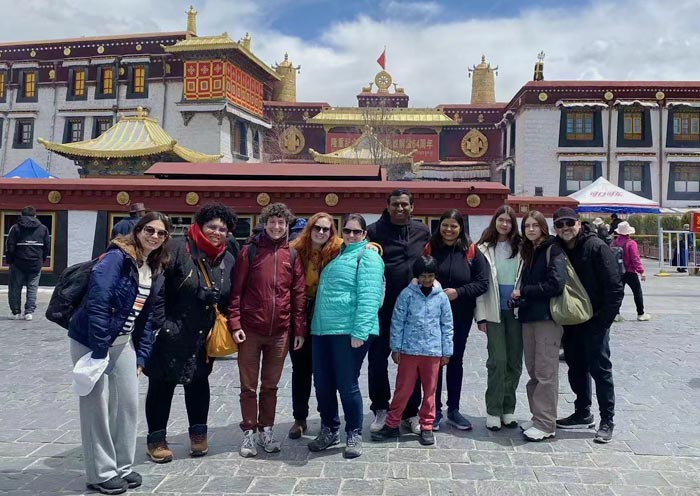
Jokhang Monastery, Lhasa
Day 17 Lhasa - Gyantse - Shigatse | Yamdrok Lake, Karola Glacier
On this day, drive about 8 to 9 hours (340km) from Lhasa to Shigatse, with a visit to two amazing natural landscapes - Yamdrok Lake and Karola Glacier - on the way.
In the morning, after about 3 to 4 hours of driving (200km), make sure to have your camera ready. When you reach Kampala Pass (4,797 meters), you'll have a breathtaking view of Yamdrok Lake, a freshwater lake down below, as well as spectacular views of the holy Mt. Nyenchen Khangsar in the distance. It is one of the four largest sacred lakes in Tibet, along with Lhamo Latso Lake, Manasarovar Lake, and Namtso Lake. Yamdrok Lake offers stunning views of the Tibetan plateau and is said to be able to help Tibetans find the reincarnated soul of the Dalai Lama. Moreover, you may see dressed-up Tibetan mastiffs, dogs, goats, and yaks there. It is optional for you to pay 5-10 yuan to pose with and take photos of them; for local Tibetans, it's a way to earn extra income for their families.
In the afternoon, drive about 1.5 hours (70km) to visit one of the most beautiful glaciers in Tibet - Karola Glacier, the filming location of the movie "Red Valley" (Hong He Gu). As one of Tibet's three major continental glaciers, backed by the southern slope of Naiqin Kangsang Peak (7,191 meters), one of the four highest peaks in Tibet, this white glacier is also the source of the eastern part of the Nianchu River. The Karola Glacier (5,012m) is only 300 meters away from the highway connecting Lhasa to Gyantse town, and you can view it right from your vehicle. You can also easily walk to the foot of the charming glacier, which has a shape like a frozen waterfall right above the road and you. Besides the fantastic hike to the Karola Glacier, on the opposite side of the road, you can appreciate the beautiful snow-capped mountain of Mt Kalurong.
Notes for visiting Karola Glacier:
1. The altitude at the glacier scenic spot is about 5,012m, so be sure to slow down to avoid altitude sickness.
2. The public toilet at the glacier is very basic.
3. Local people may ask you to take photos with them for a fee. Be sure to ask before taking photos to avoid potential issues.
After that, drive about 3.5 hours (170km) to your hotel in Shigatse, the nearest town on the Friendship Highway between Tibet and Nepal. Have a good rest and get ready for a once-in-a-lifetime trip to EBC the next day.
Dining:Breakfast
Accommodation:Shigatse
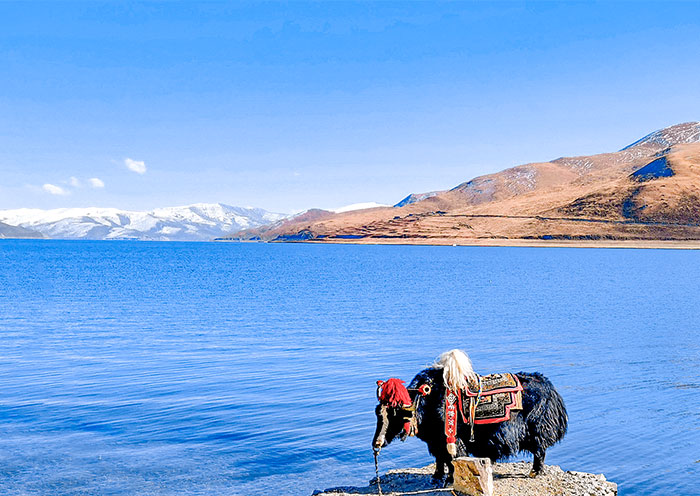
Yak at Tibet Yamdrok Lake
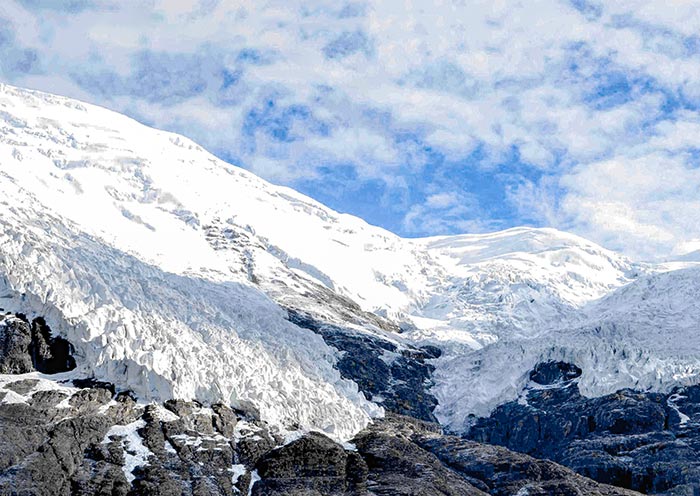
Amazing Glacier at Karora
Day 18 Shigatse - Mt. Everest | Gyawu La Pass, Rongbuk Monastery, Mt. Everest Base Camp
After breakfast, drive about 6.5 hours (330km) to the peak of the world - Mount Everest, while stopping by the Rongbuk Monastery - the world’s highest altitude monastery, before spending the night at the Everest Base Camp (EBC).
Departing from Shigatse, after about 4.5 hours of driving (240km), you’ll get your first glimpse of Mt. Everest from the Gyawu La Pass (5,200m, Gyatso La Pass), between Lhatse and Shelkar. In addition to Mt. Everest, you’ll be amazed by the winding road that seems to go on forever. Along the way, you may see local people biking or hiking all the way to Everest Base Camp. For them reaching the base of the world's highest mountain is a must-do goal or holy belief that is worth the effort.
After enjoying the beautiful and unique scenery on the pass, including incredibly snow-capped mountain ranges, blue skies, floating high clouds, and endless grasslands, it is time to head to Rongbuk Monastery (about 3.5 hours,122km) for the first good view of Mt. Everest. At an altitude of 5,154m, Rongbuk Monastery is the world’s highest monastery, a must-visit for spiritual travelers, and is also photo-worthy. It used to be an area of meditation huts, and you can find hermitage meditation caves with a history of over 400 years, dotting the cliff walls all around the monastery and the valley. Along with brilliant Mt. Everest views, at Rongbuk Monastery, you will be touched by the breathtaking scenery, such as large white chortens, piles of mani stones, colorful prayer flags, devout pilgrims passing by.
Notes:
1.Travelers can only go as far as the Rongbuk Temple area rather than a few kilometers farther as before. But it’s not a big difference in terms of viewing Mt. Everest.
2.Today’s food and lodging is very basic. Due to the high altitude, it is possible that you may experience some symptoms of altitude sickness. We recommend that you stay well hydrated, relax and enjoy the beautiful scenery to minimize your symptoms.
Dining:Breakfast
Accommodation:Tent of EBC or Guesthouse of Rongphu Monastery
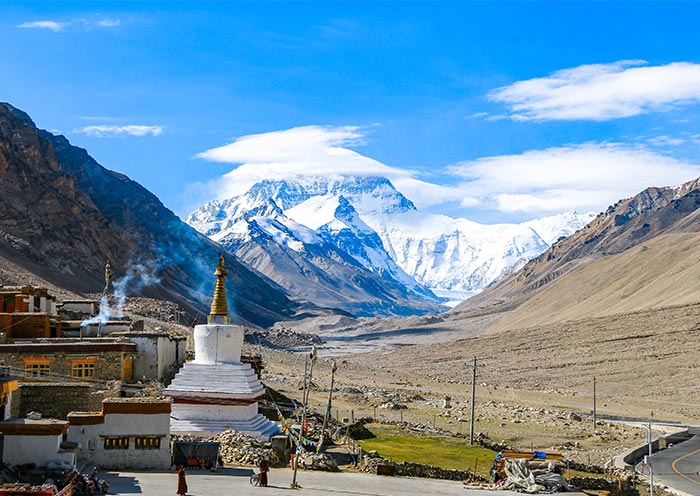
Rongbuk Monastery in Tibet

Our Dear Guests Visited Mount Everest Base Camp
Day 19 Mt. Everest - Shigatse | the Sunrise over Mt. Everest, Gyatso La Pass
Watching the sunrise over Mt. Everest is a popular activity, you can choose to wake up early in the morning and hike to a nearby vantage point to witness this breathtaking and unforgettable sight.The sunrise over Mt. Everest is not only a beautiful natural phenomenon but also a symbol of human achievement and perseverance.
Then head back to Gyatso La Pass (Gyawu La Pass, the Dingri Boundary, 122km, 3.5 hours) for a quick photo stop. After that, drive back to Shigatse (240km, about 4.5 hours).
After that, drive back to your hotel in Shigatse, take a shower, and prepare for the departure the next day. (Please note that we will arrange for you to take the train or vehicle back to Lhasa from Shigatse, depending on the conditions.)
Dining:Breakfast
Accommodation:Shigatse
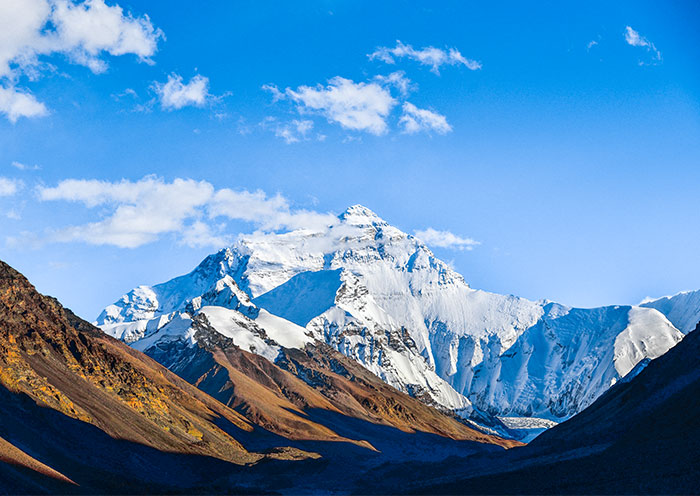
Mount Everest Magnificent View
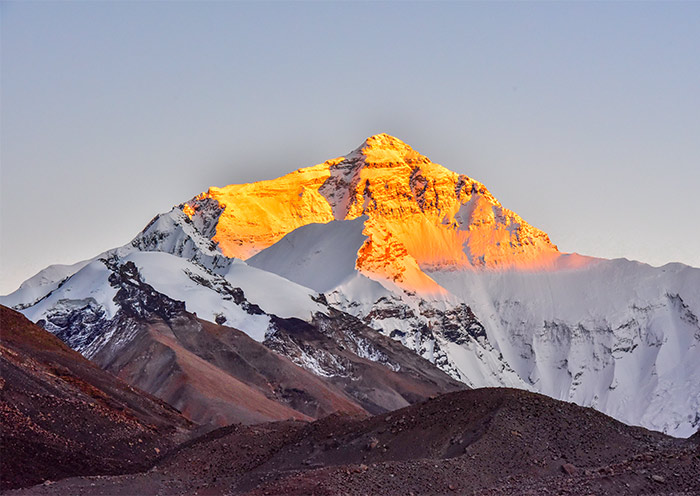
Mount Everest "Sunshine on Golden Mountain"
Day 20 Shigatse to Lhasa by Train & Vehicle | Tashilunpo Monastery
This morning, you will pay a visit to Tashilunpo Monastery. After that, take a train (about 2.5 hours) or take a vehicle (about 8 hours, 340km) back to Lhasa.
Founded by His Holiness the 1st Dalai Lama, Gyalwa Gedun Drup in 1447, Tashilunpo Monastery is the largest monastery in Tsang Area of Tibet. In Tashilunpo Monastery, you can visit the traditional seat of successive Panchen Lamas, Tibet's second-highest incarnation. Pay a visit to the ancient tombs of the fourth and tenth Panchen Lama, as well as the chortens, which hold the bones and remains of the sacred Tibetan lamas. Learn more from your guide about Panchen Lamas and Dalai Lamas while appreciating the brilliant religious painting on Tibetan architecture, listening to the Tibetan Buddhism chanting by local monks, and even participating in the kora like locals. Don’t forget to hike up to the top of the monastery for a stunning bird’s eye view of the monastery itself and Shigatse City.
Afterward, head back to your hotel in downtown Lhasa for a good rest.
Dining:Breakfast
Accommodation:Lhasa
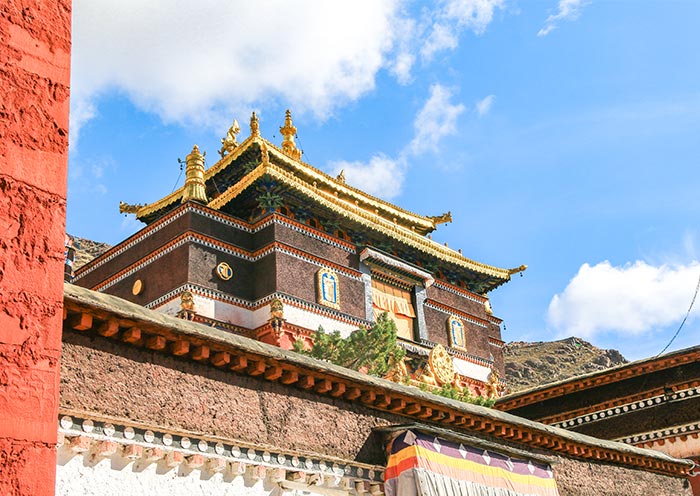
Beautiful Achitecture of Tashilhunpo Monastery
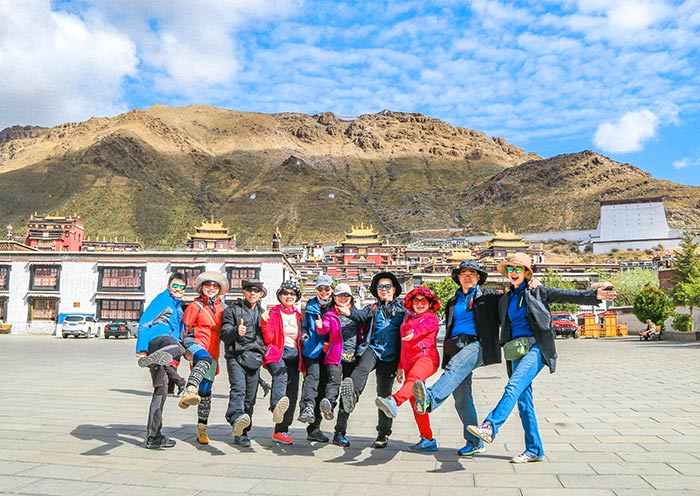
A Group of Our Guests Visited Tashilhunpo Monastery
Day 21 Lhasa Departure | Hotel Check-out and Airport Transfers
It is time to end your 21-day Western China Tour. And your guide will escorts you to the airport/train station for your flight or train to your next destination.
Thank you for choosing Asia Odyssey Travel for your Tibet tour, and we are always here working for you and hope to see you again for your next trip to China/Asia. Safe journey!
Dining:Breakfast
Accommodation:/
Make an Enquiry for Free 
Download PDF 
Price: What’s Included & What’s Excluded
All prices are per person, based on twin or double occupancy. For triple occupancy, please
consult with our travel advisor.
Price varies depending on travel date, group size, hotel class, a program in your
itinerary, and possible fluctuation of currency exchange rate.
What's Included:

Guide Service: English-speaking tour guide.
Attraction Tickets: All entrance fees to the sites listed in the
itinerary.
Transportation: Airport transfers on arrival and departure.
Private Vehicle for city sightseeing tours.
Accommodation: Hotels are listed in the itinerary.
Meals: Daily breakfast at the hotel.
Service fee: planning, handling, operational and communication
charges
What's Excluded:

International Flights: International Airfare
Visa Fees: Cost of tourist visa if required, depending on the
traveler’s nationality.
Travel Insurance: Travel insurance is not included.
Optional Tours and Activities: The cost of all optional activities in
the itinerary is not included.
Single Supplement: Additional charge for travelers who wish to
have a private room.
Tips and Gratuities: Tips for tour guides and drivers, which are
optional and at the traveler’s discretion.
Overtime Service Fees:Additional charges may apply for services
requested beyond the scheduled hours.
Personal Expenses: Shopping, additional meals, snacks, and beverages
outside of those specified in the itinerary.
Hotel Conditions for Your Asia Tour
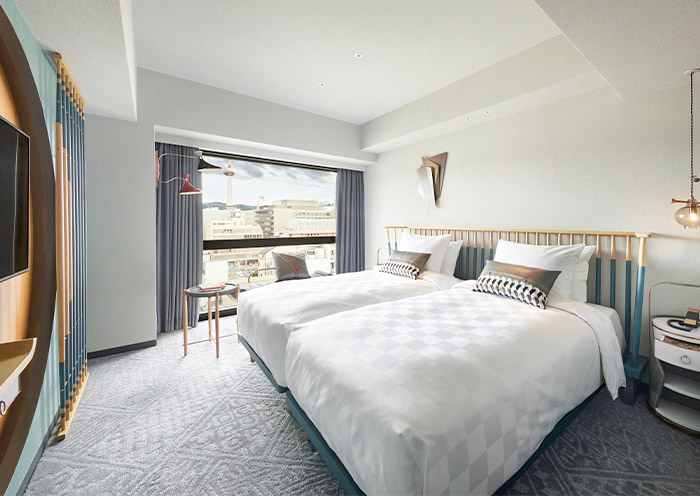


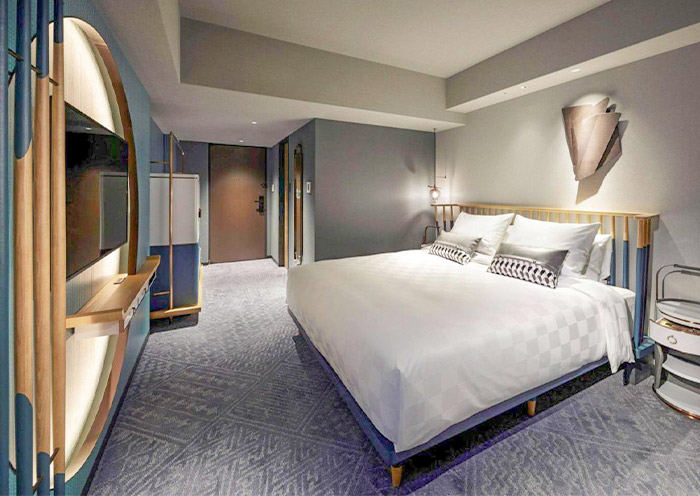
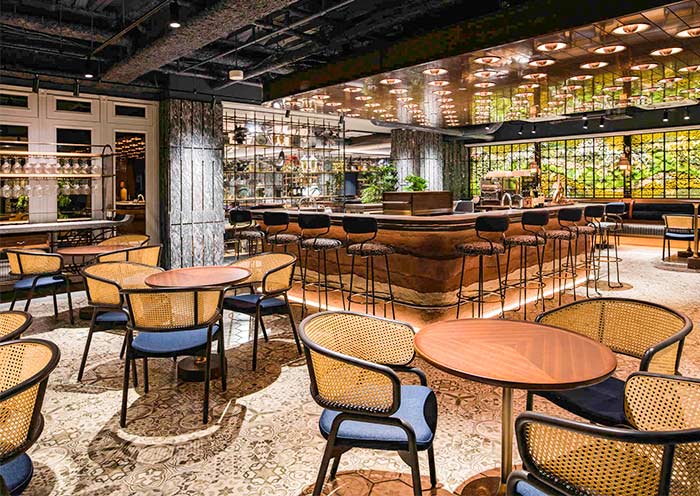
We offer a range of accommodation options to suit various preferences and budgets: luxurious 5-star hotels, comfortable 4-star hotels, and economical 3-star hotels. Our selected hotels are conveniently located close to the city center or popular tourist spots.
If you have specific needs or preferences, please consult with your travel advisor.
Photo Gallery for This Itinerary

Trip Style: Private Tour (flexible travel dates & numbers of travelers)

Tour Code: AOT-009

Travel Route: Beijing - Urumqi - Turpan - Dunhuang - Jiayuguan - Zhangye - Xining - Qinghai Lake - Chaka Salt Lake - Xining - Lhasa - Yamdrok Lake - Shigatse - Mt. Everest Base Camp (EBC) - Lhasa

Features: Imperial Palaces, Silk Road, Ruins, Buddha Caves, Mountains, Sands, Lake, Danxia, Lakes, Nature, Culture, World Heritages, Architectures, Religious Sites
Craft a journey with us!


- United States (+1)
- Australia (+61)
- Singapore (+65)
- Malaysia (+60)
- Philippines (+63)
- Canada (+1)
- Italy (+39)
- Indonesia (+62)
- United Kingdom (+44)
- Spain (+34)
- Mexico (+52)
- Hong Kong (+852)
- Thailand (+66)
- United Arab Emirates (+971)
- New Zealand (+64)
- South Africa (+27)
- Germany (+49)
- Brazil (+55)
- India (+91)
- France (+33)
- Vietnam (+84)
- The Netherlands (+31)
- Saudi Arabia (+966)
- Ireland (+353)
- Argentina (+54)
- Switzerland (+41)
- Romania (+40)
- Pakistan (+92)
- Japan (+81)
- Portugal (+351)
- Bangladesh (+880)
- South Korea (+82)
- Puerto Rico (+1)
- Türkiye (+90)
- China (+86)
- Belgium (+32)
- Qatar (+974)
- Greece (+30)
- Taiwan (+886)
- Austria (+43)
- Poland (+48)
- Israel (+972)
- Chile (+56)
- Sri Lanka (+94)
- Nigeria (+234)
- Peru (+51)
- Colombia (+57)
- Hungary (+36)
- Nepal (+977)
- Denmark (+45)
- Bulgaria (+359)
- Norway (+47)
- Slovenia (+386)
- Sweden (+46)
- Kuwait (+965)
- Costa Rica (+506)
- Ecuador (+593)
- Venezuela (+58)
- Malta (+356)
- Croatia (+385)
- Tunisia (+216)
- Czechia (+420)
- Mongolia (+976)
- Bahrain (+973)
- Mauritius (+230)
- Papua New Guinea (+675)
- Cambodia (+855)
- Dominican Republic (+1)
- Luxembourg (+352)
- Finland (+358)
- Guatemala (+502)
- Myanmar (+95)
- Maldives (+960)
- Slovakia (+421)
- Laos (+856)
- Serbia (+381)
- Brunei (+673)
- Oman (+968)
- Macao (+853)
- Panama (+507)
- Morocco (+212)
- Jordan (+962)
- Georgia (+995)
- Fiji (+679)
- Bolivia (+591)
- Lithuania (+370)
- Bahamas (+1)
- Cyprus (+357)
- Latvia (+371)
- Bhutan (+975)
- Iraq (+964)
- Iran (+98)
- Kenya (+254)
- Jamaica (+1)
- Zimbabwe (+263)
- Azerbaijan (+994)
- Uruguay (+598)
- Estonia (+372)
- Andorra (+376)
- Cameroon (+237)
- Ghana (+233)
- Kazakhstan (+7)
- Nicaragua (+505)
- Egypt (+20)
- Russia (+7)
- Albania (+355)
- Réunion (+262)
- Montenegro (+382)
- Algeria (+213)
- Afghanistan (+93)
- Martinique (+596)
- Uganda (+256)
- Honduras (+504)
- North Macedonia (+389)
- Trinidad and Tobago (+1)
- Suriname (+597)
- Antigua and Barbuda (+1)
- Zambia (+260)
- Ukraine (+380)
- Armenia (+374)
- Barbados (+1)
- Belarus (+375)
- Palestine (+970)
- Lesotho (+266)
- Moldova (+373)
- Ethiopia (+251)
- French Polynesia (+689)
- Gambia (+220)
- Guam (+1)
- Gibraltar (+350)
- Isle of Man (+44)
- New Caledonia (+687)
- El Salvador (+503)
- Comoros (+269)
- Seychelles (+248)
- Chad (+235)
- Samoa (+685)
- Cook Islands (+682)
- Palau (+680)
- Paraguay (+595)
- DR Congo (+243)
- Solomon Islands (+677)
- American Samoa (+1)
- Angola (+244)
- Anguilla (+1)
- Aruba (+297)
- Belize (+501)
- Benin (+229)
- Bermuda (+1)
- Bosnia and Herzegovina (+387)
- Botswana (+267)
- British Virgin Islands (+1)
- Burkina Faso (+226)
- Burundi (+257)
- Cape Verde (+238)
- Cayman Islands (+1)
- Central African Republic (+236)
- Congo (+242)
- Côte d'Ivoire (+225)
- Cuba (+53)
- Curaçao (+599)
- Djibouti (+253)
- Dominica (+1)
- Equatorial Guinea (+240)
- Eritrea (+291)
- Eswatini (+268)
- Falkland Islands (+500)
- Faroe Islands (+298)
- French Guiana (+594)
- Gabon (+241)
- Greenland (+299)
- Grenada (+1)
- Guadeloupe (+590)
- Guinea (+224)
- Guinea-Bissau (+245)
- Guyana (+592)
- Haiti (+509)
- Iceland (+354)
- Guernsey (+44)
- Jersey (+44)
- Kiribati (+686)
- Kyrgyzstan (+996)
- Kosovo (+383)
- Lebanon (+961)
- Liberia (+231)
- Libya (+218)
- Liechtenstein (+423)
- Madagascar (+261)
- Malawi (+265)
- Mali (+223)
- Marshall Islands (+692)
- Mauritania (+222)
- Mayotte (+262)
- Micronesia (+691)
- Monaco (+377)
- Montserrat (+1)
- Mozambique (+258)
- Namibia (+264)
- Nauru (+674)
- Niger (+227)
- Niue (+683)
- Norfolk Island (+672)
- North Korea (+850)
- Northern Mariana Islands (+1)
- Rwanda (+250)
- Saint Kitts and Nevis (+1)
- Saint Lucia (+1)
- Saint Pierre and Miquelon (+508)
- Saint Vincent and the Grenadines (+1)
- San Marino (+378)
- São Tomé and Príncipe (+239)
- Senegal (+221)
- Sierra Leone (+232)
- Sint Maarten (+1)
- Somalia (+252)
- South Sudan (+211)
- Sudan (+249)
- Syria (+963)
- Tajikistan (+992)
- Tanzania (+255)
- Timor-Leste (+670)
- Togo (+228)
- Tokelau (+690)
- Tonga (+676)
- Turkmenistan (+993)
- Turks and Caicos Islands (+1)
- Tuvalu (+688)
- U.S. Virgin Islands (+1)
- Uzbekistan (+998)
- Vanuatu (+678)
- Vatican City (+379)
- Wallis and Futuna (+681)
- Yemen (+967)

 Data in submission...






Close
Destinations
 Beijing
 Urumqi
- Turpan
- Dunhuang
- Jiayuguan
- Zhangye
- Xining
- Qinghai Lake
- Chaka Town
- Xining to Tibet Train Ride
- Lhasa
- Shannan & Gyantse & Shigatse
 Mount Everest Base Camp (2 Days)
Make an Enquiry for Free
Tour Information

Highly Recommended Tours in 2026



Please "click" to switch the language