+852 5394 6901
 Take China Group Tours in 2026/2027 to enjoy 30% discount compared to private tour. Same Experience & Lowest Price! Check China Group Deals >>Take China Group Tours in 2026/2027 to enjoy 30% discount compared to private tour. Same Experience & Lowest Price! Check China Group Deals >>
This 6 Days Quanzhou Maritime Culture Tour takes you far beyond the standard tourist trails in Quanzhou downtown.
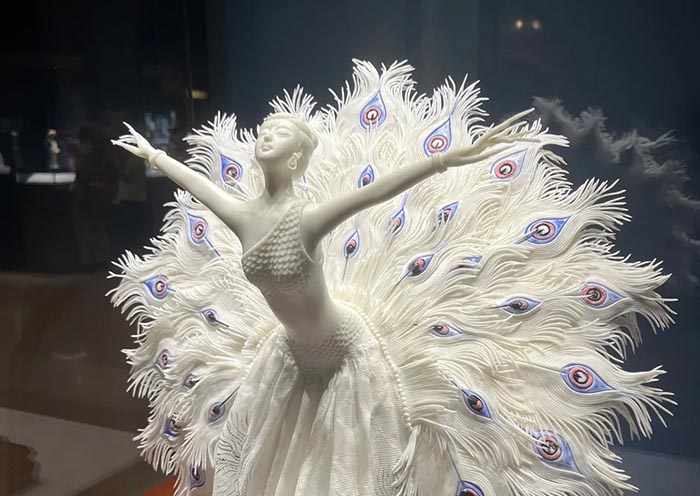
From the fragrant Oolong terraces of Anxi and the rhythmic Kung Fu halls of Yongchun to the world-class porcelain studios of Dehua, you will experience another side of Quanzhou that most travelers never even knew existed.
The Tea Capital of China!
The Incense Capital of China!
The World Capital of Ceramics!
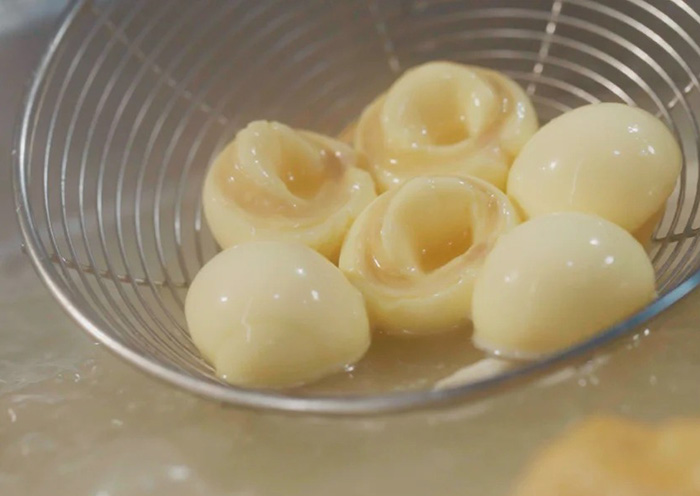
The birthplace of one of China's Four Famous Vinegars!
The spiritual ancestor of Wing Chun Kung Fu!
All are here in Quanzhou along this In-depth Quanzhou Maritime Culture Tour!


 View Destinations

| Day | Place | Highlights |
|---|---|---|
| 1 | Quanzhou | Kaiyuan Temple, West Street, Confucian Temple, Qingjing Mosque, Mazu Temple, Xunpu Village |
| 2 | Anxi | Defeng Tea Estate (Tea Experience from Tea Leaf Picking to Tea Processing & Tasting), Anxi Local Food, Tea Mountain Boutique Stay |
| 3-4 | Yongchun | Dapu Binda Incense Factory, Qiaoxin Aged Vinegar Factory, Yongchun Wuli Ancient Street, Wenggongci Martial Arts Hall, Yongchun Food, Baihe Martial Arts Arena Kung Fu Experience (1h), Hushan Ancient Town |
| 5 | Dehua | Shunmei Ceramics Cultural World, Dehua Ceramics Museum, Dehua Food |
| 6 | Quanzhou | Luoyang Bridge, Qingyuan Mountain, Souvenirs Hours |

 Quanzhou
 AnxiYongchunDehua
 Quanzhou
Quanzhou, China’s 56th UNESCO World Heritage site, was once the starting point of the Maritime Silk Road. Known as Zayton in ancient times, it was hailed by Marco Polo as the most prosperous city in the world. Today, it remains a Museum of World Religions, where diverse faiths and Hokkien (Minnan) traditions coexist peacefully.
Your Quanzhou exploration begins at the majestic Kaiyuan Temple, the largest Buddhist complex in Fujian. As you walk past 1,300-year-old banyan trees, you’ll encounter the iconic East and West Pagodas, China’s tallest ancient stone towers. Be sure to look for the Hindu carvings on the pillars of the Mahavira Hall, a rare architectural fingerprint left by medieval Indian traders that highlights Quanzhou’s inclusive Museum of World Religions status.
Don’t forget to visit the Quanzhou Bay Ancient Ship Museum (泉州湾古船陈列馆Closed on Mondays), which is a branch of Quanzhou Maritime Museum (泉州海外交通史博物馆) and houses a shipwreck from the Song Dynasty.
Next, a short walk leads you into the vibrant atmosphere of West Street. This is the heart of Quanzhou’s bustle and soul, where you can admire the red-brick Minnan architecture and the fiery Erythrina flowers that gave the city its nickname, Zayton. Take this opportunity to dive into the local food scene. The alleys here are hidden gems for authentic Hokkien cuisine, offering everything from savory Oyster Omelets to aromatic Ginger Duck. Before leaving the area, pause at the Clock Tower, a 1934 landmark that serves as a nostalgic bridge between the ancient dynasties and the Republican-era arcade streets.
After the visit, you will follow Zhongshan Road to reach the Quanzhou Confucian Temple, the highest seat of learning in the region for centuries. The temple is a masterpiece of Minnan craftsmanship, featuring the distinctive Swallowtail (Yanwei) ridges and yellow-glazed tiles usually reserved for imperial structures. Walking across the Panqiao bridge, paved with 72 stone slabs representing the 72 sages, you’ll feel the deep scholarly atmosphere that produced thousands of successful imperial candidates.
Later, a 400-meter stroll brings you to the Qingjing Mosque, China’s oldest Arabic-style mosque built in 1009. Its weathered granite walls stand as a testament to the Arab merchants who brought Islam to China via the sea. Remarkably, just 200 meters away stands the incense-filled Guandi Temple, where locals seek divination from Taoist deities. This close proximity of a Mosque, a Confucian Temple, and a Taoist shrine perfectly encapsulates the open-minded spirit of Quanzhou.
Then, be driven to Xunpu Village (浔埔村), 10 km away, 0.5 hour’s drive.
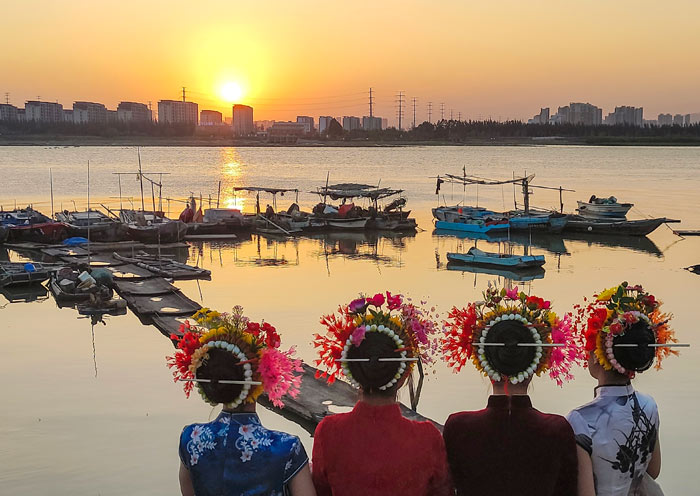
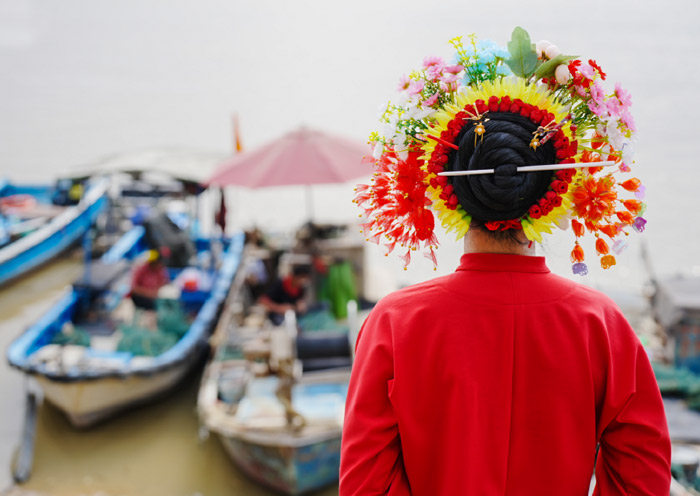
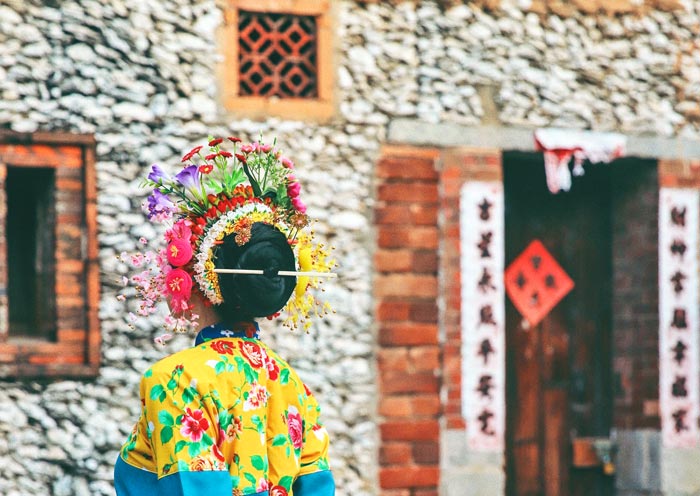
Known as a living fossil of the Maritime Silk Road, Xunpu Village is famous for its Zan Hua flower crowns—an intangible cultural heritage featuring vibrant floral headwear worn by local women, believed to be descendants of ancient Arab traders. After wandering through the narrow alleys, you will discover the unique Oyster Shell Houses, constructed from shells once used as ballast on ancient merchant ships. These shimmering, textured walls offer a glimpse into the village’s enduring connection to the sea and provide a stunning backdrop for photography.
After a full day exploration, be escorted back to your hotel in Quanzhou downtown.
 Dining:
 Accommodation:
 Pace:
Pace: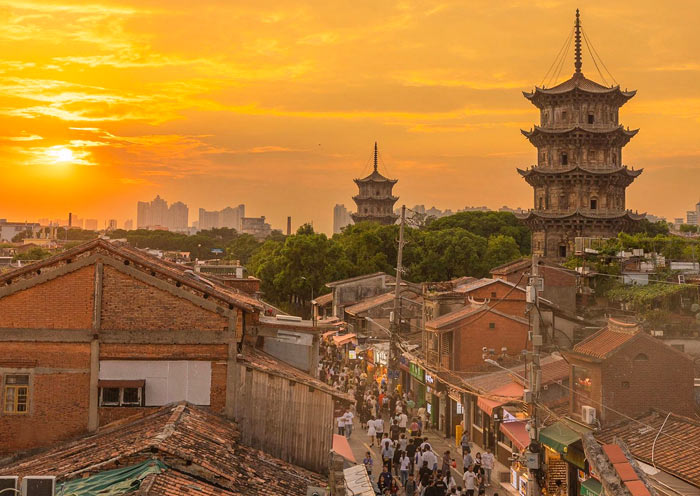
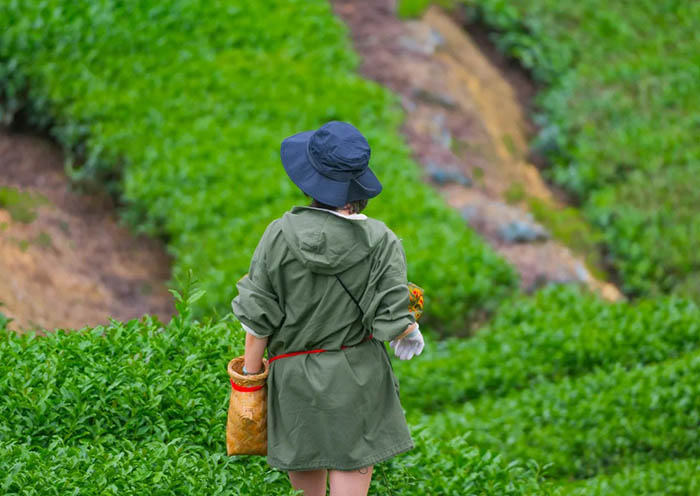
Today after breakfast, you will be driven approximately 1.5 hours into the mist-shrouded hills of Anxi County, the celebrated Tea Capital of China. Anxi is the ancestral birthplace of the legendary Oolong tea (乌龙茶), specifically the world-renowned Tieguanyin (Iron Goddess of Mercy). Your journey today is not just a visit, but a deep dive into Anxi Tea culture.
Upon arrival at the verdant Defeng Tea Estate (德峰茶庄), you will first check in and drop off your luggage. Take a moment to unwind and breathe in the crisp mountain air. Perched at an ideal altitude, this organic plantation offers a masterclass in how mountain microclimates—the perfect balance of acidic soil, rainfall, and lingering fog—interact to produce the distinctive "rhyme" (Yun) of premium Oolong.
After a short rest, you'll be fully refreshed and ready to begin your hands-on adventure. Accompanied by local tea farmers, you will head into the terraces for a hands-on picking session. Learn the precise "one bud, two leaves" technique, carefully selecting the vibrant leaves that will soon become your own personal brew.
For lunch, savor local specialties that define Anxi's culinary identity, including the silky Hutou Rice Noodles (a delicacy once prized by the imperial court) and savory Xiansun Bao (Salty Bamboo Shoot Buns), providing a true farm-to-table experience amidst the plantations.
After lunch, follow your freshly plucked harvest into the workshop for a rare, behind-the-scenes transformation. You won't just watch. You'll participate as your own leaves undergo the complex traditional processing steps. Witness the sun-withering to soften the leaves, the rhythmic tossing (Yaoqing) to bruise the edges and trigger oxidation, and the artisanal rolling that curls the leaves into dragon-like shapes. There is a profound sense of fulfillment in seeing the very leaves you picked transition from raw greens into a fragrant, semi-fermented masterpiece.
Later, in a serene tasting room, delve into the Anxi Tieguanyin tea ceremony. A local expert will demonstrate the Kungfu Tea brewing method, explaining the historical evolution of tea culture along the Maritime Silk Road. You’ll learn to appreciate the Seven Fragrances of Tieguanyin and how the tea's character reflects the rugged spirit of the Minnan people.
Tonight, stay overnight at Defeng Tea Estate. Enjoy your night amidst the fragrance of tea leaves for a peaceful mountain retreat.
Dining:Accommodation:Pace: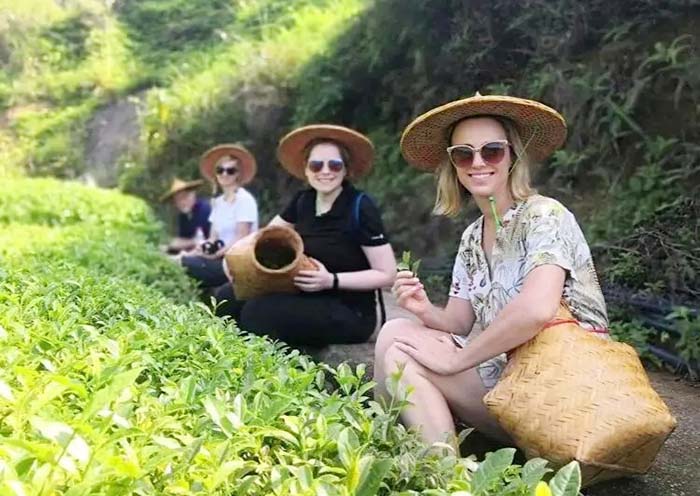
Today after breakfast, you will be escorted to Dapu Binda Incense Factory in the nearby Yongchun County (1.5-2 hours around). With over 300 years of history rooted in the Arab incense-making traditions brought via the Maritime Silk Road, Dapu now produces one-third of the world’s incense and is now recognized as the Incense Capital of China with over 300 active factories.
The rise of the incense industry in Yongchun Dapu is inextricably linked to the legendary Pu Family. As descendants of Arab spice merchants who arrived in Quanzhou via the Maritime Silk Road during the Song and Yuan dynasties, they brought with them a profound knowledge of exotic aromatics. A branch of the Pu family migrated to Dapu, introducing their ancestral secret formulas and techniques. This heritage eventually fused with Central China’s He Xiang (blended incense) traditions and local Traditional Chinese Medicine (TCM) culture, creating the unique aromatic profile that defines Yongchun incense today.
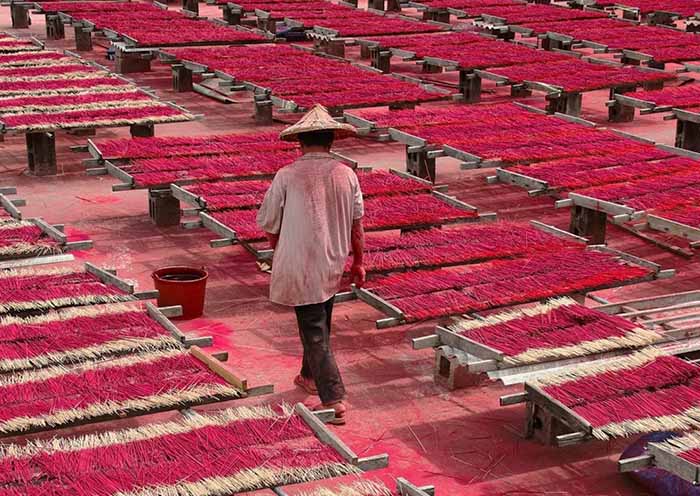
The highlight of your visit is the spectacular sun-drying yard, where tens of thousands of vibrant red incense sticks are spread out like blooming peacocks, creating a stunning crimson sea against the mountain backdrop. Inside the workshop, you’ll have the rare opportunity to watch veteran craftsmen at their benches, meticulously hand-rolling and coating each stick with a precision that only comes from years of dedication.
Following this aromatic immersion, a short 30-minute drive brings you to another of Yongchun’s legendary exports at the Qiaoxin Aged Vinegar Factory. Yongchun Aged Vinegar is celebrated as one of China’s Four Famous Vinegars, and here you will witness the soul of Minnan cuisine in the making. You will walk through massive maturation halls where thousands of traditional ceramic jars are lined up for a unique aerobic fermentation process. Witness the Monascus (Red Yeast) culture that gives the vinegar its signature amber hue and complex, mellow flavor. You’ll have the rare opportunity to sample aged vintages—some so smooth they can be sipped like wine—and learn why this black gold has been a staple of Chinese health and heritage for over a thousand years.
Following this sensory immersion, it’s your time to have lunch. Your lunch features soul foods like the nourishing Yongchun White Duck Soup, simmered with local herbs and aged Yongchun Vinegar, alongside Ketan (a communal Minnan-style hotpot) and crispy Curo (Vinegar-seasoned Pork). Each dish highlights the town's legendary vinegar, a staple of Chinese kitchens for centuries.
Note: The specific menu may vary depending on the season. Please check on-site for details.
After lunch, a short drive takes you to your hotel nearby. Check in your hotel there. Later, a short 10-minute drive takes you to Wuli Ancient Street.
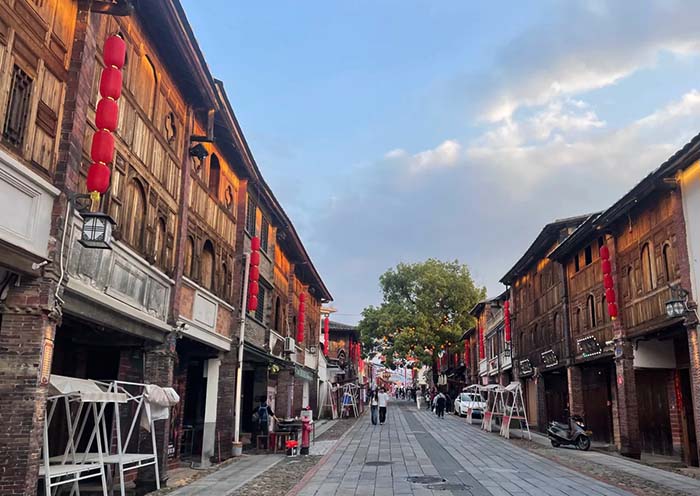
A stroll down Wuli Ancient Street is like turning the weathered pages of a Minnan merchant epic. This 600-meter corridor served as a vital maritime gateway where mountains and sea converged. Fortunately, the street remains blissfully free from over-commercialization. Instead of souvenir stalls, you’ll find old-fashioned barbershops, traditional pastry stalls, and the rhythmic cadence of Minnan dialect floating from the doorsteps. Every corner here whispers a story. The red-brick walls are etched with history, while the Nanyang-style arcades, intricate stone carvings, and faded shop signs bask in the golden afternoon light.
At the Heshuntang Pharmacy (和顺堂药铺), a local landmark since the Qing Dynasty, time seems to stand still. The scent of dried herbs from the vintage wooden cabinets and the steady thud of the medicine pestle offer an instant escape into the past. As you wander, you’ll feel the authentic Yanhuoqi—the vibrant, smoky pulse of daily life. If you feel inspired, stop to chat with a local Ama (grandmother) fanning herself on a porch. She might just teach you a few phrases of the local dialect, offering a heartfelt connection to a culture that has remained steadfast for centuries.
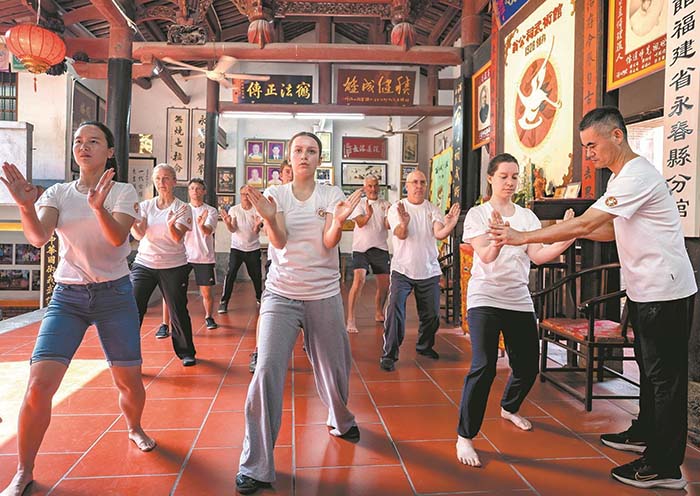
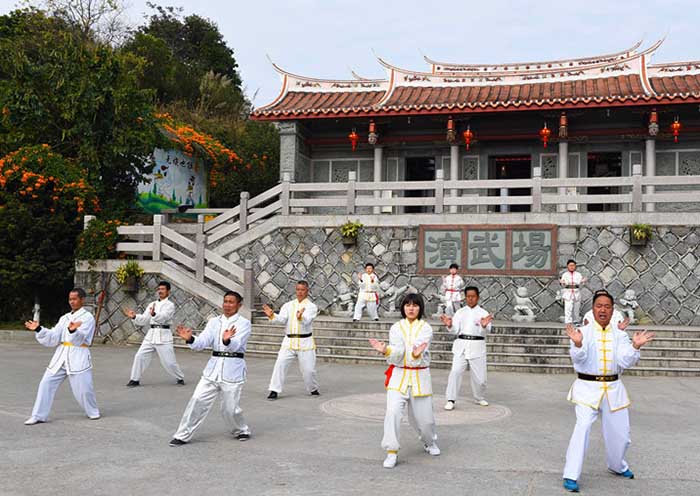
Tucked away in a quiet alley is the Wenggongci Martial Arts Hall (翁公祠武术馆), the spiritual home of Yongchun (White Crane) Kung Fu. Gain deep insights into the philosophy of this art—the primary inspiration for the Wing Chun style later popularized by Bruce Lee.
After a day of sensory discovery, you will stay overnight in Yongchun.
Dining:Accommodation:Pace: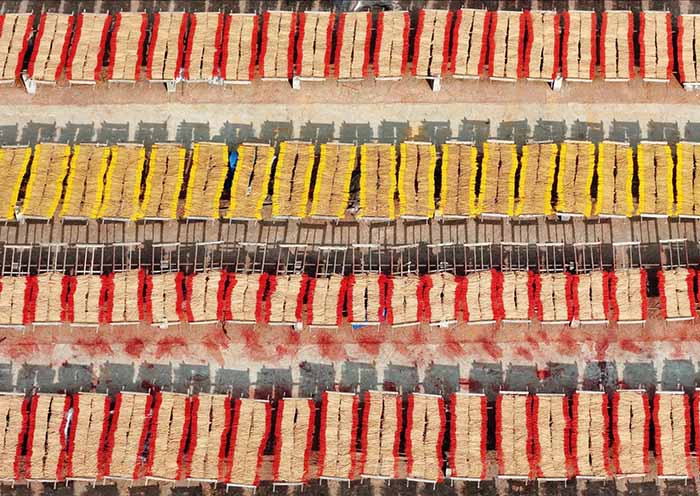
Today after a tranquil mountain breakfast, you will spend a full day dedicated to physical artistry and architectural heritage.
Your morning is centered on the Yongchun White Crane Kung Fu Experience at the Baihe Martial Arts Arena. Under the expert guidance of professional martial arts masters, you will move beyond the role of a spectator to learn the foundational movements of this ancient discipline. Engage in a hands-on training session (1 hour) that includes basic strikes, footwork, and the iconic wooden dummy (Muzhuang) practice. As you feel the precision and economy of motion inherent in each move, you will gain a profound understanding of how this local style traveled from the villages of Fujian to become the global phenomenon of Wing Chun, famously practiced by Bruce Lee.
Following your martial arts immersion, you will journey to Hushan Ancient Town (岵山古镇), a living museum of traditional Minnan life. Stroll through the winding lanes to admire the magnificent red-brick ancient residences (Gucuo), characterized by their "Swallowtail" ridges and intricate stone carvings. You will learn about the ingenious integration of these structures with the natural environment, designed to harmonize with local wind patterns and water sources. As you walk past century-old litchi trees and bustling local markets, you will feel the authentic Yanhuoqi—the vibrant, smoky pulse of daily life that has remained unchanged for generations.
Later, be driven back to Yongchun downtown to stay overnight.
Dining:Accommodation:Pace: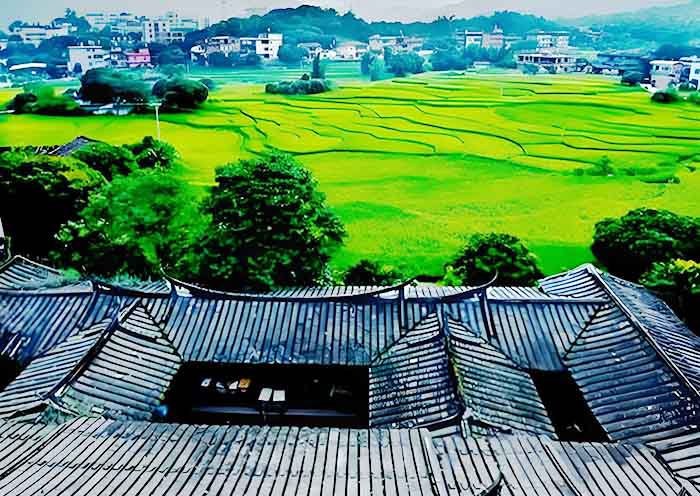
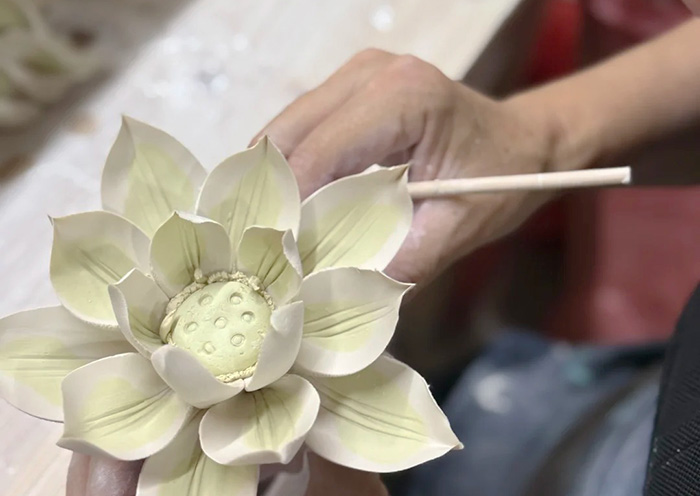
Today after breakfast, a scenic 1-hour drive takes you into the heart of the Fujian mountains to Dehua. In 2015, Dehua was officially recognized by UNESCO as the World Capital of Ceramics, becoming the first city in the world to receive this prestigious title. Dehua is the birthplace of the legendary Blanc de Chine (China White), a porcelain celebrated since the Ming Dynasty for its translucent, ivory-like glaze and silk-smooth texture. This exquisite art form is a testament to the harmony between the region’s rich kaolin clay resources and the relentless ingenuity of its craftsmen.
Your exploration begins at the Shunmei Ceramics Cultural World, a sprawling creative hub where the scale of modern global trade meets traditional artistry. Here, you will move beyond mere observation and step into the artisan's role with a hands-on pottery experience. Under the guidance of local masters, you will feel the cool, rhythmic pulse of the clay during a throwing session (Lapu) on the potter's wheel and try your hand at ceramic painting. It is a tactile journey that reveals the immense patience and precision required to transform raw mountain earth into a delicate work of art.
Your lunch features the local specialty Red Wine Chicken, a nourishing dish simmered with aromatic home-brewed red glutinous rice wine, and the traditional Guojicao Soup, a herbal medicinal broth known for its health benefits. These hearty dishes offer a true taste of the Fujian highlands, providing a warm conclusion to your day of discovery.
Note: The specific menu may vary depending on the season. Please check on-site for details.
To truly understand the spiritual depth of China White, you will visit the Dehua Ceramics Museum. As you wander through its galleries, you will trace the evolution of the Dehua kilns from the Song and Yuan dynasties to the present day. The museum houses breathtaking masterpieces, most notably the Buddhist figurines crafted by the Porcelain Sage He Chaozong. His Guanyin statues, characterized by their serene expressions and fluid drapery, represent the pinnacle of porcelain sculpture. You will gain deep insights into how these treasures were transported down the mountains to Quanzhou’s ports, fueling the Maritime Silk Road and defining global luxury for centuries.
After that, you will be driven back to Quanzhou for your overnight stay. You may return to the same hotel. This one-stop stay allows you to bypass the daily hassle of repacking, giving you more time to fully immerse yourself in the journey.
Dining:Accommodation:Pace: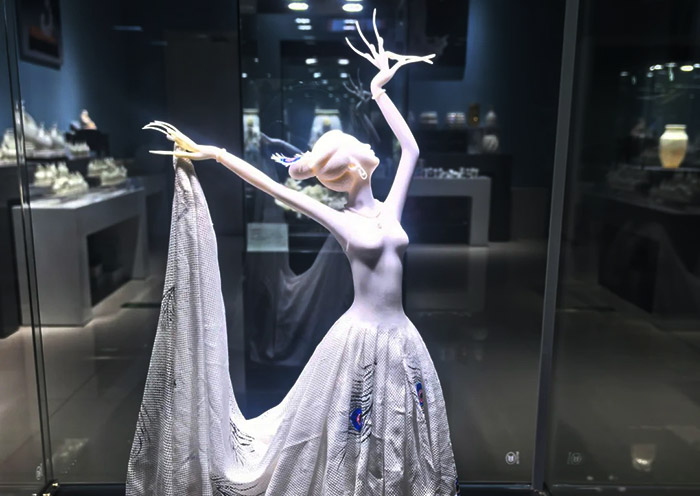
The last day morning,you will hike in Qingyuan Mountain to view the big stone statue of Laozi (Laojun Rock, world heritage) from the Song Dynasty. Afterward, you will visit the Quanzhou Maritime Museum (Closed on Mondays) to gain a better understanding of Zaiton, the starting point of the Maritime Silk Road, and the Emporium of the World in Song-Yuan China. Finally, you will head to Xunpu Village to explore a small fishing village famous for the unique headwear called "Zan Hua" (an intangible world heritage) worn by Xunpu women and the distinctive Minnan-style houses known as "Oyster Shell Houses (蚵壳厝)".
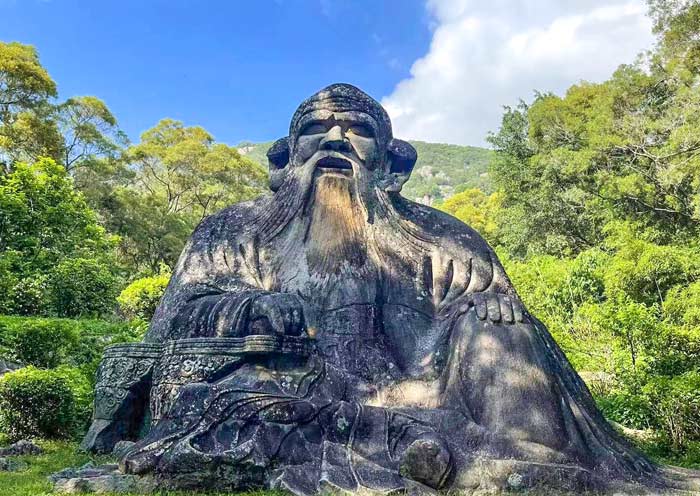
Climbing Qingyuan Mountain is the best way to view the whole picture of Quanzhou. Do you know that Quanzhou (泉Quan means spring) got its name from Qingyuan Mountain? It is said that there is a mountain inside the city with many springs (泉), hence the name Quanshan (Spring Mountain泉山). Quanzhou is named after this mountain, which is known as Qingyuan Mountain. Qingyuan Mountain is one of the eighteen scenic spots in Quanzhou. Its main peak reaches an altitude of 498 meters. The mountain is deep and tranquil, with rugged rocks and winding mountain trails, making it suitable for hiking enthusiasts. Qingyuan Mountain (清源山) was first developed during the Qin and Tang Dynasties. Confucianism, Buddhism, and Taoism coexisted here, along with traces of Islamic, Manichean, and Tibetan Buddhism activities. The landmark here is the Laojun Rock Statue (a World Heritage Site), a giant stone carving of Laozi (the statue of Laojun Rock 老君岩), a philosopher and the founder of Taoism. It is the largest existing Taoist stone carving in China and is known as the "Number One Laozi in the World老子天下第一". Carved in the 10th century, the statue is sculpted from a large natural rock, seated, with a height of 5.63 meters, width of 8.01 meters, thickness of 6.85 meters, and a ground area of 55 square meters. Despite enduring centuries of wind and rain, it remains intact and lifelike, showcasing the wisdom and craftsmanship of ancient people. You can spend around 2 hours hiking from the main entrance (South Gate) of the scenic area to Laojunyan, passing by Hongyi Master's Relic Pagoda and Qianshouyan, and then returning to the main entrance. In front of Hongyi Master's Relic Pagoda (弘一法师舍利塔) is a lifelike stone carving of Hongyi Master sitting on a cliff. Inside the Qianshouyan Hall are stone carvings of Shakyamuni Buddha and Avalokitesvara Bodhisattva from the Song Dynasty. On the nearby rocks, you can see the calligraphy of "Number One Mountain" by the famous calligrapher Mi Fu (米芾) from the Song Dynasty, which is worth seeing. You can choose a hiking route that suits your physical strength and interests.
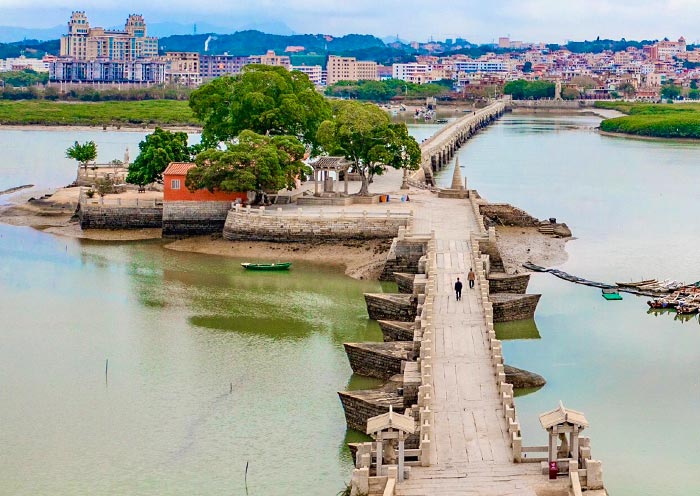
After lunch, it’s time to explore Luoyang Bridge - the First Bridge of the Sea and one of the four great ancient bridges in China.
Luoyang Bridge (World Heritage) is the earliest surviving stone bridge with a beam structure that crosses the sea. There is an old saying in Quanzhou: "Standing like the East and West Pagodas, lying down like Luoyang Bridge (Wanan Bridge)". Due to the fact that only the East and West Pagodas and Luoyang Bridge remained intact after the powerful earthquake of magnitude 8 in 1604. Furthermore, the famous contemporary writer, poet, scholar, and translator Yu Guangzhong (1928-2017余光中) wrote in his work "Luoyang Bridge (洛阳桥)": "How many springs have the Erythrina tree flowers bloomed, how many years have the East and West Pagodas faced each other, how many people have walked across Luoyang Bridge, and how many ships have sailed out of Quanzhou Ba". This illustrates the significance of this Luoyang Bridge, which is not located in Luoyang, in people's hearts. Walking on Luoyang Bridge, which was completed in 1059 under the supervision of Quanzhou's prefect Cai Xiang (蔡襄), you can step from the ancient banyan tree at the bridgehead towards the north bank, immersing yourself in the wisdom of ancient bridge construction during the Northern Song Dynasty. For example, Cai Xiang invented the method of cultivating oysters on the foundation stones to strengthen the bridge piers. Luoyang Bridge has remained sturdy and operational for over 900 years, thanks to the contribution of these oysters. Standing on the bridge, you can see the city from a distance, the river up close, vast mudflats, and forests. Coupled with human involvement, Luoyang Bridge has become the most scenic and fascinating among the three bridges (world heritage sites) along the Maritime Silk Road.
The remainder of the day is yours to enjoy at your own pace before your transfer to the airport or train station. This is the perfect opportunity to wander through the local markets one last time to pick up meaningful mementos for your loved ones. You might consider bringing home a piece of Dehua porcelain or Tieguanyin tea.
Next, our team will escort you to the airport/train station in Quanzhou. Your 5 Days Quanzhou In-depth Tour to Anxi, Yongchun and Dehua ends!
Thank you for choosing Asia Odyssey Travel (AOT) for your China tour. We are always dedicated to serving you and look forward to welcoming you again for your future trips to China/Asia.
Dining:Accommodation: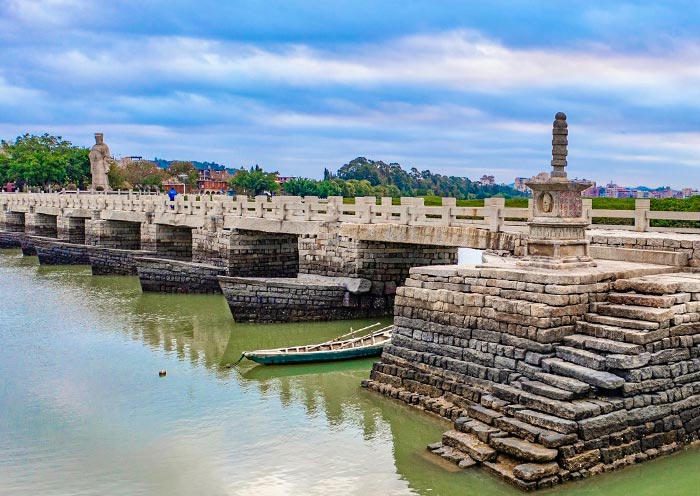

 Vehicle ServiceAirport/Train Station TransfersProfessional Guide ServiceDriver ServiceHotel AccommodationDaily Hotel BreakfastMeals as SpecifiedEntrance FeesInsuranceSpecial ExperiencesComprehensive Service
 China Visa FeeInternational / Domestic AirfareTransportation During Free TimeOptional ActivitiesMeals Not ListedBeveragesExtra Expenses Inside Scenic AreasTips for Guide and DriverPersonal ExpensesSingle Room SupplementOne-on-one Wheelchair Assistance
The primary difference lies in whether you want an extra day to explore the iconic landmarks of Quanzhou city center and set aside dedicated time for souvenir shopping. While the 5 Days Quanzhou Tour already includes the essential ancient alleys and the "Three Capitals" (Tea, Ceramics, and Incense), the 6-day version allows for a more relaxed pace to visit grander sites like Luoyang Bridge (one of China’s four famous ancient bridges) and Mount Qingyuan to see the giant Lao Tzu statue. Choosing the 6-day option ensures you have plenty of buffer time to browse the local markets and bring home authentic white porcelain or Tieguanyin tea without rushing your sightseeing.
Yes, absolutely! We can easily tailor the itinerary to fit your schedule. By focusing on the core cultural experiences, we can condense the highlights into a high-impact 5 Days Quanzhou Tour without losing the in-depth essence of the journey. In this shortened version, we typically omit the visits to Luoyang Bridge and Mount Qingyuan, allowing you to complete your Yongchun Kungfu Tour and head directly to the airport or train station for your departure on the final day. It’s the perfect way to experience the "Three Capitals" even with a tighter timeframe.
A standard trip often focuses only on the temples in Quanzhou city center. Our Quanzhou Maritime Culture Tour takes you into the hinterlands—the mountains of Anxi, the kilns of Dehua, and the kung fu halls of Yongchun. It focuses on hands-on participation, such as tea picking and pottery making, rather than just passive observation.
Definitely! The Anxi Tour is designed as a cultural immersion. While tea connoisseurs will love the organic estates and professional tastings, beginners will enjoy the stunning mountain scenery, the history of the Maritime Silk Road, and the fun of learning a new craft in the fresh air.
The Dehua Tour is a highlight for art lovers. You will visit the UNESCO-recognized "World Capital of Ceramics," explore ancient and modern kilns, and visit museums housing the legendary "Blanc de Chine." The best part is the hands-on pottery experience, where you can try your hand at the potter's wheel.
Not at all. The Yongchun Kungfu Tour is designed for all fitness levels and ages. The masters at the Baihe Martial Arts Arena are experts at teaching foundational movements and the philosophy of White Crane Kung Fu. It is a cultural activity focused on movement and history, not a high-intensity combat class.
While Anxi is beautiful year-round, the best times are during the spring (April-May) and autumn (October-November) harvests. These seasons offer the most vibrant activity at the tea estates and the most aromatic tea-tasting sessions.
Yes. We prioritize comfort by using private car transfers for all segments of your Dehua Ceramics Tour and Anxi Tour. Walking is kept to a leisurely pace, and we choose boutique guesthouses and restaurants that provide easy access for seniors while maintaining an authentic atmosphere.
You will have plenty of opportunities to find authentic treasures. We recommend premium Tieguanyin from your Anxi Tea Tour, a piece of exquisite white porcelain from Dehua, or the famous aged vinegar and hand-crafted incense from the historic shops along Wuli Ancient Street in Yongchun.
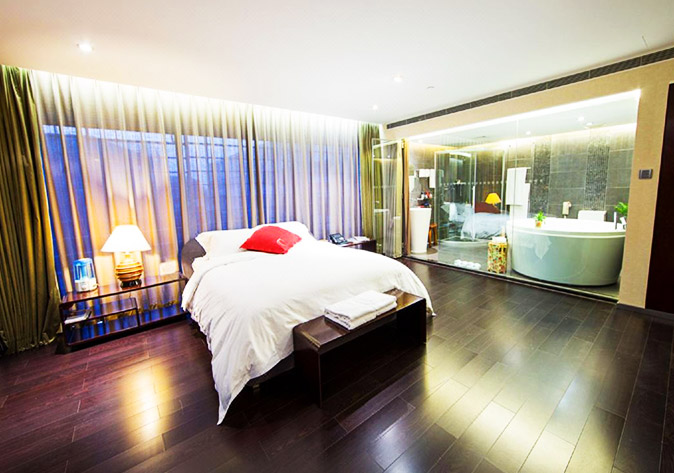
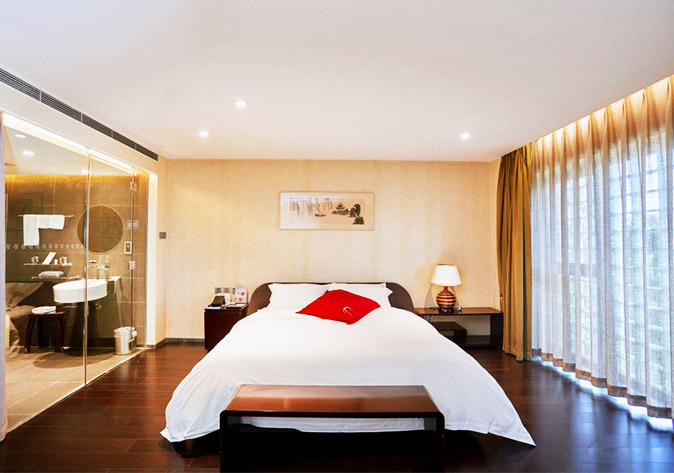
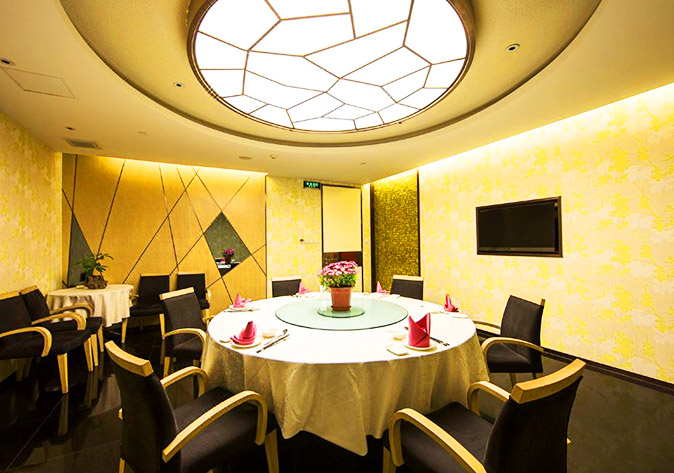
A good night's sleep is essential during your Fujian tour. In our private tours, you have the flexibility to choose your preferred hotel class—whether it's luxury 5-star, comfortable 4-star, or economic 3-star accommodations.
We carefully select hotels in prime locations in Quanzhou, situated close to vibrant commercial streets or major tourist attractions. All our partner hotels maintain long-term relationships with us and are equipped with essential amenities including windows, air-conditioning, hot water, showers, and Wi-Fi (with the exception of basic conditions at Mount Everest) to ensure a comfortable stay.
The hotel staff are proficient in English and dedicated to providing high-quality service. Should you have any special requirements during your stay, they are always available to assist you to ensure a truly pleasant experience.





 Data in submission...
Discover what our customers are saying about the latest Quanzhou Tours . Browse through their recent reviews and feedback on tour arrangements, guides, transportation, attractions, dining, hotels, and detailed itineraries to plan your own unforgettable China tour. View All Customers Reviews >>
 Tripadvisor 4.9
 4.9 | 16,674 reviews


The ship looked newer than many river cruise ships we have taken before. Our room was bright and comfortable, and the balcony made the trip much better. The bathroom was clean and worked well.
Service was friendly. English was not perfect everywhere, but staff were helpful and the main cruise guide explained things clearly.
We traveled with our 9-year-old son and booked Victoria Isabella through Asia Odyssey Travel. We wanted a Yangtze cruise that was comfortable but not too expensive.
The ship worked well for us. Our son liked exploring the decks and watching the river from the balcony. The cabin was clean and practical. The staff were kind to him and always smiled.
The itinerary was easy to follow. Some excursions were more interesting for adults than children, but the scenery kept everyone engaged. The Three Gorges section was the highlight for all of us.
Food was fine, though our son preferred the simpler dishes. Asia Odyssey Travel helped us with pre-cruise hotel arrangements and transfers, which made the trip much less stressful.
Xiamen - Nanjing - Xiamen
View Details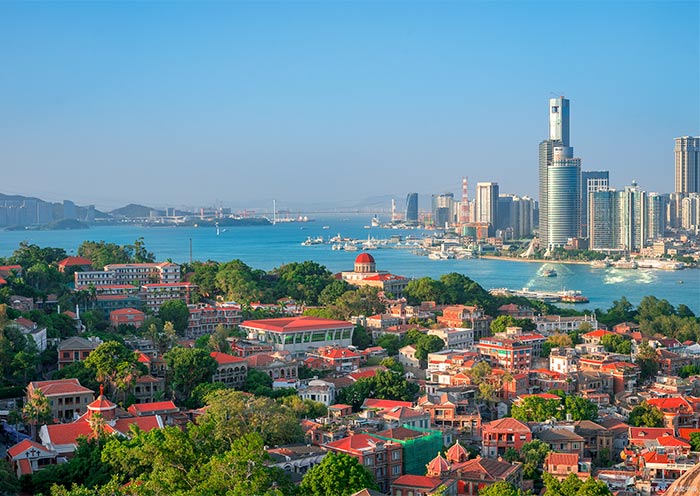
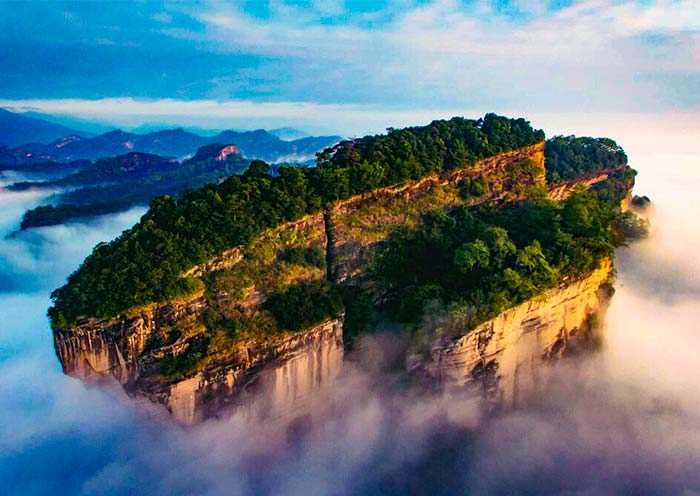
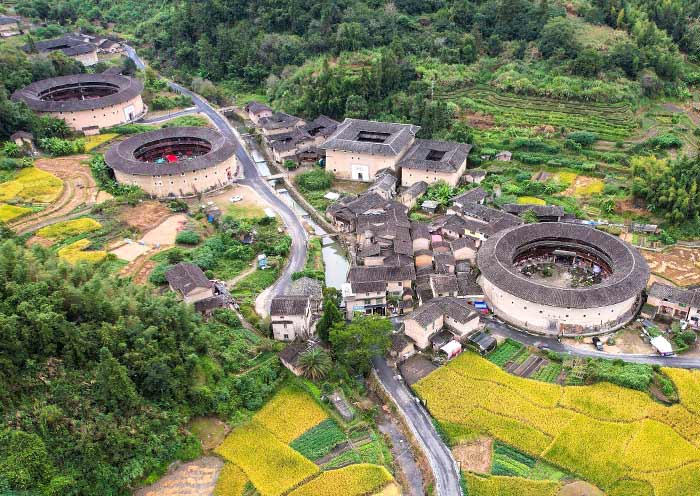
Xiamen - Fujian Tulou - Xiamen - Wuyishan (Fujian)
View Details
My husband and I joined Yangtze Miracle as part of our China holiday arranged by Asia Odyssey Travel. Our trip included Zhangjiajie, Chongqing, the Yangtze cruise, and Shanghai.
The cruise was a nice change of pace after several days of walking. Yangtze Miracle was comfortable and had a lively but not noisy atmosphere. Our balcony cabin was clean and had a good view.
Food was mainly Chinese with some Western choices. We enjoyed trying local flavors. Asia Odyssey Travel arranged everything smoothly, including the transfer to the pier. It was a very satisfying experience.
We booked Victoria Isabella through Asia Odyssey Travel for the Chongqing to Yichang route. It was our first river cruise in China, and overall we had a very good experience.
The ship was comfortable and clean. Our balcony cabin was not huge, but it had enough space for two people and our luggage. We used the balcony often, especially when sailing through the Three Gorges.
The food was a mix of Chinese and Western dishes. Some meals were better than others, but we always found something we liked. The staff worked very hard and were polite.
Asia Odyssey Travel gave us clear instructions before the trip, so boarding in Chongqing was easier than expected. Victoria Isabella is not ultra-luxury, but it offers very good value.
This was our first visit to China, and the Yangtze Miracle cruise was one of the highlights. The ship was modern and comfortable. Our cabin had a balcony, and we spent a lot of time there taking photos.
The cruise was easy, scenic, and a good break in the middle of a busy China itinerary. I would recommend Yangtze Miracle to younger couples or first-time visitors
I was not sure what to expect from a Yangtze River cruise, but Victoria Isabella was better than I imagined. We booked with Asia Odyssey Travel after comparing several options.
The boarding process in Chongqing was a little busy, but the instructions from our travel consultant were very clear. Once on board, everything became easy. Our cabin was clean, the bed was comfortable, and the balcony was lovely.
The ship is not a luxury boutique ship, so do not expect that style. But for the price, service, views, and itinerary, it was very good. I would recommend it to travelers who want a comfortable and affordable Yangtze cruise.
Three friends and I added the Yangzi Explorer cruise to our China itinerary. We booked with Asia Odyssey Travel, and the whole process was easy from the beginning.
What I liked most was the calm feeling on board. The ship was not crowded, and the public areas were comfortable. Our rooms were clean and much bigger than we expected for a river cruise. The balcony made a big difference.
The scenery was beautiful, especially early in the morning. We also enjoyed the lectures and the chance to learn more about the Yangtze River and the Three Gorges Dam.
Food was good, though after several days I would have liked a little more variety at breakfast. Still, the service and comfort were excellent. I would choose this ship again.
We wanted a comfortable cruise with good facilities, and this ship suited us well. Yangtze Miracle is quite large, so it has more of a resort feeling than a small boutique ship. There were many passengers, but the ship was well organized. Our cabin was clean and had a nice balcony.
Asia Odyssey Travel gave us useful advice before booking. They also helped us connect this cruise with our Chengdu and Guilin trip.
Four of us booked Victoria Isabella as part of a China tour with Asia Odyssey Travel. We chose this ship because we wanted a classic Yangtze River cruise at a reasonable price.
The ship was comfortable and had everything we needed. The staff were warm and helpful. Meals were buffet style most of the time, with a good mix of dishes. The excursions were organized efficiently, and the guides gave useful information about the river and dam.
The only thing to note is that some parts of the schedule start early, so check the daily program carefully.
The ship looked newer than many river cruise ships we have taken before. Our room was bright and comfortable, and the balcony made the trip much better. The bathroom was clean and worked well.
Service was friendly. English was not perfect everywhere, but staff were helpful and the main cruise guide explained things clearly.
We traveled with our 9-year-old son and booked Victoria Isabella through Asia Odyssey Travel. We wanted a Yangtze cruise that was comfortable but not too expensive.
The ship worked well for us. Our son liked exploring the decks and watching the river from the balcony. The cabin was clean and practical. The staff were kind to him and always smiled.
The itinerary was easy to follow. Some excursions were more interesting for adults than children, but the scenery kept everyone engaged. The Three Gorges section was the highlight for all of us.
Food was fine, though our son preferred the simpler dishes. Asia Odyssey Travel helped us with pre-cruise hotel arrangements and transfers, which made the trip much less stressful.