+852 5394 6901
 Take China Group Tours in 2026/2027 to enjoy 30% discount compared to private tour. Same Experience & Lowest Price! Check China Group Deals >>Take China Group Tours in 2026/2027 to enjoy 30% discount compared to private tour. Same Experience & Lowest Price! Check China Group Deals >>
The intense visuals of Korean Mukbang are no longer just on the screen. Our 6 Days South Korea Food Tour brings authentic Korean cuisine to your dining table.
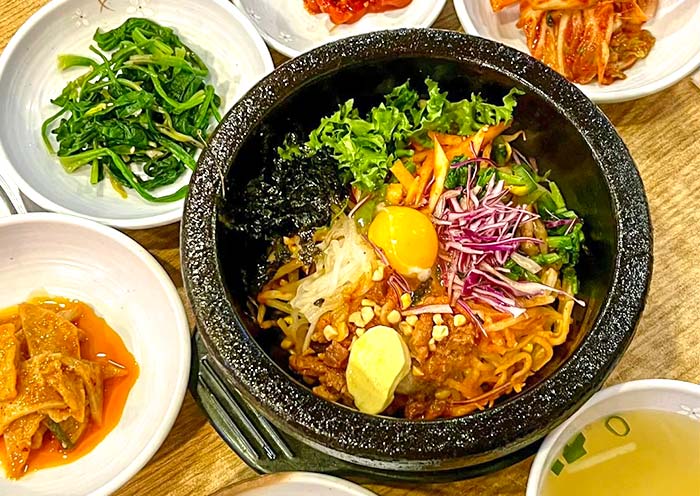
Experience one of the healthiest cuisines in Asia. Make home-style Korean dishes with local chefs, try Jeonju Bibimbap, and enjoy its colorful presentation. Taste soft tofu specialties and savory Busan Hanwoo on the coast. There are also plenty of options for Vegan and Halal diets.
Meanwhile, we have included must-see spots from Seoul to Busan. You will explore elegant palaces in Seoul, traditional Hanok houses in Jeonju, ancient Silla history in Gyeongju, and lively Busan.
Tell Asia Odyssey Travel your specific needs and food preferences!



 View Destinations

| Day | Place | Highlights |
|---|---|---|
| 1-2 | Seoul | Korean Cooking Class, Jogyesa Temple, Bukchon Hanok Village, Gyeongbokgung Palace, Gwangjang Food Market |
| 3 | Jeonju | Tabsa Temple, Maisan Mountain Observatory, Jeonju Bibimbap, Gyeonggijeon Shrine, Jeonju Hanok Village |
| 4 | Gyeongju | Tofu Cuisine, Bulguksa Temple, Seokguram Grotto, Gyochon Traditional Village,Donggung Palace and Wolji Pond,Woljeonggyo Bridge, Cheomseongdae Observatory |
| 5-6 | Busan | Haedong Yonggungsa Temple, Cheongsapo Daritdol Skywalk, Sky Capsule, Hanwoo Beef, Gamcheon Culture Village, Jagalchi Fish Market |

 Seoul
Seoul JeonjuGyeongju
 Busan
Busan
Welcome to Seoul! Upon arriving at Incheon International Airport, our local staff will greet you at the exit and provide a comfortable transfer to your hotel. Settle in and enjoy a relaxing evening, giving you plenty of time to recharge before your Seoul exploration begins tomorrow.
Your journey starts in Seoul, a dynamic metropolis where ancient palaces and modern skyscrapers coexist. If you arrive early, explore the city at your own pace. Discover how centuries-old traditions blend seamlessly with cutting-edge urban life in this fascinating Han River basin capital.
 Dining:
 Accommodation:
 Pace:
Pace: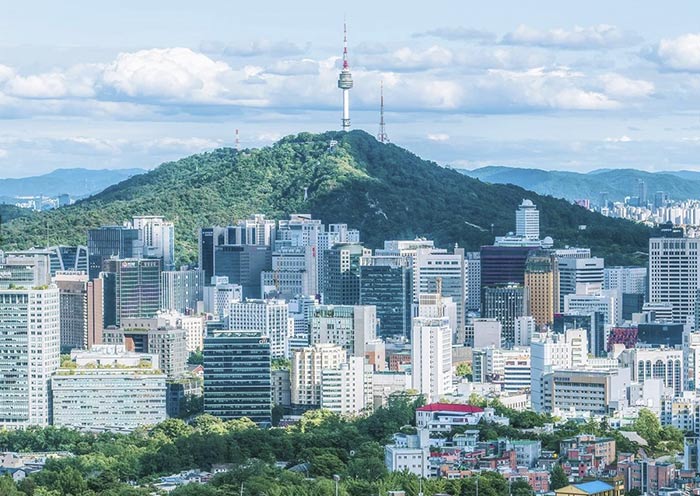
Your food tour starts at a 2.5-hour Korean brunch class to craft a delightful three-course meal (Korean-style pancake, Kimbap, etc). Use premium local ingredients to master authentic flavors, make new friends, and share your feast (vegan, vegetarian, pescatarian, and halal options available).
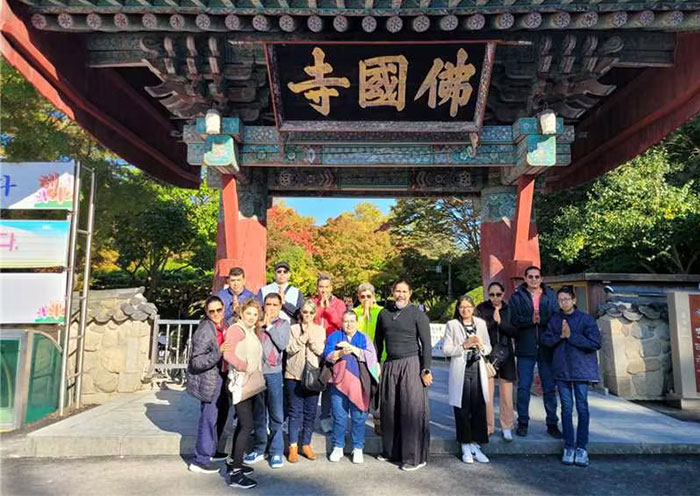
Then, visit the historic Jogyesa Temple, the serene headquarters of the Jogye Order. Founded in 1395, this peaceful sanctuary offers a deeper understanding of Korean Buddhism and culture as you explore its tranquil grounds at your own pace.
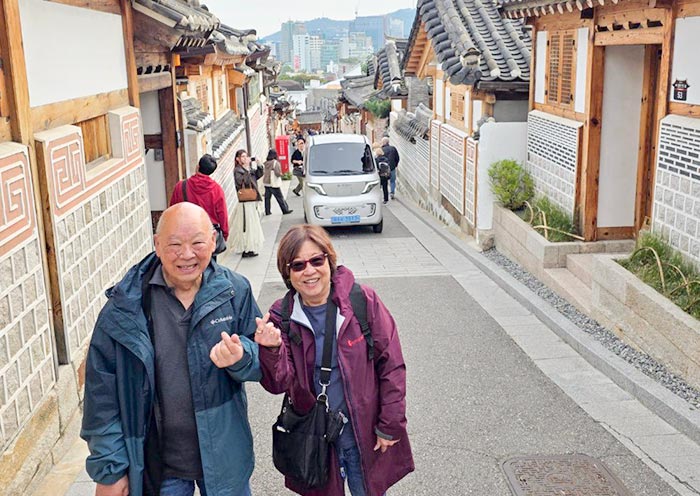
Next, visit Bukchon Hanok Village to admire stunning Korean architecture. Formerly home to nobility, these intricate ****wooden houses now serve as quiet teahouses and galleries.Wander the peaceful alleys to experience the authentic heritage of old Seoul.
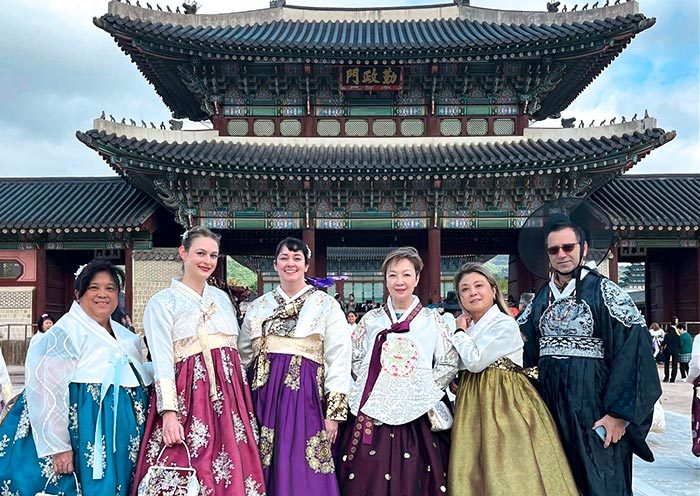
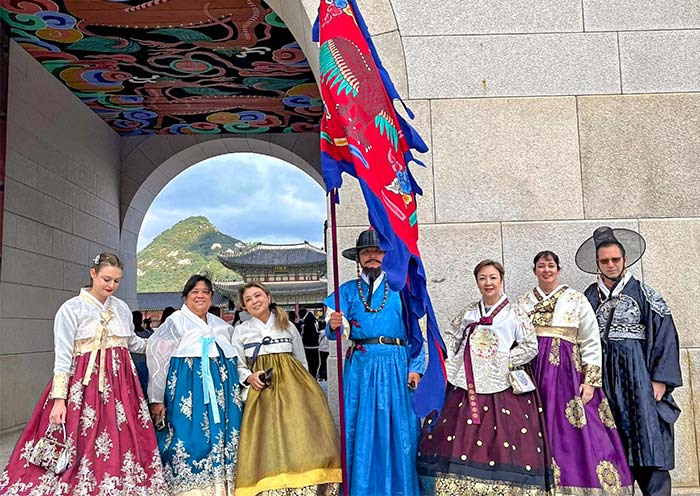
Visit Gyeongbokgung Palace, a stunning display of Korean artistry. Wander through its majestic halls and lakeside gardens, then witness the traditional changing of the guards. To enhance your experience, wear a Hanbok (Optional) as you walk through this iconic symbol of royal heritage and tradition.
After that, visit Gwangjang Market, a bustling haven for Korean street food. Sample popular dishes like bindaetteok and mayak gimbap, or try a spicy Kimchi Jeon. This lively market is perfect for tasting the rich diversity of Korea’s famous culinary heritage.
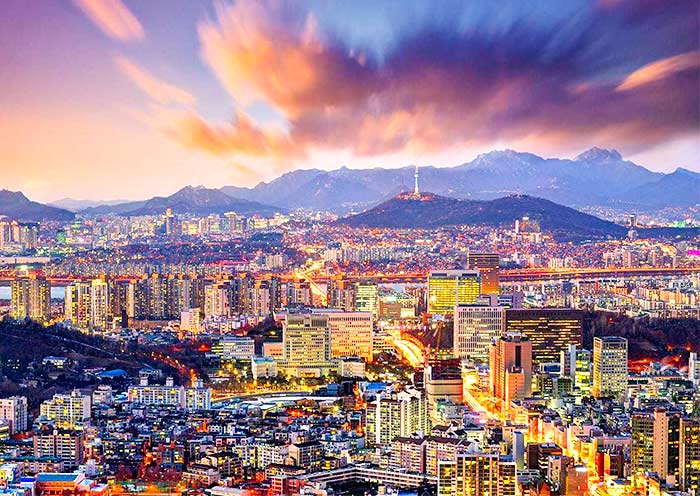
Optional Night Tour: Take a scenic cable car to N Seoul Tower for romantic views of the Han River, or unwind at Yeouido Hangang Park with local favorites like chicken and beer (at your own expense).
Return to your hotel in Seoul.
Dining:Accommodation:Pace: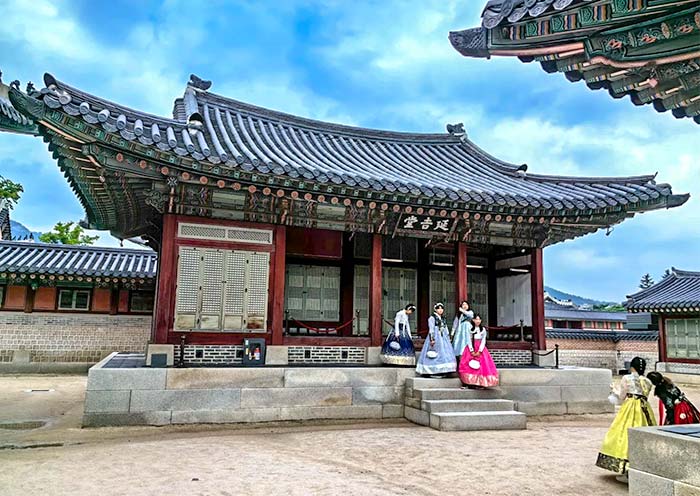
Today, drive to Jeonju from Seoul.
First, drive to Gyeonggijeon Shrine, established in 1410. It is the spiritual heart of the Joseon Dynasty. It houses the only surviving portrait of King Taejo, Korea's founding monarch. Beyond its royal history, the shrine’s stone-walled paths and red-lacquered gates offer a cinematic backdrop, making it a premier filming location for Korean period dramas.
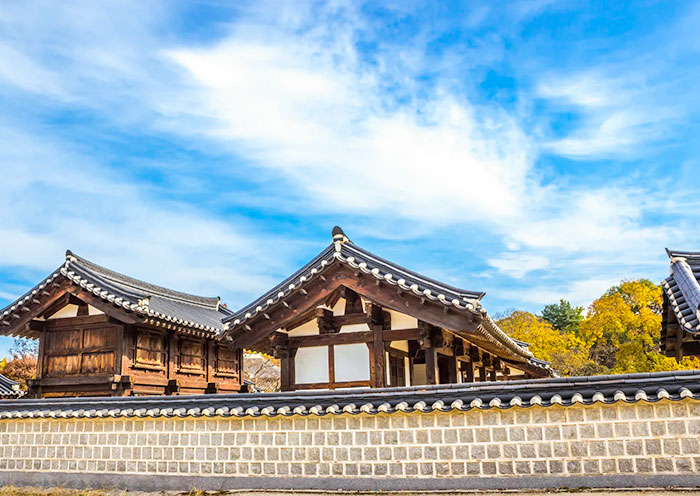
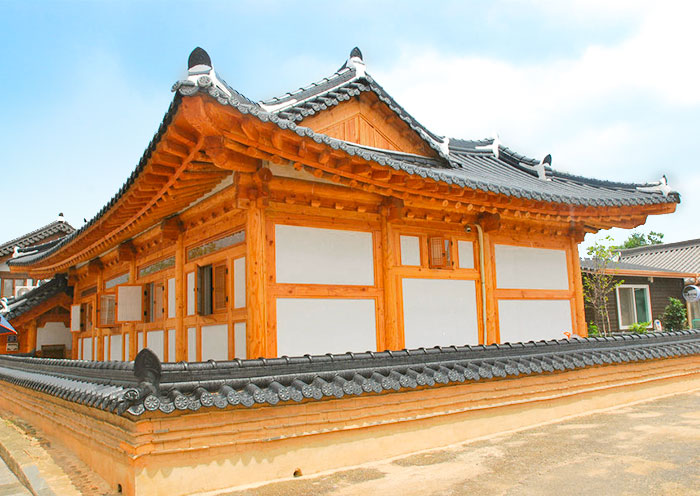
Next, visit Jeonju Hanok Village, Korea’s largest, best-preserved traditional cluster. It features 700+ authentic houses. As a "Slow City," it holds the noble elegance of the Joseon Dynasty. Walk stone alleys, enjoy local cuisine and marvel at the sweeping tiled roofs.
Enjoy the iconic Jeonju Bibimbap, a masterpiece of noble culinary tradition. Savor seasonal ingredients from Korea’s "breadbasket" arranged in five-color visual harmony.
Then, drive to Maisan. As one of Jeonbuk’s most mystical landmarks, Maisan is famed for its symmetrical twin peaks—the 687m East Peak and 681m West Peak. Resembling “Horse Ears” rising toward the sky, this rare geological marvel is legendary as a sacred descent for immortals.
Take a 10-15 minute walk from Tabsa Temple to the Maisan Mountain Observatory. From the central viewpoint, you can admire the stone pagoda clusters, the towering twin peaks, and a clear view of the distant plains.
Next, visit Tabsa Temple, a Buddhist sanctuary renowned for its mysterious stone pagodas. In the late 19th century, Master Lee Ggap-yong hand-stacked 108 pagodas—each symbolizing the release of human suffering. Remarkably built without any adhesive, these structures, some reaching over 10 meters high, have stood firm against a century of storms.
Optional Jeonju Makgeolli Crafting:
Discover the art of traditional rice wine. Hand-knead steamed rice with natural yeast. Learn ancient fermentation secrets.
Dining:Accommodation:Pace: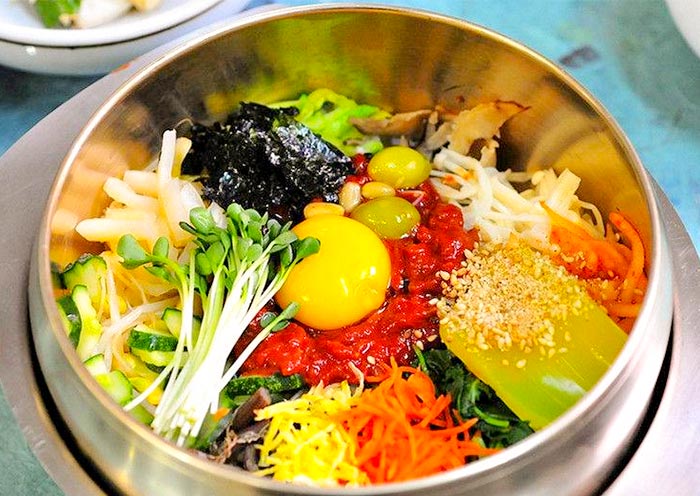
Today, drive 3 hours from Jeonju to Gyeongju.
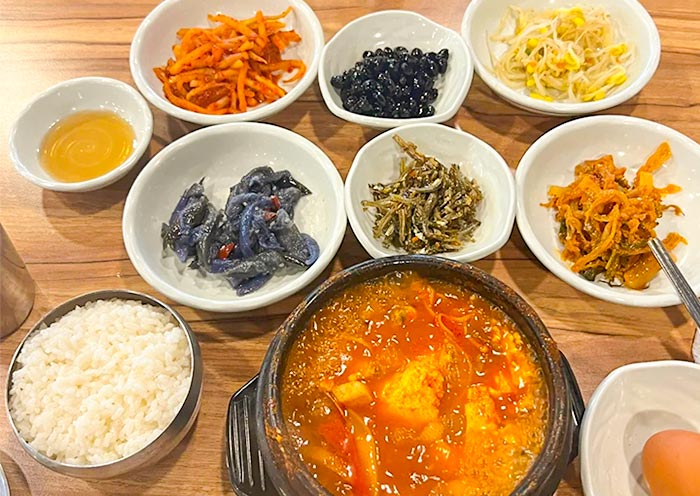
First, savor Gyeongju’s famous soft tofu, handcrafted with local soybeans. This silky, protein-rich specialty offers a delicate, nutty flavor. Enjoy traditional side dishes paired with tofu.
Then, visit the world-famous Bulguksa Temple, a UNESCO site on Mount Toham. Explore the grand Daeungjeon Hall and iconic stone pagodas that showcase Silla Dynasty devotion. Every exquisite carving and serene detail reflects Korea’s vibrant cultural history, making it a true masterpiece of Buddhist art.
Next, enter the UNESCO-listed Daereungwon Complex, home to the iconic burial mounds of ancient kings. Step inside Cheonmachong to view exquisite gold crowns and the famous "Heavenly Horse" painting. These massive earthen structures offer a fascinating glimpse into the rich heritage and artistry of the Silla era.
Then, head to Gyochon Traditional Village, a historic hub of the Gyeongju Choi clan, famed for 400 years of "noblesse oblige." Home to the prestigious Gyeongju Hyanggyo (Confucian school), it offers a glimpse into aristocratic life.
Amazing Night Tour:
As evening falls, discover the glowing Donggung Palace, a former retreat for Silla princes. Stroll along the edge of Wolji Pond, where illuminated pavilions cast shimmering reflections across the water. This artificial marvel creates a dreamlike atmosphere, offering a glimpse into the royal leisure of ancient Korea.
Later, visit the Cheomseongdae Observatory, a scientific marvel built with 365 stones to represent the days of the year. As East Asia’s oldest astronomical tower, it reveals fascinating Silla secrets. Afterward, stroll to the beautifully restored Woljeonggyo Bridge to enjoy picturesque riverside views of historic Gyeongju.
Dining:Accommodation:Pace: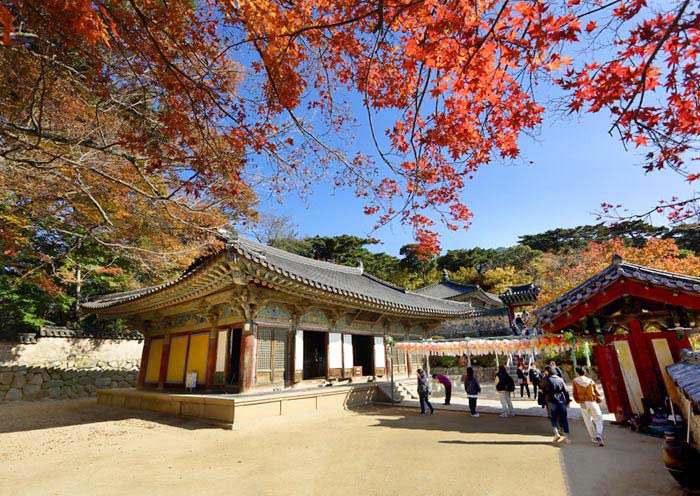
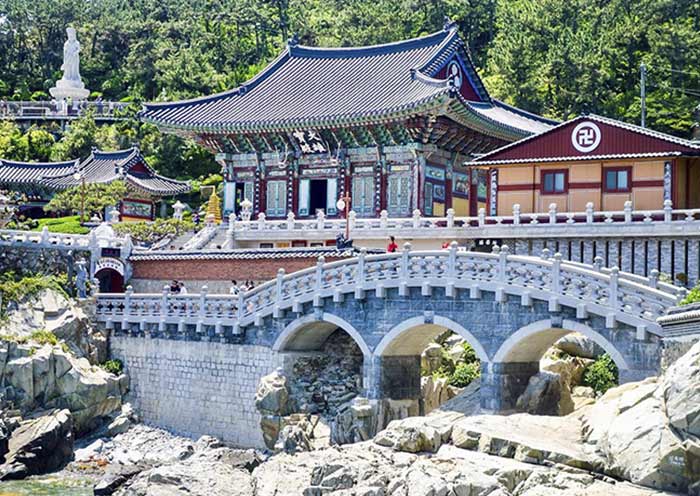
This morning, discover the Haedong Yonggungsa Temple, a rare 14th-century coastal sanctuary perched on a cliffside. Admire the twelve zodiac carvings, the main hall’s Buddha, and the Dragon King Hall. Finally, cross the sky bridge to a small island, where you can enjoy serene meditation and unrivaled panoramic views of the vast Pacific horizon.
Then, visit the Cheongsapo Daritdol Skywalk, an architectural marvel jutting out over the sea. Walking along this crescent glass bridge provides an exhilarating experience as you look through the transparent floor at the waves. It is the perfect spot for unobstructed coastal views.
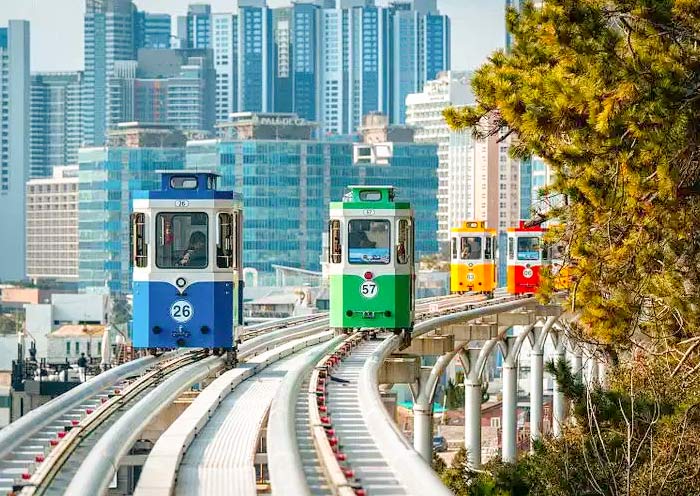
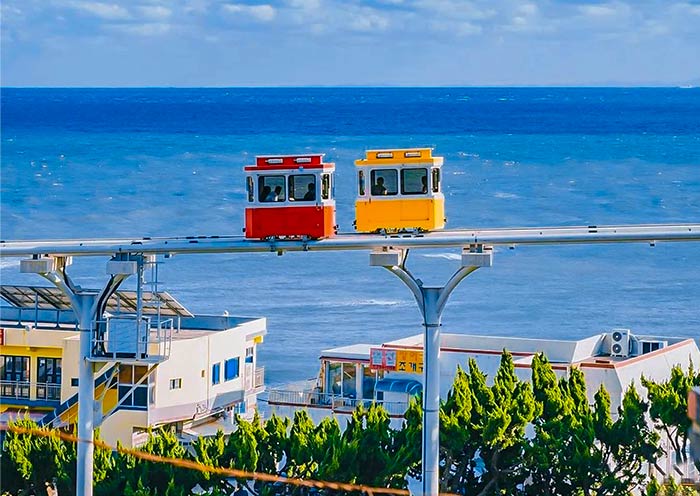
Next, board the Sky Capsule, the highlight of Busan Blueline Park. This trendy ride between Mipo and Cheongsapo offers a front-row seat to the ocean. Enjoy unobstructed views and the crisp, refreshing sea breeze flowing through the open windows of your private capsule.
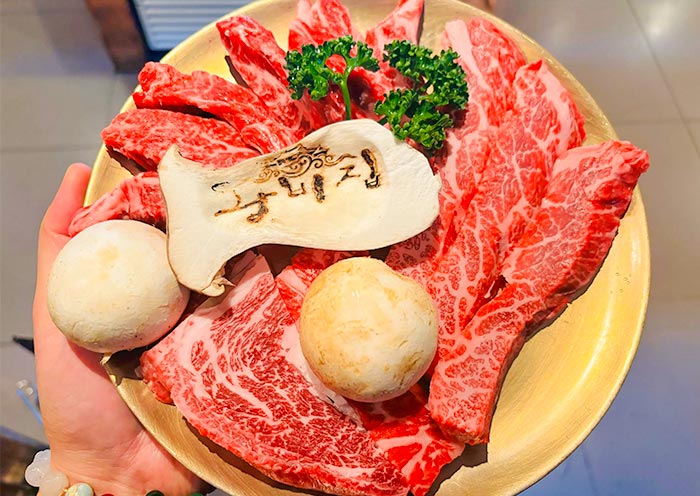
Savor premium Hanwoo, Korea’s most prized beef. Celebrated for its exquisite marbling and rich, buttery flavor, this gourmet delicacy offers an unparalleled melt-in-your-mouth experience.
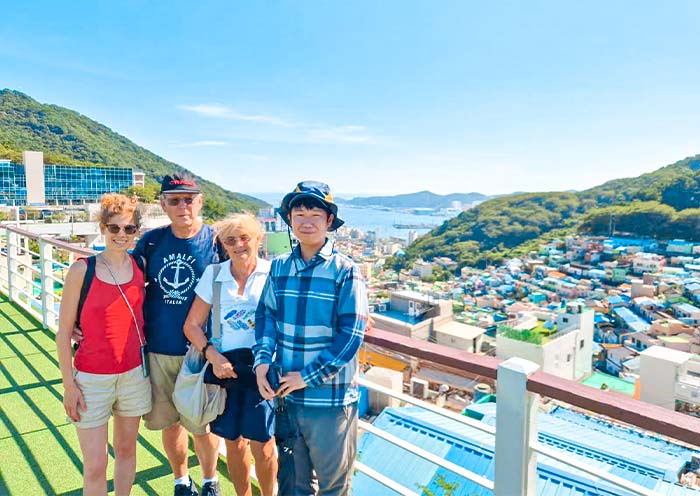
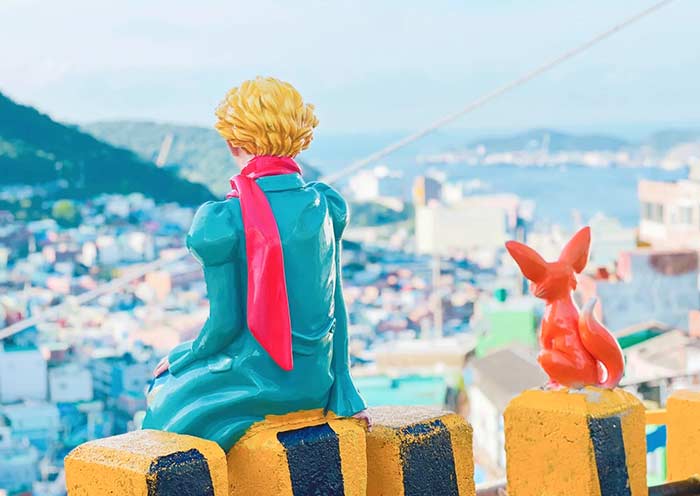
Then, explore Gamcheon Culture Village, a vibrant landmark celebrated for its colorful houses and striking street art. Navigate winding alleys to find the famous Little Prince statue, which offers incredible panoramas of the village below. End your visit at a rooftop café, where you can relax and enjoy iconic vistas of Busan’s most artistic neighborhood.
Later, explore Jagalchi Fish Market, Korea’s largest seafood hub, to sample freshly caught delicacies. Then, wander through the bustling Gukje Market, a traditional treasure trove where you can find everything from local fashion to unique Korean souvenirs.
Dining:Accommodation:Pace: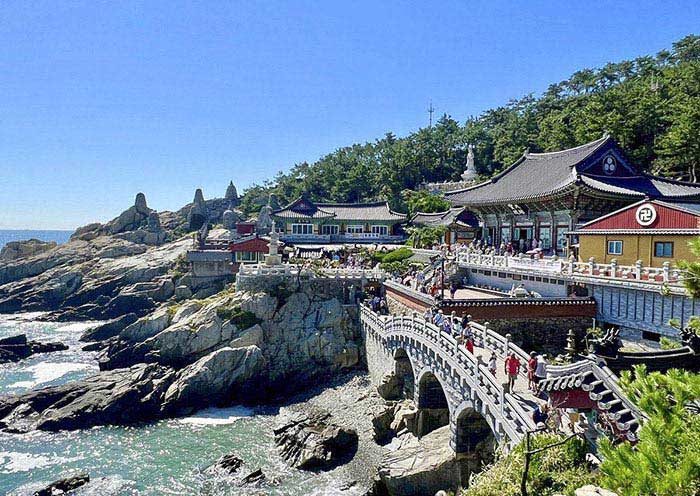
Today marks the end of your memorable 6 Days South Korea Food Tour. We will ensure you reach the airport comfortably for your next destination.
Thank you for trusting Asia Odyssey Travel with your trip—we look forward to seeing you again. Safe travels!
Dining:Accommodation:Pace:
 Guide Service Attraction Tickets Transportation Accommodation Meals Service Fee
 Visa Fees Travel Insurance Optional Tours and Activities Single Supplement Tips and Gratuities Overtime Service Fees Personal Expenses
Normally, you need to apply for a visa to visit South Korea. Typically, you would apply for a tourist visa at a South Korean embassy or consulate in your home country. However, there is also a visa-free policy for South Korea.
The country has a visa waiver program that enables nationals of certain countries to enter South Korea for tourism or short-term visits without the need for a visa in advance. Additionally, South Korea offers an Electronic Travel Authorization (ETA) system for travelers from select countries, allowing for online authorization before travel. The ETA permits stays of up to 90 days for tourism or business purposes.
For more detailed visa information regarding travel to South Korea, please reach out to our travel expert.
South Korea experiences four distinct seasons: spring, summer, autumn, and winter.
Best Time: Spring (March to May) and Autumn (September to November) are widely regarded as the best times to visit South Korea due to their mild temperatures, beautiful natural scenery (cherry blossoms in spring and fall foliage in autumn), and numerous cultural festivals.
For traveling between cities like Seoul and Gyeongju or Busan, the KTX (Korea's high-speed train) is the best option. If you're traveling from Seoul to Gyeongju with a stop in Andong, a private car is more convenient. For trips between Seoul or Busan and Jeju Island, flying is the most common and efficient way.
Language: Korean is the main language; English is limited, especially outside big cities.
Currency: Korean Won (KRW). Credit cards are accepted widely, but carry some cash for small shops.
Dining:
Hanbok: Rent traditional Korean clothing and visit Gyeongbokgung Palace for free.
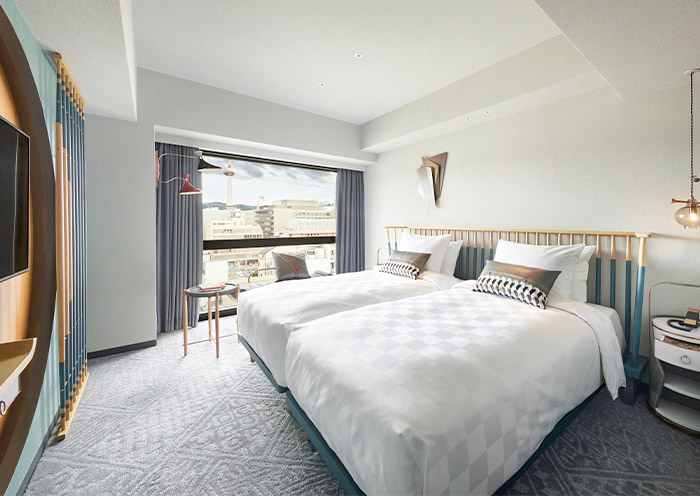
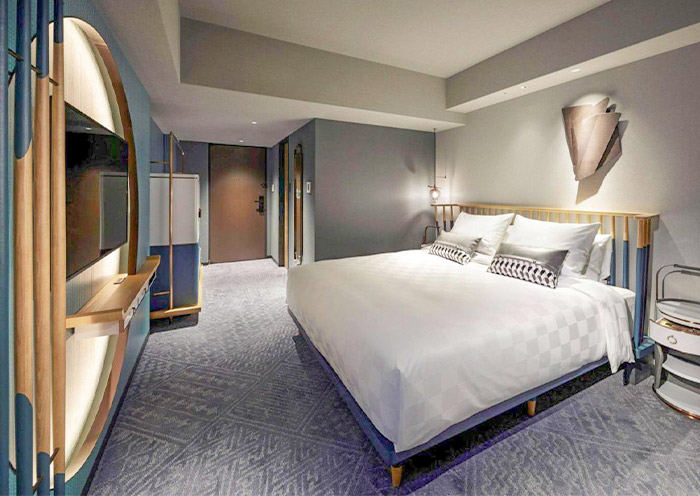
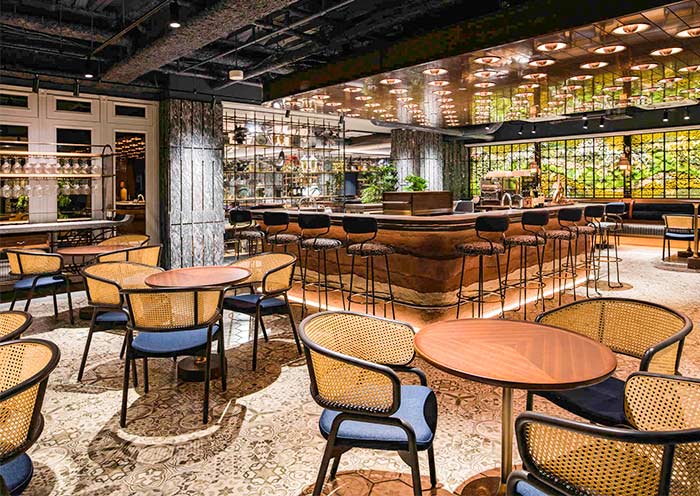
For your South Korea tour, we offer a range of accommodation options to suit various preferences and budgets: luxurious 5-star hotels, comfortable 4-star hotels, and economical 3-star hotels. Our selected hotels in South Korea, such as those in Seoul, Busan, and Jeju Island, are conveniently located close to the city center or popular tourist spots.
In Seoul: You can choose to stay in Myeongdong, Insadong, Gangnam, Itaewon, and Dongdaemun, all offering various access points to the city's main attractions.
In Busan: Popular areas include Haeundae Beach, Gwangalli Beach, and Seomyeon for easy access to both the beach and shopping/entertainment areas.
On Jeju Island: Jeju City (near the airport) and Seogwipo (near major attractions like waterfalls) are the most popular areas.
If you have any specific requirements or preferences regarding your accommodation in South Korea, please feel free to contact our travel experts.





 Data in submission...
Discover what our customers are saying about the latest South Korea Tours. Browse through their recent reviews and feedback on tour arrangements, guides, transportation, attractions, dining, hotels, and detailed itineraries to plan your own unforgettable China tour. View All Customers Reviews >>
 Tripadvisor 4.9
 4.9 | 16,674 reviews

I've always loved Korean food, but our guide, June, took us to spots we never would have found on our own. The Gwangjang Market tour in Seoul was an explosion of flavors, but the real surprise was the handmade soft tofu feast in Gyeongju. June explained the history of the dish and its links to the local temples, which made the meal even more meaningful.

We covered so much ground without ever feeling rushed. Our guide, Minji, was a fountain of knowledge, especially during our visit to Haeinsa Temple. Seeing the Tripitaka Koreana in person was a spiritual highlight I won't soon forget—the sheer history held within those wooden blocks is mind-blowing.
I also loved the contrast of the itinerary. One day we were walking through the quiet, scholarly halls of Andong, and the next we were riding the Sky Capsule in Busan overlooking the ocean. The evening at Donggung Palace in Gyeongju was like stepping into a period drama. Minji's storytelling really brought the Silla Dynasty to life for us.

As someone who has skied in the Alps, I was pleasantly surprised by the quality of the slopes and the efficiency of the resort. Our guide, Leo, handled all the equipment rentals and lift passes seamlessly, allowing us to hit the snow almost immediately upon arrival.
The highlight was definitely taking the gondola up to Dragon Peak. The panoramic views of the Pyeongchang mountains under a fresh layer of snow were breathtaking. Leo even suggested the perfect spot for hot ramyeon at the summit, which hit the spot. If you're looking for a hassle-free winter escape, this is it!

Our South Korea trip was incredible - delicious food, stunning palaces, vibrant city life in Seoul, and beautiful nature in Jeju. Friendly locals and rich culture made every moment unforgettable!
Our South Korea trip was incredible - delicious food, stunning palaces, vibrant city life in Seoul, and beautiful nature in Jeju. Friendly locals and rich culture made every moment unforgettable!


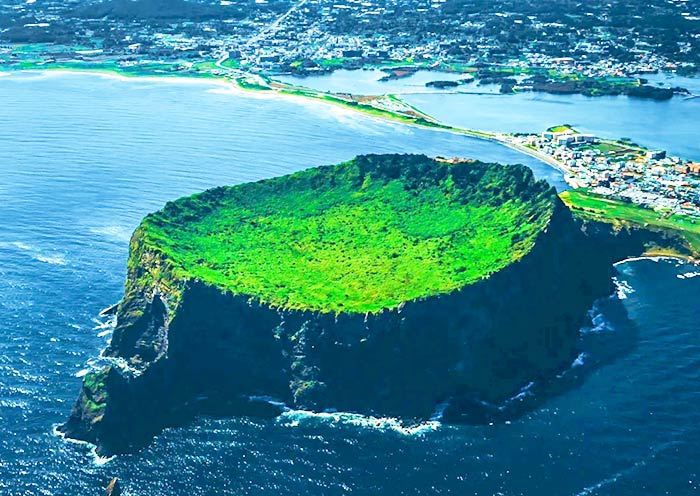
Seoul - DMZ - Andong - Gyeongju - Busan - Jeju Island
View Details
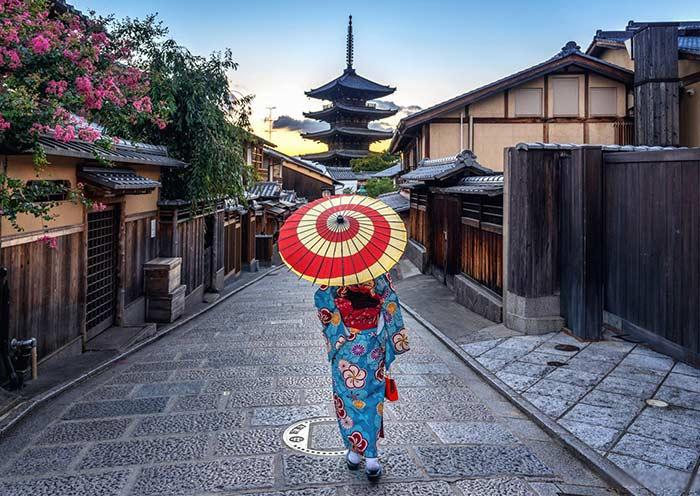
Seoul - Tokyo - Mount Fuji - Kyoto - Nara - Osaka
View Details
I've always loved Korean food, but our guide, June, took us to spots we never would have found on our own. The Gwangjang Market tour in Seoul was an explosion of flavors, but the real surprise was the handmade soft tofu feast in Gyeongju. June explained the history of the dish and its links to the local temples, which made the meal even more meaningful.
We covered so much ground without ever feeling rushed. Our guide, Minji, was a fountain of knowledge, especially during our visit to Haeinsa Temple. Seeing the Tripitaka Koreana in person was a spiritual highlight I won't soon forget—the sheer history held within those wooden blocks is mind-blowing.
I also loved the contrast of the itinerary. One day we were walking through the quiet, scholarly halls of Andong, and the next we were riding the Sky Capsule in Busan overlooking the ocean. The evening at Donggung Palace in Gyeongju was like stepping into a period drama. Minji's storytelling really brought the Silla Dynasty to life for us.
As someone who has skied in the Alps, I was pleasantly surprised by the quality of the slopes and the efficiency of the resort. Our guide, Leo, handled all the equipment rentals and lift passes seamlessly, allowing us to hit the snow almost immediately upon arrival.
The highlight was definitely taking the gondola up to Dragon Peak. The panoramic views of the Pyeongchang mountains under a fresh layer of snow were breathtaking. Leo even suggested the perfect spot for hot ramyeon at the summit, which hit the spot. If you're looking for a hassle-free winter escape, this is it!
Our South Korea trip was incredible - delicious food, stunning palaces, vibrant city life in Seoul, and beautiful nature in Jeju. Friendly locals and rich culture made every moment unforgettable!
Our South Korea trip was incredible - delicious food, stunning palaces, vibrant city life in Seoul, and beautiful nature in Jeju. Friendly locals and rich culture made every moment unforgettable!
We had 11 days in Taiwan and 5 in South Korea organized by the agency and had an excellent trip. We picked an opting for 4 people tour as we traveled with our friends. Agent (we have worked with Kiarra) provides absolutely commendable service. I'm not an easy client to deal but Kiarra was a marvel: diligent, patient, detailed oriented, keeping communication open and went beyond with assistance. Since it was only 4 of us, it allows certain flexibility with itinerary and Kiarra's suggestions and recommendations were excellent. During travel, some unexpected and unpredictable glitches were addressed very timely and we were very pleased with our trip. Definitely memorable, cultural, authentic experience that we will treasure for many years. We are planning other Asian trips and planning to utilize Asia Odyssey Tour for sure. Thank you for planning, preparing and being with other every step of this journey.
Viktoriya, Paul, Larisa and Alexander
"Our historical landmarks and islands trip in South Korea was amazing! Starting in Jeju Island, we enjoyed scenic strolls before flying to Busan for vibrant seafood markets. Gyeongju and Andong showcased rich history, and cherry blossoms in Seoul were breathtaking. A well-rounded, beautiful experience! We recommended you to come in early March"
"Our 8-day trip in South Korea was so so so great! Wearing a hanbok in Seoul was fantastic, Gyeongju's night tour at Woji Pond was enchanting, we enjoyed a beautiful night. And the temple and grottoes were awe-inspiring. Busan's seafood was fresh and delightful, and strolling through Jeju Island was the perfect relaxing end to our trip. Highly recommended!"
Seoul is a dynamic city that perfectly blends tradition with modern life. Visiting Gyeongbokgung Palace and walking through the ancient streets of Bukchon Hanok Village gave me a deep appreciation for Korea’s history. At the same time, the futuristic vibe of Dongdaemun Design Plaza and the bustling Hongdae district showed off Seoul’s modern edge. The food, culture, and energy were unmatched - there’s always something exciting happening around every corner!
Exploring Gyeongju was like stepping back into ancient Korea. The city’s historical significance is palpable, especially while wandering through the Bulguksa Temple and the Seokguram Grotto. Tumuli Park with its royal burial mounds was fascinating, and the peaceful atmosphere of Anapji Pond during sunset was unforgettable. Gyeongju is a must for history lovers - it offers a glimpse into the ancient Silla dynasty with beautiful landscapes and well-preserved heritage.
Busan offers the perfect mix of vibrant city life and stunning coastal scenery. Haeundae Beach was a great place to relax, while the lively markets, especially Jagalchi Fish Market, gave me a taste of local culture. Climbing up to Gamcheon Culture Village for panoramic views and colorful art was a highlight. Busan’s relaxed vibe, combined with its urban and natural attractions, made it a refreshing contrast to other cities in Korea.