+852 5394 6901
 Take China Group Tours in 2026/2027 to enjoy 30% discount compared to private tour. Same Experience & Lowest Price! Check China Group Deals >>Take China Group Tours in 2026/2027 to enjoy 30% discount compared to private tour. Same Experience & Lowest Price! Check China Group Deals >>
Want a South Korea tour that satisfies all your senses? Our 8 Days Western Korea Tour heads from Seoul all the way to Jeju.
This trip is a great fit for all generations (seniors & kids friendly). Listen to stories of Seoul's ancient palaces and the modern peace of the DMZ. Touch the thousand-year-old stones of Gongsanseong Fortress in Gongju. Taste the famous Jeonju Bibimbap, a masterpiece of flavors and textures. See the massive volcanic crater of Seongsan Ilchulbong and the dramatic contrast between black rocks and the azure ocean on Jeju island.
Experience the best of every city. Join Asia Odyssey Travel—your trusted partner for expert advice and transparent pricing!


 View Destinations

| Day | Place | Highlights |
|---|---|---|
| 1-2 | Seoul | Gyeongbokgung Palace, Bukchon Hanok Village, Jogyesa Temple, Insadong Art and Antique Street, Gwangjang Food Market |
| 3 | DMZ | Imjingak Park, Freedom Bridge, 3rd Infiltration Tunnel, DMZ Theater and Exhibition Hall, Dora Observatory; Hongdae Shopping Area |
| 4 | Gongju | Gongsanseong Fortress, Muryeongwangneung Tomb of King Muryeong, Bibimbap Dinner |
| 5 | Jeonju | Tabsa Temple, Maisan Mountain Observatory, Gyeonggijeon Shrine, Jeonju Hanok Village |
| 6-8 | Jeju Island | Manjanggul Lava Tube, Women Diver’s Museum, Seongsan Ilchulbong, Jeju Mystery Road, Hyeopjae Beach, ARTE Museum, O’sulloc Tea Museum, Jusangjeolli Cliff, Cheonjiyeon Falls |

 Seoul
Seoul DMZGongjuJeonju
 Jeju Island
Welcome to Seoul! Upon your arrival at Incheon International Airport, our team will meet you at the exit for a comfortable transfer to your hotel. Take the evening to relax and recharge, ensuring you are ready for your Seoul exploration starting tomorrow.
Your journey begins in Seoul, a dynamic metropolis where ancient palaces meet modern skyscrapers. If arriving early, explore at your leisure to see how centuries-old traditions blend with cutting-edge urban life in this fascinating capital nestled along the Han River basin.
 Dining:
 Accommodation:
 Pace:
Pace: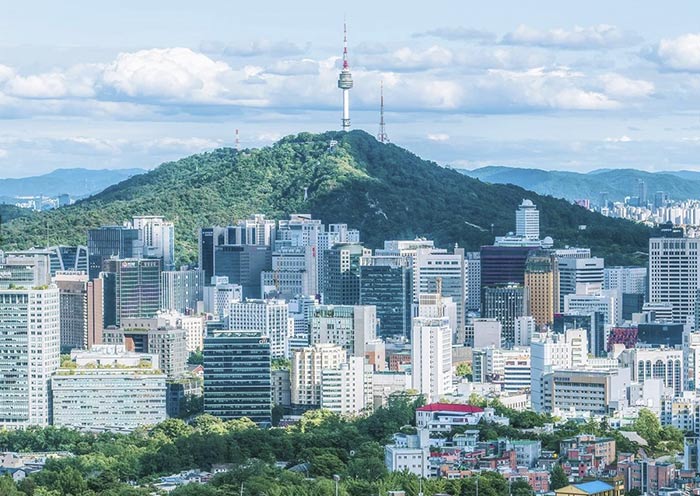
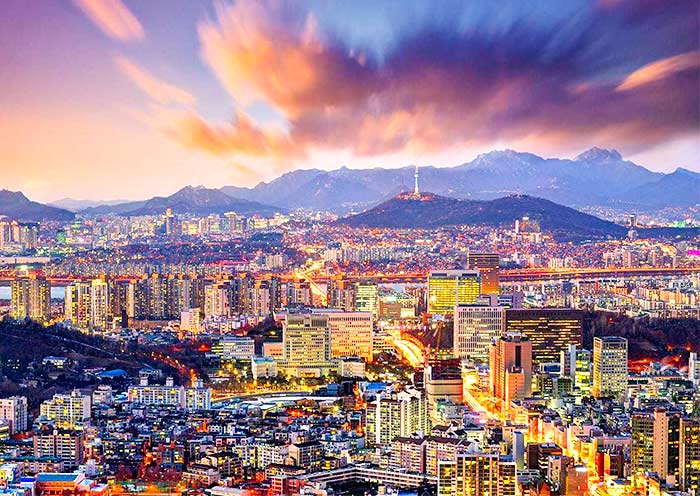
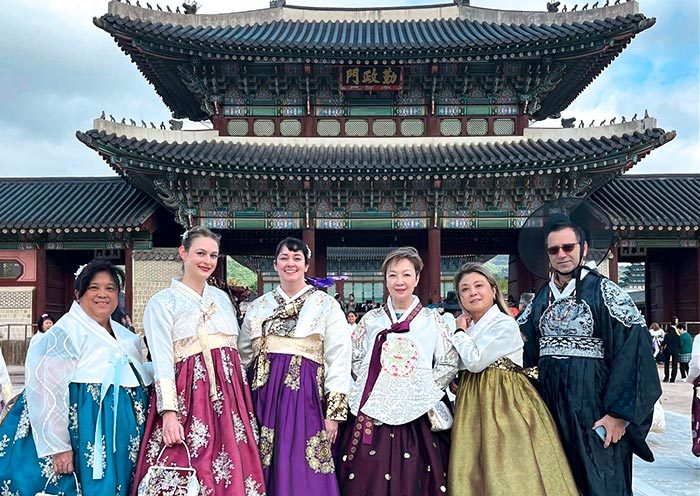
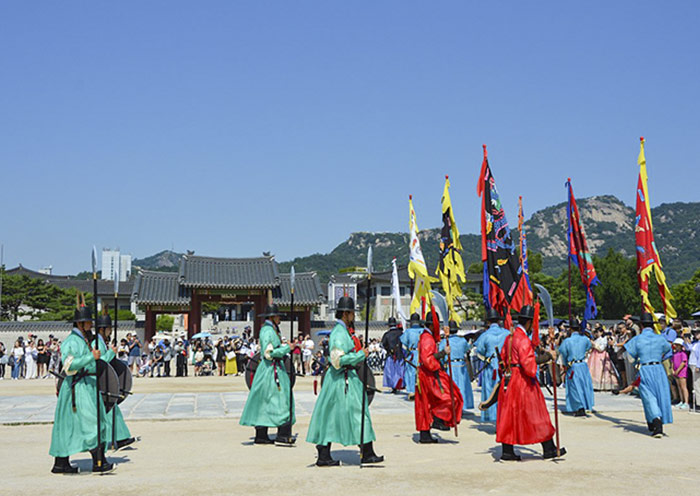
Today, visit Gyeongbokgung Palace, a stunning 1395 masterpiece of Joseon architecture. Your guide will lead you past Gwanghwamun Gate to the majestic throne hall, the queen’s private quarters, and the tranquil Hyangwonjeong pavilion. Immerse yourself in history by wearing a traditional Hanbok (Optional) or watching the colorful Changing of the Guard (10:00 or 14:00). Note that the palace remains closed on Tuesdays.
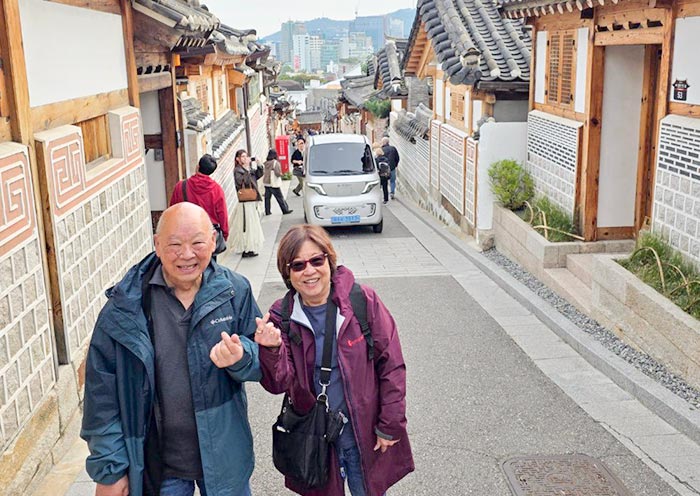
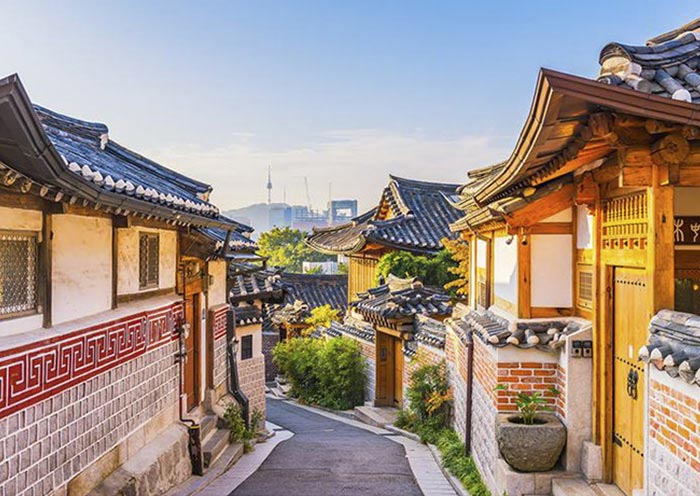
Next, wander through Bukchon Hanok Village, where beautifully preserved homes showcase the elegance of the Joseon era. Originally a district for nobility, its scenic alleys are filled with traditional architecture and quaint teahouses. This historic neighborhood offers a unique glimpse into the authentic lifestyle of the past, making it a perfect spot to experience Korea’s enduring cultural heritage.
Escape the bustle at Jogyesa Temple, the historic headquarters of Korean Buddhism. Founded in 1395, this serene sanctuary offers a peaceful space to explore ancient traditions. Gain a deeper understanding of local culture while enjoying the tranquil atmosphere of this sacred site.
Later, visit Insadong Art and Antique Street, renowned for its vibrant cultural scene and traditional Korean crafts. Browse a vast array of fine art, including paintings, ceramics, and sculptures. You may also catch live street performances featuring traditional music and dance. For a deeper immersion, consider an optional tea ceremony, a Zen ritual where you can savor authentic green or citron tea in a peaceful setting.
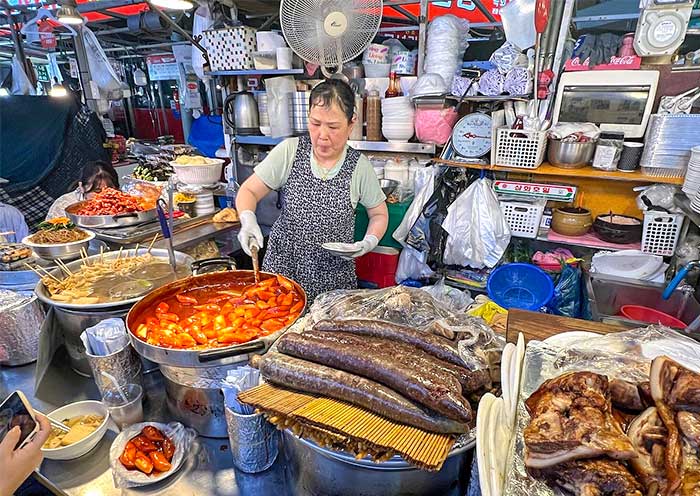
After that, dive into Gwangjang Food Market, a culinary paradise for authentic street food. Savor popular local favorites like mung bean pancakes, spicy rice cakes, and mayak gimbap.
Optional Night Tour:
Ascend to N Seoul Tower via cable car for sweeping city vistas, or visit Yeouido Hangang Park to lounge by the river. Savor chicken and beer (self-paid) while taking in the glowing city lights reflecting on the Hangang.
Return to your hotel in Seoul.
Dining:Accommodation:Pace:
This day, explore the Korean DMZ, the world's most fortified border. This compelling excursion takes you into a landscape shaped by history, offering a profound look at the enduring hope for peace and reunification.
Leave Seoul behind to explore Imjingak Park, a site defined by time and conflict. Walk across the iconic Freedom Bridge, a symbolic landmark where you can reflect on the historic struggle for freedom while standing on these sacred, storied grounds.
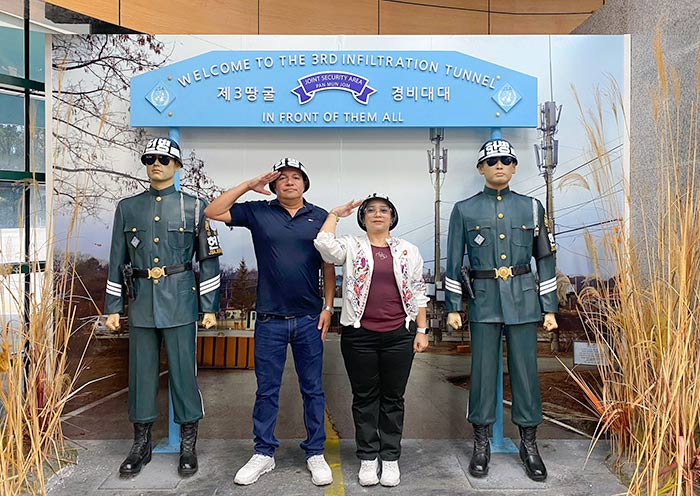
Descend into the 3rd Infiltration Tunnel, a stark physical reminder of the peninsula's divide. After exploring the DMZ Theater’s powerful historical exhibits, stand atop the Dora Observatory. From here, peer across the border at the mysterious landscapes of North Korea, a territory defined by secrecy and suspense.
Conclude at Dorasan Station, a powerful symbol of hope and the final frontier before national reunification.
Return to Seoul to explore Hongdae, a trendy district famous for its youthful energy and vibrant nightlife. Discover independent boutiques, shop at unique cosmetic stores, and sample delicious street food while soaking in the creative and spirited atmosphere of this iconic neighborhood.
Stay overnight in Seoul.
Dining:Accommodation:Pace: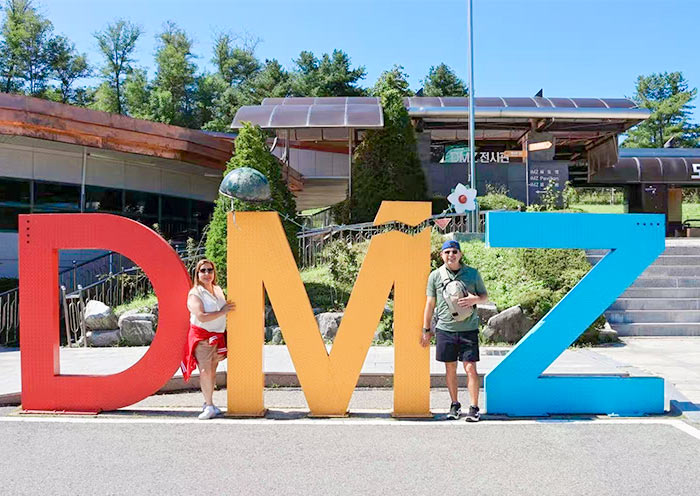
After breakfast, drive 2 hours from Seoul to Gongju. Gongju, a Baekje ancient capital, is a UNESCO World Heritage site in central Korea, celebrated for its imperial fortresses and royal tombs that define Korea's early history.
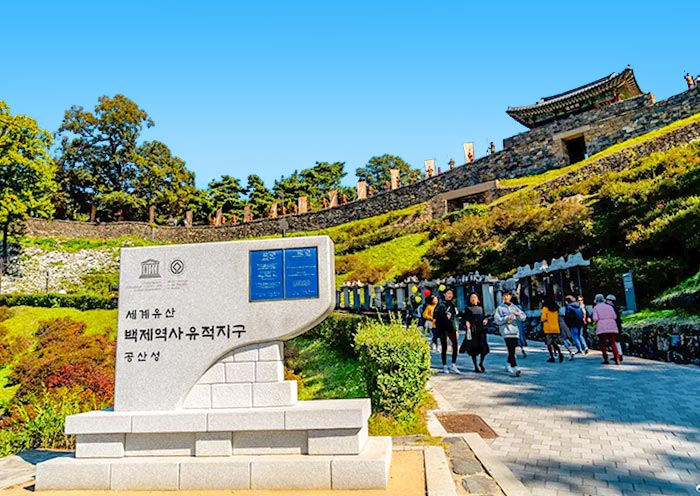
First, visit Gongsanseong Fortress. Located in central Korea, it is a UNESCO World Heritage site and the strategic heart of the Baekje Kingdom. As a royal residence and defensive stronghold, it showcases the zenith of ancient East Asian fortress architecture.
The 2.6km stone wall winds along the mountain ridges, with its iconic South Gate reflecting regal military grandeur. Visitors can walk the ramparts for breathtaking views of Gongju city and the Geumgang River. At the summit, the Royal Palace site preserves the majestic scale of this ancient civilization's golden age.
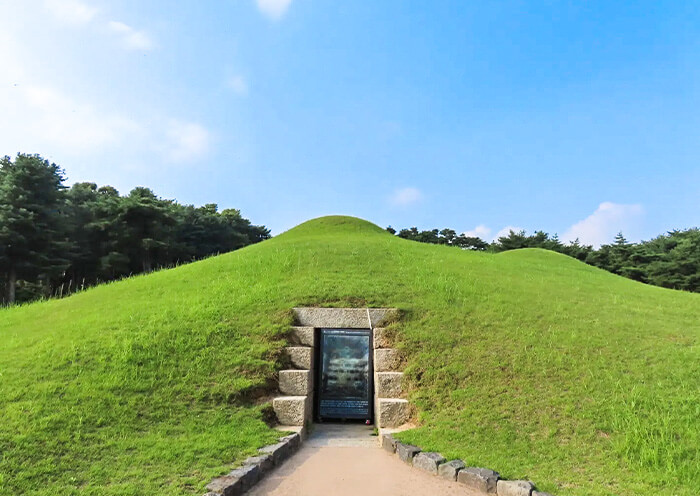
Next, head to nearby Muryeongwangneung Tomb of King Muryeong. As a core UNESCO World Heritage site, the Royal Tomb of King Muryeong is the only Baekje tomb with a confirmed identity. You can explore a 1:1 scale replica of the brick-vaulted chamber and view exquisite golden artifacts, including iconic earrings and regalia, showcasing the pinnacle of ancient artistry.
After that, drive 1.5 hours to Jeonju. Enjoy an iconic Jeonju Bibimbap Dinner. It features local bean sprouts and seasoned raw beef paired with over 30 colorful seasonal vegetables and a signature secret sauce.
Dining:Accommodation:Pace: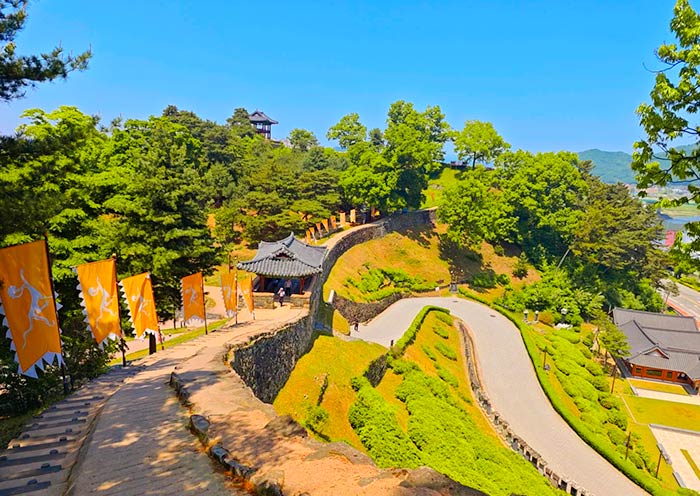
Today, visit Maisan, a sacred site known for its iconic Horse Ear peaks. These symmetrical summits create a mystical silhouette against the sky. As a unique geological wonder, the mountain is celebrated in local folklore as a heavenly gateway for immortal beings.
Then, visit the valley's Tapsa Temple, home to extraordinary stone pagodas crafted by Master Lee Ggap-yong. These 108 monuments, representing the end of human suffering, were incredibly assembled without any mortar or glue. Despite their impressive height, these hand-stacked towers have remained unshaken by strong winds and storms for over a hundred years.
Next, enjoy a 10-15 minute walk walk from Tapsa Temple to the Maisan Mountain Observatory. From this central vantage point, admire the unique pagoda clusters, the majestic twin peaks, and sweeping views of the distant plains stretching toward the horizon.
Next, visit Gyeonggijeon Shrine, the spiritual heart of the Joseon Dynasty established in 1410. It houses the unique founding portrait of King Taejo. With its elegant stone-walled paths and iconic red-lacquered gates, the shrine serves as a famed filming location for beloved Korean period dramas, blending royal history with cinematic beauty.
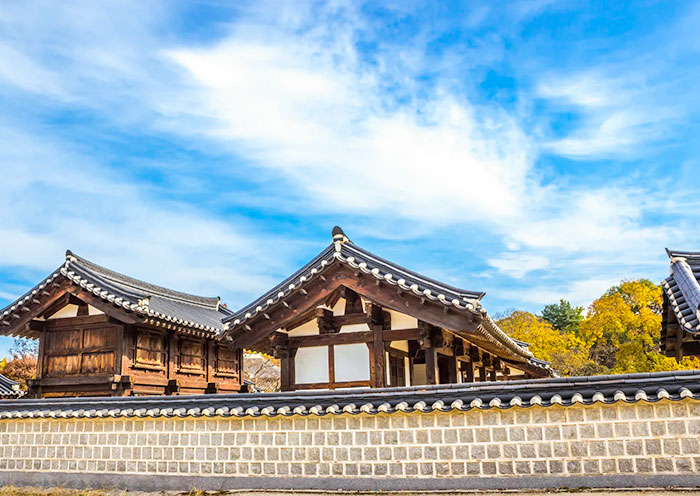
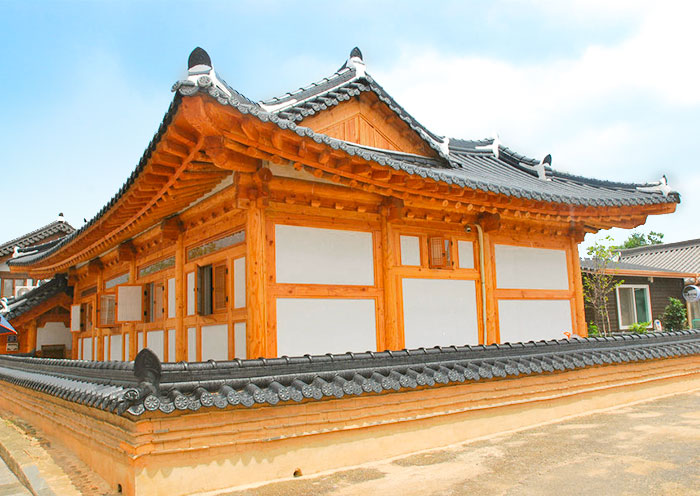
Conclude your day at Jeonju Hanok Village, Korea’s largest cluster of 700+ traditional houses. As a designated "Slow City," it preserves the noble elegance of the Joseon era. Wander stone alleys, enjoy authentic local cuisine, and marvel at the sweeping tiled roofs.
Dining:Accommodation:Pace: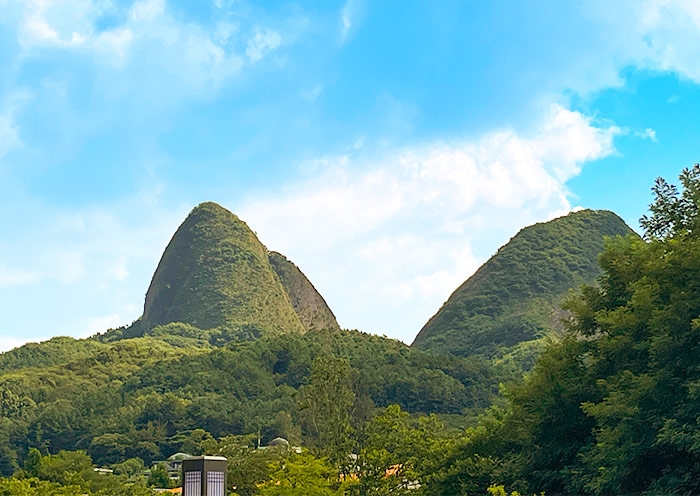
Today, travel to Jeju Island, a volcanic paradise just an hour away by air. This UNESCO-listed destination is world-renowned for its lava tube systems and striking coastal landscapes. Perfect for both nature enthusiasts and those seeking beach relaxation, the island showcases the incredible power of volcanic activity, preserved within a lush and captivating island setting.
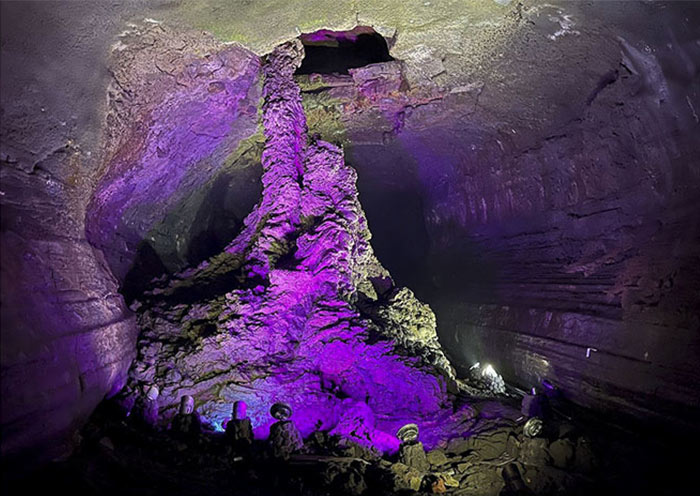
Upon arrival at Jeju’s airport, meet local staff and head to Manjanggul Lava Tube, one of the world's longest and best-preserved volcanic tunnels. Spanning 7.5 kilometers (4.6 miles), this site features incredible lava flows and stalactites. Explore these unique formations to gain fascinating insights into the island’s ancient prehistoric and volcanic origins.
Note: Since Manjanggul Cave is closed for repairs, explore Jeju Sunrise Land. It offers the Micheon-gul Lava Tube, vibrant botanical gardens, and authentic traditional village replicas.
Next, discover Women Diver’s Museum, dedicated to the legendary Haenyeo. These remarkable women harvest seafood without any breathing apparatus. The museum provides an intimate look at their unique culture, daily lives, and traditional tools. Learn how these divers have sustained a thriving fishing industry across Jeju for generations, preserving a legacy recognized for its extraordinary resilience.
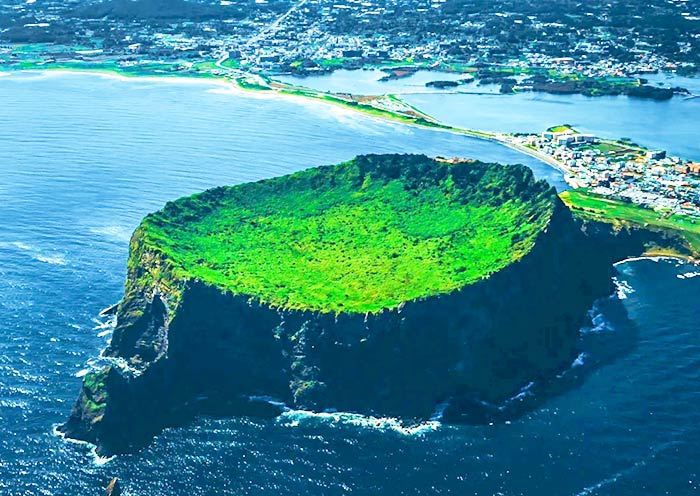
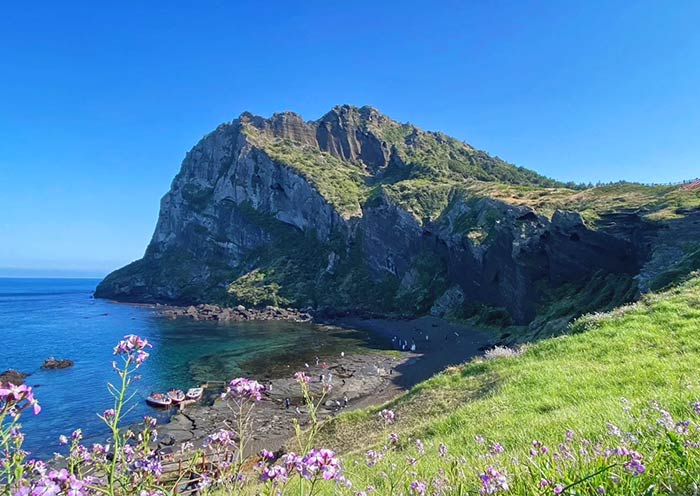
Then, visit Seongsan Ilchulbong (Sunrise Peak), a stunning UNESCO-listed landmark formed by ancient volcanic eruptions. This dramatic tuff cone features a vast crater at its summit, surrounded by jagged rocks that look like a crown. It stands as a geographic masterpiece on the eastern coast of Jeju Island.
Stay overnight in Jeju Island.
Dining:Accommodation:Pace: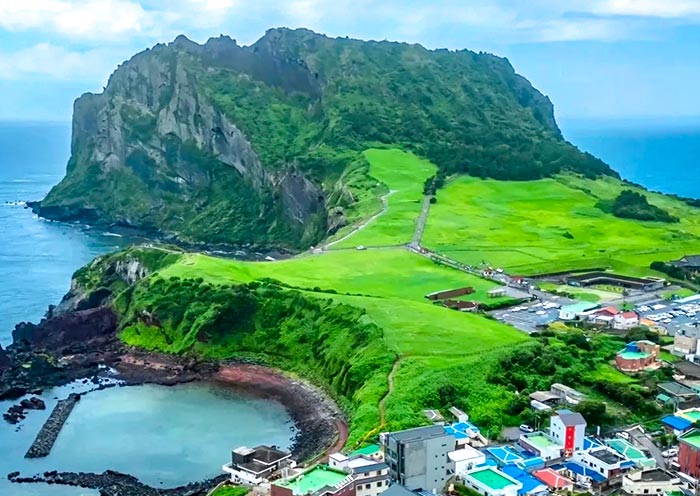
First, visit the famous Mystery Road to witness an incredible optical illusion. Watch cars seemingly defy gravity by gliding uphill, making this "mysterious" landmark a uniquely entertaining stop on Jeju.
Second, visit Hyeopjae Beach, Jeju’s clearest coastline, famous for vibrant azure waters and coral sands. Admire Biyangdo Island while the gentle sea breeze provides a soul-soothing coastal escape.
Third, discover ARTE Museum Jeju, a digital sanctuary of light and sound. Wander through ten stunning nature-themed galleries and use your camera to capture the ethereal beauty of this immersive artistic journey.
Visit the iconic O’sulloc Tea Museum to immerse yourself in traditional tea heritage. After learning about its evolution, admire the massive organic plantations, which offer lush, panoramic views across a vast, emerald-green landscape.
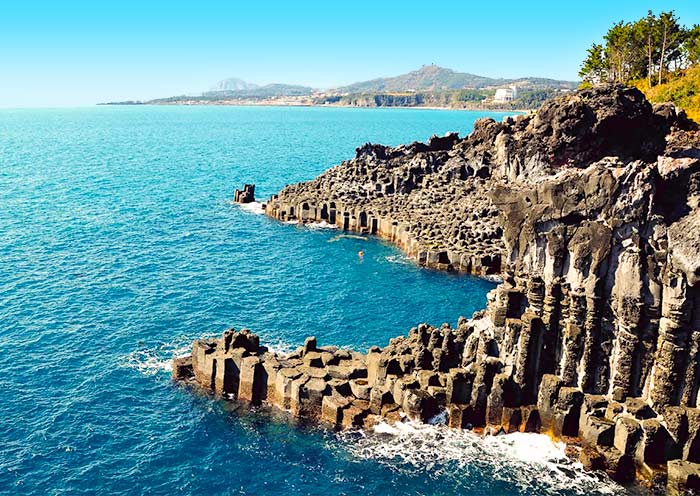
Witness the Jusangjeolli Cliff, a cultural monument famous for its hexagonal stone pillars. Formed by ancient eruptions, these unique formations offer a spectacular view against the crashing ocean waves.
Visit Cheonjiyeon Falls to witness water cascading amidst vibrant subtropical flora. A leisurely walk leads you to this scenic landmark, where you can enjoy the cool mist and tranquil atmosphere of the falls.
After the tour, be escorted back to your hotel on Jeju Island.
Dining:Accommodation:Pace: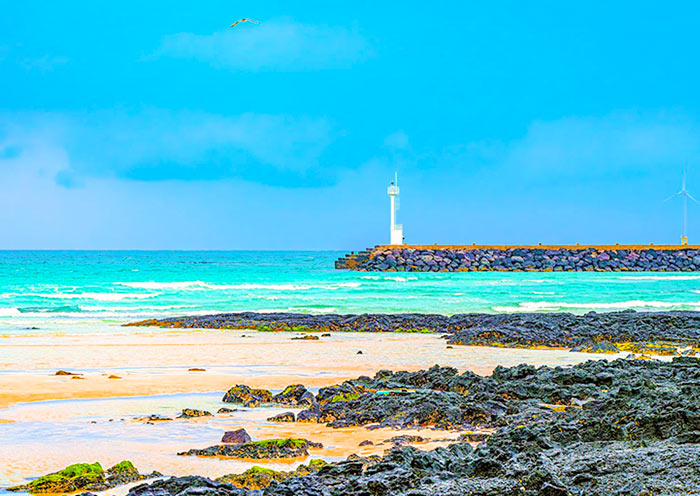
Today marks the end of your 8 Days Western Korea Tour. After a seamless escorted transfer to the airport, you can catch direct flights to various international and domestic destinations.
Thank you for letting Asia Odyssey Travel host your stay. We are committed to exceptional travel experiences and wish you a safe journey home until we meet again on your next trip!
Dining:Accommodation:Pace:
 Guide Service Attraction Tickets Transportation Accommodation Meals Service Fee
 Visa Fees Travel Insurance Optional Tours and Activities Single Supplement Tips and Gratuities Overtime Service Fees Personal Expenses
Normally, you need to apply for a visa to visit South Korea. Typically, you would apply for a tourist visa at a South Korean embassy or consulate in your home country. However, there is also a visa-free policy for South Korea.
The country has a visa waiver program that enables nationals of certain countries to enter South Korea for tourism or short-term visits without the need for a visa in advance. Additionally, South Korea offers an Electronic Travel Authorization (ETA) system for travelers from select countries, allowing for online authorization before travel. The ETA permits stays of up to 90 days for tourism or business purposes.
For more detailed visa information regarding travel to South Korea, please reach out to our travel expert.
South Korea experiences four distinct seasons: spring, summer, autumn, and winter.
Best Time: Spring (March to May) and Autumn (September to November) are widely regarded as the best times to visit South Korea due to their mild temperatures, beautiful natural scenery (cherry blossoms in spring and fall foliage in autumn), and numerous cultural festivals.
For traveling between cities like Seoul and Gyeongju or Busan, the KTX (Korea's high-speed train) is the best option. If you're traveling from Seoul to Gyeongju with a stop in Andong, a private car is more convenient. For trips between Seoul or Busan and Jeju Island, flying is the most common and efficient way.
Language: Korean is the main language; English is limited, especially outside big cities.
Currency: Korean Won (KRW). Credit cards are accepted widely, but carry some cash for small shops.
Dining:
Hanbok: Rent traditional Korean clothing and visit Gyeongbokgung Palace for free.
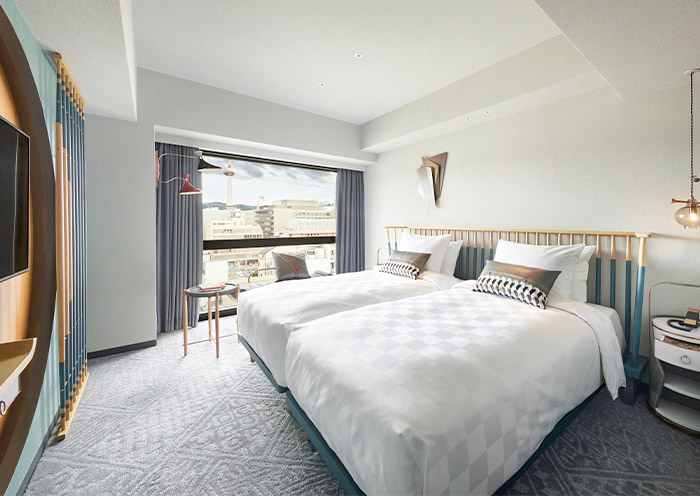
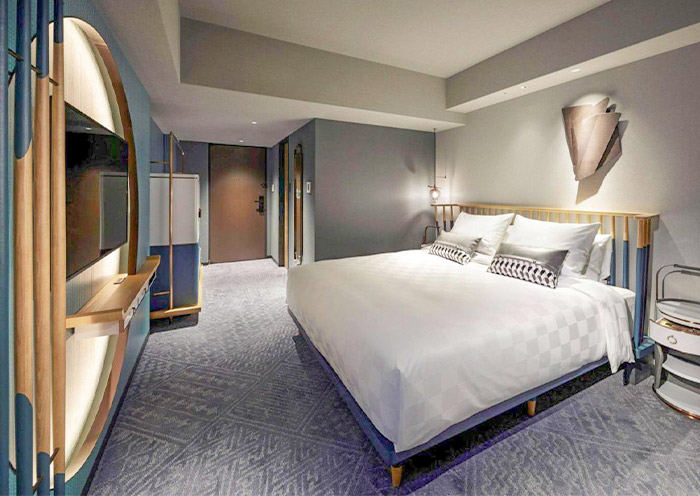
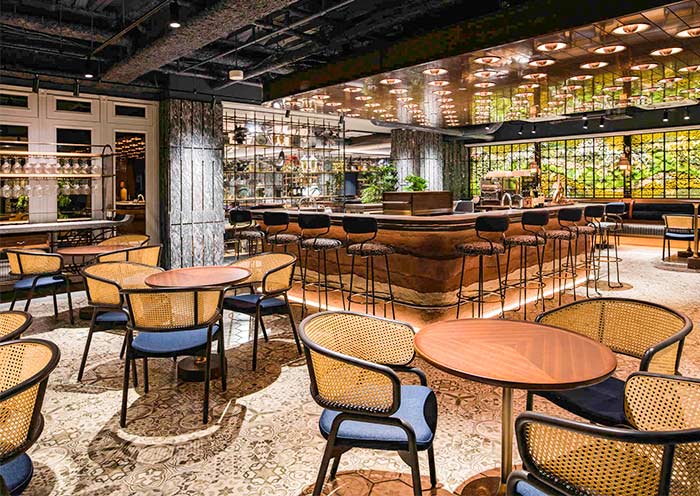
For your South Korea tour, we offer a range of accommodation options to suit various preferences and budgets: luxurious 5-star hotels, comfortable 4-star hotels, and economical 3-star hotels. Our selected hotels in South Korea, such as those in Seoul, Busan, and Jeju Island, are conveniently located close to the city center or popular tourist spots.
In Seoul: You can choose to stay in Myeongdong, Insadong, Gangnam, Itaewon, and Dongdaemun, all offering various access points to the city's main attractions.
In Busan: Popular areas include Haeundae Beach, Gwangalli Beach, and Seomyeon for easy access to both the beach and shopping/entertainment areas.
On Jeju Island: Jeju City (near the airport) and Seogwipo (near major attractions like waterfalls) are the most popular areas.
If you have any specific requirements or preferences regarding your accommodation in South Korea, please feel free to contact our travel experts.





 Data in submission...
Discover what our customers are saying about the latest South Korea Tours. Browse through their recent reviews and feedback on tour arrangements, guides, transportation, attractions, dining, hotels, and detailed itineraries to plan your own unforgettable China tour. View All Customers Reviews >>
 Tripadvisor 4.9
 4.9 | 16,674 reviews

I've always loved Korean food, but our guide, June, took us to spots we never would have found on our own. The Gwangjang Market tour in Seoul was an explosion of flavors, but the real surprise was the handmade soft tofu feast in Gyeongju. June explained the history of the dish and its links to the local temples, which made the meal even more meaningful.

We covered so much ground without ever feeling rushed. Our guide, Minji, was a fountain of knowledge, especially during our visit to Haeinsa Temple. Seeing the Tripitaka Koreana in person was a spiritual highlight I won't soon forget—the sheer history held within those wooden blocks is mind-blowing.
I also loved the contrast of the itinerary. One day we were walking through the quiet, scholarly halls of Andong, and the next we were riding the Sky Capsule in Busan overlooking the ocean. The evening at Donggung Palace in Gyeongju was like stepping into a period drama. Minji's storytelling really brought the Silla Dynasty to life for us.

As someone who has skied in the Alps, I was pleasantly surprised by the quality of the slopes and the efficiency of the resort. Our guide, Leo, handled all the equipment rentals and lift passes seamlessly, allowing us to hit the snow almost immediately upon arrival.
The highlight was definitely taking the gondola up to Dragon Peak. The panoramic views of the Pyeongchang mountains under a fresh layer of snow were breathtaking. Leo even suggested the perfect spot for hot ramyeon at the summit, which hit the spot. If you're looking for a hassle-free winter escape, this is it!

Our South Korea trip was incredible - delicious food, stunning palaces, vibrant city life in Seoul, and beautiful nature in Jeju. Friendly locals and rich culture made every moment unforgettable!
Our South Korea trip was incredible - delicious food, stunning palaces, vibrant city life in Seoul, and beautiful nature in Jeju. Friendly locals and rich culture made every moment unforgettable!


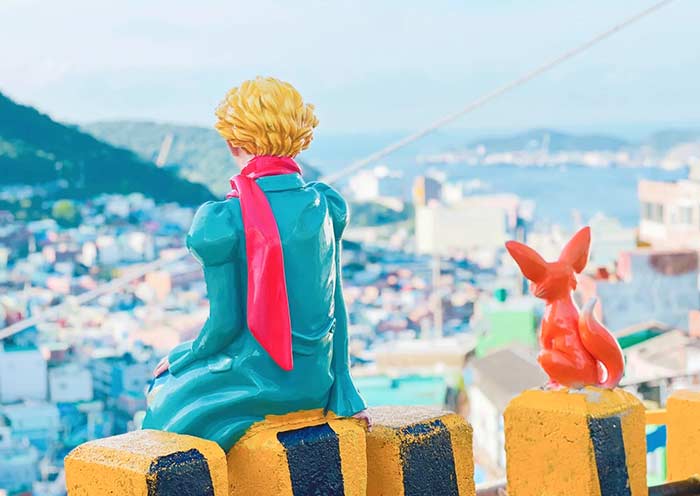
Seoul - DMZ - Andong - Gyeongju - Busan - Jeju Island
View Details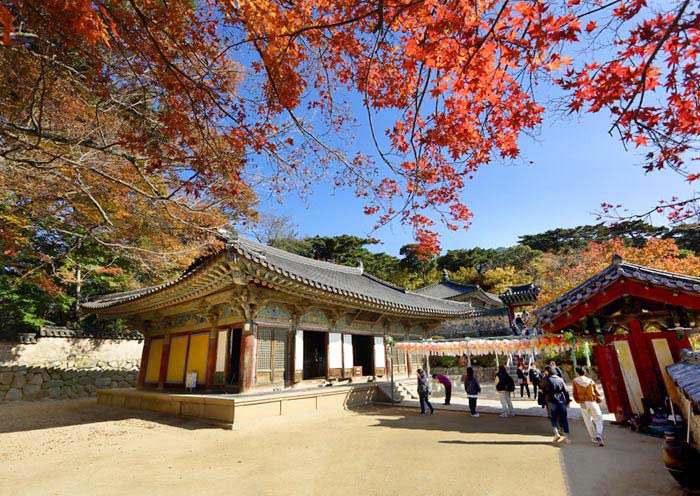
Seoul - Tokyo - Mount Fuji - Kyoto - Nara - Osaka
View Details
I've always loved Korean food, but our guide, June, took us to spots we never would have found on our own. The Gwangjang Market tour in Seoul was an explosion of flavors, but the real surprise was the handmade soft tofu feast in Gyeongju. June explained the history of the dish and its links to the local temples, which made the meal even more meaningful.
We covered so much ground without ever feeling rushed. Our guide, Minji, was a fountain of knowledge, especially during our visit to Haeinsa Temple. Seeing the Tripitaka Koreana in person was a spiritual highlight I won't soon forget—the sheer history held within those wooden blocks is mind-blowing.
I also loved the contrast of the itinerary. One day we were walking through the quiet, scholarly halls of Andong, and the next we were riding the Sky Capsule in Busan overlooking the ocean. The evening at Donggung Palace in Gyeongju was like stepping into a period drama. Minji's storytelling really brought the Silla Dynasty to life for us.
As someone who has skied in the Alps, I was pleasantly surprised by the quality of the slopes and the efficiency of the resort. Our guide, Leo, handled all the equipment rentals and lift passes seamlessly, allowing us to hit the snow almost immediately upon arrival.
The highlight was definitely taking the gondola up to Dragon Peak. The panoramic views of the Pyeongchang mountains under a fresh layer of snow were breathtaking. Leo even suggested the perfect spot for hot ramyeon at the summit, which hit the spot. If you're looking for a hassle-free winter escape, this is it!
Our South Korea trip was incredible - delicious food, stunning palaces, vibrant city life in Seoul, and beautiful nature in Jeju. Friendly locals and rich culture made every moment unforgettable!
Our South Korea trip was incredible - delicious food, stunning palaces, vibrant city life in Seoul, and beautiful nature in Jeju. Friendly locals and rich culture made every moment unforgettable!
We had 11 days in Taiwan and 5 in South Korea organized by the agency and had an excellent trip. We picked an opting for 4 people tour as we traveled with our friends. Agent (we have worked with Kiarra) provides absolutely commendable service. I'm not an easy client to deal but Kiarra was a marvel: diligent, patient, detailed oriented, keeping communication open and went beyond with assistance. Since it was only 4 of us, it allows certain flexibility with itinerary and Kiarra's suggestions and recommendations were excellent. During travel, some unexpected and unpredictable glitches were addressed very timely and we were very pleased with our trip. Definitely memorable, cultural, authentic experience that we will treasure for many years. We are planning other Asian trips and planning to utilize Asia Odyssey Tour for sure. Thank you for planning, preparing and being with other every step of this journey.
Viktoriya, Paul, Larisa and Alexander
"Our historical landmarks and islands trip in South Korea was amazing! Starting in Jeju Island, we enjoyed scenic strolls before flying to Busan for vibrant seafood markets. Gyeongju and Andong showcased rich history, and cherry blossoms in Seoul were breathtaking. A well-rounded, beautiful experience! We recommended you to come in early March"
"Our 8-day trip in South Korea was so so so great! Wearing a hanbok in Seoul was fantastic, Gyeongju's night tour at Woji Pond was enchanting, we enjoyed a beautiful night. And the temple and grottoes were awe-inspiring. Busan's seafood was fresh and delightful, and strolling through Jeju Island was the perfect relaxing end to our trip. Highly recommended!"
Seoul is a dynamic city that perfectly blends tradition with modern life. Visiting Gyeongbokgung Palace and walking through the ancient streets of Bukchon Hanok Village gave me a deep appreciation for Korea’s history. At the same time, the futuristic vibe of Dongdaemun Design Plaza and the bustling Hongdae district showed off Seoul’s modern edge. The food, culture, and energy were unmatched - there’s always something exciting happening around every corner!
Exploring Gyeongju was like stepping back into ancient Korea. The city’s historical significance is palpable, especially while wandering through the Bulguksa Temple and the Seokguram Grotto. Tumuli Park with its royal burial mounds was fascinating, and the peaceful atmosphere of Anapji Pond during sunset was unforgettable. Gyeongju is a must for history lovers - it offers a glimpse into the ancient Silla dynasty with beautiful landscapes and well-preserved heritage.
Busan offers the perfect mix of vibrant city life and stunning coastal scenery. Haeundae Beach was a great place to relax, while the lively markets, especially Jagalchi Fish Market, gave me a taste of local culture. Climbing up to Gamcheon Culture Village for panoramic views and colorful art was a highlight. Busan’s relaxed vibe, combined with its urban and natural attractions, made it a refreshing contrast to other cities in Korea.