+852 5394 6901
 Take China Group Tours in 2026/2027 to enjoy 30% discount compared to private tour. Same Experience & Lowest Price! Check China Group Deals >>Take China Group Tours in 2026/2027 to enjoy 30% discount compared to private tour. Same Experience & Lowest Price! Check China Group Deals >>
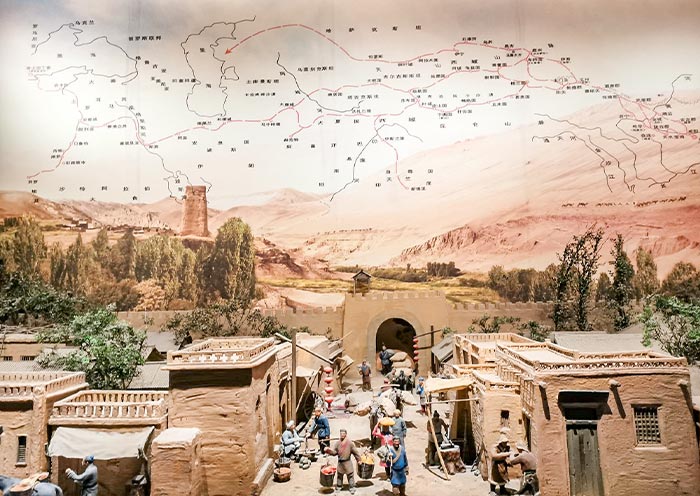
In ancient times, the Silk Road served not only as a bridge for trade between East and West but also as a convergence of cultures, religions, and dreams. Today, we invite you to follow in our footsteps to explore the mysterious and enchanting Western Regions (西域), experiencing adventure that transcends time.
Experience the ultimate Silk Road with AOT. This 13-day Xinjiang Silk Road Tour spans the historic Western Regions, reviving the echoes of ancient empires.
Follow the northern and southern routes through Urumqi, Turpan, Kuqa, Hotan, and Kashgar. Discover millennia-old ruins, sacred Buddhist grottoes, and bustling bazaars steeped in jade culture. Witness the guardian fortress of Tashkurgan and the vibrant ethnic heart of the Old City.
The adventure peaks with two iconic drives: crossing the vast Taklamakan Desert and traversing the majestic Pamir Plateau. Encounter snow-capped peaks, crystal lakes, and the dramatic Tianshan Grand Canyon. From the "Celestial Mirror" of Heavenly Lake to the rugged highland frontiers, this is Xinjiang’s most comprehensive landscape collection. Your legendary adventure awaits.


 View Destinations

| Day | Place | Highlights |
|---|---|---|
| 1-2 | Urumqi, Xinjiang | Heavenly Lake of Tianshan, Xinjiang Regional Museum, International Grand Bazaar (on your own) |
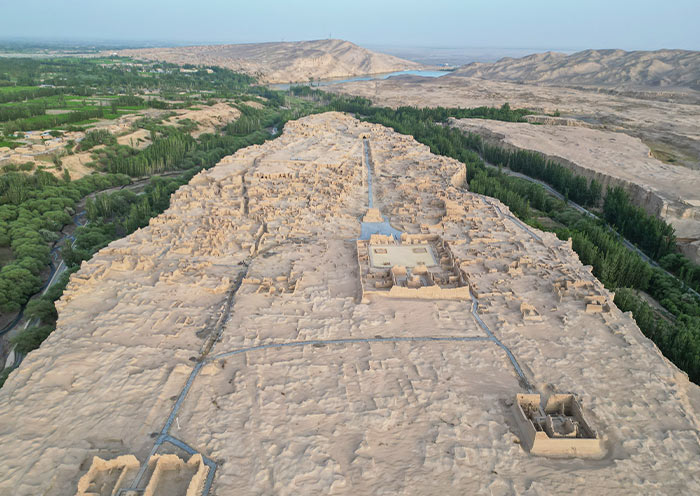
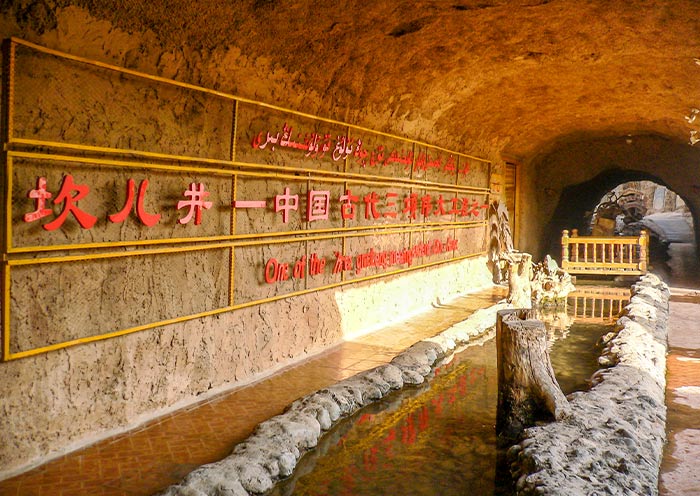
| 3-4 | Turpan, Xinjiang | Flaming Mountains (drive-by), Tuyoq Uyghur Village, Bezeklik Thousand Buddha Caves, Jiaohe Ancient City Ruins, Karez System |
| 5 | Korla, Xinjiang | Transit City |
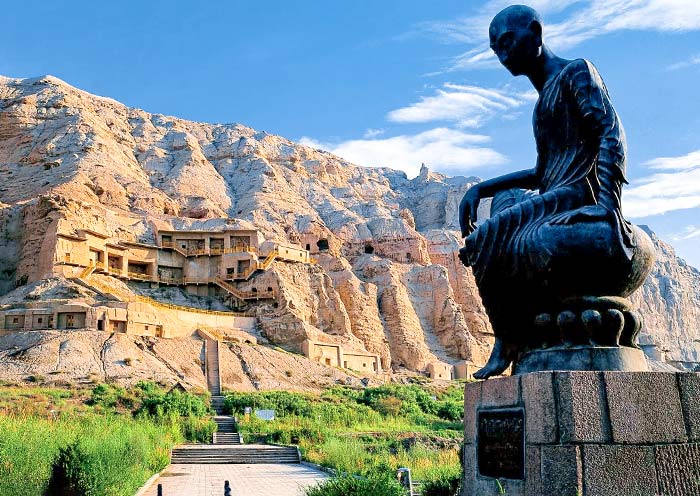
| 6-7 | Kuqa, Xinjiang | Kizilgaha Beacon Tower, Subash Buddhist Ruins, Kizil Thousand Buddha Caves, Kuqa Grand Canyon (Tianshan Mysterious Grand Canyon), Kuqa Grand Mosque, Kuqa Royal Palace |
| 8 | Alar to Hotan, Xinjiang | Taklamakan Desert Road |
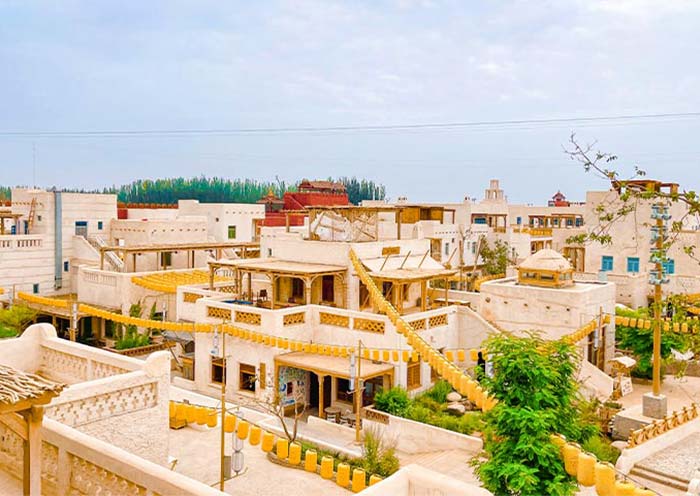
| 9 | Hotan, Xinjiang | Yotkan Ancient City, Jade Bazaar, Hotan Round City |
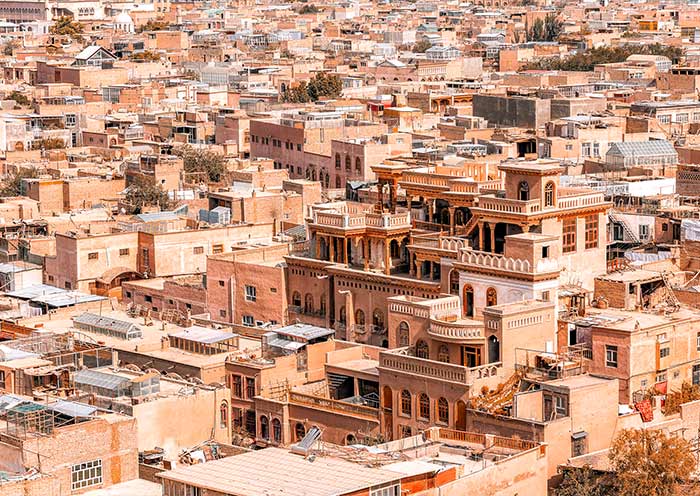
| 10 | Kashgar, Xinjiang | Kashgar Old City, Id Kah Mosque, Ancient Tea House, Livestock Market (Sunday Only) |
| 11 | Kashgar to Tashkurgan via Pamir Plateau | China-Pakistan Highway (Karakoram Highway), Baisha Lake, Karakul Lake, (Kongur Tagh, Kongur Tiube, and Muztagh Ata) Distance View |
| 12 | Tashkurgan, Xinjiang | Tajik Family Visit, Stone City (Tashkurgan Fort), Alaer Golden Grasslands |
| 13 | Kashgar | Depart from Kashgar. |

 Urumqi, Xinjiang
 Turpan, XinjiangKorla, XinjiangKuqa, XinjiangAlar to Hotan, XinjiangHotan, XinjiangKashgar, XinjiangKashgar to Tashkurgan via Pamir PlateauTashkurgan, Xinjiang
 Kashgar
Welcome to Xinjiang! Upon your arrival at Urumqi Diwopu International Airport (URC), our local team will greet you at the exit. We will escort you directly to your downtown hotel and assist with smooth check-in.
Know More About Urumqi:
Travel Connections: As a premier regional hub, Urumqi offers direct flights to major Chinese cities like Beijing (4h), Shanghai (5.5h), and Xi’an (3.5h). It also serves as a key gateway to Central Asia, with connections to Almaty, Istanbul, and Dubai.
Local Time Tip: Xinjiang officially follows Beijing Time (UTC+8). However, due to its western geography, sunrise and sunset occur approximately two hours later than in eastern China.
 Dining:
 Accommodation:
 Pace:
Pace: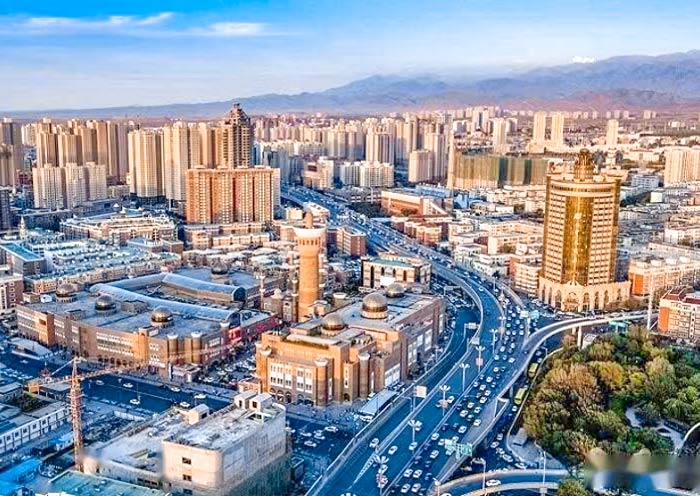
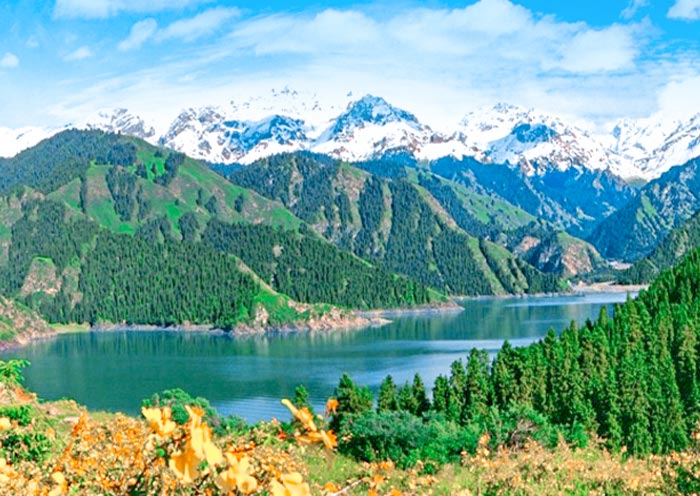
Morning: The "Celestial Mirror" of Tianshan
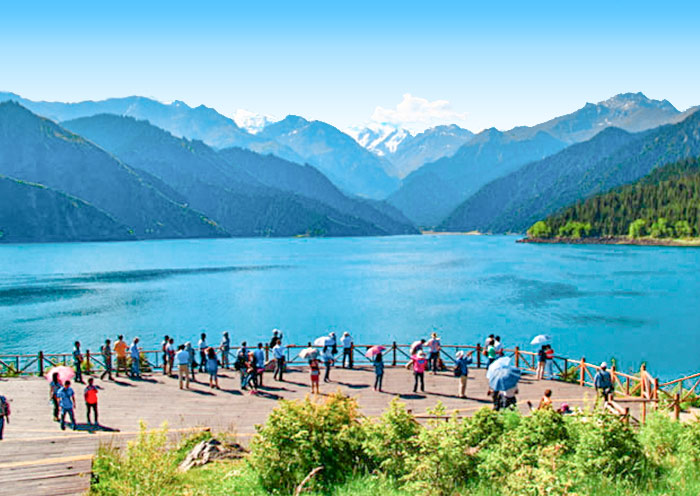
In this morning, you will embark on 70km drive (1.5 hours) to Heavenly Lake (Tianchi), a UNESCO World Heritage site. Nestled at 1,980 meters, this alpine gem is framed by the snow-capped Bogda Peak and lush pine forests.
Enjoy a scenic 40-minute shuttle through the mountains, followed by a short stroll to the lakeside. Breathe in the crisp mountain air and explore the trails where legends of the Queen Mother of the West still linger.
Afternoon: Xinjiang Regional Museum
In this afternoon, return to Urumqi to explore the Xinjiang Regional Museum, a treasure trove of Silk Road history.
The Highlights: Discover exotic Silk Road artifacts and vibrant costumes from the Uyghur, Kazakh, and Han cultures.
Ancient Mummies: Witness the world-renowned "Loulan Beauty," a 3,800-year-old desert-mummified body of Indo-European ancestry, remarkably preserved by the arid climate.
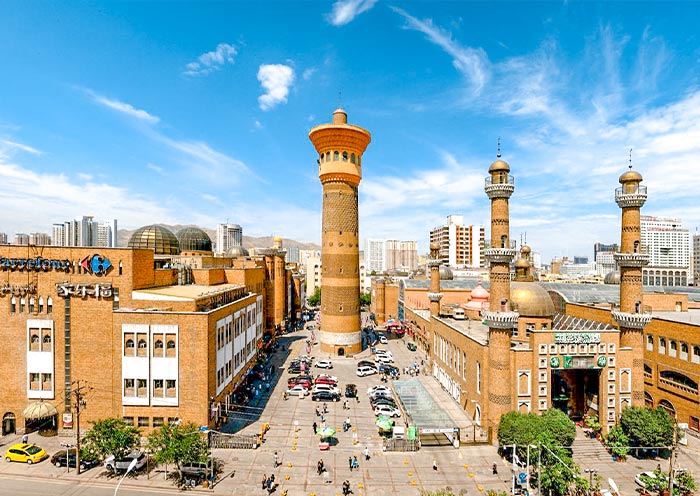
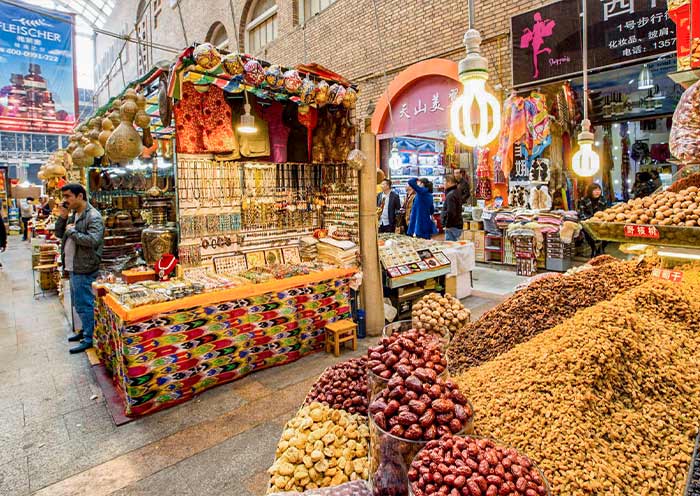
Evening: Free Time at the International Grand Bazaar
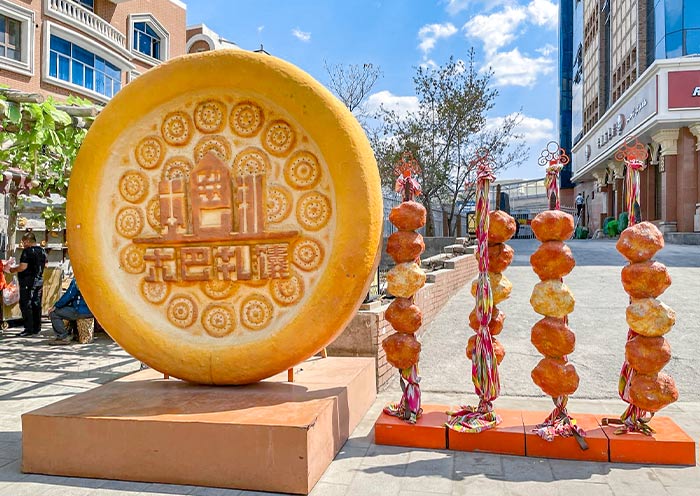
If you like, you can explore on your own to the world’s largest Grand Bazaar.
After the tour, be escorted back to your hotel in Urumqi.
Dining:Accommodation:Pace: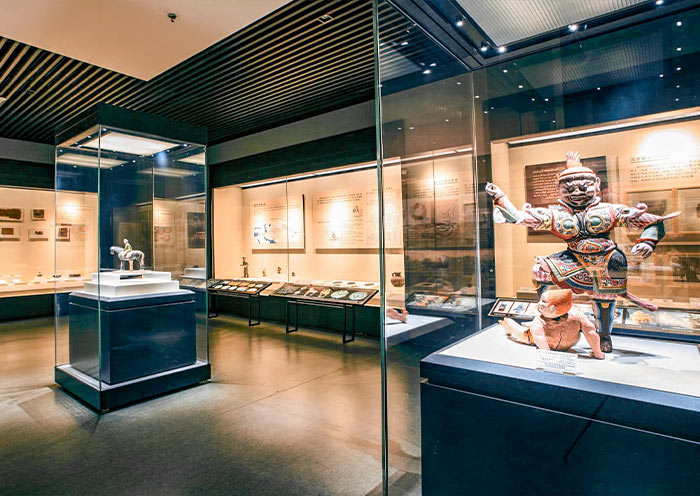
After breakfast, you will have 3-hour scenic drive (180 km) to Turpan. Along the way, marvel at the vast Salt Lake and Asia’s largest wind power station at the foot of the Tianshan Mountains.
Situated 154 meters below sea level, Turpan is the world’s second-lowest depression. Known as the "Fire Land" for its intense heat, this arid region has been transformed into a lush oasis by the ingenious Karez irrigation system, famous for its world-class grapes.
The Flaming Mountains (Huoyan Shan): Witness these iconic reddish-brown sandstone hills that appear to glow like fire. We’ll stop for photos at the best viewpoints.
Cultural Insight: These mountains are legendary in the classic "Journey to the West" and are featured in the hit game "Black Myth: Wukong".
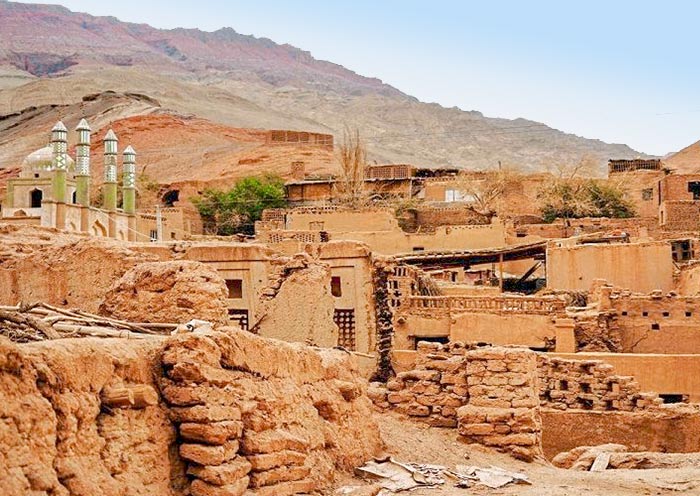
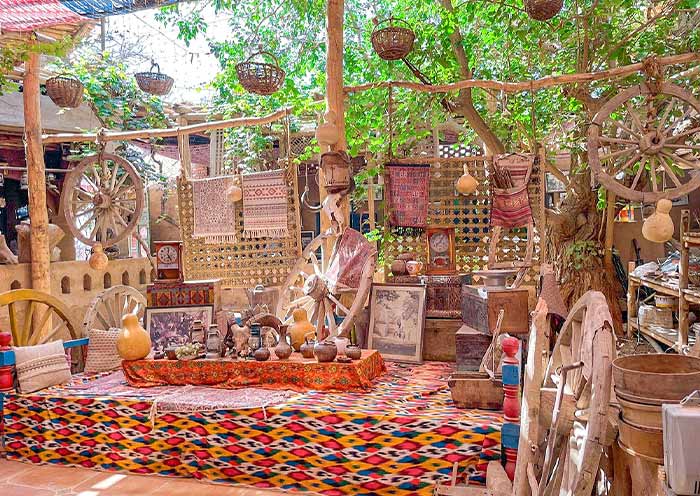
Tuyoq Valley & Mazar Village: Discover a 1,700-year-old Uyghur village nestled in the canyon. Wander through China’s best-preserved earthen architecture, where houses of yellow clay contrast beautifully with colorful painted doors and red mountain backdrops.
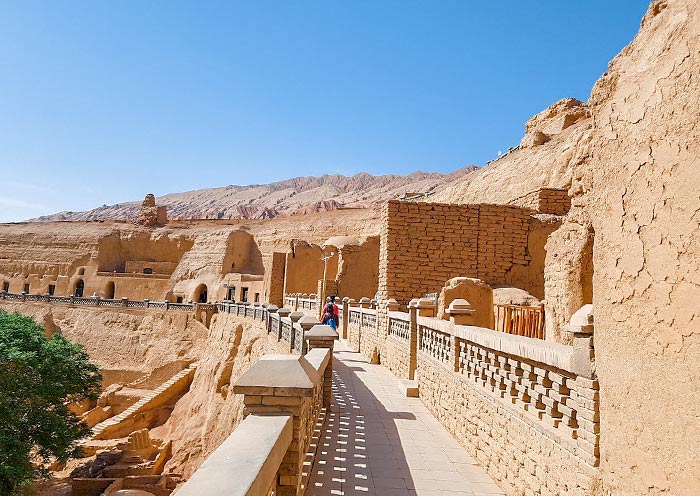
After that, explore Bezeklik Thousand Buddha Caves. Perched on the cliffs of the Flaming Mountains, this Silk Road World Heritage site was once the royal monastery of the Gaochang Kingdom.
The Art: "Bezeklik" means "place of paintings". Explore murals from the 5th to 14th centuries, showcasing a unique fusion of Chinese, Indian, and Persian influences—a testament to the vibrant cultural exchange of the ancient Silk Road.
Experience the joy of grape picking at a local farm. Thanks to the intense basin sunlight, Turpan’s grapes are among the sweetest in the world.
After the tour, escort to your hotel in Turpan for a relaxing stay.
Dining:Accommodation: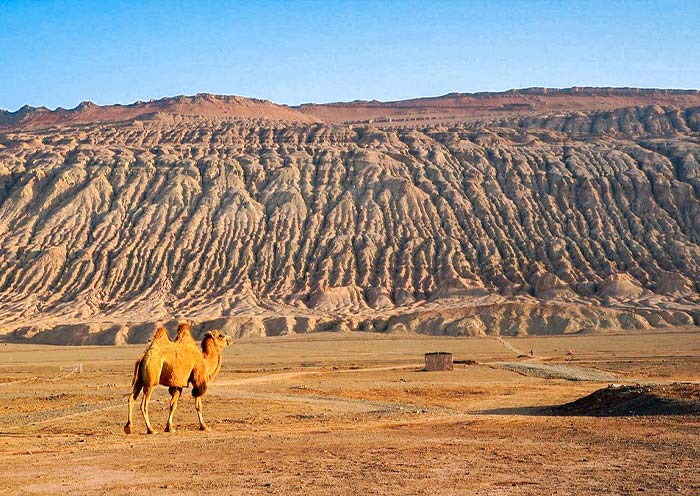
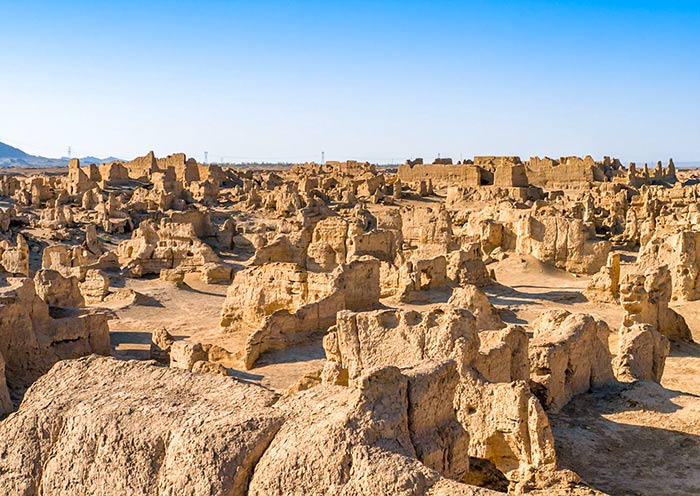
Morning: Jiaohe Ancient City
In this morning, we will take you to visit the UNESCO-listed Jiaohe Ruins, the world’s best-preserved earthen city.
Tip: There is no shade within the ruins; please ensure sun protection.
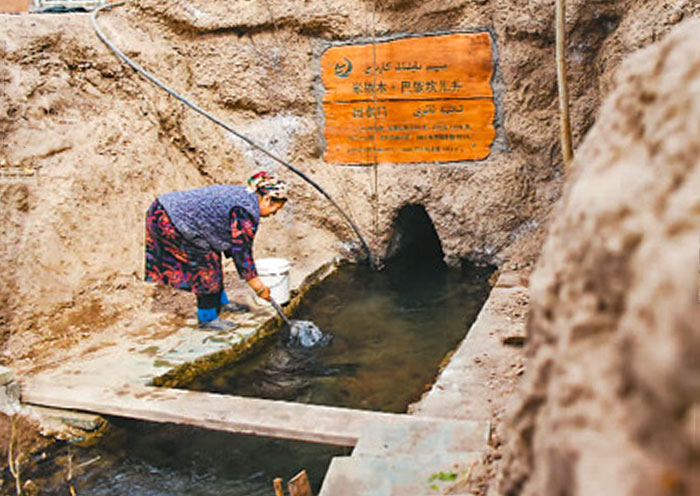
Afternoon: The Karez System
Next, explore the Karez Irrigation System, a 2,000-year-old "Underground Great Wall".
After the tour, we will take you for futher trip to Korla. Conclude the day with 5-hour drive (360 km) to Korla, the "Pear City". We will make several scenic stops for photos and rest along the way.
Stay overnight in Korla.
Dining:Accommodation: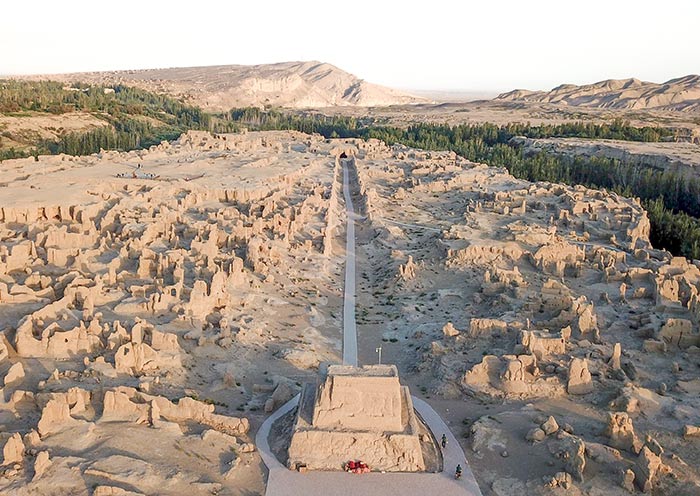
Today we will drive about 300 km (approximately 4 hours) to Kuqa (also known as Kuche). Upon arrival, we'll explore the Kizilgaha Beacon Tower and Subash Buddhist Ruins in the Kuqa city.
Kuqa (库车) or Kuche, formerly known as “Qiuci Kingdom (龟兹国)," was one of the thirty-six countries of the Western Regions (西域). It is located on the southern foothills of the Tianshan Mountains, at the northern edge of the Tarim Basin, and is bordered to the south by the Taklamakan Desert. This geographical setting granted it significant importance on the ancient Silk Road. After the Han Dynasty developed the Western Regions, the Anxi Protectorate was established here, making Qiuci the political and military center of the central government in the area. Additionally, situated at the strategic junction of the central route of the Silk Road, Kuqa acted like a sponge, absorbing cultural elements from all directions. It has preserved numerous precious historical relics and cultural heritage sites, including ancient Buddha caves that date back even further than those in Dunhuang, as well as beacon towers and temple ruins.
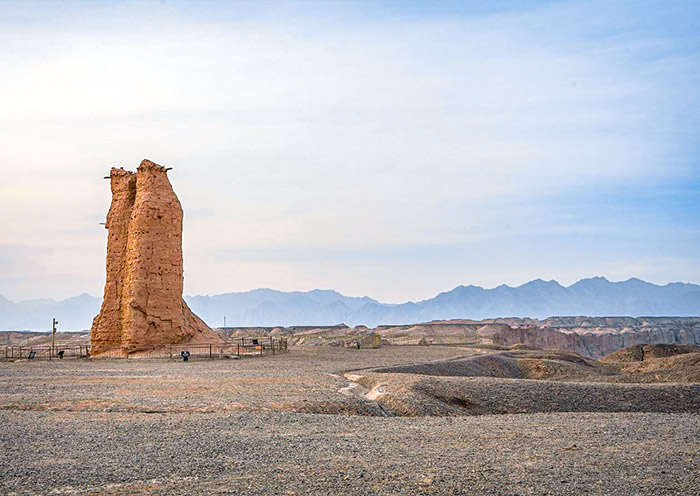
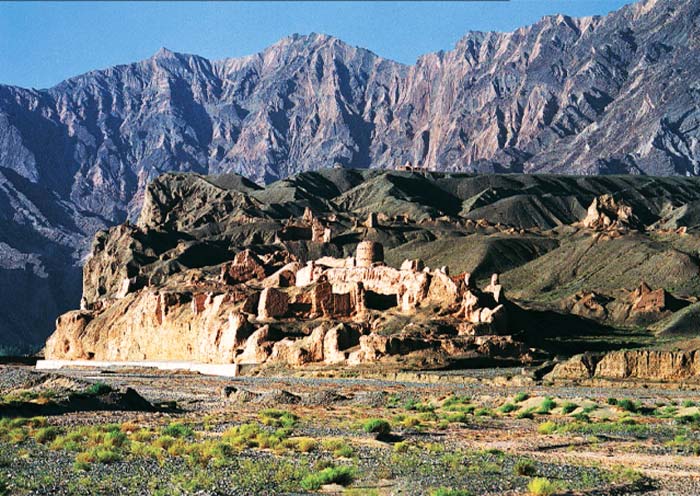
Upon arrival in Kuqa city, your first stop will be the Kizilgaha Beacon Tower (克孜尔尕哈烽燧). This tower is the oldest and best-preserved beacon site on the central route of the ancient Silk Road. It's listed as a World Cultural Heritage site as part of the "Silk Roads: the Routes Network of Chang'an-Tianshan Corridor."
Built during the Western Han Dynasty, the Kizilgaha Beacon Tower stands 13 meters tall with a rectangular base measuring approximately 6.5 meters east to west and 4.5 meters north to south. As part of China's ancient Great Wall defense system, the beacon tower played a vital role in safeguarding the passage of the Silk Road and enhancing stability and development in the Western Regions. Since the Han Dynasty (206 BC - 220 AD), central governments began constructing fortifications and strategic military defense systems, including city walls, fortress walls, and beacon towers. The beacon tower had guards stationed around the clock for message transmission. They lit fires at night and used smoke signals during the day, employing various codes to indicate the numbers and locations of enemy forces. Although the flames of the beacon have been extinguished for over a thousand years, the remnants continue to carry forward that chapter of history.
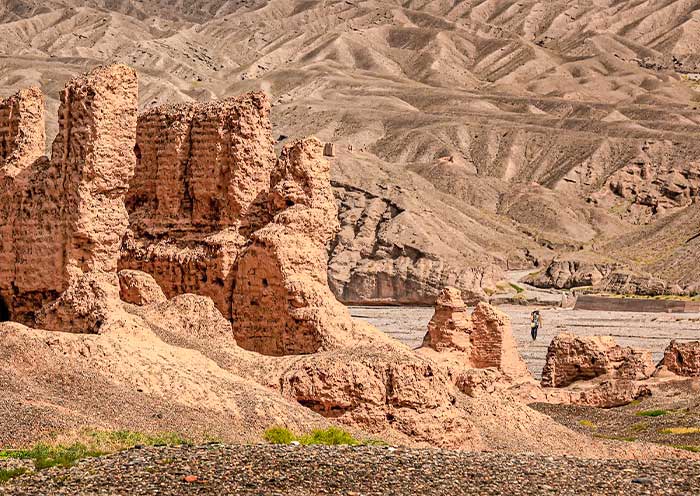
Next is Subash Buddhist Ruins (苏巴什佛寺遗址), as the largest, best-preserved, and most ancient Buddhist architectural complex site on ancient silk road, in Xinjiang. It's listed as a World Cultural Heritage site as part of the "Silk Roads: the Routes Network of Chang'an-Tianshan Corridor."
Historically, Subashi Gucheng Temple was the center of Buddhism in the Western Regions during the Sui and Tang dynasties (6th to 8th centuries) and served as the royal temple of Qiuci Kingdom, with the number of monks reaching as high as ten thousand. Many masters of Buddhism, such as Xuanzang (唐玄奘) and Kumarajiva (鸠摩罗什), delivered teachings here, spreading Buddhist culture.
Subash means "water source" in the Uygur language. The Subashi Temple ruins span both banks of the Kuqa River, divided into the East Temple and West Temple. Together, they cover an impressive area of approximately 180,000 square meters. The West Temple ruins are relatively well-preserved, with visible monk quarters, a Buddha hall, and several towering stupas. To the north, a series of caves are lined up, featuring beautifully carved Buddha statues and inscriptions in Qiuci script. Although the Subashi Buddhist Temple has been abandoned for nearly a thousand years, its remaining structures still impress under the sunlight. The stupas, standing on the vast Gobi Desert and reflecting golden light, silently narrate the glory and prosperity they once experienced. Additionally, local legend holds that the Kuqa River is the "Mother River" from the classic Chinese novel Journey to the West. The locals often refer to it as the "Country of Daughters."
Stay overnight in Kuqa City.
Dining:Accommodation: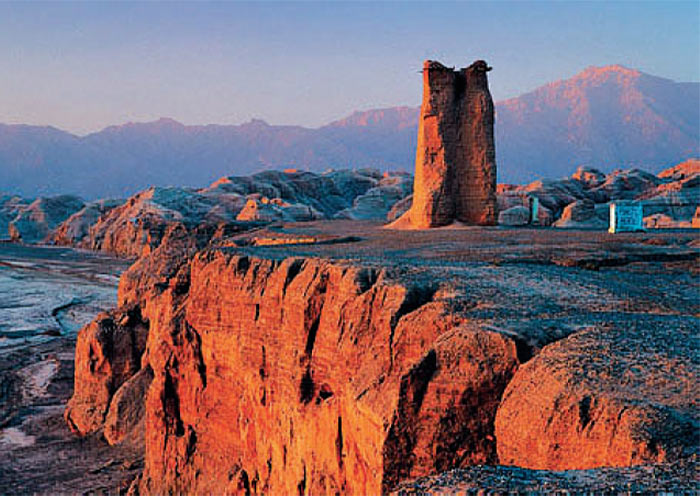
This morning, we will drive to the Kizil Thousand Buddha Caves, located about 70 kilometers away (approximately 1.5 hours). It's listed as a World Cultural Heritage site as part of the "Silk Roads: the Routes Network of Chang'an-Tianshan Corridor."
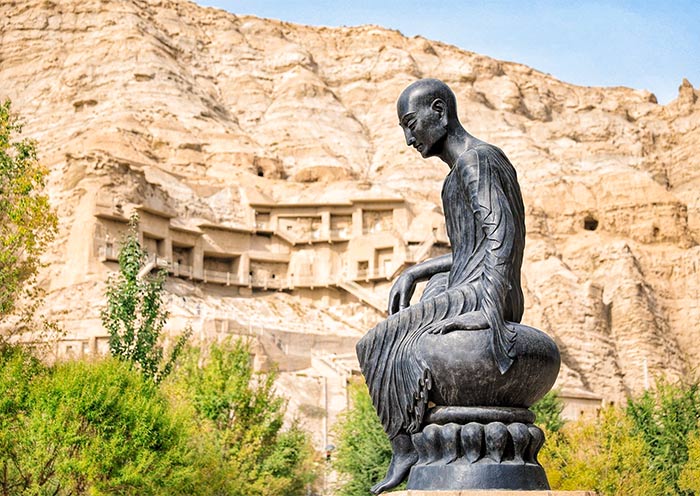
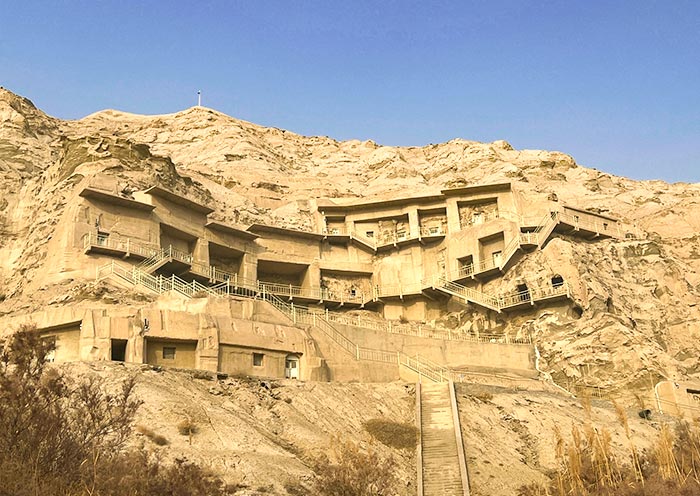
The Kizil Thousand Buddha Caves (克孜尔千佛洞), also known as Kizil Caves, are one of the earliest and westernmost large cave complexes in China, dating back to the late 3rd to early 4th century AD, making them even older than the more famous Dunhuang Caves. As a cradle of Chinese Buddhist art, Kizil is strategically situated on the ancient Silk Road, serving as a crucial “transit point” for the spread of Buddhism eastward. Here, ancient Greek, Arab, and Indian civilizations intersected in Qiuci (龟兹), preserving their unique characteristics while also being absorbed by the local culture, resulting in a distinctive new artistic style. This blend is particularly evident in the Kizil Thousand Buddha Caves, which profoundly influenced the cave culture in the Hexi Corridor and the Central Plains, marking the beginning of Chinese cave art.
The complex consists of 236 numbered caves, renowned for their perfect combination of caves, sculptures, and murals. Visitors can admire unique elements of Qiuci cave art (龟兹石窟艺术) in the open caves, including the diamond-shaped blocks depicting Jataka tales (stories of the Buddha's previous lives), celestial music scenes, as well as various cave structures such as central pillar caves, square caves, and monks’ cells. The caves are built into the mountains, layered from low to high, resembling a multi-storied building. The cave structures include central pillar caves, five-connected caves, and front-room-back caves. These cave designs eventually influenced cave architecture in the Central Plains. A statue of Kumarajiva (鸠摩罗什), a renowned translator of Buddhist texts born here, stands in front of the caves and has become an iconic landmark.
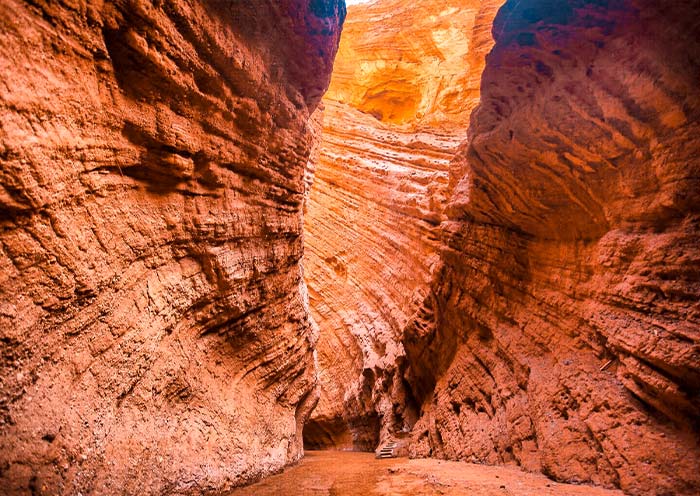
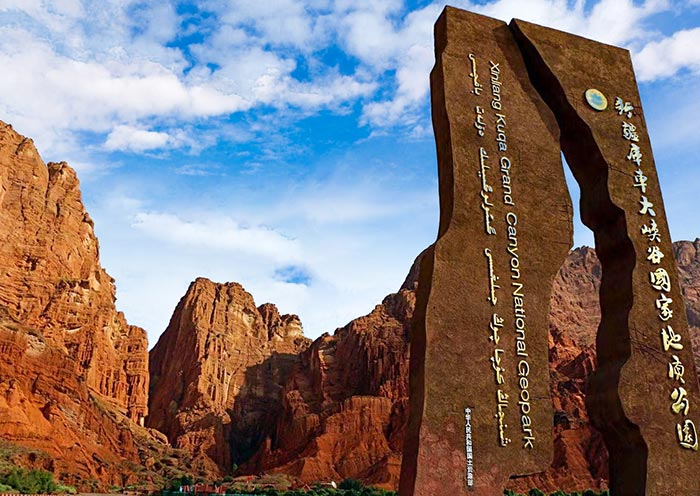
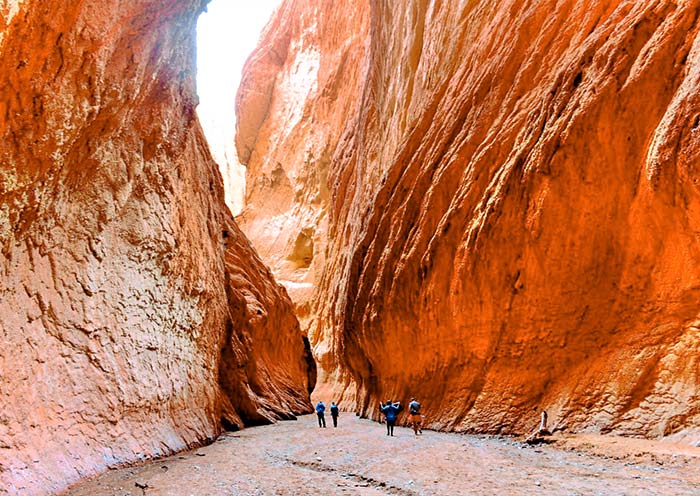
Then, drive to visit Kuqa Grand Canyon located about 130 kilometers away (approximately 3.5 hours). The Kuqa Grand Canyon (库车大峡谷), is also known as the Tianshan Mysterious Grand Canyon or Keziliya Grand Canyon. The name "Keziliya" comes from the Uighur language, meaning "red cliffs," a reference to the vividly colored rock faces that glow intensely under the sunlight, resembling flames. This stunning canyon exemplifies the Danxia landform. These geological formations have been intricately shaped by the forces of wind and water erosion, crafting a landscape of towering cliffs, rugged ridges, and steep columns that rise dramatically from the canyon floor.
The main gorge of the canyon stretches approximately 2.7 km, with an additional four tributary gorges, bringing the total length to about 3 km. As you walk through the canyon, the atmosphere shifts dramatically to a serene and cooler world, distinct from the heat outside. The entrance to the canyon is broad, but as you venture deeper, the paths twist and turn - widening in some places and narrowing in others, with some sections so tight that they barely allow a person to pass sideways. Raising your eyes upwards, you are greeted by an array of uniquely shaped peaks and rock formations, each one a testament to nature's artistry, seemingly sculpted by divine forces with exquisite precision.
After the tour, drive back to Kuqa City for accommodation.
Dining:Accommodation: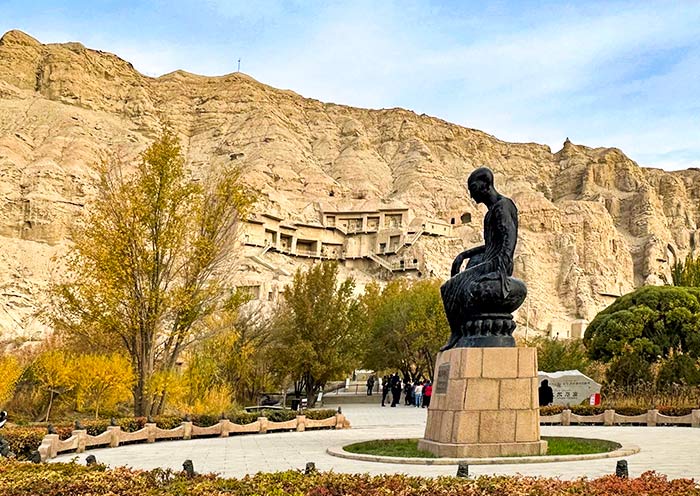
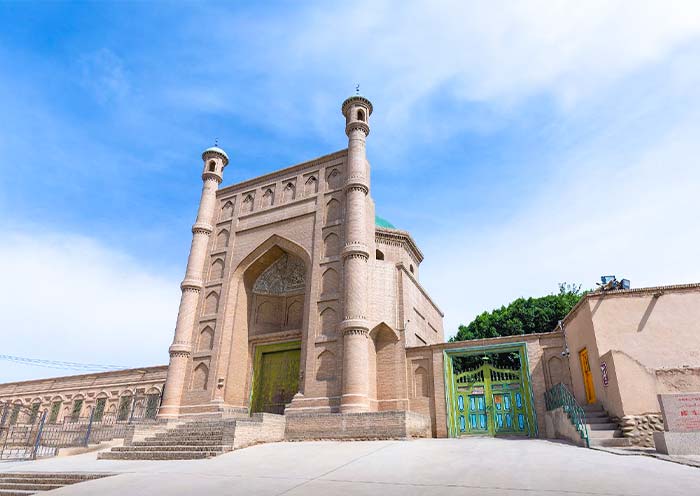
Start your day with a visit to the Kuqa Grand Mosque (库车寺), the largest mosque in Kuqa and second only to the Id Kah Mosque in Kashgar. This mosque boasts a history of over 500 years and is renowned for its towering entrance and exquisitely crafted domes. The prayer hall can accommodate up to 3,000 people and is supported by eight rows of large columns, beautifully carpeted throughout. One of the unique features of this mosque is its ancient religious court, the only one of its kind remaining in Xinjiang.
Next, head to the Kuqa Royal Palace (库车王府), once the residence of the last king of Kuqa, Dawud Mahsut (达吾提·麦合苏提) . Covering an area of approximately two to three hundred meters in both length and width, the palace complex features several buildings designed in Uighur architectural style. The interiors are vibrant and photogenic, with courtyards that house gardens and green spaces, creating a serene environment. The palace is divided into three main sections for visitors: the Qiuci Museum, the Royal Palace area, and the ancient city walls. Here, you can immerse yourself in the grandeur of the royalty, delve into the rich depth of the Qiuci culture, and learn about the rise and fall of the royal family, as well as the socio-economic history of Kuqa.
Next, we'll drive to Alar City (240 km, approximately 4 hours). En route, you'll enjoy views of the Tarim River - the longest inland river in China. Stay overnight in Alar County.
Dining:Accommodation: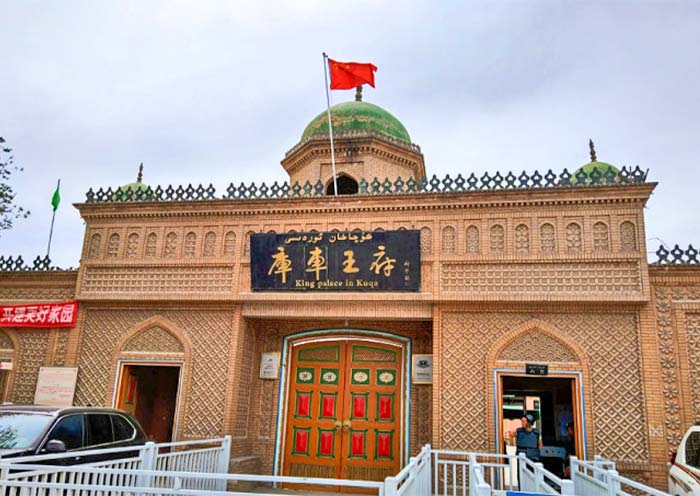
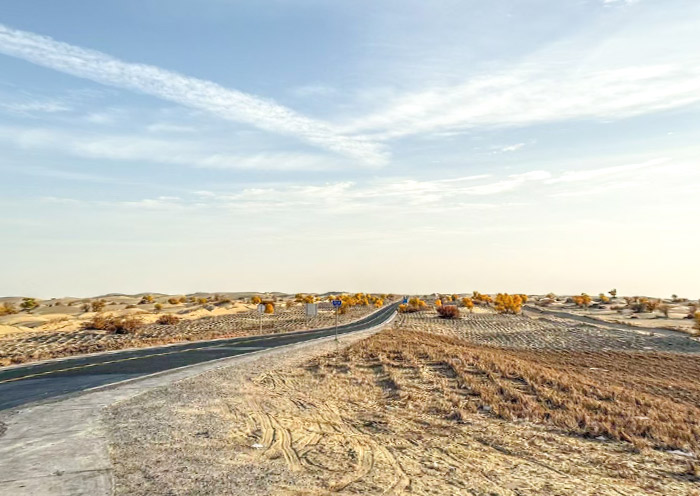
Today, we will embark on our next adventure from Alar to Hotan. We'll traverse the Taklamakan Desert Road, a route that promises an exhilarating experience across one of the world's most captivating landscapes. Stretching over 450 kilometers and requiring about a 6-hour drive, this journey through the heart of the Taklamakan Desert is both daunting and awe-inspiring.
The Taklamakan Desert (塔克拉玛干沙漠), known as the "Place of No Return," is the second-largest shifting sand desert in the world, with dunes reaching impressive heights and continuously reshaped by the wind. Driving on the Taklamakan Desert Road is nothing short of spectacular; it is a rare opportunity to witness the raw beauty and vast expanses of this sandy expanse.
As you travel, the landscape unfolds like a canvas painted with shades of gold, orange, and brown. The sun plays with the sand, creating shifting patterns and shadows that dance across the dunes. Occasionally, the monotony of the desert is broken by the sighting of a solitary camel or a distant desert plant, clinging to life in this arid wilderness.
The journey is not just about the challenges of desert travel; it's about the stories and history whispered by the winds that sweep across this ancient trade route. Here, the echoes of caravans that once plied the Silk Road mingle with the solitude and immensity of the desert, offering a profound sense of isolation and reflection.
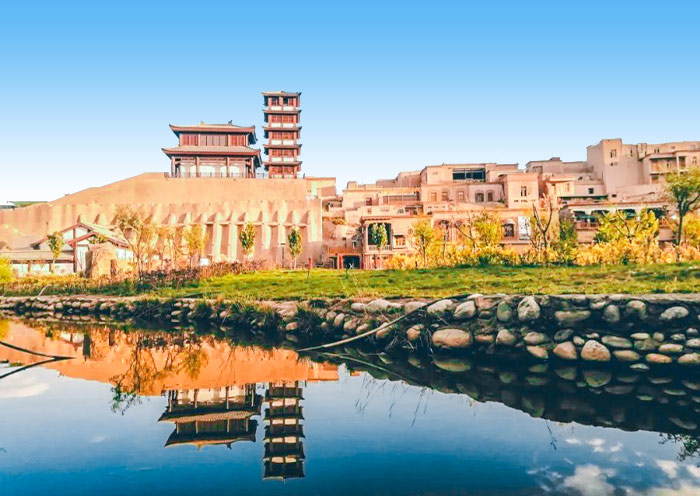
Upon nearing Hotan, the desert landscape gradually gives way to hints of greenery and the promise of an oasis city, rich with history and culture. Hotan (和田), the largest city at the southern end of the Taklamakan Desert, serves as a vital transportation hub on the southern route of the Silk Road. Historically known as the Kingdom of Khotan (于阗古国), it was one of the renowned thirty kingdoms of the Western Regions. Hotan is globally recognized for its exquisite "Hetian jade," luxurious "Hotan carpets," and fine "Hotan silk.
Upon your arrival in Hotan, you can explore the ancient city of Yotkan (约特干故城). This site wonderfully resurrects the splendor and grandeur of the ancient royal city of Khotan during its heyday on the Silk Road.
Stay overnight in Hotan City.
Dining:Accommodation: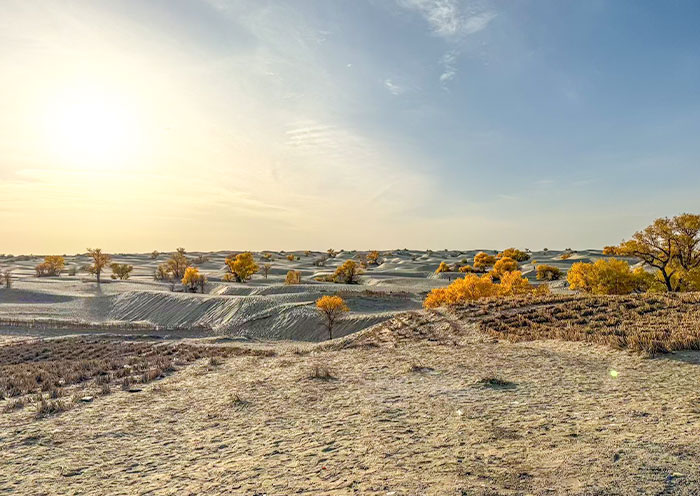
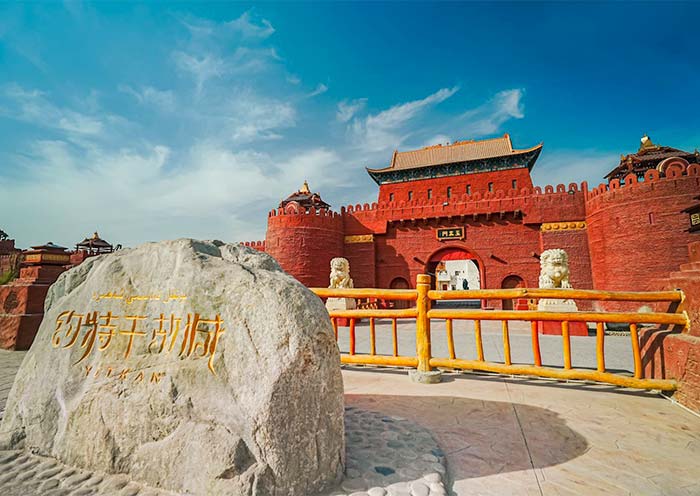
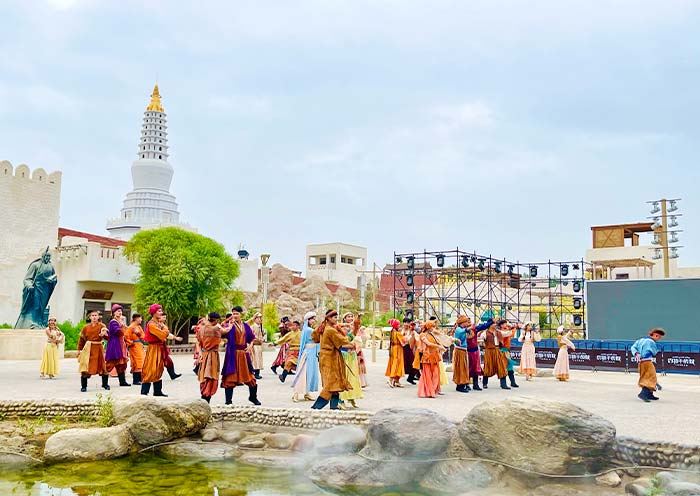
Today, we will explore some of Hotan's interesting places before we depart for Kashgar.
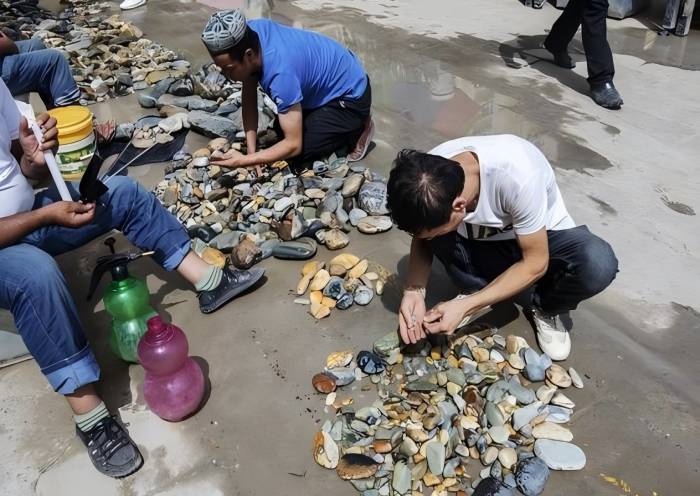
Jade Bazaar (玉石巴扎): This bazaar in Hotan is specifically designed for jade trading and is one of the largest gatherings for jade transactions in the region. Visitors have the unique opportunity to observe a wide array of jade artifacts, ranging from raw stones to exquisitely carved pieces, showcasing the skill and tradition of local artisans.
Hotan Round City (和田团城): Recognized as one of the most typical traditional folk districts in southern Xinjiang, the Round City retains unique architectural features, including the traditional Awang-style construction. The streets are lined with shops and an array of local street food vendors. Here, you can indulge in a variety of delicious local specialties, immersing yourself in the vibrant atmosphere and tasting the culinary delights of Hotan.
After our visits, we will drive about 500 km (approximately 6 hours) to Kashgar. Along the route, you will pass through several oasis towns and villages that appear like mirages in the desert.
Stay overnight in Kashgar City.
Dining:Accommodation: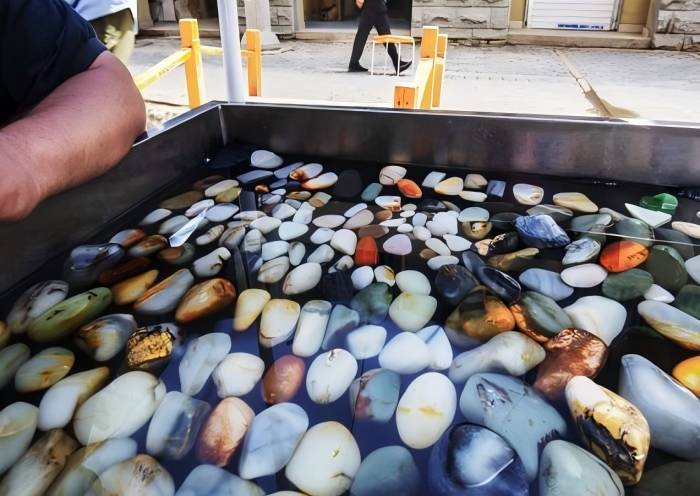
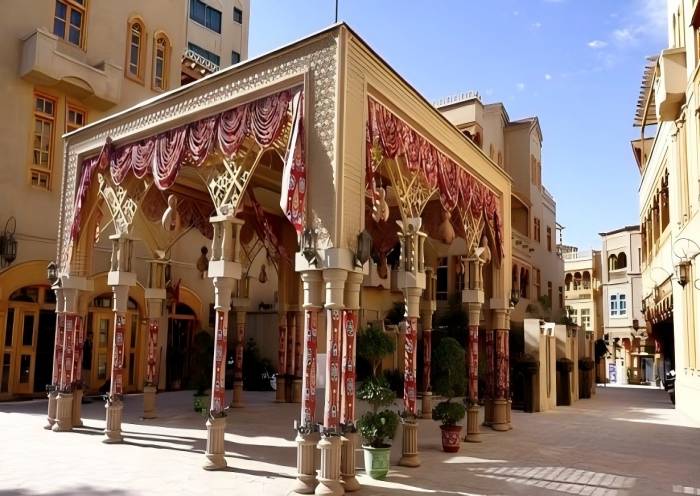
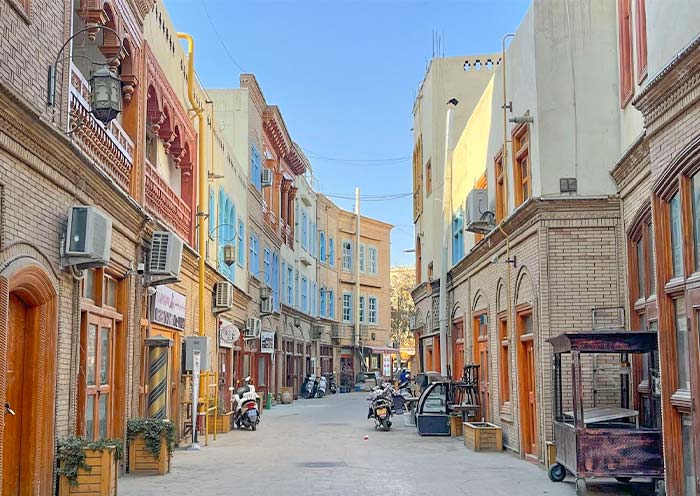
Kashgar (喀什), located in the southwestern part of Xinjiang, was historically known as Shule ( (疏勒国), and was one of the thirty-six kingdoms of the Western Regions. For centuries, Kashgar has been a significant city in southern Xinjiang. It served as the western terminus for the northern, central, and southern routes of the ancient Silk Road, connecting Asia and Europe. It has long been a transportation hub and distribution center for goods between East and West. Trade is highly developed here, earning it the title of "Kingdom of Bazaars (markets)." Diverse cultures from Asia and Europe converge on Kashgar, clashing and blending intensely with the local culture, injecting new vitality into Kashgar. This cultural fusion is specifically reflected in Kashgar's architecture, cuisine, and vibrant markets. The city has been a melting pot of various ethnicities, including Uyghurs, Han, Tajiks, and others. Kashgar's geographical location is near the Taklamakan Desert and surrounded by the Kunlun Mountains and the Pamir Plateau provides spectacular natural scenery.
Your exploration can begin in Kashgar Old City (喀什老城市). The Old City is the soul of Kashgar, encapsulating over two millennia of cultural and commercial exchanges along the Silk Road. Situated at the heart of the city and spread across 3.6 square kilometers, the Old City is a living museum, telling tales of ancient trade and cultural fusion. As a crucial hub for East-West traffic and a distribution center for goods, it offers a vivid glimpse into past prosperity.
Within Kashgar Old City, the streets and alleys intersect intricately, narrow and winding paths with buildings of varying heights, creating a layout that resembles a maze. As you wander through, you'll see traditional Uyghur mud-brick houses and numerous structures with Islamic features, such as pointed arches, domes, intricate woodcarvings, and colorful ceramic tiles. These architectural and street designs perfectly Central Asian and Islamic architectural elements with Uyghur characteristics, creating a sense of time travel for visitors.
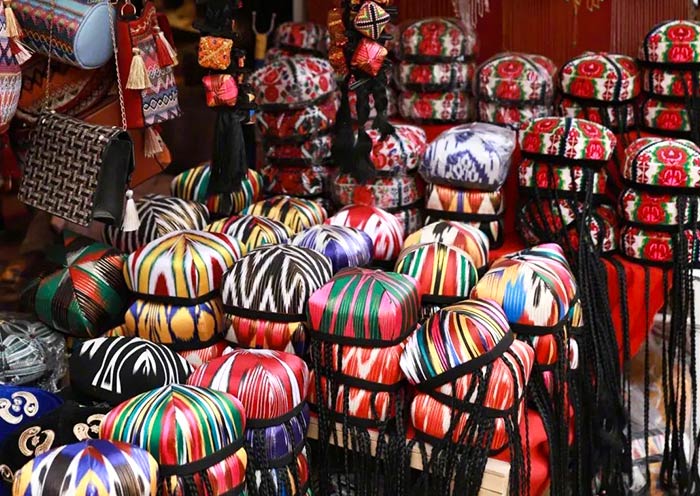
The Kashgar Old City thrives with commercial activity, with numerous bazaars and street markets scattered throughout, such as the Pottery Bazaar, Flower Pot (Doppa) Bazaar, Blacksmith Bazaar, Woodwork Bazaar, Medicine Tea Bazaar, Han Bazaar (Food Street)... This area is not only an excellent place to purchase and appreciate various handicrafts but also an ideal spot to savor Uyghur cuisine. Indulge in succulent lamb kebabs (羊肉串), rich and spicy lagman noodles (拉条子), savory samsas (烤包子), and freshly baked Naan (囊). As you wander through, the scenes, sounds, and scents on the streets seem to transport you back to the heyday of the Silk Road. You can almost visualize the bustling caravans, with merchants from China, Persia, Arabia, and many local regions converging here. The air is filled with the melodious ringing of bells on camels' necks.
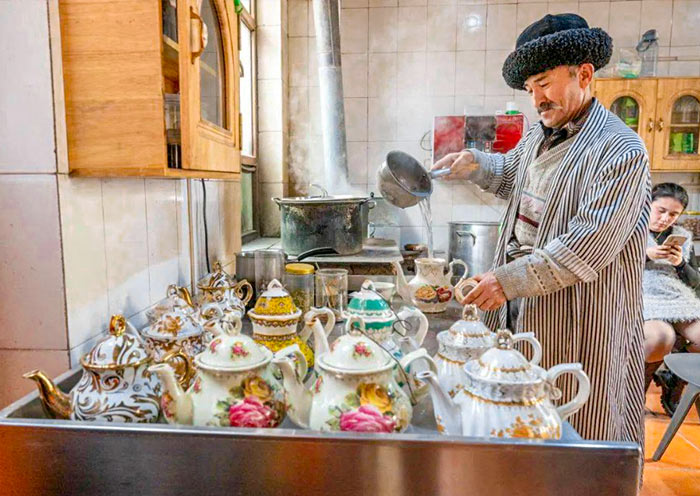
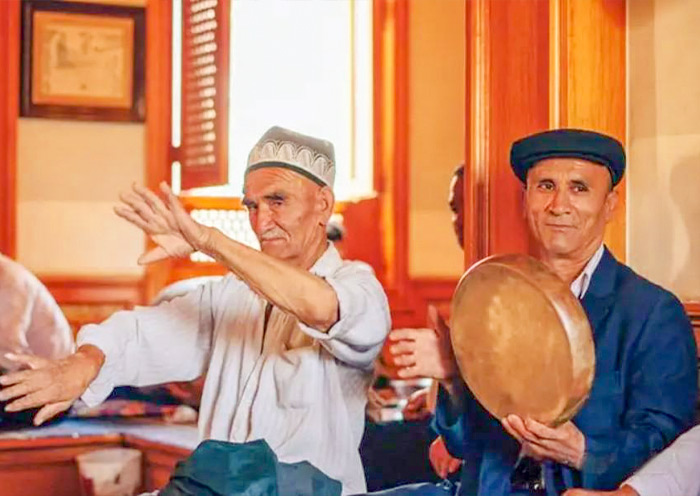
Furthermore, Kashgar Old City is a hub for numerous cultural and religious activities as well as a place for residents' daily lives and social interactions. One of the most notable landmarks is Id Kah Mosque(艾提尕尔清真寺), one of the largest mosques in China, attracting thousands of worshippers daily. To experience local life firsthand, you can visit a century-old teahouse (百年老茶馆). As you sit, sip tea, and observe, you'll appreciate the traditions and hospitality of Uyghur people. With luck, you might have to a chance to witness locals playing and singing traditional Rawap music.They may even invite you to join in, twirling your hands as you dance.
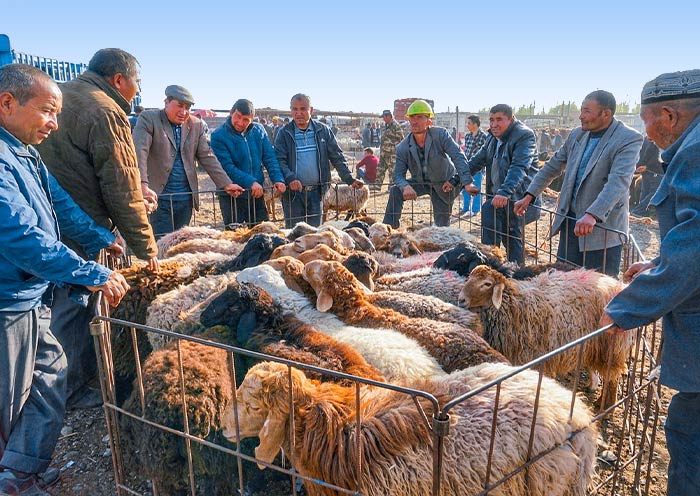
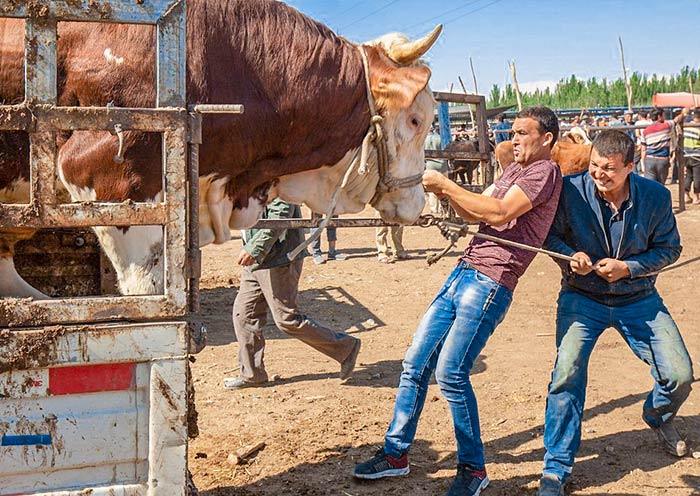
If you happen to visit Kashgar on a Sunday, you can't miss the famous Kashgar Livestock Market (牛羊巴扎).
On the northern edge of Kashgar city, there is a massive livestock trading market. Every Sunday, this market becomes as lively as a carnival. People from surrounding villages flock here with their sheep, cows, and even camels.
At the market, you can witness Uyghur herders proudly showcasing their livestock. The traders typically grasp each other’s hands inside the spacious sleeves of their robes, silently signaling their price offers with their fingers - an intriguing and silent process full of wit. Once the price is agreed upon, neither party can back out. This traditional method of trade has been continuing for thousands of years. It’s an excellent opportunity for photography and to witness the ancient commercial traditions that are fast becoming rare in the modern world.
Tips: Due to the large number of livestock in the market, prepare yourself for a strong odor.
After the tour, be escorted to your hotel in Kashgar.
Dining:Accommodation: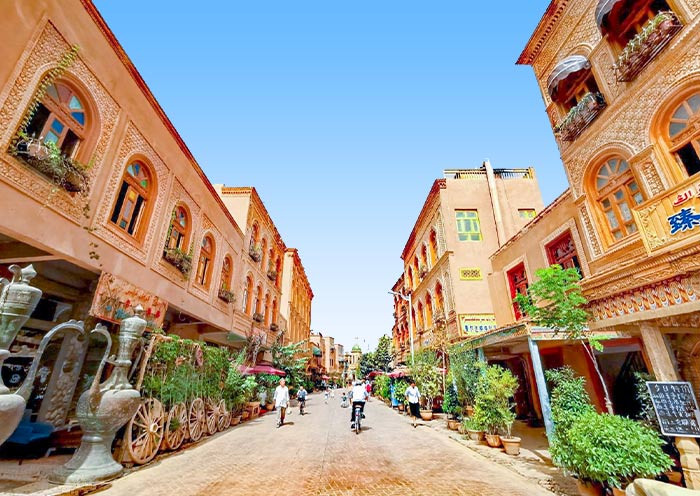
This morning, your guide and driver will pick you up from your hotel in Kashgar to embark on an exhilarating road trip along the China-Pakistan Highway. Along the way, you can enjoy the beautiful landscape of Pamirs Plateau, visit Baisha Lake and Karakul Lake, admire the distant and mysterious Muztagh Ata Peak, Kongur Tagh, Kongur Tiube, and conclude with a visit to a Tajik family home in Tashkurgan. (Total distance: 300 kilometers, approximately 7-8 hours of travel).
The China-Pakistan Highway (中巴公路) is also known as the Karakoram Highway (KKH), and referred to locally as the Pamir Highway. It begins in Kashgar, Xinjiang, China, traverses the Karakoram mountain range, the Hindu Kush range, the Pamir Plateau, and the western edge of the Himalayas, passes through the Khunjerab Pass (elevation: 4,693 meters) at the China-Pakistan border, and extends south to the northern Pakistani city of Thakot. Spanning approximately 1,224 kilometers, with 415 kilometers within Chinese territory, it is one of the highest paved border crossings in the world.
Historically, the routes across the Pamir Plateau (帕米尔高原), also known as Congling (葱岭) in ancient times, were integral parts of the ancient Silk Road. This section was one of the most challenging segments for merchants and travelers on the Silk Road due to its harsh and rugged terrain. Here, several of the world's renowned mountain ranges - the Himalayas, the Karakoram, the Kunlun Mountains, the Tianshan Mountains, and the Hindu Kush - converge and radiate outward, forming a massive mountainous junction. Today, the China-Pakistan Highway has transformed these perilous trade routes of the past into magnificent thoroughfares, attracting numerous tourists to the Pamir Plateau to experience its stunning natural scenery. The route offers views of Danxia landform, snow peaks, deep canyons, serene lakes, expansive wetlands, and pristine glaciers, making it Southern Xinjiang's most quintessential three-dimensional scenic route.
Along the way, you will visit the following attractions:
Baisha Mountain-Baisha Lake Scenic Area (白沙山-白沙湖景区):
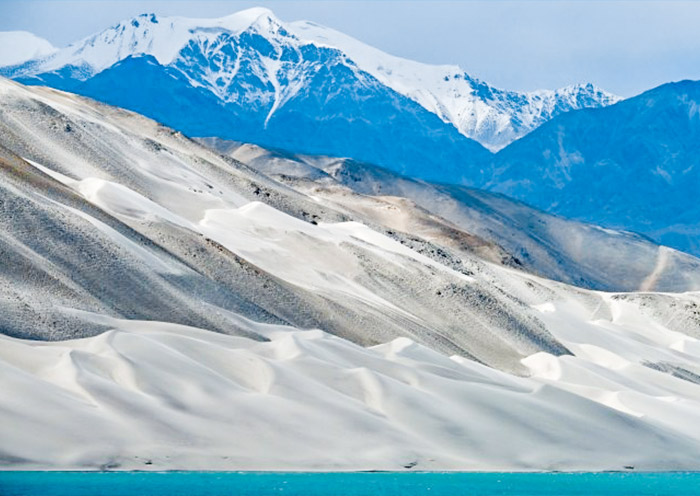
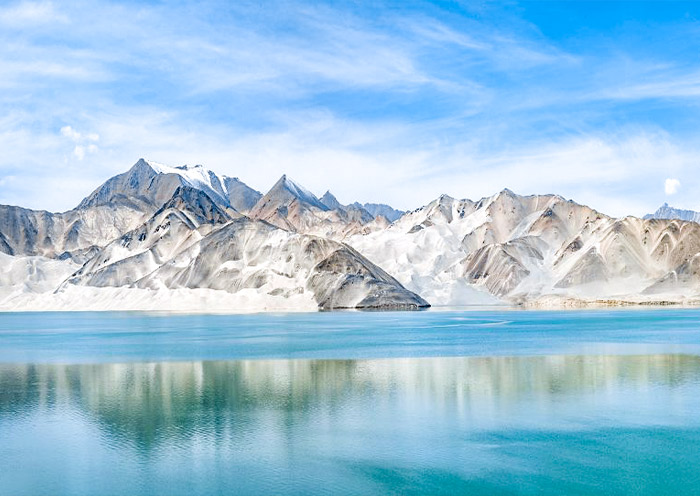
As you drive along National Highway G314, you'll encounter Baisha Lake (白沙湖) , also known as Bulunkou Lake - a striking plateau lake nestled in the Pamir Plateau (elevation:about 3,660 meters). From its shore, you're treated to a stunning vista: half pristine blue water, and half white sand mountain, both harmonizing with distant snow-capped peaks to create a magnificent spectacle.
On the lake's northern shore stands the renowned Baisha Mountain(白沙山), winding for over 1,200 meters. The dark mountain body, covered with white sand, presents a soft silvery-white color under the clean sunlight of the Pamir Plateau, resembling white silk. Legend has it that as the lake water gradually dries up in autumn and winter, the white sand at the bottom of the lake emerges. In spring, the wind blows this sand onto the mountain, creating the extraordinary spectacle of sand accumulating into a mountain. Whenever strong winds blow, Baisha Mountain emits a sound, earning it the name "Singing Sand Mountain." The southern shore of the lake is embraced by a chain of snow-capped mountains, with the highest peak being Mount Kongur Tagh at an elevation of 7,530 meters, adding further grandeur and mystery to this captivating landscape.
Karakul Lake (喀拉库勒湖):
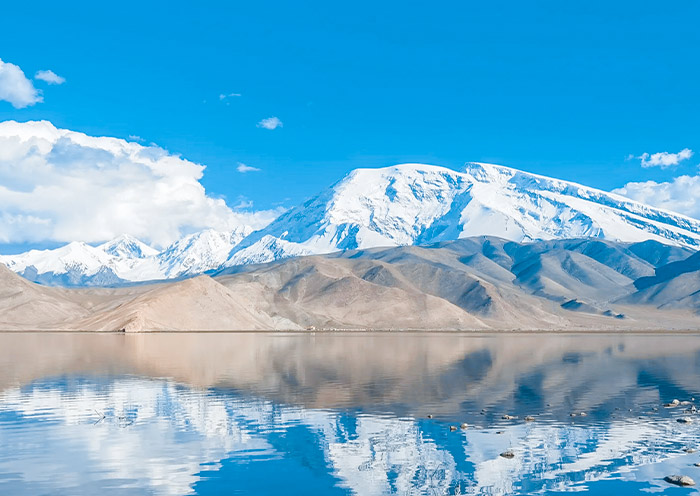
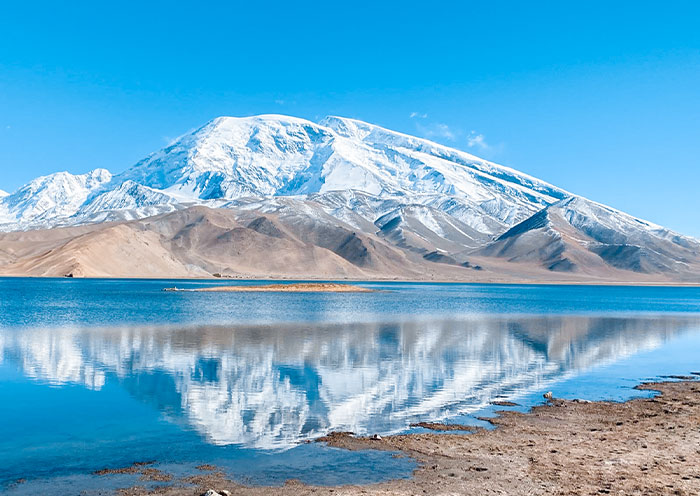
Karakul Lake is a high-altitude moraine lake (elevation:about 3,600 meters).Its name in the Kyrgyz language means "Black Lake," attributed to its deep, dark waters. However, if you spend enough time by the lake, you will notice that it changes colors under different lighting conditions, appearing deep blue, emerald green, or ink black, earning it the nickname "the ever-changing lake."
Yet, the true highlights of Karakul Lake are the imposing peaks known as the "Kunlun Trio" that tower behind it: Kongur Tagh, Kongur Tiube, and Muztagh Ata, with altitudes of 7,719 meters, 7,595 meters, and 7,546 meters, respectively. On clear days, their majestic reflections are perfectly cast upon the glistening surface of the lake, creating the most iconic views of Karakul Lake. Among these, Muztagh Ata is particularly striking, covered with many glaciers, and is known as the "Father of Ice Mountains."
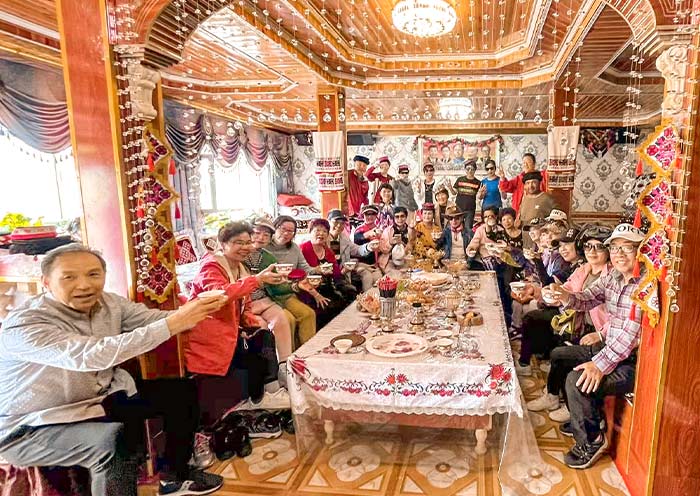
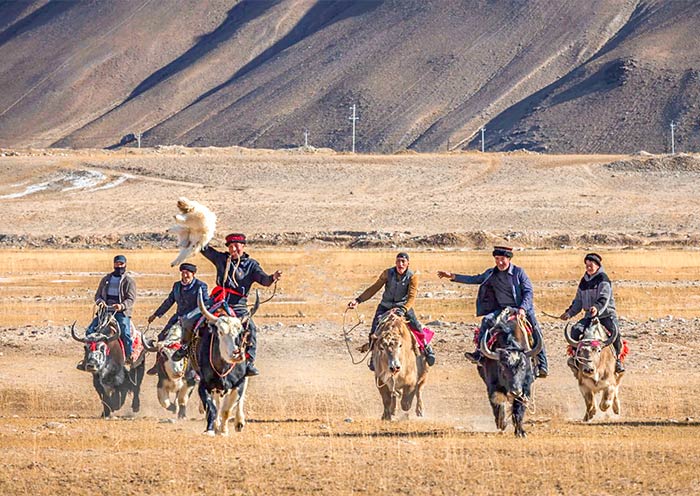
Afterward, drive to Tashkurgan County (塔什库尔干) and conclude your visit to a local Tajik family's home. As Tashkurgan Tajik Autonomous County, the area is populated with the warm and hospitable Tajik people (塔吉克族). They are known for their singing and dancing abilities and regard eagles as symbols of strength and freedom. This experience offers a unique opportunity to interact directly with the local Tajik community living at high altitudes.You'll gain insight into the everyday lives of the Tajik people, witness the skilled craftsmanship and colorful textiles that decorate their homes, experience their traditional music and dance, and possibly enjoy snacks prepared in their distinctive style.
Stay overnight in Tashkurgan County.
Dining:Accommodation: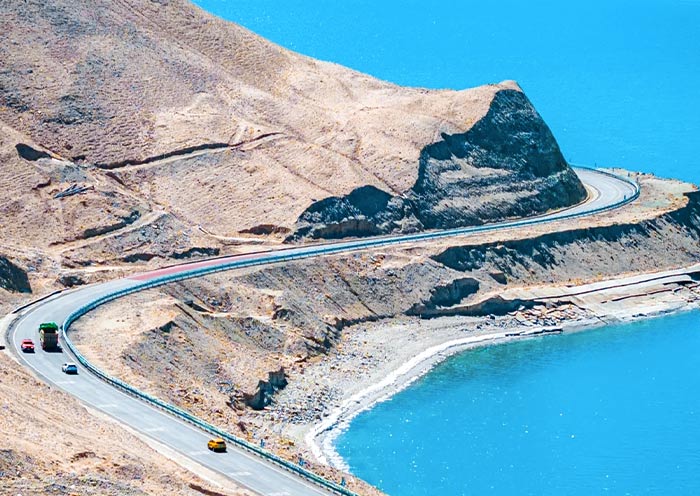
Today, you will be exploring Tashkurgan County before driving back to Kashgar along the scenic China-Pakistan Highway.
Tashkurgan or Taxkorgan, officially known as Tashkurgan Tajik Autonomous County (塔什库尔干塔吉克自治县), is situated in the eastern part of the Pamir Plateau, at an elevation of about 3,600 meters. In Uyghur, Tashkurgan means "Stone Fort," a name derived from the ancient stone fortresses located to the north of the town. It has the unique geographical advantage of being "one county bordering three countries," namely Tajikistan, Afghanistan, and Pakistan. As the final pass of the Silk Road within China's borders, Tashkurgan has been both an outlet for Central Plains civilization and a gateway for religious transmission throughout history.
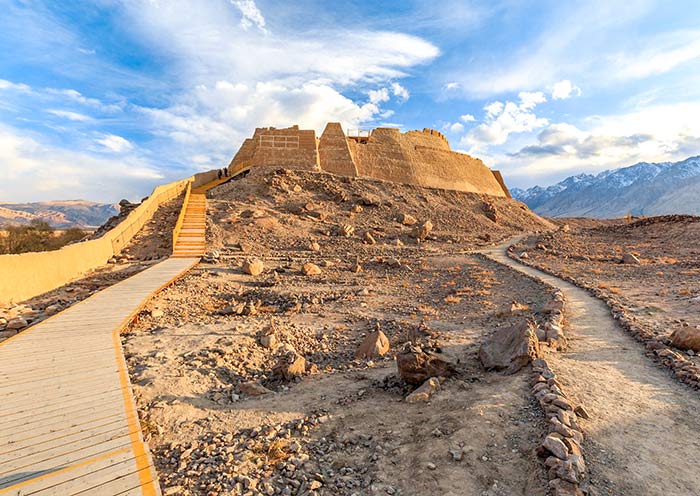
After breakfast, you will set out to explore Stone City (石头城), also known as Tashkurgan Fort, a fortress of great strategic importance on the ancient Silk Road. Archaeological evidence shows that during the Han period, it was once the capital of the Puli Kingdom (蒲犁国), one of the thirty-six states of the Western Regions (西域三十六国). After the Tang Dynasty unified the Western Regions, it became the largest post station on the ancient Silk Road crossing the Congling (Pamir Plateau). The renowned Chinese Buddhist monk Xuanzang (玄奘) stopped here to preach for 22 days on his return journey from India.
It is built on a high hill, with an extremely steep terrain, mainly constructed from piled stones, forming a unique stone city landscape. For travelers, it is a fantastic experience to explore the city ruins, witness the vicissitudes of the ancient city, and imagine how many merchants, monks, and explorers once traveled westward or eastward from here, or ponder how the Tajik ancestors, over a thousand years ago without advanced tools, managed to complete such a massive and magnificent project.
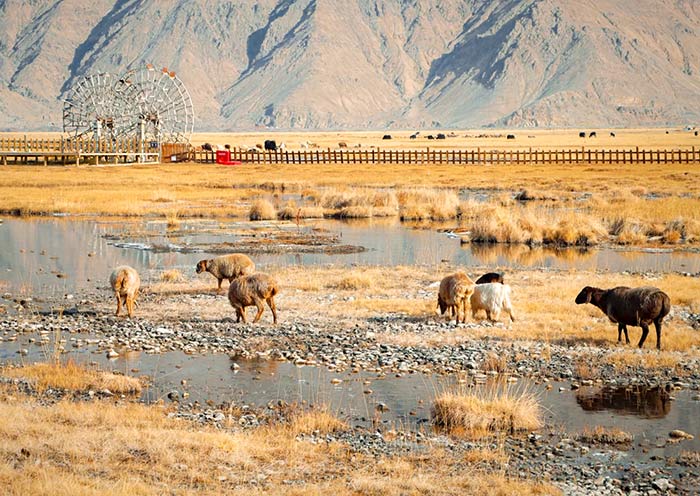
Following your visit to the fort, you will explore the expansive golden grasslands (金草滩) at the foot of the Stone City. This area, known as Alar National Wetland Park, comprises wetlands, meadows, rivers, marshes, snow-capped mountains, and plateaus. The Tashkurgan River flows through this area, where lush water and grass abound, and livestock roam freely, blending beautifully with the distant snow-capped mountains, white clouds, and blue sky. When the setting sun casts its light, the verdant grasslands turn a golden hue, and in the distance, the herders' white felt tents and flocks of sheep are bathed in the sunset as if cloaked in a golden glow. Hence, this area is aptly named "Golden Grasslands."
Lastly, you will leave Tashkurgan and drive back to Kashgar city along the scenic China-Pakistan Highway. This journey is not merely a return trip but a continuous discovery of the profound and majestic beauty that defines the Pamir Plateau. You'll have the opportunity to admire the spectacular snow-capped peaks from various angles on both sides. Muztagh Ata, Kongur Tagh, and Kongur Jiubie Peak form a triangular configuration, standing like towering pillars on the Pamir Plateau.
Stay overnight in in Kashgar city.
Dining:Accommodation: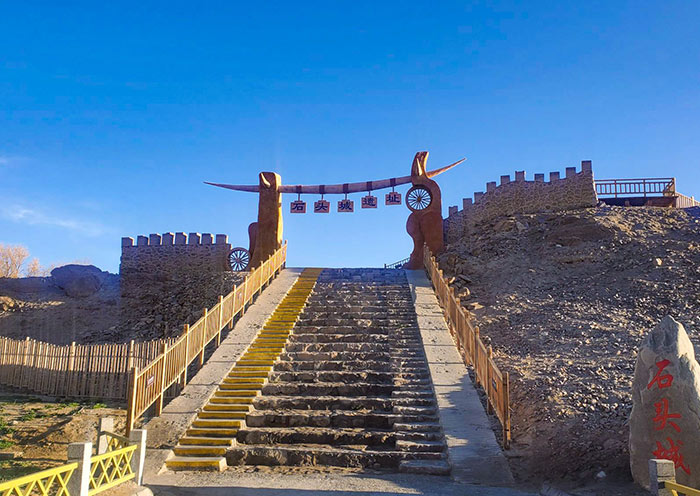
After breakfast, it is time to end your 13 Days Xinjiang Silk Road Tour. You will have some free time in Kashgar and explore more at your own pace till your guide escorts you to the airport for your flight to your next destination.
Departure Ideas
Kashgar Airport: Kashgar International Airport (IATA: KHG, ICAO: ZWSH), is one of the westernmost airports in China. The airport hosts a number of airlines that operate regular flights to major cities across China such as Urumqi, Beijing, Shanghai, Xi'an, Chengdu, and Guangzhou. It also handles international flights, including routes to cities in Central Asia.
Road Border Crossings: The Torugart Pass and Irkeshtam Pass are important channels between China and Kyrgyzstan. The Karasu Port is a crucial gateway between China and Tajikistan. The Khunjerab Pass is the only land border crossing between China and Pakistan. If you're considering departing via a road border crossing point and require transportation, please contact your travel advisor for specific cost and arrangement details.
Extension Ideas: If you wish to extend your trip, you can explor North Xinjiang destinations like Kanas, Hemu, and Yining. We'd be happy to assist with these additional arrangements.
Thank you for choosing Asia Odyssey Travel for your Xinjiang Tour, we are always here working for you and hope to seeyou again for your next trip to China/Asia. Safe journey!
Dining:Accommodation: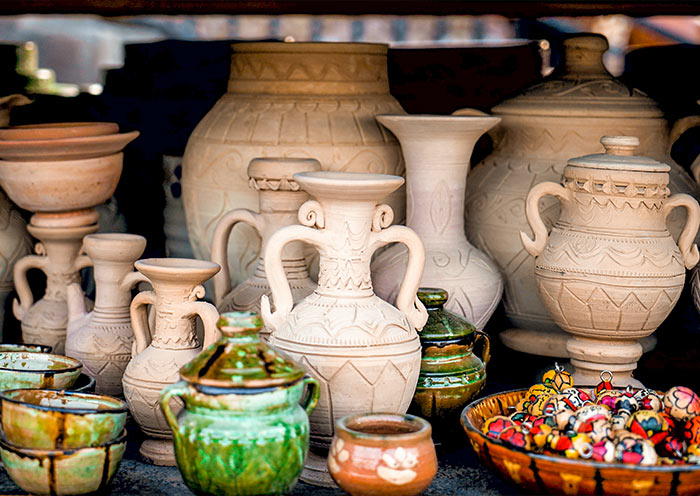

 Guide ServiceAttraction TicketsAirport/Train Station TransfersTransportation & FlightsDriver ServiceHotel AccommodationDaily Hotel BreakfastTravel Agency Liability InsuranceComprehensive Service
 China Visa FeeOptional ActivitiesHotel Policy & LogisticsPersonal ExpensesTransportation During Free TimeMeals Not ListedBeveragesSingle Room SupplementTippingUnexpected Circumstances
For most travelers, they will explore Xinjiang twice. Once is for the southern part, covering Urumqi - Turpan - Kashgar for about 7 to 8 days; another is for the northern part, covering Urumqi - Heavenly Lake - Kanas Lake - Hemu - Burqin - Karamay - Yining - Naraty Grassland - Jinghe - Urumqi, for about 10 days.
If you love silk road adventure and ethnic culture, choose the Southern Xinjiang route. If you love stunning idyllic painting-like scenery, go for Northern Xinjiang.
Xinjiang follows the unified Beijing Time, which is UTC+08:00. However, due to its geographical location within the UTC+6 time zone, the actual local sunrise and sunset in Xinjiang occur about two hours later than they would according to Beijing Time.
Xinjiang is home to various ethnic groups, including Uyghur and Kazakh communities. Many residents practice Islam, so it's important to respect local customs, such as avoiding discussions about pork.
Always seek permission before photographing individuals, especially in rural areas.
Xinjiang experiences significant temperature differences between day and night. Even in summer, evenings can be cool. Pack layers to accommodate these changes.
The region has strong UV radiation. Use sunscreen, wear hats, and consider long-sleeved clothing to protect your skin.
Xinjiang is vast, and travel between destinations can be lengthy. Plan your itinerary accordingly and be prepared for extended periods on the road.
Carry your passport and necessary documents at all times, as security checks are common. Some border areas require special permits.
Some areas, like the Pamir Plateau, are at high altitudes. Acclimate properly to prevent altitude sickness. Carry a basic first aid kit and any personal medications, as pharmacies may be scarce in remote regions.
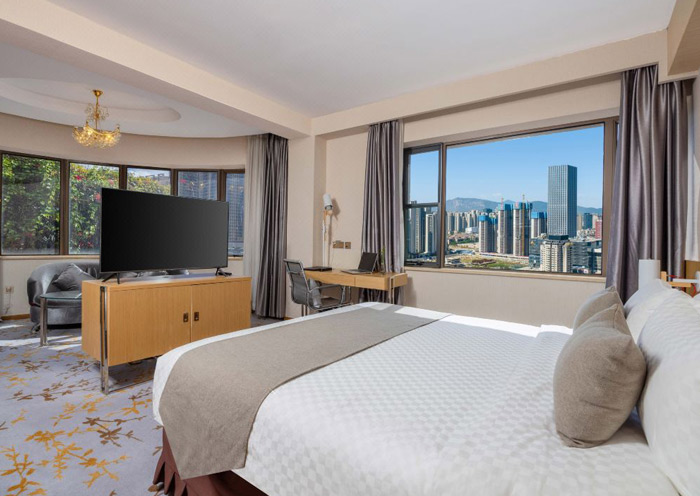


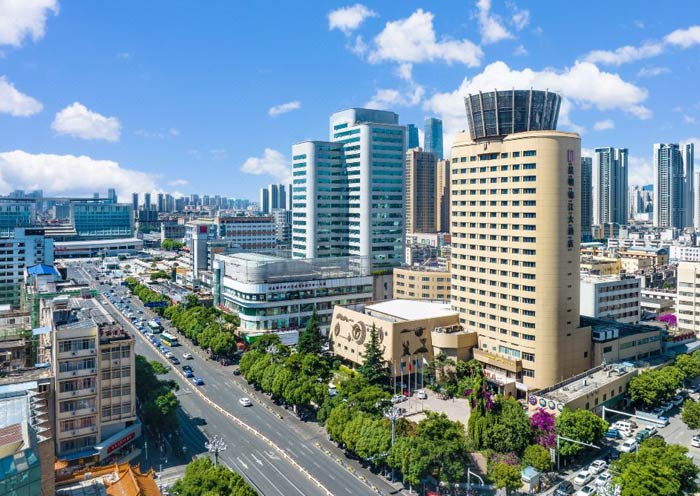
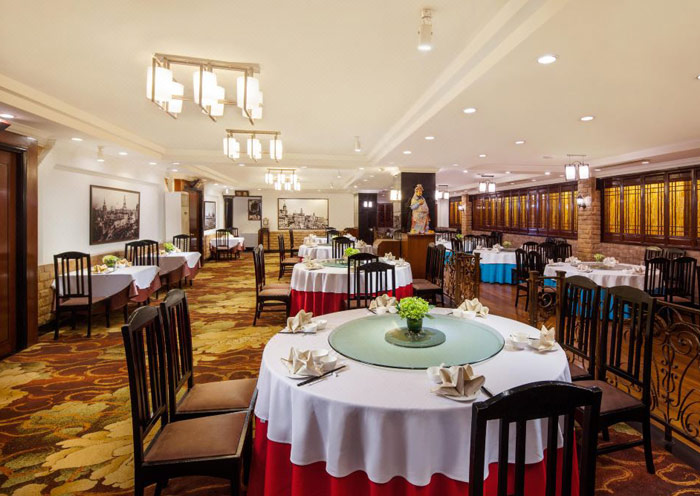
Xinjiang offers a diverse range of accommodations, from luxury 5-star hotels to comfortable 4-star options and basic 3-star lodgings. Whether travelers choose to stay in Urumqi, Turpan, Kashgar, or near Kanas Lake, all our selected hotels are conveniently located near city centers or popular tourist spots.
Major cities like Urumqi and Kashgar boast excellent accommodation options in Xinjiang, with numerous 4- and 5-star hotels offering good amenities and services. In smaller cities like Turpan and Karamay, hotel standards may not match those of larger cities. Star ratings can be inconsistent, so choosing 4- or 5-star hotels is recommended for a comfortable experience. In remote areas such as Kanas and Tashkurgan, accommodations are more basic, often limited to guesthouses or local inns. Facilities may be rudimentary.





 Data in submission...
Discover what our customers are saying about the latest Xinjiang Tours. Browse through their recent reviews and feedback on tour arrangements, guides, transportation, attractions, dining, hotels, and detailed itineraries to plan your own unforgettable China tour. View All Customers Reviews >>
 Tripadvisor 4.9
 4.9 | 16,674 reviews

I recently completed the “30 Days China Tour from Beijing” with Asia Odyssey Travel, and as someone from Singapore, I found it to be an exceptional experience.
Starting in Beijing, everything kicked off seamlessly — airport pick-up worked well, and our guide made us feel comfortable right away. Over the month we moved through a very broad selection of China’s landscapes, cities, history and culture. From the imposing Great Wall of China and Forbidden City in Beijing to ancient capitals, ethnic minority regions, high-speed train rides, rural scenery and modern metropolises.
Some of the highlights for me:


Runny was our travel consultant for a group of 10 people. Runny was professional and very prompt in answering our queries and concerns about the trip. The tour guides provided could speak English which is a plus point for us. The hotels provided were great as the rooms were big and clean. Food was great as we tried the local food and the portions were very generous. One point to note for improvement was that the train ride from Dunhuang to Turpan was at 5pm and hence we arrived very late in Turpan. Flying into Kashgar was also quite late and we were all very tired. However, inspite of this, everyone said that they really enjoyed the trip very much. The sights, food and accommodation were great, so thanks to Runny for a well organised trip. A friend had asked about our trip and I recommended Runny to him.

We travelled through China, from Beijing to the western city of Kashgar, in a trip organized by Odyssey Travel. Everything worked perfectly, from the planning and organization by Triston, our ever-present contact with the company, to each of the local guides in Beijing, Xi’an, Zhangye, Jiayuguan, Dunhuang, and Turpan, which were very well prepared and attentive.
Great trip!

Traveling from Dunhuang to Turpan introduced us to the captivating landscapes of Southern Xinjiang. From vast deserts to ancient cities, each stop held its own mysteries waiting to be discovered. Exploring these remote, culturally rich areas made the trip a true Silk Road adventure - ideal for travelers looking to experience China’s untamed beauty.

Our journey from Urumqi through Turpan to Kashgar was unforgettable! Kashgar’s Old City was a highlight, with its maze of traditional homes and lively markets, while the Heavenly Lake of Tianchi provided breathtaking mountain views. Each location in Xinjiang had its own unique charm and was a feast for the eyes and soul. Perfect for history lovers and nature enthusiasts!

Urumqi - Tianchi Lake - Urumqi - Turpan - Kashgar - Tashkurgan - Kashgar
View Details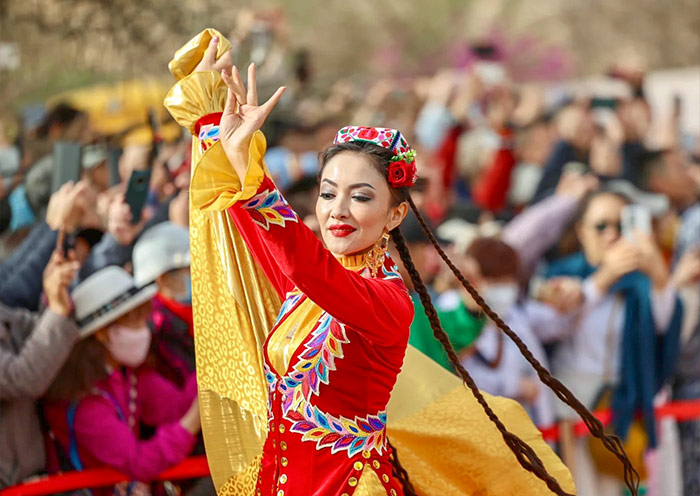
Urumqi - Tianchi Lake - Urumqi - Turpan - Kashgar
View Details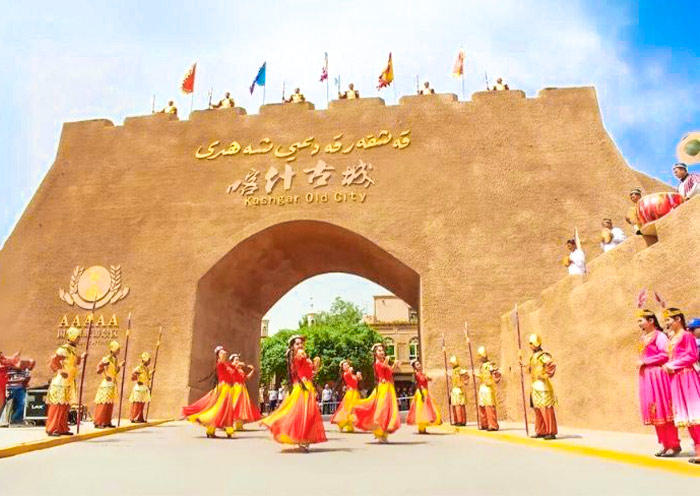
Kashgar - Tashkurgan - Kashgar
View Details
Kashgar - Tashkurgan - Kashgar - Urumqi - Tianchi Lake - Urumqi - Turpan - Urumqi
View Details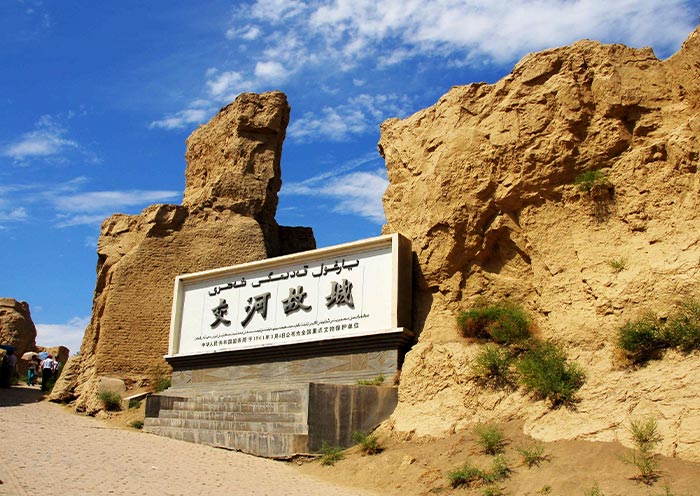
Urumqi - Tianchi Lake - Turpan - Urumqi
View Details
I recently completed the “30 Days China Tour from Beijing” with Asia Odyssey Travel, and as someone from Singapore, I found it to be an exceptional experience.
Starting in Beijing, everything kicked off seamlessly — airport pick-up worked well, and our guide made us feel comfortable right away. Over the month we moved through a very broad selection of China’s landscapes, cities, history and culture. From the imposing Great Wall of China and Forbidden City in Beijing to ancient capitals, ethnic minority regions, high-speed train rides, rural scenery and modern metropolises.
Some of the highlights for me:
This is the second time I used Asia Odyssey Travel as I was very satisfied with them for my last Tibet tour. This time is tour is a 13 days Xinjiang tour. Our agent Cecilia was very helpful and experienced. She helped a lot in the planning and was quick in response. She contacted us all the time during the tour to ensure everything is OK. The hotels, local tour guides and drivers were excellent too.
Cecilia planned our North Xinjiang 8-day experience. The experience was excellent. Although the trip was brief, my grassland experience was fulfilled. We visited DuShanZi, Naraty grassland, Karajun grassland, and Sayram Lake along the way. We had an amicable English speaking Tour guide from Urimqi. This was our second trip that was planned by Cecilia. I provided my dates and accommodation choices and she organised the trip for us. Both trips were memorable. For this trip, I asked for a mixture of hotel and grassland accommodations. The home stay and capsule cabin selections were delightful. I would recommend Cecilia to my colleagues and friends who might want to have individual customised tours in China.
Runny was our travel consultant for a group of 10 people. Runny was professional and very prompt in answering our queries and concerns about the trip. The tour guides provided could speak English which is a plus point for us. The hotels provided were great as the rooms were big and clean. Food was great as we tried the local food and the portions were very generous. One point to note for improvement was that the train ride from Dunhuang to Turpan was at 5pm and hence we arrived very late in Turpan. Flying into Kashgar was also quite late and we were all very tired. However, inspite of this, everyone said that they really enjoyed the trip very much. The sights, food and accommodation were great, so thanks to Runny for a well organised trip. A friend had asked about our trip and I recommended Runny to him.
We travelled through China, from Beijing to the western city of Kashgar, in a trip organized by Odyssey Travel. Everything worked perfectly, from the planning and organization by Triston, our ever-present contact with the company, to each of the local guides in Beijing, Xi’an, Zhangye, Jiayuguan, Dunhuang, and Turpan, which were very well prepared and attentive.
Great trip!
Traveling from Dunhuang to Turpan introduced us to the captivating landscapes of Southern Xinjiang. From vast deserts to ancient cities, each stop held its own mysteries waiting to be discovered. Exploring these remote, culturally rich areas made the trip a true Silk Road adventure - ideal for travelers looking to experience China’s untamed beauty.
Our journey from Urumqi through Turpan to Kashgar was unforgettable! Kashgar’s Old City was a highlight, with its maze of traditional homes and lively markets, while the Heavenly Lake of Tianchi provided breathtaking mountain views. Each location in Xinjiang had its own unique charm and was a feast for the eyes and soul. Perfect for history lovers and nature enthusiasts!
Our journey through Xinjiang was an extraordinary adventure filled with captivating experiences. From the bustling bazaars of Kashgar to the breathtaking landscapes of the Taklamakan Desert, every moment was filled with wonder. The vibrant Uyghur culture, with its delicious cuisine and traditional music, added a unique flavor to my trip. Exploring the ancient ruins of Jiaohe and the stunning Karakul Lake left me in awe. Xinjiang is a destination that offers a perfect blend of cultural immersion, natural beauty, and unforgettable memories. It's a place where adventure awaits at every corner, making it a must-visit destination for any traveler.