+852 5394 6901
 Take China Group Tours in 2026/2027 to enjoy 30% discount compared to private tour. Same Experience & Lowest Price!
Where to Go & How Many Days in Thailand? (The "Must-Visits" for Beginners)
Thailand is long and narrow. To make planning easy, just think of it in three parts: the City (Bangkok), the Mountains (North), and the Beaches (South). Here is where you should focus your time.
Bangkok: The Capital of Chaos (Stopover: 3-4 Days)
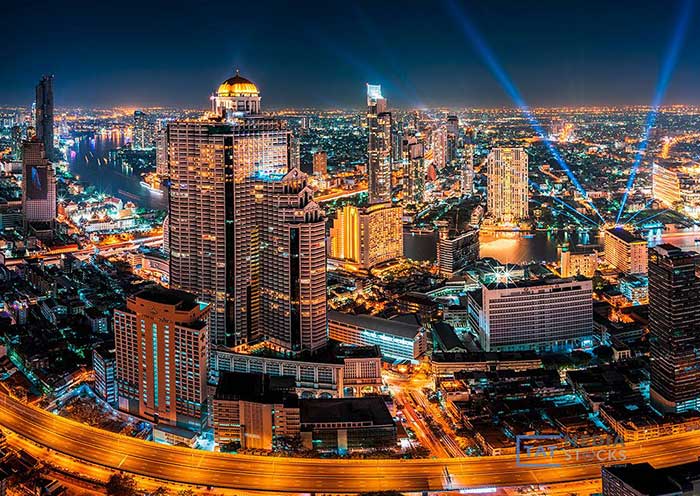
You will likely land here, and you should stay. Bangkok is the most visited city in the world for a reason. It is an assault on the senses—loud, hot, and electric.
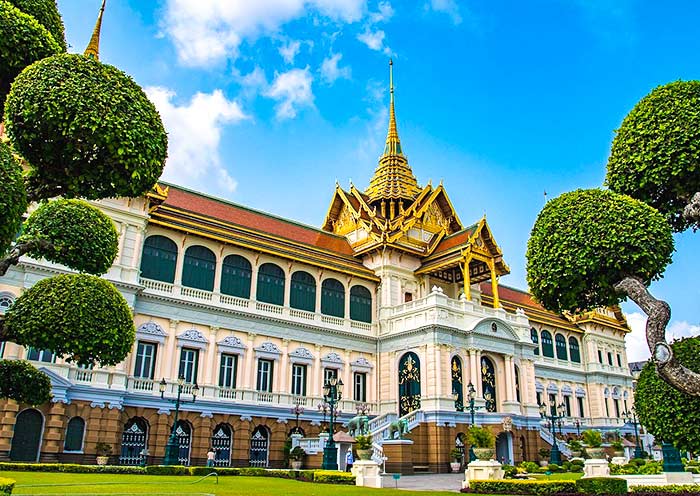
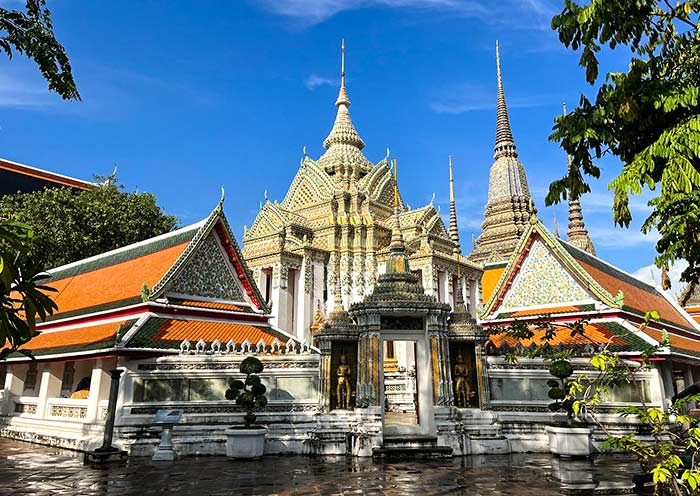
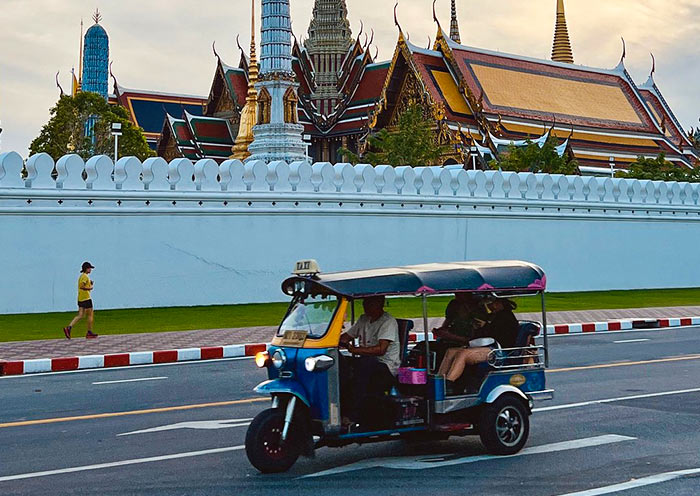
You need at least 3 days here to see the "Big Three" temples (Grand Palace, Wat Pho, Wat Arun). The Grand Palace is the former home of the Thai King and is dazzlingly intricate. Just behind it is Wat Pho, home to a massive Reclining Buddha that is 46 meters long (bigger than a blue whale).
But the real magic happens at night. Bangkok is famous for its street food culture—it's one of the few places on earth where you can get a Michelin-starred meal from a street stall for a few dollars. 3 Days is perfect. 4 days if you want to take a day trip to the Ayutthaya ruins.
Chiang Mai: The Cultural North (2-3 Days)
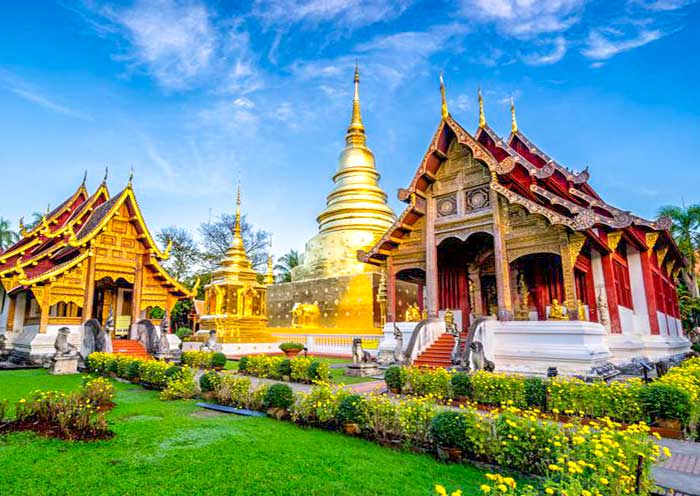
You might not know the name "Chiang Mai," but you have almost certainly seen photos of it. Have you ever seen those viral images of thousands of paper lanterns floating into the night sky? That happens here, during the famous Yi Peng Festival.
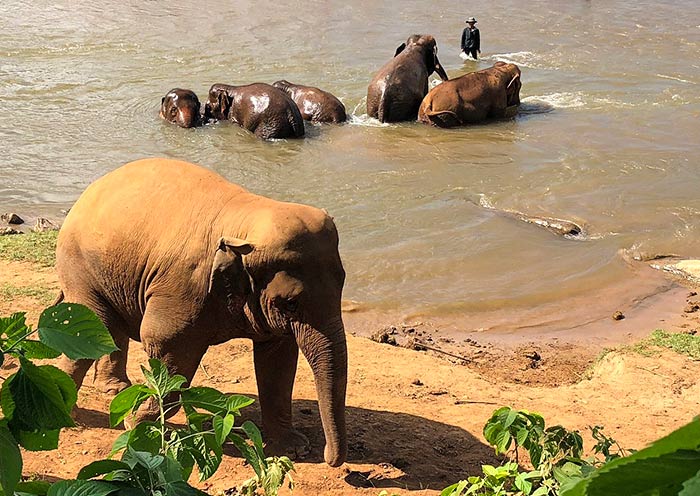
Chiang Mai was the capital of the ancient Lanna Kingdom for 500 years and it is the soul of Thailand. It is so culturally significant that it was designated a UNESCO Creative City. Travelers flock here for a slower pace of life and, most importantly, for the elephants.
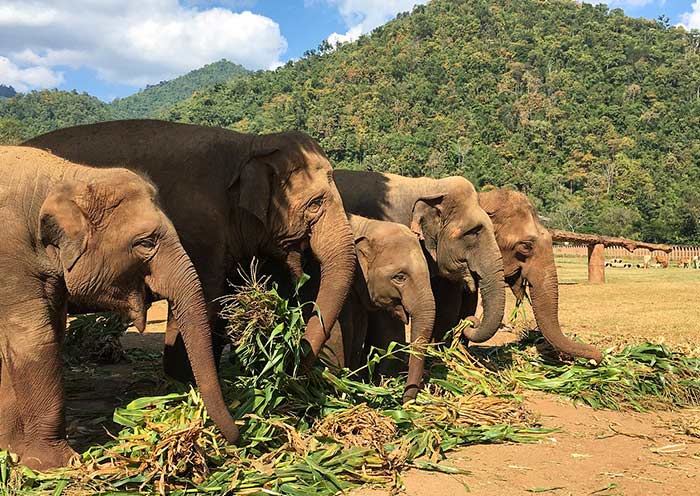
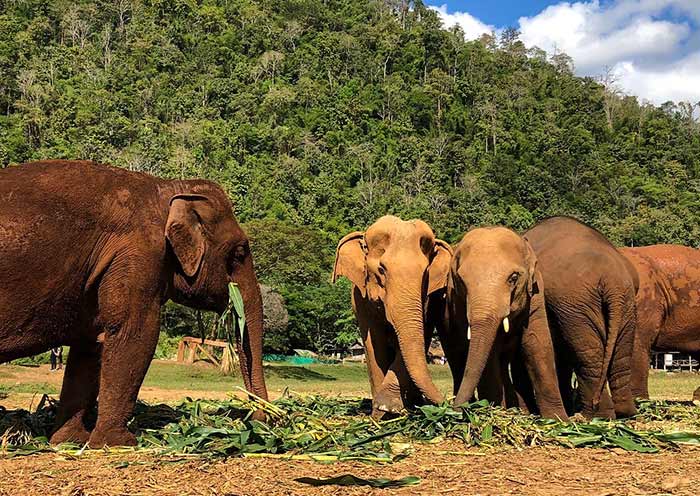
This serves as the best place to visit an ethical elephant sanctuary (no riding, just feeding and bathing). You need 2 to 3 days here.
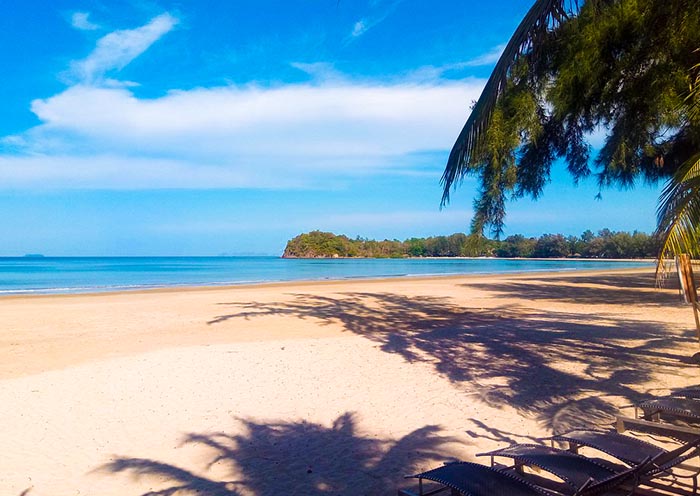
The Islands (3-5 Days): Phuket or Koh Samui
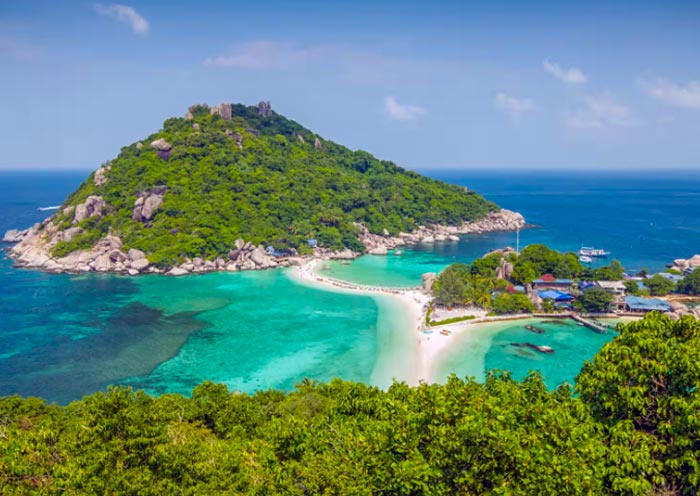
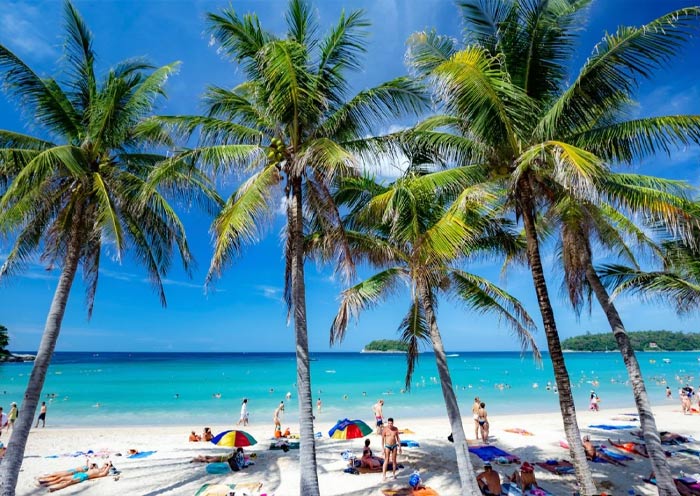
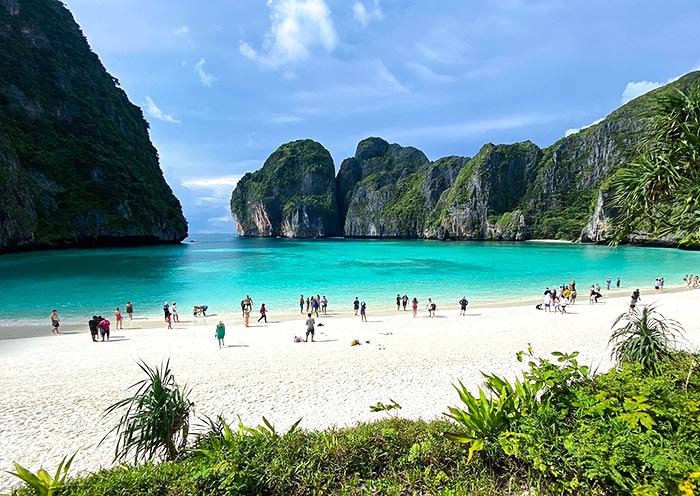
Thailand's islands are the Hollywood standard for "tropical paradise." Movies like The Beach (Leonardo DiCaprio) and The Man with the Golden Gun (James Bond) were filmed here because the scenery is unreal—think vertical limestone cliffs rising out of emerald water.
However, a classic rookie mistake is trying to see everything. The islands are split between two different oceans.
- The West Coast (Nov-Apr): This is home to Phuket and Krabi. Go here if you want those dramatic "James Bond" cliffs and world-class island hopping.
- The East Coast (Jan-Aug): This is home to Koh Samui. Go here for white sand luxury and slightly calmer waters.
The Golden Rule: Do not try to hop between the East and West coasts in one trip unless you have a lot of time. Pick one side, plant your feet in the sand, and relax for 3 to 5 days.
Best Places to Visit in Thailand for First Timers
Top 40 Thailand Attractions: Best Thailand Attractions
Top 5 Thailand Islands: Most Beautiful Islands to Visit in Thailand

Where to Go & How Long to Stay in Malaysia? Go West Malaysia First
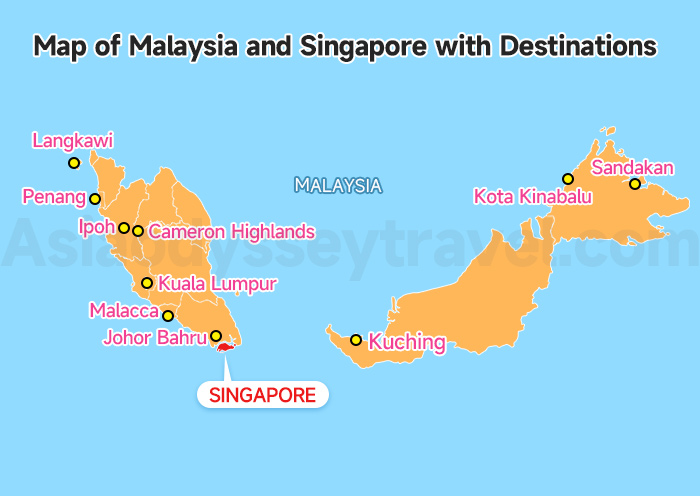
Malaysia is the underrated gem of Southeast Asia. For a first-time trip combining these two countries, you should focus your time on West Malaysia (the peninsula connected to Thailand). This is where the transport is fastest and the cultural highlights are concentrated.
Here are the stops that define the country.
Kuala Lumpur (2-3 Days): The Modern Melting Pot
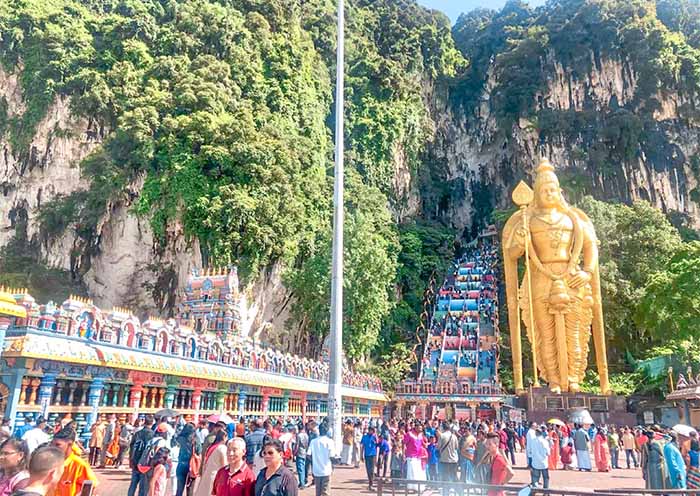
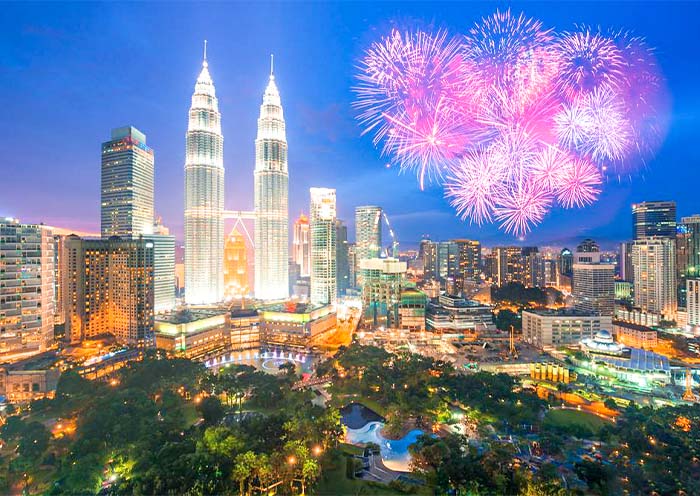
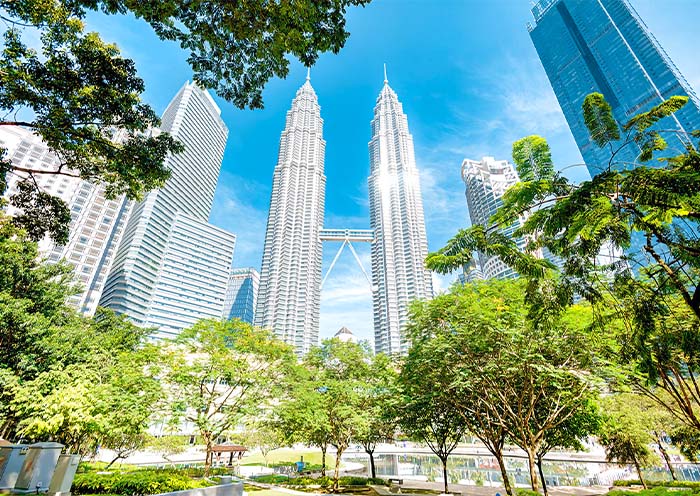
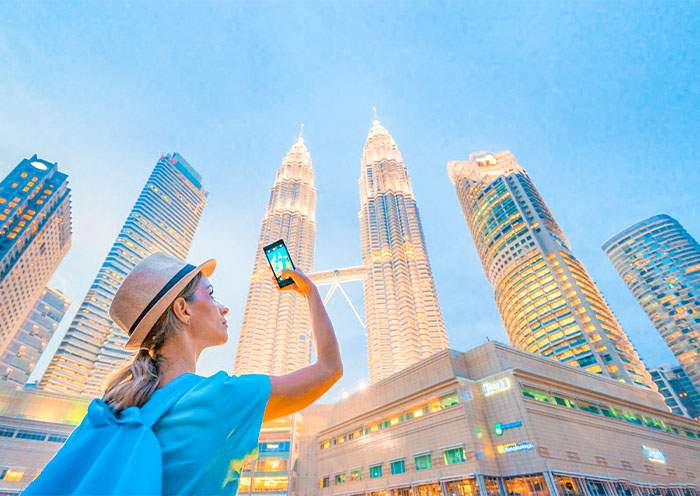
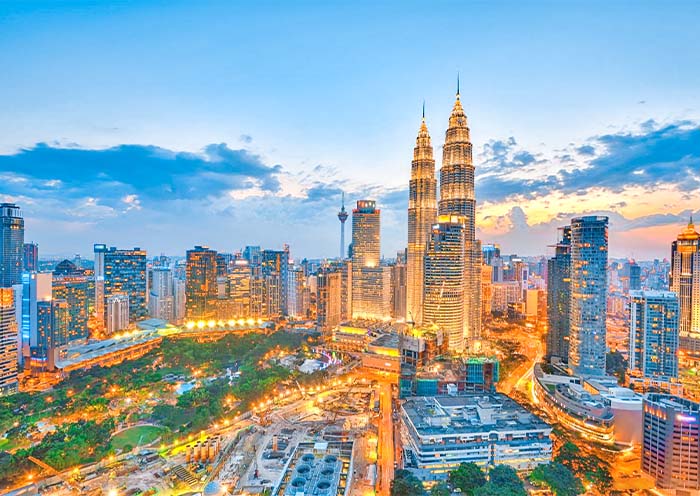
Everyone knows Kuala Lumpur (KL) for one thing: the Petronas Twin Towers. They are the tallest twin buildings on Earth. Seeing these steel giants shine at night is unforgettable.
KL is a mix of Malay, Chinese, and Indian cultures. You must visit the Batu Caves. You have probably seen the giant golden statue and the 272 rainbow-colored steps on Instagram. It is iconic.
After climbing the steps, head back downtown. KL is unique because you can eat $2 street food right next to a Gucci store. Stay 2 to 3 days. It is the perfect place to end your trip because luxury hotels here are shockingly cheap.
Penang (George Town): 2-3 Days to Enjoy the UNESCO-site Town
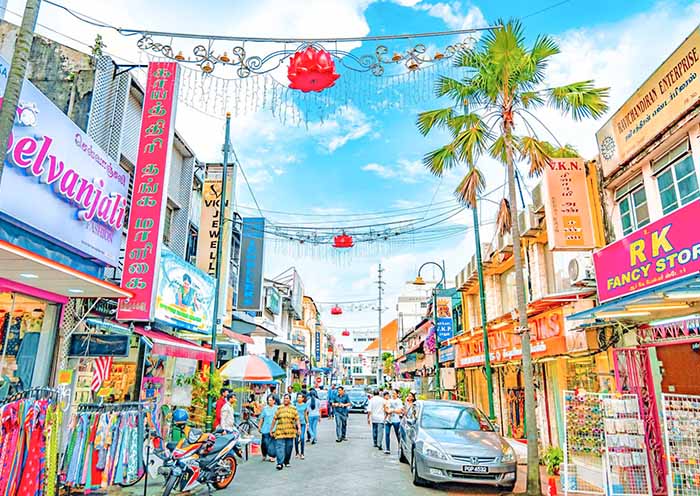
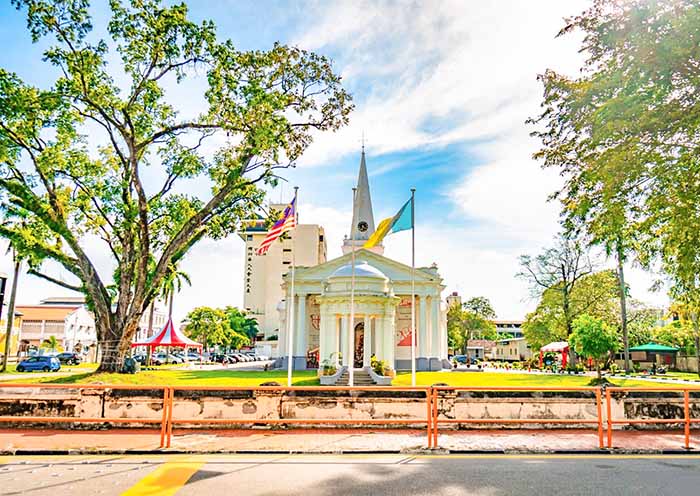
Who has the best street food in Asia? Some say Bangkok, but real foodies say Penang.
The main city, George Town, is a UNESCO World Heritage Site. Walking here feels like stepping into an open-air museum. You will pass old Chinese shophouses, British colonial buildings, and famous street art. You have likely seen the mural of the "Children on a Bicycle"—it's right here.
But mostly, you come here to eat. This is the culinary capital of Malaysia. You cannot leave without trying Char Kway Teow (fried noodles) and Laksa. They are world-famous for a reason. Give it 2 to 3 days.
Langkawi or Malacca? (The "Add-Ons")
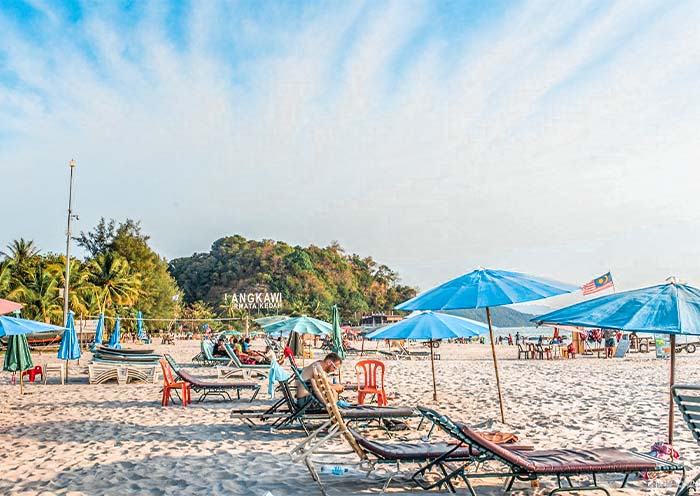
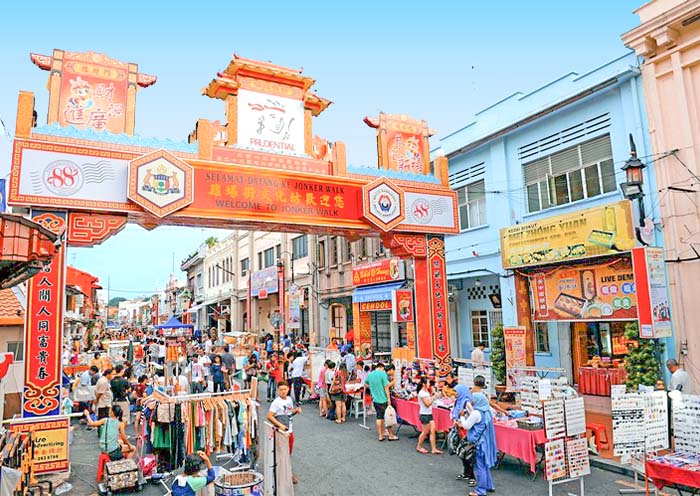
If you have extra time (or if you decided to skip the Thai islands), add one of these to your list.
- Option A: Langkawi (2-3 Days). This is for nature lovers. It is a UNESCO Global Geopark famous for the Langkawi Sky Bridge, a curved walkway floating high above the jungle. Plus, it is a duty-free island. Beer and chocolate are much cheaper here than in the rest of Malaysia.
- Option B: Malacca (1-2 Days): This is for history buffs. It is another UNESCO city just south of KL. The Portuguese, Dutch, and British all colonized this port, and you can still see their bright red buildings today.
Malaysia Itineraries: How Many Days in Malaysia for First Time?
Two Weeks in Malaysia: 2 Best 14-Day Malaysia Itinerary
Malaysia 10 Day Itinerary: 3 Plans for 10 Days in Malaysia
How to Spend One Week in Malaysia? (7-Day Itineraries with Cost)
How to Connect Thailand and Malaysia in One Trip
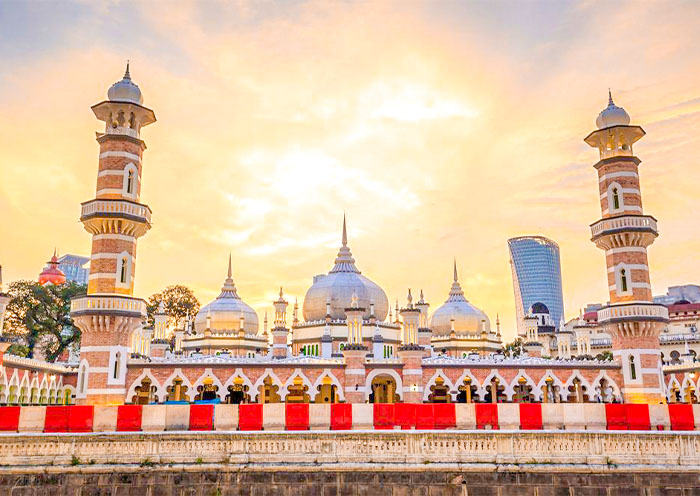
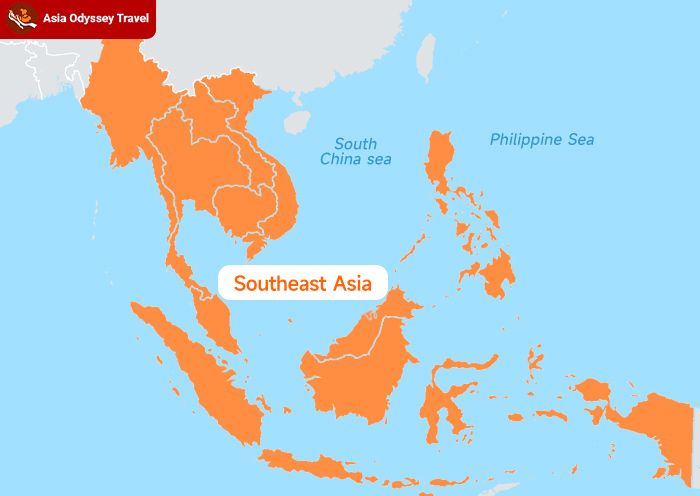
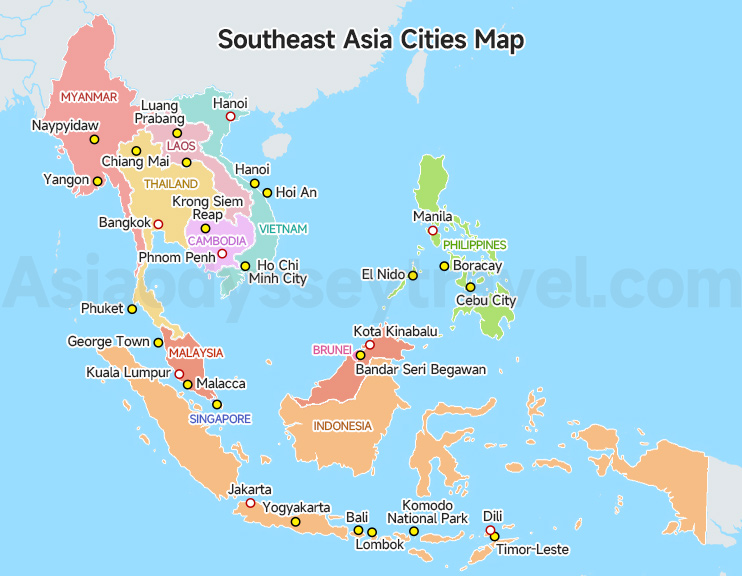
Look at a map of Southeast Asia. You will see a long strip of land reaching down into the ocean. Thailand sits at the top, and Malaysia sits at the bottom.
Because they share this land bridge, connecting them is the most natural trip in the region. You don't need to zigzag across oceans; you just follow the path south.
The biggest mistake beginners make is treating these countries as equals. They are not. Thailand is vast and spread out; Malaysia is compact and efficient. To avoid burnout and stress, you need a strategy. Here are the three golden rules for a smooth trip.
Go North to South (From Thailand to Malaysia): Most Travelers Choice
There is a reason 90% of travelers do it this way. Start in Bangkok. It usually has the cheapest international flights. End in Kuala Lumpur. It is smart to finish here because the city is modern and organized.
Leave One "Do Nothing" Day at Beach
Travel burnout is real. After days of walking through hot temples and catching early buses, you will get tired. Mark one day on your itinerary as "Empty." No tours. No alarms.
Just you and a coconut by the ocean. This "reset day" gives you the energy to enjoy the second half of your trip. Trust me, your feet will thank you.
Thailand and Malaysia Itinerary 1: The "Essentials" (12-14 Days)
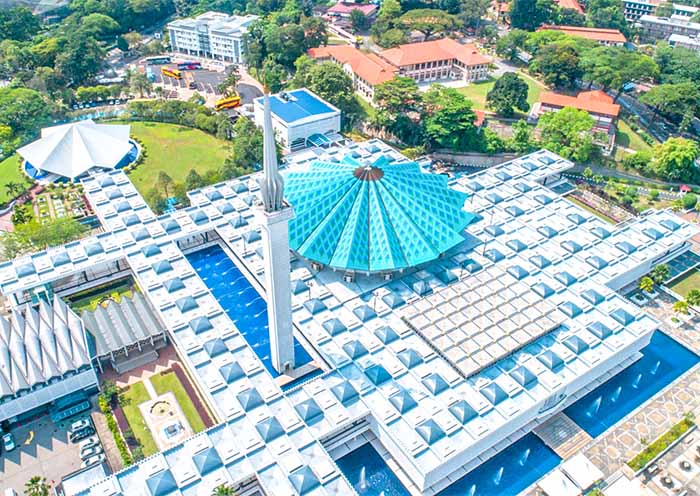
Route: Kuala Lumpur -> Penang -> Bangkok -> Chiang Mai -> Phuket.
Wait, didn't I just say "Go North to South"? Yes, I did. And for 90% of people, starting in Thailand is the best choice. However, travel is flexible, and sometimes you need to break the rules.
This itinerary is a South-to-North Variant (Starting in Malaysia, ending in Thailand). Why would you choose this direction? Sometimes, it is significantly cheaper to fly into Kuala Lumpur than Bangkok.
If this trip is just the start of a bigger adventure, ending in Thailand puts you in the perfect position to travel onwards to Laos, Cambodia, or Vietnam by land or short flight.
So, if you are starting in KL, here is how to maximize your 12 days.
Day 1-2: Arrival in Kuala Lumpur (Malaysia) & Kuala Lumpur Highlights
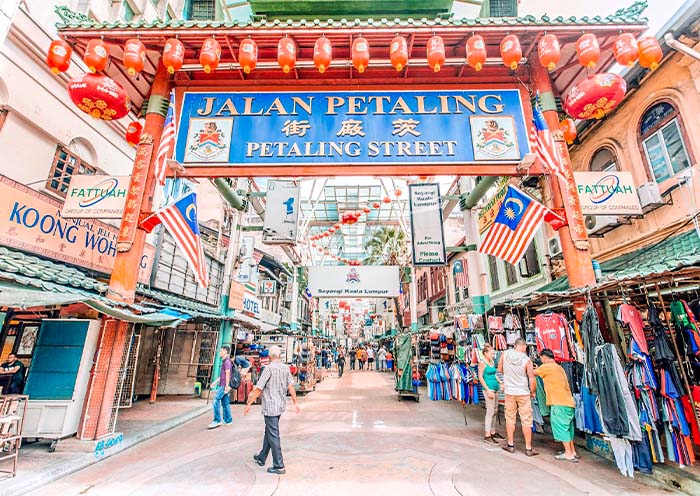
Your jouney start acturlly at day 2. Start early at the Batu Caves. Climb the 272 rainbow steps to see the Hindu shrine inside the cave. In the afternoon, head downtown.
Walk around Independence Square (Merdeka Square) and finish your day at the Petronas Twin Towers. They look best at night when they are lit up.
Day 3: Day Trip to Malacca (History)
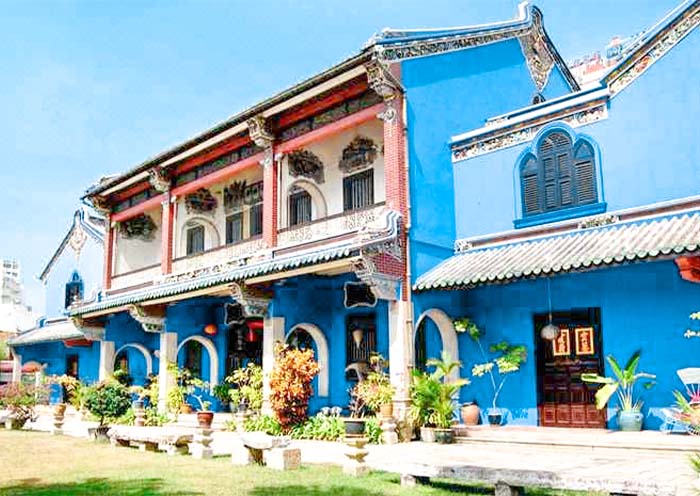
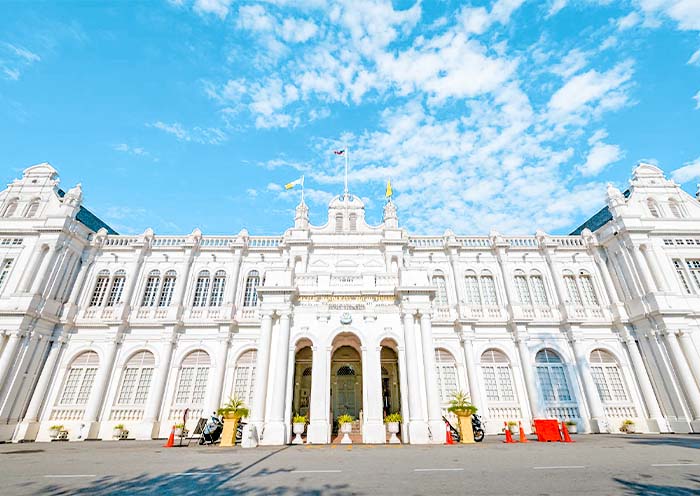
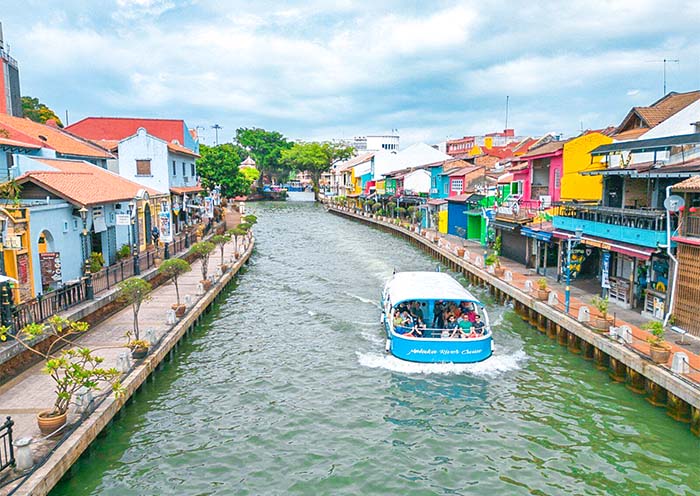
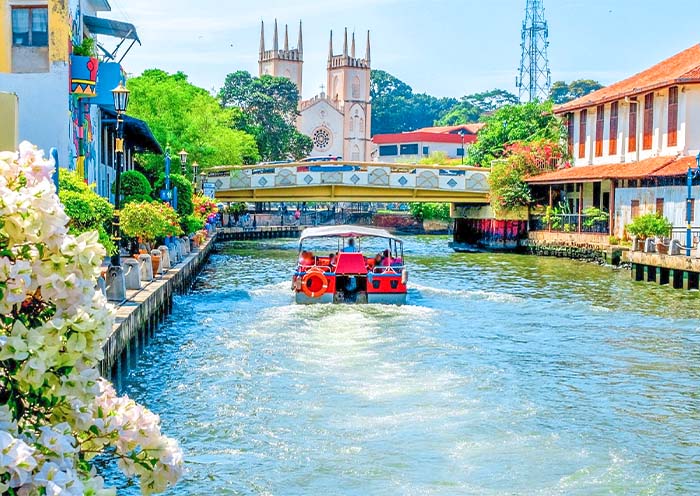
Take a bus or a private car to Malacca (2 hours away). It's a UNESCO city. Walk down Jonker Street, visit the red Dutch Square, and take a relaxing cruise on the Malacca River. Head back to KL in the evening.
Day 4-5: Penang (The Food Capital)
On day 4 take a short morning flight to Penang. After checking in, head straight to Chulia Street or a hawker center (food court). Tonight is about one thing: eating. Try the Char Kway Teow and Satay.
On day 5 spend the morning hunting for Street Art in George Town. The murals are hidden in small alleys, so it feels like a treasure hunt. In the afternoon, take the funicular train up Penang Hill for a panoramic view of the island.
Day 6-7: Bangkok City Tour
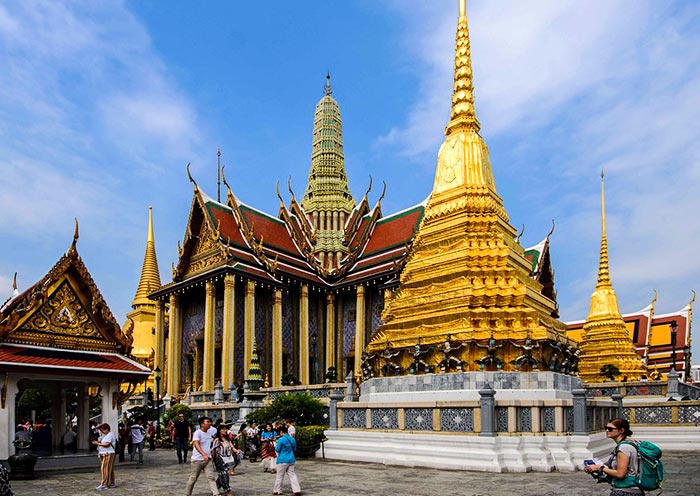
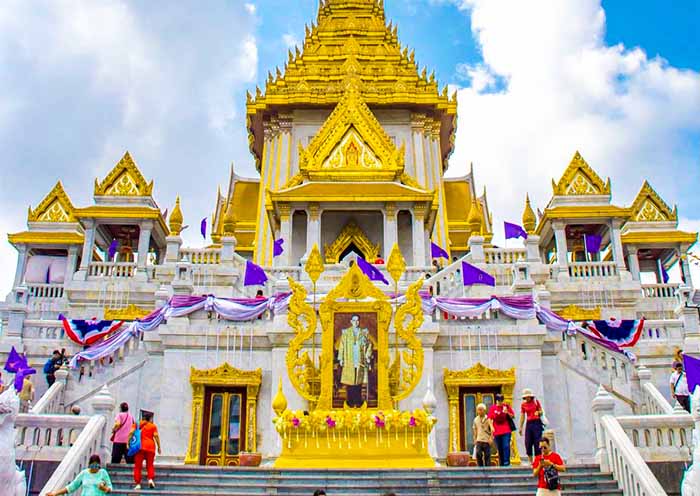
Day 6 is for transport. Check into your hotel and maybe grab a massage to relax.
The next day is for the "Big Three." Start at the Grand Palace (dress modestly, cover knees and shoulders). Then walk to Wat Pho to see the giant Reclining Buddha. Cross the river to see Wat Arun at sunset. Finish the night with street food in Chinatown.
Day 8-9: Chiang Mai
Day 8: Fly north to Chiang Mai. It feels much calmer here. Spend your afternoon exploring the Old City inside the square walls. Visit Wat Phra Singh and walk through the Tha Phae Gate.
Day 9: Elephant Nature Park. This is a highlight for many people. Book a visit to an ethical elephant sanctuary (like Elephant Nature Park). You will spend the day feeding and walking with elephants in the jungle. No riding allowed.
Day 10-12: Phuket (The Beach)
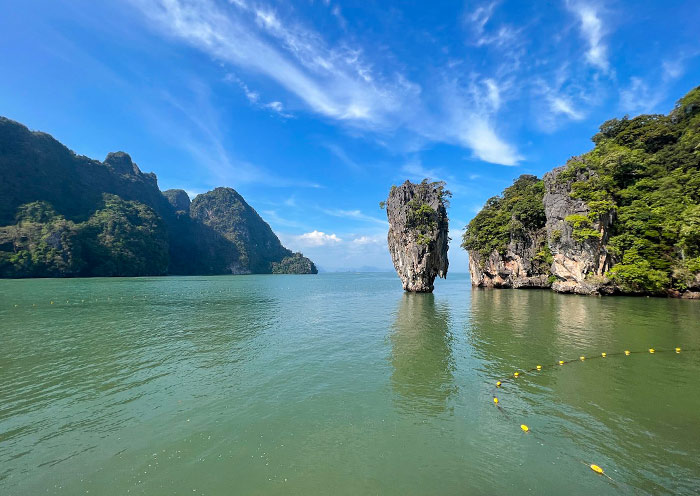
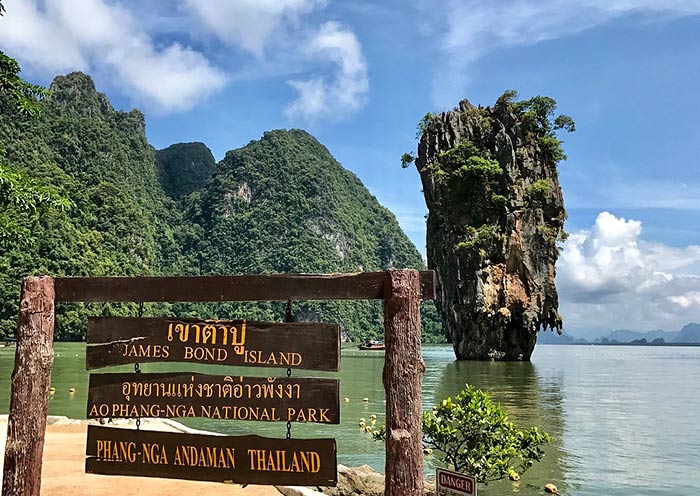
Stay in Phuket Old Town if you want culture and cute cafes, or head straight to a beach area like Kata or Karon if you just want the ocean.
Enjoy Phuket. Phuket Island Tour or Beach Day You have a choice. You can take a boat tour to Phi Phi Islands to see the limestone cliffs (it will be crowded but beautiful). Or, just stay on the beach in Phuket, swim, and drink a coconut.
Thailand and Malaysia Itinerary 2: The "Overland Explorer" (3 Weeks)
- Target: Backpackers, slow travelers, and anyone who wants the full "road trip" experience.
- Route: Bangkok -> Chiang Mai -> Thai Islands -> Ferry Crossing -> Langkawi -> Penang -> Cameron Highlands -> Kuala Lumpur.
- Highlight: The romance of crossing the international border by boat.
- Direction: North to South (Following gravity).
Days 1-3: Start in Bangkok
Welcome to the start of your adventure. Spend your first few days adjusting to the heat and the chaos. Visit the Grand Palace, eat Pad Thai on Khao San Road (the backpacker hub of the universe), and take a boat down the Chao Phraya River.
Days 4-7: The Northern Detour (Chiang Mai)
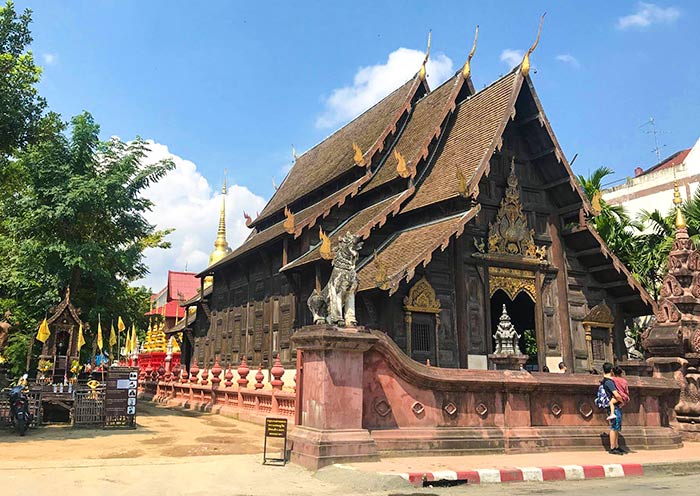
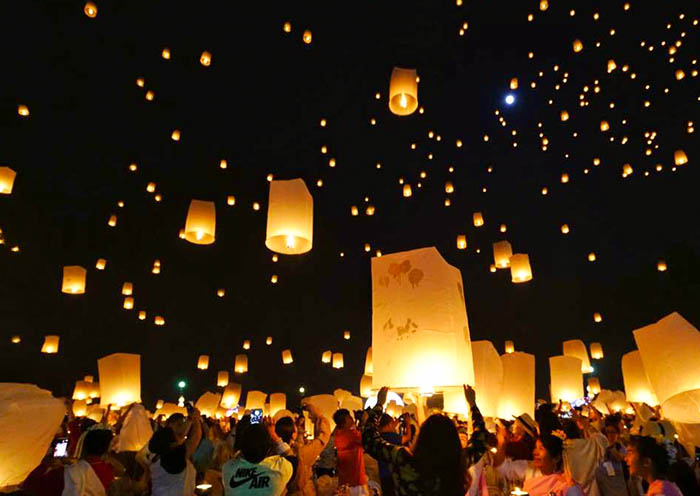
Take the famous overnight sleeper train from Bangkok to Chiang Mai. It's a rite of passage for travelers. Wake up to views of green rice fields. Spend these days exploring the ancient temples, visiting an elephant sanctuary, and enjoying the cooler mountain air.
Logistics Note: On Day 7, fly directly from Chiang Mai down to Krabi to start the beach leg.
Days 8-10: Krabi & Railay Beach
Now, the tropical part begins. Stay in Ao Nang or Railay Beach. Railay is famous for those massive limestone cliffs that rock climbers love. It feels like a lost world because you can only get there by longtail boat. Watch the sunset at Phra Nang Cave Beach—it is magical.
Days 11-13: Island Hopping South (Koh Lanta & Koh Lipe)
We are moving south towards the border. First, take a ferry to Koh Lanta. It is chilled out, huge, and perfect for riding a scooter.
Then, take a speedboat further south to Koh Lipe. This is the absolute highlight. People call it the "Maldives of Thailand" because the water is impossibly clear and the sand is powdery white. It is a tiny island with no cars, and it is your final stop in Thailand.
Day 14: The Border Crossing (The Adventure)
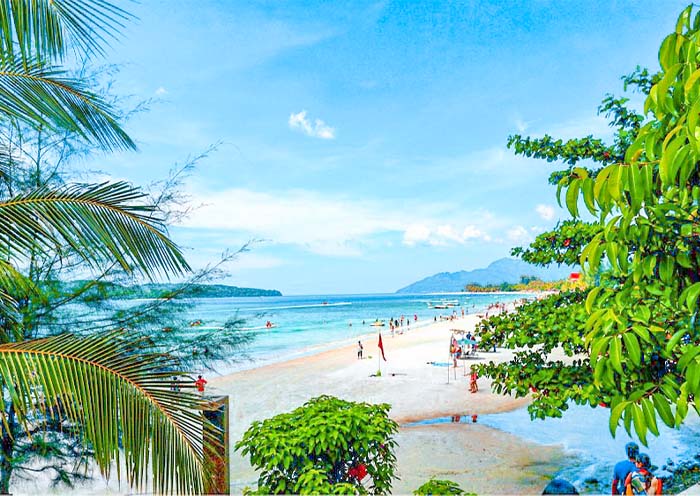
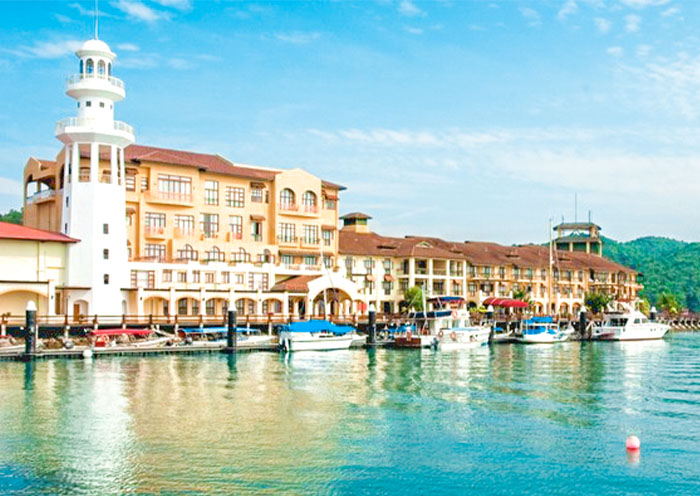
This is the coolest travel day of the trip. You will check out of Thailand at a tiny immigration office right on the beach in Koh Lipe.
Then, you hop on a ferry for a 90-minute ride across the ocean. You will dock at Langkawi, Malaysia. Just like that, you have changed countries. New currency, new language, new time zone.
Days 15-16: Langkawi (Welcome to Malaysia)
Langkawi is much bigger than Koh Lipe. Rent a car or scooter and explore. Drive up to the Sky Bridge for crazy views, or join a "Mangrove Tour" to see eagles feeding and explore bat caves. Enjoy the duty-free chocolate and beer while you can—alcohol gets expensive once you leave this island.
Days 17-18: Penang (The Foodie Stop)
Take a short ferry or flight to Penang. By now, you might be tired of beaches, so Penang is a perfect change. It is all about heritage buildings and street food. Go to a hawker center and order Assam Laksa. It's a sour, spicy fish noodle soup that defined this island.
Days 19-20: Cameron Highlands (Cooling Off)
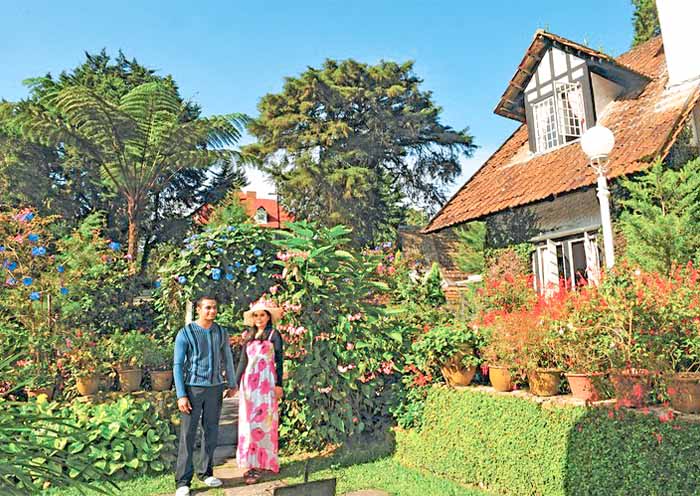
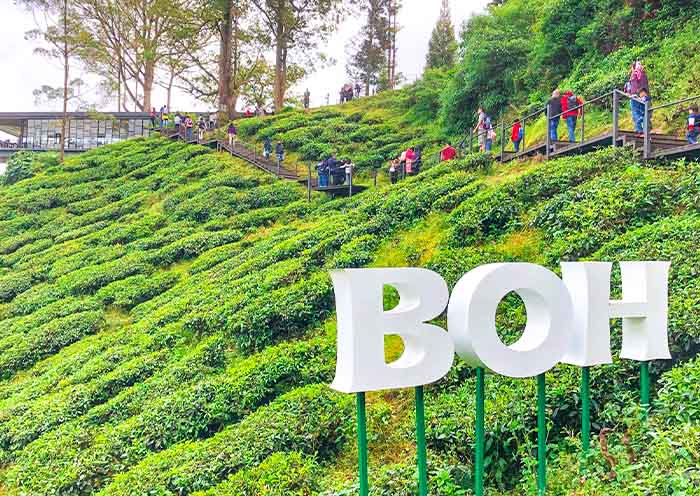
This is a unique stop. From Penang, take a bus up into the mountains to the Cameron Highlands. The temperature drops, and the landscape turns into rolling green hills covered in tea plantations.
It looks like England, complete with colonial cottages and scones with strawberry jam. It is the perfect place to hike and cool down before the big city finale.
Day 21: Kuala Lumpur (The Finale)
Take a bus down to Kuala Lumpur. Spend your final day marveling at the Petronas Twin Towers and shopping for souvenirs at Central Market. Treat yourself to a nice dinner on a rooftop bar (like the Heli Lounge Bar) to toast the end of an epic 3-week journey.
Transport: How to Get Between the Two Countries?
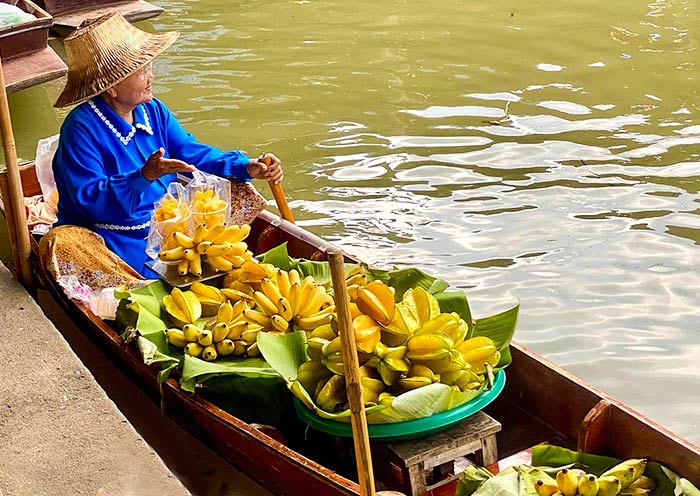
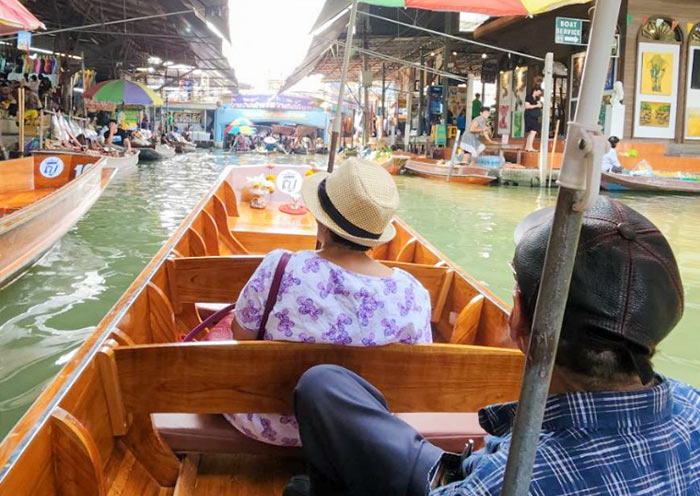
Crossing the border from Thailand to Malaysia is surprisingly easy. You don't need a visa in advance for most Western passports (you get a stamp on arrival), and you have three very different ways to do it.
Option A: The Flight (Fastest & Easiest)
Flying is cheap. Budget airlines like AirAsia operate like flying buses in this region. You can fly from Bangkok, Phuket, or Chiang Mai directly to Kuala Lumpur or Penang. If you book a few weeks in advance, a one-way ticket can be as low as $30 to $50 USD. The flight takes less than 2 hours.
Option B: The Ferry (Most Scenic)
You take a ferry from Koh Lipe (Thailand) to Langkawi (Malaysia). The ride takes about 90 minutes. It is cool because you go through immigration right on the beach. You hand over your passport at a wooden counter on the sand, hop on a boat, and step off in a new country.
Important Warning (Seasonality): This route only runs during the high season (usually mid-October to May). During the summer monsoon season (June to September), the sea is too rough, and the boats stop running. Do not plan this route if you are traveling in July!
Option C: The Train (Most Classic)
There is a train from Hat Yai (Southern Thailand) to the border station called Padang Besar.
At Padang Besar, everyone gets off. You walk through Thai immigration (exit) and Malaysian immigration (entry) in the same building. Then, you switch to the modern Malaysian electric train (ETS) which zooms you down to Butterworth (for Penang) or straight to Kuala Lumpur.
How Much Does it Cost?
Good news: Your wallet is going to love this trip. Both Thailand and Malaysia are incredibly affordable compared to Europe or the US.
First, let's look at the currencies.
- Thailand: Baht (THB). $1 USD ≈ 35 THB.
- Malaysia: Ringgit (MYR). $1 USD ≈ 4.5 MYR.
The Backpacker Budget ($35 - $45 USD/day). Dorm bed in a nice hostel. Street food and hawker centers for every meal.
The "Comfort" Budget ($70 - $90 USD/day). Private room in a boutique hotel or a cool Airbnb. Mix of street food and sit-down restaurants with air conditioning.
Luxury Hotels: Malaysia wins here. Kuala Lumpur is famous for having the cheapest 5-star hotels in the world. You can often find a luxury apartment with a rooftop infinity pool for $50 a night. In Bangkok or Phuket, that same quality would cost you double.
Alcohol: Thailand wins here. You can buy a Chang beer at 7-Eleven for $1.50. In Malaysia (except for duty-free Langkawi), alcohol is heavily taxed because it is a Muslim-majority country. A beer at a bar can cost $6-$8, which adds up fast.
Best Time to Visit Thailand & Malaysia
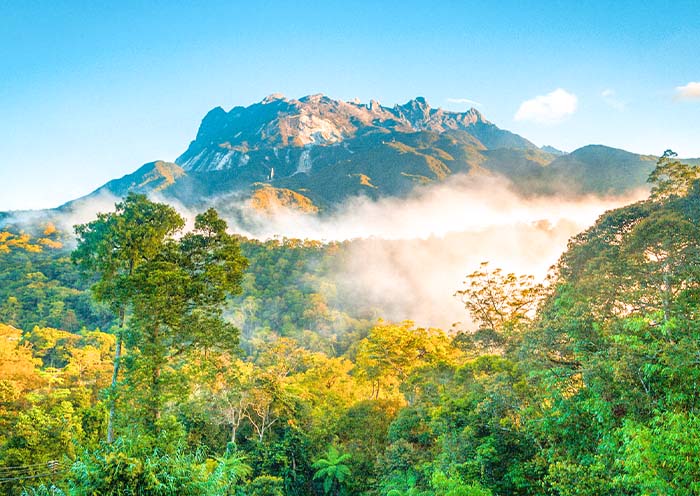
Let's keep this simple: It is going to be hot. Both countries are close to the equator. However, rain is the real game-changer. Southeast Asia has wet seasons and dry seasons.
Best Time (November to March): The weather is perfect. In Thailand, it is "cool" (meaning 30°C/86°F instead of 40°C/104°F) and the sky is blue. In Malaysia, it is relatively dry. The Andaman Sea (Phuket, Koh Lipe, Langkawi) is calm and clear.
The "Sweaty" Season: April and May: If you hate heat, avoid April. This is the hottest month of the year. Bangkok feels like an oven. However, if you like parties, mid-April is the famous Songkran (Water Festival), where the whole country has a giant water fight.
The Rain/Monsoon Season (May to October): This is the low season. Hotels are cheap, and crowds are thin. Rain usually comes in short, heavy bursts in the afternoon. It rarely rains all day. You can still travel and have fun.
Must Try Food in Thailand & Malaysia
Bring your appetite—and maybe some pants with an elastic waistband. For many travelers, food is the number one reason to visit these two countries.
Thailand is famous for its balance of four flavors: spicy, sour, sweet, and salty. Malaysia is different. Because of its multicultural mix, the food is a fusion of Malay spices, Chinese wok-frying, and Indian curries. It is arguably the most underrated food destination in the world.
In Thailand: The Classics
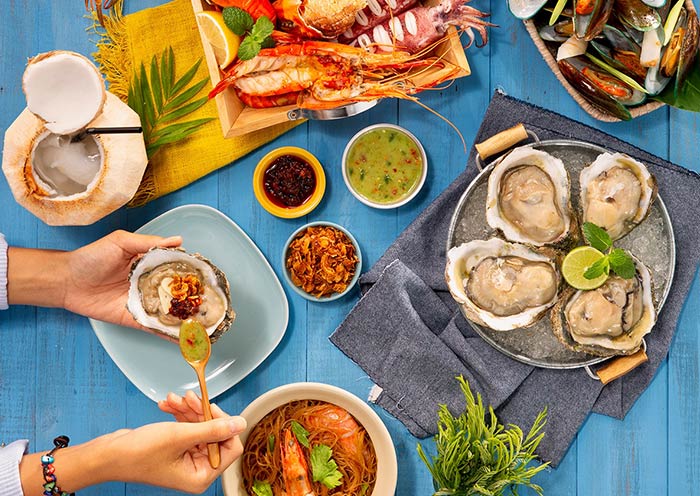
You have probably eaten Thai food at home, but the real thing is on another level.
Start with Pad Thai. Yes, it is the most touristy dish, but eating it from a street cart in Bangkok is a rite of passage. It is stir-fried noodles with egg, peanuts, and lime. It is sweet, savory, and safe for beginners.
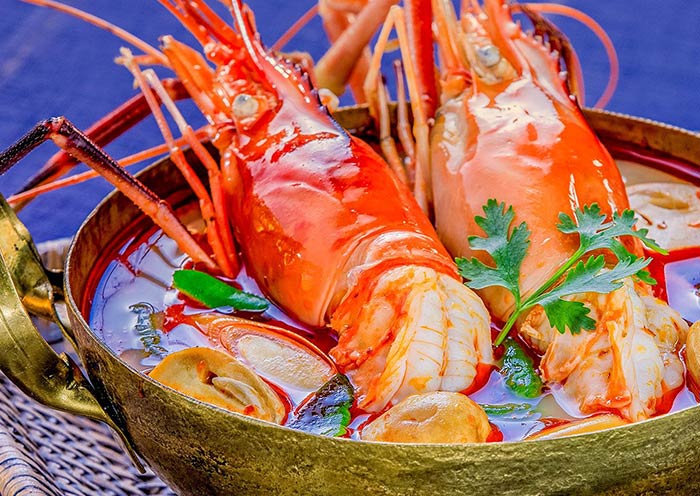
If you like spice, order Tom Yum Goong. This is a hot and sour shrimp soup that will clear your sinuses instantly. It smells like lemongrass and tastes like fire.
And for dessert? You must try Mango Sticky Rice. It sounds simple—slices of yellow mango served over sticky rice soaked in sweet coconut milk. But when you eat it on a hot afternoon, it feels like heaven.
10 Best Street Food in Bangkok | Best Places for Street Food
In Malaysia: The Flavor Bomb
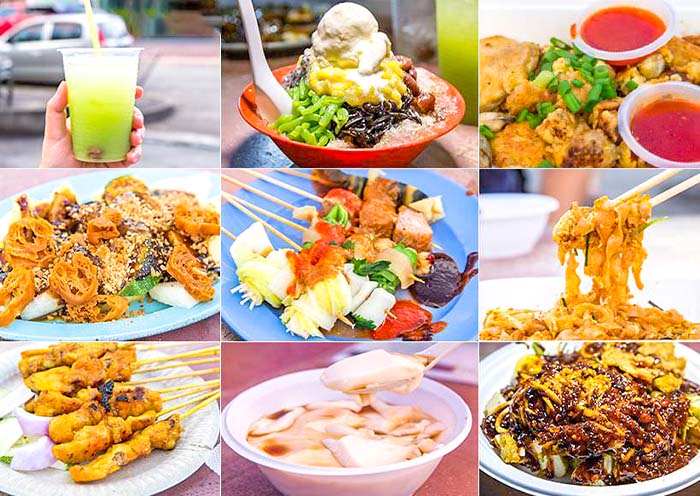

Malaysia's food is heavier, richer, and uses a lot of coconut milk and Sambal (a spicy chili paste).
Your first meal should be Nasi Lemak. This is the unofficial national dish. It looks simple: rice cooked in coconut milk, served with crispy anchovies, peanuts, a boiled egg, and spicy Sambal sauce. Locals eat it for breakfast, but it is delicious any time of day.
In Penang, you have to try Laksa. It is a noodle soup, but there are two kinds. Asam Laksa is sour and fishy (in a good way), while Curry Laksa is rich and creamy with coconut milk. Try both and pick a side.
Finally, for a quick snack, find an Indian stall and order Roti Canai. It is a flat, crispy bread that they flip in the air like pizza dough. You rip off a piece and dip it into mild curry sauce. It costs about 50 cents, and you will probably end up eating it every single day.
What to Pack for Thailand & Malaysia
Do NOT pack your thick, heavy cotton t-shirts or jeans. In 90% humidity, heavy cotton absorbs your sweat like a sponge. It gets heavy, sticks to your skin, and takes days to dry. You will feel soggy and uncomfortable all day.
Choose Linen (highly breathable), Rayon (what those local "elephant pants" are made of), or Moisture-Wicking Synthetics (like Dri-Fit or Airism). These fabrics let the breeze through and dry in hours.
Laundry service in both countries is cheap ($1-2 per kg) and fast (24 hours). You do not need to pack for 21 days. Pack for one week and do laundry.
| Category | Item | Quantity | Why / Notes |
|---|---|---|---|
| Clothing (Tops) | Light T-Shirts / Tank Tops | 4 - 5 | Linen or synthetic blend. Avoid heavy cotton. |
| Warm Hoodie / Fleece | 1 | Essential. Buses, trains, and malls are freezing cold (AC). | |
| Rain Jacket / Poncho | 1 | Lightweight and foldable. For sudden tropical storms. | |
| Clothing (Bottoms) | Shorts | 2 - 3 | Quick-dry material is best for beach days. |
| Long Pants (Lightweight) | 2 | Mandatory for Temples. Must cover knees. Linen or "Elephant Pants" work best. No heavy jeans. | |
| Underwear & Socks | 7 sets | Bring more than you think; you will shower twice a day. | |
| Footwear | Slip-on Sandals / Flip-flops | 1 pair | You will take them off constantly at temples/shops. |
| Walking Sneakers | 1 pair | For city walking in KL/Bangkok or light hiking. | |
| Toiletries | Sunscreen | 1 bottle | Western brands are expensive in Asia. Bring from home. |
| Insect Repellent | 1 bottle | DEET-based is best for jungle/islands. | |
| Stomach Medicine | 1 strip | Charcoal tablets or Imodium (just in case). | |
| Electronics | Universal Adapter | 1 | Thailand (Type A/B/C) and Malaysia (Type G) use different plugs. |
| Power Bank | 1 | You will use your phone for maps and Grab all day. | |
| Documents | Passport Copies | 2 | Keep separate from your real passport. |
Southeast Asia Packing List for First-Timers 2026
Final Checklist: Before You Go
Check Your Visa: Most Western passports (US, UK, EU, Australia) get a Visa Exemption for both countries (usually 30-90 days). It's free and easy. Just make sure your passport is valid for at least 6 months.
Explore Thailand & Malaysia with Asia Odyssey Travel
Combining the golden temples of Thailand with the cultural melting pot of Malaysia creates one of the most diverse journeys in Southeast Asia. But planning a cross-border trip—especially managing flights, land border crossings, and time zones—can be tricky.
We make this dual-country adventure seamless and handle the logistics. You just enjoy the journey from Bangkok to Kuala Lumpur (and every beach in between).
Start Planning Your Southeast Asia Adventure:
✅ Multi-Country Adventures:
- The Best Combo: Southeast Asia Tours (Perfect for combining Thailand, Malaysia, and beyond)
✅ Deep Dive into Each Country:
- Thailand: Thailand Tours (Bangkok, Chiang Mai, Phuket)
- Malaysia: Malaysia Tours (Kuala Lumpur, Penang, Borneo)
✅ More Planning Resources:
- Regional Guide: Southeast Asia Guide
Contact us today to customize your perfect Thailand and Malaysia itinerary!


 Data in submission...