+852 5394 6901
 Take China Group Tours in 2026/2027 to enjoy 30% discount compared to private tour. Same Experience & Lowest Price!

Why Visit Dali? More Than Just "Wind, Flowers, Snow & Moon"(With Attractions Map)
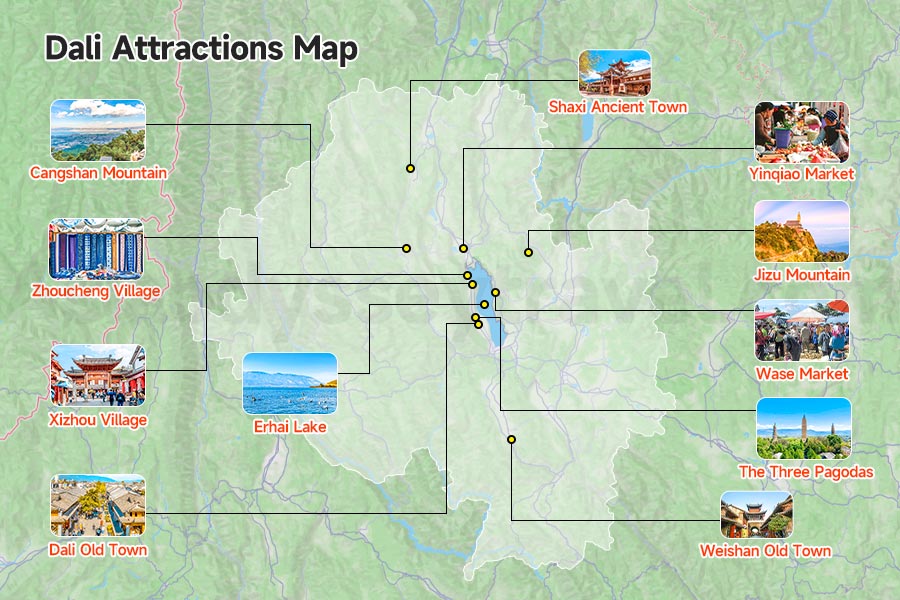
Locals describe Dali with a poetic phrase: "风花雪月" (fēng huā xuě yuè), which translates to "Wind, Flower, Snow, and Moon. This romantic ideal captures Dali's magic.
- Wind (下关风): The refreshing breeze from the valley.
- Flower (上关花): The vibrant blooms that decorate the region year-round.
- Snow (苍山雪): The eternal snow on the peaks of the Cangshan Mountain range.
- Moon (洱海月): The moon's brilliant reflection on the calm waters of Erhai Lake.
Interestingly, I didn't actually check off any of those during my own visit to Dali, yet its romantic atmosphere is something you can simply feel in the air.
It's easy to see why this little town draws a very specific crowd: travelers who plan for three days and end up lingering for three months, digital nomads working from courtyard cafes, artists escaping the urban grind, and backpackers relieved to finally find a manageable, authentic pocket of China.
Dali vs. Lijiang: Which One Is Right for You?
Of course, most visitors aren't long-term digital nomads. If you find yourself torn between Yunnan's two star destinations, this quick comparison table will help you confidently make your choice!
| Feature | Dali | Lijiang |
|---|---|---|
| Atmosphere | Relaxed, bohemian, livable | Polished, theatrical, crowded |
| Crowds | Moderate (except during holidays) | Very high—especially in Old Town |
| Culture | Bai minority (white architecture, dairy-based cuisine) | Naxi minority (Dongba script, mountain festivals) |
| Best For | Slow travel, biking, cultural immersion | Dramatic landscapes (Jade Dragon Snow Mountain), nightlife |
If you love peace, lakes, and hands-on culture, choose Dali. If you prefer mountain drama and photo ops, lean toward Lijiang. Even better? Do both.
8 Days Classic Yunnan Group Tour: Kunming Dali Shangri-La Lijiang
Kunming - Dali - Shangri-La - Lijiang
 8 Days
 5 Places
The 5 Must-Do Attractions in Dali (Don't Skip These!)
Let's start with the non-negotiables—the experiences that define a trip to Dali and should anchor your itinerary.
1. Explore the Dali Ancient City: Things to Do & See

Time Needed: Half day
Cost: Free to wander, museums ¥20-40
Best Time: Early morning (7-9am) or evening (after 6pm)
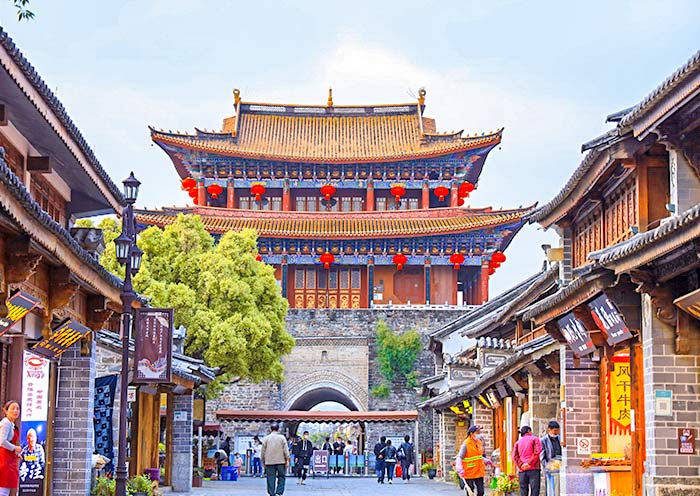
Yes, it's touristy—but don't skip it. Originally built over 600 years ago during the Ming Dynasty (though heavily restored), it features the classic cobblestone alleys, whitewashed walls, and gray tile roofs.
But what truly sets Dali apart from other ancient towns is its vibe and its people. Strike up a conversation with shopkeepers or street vendors, many of whom are actually digital nomads.
At night, the streets come alive with transplants, from street musicians to crowds unwinding in cozy bars. As for the historic sights, climbing the iconic South Gate—the symbol of Dali—is a must for great city views, while the centrally located Wuhua Building offers stunning 360-degree panoramas.
Finally, take a stroll down Huguo Road, famously known as 'Foreigner Street.' Still packed with cafes and Western restaurants, it's the perfect spot if you're craving a taste of home.
Dali Ancient City | Dali Old Town in Yunnan (Ultimate Guide)
Foreigner Street (Renmin Road) is touristy but fun at night—live music pours out of bars, and street food. Go to Bo'ai Road or Yuer Road for quieter, more authentic local life.
2. Cycling Erhai Lake (The Classic Dali Experience)
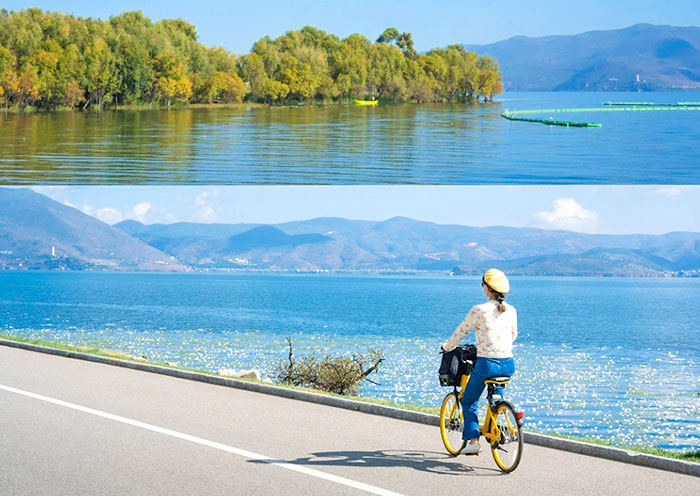
Erhai Lake (literally 'Ear Sea') is the absolute crown jewel of Dali. Shaped exactly like a human ear, this 250-square-kilometer freshwater lake is beautifully framed by rustic villages, wetlands, and the towering Cangshan Mountains.
And the best way to experience it? On two wheels. This is Dali's signature experience—and it absolutely lives up to the hype.
Erhai Cycling Route:
- Most people cycle the west side (Erhai Ecological Corridor) in a day: Dali Ancient Town → Longkan Pier → Cai Village → Xizhou Town → Haishe Park. This route is a dedicated bike path built in recent years and has better lake views.
- The east side (Shuanglang → Wase → Jinsuo Island) is flatter but more developed. Combine both sides if you have two days.
You don't need to bike the entire 130-km loop (most locals don't!).
Erhai Lake Dali 2026: Cycling, Cruise & Village Guide for First-Timers
We rented e-bikes for just 30 RMB (about $4.20 USD) and spent two hours cruising counterclockwise to complete the western ecological corridor.
If you plan to ride along the western Ecological Corridor, note that you must rent bikes or e-bikes directly from the official vendors inside the zone. Keep in mind that prices here are a bit steeper, and the e-bikes are strictly speed-limited for safety.
Not in the mood to pedal? You can easily explore the lake via sightseeing shuttles or simply hop on a relaxing boat cruise instead.
3. Step Into Bai Culture in Xizhou – Courtyards & Markets
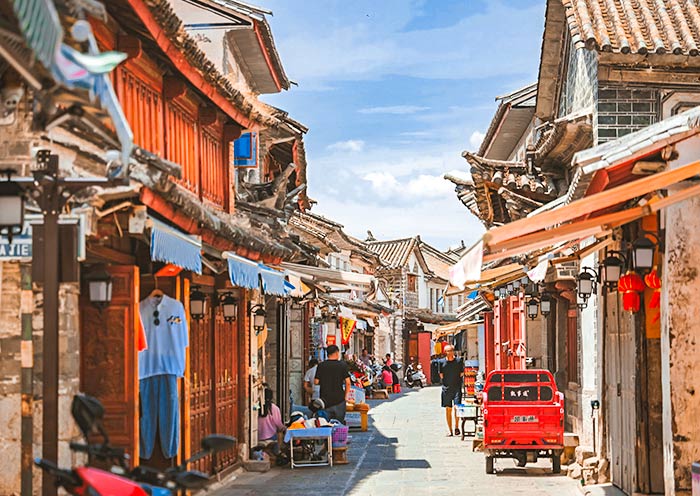
The first thing you'll notice in Xizhou Ancient Town (喜洲古镇) is the stunning sea of white-walled buildings. These traditional Bai houses, with their distinctive whitewashed walls and upturned eaves.
Located 18 kilometers north of Dali Old Town, Xizhou is home to over 100 remarkably well-preserved Bai courtyards dating back to the Ming and Qing dynasties.
The highlight is the Yan Family Compound, showcasing exquisite wood carvings, stone inscriptions, and colorful murals that define traditional Bai architecture.
Start your morning at the local market, where Bai villagers sell fresh produce and local specialties. Don't miss trying Xizhou Baba (喜洲粑粑), a delicious flatbread baked in clay ovens, and the ceremonial Three Course Tea, representing different stages of life.
Getting to Erhai Lake from Xizhou:
Xizhou Old Town is about 2 to 3 kilometers from Erhai Lake. It is a 20 to 30-minute walk. You can also rent a bike in town. We took a bright yellow three-wheeler. It cost about 10 to 20 RMB (around $1.50 to $3.00).
While the town center gets crowded, wander into the side alleys for peaceful exploration and authentic local life.
Buy souvenirs here instead of Dali Old Town—same items, better prices.
Many visitors stay at charming guesthouses, including a popular one run by a Chinese-American couple.
4. See the Three Pagodas – Worth It? Tips for the Best Photos
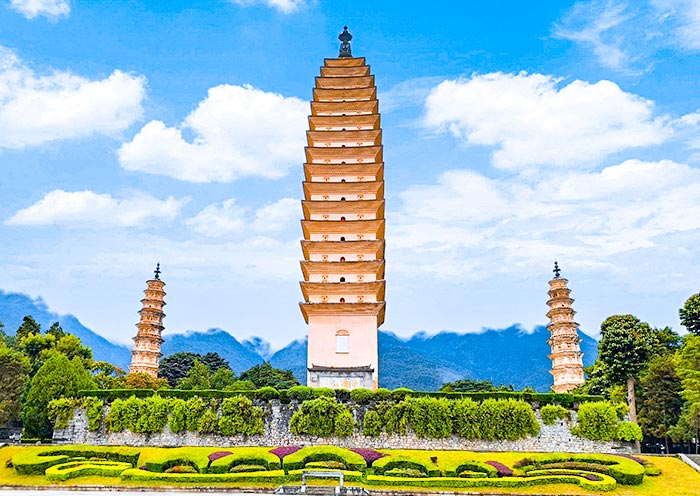
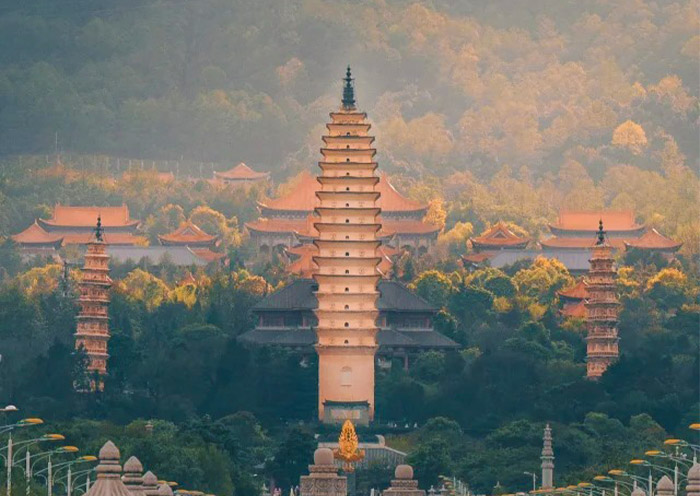
The Three Pagodas are Dali's most photographed landmark—you've definitely seen them on postcards or travel blogs. They are over 1,000 years old and represent the long history of the Nanzhao Kingdom and Dali Kingdom.
The Three Pagodas are a must-visit for anyone interested in history, culture, or beautiful architecture. The main pagoda (Qianxun Pagoda) stands 69 meters tall with 16 tiers, while two smaller pagodas (42 meters each) flank it symmetrically.
Behind the pagodas lies Chongsheng Temple, reconstructed in 2005 based on historical records. Nine emperors of the Dali Kingdom became monks here.
For the iconic reflection shot, walk to the Three Pagodas Reflection Park behind the main site. On windless mornings, the pagodas mirror perfectly in Juying Pool. This spot alone is worth the entrance fee.
- Time Needed: 2-3 hours
- Cost: ¥75 entrance (includes temple and pagodas)
- Location: 1.5km north of Dali Ancient Town
5. Hike (or Cable Car) Up Cangshan Mountain (The Mountain Behind the City)
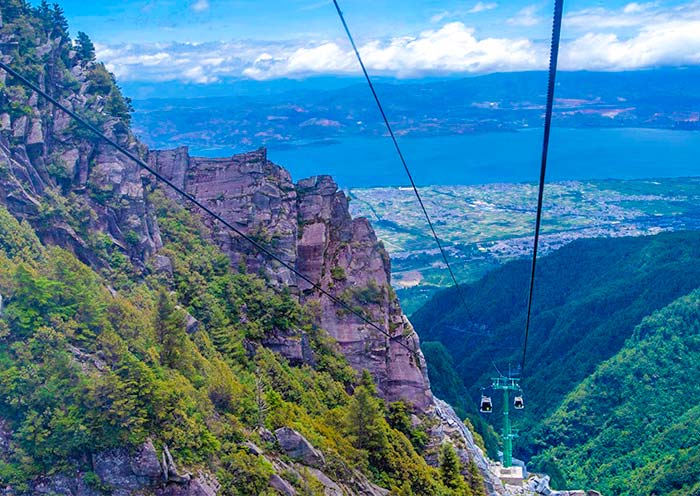
Cangshan Mountain (苍山) rises dramatically behind Dali, its 19 peaks—each reaching over 3,500 meters—creating the stunning backdrop you see in every photo.
While most tourists admire Cangshan from afar, hiking it offers perspective on Dali's geography, access to alpine meadows and waterfalls, and on clear days, 360-degree views that stretch to Tibet.
Option 1 (Easy): Zhonghe Cable Car departs from near Dali Ancient City and rises 2,600 meters, depositing you at Zhonghe Temple. From there, you can walk the relatively flat Jade Belt Cloud Trail (Yudai Yunlu). The full trail extends 18 km, but most people walk 2-3 kilometers.
Option 2 (Moderate): Climb to Zhonghe Temple. The trail gains about 1,000 meters over 7 kilometers through pine forests and rhododendron groves. It's steep, you'll be breathing hard (hello altitude!), but you'll earn those views. 2-3 hours up, 1.5 hours down.
Option 3: The Waterfall Hike. Hike to one of Cangshan's famous streams. Qingbi Stream offers a 2-hour round-trip hike to waterfalls and pools. Start from the base near the Three Pagodas.
Cangshan is often cloudy or foggy. Check the weather app in the morning. If visibility is poor, reschedule—views are the main reward!
6 Unique & Local Experiences Most Tourists Miss
Now for the good stuff—the experiences that separate a Dali trip from a Dali experience.
6. Attend the Dali March Fair (If Timing Works)
Held for 3–7 days around late March or early April, the Dali March Fair (三月街) is one of Yunnan's oldest and largest traditional festivals—dating back over 1,300 years. A massive open-air market at the foot of Cangshan Mountain, filled with:
- Horse racing and archery (Bai warrior traditions)
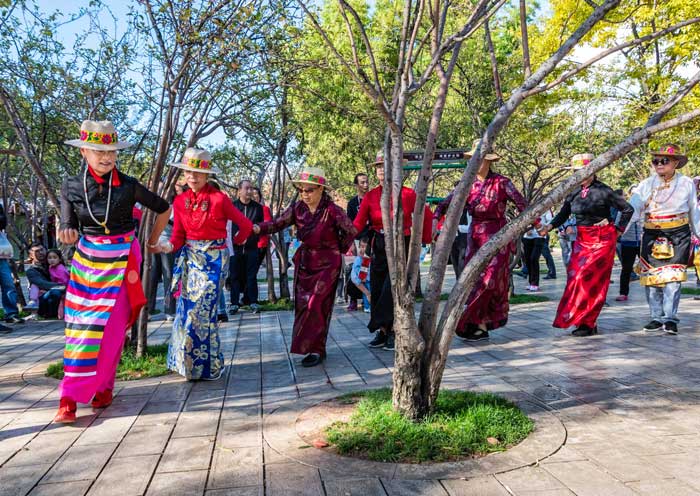
- Folk music and dance performances
- Stalls selling everything: silver jewelry, herbal medicine, livestock, local snacks
- Temple fairs and Bai opera
Dates follow the lunar calendar—usually March 15–21 in the Chinese calendar. If you are planning ahead for 2026, be sure to mark your calendars, as the event will run from May 1st to May 7th.
Stay in Dali Ancient Town and walk to the fairgrounds (15 mins west of town). Arrive early to beat the tour buses!
7. Learn the Ancient Art of Bai Tie-Dye (Zharan) in Zhoucheng
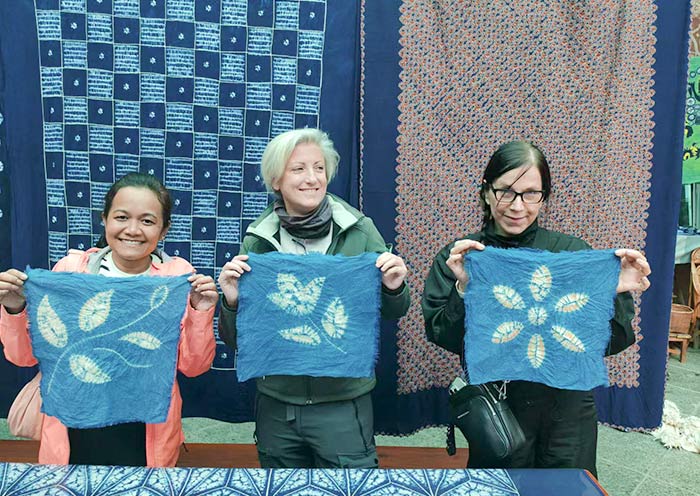
Want to create your own traditional tie-dye art? Head to Zhoucheng Village (周城村), just west of Dali Old Town, where the Bai people's ancient tie-dyeing tradition comes alive.
We visited a local workshop where elderly Bai artisans were crafting beautiful commissioned pieces. As beginners, we chose simple pre-printed patterns—all we had to do was stitch and bind the fabric along the guides.
The artisans then handled the dyeing process, and 30 mins later, we picked up our unique handmade souvenirs.
The best part? Each piece costs just 20 yuan (about $3 USD). It's an incredibly affordable way to learn about this centuries-old craft and take home a meaningful keepsake from your Dali trip.
8. Immerse Yourself at a Local Morning Market (Shaping & Wase)
Want to see the real Dali? Skip the tourist spots and visit the local markets.
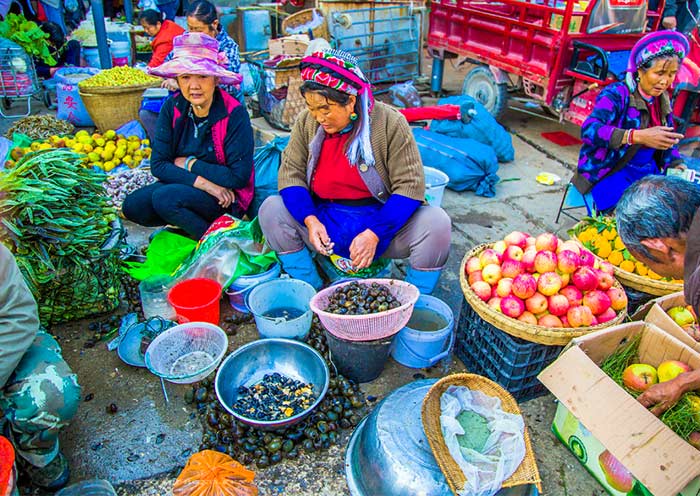
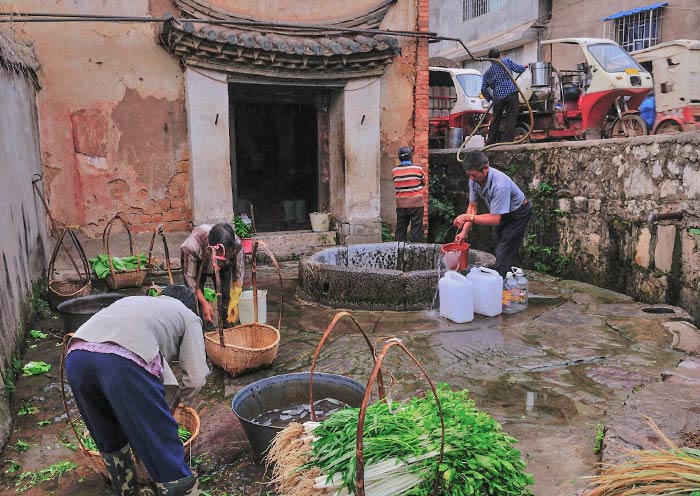
On market days, streets near the farmers' markets fill with vendors selling fresh produce, homemade food, and crafts. You'll see locals in traditional clothing, especially in the busy morning hours.
Try these two authentic markets along Erhai Lake:
Yinqiao Market: This is where locals actually shop. Prices are great, and you'll rarely see other tourists here. It feels genuine and unfiltered.
Wase Market: Super local and incredibly cheap! The street food here is delicious—don't miss it.
- Yinqiao: Lunar calendar days 5, 13, 20, 28
- Wase: Days ending in 5 or 0 (5th, 10th, 15th, 20th, 25th, 30th)
9. Day Trip to Shaxi – China's Best-Preserved Tea Horse Road Town
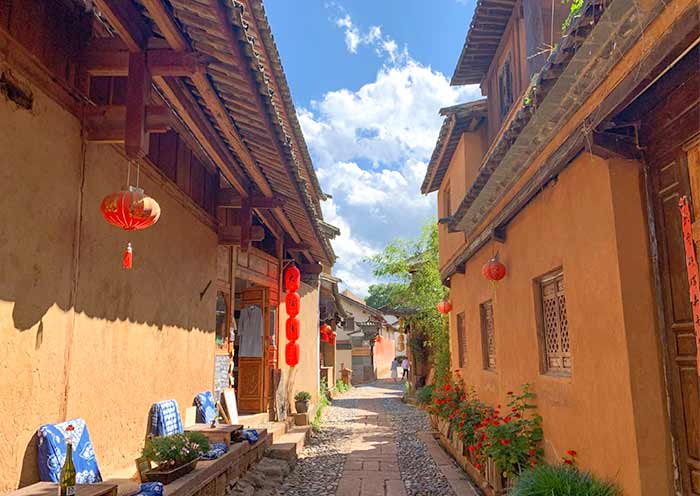
Got an extra day in Dali? Don't miss Shaxi—it's what Dali looked like 20 years ago, before the tourist crowds arrived.
This small town is about 2 hours from Dali. It's stayed authentic because of its location: remote enough to avoid mass tourism, but close enough to visit easily.
The old town looks as it always has. Yellow earthen walls, cobblestone paths, and traditional courtyard buildings surround the town square. There's still a weekly market on Fridays from the ancient Tea Horse Road trading days. In the early morning, mist rolls through the quiet streets before sunrise.
Best of all? No generic souvenir shops filling every storefront like other "old towns" in China.
Visit Shaxi soon, while it's still a living town and not just a tourist attraction.

6 Days Dali Lijiang Tour with Shaxi Ancient Town - Timeless Yunnan
Dali - Shaxi - Lijiang
10. Take a Yunnan Cooking Class – Cook with Flowers
And one of Yunnan's most distinctive features? Cooking with flowers. Rose petals, chrysanthemums, magnolia flowers, tree flowers, rhododendron blossoms—if it grows and smells good, Yunnanese cooks have figured out how to eat it.
Several cooking schools in Dali offer half-day classes where you'll visit the local market with an instructor, select fresh ingredients (including edible flowers), then return to a kitchen to prepare 4-5 dishes.
You'll learn techniques for Yunnan staples like crossing-the-bridge noodles, fried goat cheese, rose-scented cakes, and various stir-fries using ingredients you've never seen.
Recommended cooking schools:
- Michelin Yunnan Cooking Class (despite the name, not affiliated with Michelin guides)
- Xizhou Courtyard Cooking (held in an authentic Bai family home)
- Cost: ¥200-400($28-60) per person
- Duration: 4-5 hours including market visit
- Group size: Usually 6-8 people
11. Just… Slow Down
This might sound strange for a travel guide, but it's the most important tip: don't over-plan your Dali trip.
Why Dali is different: Unlike busy Chinese cities, Dali has become a haven for artists, musicians, and travelers escaping the fast pace of modern life. People come here specifically to slow down, and that relaxed energy is everywhere.
My advice: Leave empty days in your itinerary. Dali's real magic happens in the unplanned moments—watching village life unfold, catching perfect afternoon light over Erhai Lake, or having spontaneous conversations with locals.
My best Dali memories weren't planned: Stopping during a bike ride around Erhai Lake to watch people feed seagulls. Wandering down empty alleyways in Xizhou Ancient Town on my way to the lake.
These moments can't be scheduled or found on Google Maps. They need space to happen.
Bottom line: When planning your Dali days, resist filling every hour. Some of your "doing nothing" time will likely become your favorite memories.
Hidden Gems Near Dali (For Extra Days)
If you have more than 4-5 days in the Dali area, consider these lesser-known destinations that reward the extra effort to reach them.
Jizu Mountain (鸡足山): A sacred Buddhist mountain 100km from Dali. Requires a full day trip. Over a dozen temples dot the mountainside, and the summit (3,240m) offers panoramic views. Popular with Chinese Buddhist pilgrims but few foreign tourists.
Weishan Old Town (巍山古城): The original capital of the Nanzhao Kingdom, even more authentic than Shaxi but harder to reach (2 hours south of Dali). Worth it for history buffs. Excellent Hui Muslim street food due to large Muslim population.
What to Eat in Dali: 7 Local Dishes You Can't Miss
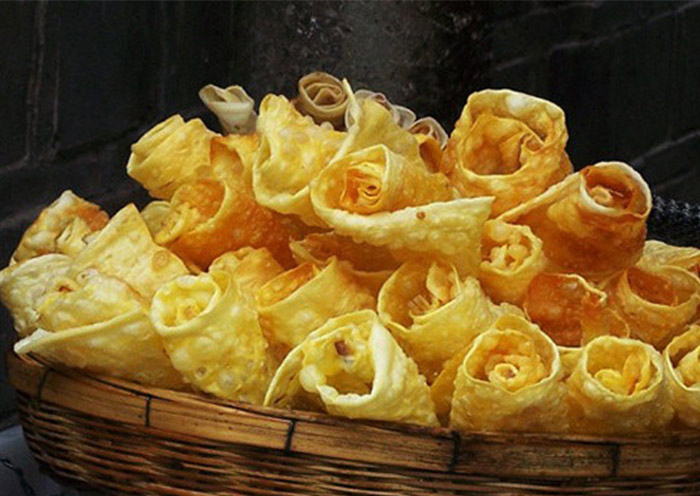
Food is central to Bai culture—and Dali's cuisine is unlike anywhere else in China. Here's what to try:
- Rushan (Milk Fan): Dried cow's milk stretched into sheets, then grilled or fried. Mild, slightly tangy—like ricotta meets mozzarella. Often served with rose jam or sugar.
- Xizhou Baba: A flaky flatbread baked in a clay oven. Savory versions stuffed with pork and scallions; sweet ones with red bean or rose paste. Best eaten hot off the griddle.
- Erhai Lake Fish: Freshly caught fish (usually carp or trout) steamed with ginger, garlic, and chili. Simple, clean, delicious.
- Crossing-the-Bridge Noodles: A Yunnan classic: a bowl of scalding broth, served with raw rice noodles, meat, and veggies on the side. You "cook" it yourself at the table.
- Bai Three-Course Tea: Not a meal, but a ritual:
- First cup: Bitter (roasted tea) — life's hardships
- Second cup: Sweet (with honey, nuts) — life's joys
- Third cup: Reflective (spiced with ginger, cinnamon) — wisdom
- Wild Mushroom Hotpot: In summer, menus explode with foraged fungi. Matsutake, chicken thigh mushroom, and more simmer in herbal broth.
- Rose Flower Products: From jams to cakes to wine—roses are everywhere in Dali. Try rose cake(酥油玫瑰饼) from Xizhou bakeries.
Your Stress-Free Dali Travel Plan (First-Timer's Guide)
Let's get practical. Here's everything you need to plan your Dali trip without stress or confusion.
How Many Days Do You Really Need in Dali?
| Trip Length | What You Can Do |
|---|---|
| 2 Days | Dali Ancient Town + Erhai Lake bike ride + Three Pagodas, Xizhou |
| 3–4 Days | Add Shaxi, Cangshan hike, cooking class, market visit |
| 5+ Days | Include Shaxi or Weishan; relax, repeat favorites, slow down |
Simple 3 Day Dali Itinerary
- Day 1: Arrival in Dali, Dali Ancient Town Night View
- Day 2: Three Pagodas of Chongsheng Temple, Dali Ancient Town, Erhai Lake Bike Ride, Flower Cake Making
- Day 3: Xizhou Local Market, Xizhou Ancient Town, Zhoucheng Tie-dye, Dali Departure

Dali on A Budget: How Much Does It Cost Per Day?
| Expense | Budget (USD) | Mid-Range (USD) |
|---|---|---|
| Accommodation | $10–15 (hostel/dorm) | $30–60 (private room/boutique) |
| Food | $8–12 (street food/local meals) | $15–25 (cafés/restaurants) |
| Activities | $5–10 (temples, markets) | $20–40 (cooking class, cable car) |
| Transport | $2–5 (local bus/bike rental) | $10–20 (taxi/day trip) |
| Total/Day | $25–40 | $75–150 |
Dali remains remarkably affordable compared to Western destinations or even major Chinese cities. The biggest expenses are accommodation (which varies wildly by season and location) and organized activities (cooking classes, workshops, day trips with drivers).
How to Get to Dali from Kunming, Lijiang or the Airport
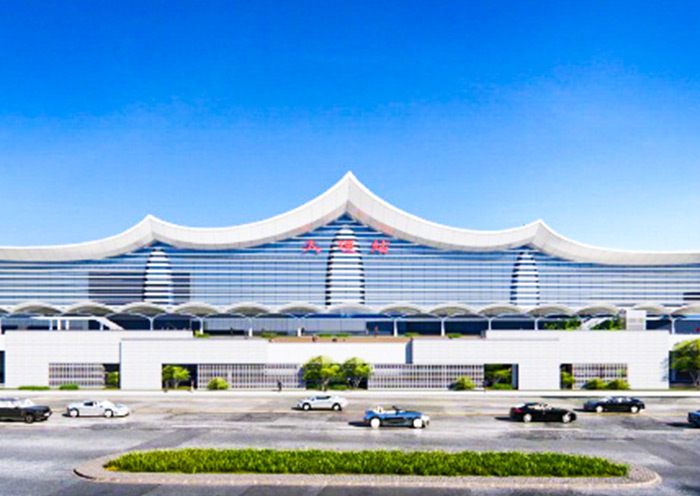
Kunming to Dali: The high-speed train is your best bet. The journey takes 2-2.5 hours from either Kunming Station or Kunming South Station to Dali Station. Second-class tickets cost 115-155 RMB ($16-22 USD).
Once you arrive at Dali Station, you're still 15km from the Old Town. Take bus #4 or the Tourist Express Line—both take about an hour to reach the center.
Dali to Lijiang: You have two options for this popular route. The train takes 2-2.5 hours and costs 48-80 RMB ($7-11 USD) for second class. If you prefer buses, they run daily and take about 3 hours.
Dali to Shangri-La: Two trains run this route daily, taking 3.5-4 hours for around 150 RMB ($21 USD) second class. Driving takes about 6 hours if you're renting a car.
Flying to Dali: Dali Airport has direct flights from Beijing, Shanghai, Hangzhou, Shenzhen, Guangzhou, Chongqing, and Chengdu. The airport is 29km from Old Town. A taxi takes about 70 minutes, while the airport shuttle bus takes 2 hours and costs 25 RMB ($3.50 USD).
Getting Around Dali
- Local buses: Cheapest option for reaching Xizhou, Zhoucheng, or Three Pagodas
- Didi (Chinese Uber): Convenient for direct trips
- Bike & E-scooter rentals: Perfect for exploring Erhai Lake. Many hostels and shops rent quality bikes for 20-50 RMB/day ($3-7 USD)
To ride the Erhai Lake Ecological Corridor, you must rent bikes/e-scooters from vendors inside the park—outside rentals aren't allowed.
Where to Stay in Dali: Ancient Town vs. Lakeside vs. Xizhou
| Area | Best For | Why Stay Here | Price Range |
|---|---|---|---|
| Dali Old Town | First-timers, nightlife lovers | Most restaurants, walkable, bars and cafés, easy day trips | ¥45-1200 ($6-168) |
| Lakeside Villages (Caicun, Shuanglang) | Couples, photographers | Erhai Lake views, sunrises/sunsets, peaceful and romantic | ¥100-1500 ($14-210) |
| Xizhou Town | Culture seekers | Authentic Bai architecture, great food, perfect for lake cycling | ¥250-1200 ($35-168) |
Best Time to Visit Dali (With Packing List)
| Month | Weather | Pros | Cons | What to Pack |
|---|---|---|---|---|
| Jan–Feb | Cold (5–15°C / 40–60°F), dry | Few crowds, peaceful | Some guesthouses close | Warm jacket, layers, hat |
| Mar–May | Mild (15–25°C / 60–77°F), sunny | Cherry blossoms, ideal biking | Windy afternoons | Light jacket, sunscreen, hat |
| Jun–Aug | Warm, rainy | Lush greenery, wild mushrooms | Afternoon showers | Rain jacket, quick-dry clothes |
| Sep–Nov | Cool, clear skies | Best mountain views | Peak season—more tourists | Layers, hiking shoes |
| Dec | Cool, dry | Festive atmosphere | Shorter daylight | Sweater, scarf |
Travel with Asia Odyssey Travel (AOT) to Explore Dali, Yunnan
Travel to Dali with Asia Odyssey Travel (AOT) and immerse yourself in the captivating beauty and rich culture of Yunnan. As a trusted travel partner with over a decade of experience in the region, AOT offers a wide range of customizable Dali tour packages to cater to the preferences of every traveler.
Whether you're seeking a family adventure, a romantic getaway, or a deep dive into the history of Dali and Bai minority culture, AOT has the expertise to create the perfect itinerary for you.


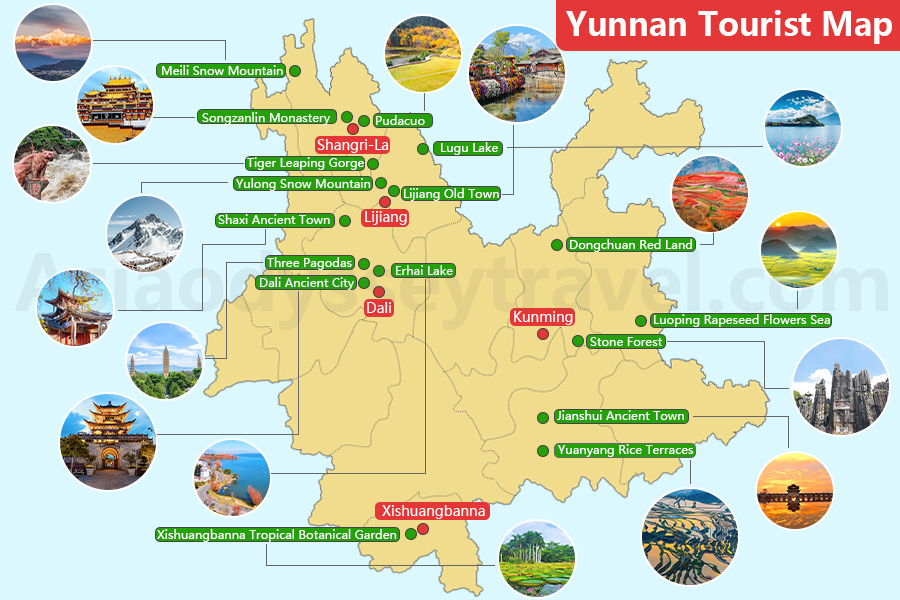





 Data in submission...