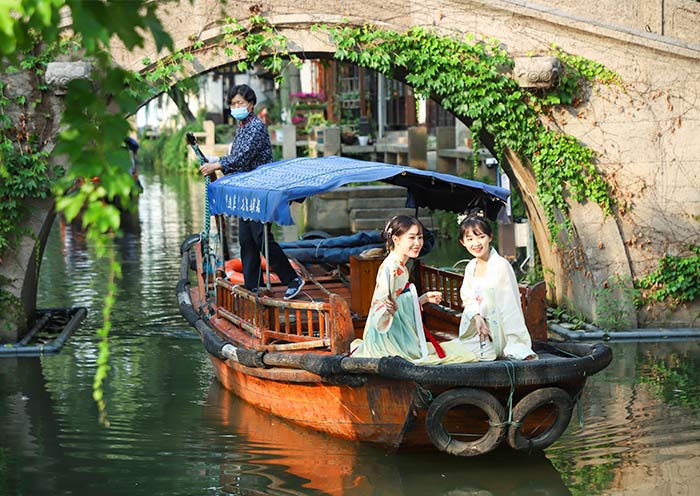
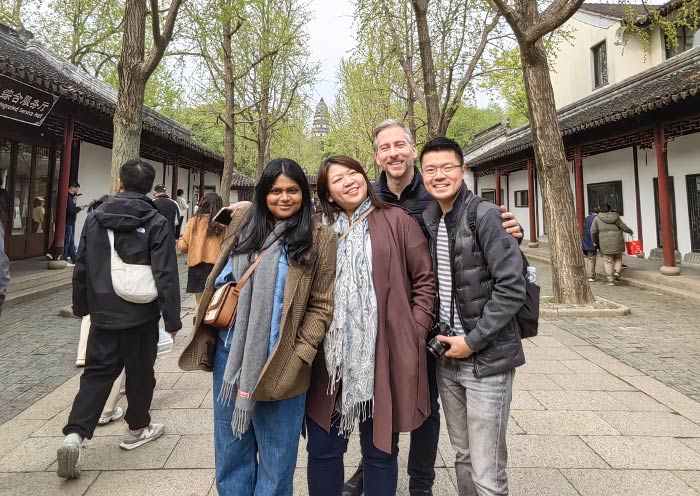
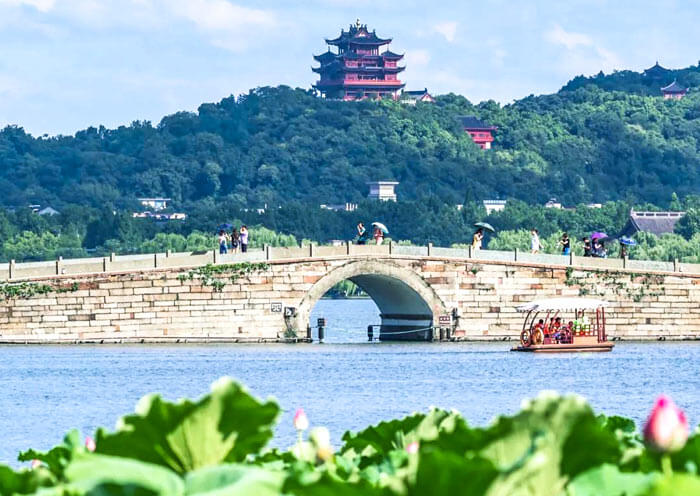
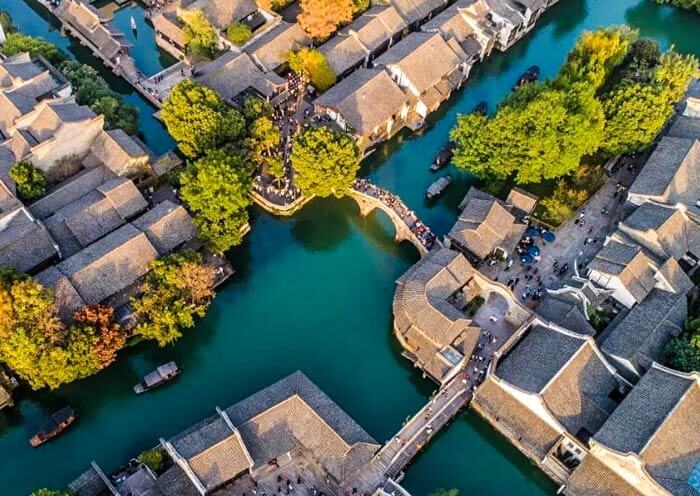
This morning, you will be escorted to the Shanghai High-Speed Railway Station for your bullet train to Hangzhou (about 1 hour, 158 km). Welcome to Hangzhou - the “Heaven on Earth,” a cultural city with over 5,000 years of history.
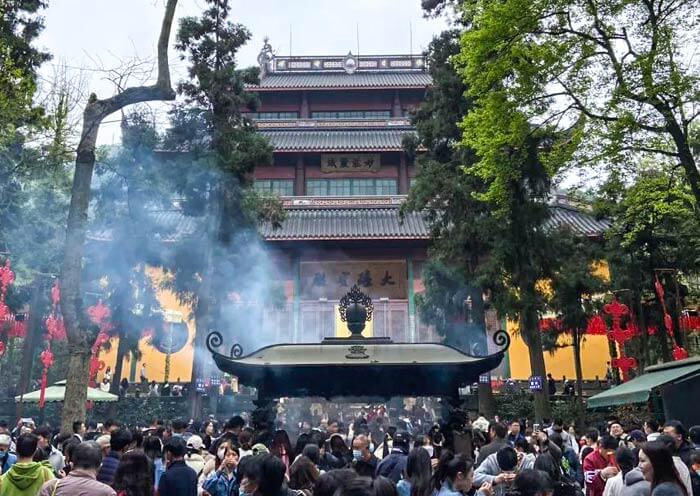
Upon arrival, start your Hangzhou tour at Xiangji Temple (香积寺), located near the Beijing-Hangzhou Grand Canal. The temple and the ancient Gongchen Bridge form a charming historic scene loved by locals. Built in 978, the temple is dedicated to the “Aksobhya Buddha” and grain-related folk beliefs. Explore the Twin Pagodas, Heavenly Kings Hall, and Mahavira Hall. Locals believe its prayers are as effective as those at Lingyin Temple.
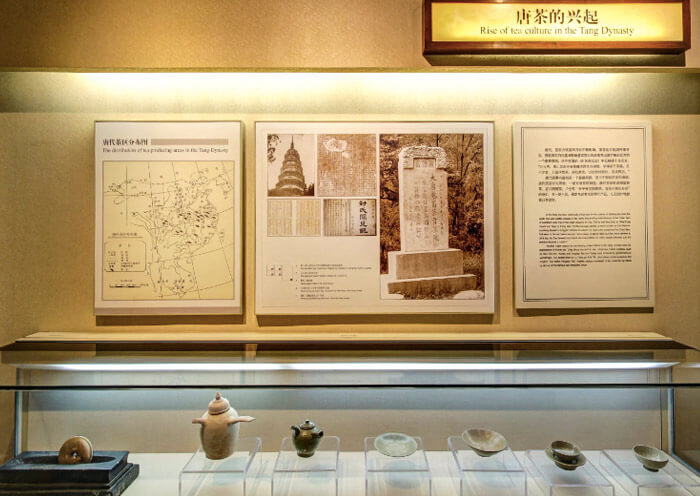
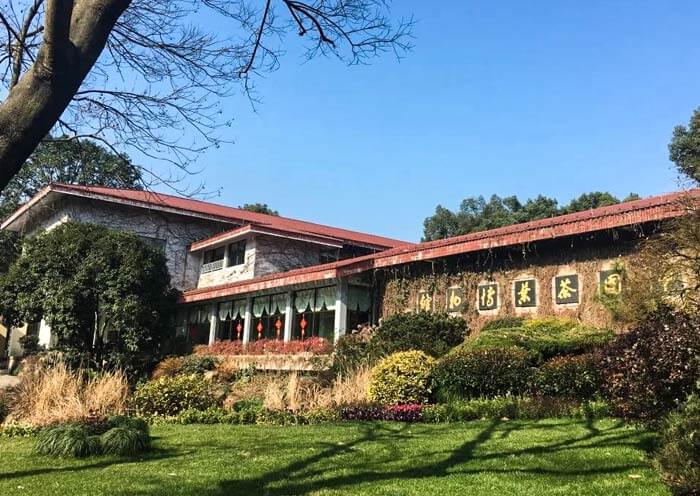
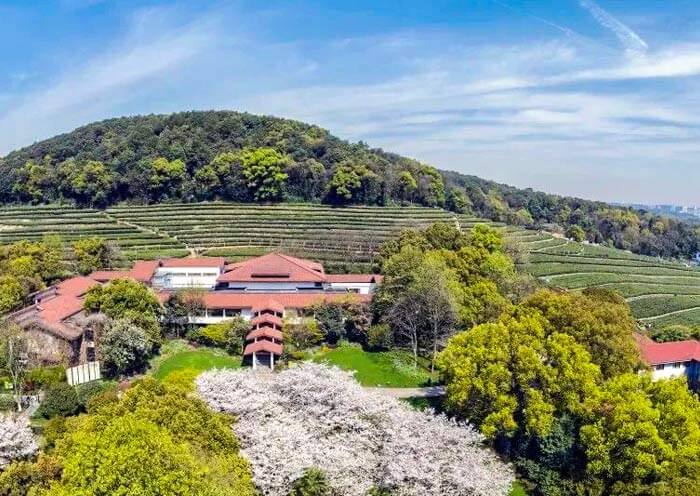
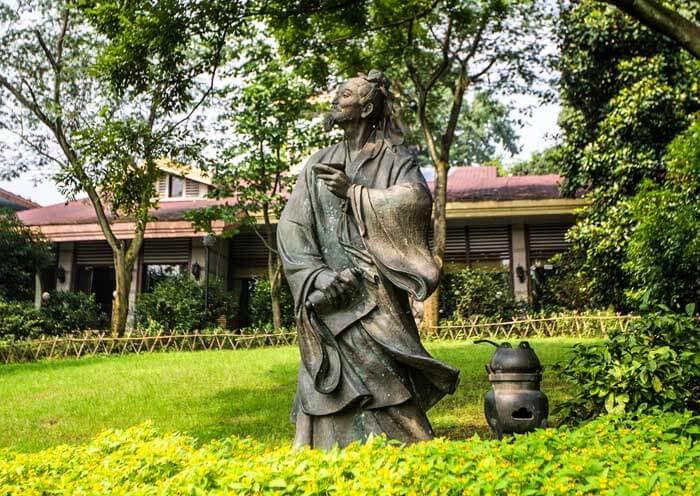
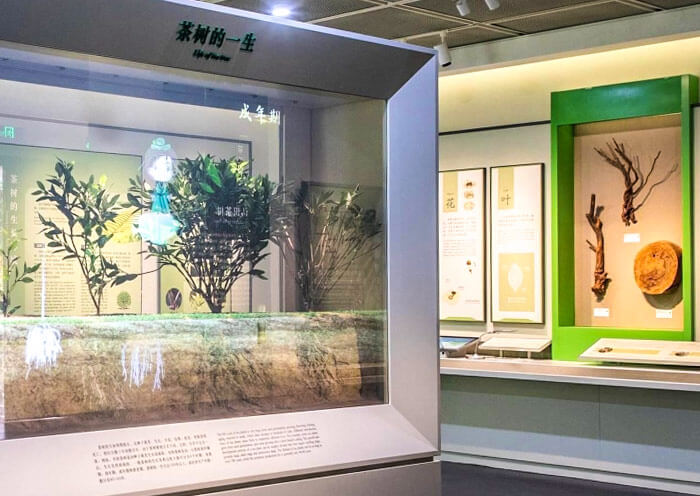
Next, drive to the China National Tea Museum, the only national museum dedicated entirely to tea culture. It houses 3,865 items, including ancient tea specimens and foreign tea sets. The museum has two branches: (1) Shuangfeng Branch - closer to West Lake, featuring Jiangnan-style garden, a statue of Lu Yu, and exhibits on Longjing Tea and Chinese tea history. (2) Longjing Branch - set on a hillside overlooking West Lake, focusing on global tea culture, traditional tea-making techniques, and historic tea rituals such as Tang-dynasty tea boiling and Song-dynasty Dian Cha.
(Note: If your visit falls on Tuesday, please be noted that the China National Tea Museum is closed. In this case, we recommend visiting the China National Silk Museum instead. Known as the "City of Silk," Hangzhou has a rich and profound silk heritage. The China National Silk Museum is the largest silk museum in the world, offering excellent opportunity to explore culture and craftsmanship of Chinese silk.)
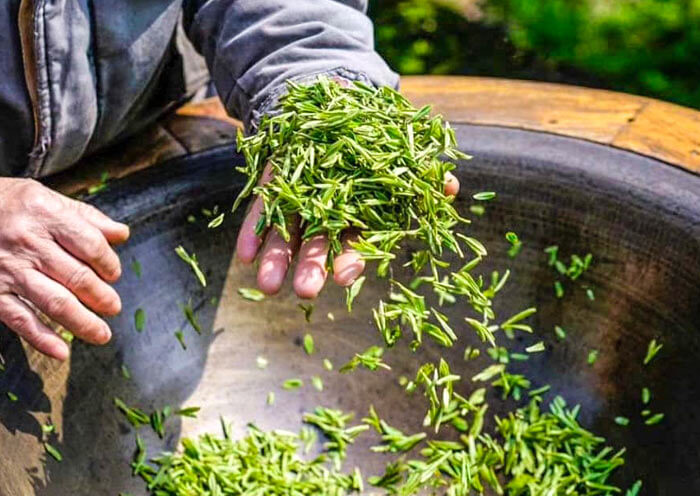
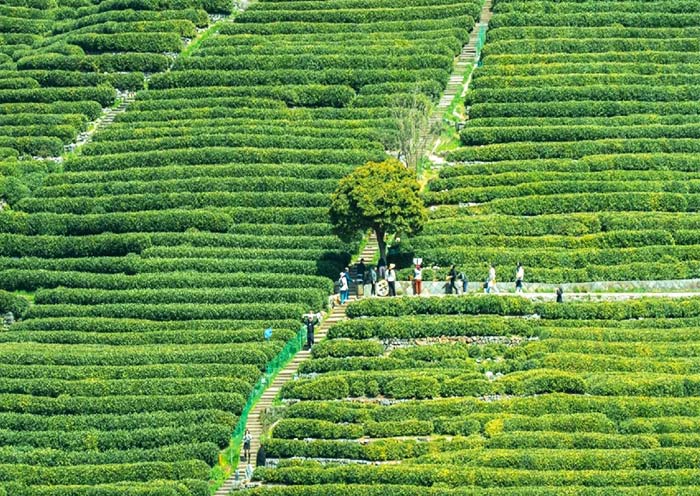
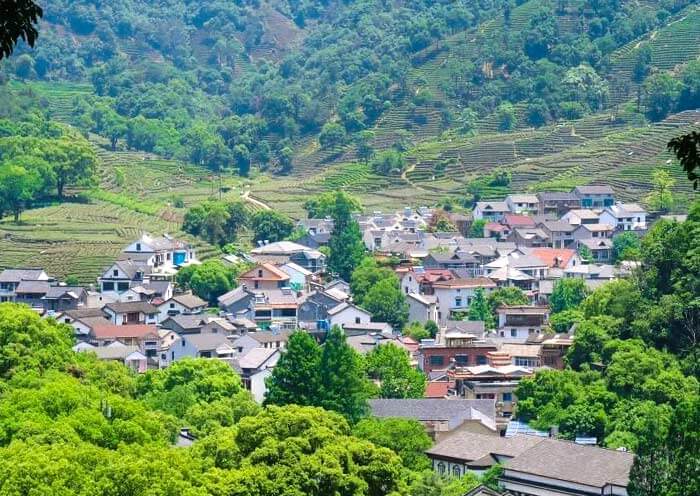
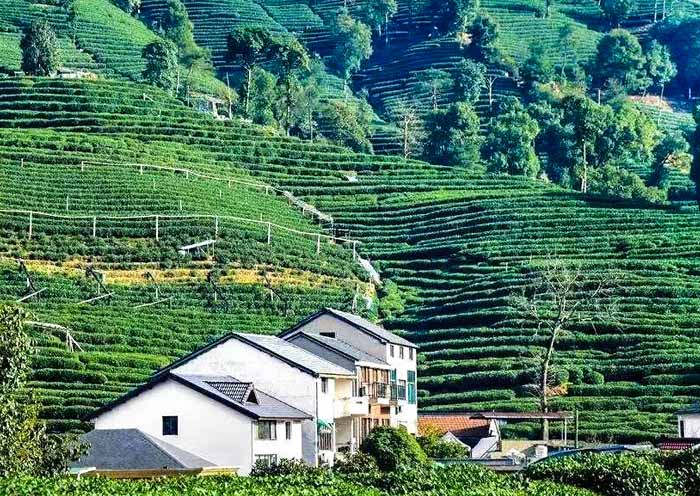
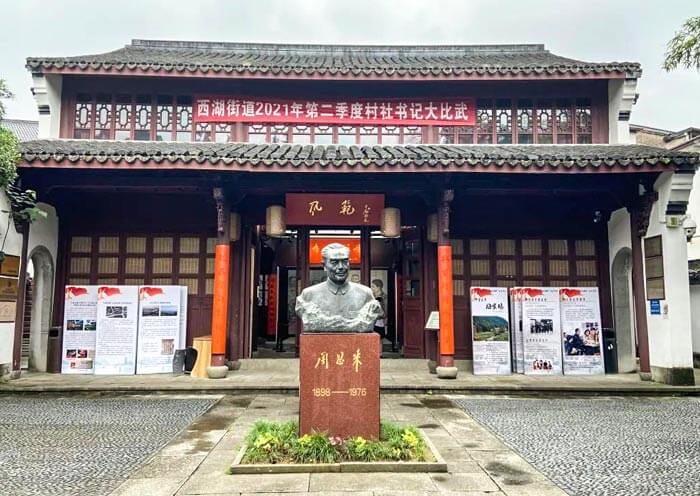
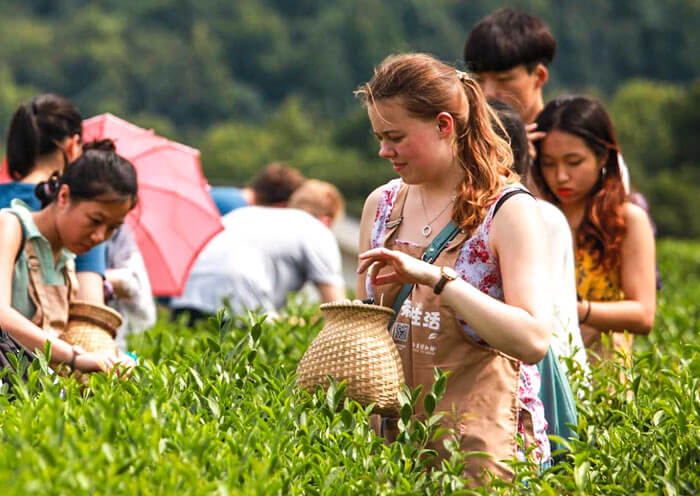
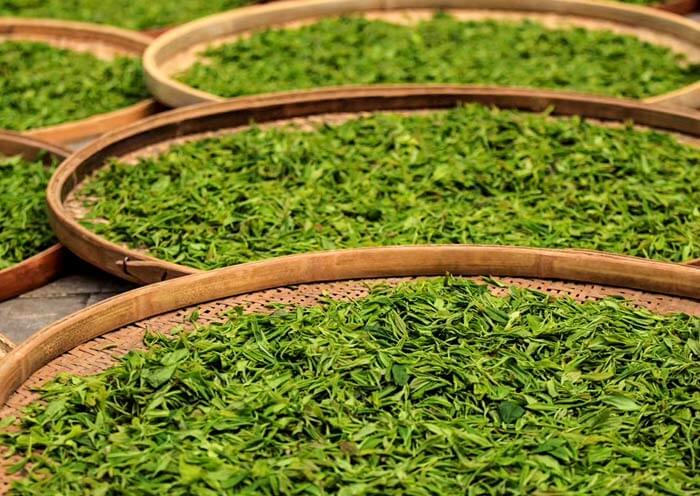
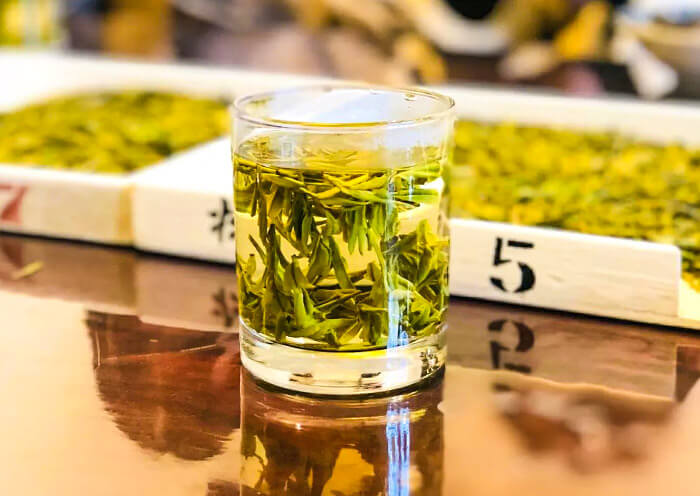
Continue to Meijiawu Tea Culture Village, the largest Longjing Tea-producing area. Known for receiving state leaders and foreign guests since the 1950s, the village becomes especially lively during the Qingming tea-picking season. More than 30,000 fresh tea buds are needed to produce 1 kg of premium Longjing Tea. Stroll through streets lined with Ming and Qing architecture, tea houses, and workshops. Visit Lu Zhenghao Tea Plantation to witness traditional tea roasting. If time permits, you can stop by the Premier Zhou Enlai Memorial Hall (closed Mondays). Meijiawu is also a great place to enjoy lunch featuring authentic Hangzhou cuisine and Longjing tea.
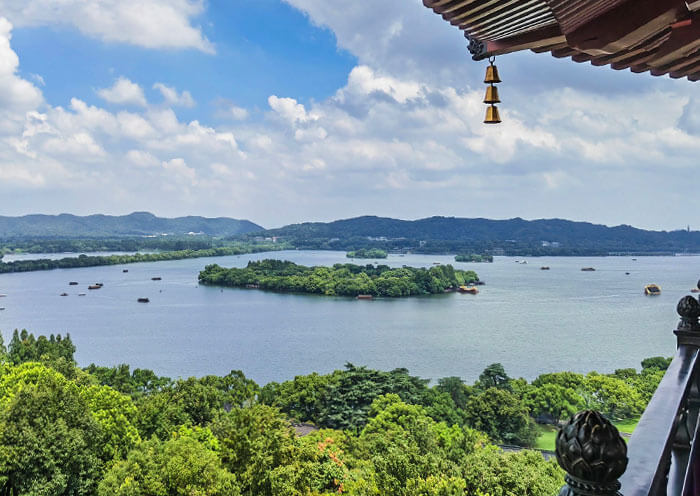
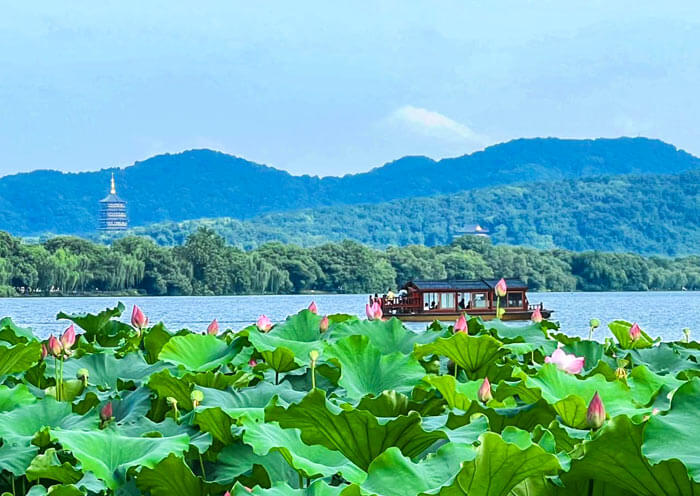
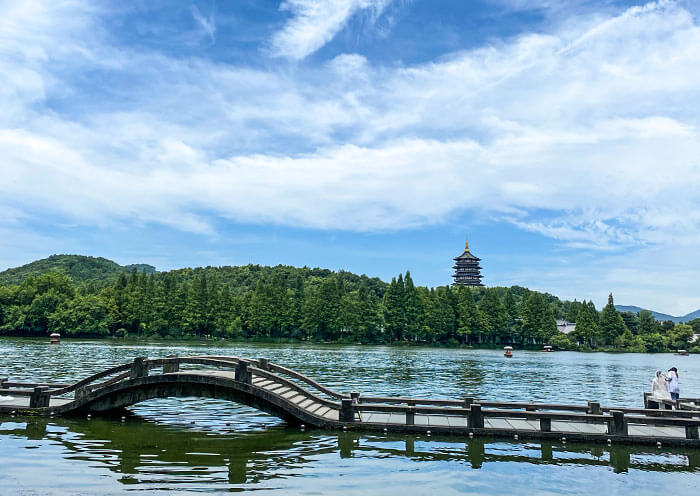
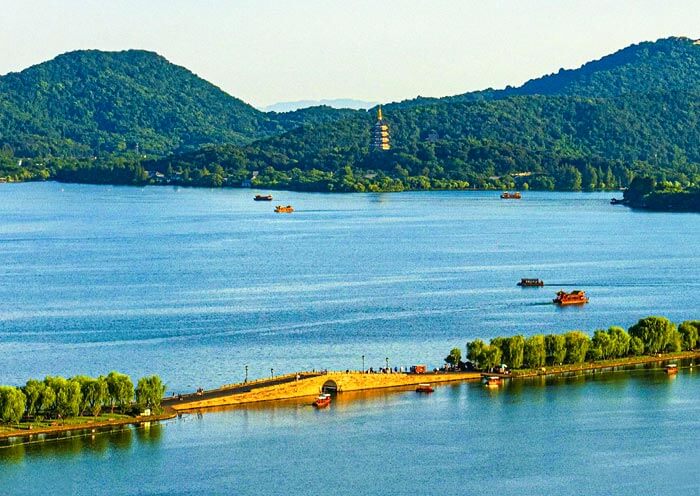
Afterward, experience West Lake (UNESCO World Heritage Site) like a local. West Lake is famous for temples, gardens, bridges, pagodas, tea houses, willow-lined paths, and literary heritage. Countless poems, legends, and love stories are tied to its beauty. Choose your way to explore: take a walk, bike (free for the first hour), take a lake cruise (self-pay), or ride a sightseeing bus (self-pay).
Walk along the Su Causeway (苏堤) and recall Su Dongpo’s famous lines:
“The shimmering ripples delight the eye on sunny days;
The misty hills are marvelous in rainy haze…”
If you’re a fan of Chinese legends, you may also explore:
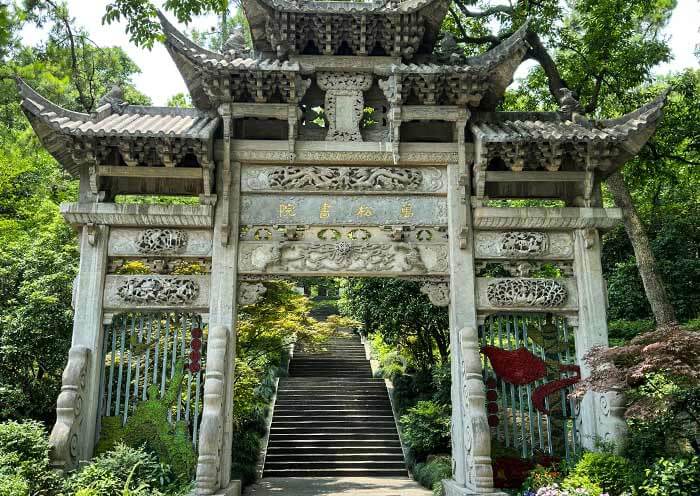
- Wan Song Academy (万松书院) where Liang Shanbo and Zhu Yingtai studied together in the “Butterfly Lovers” legend.
- Long Bridge (长桥) their farewell spot, now known for views of Leifeng Pagoda at Sunset.
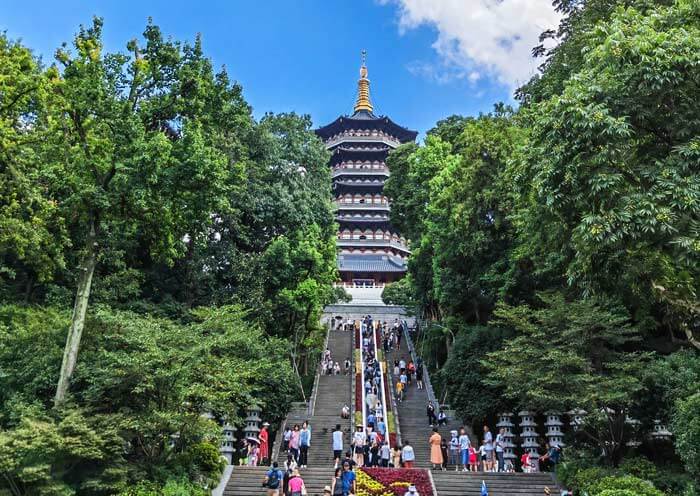
- Leifeng Pagoda(self-pay) - central to the legend of The White Snake, one of China’s most beloved myths.
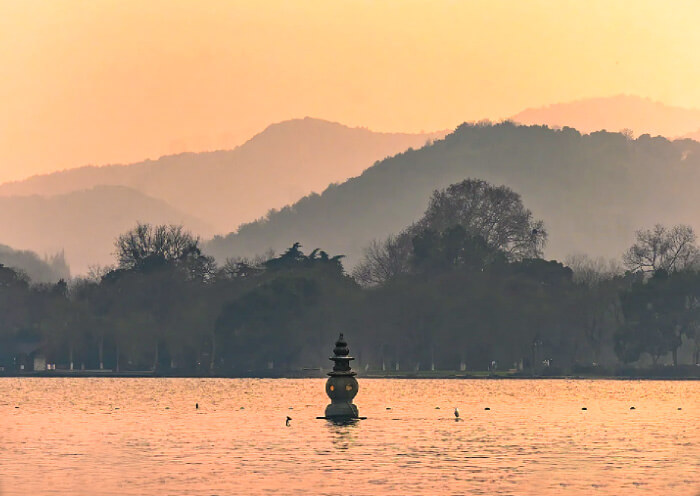
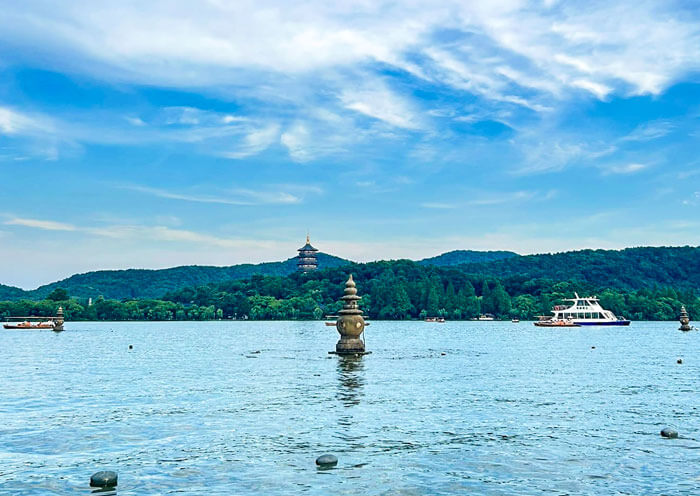
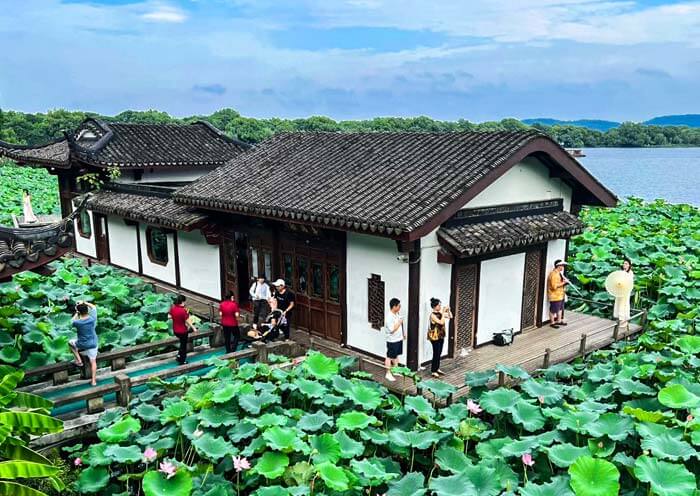
Fans of Dream of the Red Chamber can visit the filming site Quyuan Fenghe (曲院风荷) or take a boat tour (self-pay) to Three Ponds Mirroring the Moon, the scene depicted on the Chinese one-yuan banknote.
After the tour, you will be escorted to the railway station for your bullet train back to Shanghai (about 1 hour). You will then be escorted back to your hotel in Shanghai or to the airport/train station for your onward journey. (Note: Please tell us your plan in advance.)
Thank you for choosing Asia Odyssey Travel (AOT) for your China tour. We hope to welcome you back to China or Asia again soon!

 +852 5394 6901
 Take China Group Tours in 2026/2027 to enjoy 30% discount compared to private tour. Same Experience & Lowest Price!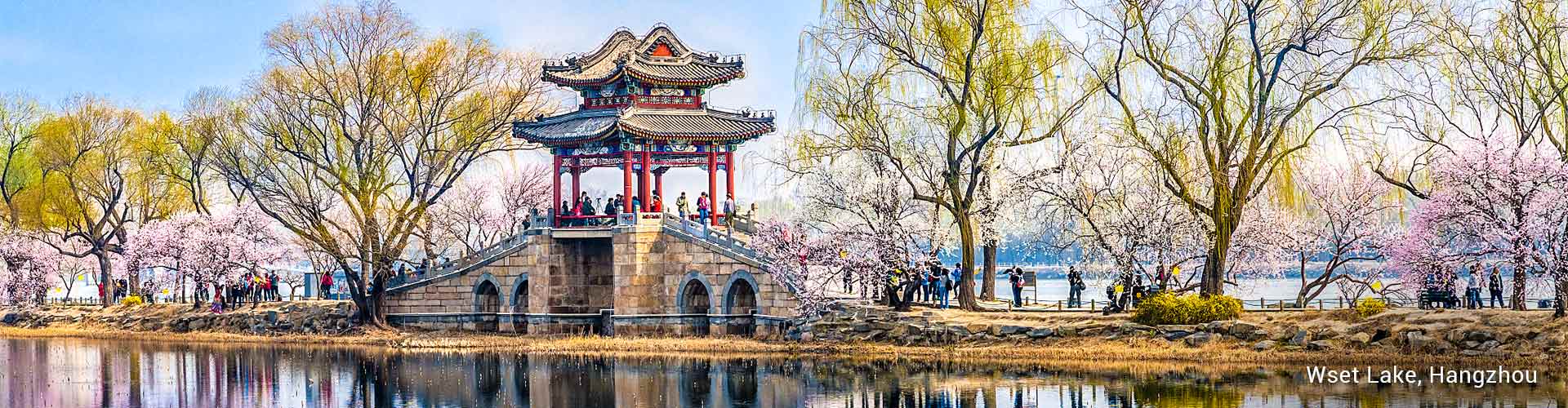


 View Destinations

 Dining:
 Accommodation:








 Gallery



 Shanghai
 Hangzhou
 Shanghai





 Data in submission...