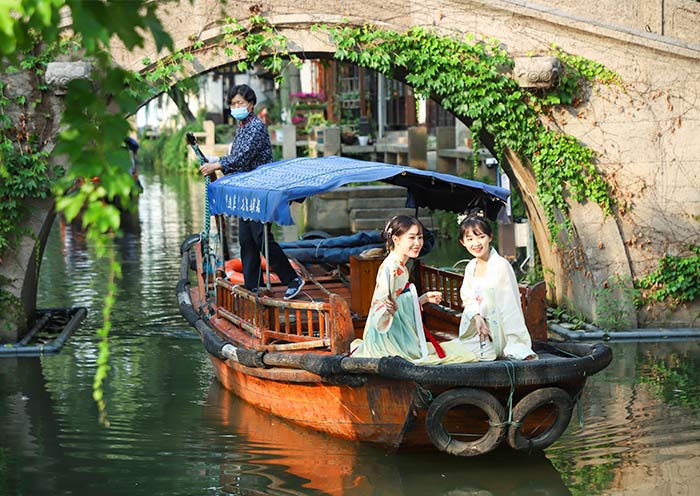
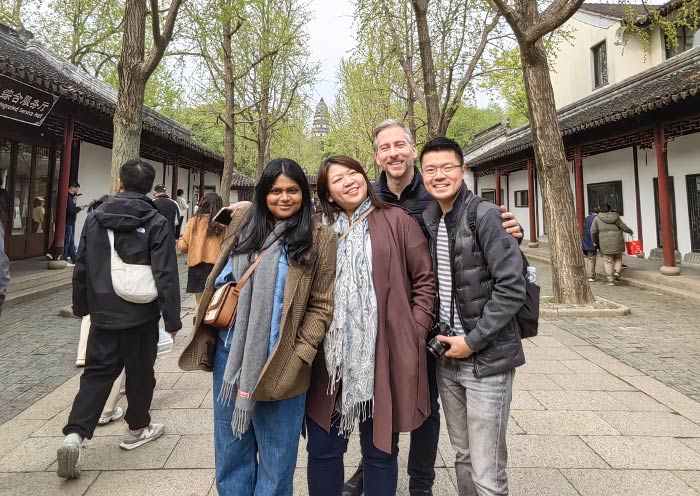
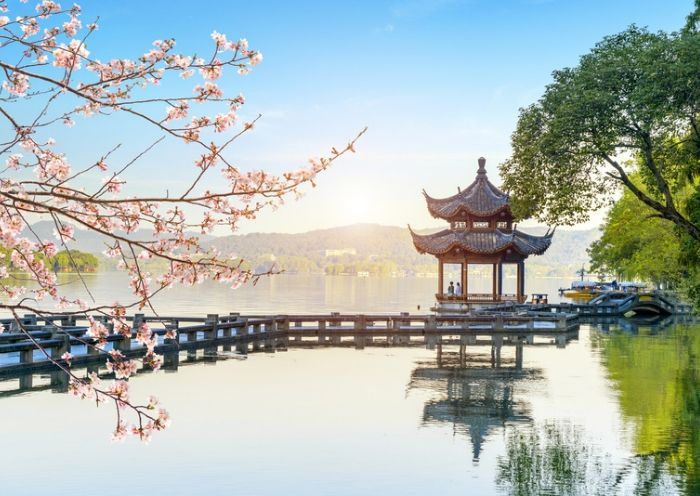
This morning, your guide will meet you in the hotel lobby and escort you to explore Hangzhou, the “Heaven on Earth” and a cultural city with a history of over 5,000 years.
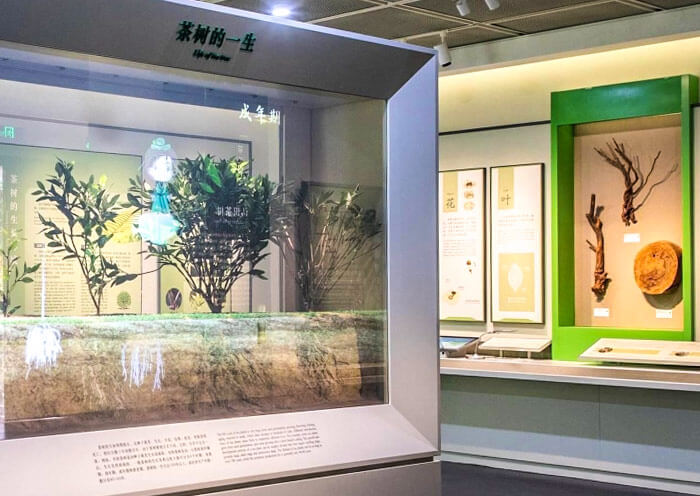
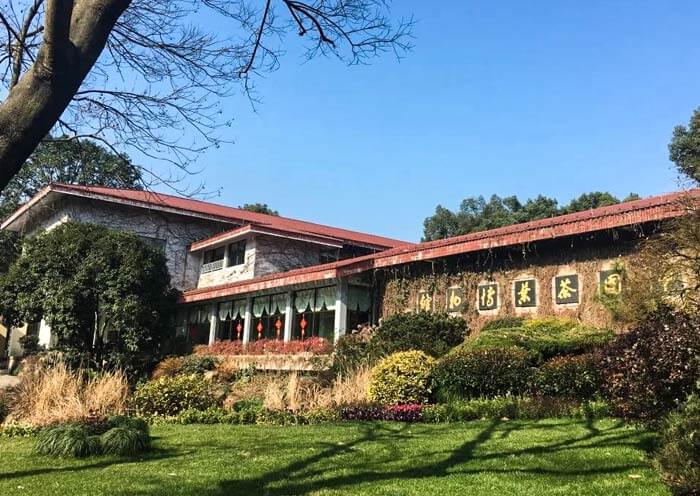
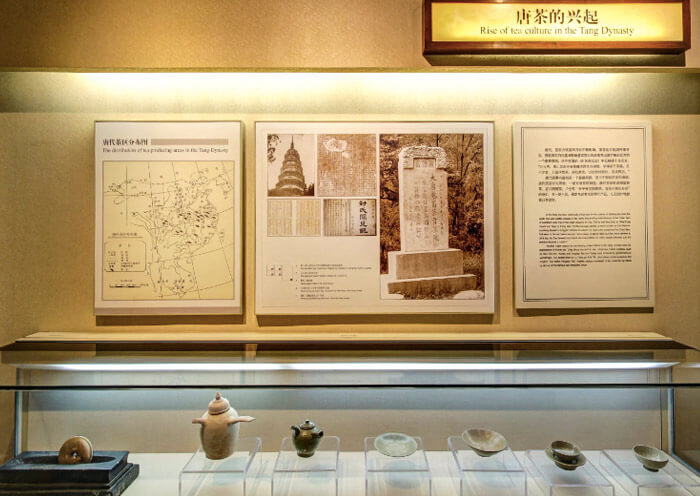
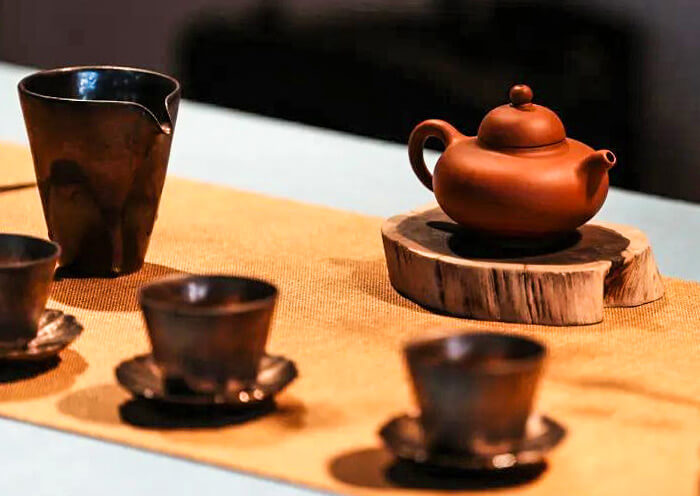
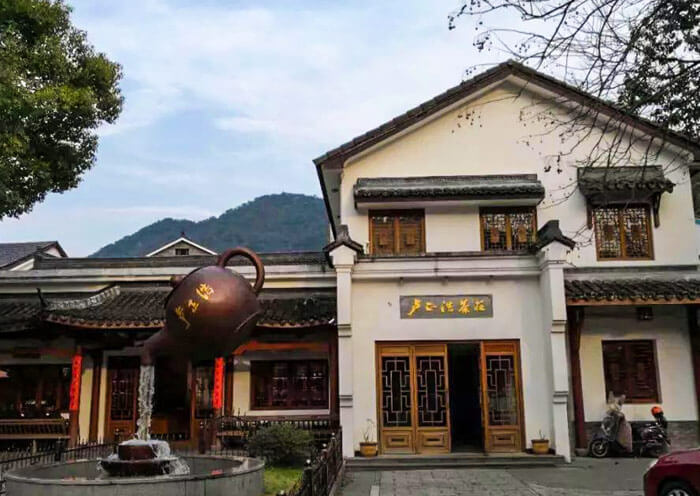
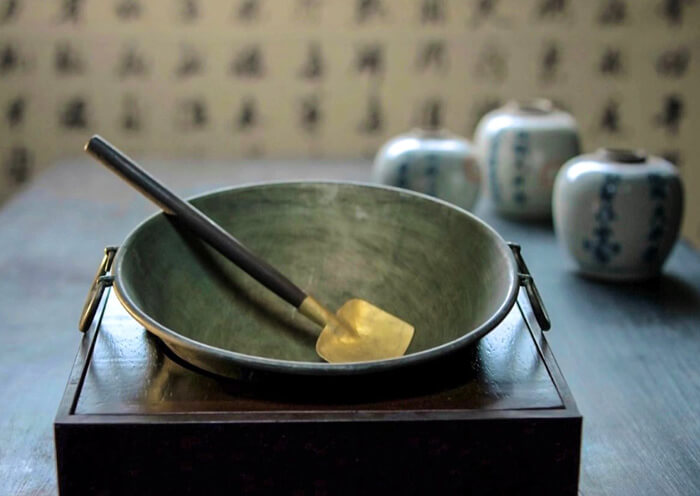
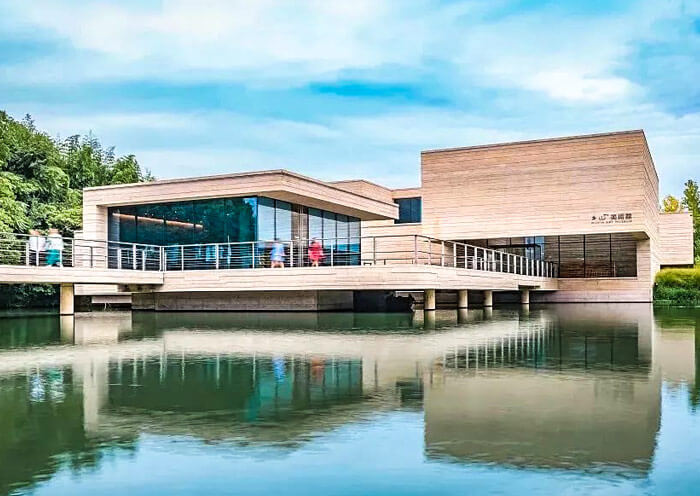
You will first explore the China National Tea Museum, the only national museum dedicated entirely to tea culture. It houses 3,865 items, including ancient tea specimens and foreign tea sets. The museum has two branches: (1) Shuangfeng Branch - closer to West Lake, featuring Jiangnan-style garden, a statue of Lu Yu, and exhibits on Longjing Tea and Chinese tea history. (2) Longjing Branch - set on a hillside overlooking West Lake, focusing on global tea culture, traditional tea-making techniques, and historic tea rituals such as Tang-dynasty tea boiling and Song-dynasty Dian Cha.
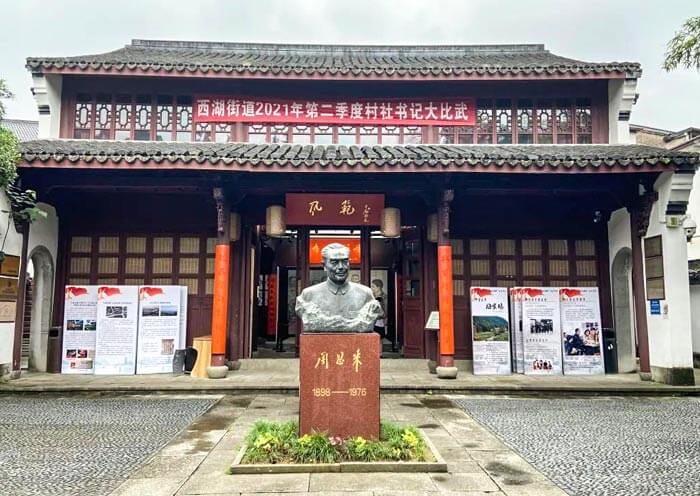
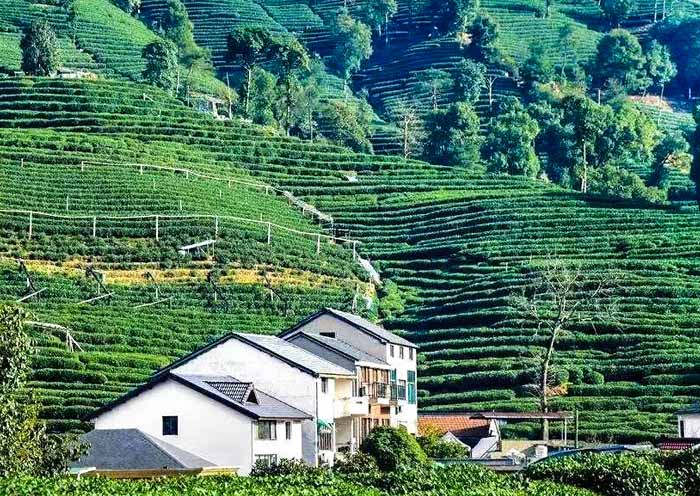
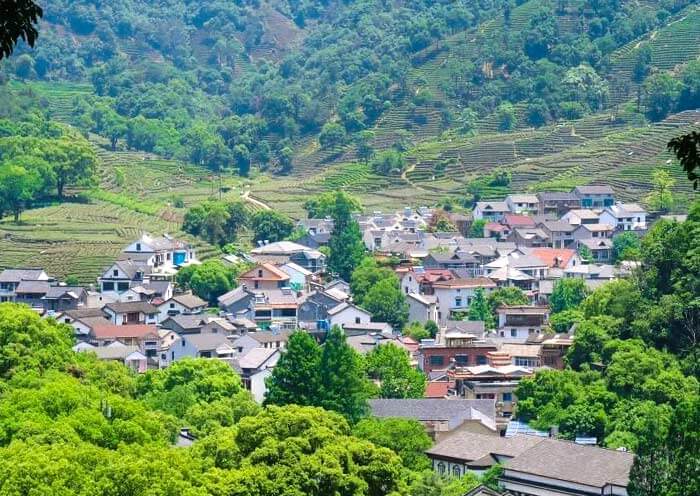
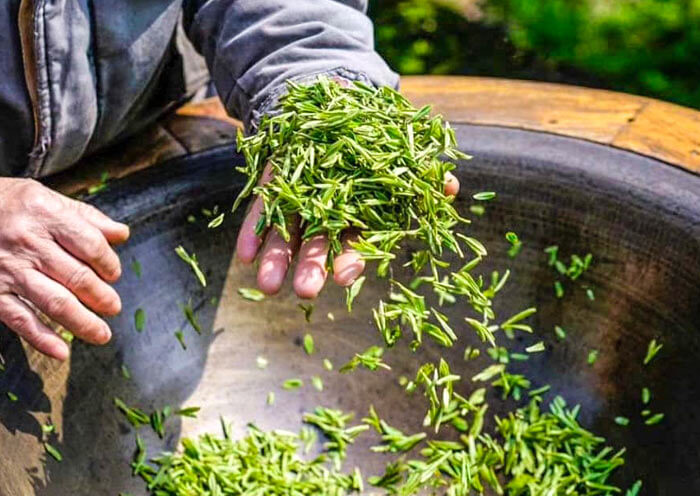
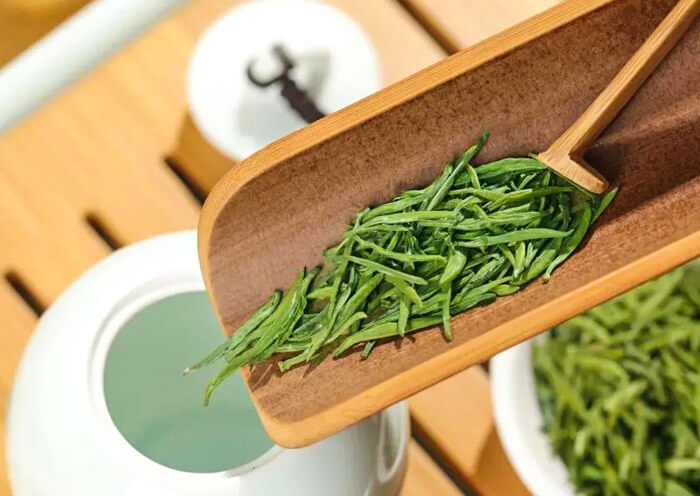
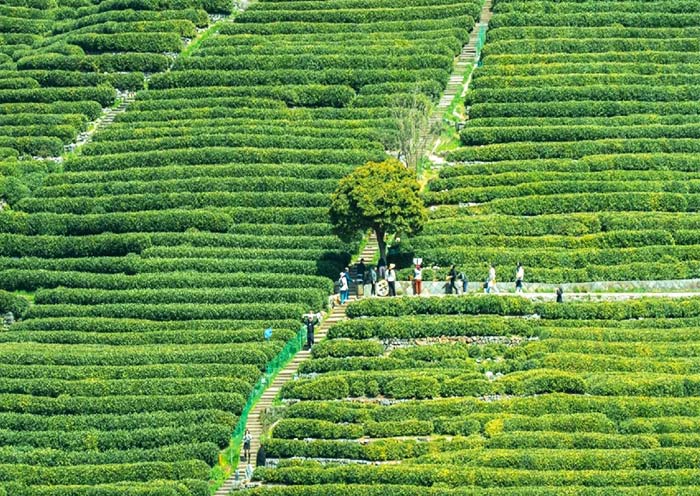
Continue to Meijiawu Tea Culture Village, the largest Longjing Tea-producing area. Known for receiving state leaders and foreign guests since the 1950s, the village becomes especially lively during the Qingming tea-picking season. More than 30,000 fresh tea buds are needed to produce 1 kg of premium Longjing Tea. Stroll through streets lined with Ming and Qing architecture, tea houses, and workshops. Visit Lu Zhenghao Tea Plantation to witness traditional tea roasting. If time permits, you can stop by the Premier Zhou Enlai Memorial Hall (closed Mondays). Meijiawu is also a great place to enjoy lunch featuring authentic Hangzhou cuisine and Longjing tea.
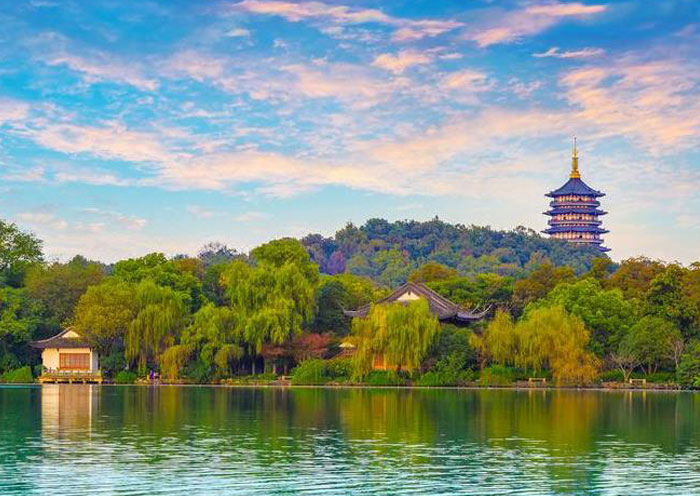
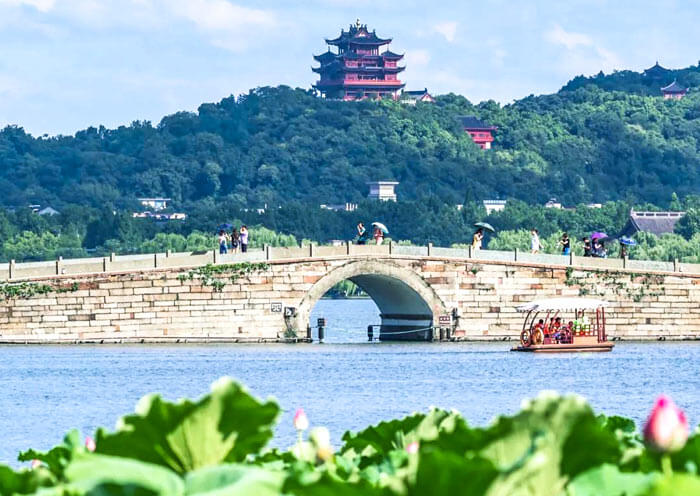
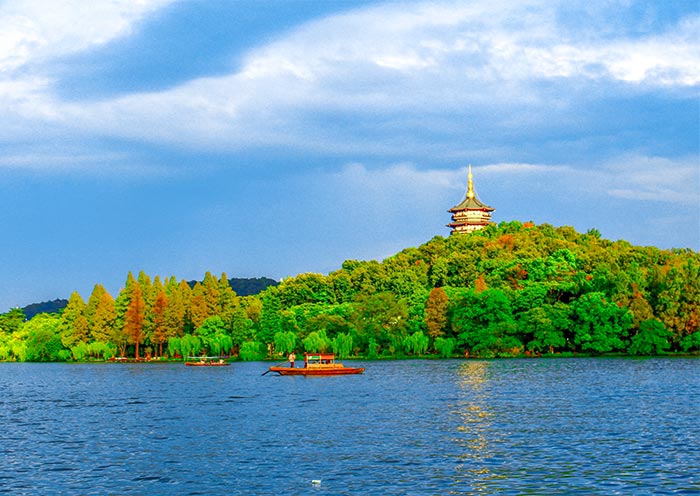
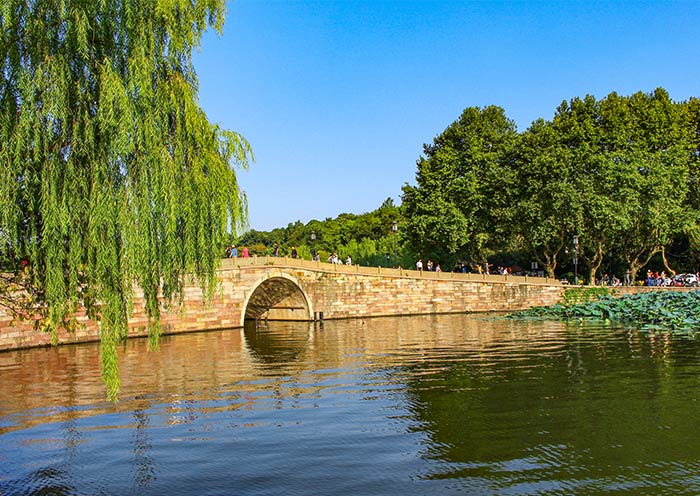
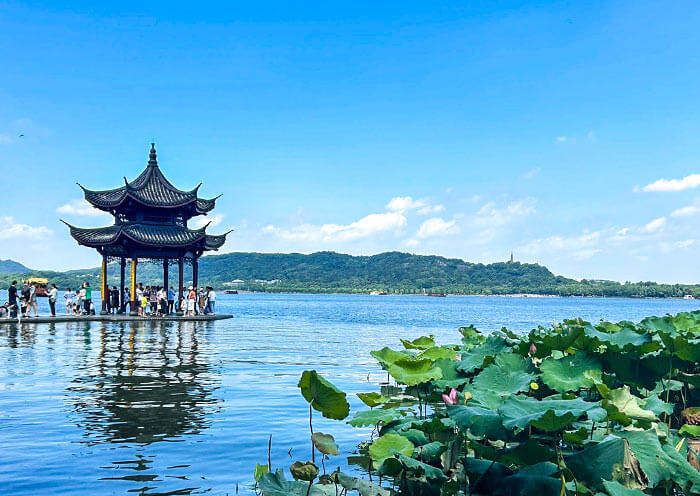
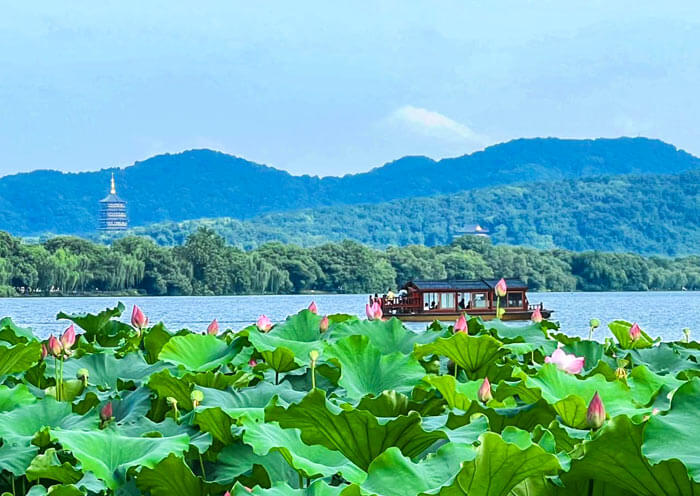
Afterward, experience West Lake (UNESCO World Heritage Site) like a local. West Lake is famous for temples, gardens, bridges, pagodas, tea houses, willow-lined paths, and literary heritage. Countless poems, legends, and love stories are tied to its beauty. Choose your way to explore: take a walk, bike (free for the first hour), take a lake cruise (self-pay), or ride a sightseeing bus (self-pay).
Walk along the Su Causeway (苏堤) and recall Su Dongpo’s famous lines:
“The shimmering ripples delight the eye on sunny days;
The misty hills are marvelous in rainy haze…”
If you’re a fan of Chinese legends, you may also explore:
- Wan Song Academy (万松书院) where Liang Shanbo and Zhu Yingtai studied together in the “Butterfly Lovers” legend.
- Long Bridge (长桥) their farewell spot, now known for views of Leifeng Pagoda at Sunset.
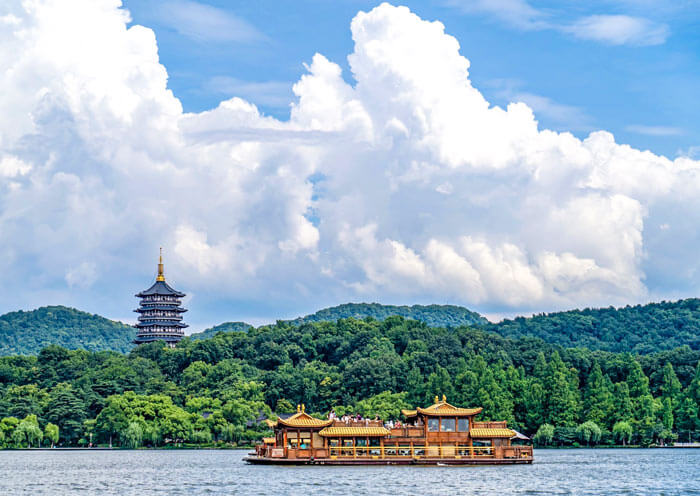
- Leifeng Pagoda (self-pay) - central to the legend of The White Snake, one of China’s most beloved myths.
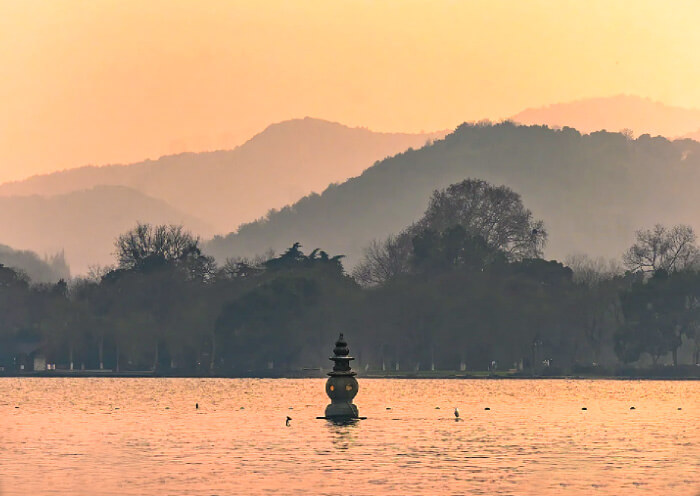
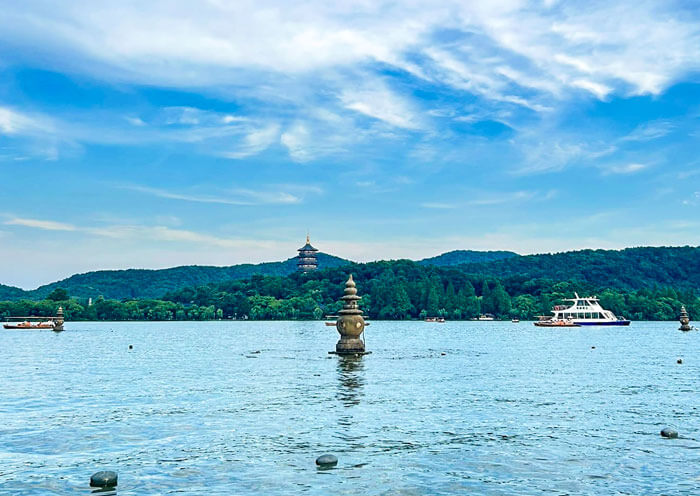
Fans of Dream of the Red Chamber can visit the filming site Quyuan Fenghe (曲院风荷) or take a boat tour (self-pay) to Three Ponds Mirroring the Moon, the scene depicted on the Chinese one-yuan banknote.
After enjoying West Lake, visit Jingci Temple (净慈寺), facing Leifeng Pagoda across the lake. Founded in 954, it is famous for the “Evening Bell at Nanping Hill,” one of the Ten Scenes of West Lake, and is associated with the legendary monk Ji Gong. Every afternoon after 4:00 PM, the temple bell echo across the hills. Enjoy peaceful view and feel its charm.
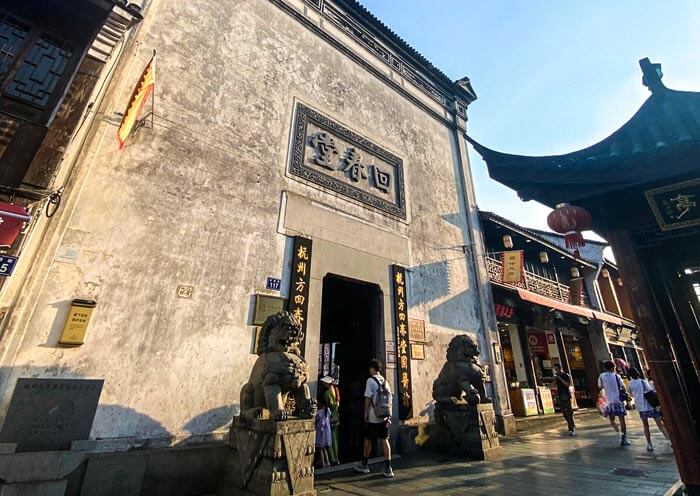
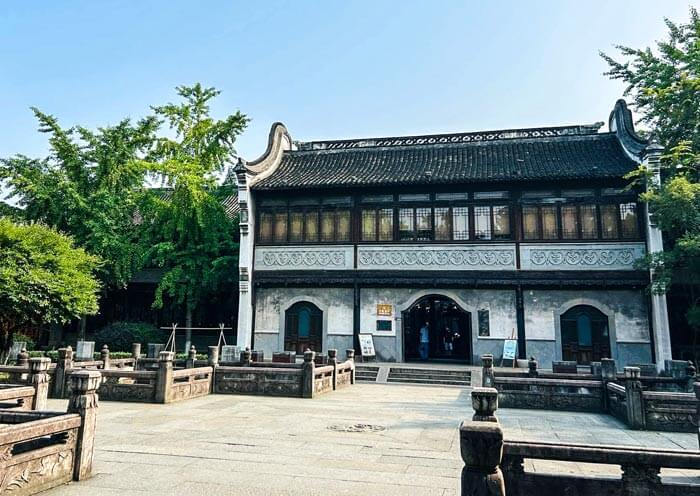
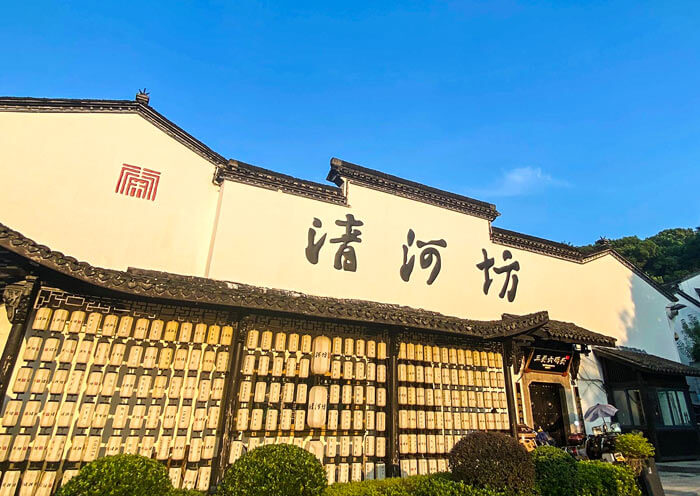
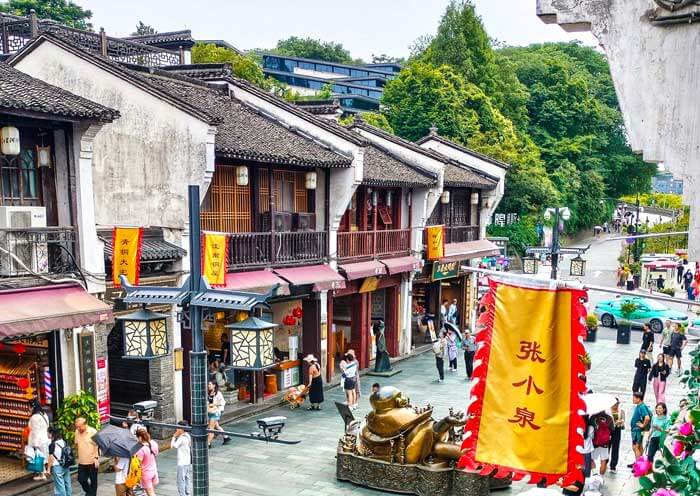
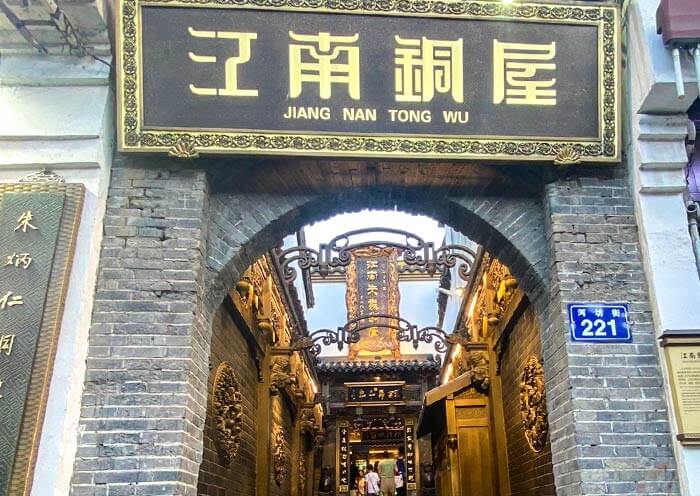
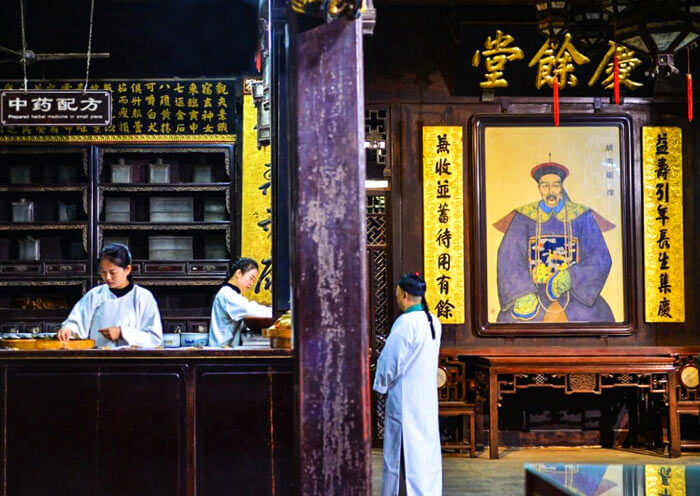
Later, stroll through Qinghefang Street (Hefang Street), the historic marketplace of the Southern Song Dynasty. Here you can explore traditional workshops, snack stalls, and the century-old Chinese medicine pharmacy Hu Qing Yu Tang, now also a museum (self-pay). Founded by Hu Xueyan, one of the wealthiest merchants of the late Qing Dynasty, the site displays Qing-style architecture and traditional medicine-making demonstrations. Time permitting, visit the Former Residence of Hu Xueyan.
Optional Evening Programs:
- Impression West Lake Show (19:40–20:35)
A world-famous outdoor performance directed by Zhang Yimou, staged directly on West Lake with lights, music, dance, and breathtaking water effects. It features scenes inspired by classical poems, legends, and music including “The Butterfly Lovers,” “High Mountains and Flowing Water,” and “Memories of Jiangnan.” (Tickets must be booked in advance. Shows may be canceled due to weather or technical issues.)
- Hangzhou Grand Canal Night Cruise (19:00/19:30/20:20; about 1 hour)
Enjoy a nighttime cruise on the world’s oldest and longest man-made canal (UNESCO). The 2,500-year-old Beijing-Hangzhou Grand Canal is beautifully illuminated at night. See cultural squares, historic wharfs, old warehouses, and the ancient Gongchen Bridge before returning to Wulinmen Wharf. (Best time: April–October. In winter, cruise schedules may be reduced.)

 +852 5394 6901
 Take China Group Tours in 2026/2027 to enjoy 30% discount compared to private tour. Same Experience & Lowest Price!


 View Destinations

 Dining:
 Accommodation: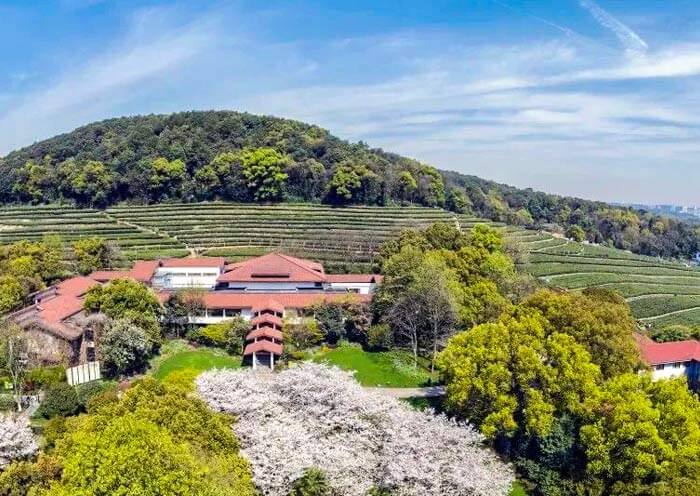








 Gallery



 Hangzhou
 Wuzhen





 Data in submission...