+852 5394 6901
 Take China Group Tours in 2026/2027 to enjoy 30% discount compared to private tour. Same Experience & Lowest Price!
What are the Seasons in Singapore: Weather of Singapore Wet, Dry & Inter-Monsoon Season
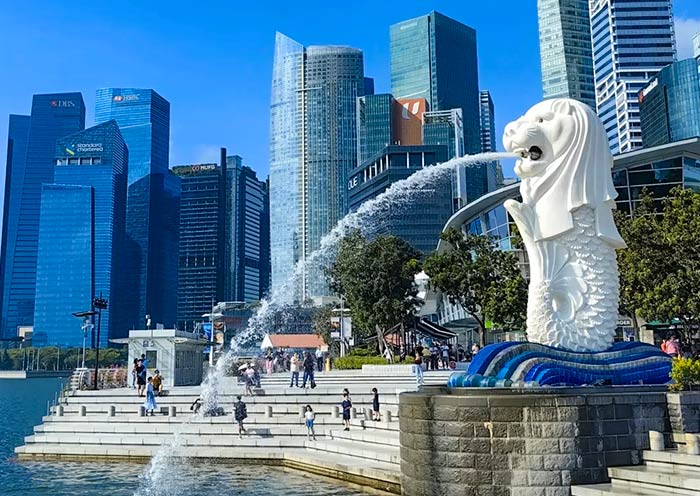
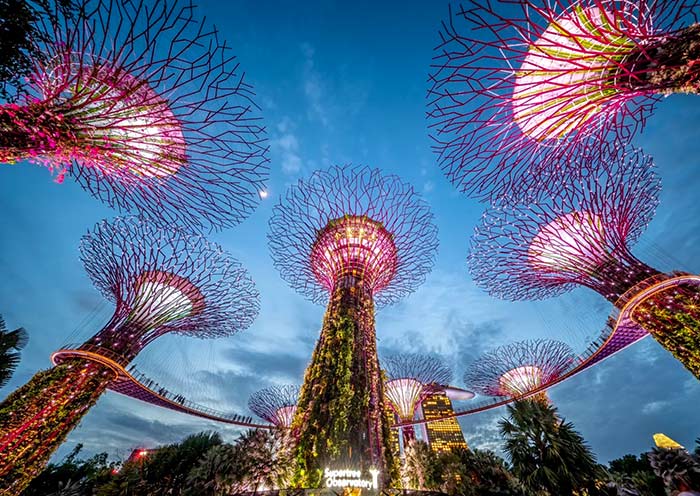
One of the first questions travelers ask is, "What are the seasons in Singapore?" The short answer is: hot and humid, year-round!
However, we break the year down based on rainfall:
Singapore's Wet/Rainy Season (December – March): This is the Northeast Monsoon period, with an average daytime temperature of 30-32℃. Expect heavier, prolonged showers, especially in December and January. While it's the wettest, the consistent cloud cover can sometimes offer a slight relief from the relentless sun.
Singapore's Dry Season (June – September): With an average daytime temperature of 31-33℃, rainfall is usually less frequent here. When it does fall, it often comes as intense, short, afternoon thunderstorms—perfect for cooling things down before you head out for the evening.
Inter-Monsoon Periods (April and October/November): These are the transitional periods, with an average daytime temperature of 32-33℃. The wind is often calm, meaning the humidity can feel stifling. Be prepared for high heat and frequent, powerful thunderstorms in the late afternoons.
☛ Based on Singapore seasons weather, the best time of year to go to Singapore for low rainfall and comfortable sightseeing is the early shoulder season: February to April.
Malaysia Seasons Breakdown by Coast: Weather of the West Coast, East Coast & Borneo
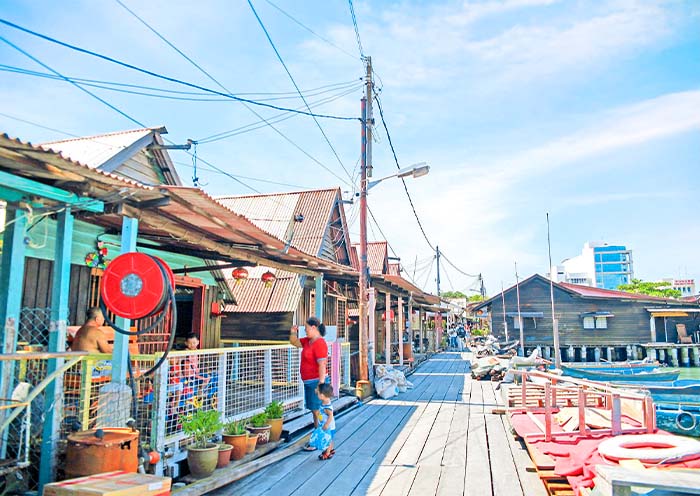
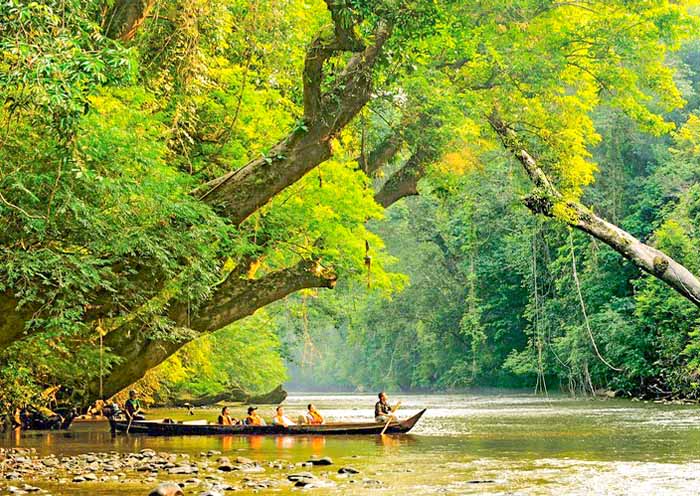
Planning travel through Malaysia requires a totally different strategy because its 2 main coasts are affected by opposite monsoons. This is crucial for avoiding the worst time to visit Malaysia for a beach trip!
Here is the quick reference guide to the Malaysia seasons weather by region:
- West Coast Peninsular Malaysia (Kuala Lumpur, Penang, Langkawi, Malacca)
Peak Dry Season (Ideal): December to February. (Sunny, low rain, and generally the best time for city exploration, where the thermometer climbs to 31-32℃.)
Wetter Season (Accessible): April to October. (High humidity, but rain typically falls in short, heavy afternoon bursts, allowing travel year-round. Average daytime temperature ranges from 32℃ to 33℃)
- East Coast Peninsular Malaysia (Perhentian, Tioman, Redang)
Peak Season (Beaches/Diving): April to September. (Hot—31 to 33℃, sunny, flat seas, perfect conditions.)
Monsoon/Closure: November to March. (Severe Monsoons strike here, bringing continuous, heavy rain; resorts and boat services shut down; temperatures range from 29℃ to 31℃.)
- Borneo (Sabah and Sarawak)
Driest Period (Best for Hiking/Diving): March to October. (Ideal for climbing Mount Kinabalu trekking and exploring the deep jungles. Expect temperatures to stay fixed between 31 and 33℃.)
Wetter Period (Still Active): November to February. (Experiences heavy rainfall with daily highs hovering between 30 and 33℃, but many major activities, like wildlife spotting, still operate.)
☛ So, when is the best time to go to Malaysia? Here's the ultimate takeaway of its three distinct regions.
| Region | Primary Focus | Best Months for Weather |
|---|---|---|
| West Coast | Cities (KL, Penang), Langkawi Beaches | December to February |
| East Coast | Beaches (Perhentian, Tioman, Redang), Diving | April to September |
| Borneo | Wildlife, Jungle Trekking, Hiking | March to October |
Singapore and Malaysia Weather by Month
To get a quick overview of Singapore weather by month and Malaysia weather by month, here is a simple guide to planning the best overall trip:
| Month | Avg. Temp Range (Daytime) | Singapore (Rain/Crowds) | West Coast Malaysia (Penang, KL) | East Coast Malaysia (Perhentian, Tioman) |
|---|---|---|---|---|
| Jan | 30–32℃ | High Rain, High Crowds (CNY) | Dry Season (Excellent) | Monsoon/Closed |
| Feb | 31–33℃ | High Crowds (CNY/Events) | Dry Season (Excellent) | Monsoon/Closed |
| Mar | 32–33℃ | Moderate Rain, Low Crowds | Dry Season (Very Good) | Start of Season (Best Value) |
| Apr | 32–33℃ | High Heat/Humidity, Low Crowds | Wetter Season Starts | Peak Season (Best Time) |
| May | 32–33℃ | High Heat/Humidity, Low Crowds | Wetter Season | Peak Season (Excellent) |
| Jun | 31–32℃ | Sunnier, High Crowds (Holidays) | Wetter Season | Peak Season (Excellent) |
| Jul | 31–32℃ | Sunnier, High Crowds (Holidays) | Wetter Season | Peak Season (Excellent) |
| Aug | 31–32℃ | Sunnier, High Crowds (Holidays) | Wetter Season | Peak Season (Winding Down) |
| Sep | 31–32℃ | Rain Increases, Haze Risk | Wetter Season (High Rain Risk) | Good/Winding Down |
| Oct | 30–32℃ | High Humidity, Haze Risk | Wetter Season (High Rain Risk) | Season Ends (Final Weeks) |
| Nov | 30–32℃ | Rain Increases, Low Crowds | Wetter Season (Good for Cities) | Monsoon/Closed |
| Dec | 30–31℃ | Very High Rain, Peak Crowds | Dry Season Starts (Good) | Monsoon/Closed |
Decoding the Terms:
- CNY: Chinese New Year. More festivals in Asia to explore >>
- Events: Large-scale international happenings, such as the Singapore F1 race.
- Holidays: Includes local school breaks (usually June/July) and international holidays (like Christmas).
☛ The Final Conclusion on Combined Trip Timing:
Based on the data, planning a multi-country trip comes down to two primary windows:
Best Time (March – May): This is the best overall choice. It avoids the heaviest monsoons in Singapore and the West Coast in Malaysia while ensuring the East Coast islands are open and the crowds are moderate.
Alternative (July – August): This is the peak time for Singapore for the drier weather and excellent beach conditions in Malaysia's East Coast and Borneo. Be prepared to contend with high summer crowds and the highest prices.
Best Time to Visit Singapore and Malaysia for Sun, Sand and Sea (Beaches, Snorkeling & Diving)
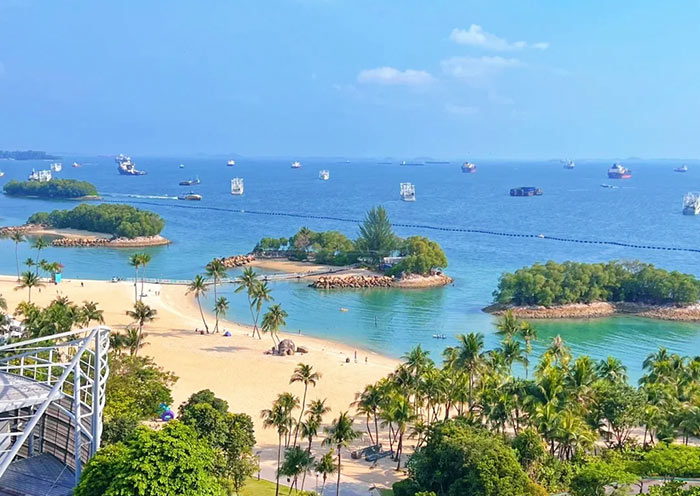

If your primary motivation is a perfect beach holiday, you must time your trip around Malaysia's two different coasts, as they operate on opposite weather schedules.
- Malaysia's East Coast: April to September
When to Go: April to September. This is the exclusive window for pristine white sands and clear waters on islands like Perhentian, Tioman and Redang. The seas are calm, and snorkeling/diving visibility is at its peak.
The Warning: The Nov–Mar closures are non-negotiable! Travel here then means rough seas and no access.
- Malaysia's West Coast: December to March
Malaysia's West Coast is a year-round option for beach lovers.
But the best time to go is from December to March. This is the driest season for destinations like Langkawi and Penang. These islands offer a reliable beach escape even when the East Coast is closed.
- Singapore Beaches: April to November
Singapore's Sentosa beaches and Southern Islands are active year-round, but the best visibility for snorkeling (like at Pulau Hantu) is typically from April to November, avoiding the heavy December-March monsoon.
☛ Local Insider Tip: Because the West Coast is driest when the East Coast is closed, you can actually enjoy a beach holiday year-round, provided you stick to the correct side of the peninsula!
Best Time to Visit Singapore and Malaysia for Budget, Shopping Sales and Fewer Crowds

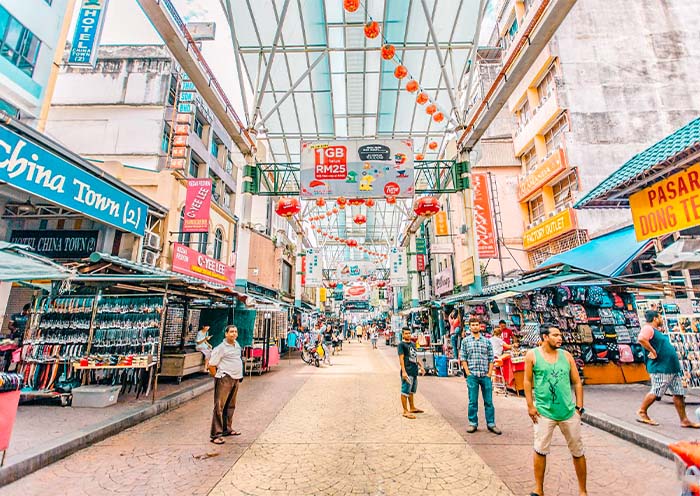
If value is your guiding principle, timing your trip for the shoulder seasons and major sale events is the smart move.
The Sales Window (Shopping): Plan your visit between June and September to catch the Great Singapore Sale (GSS). This is when prices for electronics and branded goods drop significantly, offering an excellent excuse to be indoors during those afternoon showers!
The Shoulder Seasons (Budget/Crowds): Late February/Early March and October/November offer the best overall deal. You skip the massive Christmas, New Year, and summer price spikes, making this the best time to go to Malaysia and Singapore on a budget.
Asia Trip Cost: How Much Does a Trip to Asia Cost?
10 Cheapest Countries to Visit in Asia: Top Cheap Asian Destinations
Best Time to Visit Singapore and Malaysia for Durian
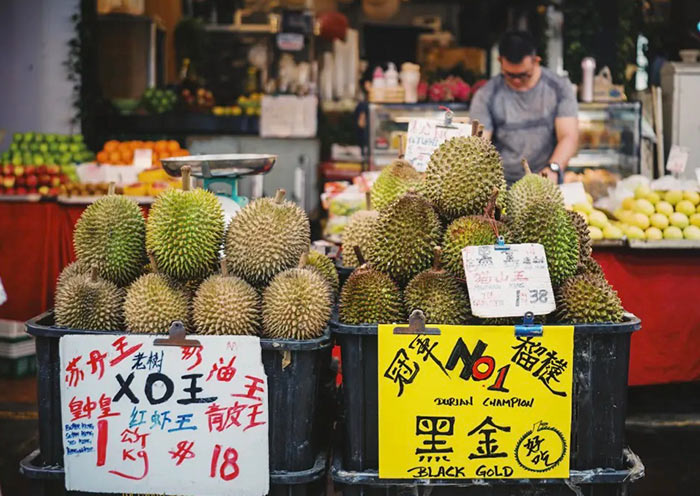
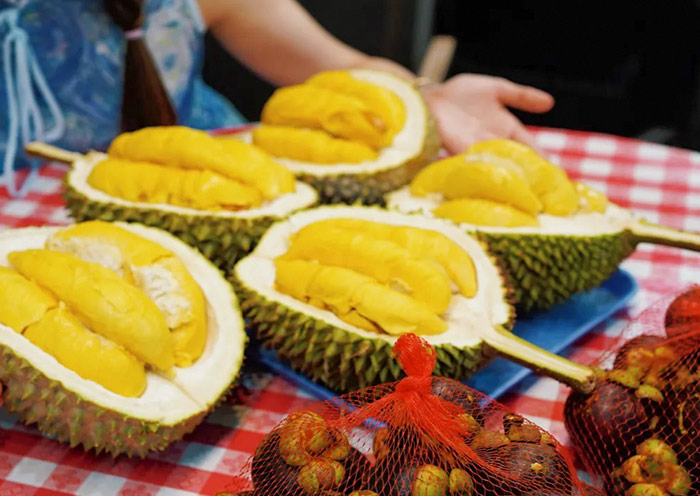
For many travelers, the trip isn't complete without indulging in the infamous, pungent King of Fruits! Durian is highly seasonal, and timing your trip during the harvest means the best variety and cheapest prices.
Peak Season (Best Quality & Price): June to August. This is the main harvest season for West Peninsular Malaysia (especially Penang and Pahang) and Singapore, where you'll find the widest range of high-end varieties like Musang King and Black Thorn.
Secondary Season: December to February. A smaller crop appears during the end-of-year season, offering fewer varieties but still satisfying the craving during the cooler months.
Best Time to Visit Malaysia and Singapore for Honeymoon
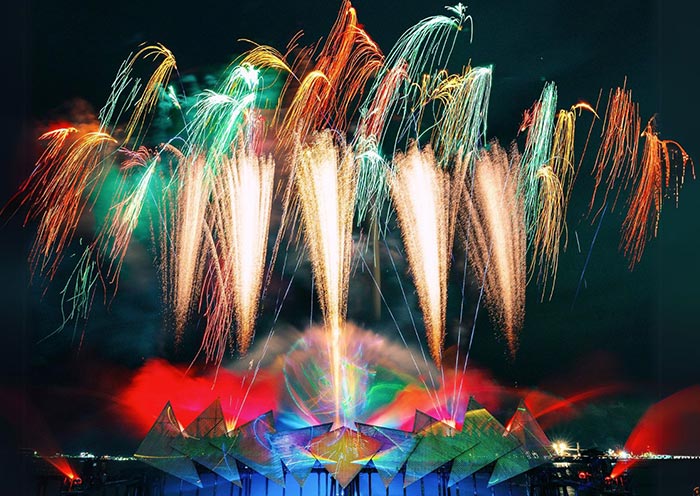
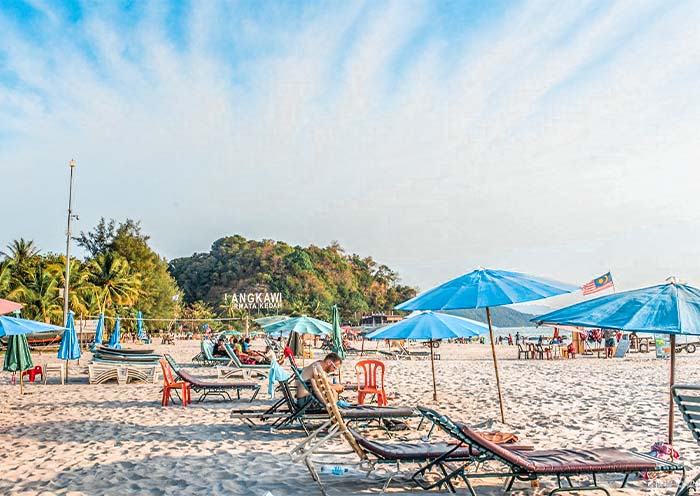
For honeymooners, the priority is avoiding heavy rain, avoiding noisy family crowds, and enjoying the highest level of service.
My Recommended Timing: March or May.
March: You avoid the worst monsoons and peak holiday traffic. The East Coast islands are just opening, giving you pristine, crowd-free beaches at resorts eager for their first guests.
May: The weather is superb on the East Coast, and while it's hot, the crowds haven't hit the summer peak yet. This offers a great balance of luxurious service and excellent weather for your combined trip.
Best Asia Honeymoon Destinations: Top 10 Winners by Month
Best Time to Visit Singapore and Malaysia for Festivals & Events
To truly feel the vibrant, multicultural heart of Malaysia and Singapore, plan your trip to coincide with a major event.
Be warned: accommodation prices usually soar during these times!
| Month | Festival/Event | Location | Traveler Impact/Note |
|---|---|---|---|
| Feb | Thaipusam | Malaysia (Batu Caves, Penang) & Singapore | A spectacular Hindu festival of procession and penance; a major visual experience. (Falls on Feb 1, 2026) |
| Feb | Chinese New Year (CNY) | Singapore & Malaysia | Massive celebrations with lion dances and light-ups; expect high prices and many local businesses to close. |
| Apr | Malaysia Water Festival | Malaysia | A national celebration of water sports and cultural events; great local immersion. |
| May | Hari Raya Haji (Eid) | Malaysia | Major Muslim festival. Seek out the unique Malaysian tradition of Open House to share feasts. (Falls on May 27, 2026) |
| Sep/Oct | Singapore F1 Grand Prix | Singapore | High excitement, but the most expensive and crowded weekend of the year; avoid if not attending. |
| Oct/Nov | Diwali (Deepavali) | Singapore (Little India) & Malaysia | The Festival of Lights is celebrated with dazzling street lights, bazaars, and cultural performances. (Falls on November 8, 2026) |
22 Festivals in Asia by Month: From Old Traditions to New Trends
Worst Time to Visit Singapore and Malaysia
Knowing the definite no-go times helps you avoid disappointment.
If you are aiming for a balanced trip covering both countries, there are 3 primary factors that create the worst time to visit Singapore and Malaysia:
Highest Prices & Crowds: Mid-December to Early January. This period combines peak international holidays, high prices, and the heaviest part of the monsoon season in Singapore.
Highest Chance of Haze: September and October. This is when the Haze risk peaks, and air quality can be severely affected across the region, making outdoor sightseeing unpleasant and unhealthy.
Non-Viable Beach Trip: November to March. If East Coast beaches were a priority, this is the worst time to visit Malaysia as the islands are entirely inaccessible.
How to Plan Your Trip to Singapore and Malaysia?
You have the when; now let's discuss the how.
Where to Start & End: The most logical route is the "up-and-down" flow. Start in Singapore (SIN) and head north through Malaysia, or start in Kuala Lumpur (KUL) and head south. Both cities have massive international flight networks.
I've got two itineraries for you:
Itinerary A: City & Culture Focus from Malaysia to Singapore

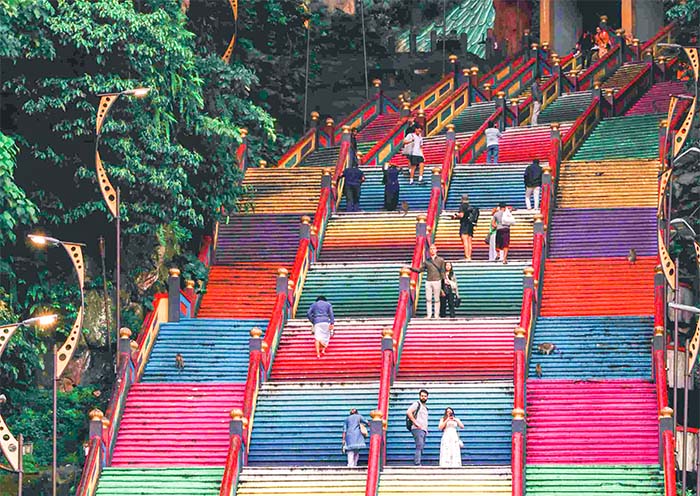
Route: Malaysia (Kuala Lumpur - Malacca) – Singapore
Duration: 7 days
This itinerary is fast-paced, focusing on the highlights of Malaysia's capital and the historical center before concluding in modern Singapore.
It's best for first-time visitors focused on iconic landmarks, history, and urban food scenes.

Itinerary B: The Ultimate Peninsula Circuit from Singapore to Malaysia
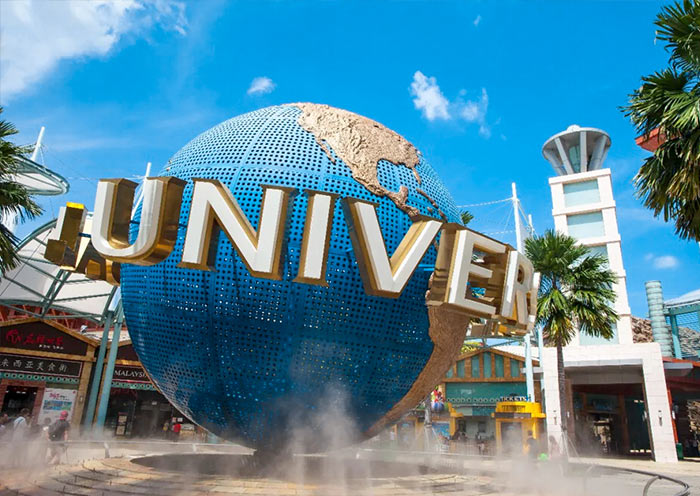
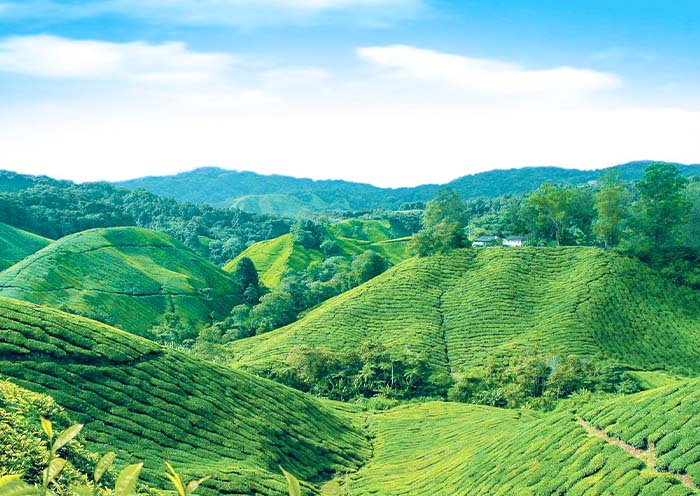
Route: Singapore - Malaysia (Kuala Lumpur & Malacca - Cameron Highlands - Ipoh - Penang)
Duration: 10 days
This route is a much richer, slower journey that includes the colonial history, the cool mountain air of the Cameron Highlands, the culinary hub of Ipoh, and the street art capital of Penang.
It's perfect for travelers seeking diverse landscapes, cool mountain escapes, and a deep dive into Malaysian food and UNESCO heritage.
Ready to Go? Let Asia Odyssey Travel's Local Offices Handle the Timing
The complexity of monsoons, seasonal closures, festival dates, and Haze risks is why timing a combined trip can be a headache. Stop stressing over the best time to visit Malaysia and Singapore!
At Asia Odyssey Travel, we simplify this. With local offices in Singapore and Malaysia (KL), we guarantee seamless planning and on-the-ground support throughout your journey.
Our expertise covers themed tours for every interest, from the kids-friendly Singapore Family Tour and high-end Singapore Golf Tour to deep dives like the Malaysia Borneo Tour.
Whether you need a simple Malaysia Tour or a specialized Singapore Tour Package from Philippines or Thailand, we handle the seasonal juggling to ensure your trip is perfectly timed.
Ready to perfectly time your trip and book your custom itinerary based on your interests?


 Data in submission...