+852 5394 6901
 Take China Group Tours in 2026/2027 to enjoy 30% discount compared to private tour. Same Experience & Lowest Price!
Is Winter a Good Time to Visit China? Top 5 Reasons
Yes, yes, and yes! Winter in China is not just good — it's brilliant. Here are five reasons why it deserves a spot on your travel list:
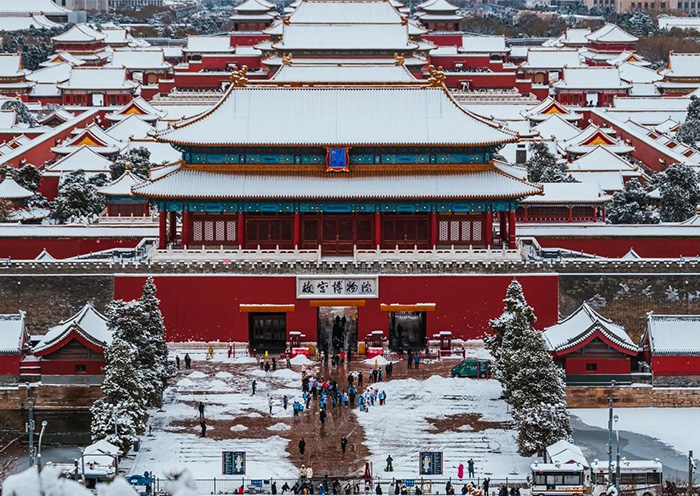

- Fewer Crowds: Enjoy iconic sites like the Forbidden City and the Terracotta Warriors in relative peace.
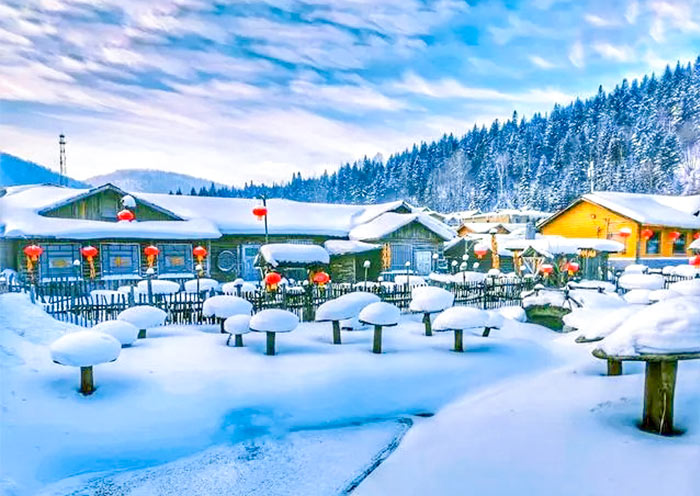
- Stunning Snowy Landscapes: See China's famous scenery transformed into a winter wonderland.
- Lower Costs: Benefit from off-season prices on flights and accommodation (outside of Chinese New Year).
- Unique Winter Festivals: Experience world-class events like the Harbin Ice and Snow Festival.
- Crisp, Clear Skies: Northern China often has clearer, blue-sky days in winter compared to other seasons.
How Cold It Is in China in Winter? Weather & Temperature
Winter in China lasts roughly from December to February. China's winter isn't one-size-fits-all — it's a country larger than Europe, with climates that vary dramatically from north to south.
Here's a breakdown to help you understand what to expect in each part of China — and plan your trip accordingly.
Northern China – Freezing Cold with Dry Air and Snow
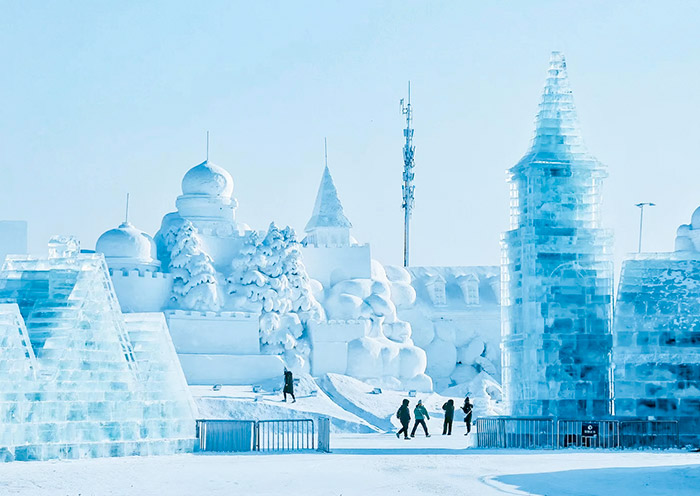
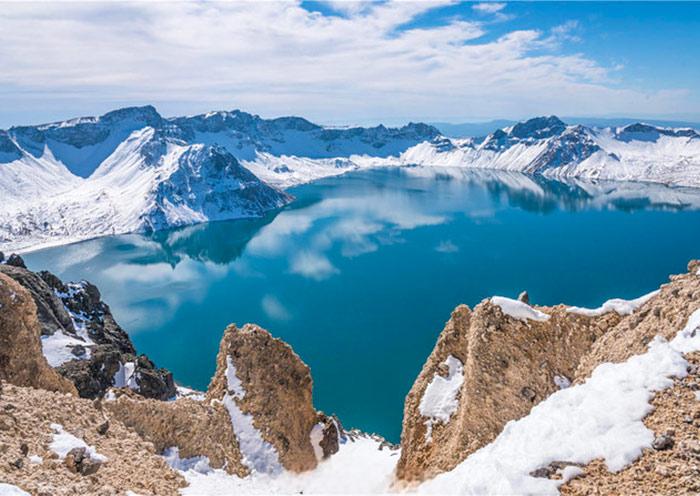
Beijing, Harbin, Shenyang, Hohhot, Inner Mongolia
Northern China experiences the coldest and driest winters in the country. The cold Siberian air sweeps across this region, keeping temperatures well below freezing for weeks.
- Average Temperatures: 20°C to 5°C
- Rainfall: Very little rain, usually less than 10 mm per month
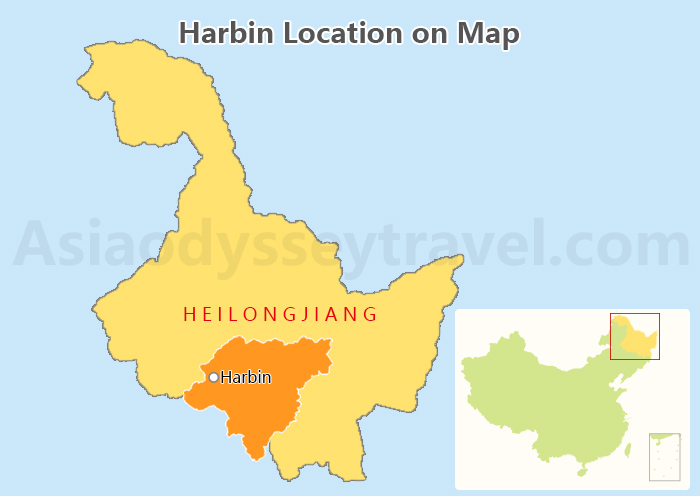
- Snowfall: Common, especially in Heilongjiang (Harbin) and Inner Mongolia
- Air: Dry, crisp, often sunny
Packing Tip: Bring thick coats, scarves, gloves, and lip balm — the wind is sharp and the air is dry.
Central China – Damp Cold That Feels Colder Than It Is
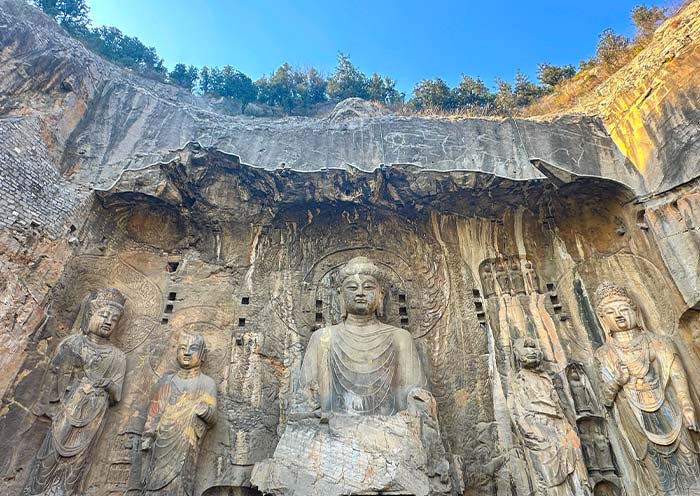
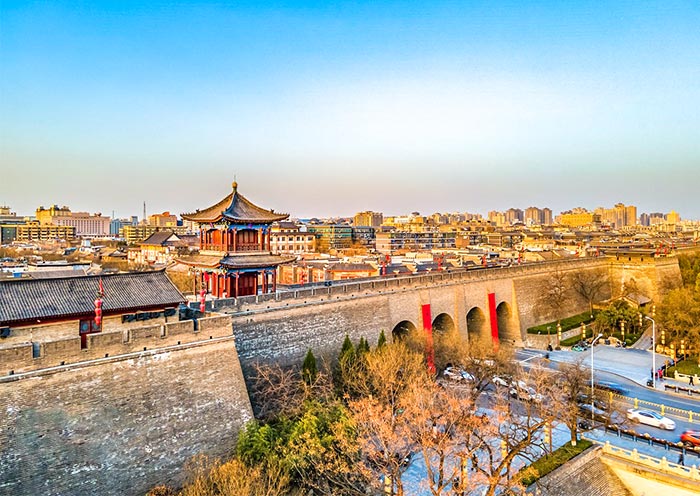
Xi'an, Luoyang, Wuhan, Changsha, Chongqing (north part)
In Central China, winters are cold, cloudy, and humid. The lack of indoor heating in many southern-style buildings makes the chill feel worse.
- Average Temperatures: 0°C to 10°C
- Rainfall: Moderate drizzle or foggy days
- Snowfall: Occasional, mostly light and short-lived
- Humidity: High — it seeps into your bones!
Packing Tip: Layer up! A windproof jacket and thermal underwear work better here than bulky coats.
Eastern China – Cold, Windy, and Often Wet
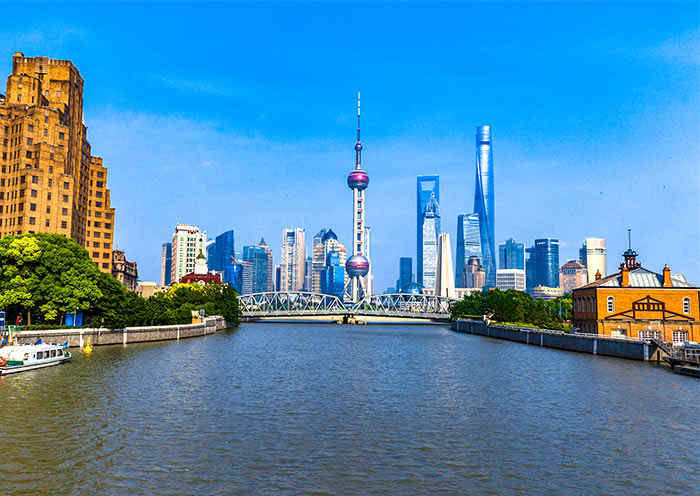
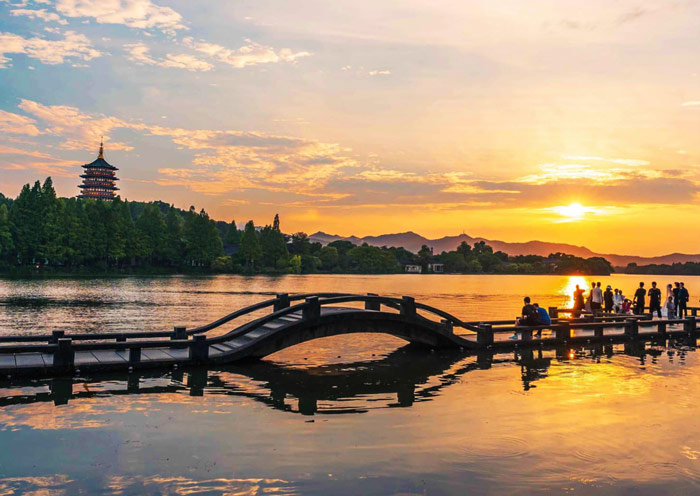
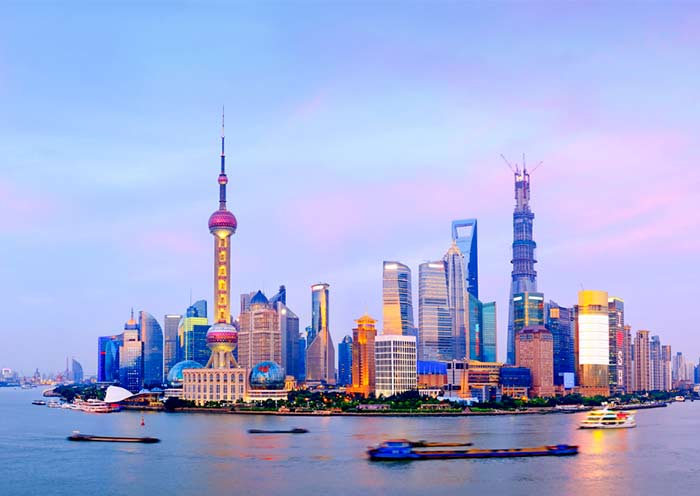
Shanghai, Hangzhou, Nanjing, Suzhou
Eastern China has a coastal climate with damp cold winds from the East China Sea. Snow is rare but drizzle is common.
- Average Temperatures: 2°C to 12°C
- Rainfall: Frequent light rain or mist
- Snowfall: Rare, but possible once or twice each winter
- Humidity: High — clothes may feel damp all day
Packing Tip: Bring a waterproof jacket and umbrella. Waterproof shoes are also handy for puddles and drizzle.
Southwestern China – Mild, Sunny, and Refreshing
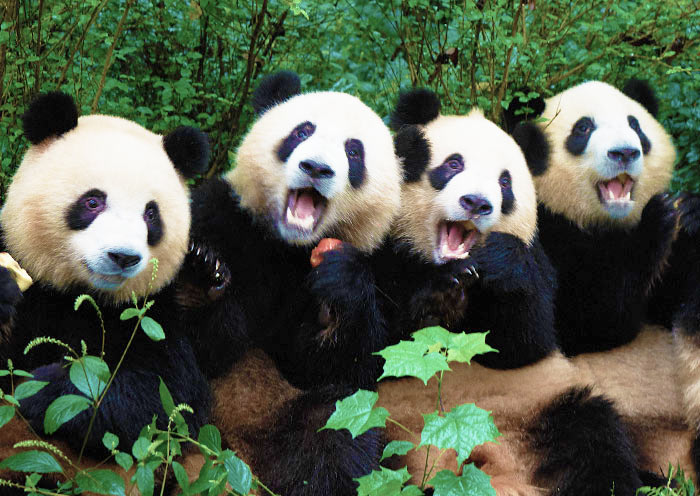
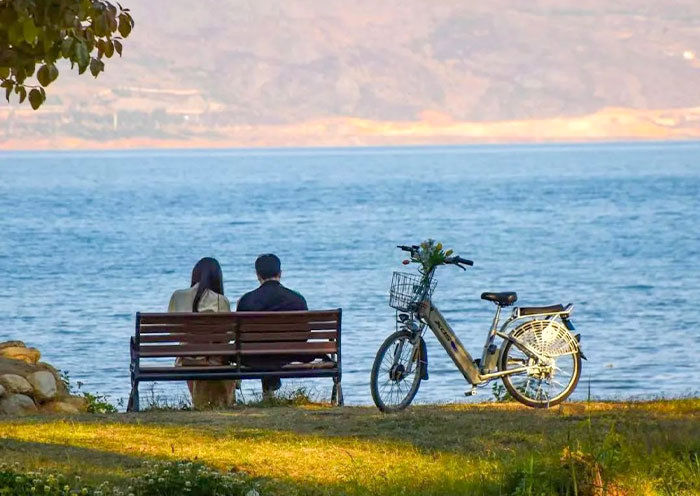
Chengdu, Kunming, Lijiang, Dali, Shangri-La
This region has the most comfortable winter weather in China. The higher elevations stay cool, while lower cities feel like spring.
- Average Temperatures: 5°C to 18°C
- Rainfall: Low, clear skies common
- Snowfall: Rare, except in mountain areas like Shangri-La or Jade Dragon Snow Mountain
Packing Tip: Bring light jackets for the day and warm layers for cool nights — temperatures drop quickly after sunset.
Southern China – Warmest Region with Tropical Sunshine
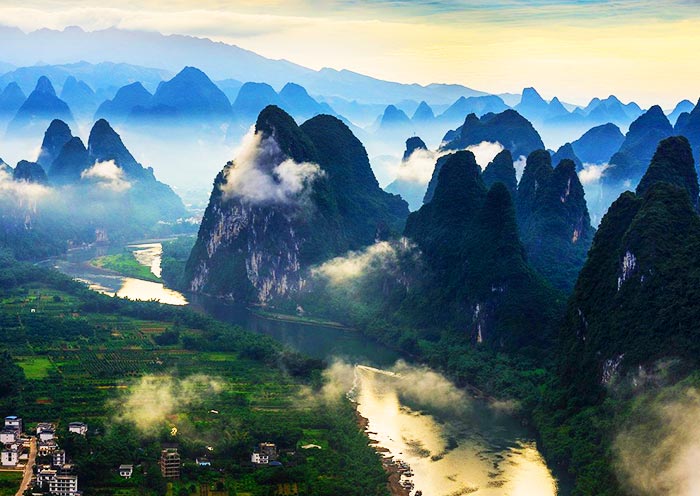
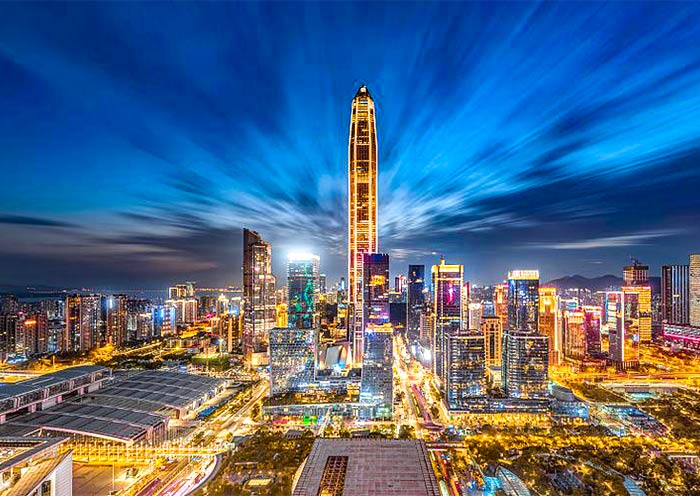
Guangzhou, Guilin, Xiamen, Hainan Island (Sanya)
If you dislike the cold, head south! Southern China stays mild and humid, and Hainan even feels tropical.
- Average Temperatures: 10°C to 25°C
- Rainfall: Light to moderate, more humid along the coast
- Snowfall: None
- Sunshine: Plenty, especially in Hainan
Packing Tip: Light clothing for the day, a sweater for evenings. Sunscreen and sunglasses are still useful!
Northwest China – Dry, Sunny, and Bitterly Cold
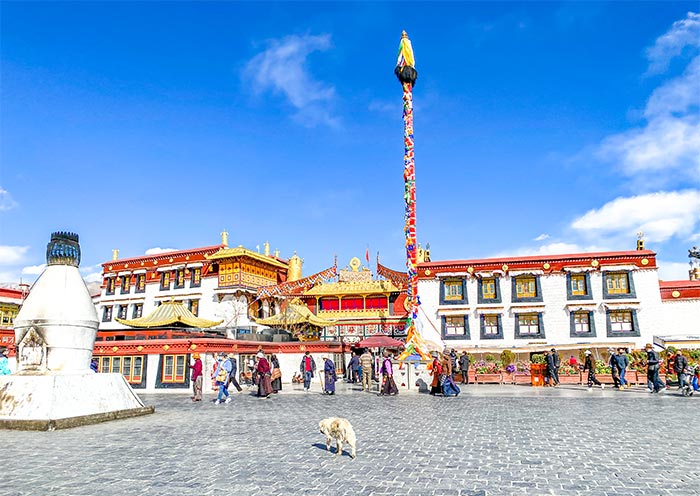
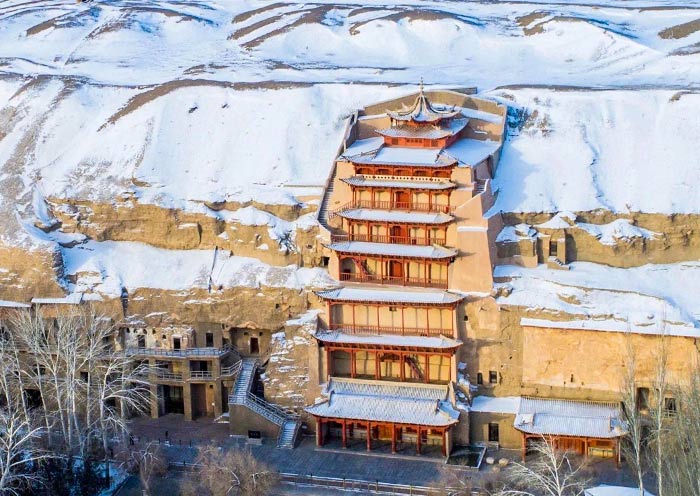
Tibet, Xinjiang, Gansu, Qinghai
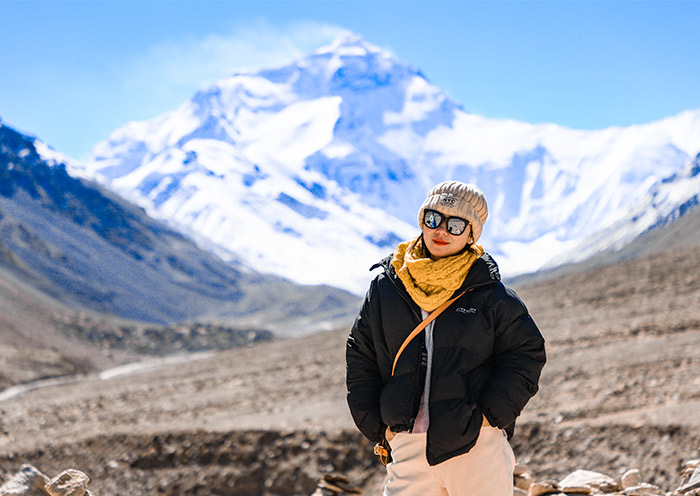
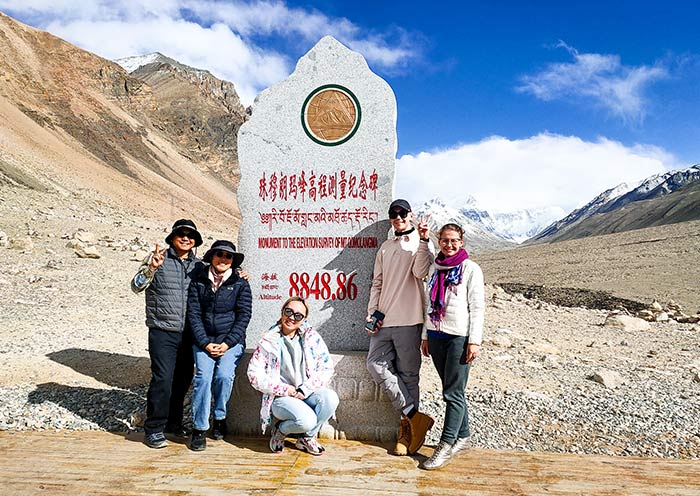
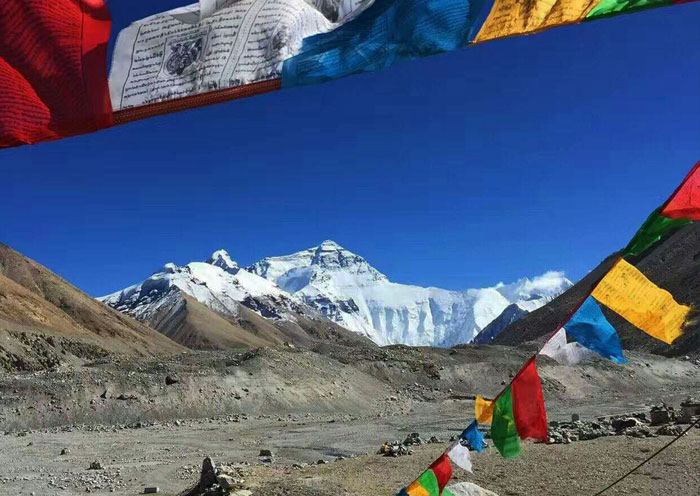
Welcome to China's wild west — vast deserts, high plateaus, and snow-capped peaks. Winter here is dramatic and freezing but stunningly beautiful under endless blue skies.
- Average Temperatures: -20°C to 5°C
- Rainfall: Very little — mostly dry air and clear skies
- Snowfall: Light in most areas, heavy in mountains and high passes
- Sunshine: Strong and bright, especially at high altitude
Packing Tip: Layer up — thick down jacket, thermal wear, gloves, and sunglasses for UV protection. Check permits and road conditions, as some high-altitude routes may close due to snow.

China Temperature in Winter
| Cities | Temperature in Dec. | Temperature in Jan. | Temperature in Feb. |
|---|---|---|---|
| Beijing | -2°C to 4°C (28°F to 39°F) | -5°C to 2°C (23°F to 36°F) | -3°C to 5°C (27°F to 41°F) |
| Shanghai | 4°C to 12°C (39°F to 54°F) | 2°C to 8°C (36°F to 46°F) | 3°C to 9°C (37°F to 48°F) |
| Xi'an | -1°C to 6°C (30°F to 43°F) | -3°C to 4°C (27°F to 39°F) | -1°C to 7°C (30°F to 45°F) |
| Chengdu | 4°C to 11°C (39°F to 52°F) | 2°C to 9°C (36°F to 48°F) | 4°C to 11°C (39°F to 52°F) |
| Guangzhou | 12°C to 20°C (54°F to 68°F) | 10°C to 18°C (50°F to 64°F) | 12°C to 20°C (54°F to 68°F) |
| Hong Kong | 15°C to 21°C (59°F to 70°F) | 14°C to 19°C (57°F to 66°F) | 15°C to 20°C (59°F to 68°F) |
| Guilin | 8°C to 15°C (46°F to 59°F) | 6°C to 12°C (43°F to 54°F) | 8°C to 14°C (46°F to 57°F) |
| Zhangjiajie | 3°C to 10°C (37°F to 50°F) | 1°C to 8°C (34°F to 46°F) | 3°C to 10°C (37°F to 50°F) |
| Lhasa | -7°C to 8°C (19°F to 46°F) | -9°C to 7°C (16°F to 45°F) | -6°C to 9°C (21°F to 48°F) |
| Harbin | -18°C to -8°C (0°F to 18°F) | -22°C to -13°C (-8°F to 9°F) | -19°C to -9°C (-2°F to 16°F) |
| Kunming | 5°C to 16°C (41°F to 61°F) | 3°C to 15°C (37°F to 59°F) | 5°C to 17°C (41°F to 63°F) |
| Sanya | 20°C to 26°C (68°F to 79°F) | 19°C to 25°C (66°F to 77°F) | 20°C to 26°C (68°F to 79°F) |
Where to Go in Winter? Chasing Snow, Sunshine, or Historical Sites
If you love snow and ice, head north.
If you prefer sunshine and warmth, go south.
And if you're into history and culture, central China is perfect in winter — fewer tourists and a peaceful, timeworn atmosphere.
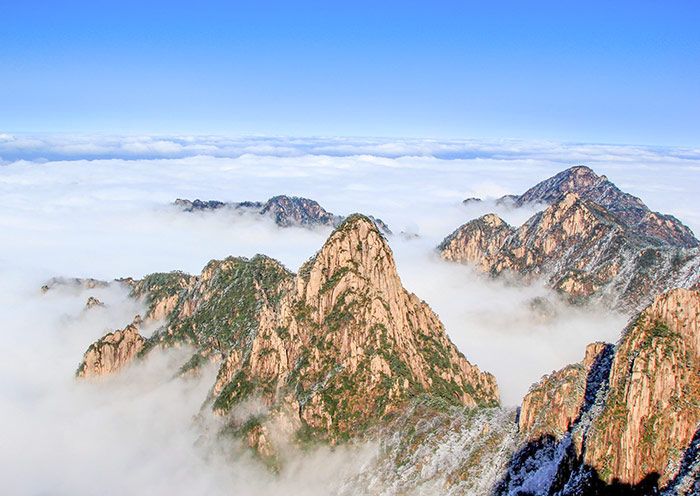
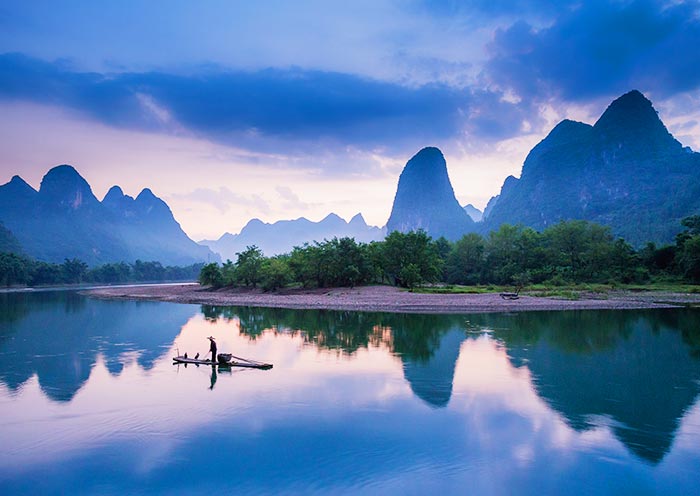
However, for those who adore China's green mountains and rivers, it's best to visit in spring or autumn when the scenery comes alive.
1. Harbin - Ice City of China
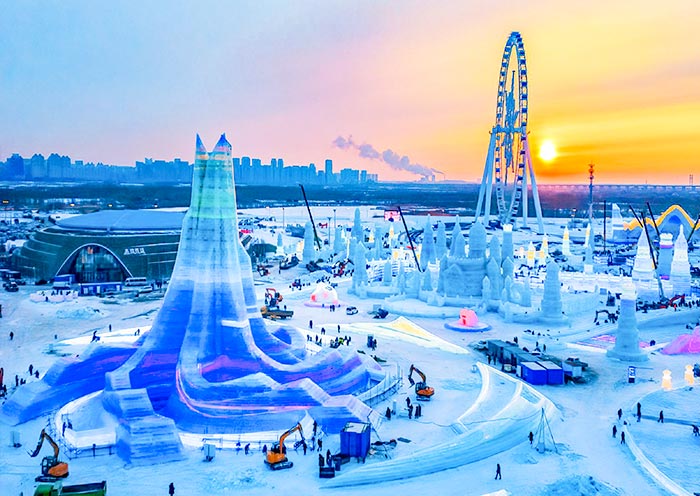
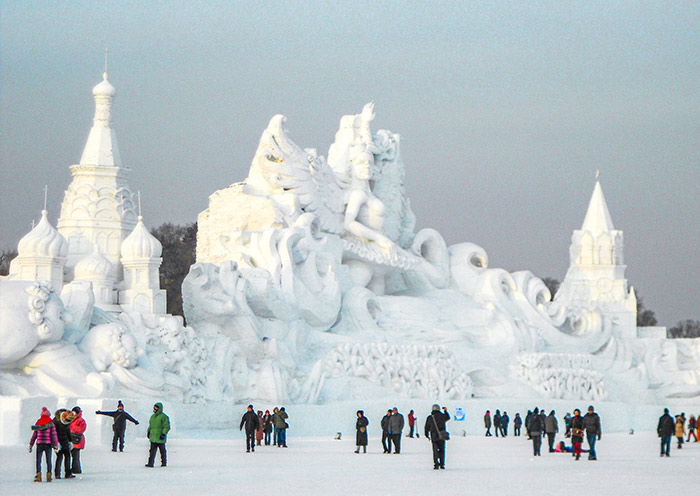
Average Temperature: -25°C to -13°C (-13°F to 9°F)
Travel Length: 2-5 Days
Winter Fun:
- Admire the world's largest ice sculptures
- Try ice skating or dog sledding on the frozen Songhua River
- Warm up with Harbin-style hot pot or Russian cuisine
Harbin turns into a sparkling ice kingdom each winter. The Harbin Ice and Snow Festival (January–February) is world-famous for its massive ice castles, glowing sculptures, and frozen slides.
Visit Sun Island Snow Expo, Ice and Snow World, and Central Street for that fairy-tale frozen vibe.
For longer exploration, visit China Snow Town, Yabuli Ski Resort, or further Changbaishan Tianchi Lake.
2. Beijing - Ancient Wonders in Winter Calm
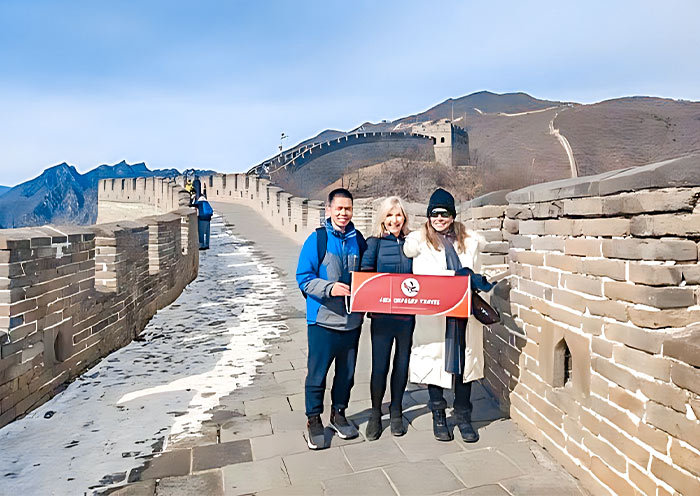
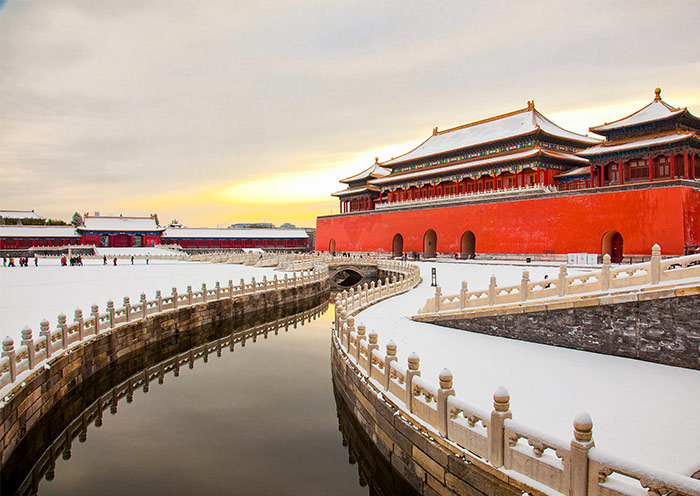
Average Temperature: -8°C to 3°C (18°F to 37°F)
Travel Length: 2-4 Days
Winter Fun:
- Hike the Great Wall in solitude
- Visit the Summer Palace's frozen Kunming Lake
- Go ice-skating at Shichahai or Beihai Park
Winter adds a quiet, regal beauty to China's capital.
In downtown area, the crowds thin out, and snow often dusts the rooftops of the Forbidden City and Temple of Heaven, making them picture-perfect. You can enjoy ice skating at Houhai Lake with locals.
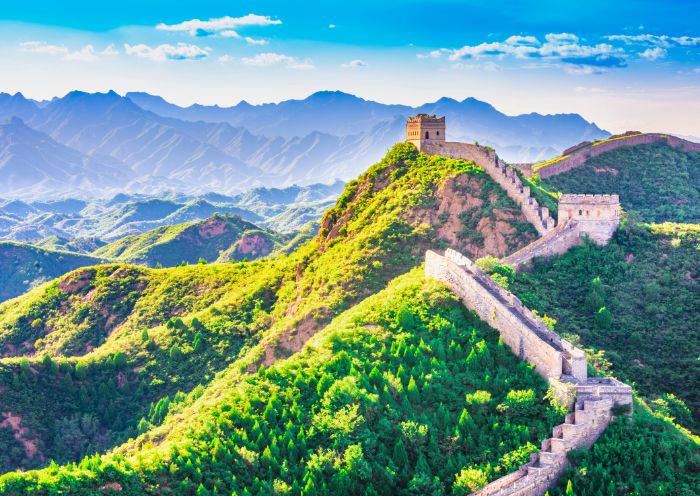
Miles away, the Great Wall in winter feels truly majestic and peaceful. Taking a cable car up to the top, then hike along the winding trails.
3. Xi'an - Ancient Capital under Winter Skies
Average Temperature: -5°C to 6°C (23°F to 43°F)
Travel Length: 2-3 Days
Winter Fun:
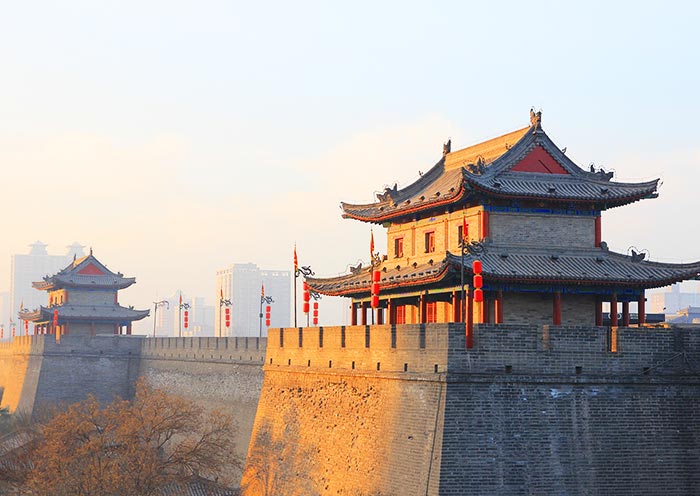
- Bike around the old city wall
- Visit the Big Wild Goose Pagoda
- Sample steaming hot biangbiang noodles or lamb soup
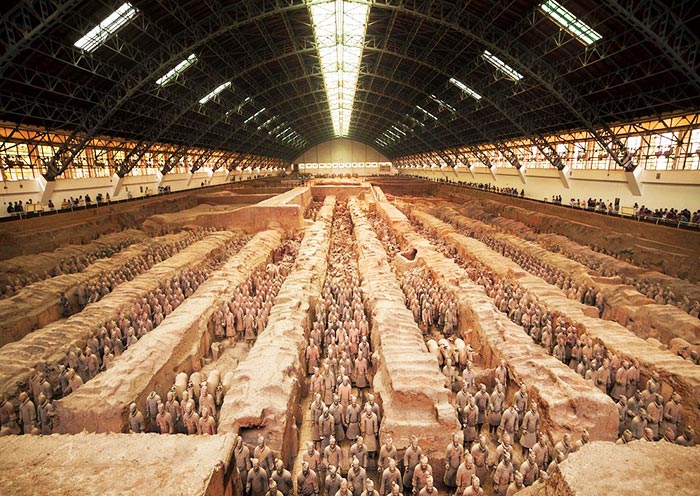
Xi'an's history feels even deeper in winter's stillness. Explore the Terracotta Warriors, the Ancient City Wall, and the Muslim Quarter without the crowds. The cool, crisp air makes walking tours pleasant.
Don't forget to taste food here! Xi'an is known as a carbohydrate paradise, offering not only the famous roujiamo (Chinese-style hamburger) but also a wide variety of noodle dishes. Don't worry, it's not spicy.
4. Yunnan (Dali, Lijiang, Xishuangbanna) - The Land of Eternal Spring
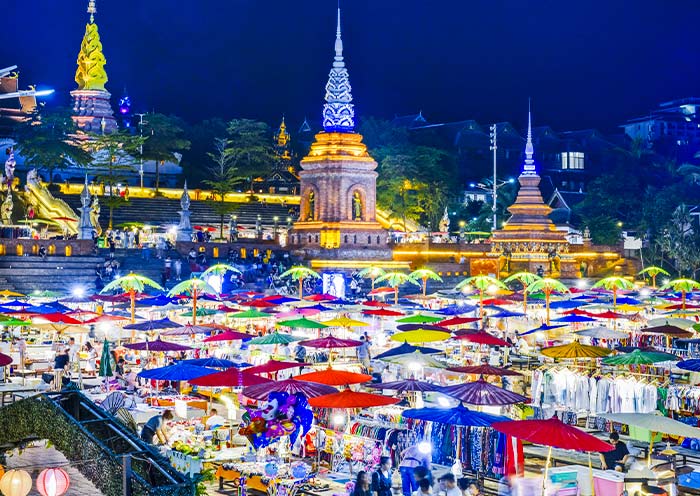
Average Temperature: 8°C to 18°C (46°F to 64°F)
Travel Length: 5-10 Days
Winter Fun:
- Stroll around Dali's old town and lakeside paths
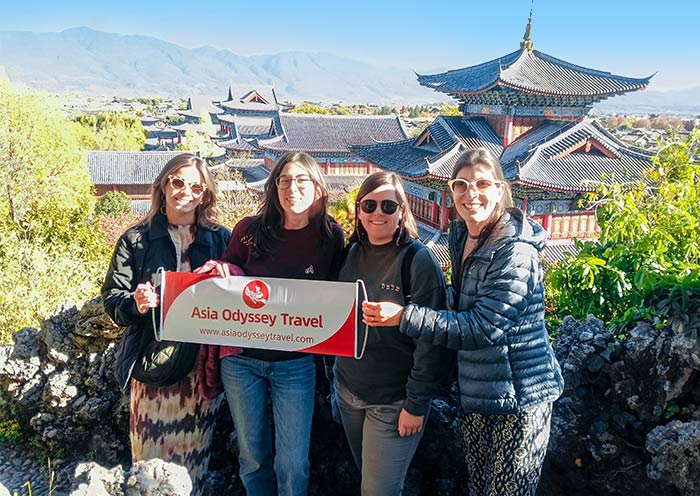
- Explore Lijiang Ancient Town under clear skies
- Visit Xishuangbanna's tropical gardens and elephant sanctuaries
Escape the cold completely! Yunnan stays mild all winter.
Dali offers calm Erhai Lake views. Focus your visiting in western coast, and explore the Dali Ancient Town, the Cangshan Mountain, the Three Pagodas, the Xizhou Ancient Village. Bike is the best way to connect them in one day!
Lijiang charms with cobbled streets and Naxi culture. Lijiang Old Town stands under the Yulong Snow Mountain. Spend hours enjoying the warm sunshine in the cafes surrounding by flowers in the old towns.
Xishuangbanna brings tropical forests and ethnic villages. It's close to the border with southeast asia, so you can feel as if you are in Thailand, night markets, elephants, and thai-style temples.
5. Hainan (Sanya) - China's Winter Beach Paradise
Average Temperature: 20°C to 27°C (68°F to 81°F)
Travel Length: 2-5 Days
Winter Fun:
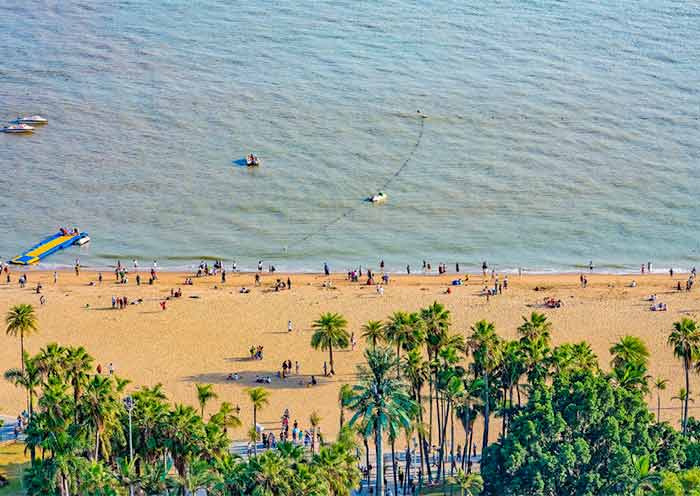
- Sunbathe on Yalong Bay or Sanya Bay
- Go snorkeling or diving in Wuzhizhou Island
- Relax in Sanya's beachfront resorts with fresh seafood feasts
Hainan Island is China's tropical getaway — sunny beaches, blue skies, and warm seas. It's the most popular destination for both locals and foreigners escaping the winter cold.
Sanya is the heart of beach fun, but expect crowds and high expense.
Unlike the island atmosphere of Southeast Asia, Hainan Island is more modern and offers more options for water activities.
6. Henan (Luoyang, Kaifeng, Shaolin Temple) - Cradle of Chinese Civilization
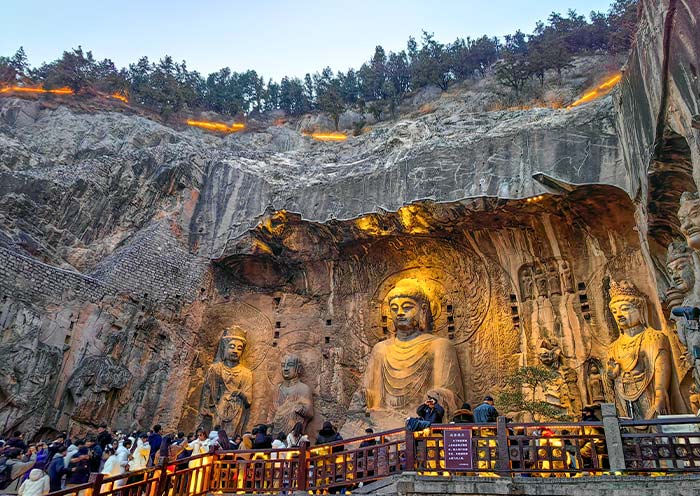
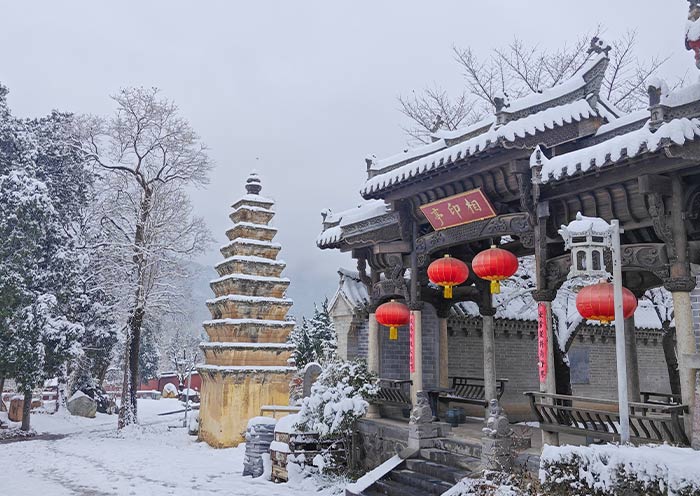
Average Temperature: -3°C to 8°C (27°F to 46°F)
Travel Length: 2-5 Days
Winter Fun:
- Watch monks perform martial arts at Shaolin
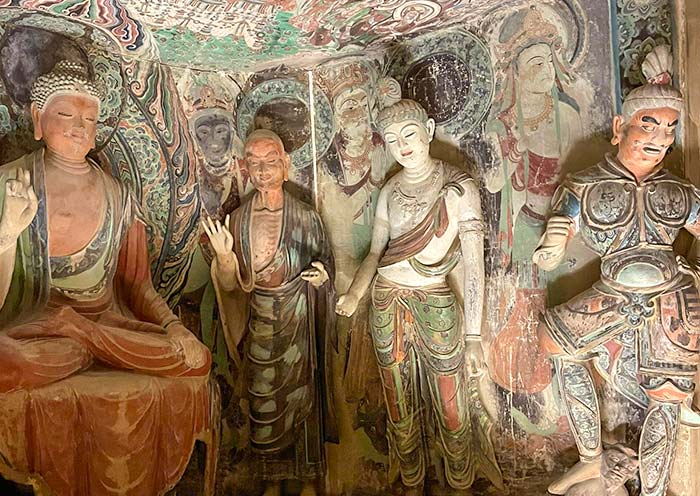
- Admire Buddhist carvings at Longmen Grottoes
- Stroll Kaifeng's old streets without crowds
Winter reveals the quiet soul of ancient China.
Luoyang is the No.1 ancient capital with longest time though Xi'an wins the No.1 fame. Visit Longmen Grottoes and White Horse Temple, the first buddhist temple in China.
Just 2 hours away, meet the legendary Shaolin Temple, birthplace of kung fu. Here, you can watch the various Kung Fu performance up close.
Head east, and visit another ancient capital, Kaifeng. Once it was the richest capital in the world during Song Dynasty in 10th-13th century. You can still stroll along the ancient city ruins or explore the Wansui Mountain Kungfu World.
7. Guangzhou - Warm City, Great Food
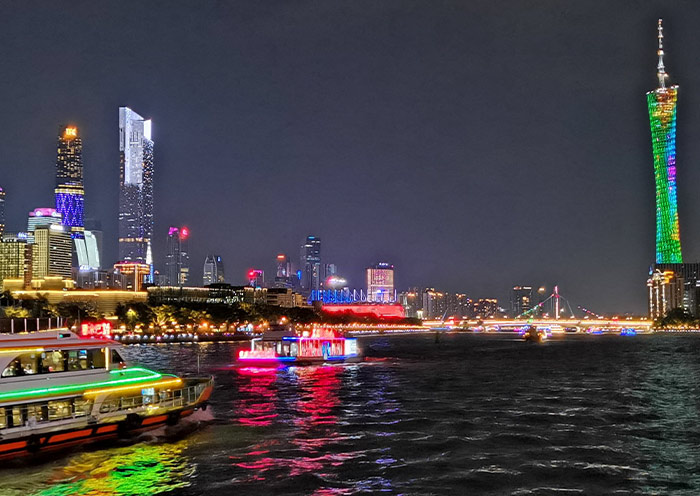
Average Temperature: 10°C to 20°C (50°F to 68°F)
Travel Length: 2-3 Days
Winter Fun:
- Take a night cruise on the Pearl River
- Visit Shamian Island's colonial buildings
- Feast on hot wonton noodles and roast goose
Guangzhou enjoys mild weather and festive vibes.
In Guangzhou and nearby Shunde and Foshan, enjoy dim sum and Cantonese-style roasted meats, perfect for a cozy winter meal.
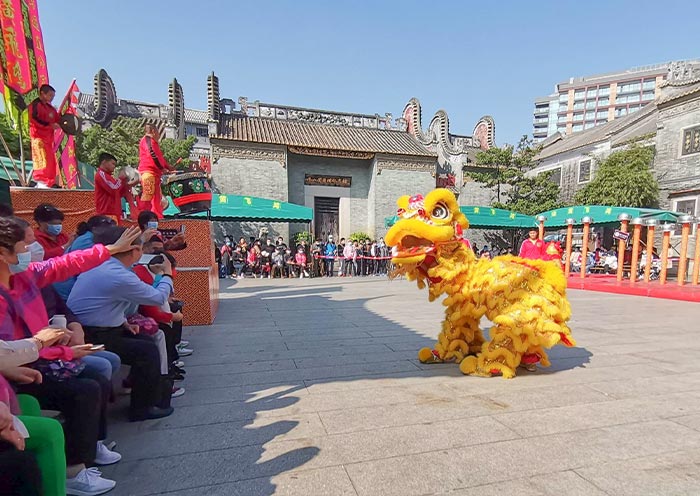
During Chinese New Year, head to nearby Foshan-the birthplace of Lion Dance to watch a spectacular lion dance performance.
Just one hour away, head to Kaiping Diaolou, a UNESCO World Heritage Site, for its unique architecture.
8. Fujian (Xiamen, Quanzhou & Tulou)
Average Temperature: 12°C to 20°C (54°F to 68°F)
Travel Length: 2-5 Days
Winter Fun:
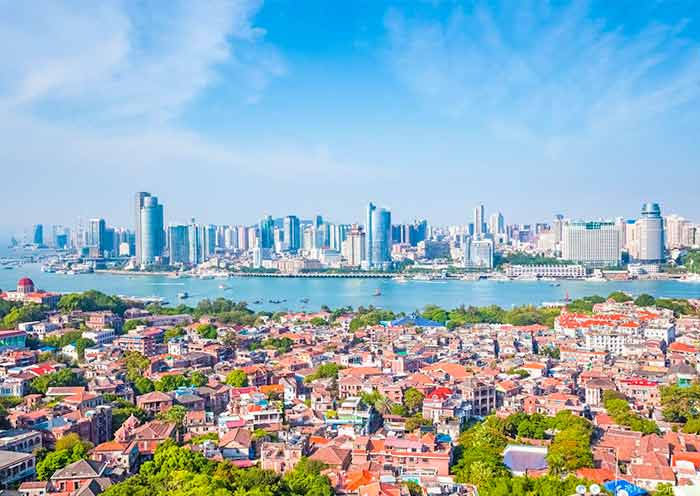
- Take a ferry to Gulangyu Island
- Visit ancient temples in Quanzhou
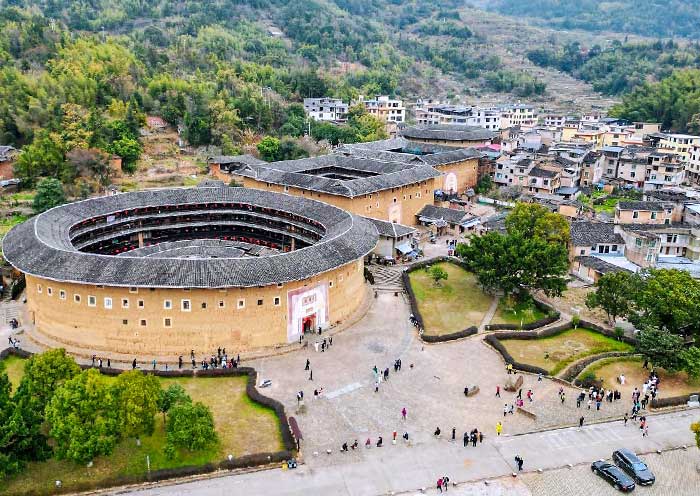
- Stay overnight in a traditional Tulou house
Fujian's coastal breeze and sunshine make it ideal for an easy winter trip.
Xiamen has seaside promenades and the artsy Gulangyu Island; Quanzhou offers maritime Silk Road heritage; Nanjing and Yongding Tulou show off unique round earth houses.
9. Hong Kong - Winter without the Chill
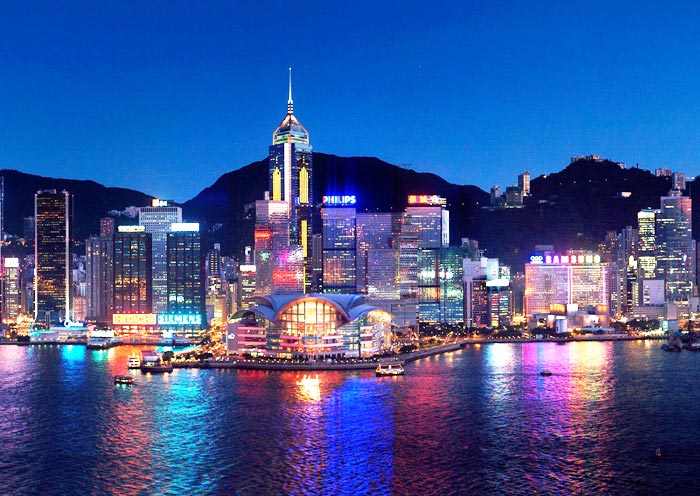
Average Temperature: 15°C to 21°C (59°F to 70°F)
Travel Length: 2-4 Days
Winter Fun:
- Watch the Symphony of Lights show at Victoria Harbour
- Go shopping or enjoy winter sales
- Visit Disneyland or Ocean Park without the heat
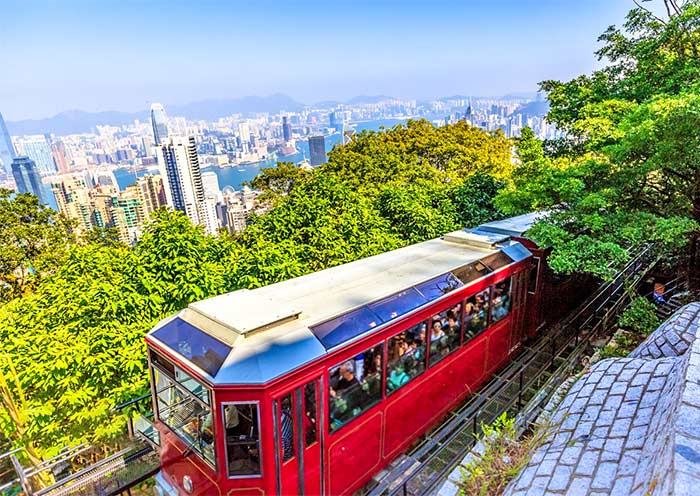
Comfortably cool and festive, Hong Kong shines in winter. The skyline sparkles with Christmas lights, and hiking trails like Dragon's Back or Victoria Peak offer crisp views.
10. Macao - Mild Weather & Festive Glamour


Average Temperature: 13°C to 20°C (55°F to 68°F)
Travel Length: 2-3 Days
Winter Fun:
- Visit Senado Square and the Ruins of St. Paul's
- Try your luck in the casinos
- Catch the New Year fireworks by the waterfront
Macao combines colonial charm with a festive casino buzz. Walk its cobbled streets, admire UNESCO-listed architecture, and enjoy both Portuguese tarts and Chinese hotpot in mild winter weather.
Top Winter Festivals in China - Chinese New Year
China’s winter isn’t just about cold—it’s about festive buzz and epic celebrations:
Chinese New Year (春节) & Lantern Festival - The Most Important Festivals in China
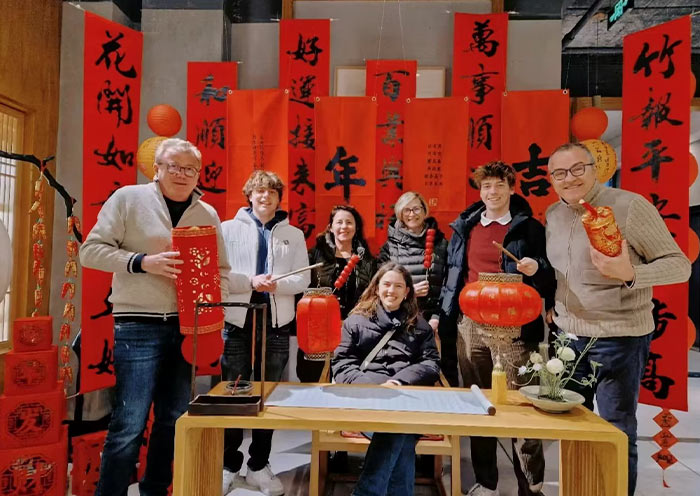
Chinese New Year, also known as the Spring Festival, is the most important traditional festival in China and many other East Asian countries. The festival usually falls between late January and mid-February and lasts for 16 days from New Year’s Eve to the Lantern Festival.
| Year | Chinese New Year Date | Year | Chinese New Year Date |
|---|---|---|---|
| 2026 | Feb. 16th - Mar. 3rd | 2029 | Feb. 12th - Feb. 27th |
| 2027 | Feb. 5th - Feb. 20th | 2030 | Feb. 2nd - Feb. 17th |
| 2028 | Jan. 25th - Feb. 9th | 2031 | Jan. 22th - Feb. 6th |
It marks the beginning of the lunar new year and is celebrated with family reunions, feasts, red couplet, fireworks, red envelopes (hongbao), and cultural activities.
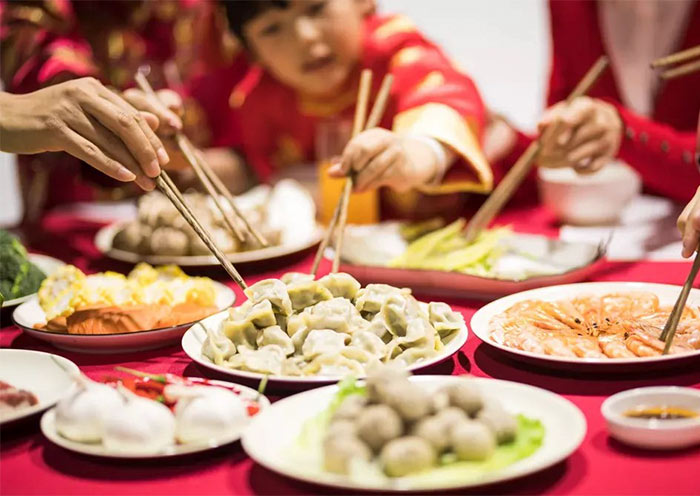
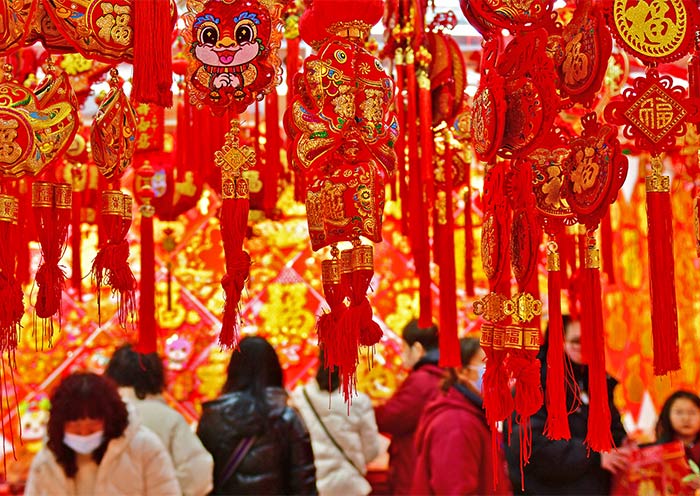
- Visit Temple Fairs: Crowded and lively with Unique folk performances, mouthwatering local delicacies, and exquisite handicrafts.
- Try traditional food: Dumplings (饺子), fish (symbolizing prosperity), sticky rice cake (年糕), and Tangyuan for Lantern Festival.
- Fireworks: Many cities have huge fireworks displays on New Year’s Eve. And in rural areas, mild fireworks are an entertainment for kids.
- Lantern fairs: it’s celebration for Lantern Festival. Now lantern displays are everywhere during Chinese New Year in old towns and parks
You will have great experience in these cities:
- Beijing - Experience traditional temple fairs in Ditan Park & Summer Palace.
- Shanghai - Yu Garden Lantern Festival & fireworks over the Bund.
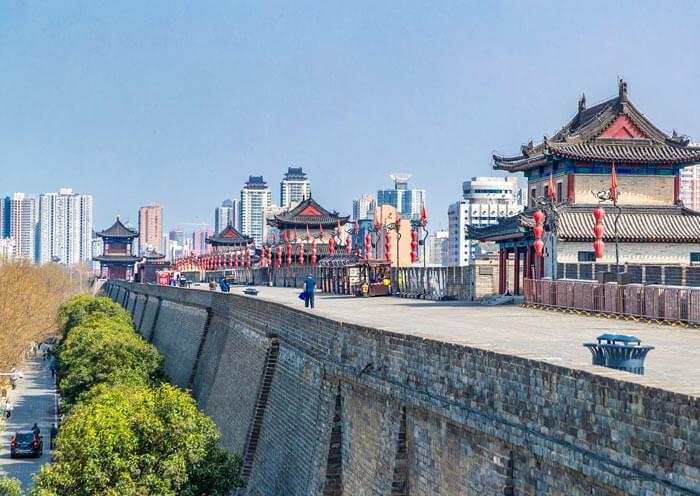
- Xi'an - Watch Tang Dynasty-style celebrations at the City Wall.
- Chengdu - Wuhou Temple Lantern Show, a mix of Sichuan opera and lantern art.
- Hong Kong - Spectacular New Year parade and fireworks over Victoria Harbour.
Harbin Ice and Snow Festival (哈尔滨冰雪节) – The Ultimate Winter Wonderland
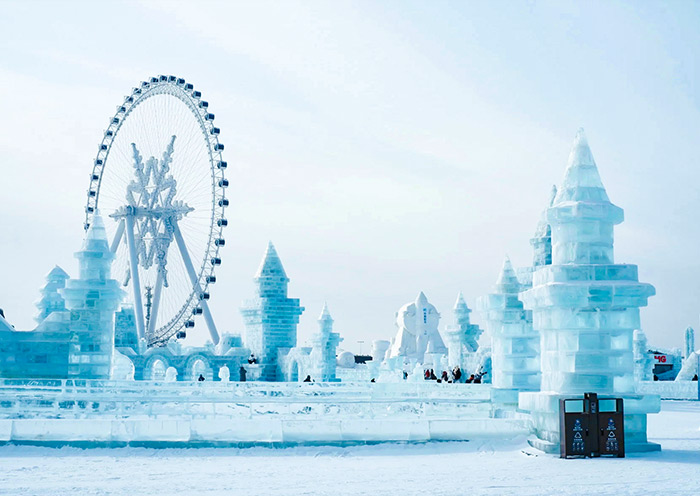
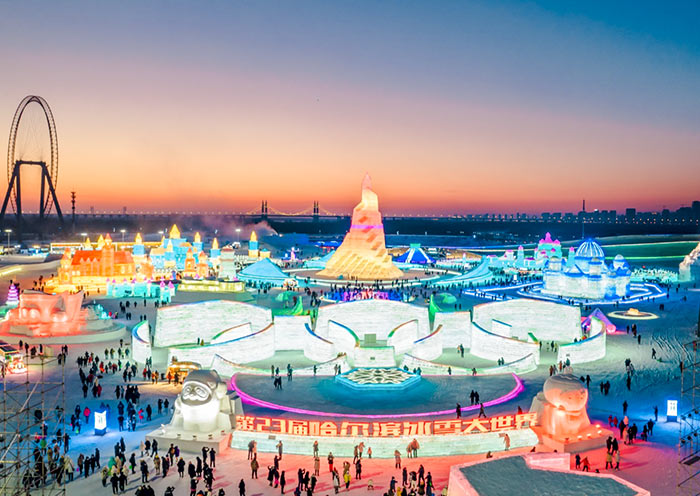
The Harbin Ice and Snow Festival is one of the world's largest and most spectacular winter festivals, held annually in Harbin, China. It typically runs from early January to late February, though some attractions open earlier depending on weather conditions.
What to expect:
- Massive Ice Sculptures – Intricately carved buildings, castles, and statues made from ice blocks in Sun Island Snow Sculpture Park.
- Ice Activities – Visitors can enjoy ice slides, ice biking, and snow tubing in Ice and Snow World .
- Cultural Performances – Traditional Chinese performances, fireworks, and light shows,
- Zhaolin Park Ice Lantern Fair – Smaller yet stunning ice lantern displays.
Tibetan New Year (Losar, 藏历新年) – A Spiritual Celebration in Tibet
Tibetan New Year, known as Losar, is the most vibrant and spiritually significant festival in Tibetan culture. Losar follows the Tibetan lunar calendar, usually falling in February or March. Celebrations last up to 15 days, but the first 5 days are the most festive.
2026 date: Feb. 18-22
Similar to Chinese New Year, Losar is a festival celebration for families. People gathered to feast Tibetan food, join Buddhist rituals and monastery ceremonies, and enjoy the Tibetan performance.
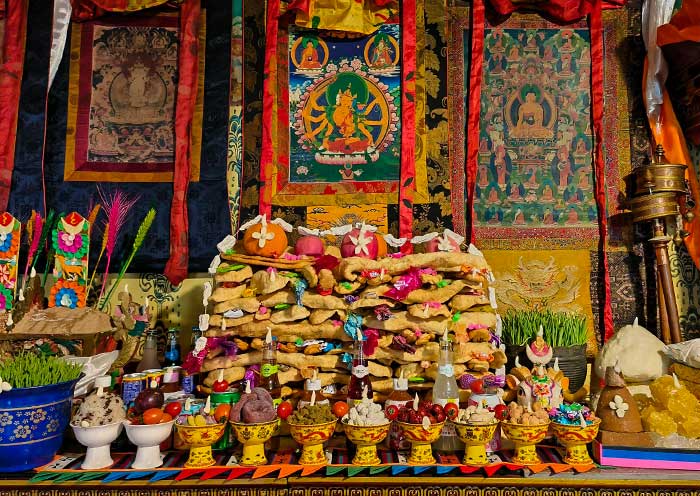
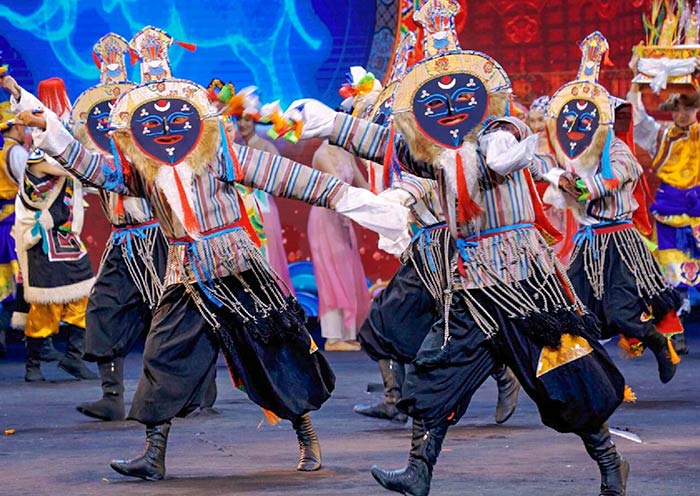
You will have great Losar experience in these destinations:
- Jokhang Temple & Barkhor Street in Lhasa: Monks chanting, butter lamps, and local celebrations.
- Tashilhunpo Monastery in Shigatse: Watch traditional Tibetan masked dances (Cham Dance).
- Potala Palace in Lhasa: Iconic Tibetan New Year celebrations in the former home of the Dalai Lama. Illuminated with thousands of butter lamps.
- Labrang Monastery in Xiahe, Gansu: Witness monks chanting and unfurling giant thangka (Buddhist scrolls).
- Taer Monastery in Xining, Qinghai: Butter sculpture exhibitions and bonfires.
How to Plan A China Winter Tour? 3 Popular Routes
Option One: China Golden Triangle: Beijing Xian Shanghai
This is the perfect itinerary for visiting China during the Chinese New Year holiday! As many locals return to their hometowns to celebrate, big cities like Beijing and Shanghai become less crowded.
Meanwhile, ancient capitals in China like Beijing and Xi'an come alive with traditional celebrations, offering a vibrant festive atmosphere. From cultural performances to temple fairs, it’s the best time to experience China’s rich heritage and holiday spirit!
- Day 1: Arrive in Beijing
- Day 2: Beijing City Tour: Tian’anmen Square, Forbidden City, Jingshan Park and Summer Palace
- Day 3: Beijing Great Wall Tour: Mutianyu Great Wall, Glimpse of Bird’s Nest & Water Cube
- Day 4: Take a high speed train to Xi'an (5 hours)
- Day 5: Xi'an tour: Terracotta Warriors, Ancient Wall, Bell Tower
- Day 6: Xi'an Tour: Giant Wild Goose Pagoda and Muslim Quarter. Then fly to Shanghai
- Day 7: Shanghai City Tour: Shanghai Tower, Shanghai Museum, Yu Garden & Bazaar, Nanjing Road & The Bund
- Day 8: Departure from Shanghai.
Option Two: Beijing + Harbin
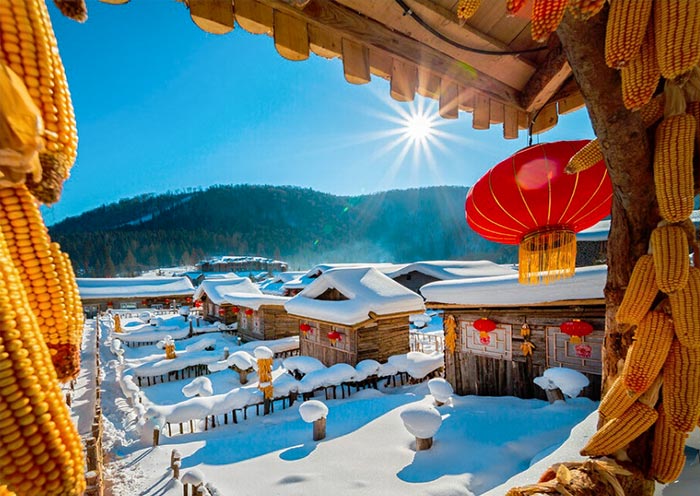
Spend 9 days enjoy ice and snow in northeastern China! This itinerary offers the most dreaming journey to the while fairytale, visiting Harbin, Yabuli, and China Snow Town. Let’s dive into snow!
- Day 1: Arrive in Beijing
- Day 2: Beijing City Tour: Tian’anmen Square, Forbidden City, Jingshan Park and Summer Palace
- Day 3: Beijing Great Wall Tour: Mutianyu Great Wall, Glimpse of Bird’s Nest & Water Cube
- Day 4: Take a high speed train to Harbin (6.5 hours)
- Day 5: Harbin Ice and Snow Festival Tour: Siberian Tiger Park, Ice, Sun Island, Harbin Ice and Snow World
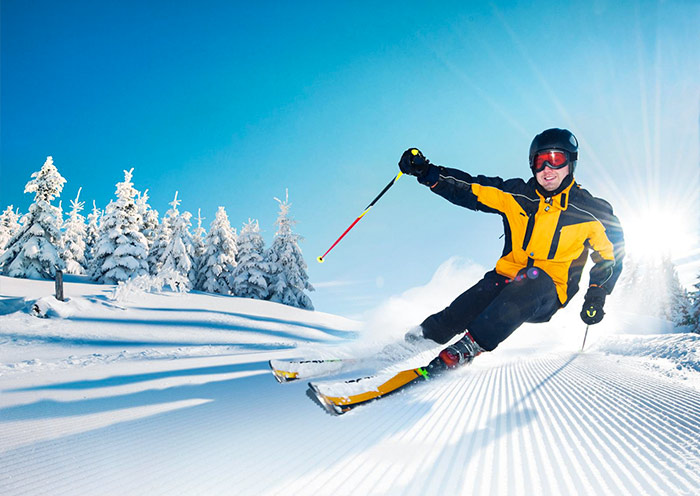
- Day 6: Harbin drive to Yabuli Ski Resort (3 hours): Skiing Experience
- Day 7: Yabuli drive to China Snow Town (2 hours): Snowy Street, Observation
- Day 8: China Snow Town Tour: Dream Home. Then drive back to Harbin (4.5 hours)
- Day 9: Harbin Local Tour & Departure: Morning Market, Winter Swimming Show, St. Sophia Cathedral, Stalin Park, Central Street, Lao Daowai
Option Three: Yunnan Panoramic Tour
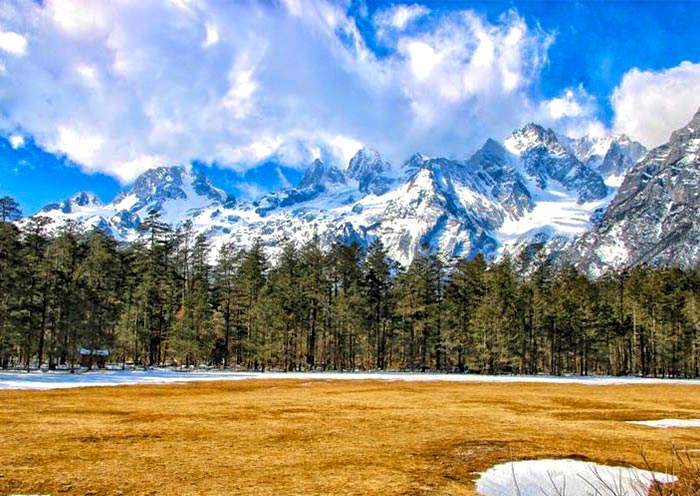
This 9-day Yunnan itinerary will take you through the top highlights of Yunnan like Lijiang, Dali, Kunming and Xishuangbanna. In winter, you can enjoy a mild weather in these areas, with Yulong Snow Mountain may be frozen and Xishuangbanna may be quite hot.
- Day 1: Arrival in Lijiang
- Day 2: Lijiang tour: Yulong Snow Mountain, Blue Moon Valley, Lijiang Old Town
- Day 3: Lijiang drive to Tiger Leaping Gorge (2 hours), then drive to Shaxi Ancient Town (2 hours)
- Day 4: Shaxi drive to Dali (2 hours): Three Pagodas of Chongsheng Temple, Erhai Lake, Dali Ancient Town
- Day 5: Dali high speed train to Kunming (2.5 hours), then visit the Green Park and Yuantong Temple.
- Day 6: Dali drive to Stone Forest (2 hours), return after visiting. Then take high speed train to Xishuangbanna (3.5-4 hours)
- Day 7: Xishuangbanna Tour: Tropical Botanical Garden, Manting Park and Zongfosi Temple
- Day 8: Xishuangbanna Tour: Wild Elephant Valley, Manzhang Dai Village
- Day 9: Departure from Xishuangbanna
China Winter Travel Tips
- Dress in Layers
Pack warm layers, a good winter coat, thermal wear, gloves, and waterproof shoes if visiting snowy areas.
- Plan for Chinese New Year
Book trains, flights, and hotels well in advance. Expect some businesses to close but enjoy the festive atmosphere, temple fairs, and cultural performances.
- Take Advantage of Off-Season Deals
Winter is totally an off-peak season, meaning cheaper flights, discounted hotels, and fewer tourists at major attractions.
- Try Seasonal Winter Foods
Warm up with hotpot, roasted sweet potatoes, lamb skewers, and traditional dumplings. Each region has its own winter specialties worth trying!
- Use High-Speed Trains for Comfort
High-speed trains are a great alternative to flights, offering warmth, comfort, and scenic views. They’re especially useful for winter travel between major cities.
China in winter offers a unique and beautiful travel experience. Whether you're chasing snow or escaping the cold, plan ahead and enjoy the season!
Explore China in Winter with Asia Odyssey Travel
Winter in China is a season of snow-covered landscapes, festive celebrations, and fewer crowds at major attractions. Whether you want to see the Great Wall dusted in snow, marvel at the Harbin Ice Festival, soak in natural hot springs, or experience the magic of Chinese New Year, winter offers a unique and unforgettable travel experience.
At Asia Odyssey Travel, we take care of everything—customized itineraries, expert local guides, hassle-free transportation, and exclusive seasonal experiences. No language barriers, no stress, just a smooth and unforgettable winter adventure.
Ready to explore China in winter? Contact us today and start planning your trip!


 Data in submission...