
 +852 5394 6901
 Take China Group Tours in 2026/2027 to enjoy 30% discount compared to private tour. Same Experience & Lowest Price! Check China Group Deals >>Take China Group Tours in 2026/2027 to enjoy 30% discount compared to private tour. Same Experience & Lowest Price! Check China Group Deals >>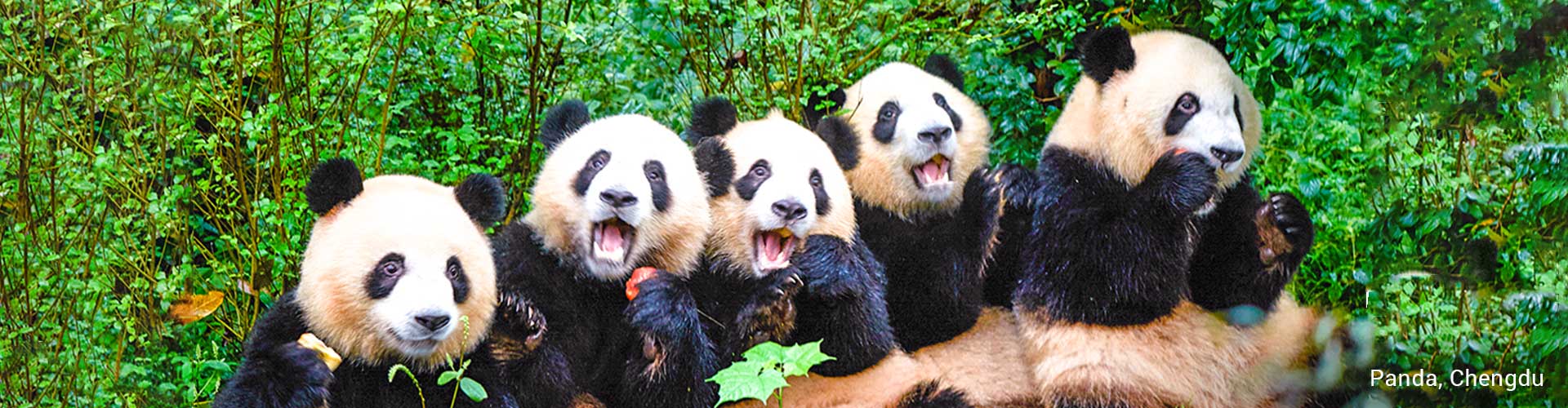
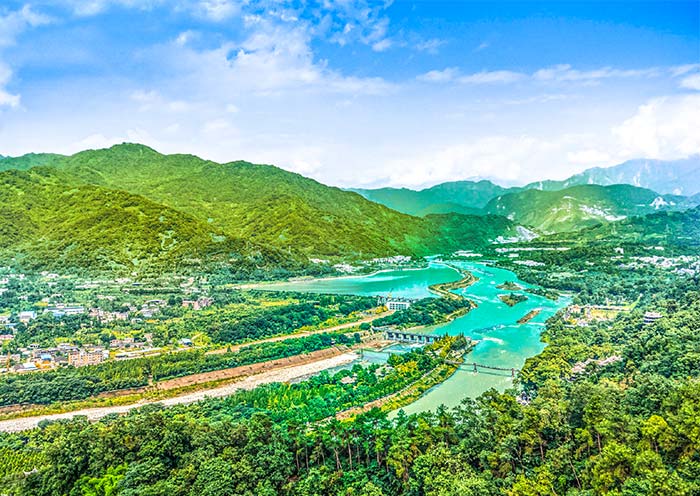
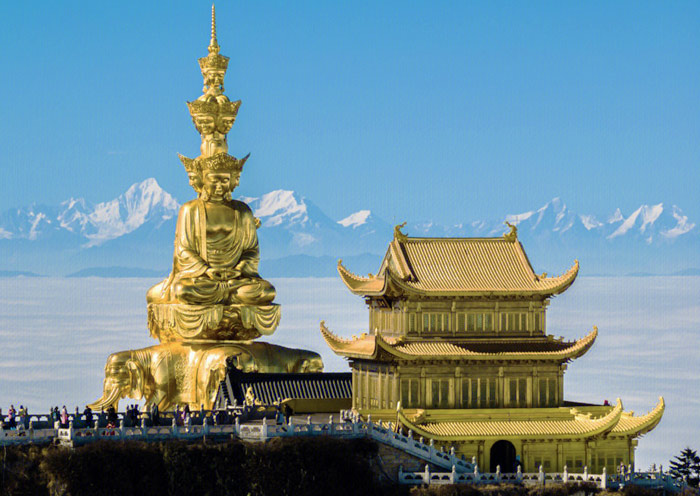
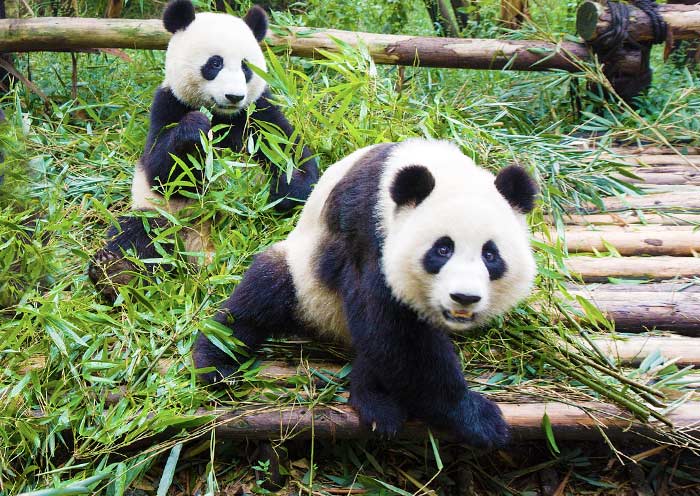
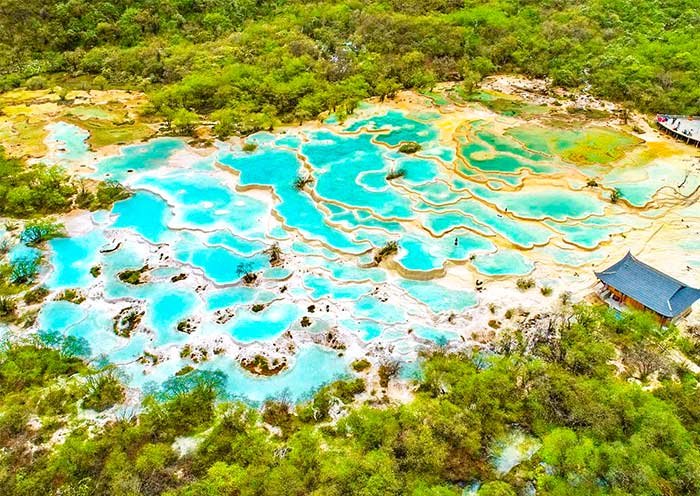
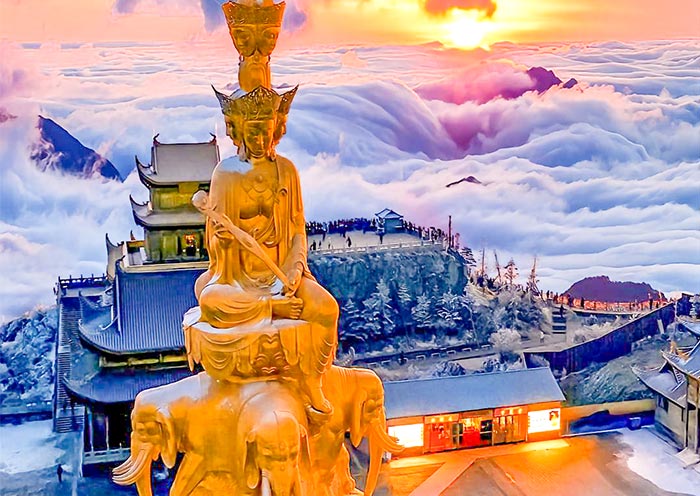
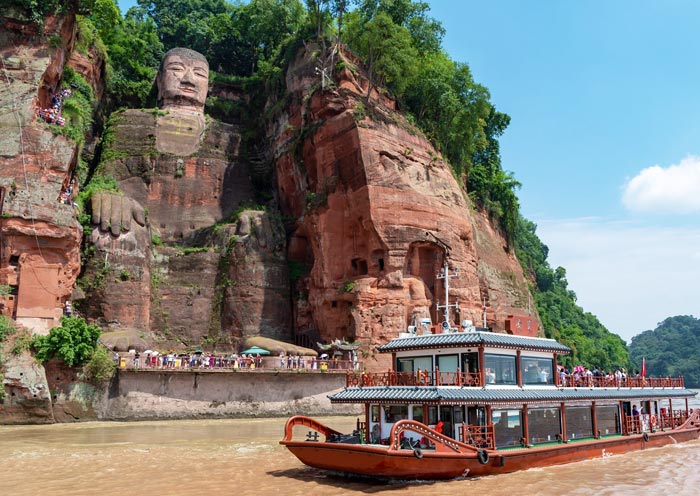
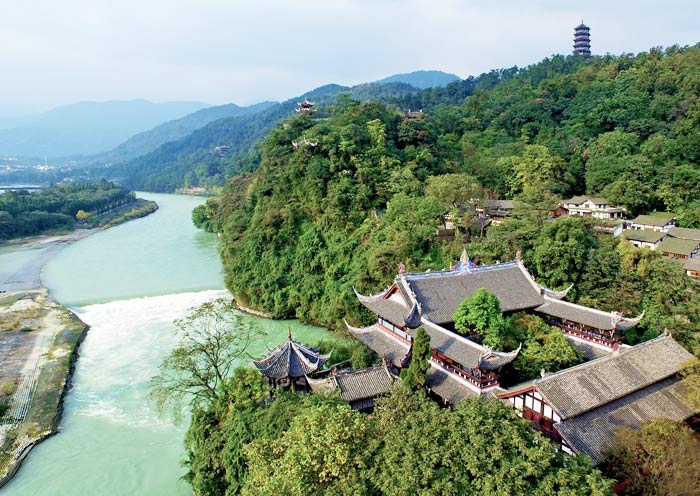
Sichuan, a province nestled in the heart of southwestern China, is a traveler's paradise boasting a multitude of highlights. From its breathtaking natural landscapes and iconic giant pandas to its renowned cuisine and diverse cultural heritage, Sichuan travel offers an unforgettable experience. It is home to numerous UNESCO World Heritage sites, including the majestic Mount Qingcheng-Dujiangyan Irrigation System, the picturesque Jiuzhaigou Valley, the awe-inspiring Huanglong Scenic Area, the habitat of the Sichuan Giant Panda Sanctuaries, and the magnificent Mount Emei-Leshan Giant Buddha.
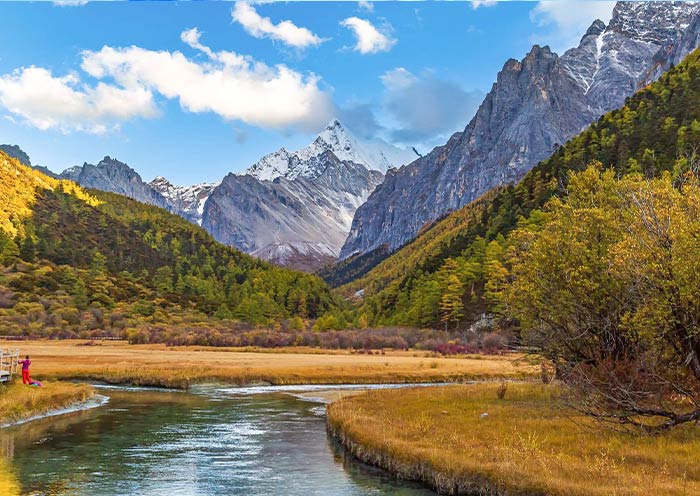
Sichuan, often referred to as the "Land of Abundance," offers a diverse range of experiences for travelers. Chengdu, the provincial capital, combines the allure of delectable cuisine, cuddly pandas at the Chengdu Research Base of Giant Panda Breeding, and a relaxed lifestyle. In Western Sichuan, explore the mesmerizing Tibetan culture amidst the stunning plateau scenery of Daocheng Yading and the adventure-filled Sichuan-Tibet Highway. In the Emei-Leshan area, immerse yourself in Buddhist culture as you visit the sacred Mount Emei and marvel at the colossal Leshan Giant Buddha. And don't miss the historical and cultural treasures of Dujiangyan and Mount Qingcheng, where Taoist heritage and ancient landmarks await.
As you plan your trip to Sichuan, take advantage of our Sichuan travel guide, which provides practical information on transportation, accommodations, and the best time to visit each region. Discover hidden gems, local customs, and suggested itineraries that will ensure your Sichuan travel is unforgettable. Get ready to be captivated by the natural beauty, adorable pandas, delectable cuisine, and diverse cultures of Sichuan. Let this province enchant you with its wonders and create cherished memories that will last a lifetime. Welcome to Sichuan, where adventure awaits at every turn.
Planning a trip to Sichuan? This set of Sichuan travel guides is your essential pre-travel companion. Covering everything from itinerary planning and transportation between different destinations to overviews of top attractions and must-do activities, these articles provide comprehensive knowledge and insider tips for your Sichuan travel plan. Whether you're a seasoned traveler or it's your first visit to Sichuan, these travel guides will help you plan a seamless and memorable journey. As a local travel agency based in Sichuan, we've curated these articles to ensure you're well-prepared for the stunning natural beauty and cultural heritage that awaits in Sichuan!
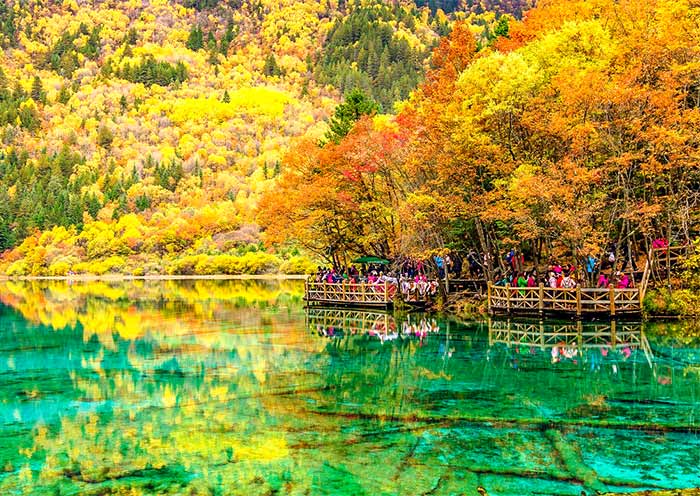


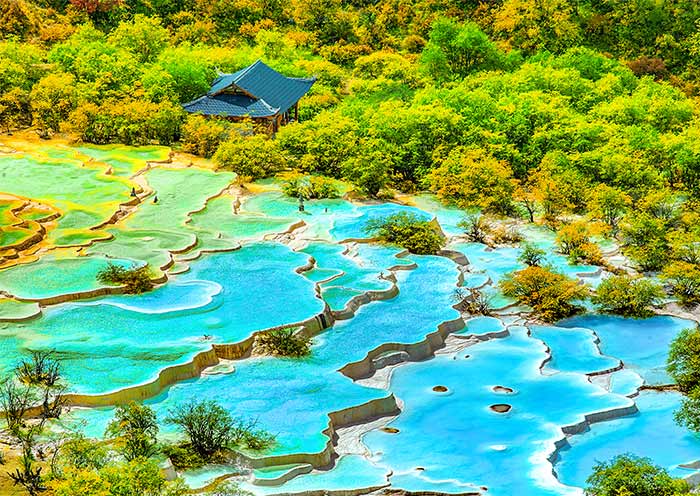
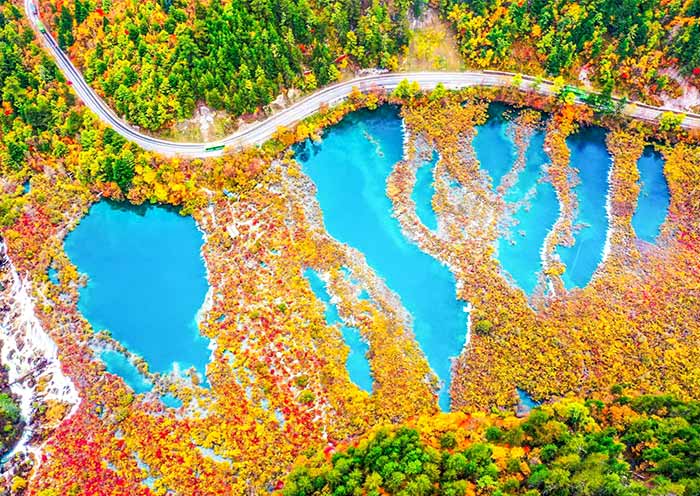

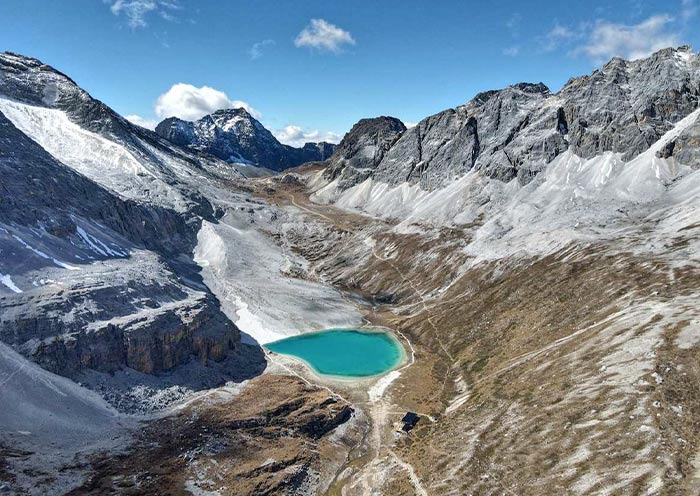


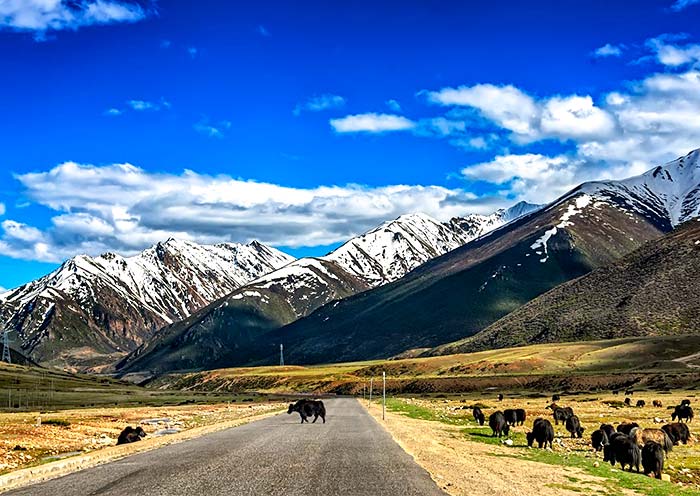

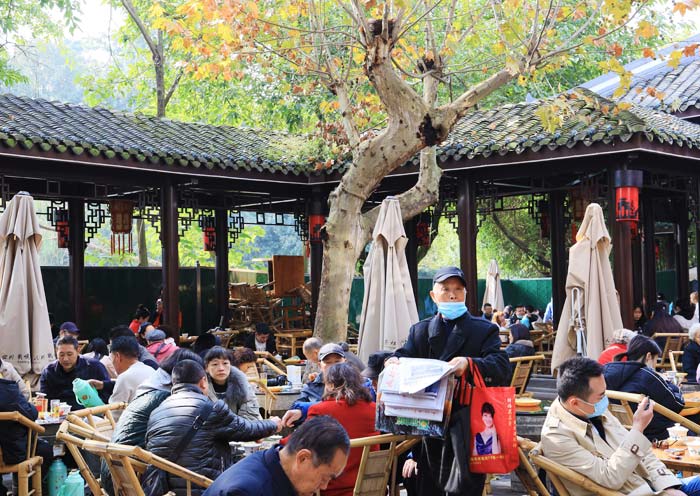
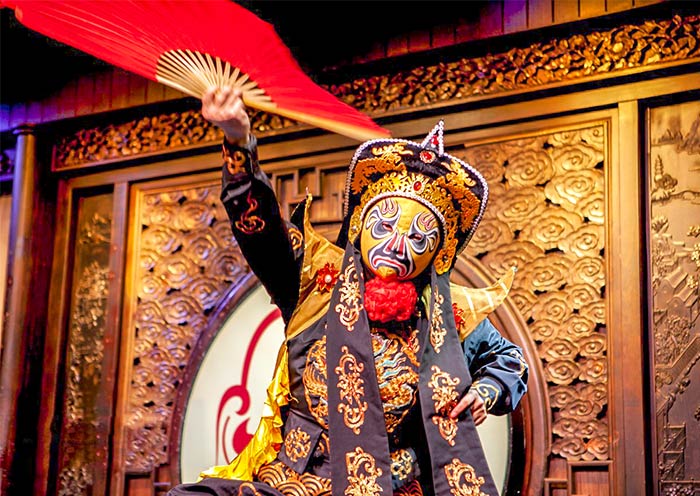
Excited to delve into the diverse Sichuan? Use our interactive Sichuan map to devise your itinerary and discover top landmarks and hidden treasures. This map, filled with must-visit locations, will help you make the most of your time and enrich your Sichuan journey. Immerse yourself in the breathtaking beauty of Jiuzhaigou Valley, experience the awe-inspiring grandeur of Mount Emei, explore the vibrant city of Chengdu, home to the famous Chengdu Research Base of Giant Panda Breeding, venture to the pristine paradise of Daocheng Yading, and embark on the epic Sichuan Tibet Highway. Whether you're a nature lover, an adventurer, or a cultural explorer, Sichuan offers a unique and unforgettable adventure. Let our map guide you on this journey of discovery and ensure you experience the best that Sichuan has to offer.
As an experienced travel agency in Sichuan, we specialize in crafting diverse Sichuan tour packages that cater to different interests, ensuring that every traveler can indulge in the splendor of the province. Our offerings encompass a wide range of experiences, from Jiuzhaigou Valley and Huanglong for nature lovers to Cultural Tours that delve into the vibrant city of Chengdu and the captivating Sichuan Tibetan culture, ideal for history and cultural enthusiasts. For those seeking adventure, we have packages that include exploring the breathtaking beauty of Daocheng Yading and embarking on the epic Sichuan Tibet Highway. With our customized Sichuan tour packages, you are guaranteed an unforgettable exploration of this scenic and culturally diverse province.










1. How long is a typical panda tour? How much does a panda tour cost?+
A panda tour can range from a half-day excursion to a multi-day trip, depending on the itinerary and activities included.
The cost of a panda tour varies depending on the length of the tour, the activities included, and the level of luxury. Prices can range from a few hundred to several thousand dollars.
Typically, panda tours include visits to conservation centers (panda bases) to see and learn about the pandas. Other activities may include a panda volunteer program, a panda habitat hike, sightseeing at world heritage sites, museum visits, kid-friendly cultural activities such as Kung Fu lessons and traditional tea ceremonies, Sichuan Opera performances, Chinese meals, and tour guides.
Panda tour prices vary but average around $100-$300 per person for a full-day visit, depending on the itinerary, accommodation, and time of year.
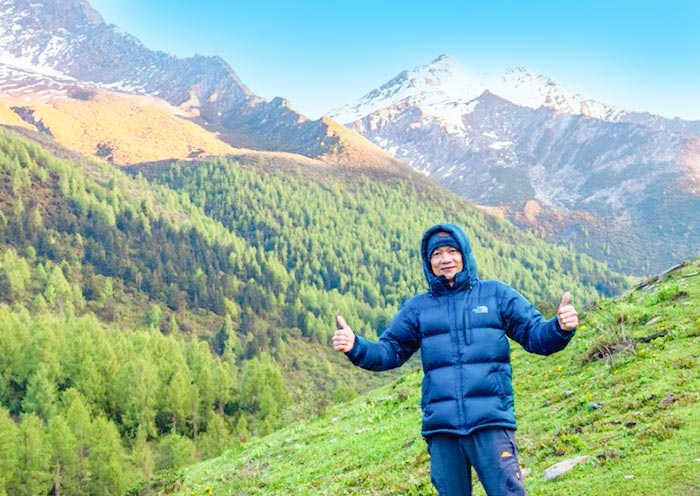
2. When is the best time to visit Mount Siguniang?+
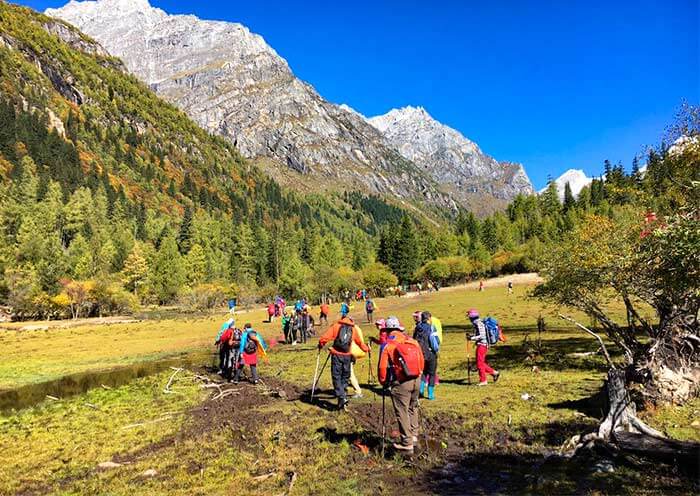
The best time to visit Mount Siguniang is during the months of April to October, which is the peak season for tourism. During this time, the weather is mild, and the mountain is lush and green, making it perfect for hiking and sightseeing. However, keep in mind that the weather can be unpredictable, and it is recommended to check the weather forecast before planning your trip. Additionally, if you plan to visit during the Chinese National Day holiday (October 1-7), be prepared for large crowds and higher prices.
3. What is a Western Sichuan tour like?+
A Western Sichuan tour is a popular travel itinerary that covers some of the most stunning natural landscapes and historical sites in the region. The tour typically lasts for 5-6 days and includes visits to attractions such as Mount Siguniang, Danba, Tagong, Xinduqiao, and Kangding.
The tour starts in Chengdu and takes you through the scenic area, where you will witness breathtaking views of snow-capped mountains, crystal-clear lakes, and lush grasslands. You'll visit the ancient Tibetan villages of Danba, famous for its unique stone watchtowers and traditional Tibetan culture. Next, you'll head to Tagong, where you can explore the Tagong Monastery, one of the most important Buddhist sites in the region.
As the tour continues, you'll visit the picturesque Xinduqiao, known as the "Paradise of Photographers" for its stunning natural scenery. You'll also explore the charming city of Kangding, which is famous for its hot springs, historic Tibetan architecture, and traditional food.
Overall, a Western Sichuan tour is a great way to experience the natural beauty and cultural richness of this region of Sichuan, and is sure to be an unforgettable journey.
4. When is the best time to visit Jiuzhaigou?+
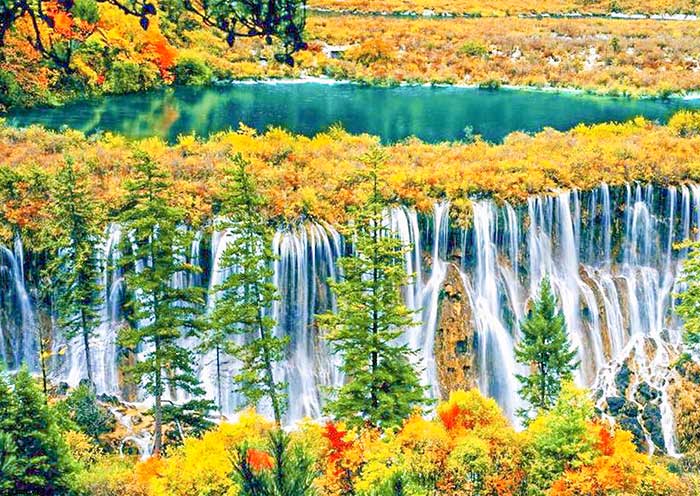
Peak Season (Autumn): October 15 - November 10 is the "Golden Window" for colorful forests.
Summer (June - August): Best for waterfalls and lush greenery.
Winter (December - February): Perfect for "Blue Ice" frozen waterfalls and lower prices.
5. Give useful travel tips when traveling in Jiuzhaigou Valley and Huanglong Park.+
1) Visit Huanglong National Park: Don't miss Huanglong National Park, which is located near Jiuzhaigou and is known for its stunning yellow limestone pools.
2) Use the shuttle bus: The park is quite large, so it's recommended to take the shuttle bus to get around. You can buy a one-day or two-day bus pass at the entrance of the park.
3) Dress appropriately: The weather in Jiuzhaigou can be unpredictable, so make sure to pack warm clothes and comfortable shoes. Bring a raincoat or umbrella in case of rain.
4) Bring snacks and water: There are limited food options within the park, so it's a good idea to bring snacks and water with you.
5) Avoid peak season: If possible, try to avoid traveling during the peak season (July to August and Chinese holidays) as the park can be very crowded.
6) Be prepared for altitude sickness: Jiuzhaigou is located at a high altitude, so make sure to take it easy for the first few days to acclimate to the altitude and avoid altitude sickness.
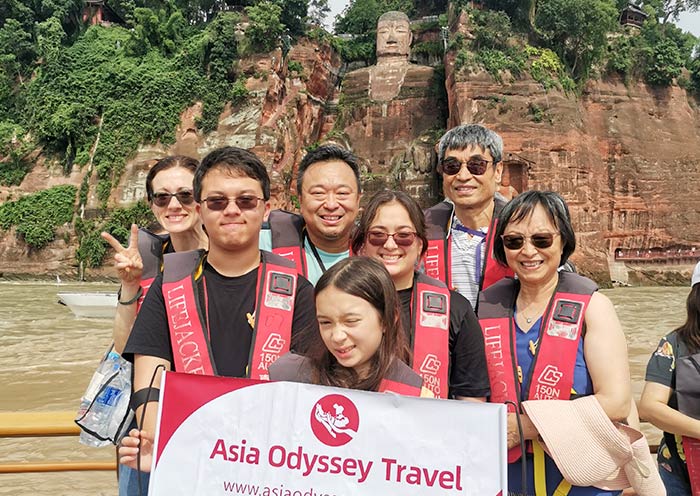
6. How can I get to the Leshan Giant Buddha from Chengdu?+
You can reach Leshan from Chengdu by train or private car. The journey by train takes approximately 50 mins, while a car journey can take around 2 hours.
7. What dishes are typically included in a Chengdu Food Tour?+
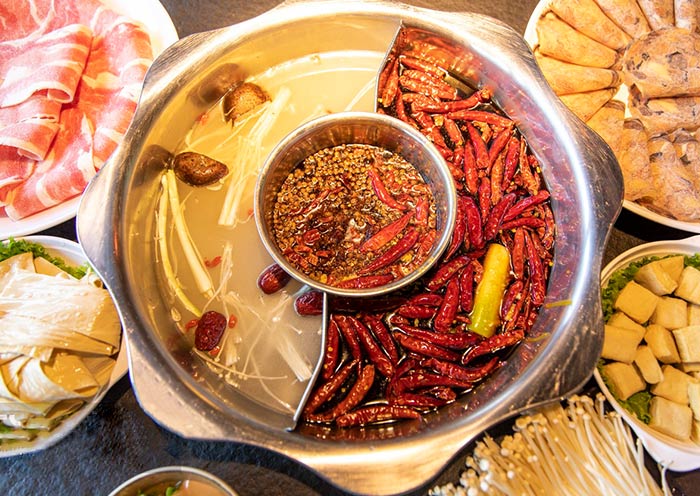
Chengdu Food Tours often feature a variety of traditional Sichuan dishes such as Kung Pao Chicken, Mapo Tofu, Sichuan Hotpot, Dan Dan Noodles, Sichuan dumplings in spicy sauce, and various types of street food like Sichuan pancakes and skewers.
8. What is the best time of year to visit Chengdu?+
Chengdu is a year-round destination, each season offering a unique perspective of the city.
Spring (March - June): The weather is comfortable and warm, making it a great time to visit the outdoor attractions like Chengdu Research Base of Giant Panda Breeding and People’s Park.
Summer (June - September): While the city can get hot, it's also the perfect time to escape to the surrounding mountains like Mount Qingcheng and Mount Emei for cooler temperatures. The lush green landscapes are a sight to behold during this time.
Autumn (September - November): Autumn offers pleasant weather, not too hot nor too cold. It's also the time for the harvest season, which means food festivals and other cultural events.
Winter (December - February): Chengdu doesn't have harsh winters, and snow is rare. It's the best time to enjoy Chengdu's hotpot and other spicy cuisine. Also, indoor attractions like the Jinsha Site Museum and the Wuhou Memorial Temple can be comfortably explored.
While Chengdu is suitable for visiting all year round, the specific activities and attractions you wish to experience could depend on the season. Always check the local weather and festival schedules while planning your visit to make the most out of your trip.
9. How to get to Chengdu?+
Chengdu, as one of the main transportation hubs in Western China, is quite accessible from both domestic and international locations.
By Air:
Chengdu Shuangliu International Airport is one of the busiest airports in China and provides numerous domestic and international flights. It connects Chengdu with many major cities worldwide, including direct flights from New York, London, Paris, Frankfurt, Sydney, and many others. It also offers numerous flights to other cities within China like Hong Kong, Beijing, Shanghai, Guangzhou, Xian, Guilin, Hangzhou, Kunming, Lhasa, Lanzhou, Wuhan, Xiamen, Guiyang, Chongqing…
By Train:
Chengdu is well connected with China's high-speed rail network. You can reach Chengdu by high-speed trains from various cities across China such as Xian (3-4 hours), Chongqing (1.5-2 hours), Guiyang (3.5-4.5 hours), Kunming (6-6.5 hours), Shanghai (12.5-14.5 hours), etc.
10. What are the Top 10 Fun Facts about Pandas?+
1). Pandas are good at climbing trees.
2). Pandas are good swimmers.
3). Pandas are bears that do not hibernate.
4). Pandas are carnivores but mainly eat bamboo (99% of their diet).
5). Pandas occasionally eat eggs, fish, and even small mammals.
6). Pandas spend 10-16 hours a day eating bamboo.
7). Pandas poo 40 times daily (100 droppings per day; about 20kg poo).
8). Adult pandas can weigh up to 125 kg, while newborn pandas weigh around 200g.
9). Pandas have a sixth finger, called a "Pseudo-thumbs" (helpful like a hand).
10). The name "panda" originally referred to the red panda until the discovery of the giant panda.
Create a tour based truly on your preferences, including all aspects of your travel in the destination







 Data in submission...