
 +852 5394 6901
 Take China Group Tours in 2026/2027 to enjoy 30% discount compared to private tour. Same Experience & Lowest Price! Check China Group Deals >>Take China Group Tours in 2026/2027 to enjoy 30% discount compared to private tour. Same Experience & Lowest Price! Check China Group Deals >>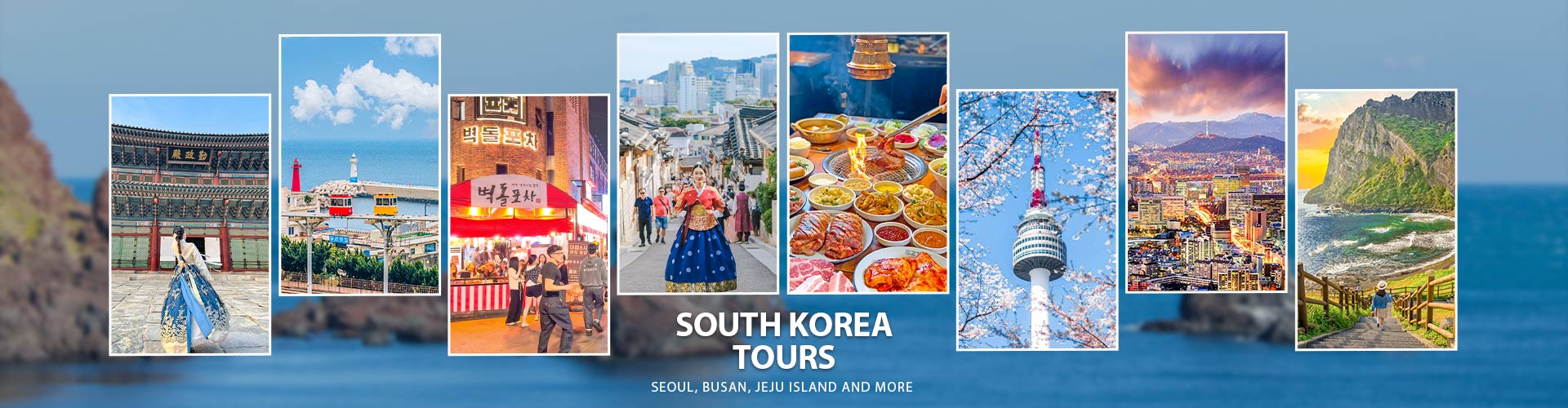
In South Korea, Seoul's palaces sit beside LED towers, temple food meets late-night street snacks, and quiet hanok villages balance the energy of K-pop, design, and fast rail travel.
This South Korea Travel Guide brings everything together in one practical hub: first-time itineraries, city maps, airport guidance, intercity transport routes, top experiences, and ready-made tour ideas.
You will also find clear South Korea Travel Tips to help you choose where to go, how long to stay, and how to move between regions. With Asia Odyssey Travel, you can turn all that planning into a smooth, customized Korea journey.




1. What is the best place for sightseeing in Korea?+
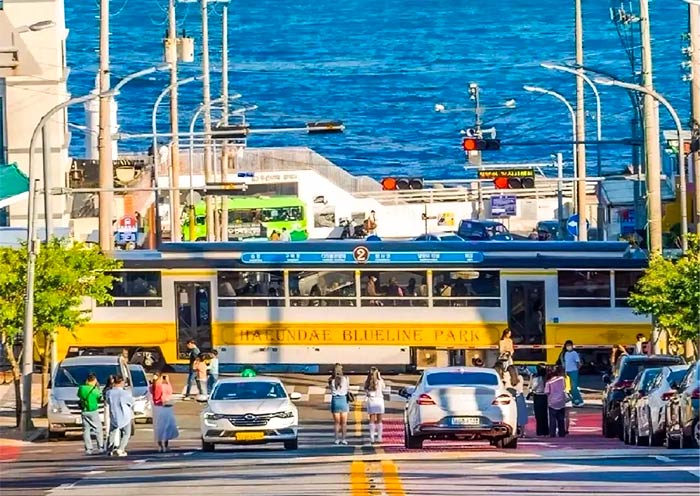
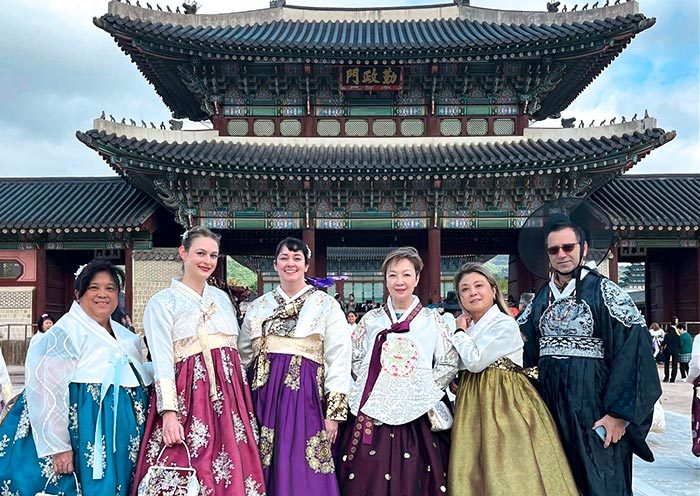
The must-visit place in Korea is the capital Seoul. Best for bars, shopping, culture and heritage, and architecture. If you are there, don't forget to visit Changdeok Palace, Gyeongbokgung Palace, Seoul Tower, Lotte World and Bukhansan National Park.
2. What is the best time to visit Korea?+
The best time to visit Korea is spring (April to June) and autumn (September to November). In these two seasons, the temperature is average, and the day is dry and sunny. In spring, the temperature is usually between 15-18 degrees Celsius, and in autumn, the average temperature is usually between 19-21 degrees Celsius.
3. What is a recommended itinerary for a trip to South Korea?+
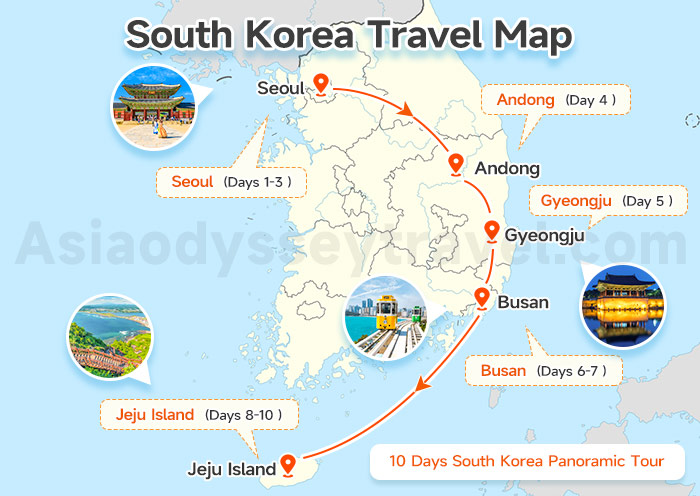
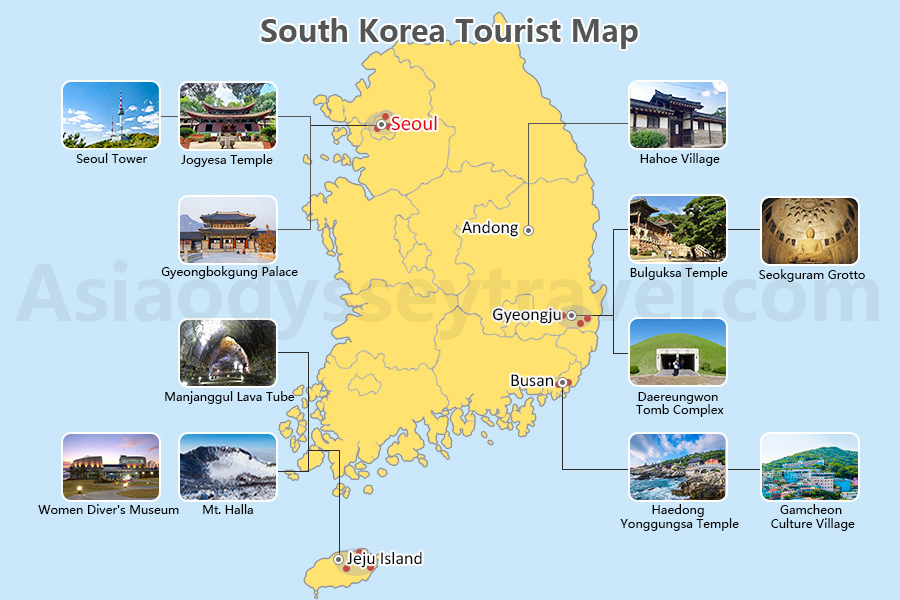
A well-rounded itinerary for a trip to South Korea often includes stops in Seoul, Busan, Gyeongju, and Jeju Island. Here’s a sample itinerary for 7-10 days:
Day 1-3: Seoul
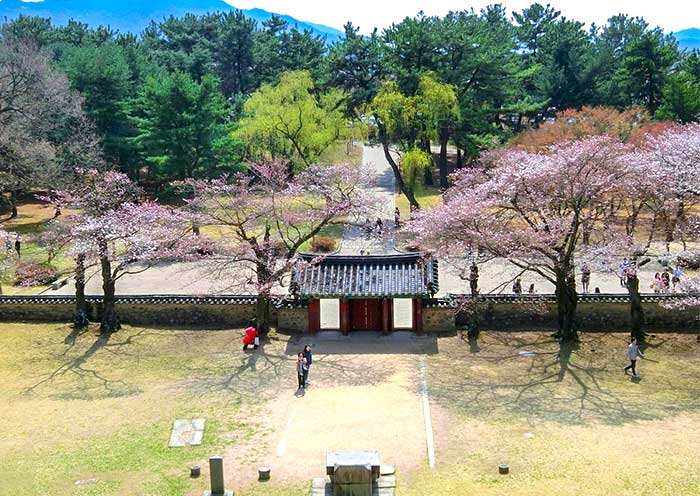
Day 4-5: Gyeongju
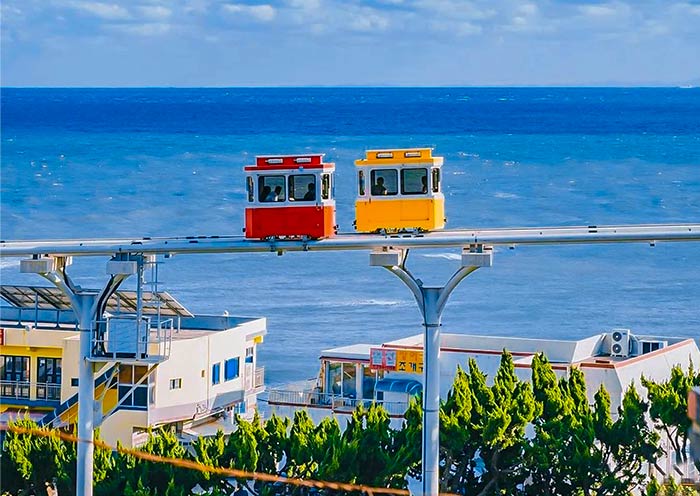
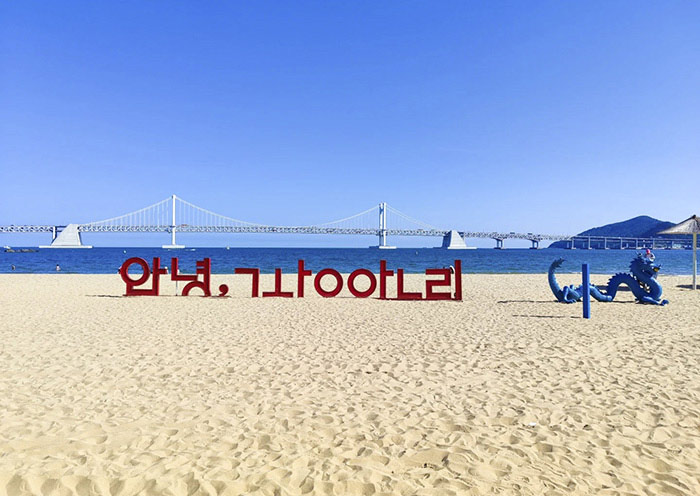
Day 6-7: Busan
Day 8-10: Jeju Island
4. What are recommended travel activities in Seoul?+
Seoul offers a mix of historical, cultural, and modern experiences. Some recommended activities include:
5. What are the train travel options between Seoul and Busan?+
Traveling between Seoul and Busan is usually taking KTX (Korea Train Express):
The fastest option, taking approximately 2.5-3 hours. Trains depart frequently throughout the day from Seoul Station to Busan Station. Prices range from ₩50,000 to ₩80,000 ($40-$70) depending on the class (economy or first class).
6. What are the best things to do in Gyeongju?+
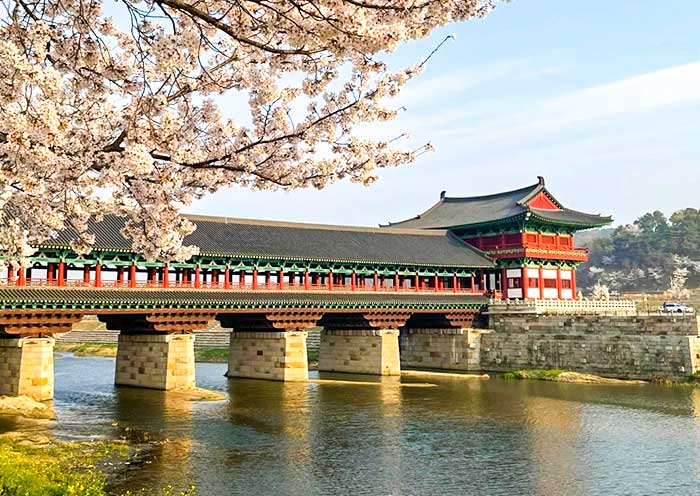
Gyeongju, known as the "museum without walls," is a treasure trove of historical and cultural attractions from the Silla Dynasty. Here are the top things to do:
7. How many days to spend in Jeju Island?+
A stay of 3 to 5 days is ideal for exploring Jeju Island:
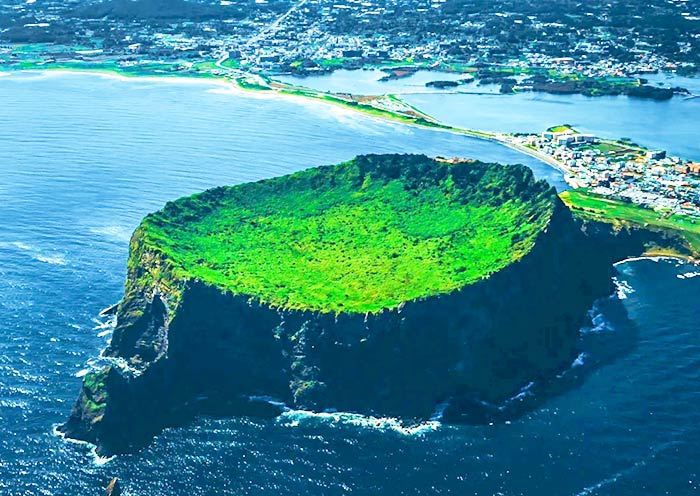
3 Days: This is enough time to visit major highlights like Seongsan Ilchulbong, Hallasan Mountain, Manjanggul Cave, and Jeongbang Waterfall. You can also experience Jeju’s beaches and sample local food.
4-5 Days: For a more leisurely experience, a longer stay allows for additional activities like exploring Udo Island, visiting Jeju Folk Village, experiencing local museums, or going on hikes through Jeju’s forests and coastal trails. You can also relax more at beaches or resorts.
Jeju offers a mix of adventure, nature, and relaxation, so 3-5 days allows for a well-rounded experience.
8. How is Korean food?+
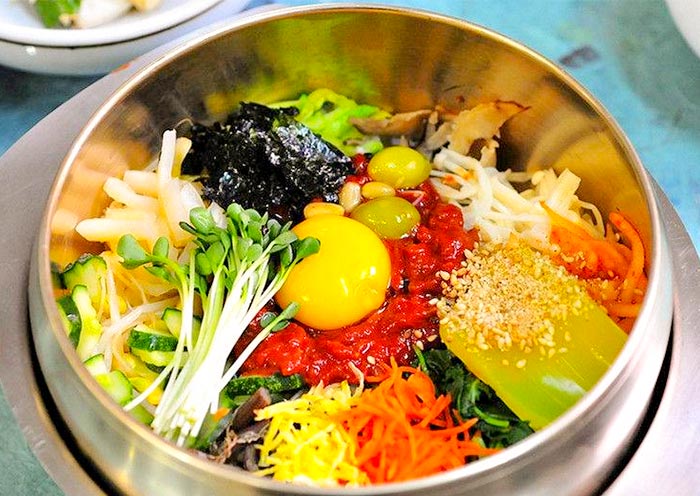
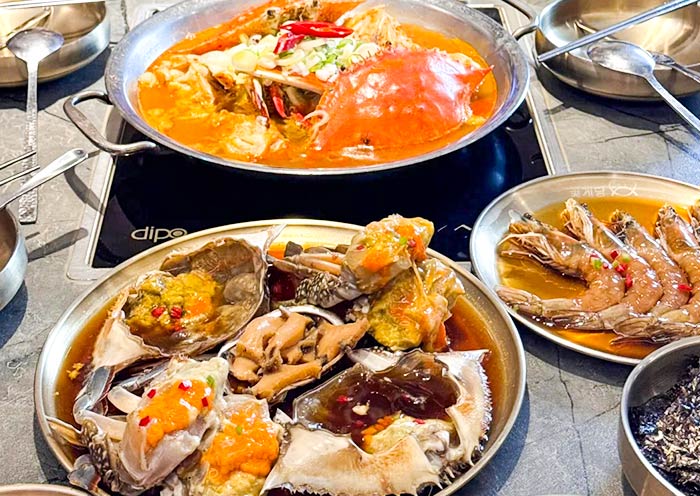
Korean cuisine is mainly based on rice, noodles, tofu, vegetables and meat, which is delicious and healthy. Traditionally, the main meal is paired with a large number of side dishes called banchan, the most popular of which is kimchi. Korean barbecue is a specialty, usually including beef, pork or chicken. These dishes are usually grilled on restaurant tables with gas or charcoal built into the center. One of the most popular dishes is galbi (beef ribs), usually marinated with spices before roasting.
Create a tour based truly on your preferences, including all aspects of your travel in the destination





 Data in submission...